Breaker and Relay Lead Times Hit 24 Weeks
Author
Date Published
Reading Time
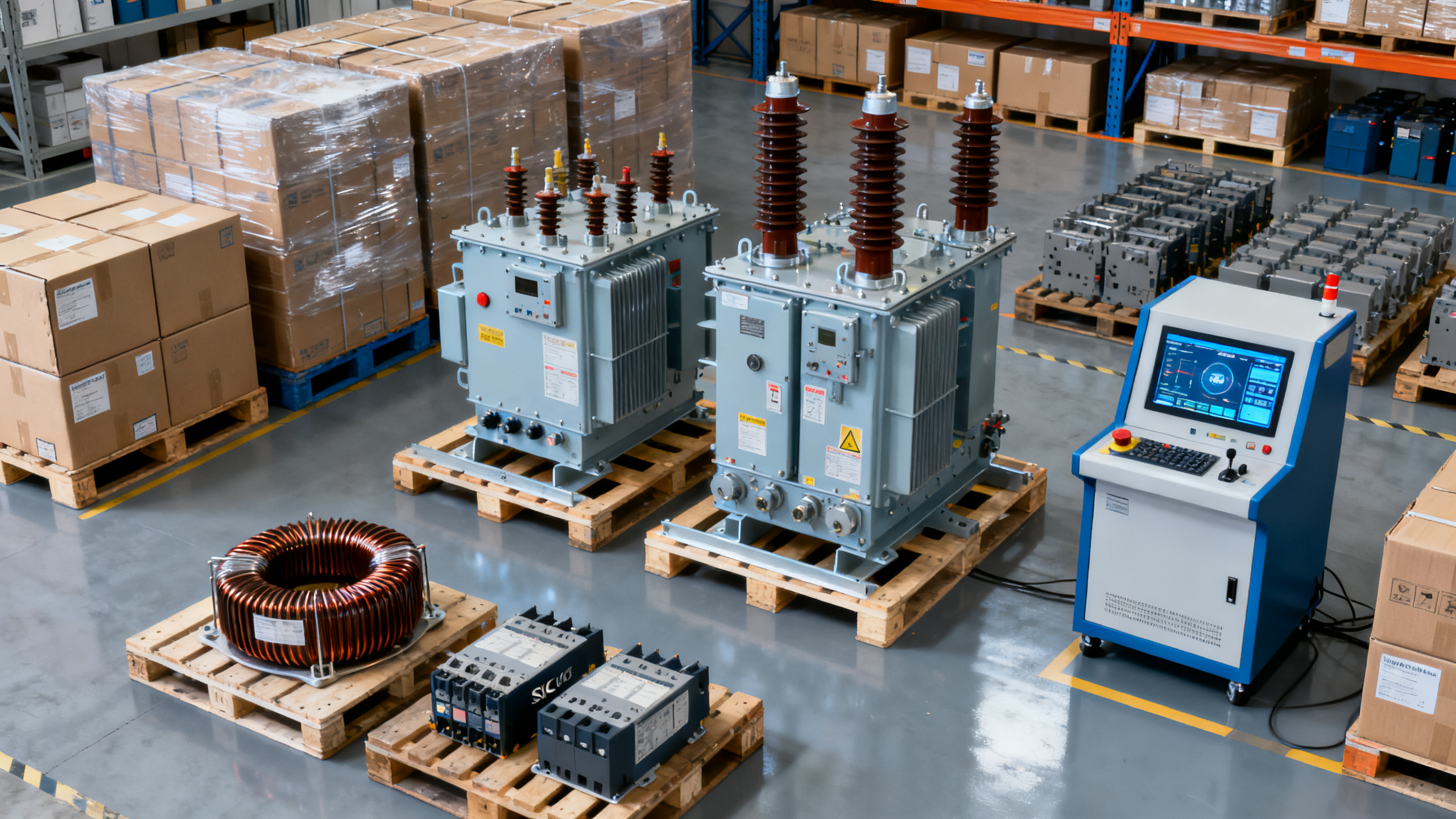
On July 13, 2026, a supply chain alert referenced by ZVEI signaled that the current issue is no longer only about delayed components, but also about changing execution conditions around certification, procurement, and delivery for medium- and high-voltage breakers and industrial relays. With core parts now facing a 24-week lead time and UL/IEC dual certification taking longer, exporters, manufacturers, distributors, and buyers all need to reassess how they handle substitute validation, shipment planning, and compliance timing.
What the July 13 Alert Confirmed
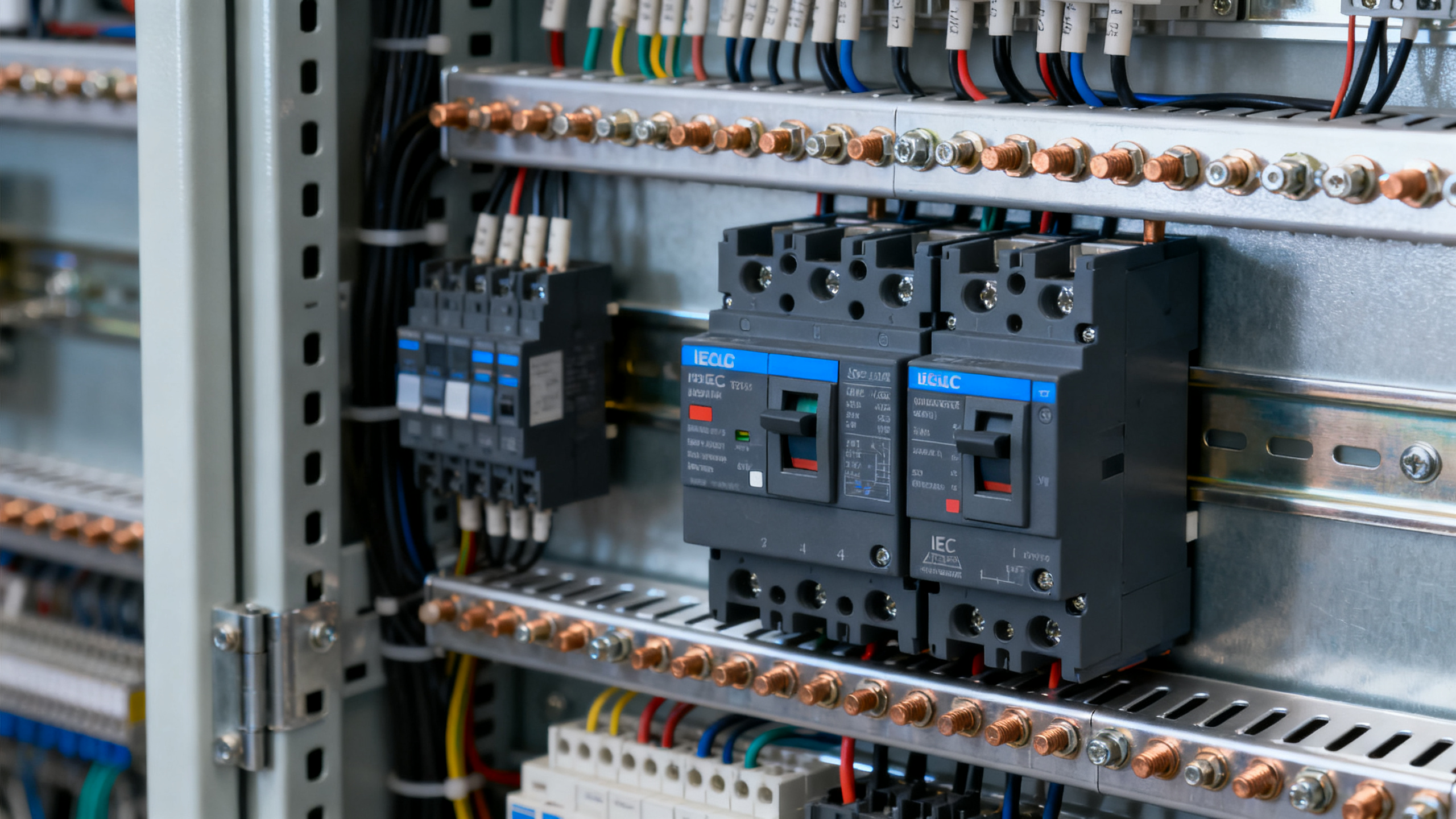
According to the July 13, 2026 supply chain warning cited from ZVEI, logistics disruption linked to low water levels on the Rhine and a fire at a key semiconductor packaging plant has extended lead times for core components used in medium- and high-voltage breakers and industrial relays. The affected components include SiC power modules and electromagnetic drive coils. The reported lead time has reached 24 weeks, which is 9 weeks longer than at the beginning of 2026. The same summary states that Chinese exporters are accelerating substitute-solution validation, that UL/IEC dual certification cycles have lengthened to 11 weeks, and that distributors in Europe and the United States have shifted inventory strategy toward a dual-track model of safety buffer plus local packaging.
Why the Pressure Is Spreading Across Commercial and Compliance Workflows
Export programs are being pushed into longer validation windows
From an industry perspective, exporters are likely to feel the impact first where delivery promises depend on approved component configurations. When substitute solutions are being validated while UL/IEC dual certification cycles are also extending, the main pressure point is not only supply availability but whether product documentation, certification status, and shipment timing still align with customer requirements.
Manufacturing schedules face tighter coordination between parts and approvals
For manufacturers and assembly-oriented suppliers, the reported extension in lead times for SiC power modules and electromagnetic drive coils may affect production sequencing and outbound planning. What deserves closer attention is the link between component substitution and certification timing: even when alternative parts are technically available, compliance-related review windows may become a gating factor for release and delivery.
Distributors and buyers may need to revise inventory and fulfillment assumptions
The stated move by European and U.S. distributors toward a safety-buffer plus local-packaging model suggests a practical shift in channel behavior. For distributors and procurement teams, the relevant change is operational: inventory policy, order batching, local handling, and delivery commitments may increasingly be set against longer replenishment cycles rather than past lead-time assumptions.
Certification and testing-related service providers may see timing pressure intensify
For certification-related firms and testing service participants, the extension of the UL/IEC dual certification cycle to 11 weeks points to longer compliance lead times in commercial execution. This can affect bid preparation, technical file readiness, delivery confirmation, and acceptance planning where customers require aligned certification evidence before shipment or deployment.
What Companies Should Monitor Now
Track whether substitute validation changes the compliance path
Analysis shows that companies using alternative components should pay close attention to whether validation work changes the supporting certification path, test expectations, or document set required by customers and channel partners. The practical issue is not only technical substitution, but whether the revised configuration can move through the same approval timeline.
Recheck lead-time language in contracts, quotations, and bid materials
Observably, longer component lead times and slower dual-certification cycles can affect delivery commitments embedded in quotations, tender responses, and framework supply arrangements. Firms should review whether promised schedules, specification references, and supporting documents still match actual execution conditions.
Watch inventory and local handling requirements in downstream channels
Where distributors are shifting toward safety stock plus local packaging, suppliers and exporters should monitor whether downstream partners begin adjusting order size, stock reservation terms, packaging arrangements, or delivery windows. The current information does not confirm a uniform market rule, but it does indicate a channel response worth following closely.
Keep after-sales traceability and technical records current
Where substitute parts are under review, companies should maintain clear records tied to component selection, certification status, and shipment batches. Analysis shows this is especially relevant when product acceptance, replacement support, or later quality tracing depends on proving which configuration was delivered and under what approval basis.
How This Signal Should Be Read
Analysis shows that this development is better understood as an execution signal rather than a standalone logistics story. The reported shortage is feeding directly into certification timing, substitute validation, and channel inventory behavior, which means the commercial effect is moving through compliance and delivery systems at the same time. It is not yet a complete rule reset in itself, but it does point to stricter timing discipline around approved configurations, documentation readiness, and order planning.
A Practical Reading of the Current Situation
At this stage, the event is more appropriately understood as a confirmed market and execution change with compliance implications, rather than as a settled long-term industry outcome. The verified facts show longer lead times, slower UL/IEC dual certification, faster substitute validation efforts, and a visible adjustment in distributor inventory strategy. For industry participants, the rational response is to treat this as a near-term operational constraint that may influence procurement, export scheduling, certification planning, and channel delivery commitments.
Basis of This Article and What Still Needs Verification
This article is generated from the user-provided news title, event date, and event summary. Source types commonly relevant to developments of this kind include official notices, regulator or trade authority releases, industry association updates, standardization documents, certification-related publications, and reporting by authoritative industry media. A specific official source link was not provided in the input, so that link remains to be verified. Further observation is still needed on later official wording, certification interpretation in practice, tender document changes, market feedback, and how companies implement substitute validation and delivery adjustments.
Technical Specifications
- How to Select Electronic Hotel Key Card Locks for Guest Rooms and Staff AreasAuthor :Safety Compliance Lead
- How to Select Lab Instruments for Reliable Chemical Analysis WorkflowsAuthor :Precision Metrology Expert
- How to Size a UPS for Server Rooms: Load, Runtime, and Redundancy FactorsAuthor :Grid Infrastructure Analyst
Expert Insights

Chief Security Architect
Dr. Thorne specializes in the intersection of structural engineering and digital resilience. He has advised three G7 governments on industrial infrastructure security.
Related Analysis
- Sep 17, 2026How to Select Electronic Hotel Key Card Locks for Guest Rooms and Staff AreasAuthor :Safety Compliance Lead
- Sep 16, 2026How to Select Lab Instruments for Reliable Chemical Analysis WorkflowsAuthor :Precision Metrology Expert
- Sep 15, 2026How to Size a UPS for Server Rooms: Load, Runtime, and Redundancy FactorsAuthor :Grid Infrastructure Analyst
Core Sector // 01
Security & Safety
- Can SPDs Handle Repeated Voltage Spikes in Tropical Grids?Author :Grid Infrastructure Analyst

- How to Evaluate IEC-Compliant Power Protection Devices for Industrial PanelsAuthor :Grid Infrastructure Analyst

- How to Choose Smart Industrial Control Equipment for Harsh Plant EnvironmentsAuthor :Grid Infrastructure Analyst

- EU EMC Update Triggers Re-Certification for BreakersAuthor :Grid Infrastructure Analyst

- How to Select the Right SPD for Solar Inverter Protection in PV Systems?Author :Grid Infrastructure Analyst

- Industrial Valve Systems Factory Checklist: What Buyers Should Verify Before OrderingAuthor :Grid Infrastructure Analyst

- Breaker and Relay Lead Times Hit 24 WeeksAuthor :Grid Infrastructure Analyst

- IEC 61850-10-3 Sets Cybersecurity Bar for Grid DevicesAuthor :Grid Infrastructure Analyst