Industrial Control Components Explained: Key Types, Functions, and Selection Criteria
Author
Date Published
Reading Time
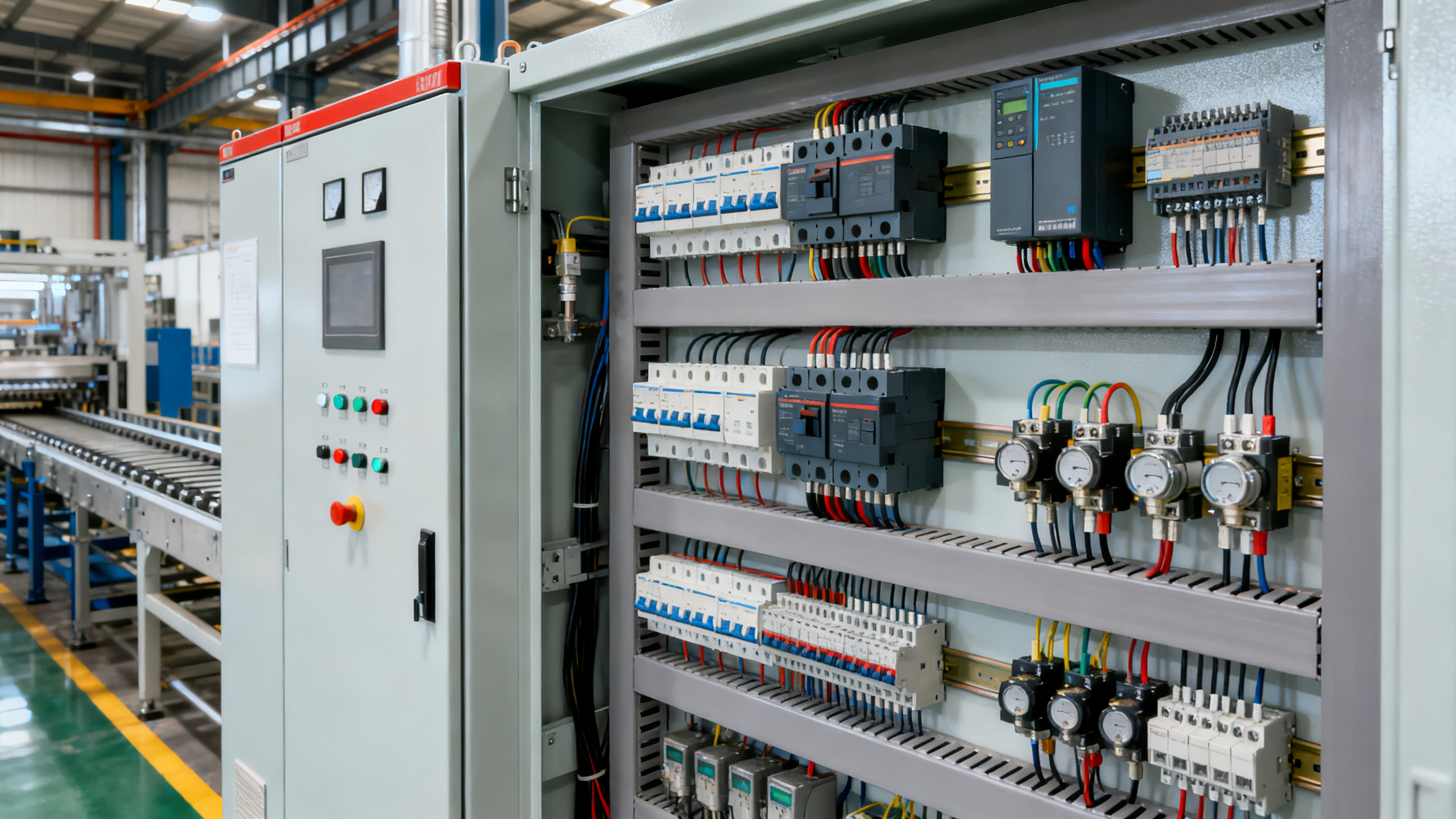
Industrial control components sit at the center of automation, protection, and power continuity across processing plants, utilities, fabrication lines, water systems, and heavy infrastructure. When these parts are specified well, systems run predictably. When they are mismatched, the result is often downtime, nuisance trips, unsafe conditions, or compliance exposure that spreads across the whole asset lifecycle.
That is why industrial control components deserve careful technical review. In practice, they are not just catalog items. They shape how equipment starts, stops, senses, switches, isolates, communicates, and fails safely under real operating stress.
Why the topic matters now
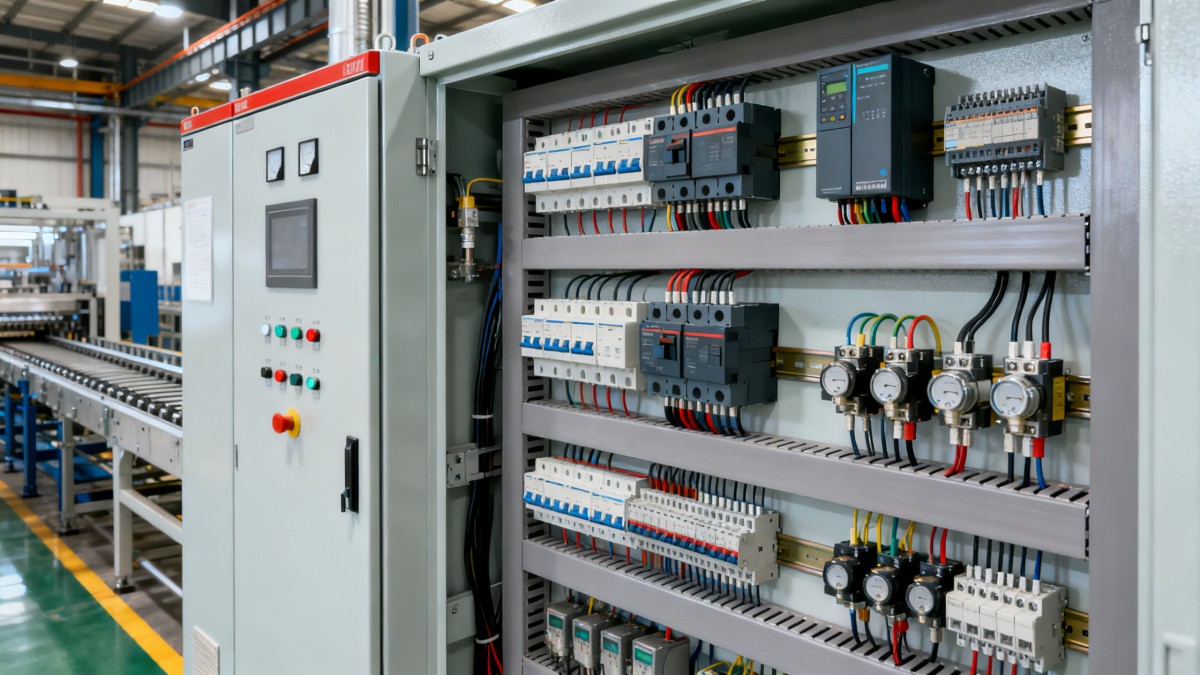
Across industrial sectors, control architecture is becoming more interconnected. Panels now combine legacy relays, smart overload protection, networked drives, safety devices, power monitoring, and edge diagnostics in tighter footprints.
This shift raises the stakes for selection. A component that performs well in a clean indoor cabinet may fail early in a corrosive, high-vibration, or high-temperature environment. A part with strong electrical ratings may still create integration problems if its communication protocol, enclosure needs, or certification status do not match the project.
From the perspective of Global Industrial Core, this is where reliable sourcing intelligence matters. Industrial infrastructure decisions now depend on more than price and nominal rating. They depend on traceable compliance, measurable performance, and evidence that components will hold up in demanding duty cycles.
What industrial control components actually include
The term industrial control components covers the devices that govern machine and process behavior inside electrical and automation systems. Some switch power directly. Others measure variables, relay logic, or protect people and equipment.
The category is broad, but several groups appear in most industrial environments:
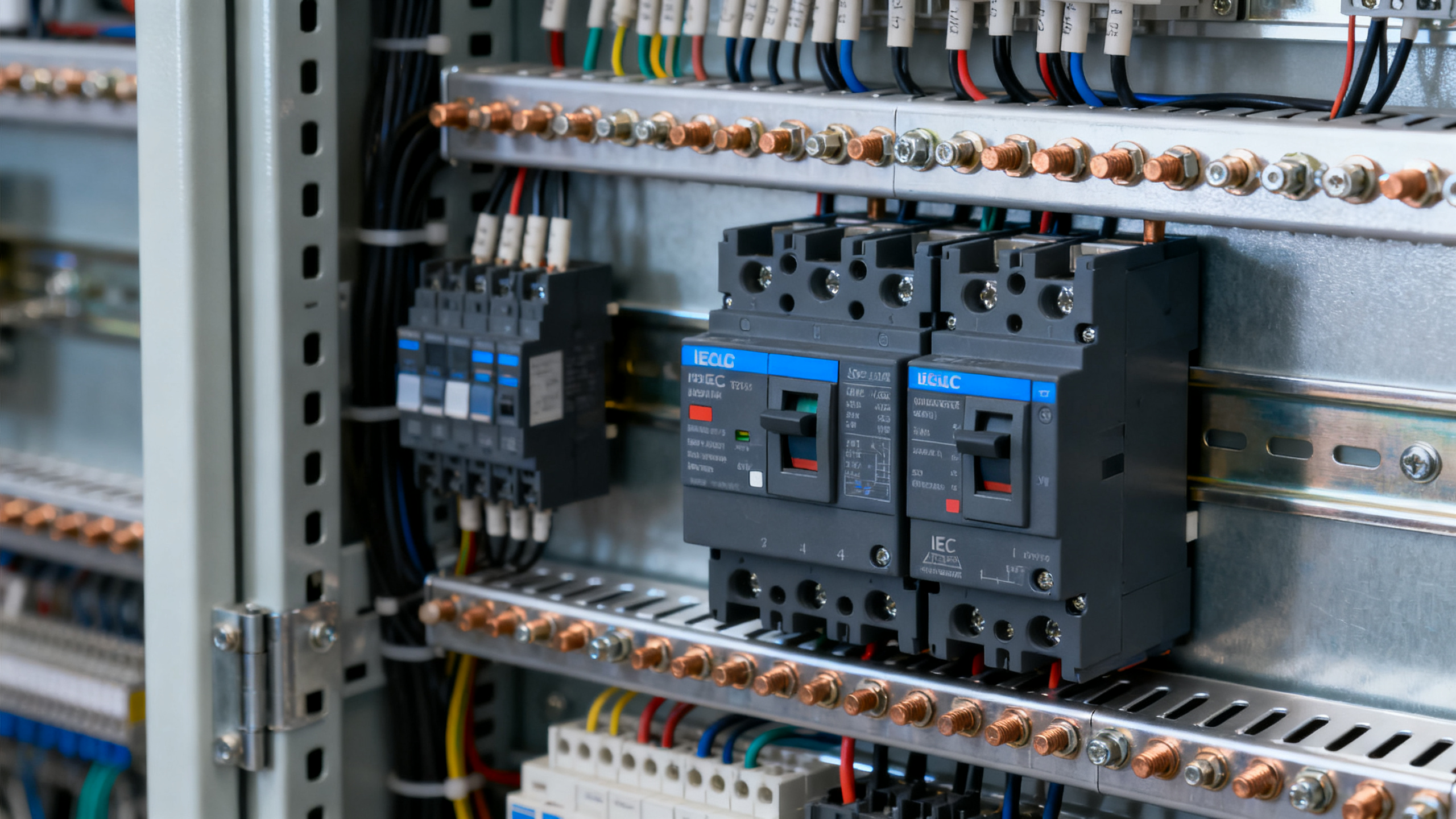
- Contactors, motor starters, and overload relays for motor control
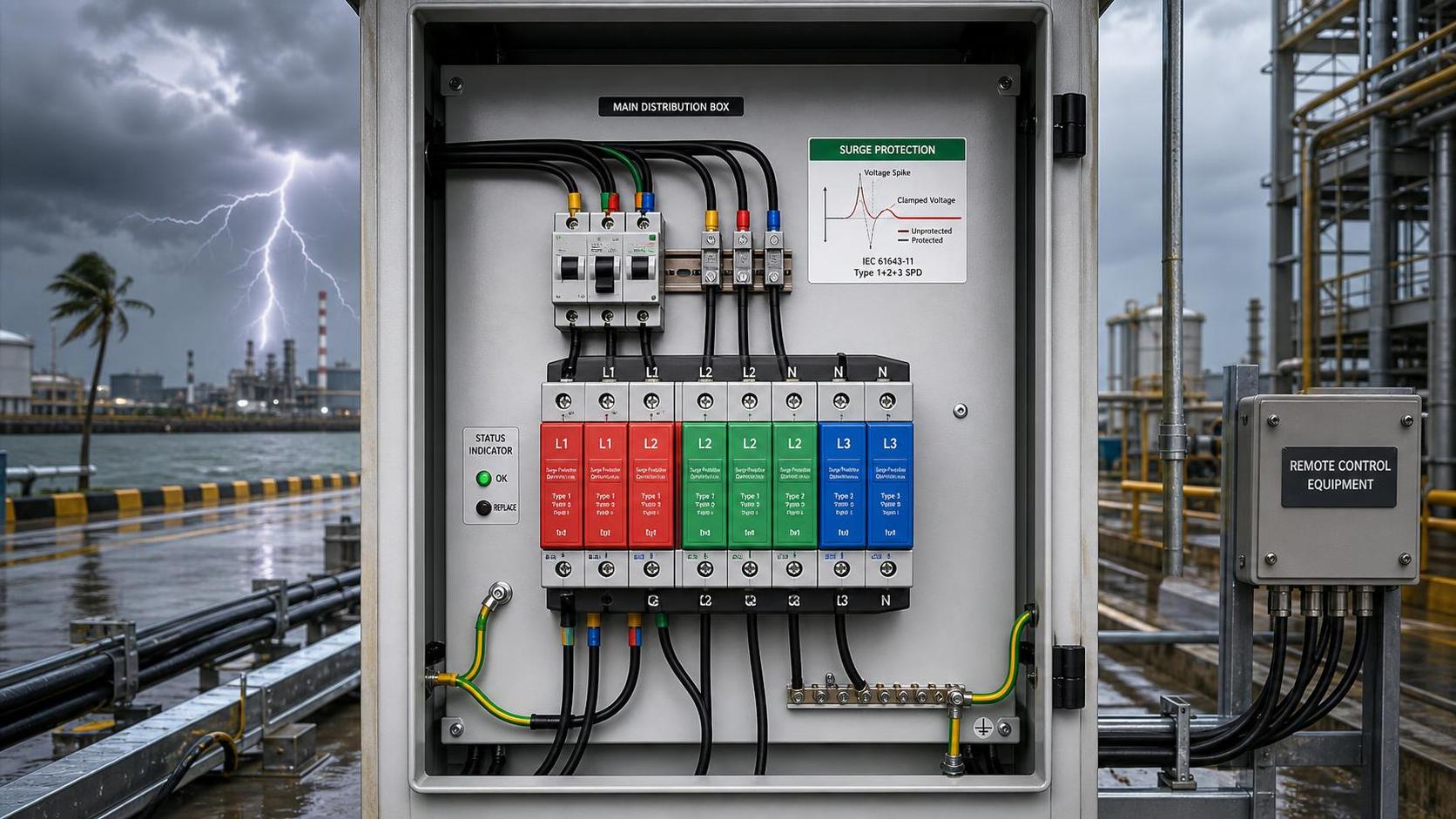
- Circuit breakers, fuses, disconnects, and surge devices for protection and isolation
- Relays, timers, and signal conditioners for logic and interface functions
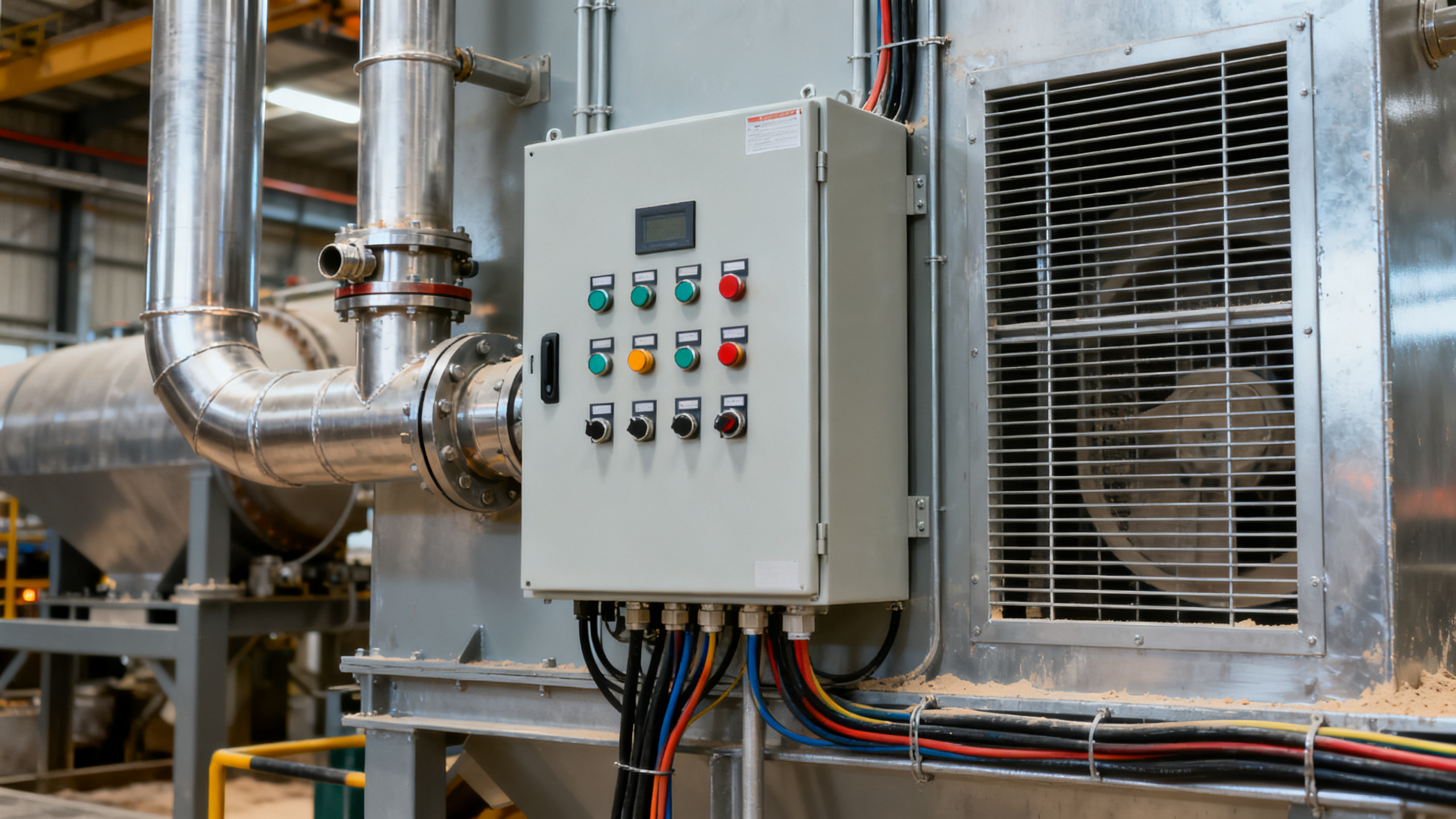
- Pushbuttons, selector switches, pilot lights, and HMIs for operator interaction
- Sensors, transmitters, encoders, and limit switches for feedback and measurement
- PLCs, I/O modules, and industrial communication devices for control coordination
- Safety relays, interlocks, light curtains, and emergency stop devices for risk reduction
- Power supplies, transformers, and terminal blocks for stable distribution and wiring integrity
Although these devices differ in function, they share one role: translating design intent into controlled physical behavior. That is the real meaning of industrial control components in a working facility.
Core functions across the control chain
A useful way to understand industrial control components is to view them as a chain of decisions and actions. Each link supports system stability in a different way.
Seen this way, component selection is not a parts exercise. It is a system decision. Weakness in one function can undermine the value of every other device in the panel.
What drives selection in real projects
In real industrial work, the best choice is rarely the part with the highest published specification. The best choice is the one that aligns with operating conditions, control philosophy, maintenance expectations, and compliance requirements.
Electrical and load characteristics
Start with voltage class, current rating, utilization category, fault current exposure, inrush behavior, and switching frequency. Motor loads, resistive heaters, and sensitive electronics create very different demands.
Published ratings should be read carefully. AC-3, AC-4, SCCR, interrupting capacity, and derating curves often matter more than headline amperage.
Environmental conditions
Industrial control components are deeply affected by heat, dust, moisture, washdown, vibration, salt exposure, and chemical atmosphere. Enclosure rating alone does not solve every environmental problem.
Terminal quality, sealing integrity, contact material, coating selection, and thermal spacing all influence service life. This is especially relevant in water treatment, mining, marine, pulp, and outdoor utility assets.
Compliance and certification
For internationally deployed systems, standards alignment is not optional. CE, UL, ISO-related quality systems, IEC references, and application-specific approvals affect installation acceptance and legal defensibility.
GIC consistently treats certification data as decision-grade evidence, not marketing decoration. That approach is useful because documentation quality often reveals the maturity of the underlying product line.
Integration and maintainability
A technically strong device can still create lifecycle friction. Spare part availability, terminal accessibility, software compatibility, labeling clarity, and diagnostic visibility all affect long-term ownership cost.
Industrial control components should also support realistic maintenance behavior. Fast replacement, standardized footprints, and clear status indication reduce recovery time during faults.
Typical application contexts
Different sectors emphasize different component priorities. The same relay or breaker family may be acceptable in one environment and unsuitable in another.
- Process plants usually prioritize continuous operation, hazardous area suitability, and reliable instrumentation interfaces.
- Discrete manufacturing often emphasizes fast switching, compact cabinet density, and repeatable machine safety behavior.
- Utilities and power systems focus on fault tolerance, protection coordination, and environmental resilience.
- Water and wastewater assets require strong moisture resistance, remote monitoring support, and dependable unattended operation.
- Material handling systems value modularity, sensor reliability, and rapid service replacement.
This is why industrial control components should be judged in context. A generic shortlist rarely survives contact with real site conditions.
Common evaluation mistakes
Several errors appear repeatedly in component reviews, especially when schedules are compressed or substitutions happen late in procurement.
- Treating similar dimensions as proof of functional equivalence
- Ignoring heat buildup inside crowded panels
- Assuming communication compatibility without protocol-level verification
- Overlooking minimum load, leakage current, or switching endurance limits
- Accepting incomplete certification or test records for critical applications
- Selecting by initial cost without considering replacement frequency or downtime exposure
None of these mistakes look dramatic on a datasheet review. They become expensive when the system enters commissioning or sustained operation.
A practical framework for comparing options
A disciplined comparison process helps separate acceptable substitutes from risky ones. The goal is not to create paperwork. The goal is to expose hidden mismatch before installation.
Useful checkpoints
- Map each component to its exact function in the control chain
- Confirm electrical ratings under the real duty category
- Review ambient temperature and enclosure derating
- Check CE, UL, IEC, and project-specific approval needs
- Verify wiring, footprint, and communication compatibility
- Compare lifecycle support, lead times, and field replacement simplicity
- Request traceable test evidence for safety-critical or high-consequence service
That framework aligns with the evidence-driven sourcing model promoted by GIC. It keeps attention on resilience, compliance, and operational fit instead of superficial equivalence.
Where to focus next
The most effective next step is usually a structured review of the current component baseline. Identify which industrial control components are performance-critical, safety-critical, or difficult to replace once commissioned.
From there, compare shortlisted options against actual duty, compliance documents, environmental exposure, and maintenance constraints. That process quickly reveals whether a component is merely available or genuinely suitable.
In other words, better decisions come from sharper criteria. For industrial control components, that means looking past catalog familiarity and building a documented selection standard that can hold up in operation, audit, and future expansion.
Technical Specifications
- Air Handling Unit Supplier Checklist: Performance Data, Lead Times, and SupportAuthor :Environmental Engineering Director
- Buying Fiberglass Water Tanks Wholesale: Compare Quotes and Delivery CostsAuthor :Environmental Engineering Director
- Choosing an XLPE Power Cable Supplier: Test Reports, Traceability, and Lead TimesAuthor :Grid Infrastructure Analyst
Expert Insights

Chief Security Architect
Dr. Thorne specializes in the intersection of structural engineering and digital resilience. He has advised three G7 governments on industrial infrastructure security.
Related Analysis
- Oct 19, 2026Air Handling Unit Supplier Checklist: Performance Data, Lead Times, and SupportAuthor :Environmental Engineering Director
- Oct 18, 2026Buying Fiberglass Water Tanks Wholesale: Compare Quotes and Delivery CostsAuthor :Environmental Engineering Director
- Oct 17, 2026Choosing an XLPE Power Cable Supplier: Test Reports, Traceability, and Lead TimesAuthor :Grid Infrastructure Analyst
Core Sector // 01
Security & Safety
- Can SPDs Handle Repeated Voltage Spikes in Tropical Grids?Author :Grid Infrastructure Analyst

- How to Evaluate IEC-Compliant Power Protection Devices for Industrial PanelsAuthor :Grid Infrastructure Analyst

- How to Choose Smart Industrial Control Equipment for Harsh Plant EnvironmentsAuthor :Grid Infrastructure Analyst

- EU EMC Update Triggers Re-Certification for BreakersAuthor :Grid Infrastructure Analyst

- How to Select the Right SPD for Solar Inverter Protection in PV Systems?Author :Grid Infrastructure Analyst

- Industrial Valve Systems Factory Checklist: What Buyers Should Verify Before OrderingAuthor :Grid Infrastructure Analyst

- Breaker and Relay Lead Times Hit 24 WeeksAuthor :Grid Infrastructure Analyst

- IEC 61850-10-3 Sets Cybersecurity Bar for Grid DevicesAuthor :Grid Infrastructure Analyst