How to judge a reliable Electrical & Power manufacturer
Author
Date Published
Reading Time
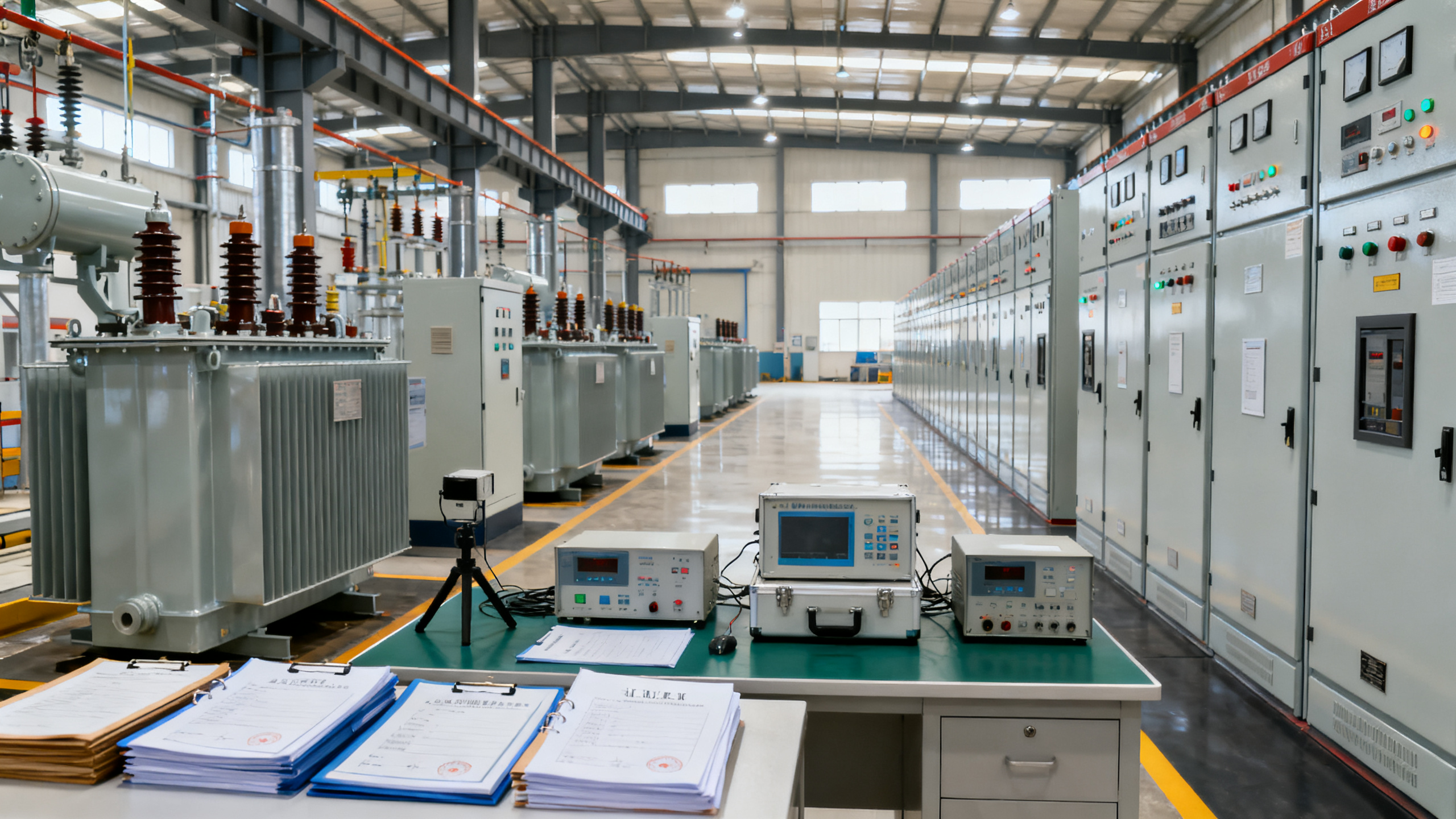
Choosing a reliable Electrical & Power manufacturer is more than comparing prices—it is about verifying compliance, performance, and long-term supply stability. For information-driven buyers researching industrial partners, understanding how to assess certifications, production capability, quality control, and global project experience can reduce risk and improve procurement decisions. This guide outlines the key factors that separate dependable manufacturers from uncertain suppliers.
Why judgment standards change across real industrial scenarios
A reliable Electrical & Power manufacturer may perform well in one project type but fail in another. Judgment must start with the operating scenario, not the catalog alone.
Power distribution inside a factory differs from a utility substation, a renewable site, or a harsh mining environment. Voltage class, thermal stress, certification scope, and service response all change.
This is why reliable supplier evaluation should connect product claims to field conditions. Technical fit matters as much as brand visibility or pricing.
In the broader industrial sector, procurement decisions affect uptime, safety, insurance compliance, and total lifecycle cost. A weak source can create outages, rework, or approval delays.
Scenario 1: judging an Electrical & Power manufacturer for factory power distribution
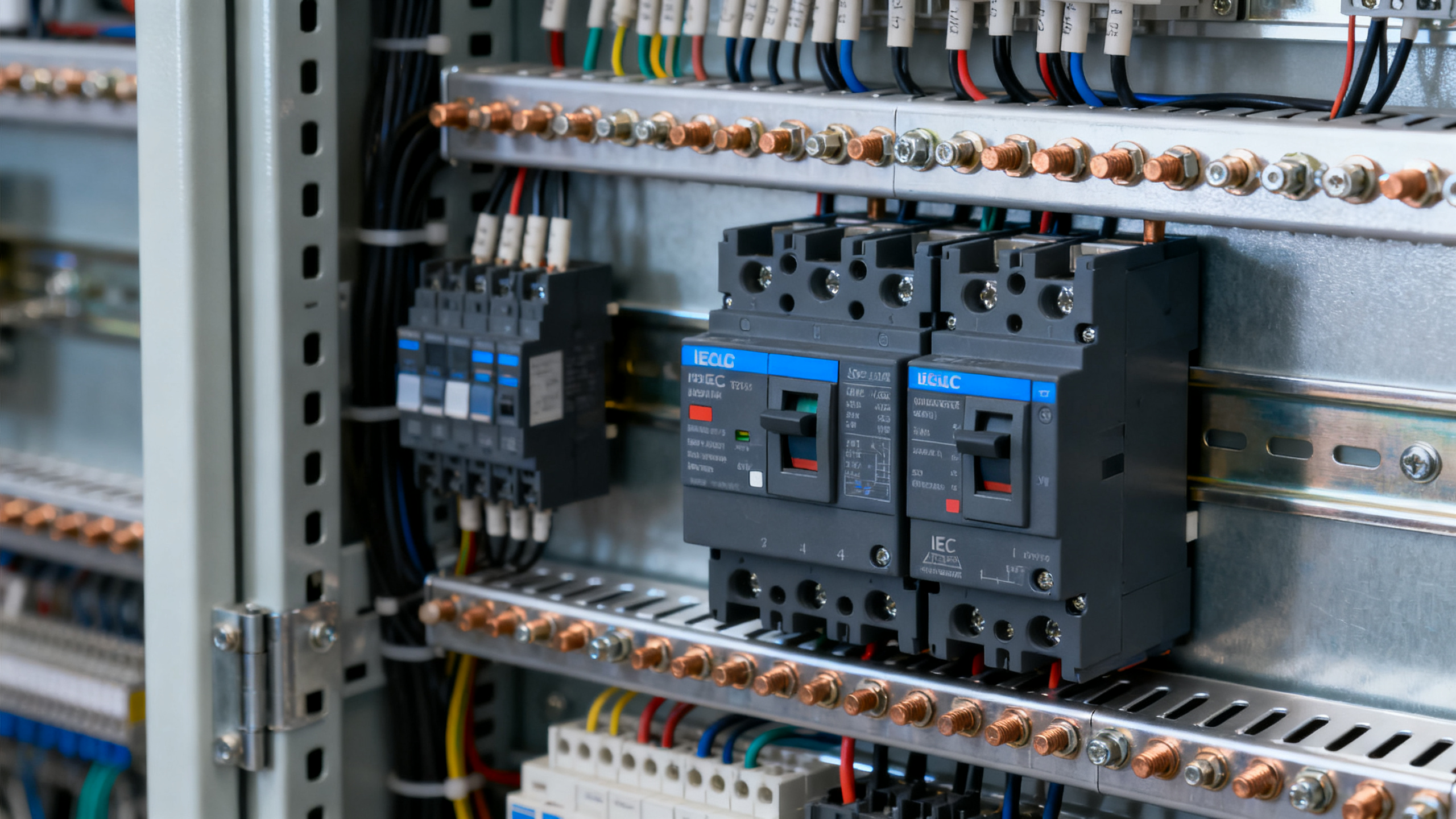
In plant distribution projects, reliability depends on continuity, low failure rates, and easy maintenance. Common equipment includes switchgear, transformers, cables, breakers, busbars, and control panels.
The first check is standards coverage. A dependable Electrical & Power manufacturer should provide CE, UL, IEC, ISO, and test reports matching the actual product family.
Key judgment points in this scenario
- Short-circuit withstand data matches the required fault level.
- Temperature rise testing supports long duty cycles.
- Spare parts availability is confirmed in writing.
- Panel layout, cable entry, and maintenance access are practical.
- Factory acceptance testing procedures are documented.
A reliable supplier for this scenario also shows repeatable production. Ask for process control records, incoming material inspection rules, and nonconformance handling reports.
Scenario 2: judging an Electrical & Power manufacturer for utility and grid projects
Grid-facing projects demand stricter engineering discipline. Equipment must integrate with protection systems, network codes, and long service intervals under public infrastructure requirements.
Here, a reliable Electrical & Power manufacturer must prove high-voltage competence, insulation system design, and traceable testing by recognized laboratories.
What to verify before approval
- Type test reports for switchgear, transformers, relays, or arresters.
- Grid project references in similar voltage ranges.
- Protection coordination and communication protocol support.
- Document control for drawings, revisions, and technical submittals.
- After-sales service capability for commissioning and troubleshooting.
For grid applications, late documentation can delay energization. Reliable manufacturers usually have disciplined engineering teams and clear technical response timelines.
Scenario 3: judging an Electrical & Power manufacturer for renewable energy and hybrid systems
Solar, wind, storage, and hybrid microgrid projects place strong emphasis on interoperability. The Electrical & Power manufacturer must support fast integration across multiple technologies.
This scenario often involves inverters, combiner boxes, transformers, protection devices, monitoring units, and energy management interfaces. Compatibility problems are common hidden risks.
Core judgment points for renewable projects
- Environmental ratings fit outdoor exposure, dust, humidity, and UV conditions.
- Monitoring and communication protocols support remote diagnostics.
- Efficiency data is independently tested, not only advertised.
- Warranty terms clearly define exclusions and service response.
- Balance-of-system compatibility is checked early.
A reliable Electrical & Power manufacturer in this space provides application engineering support, not just product quotations. That support reduces design mismatch and later retrofit cost.
Scenario 4: judging an Electrical & Power manufacturer for harsh and safety-critical environments
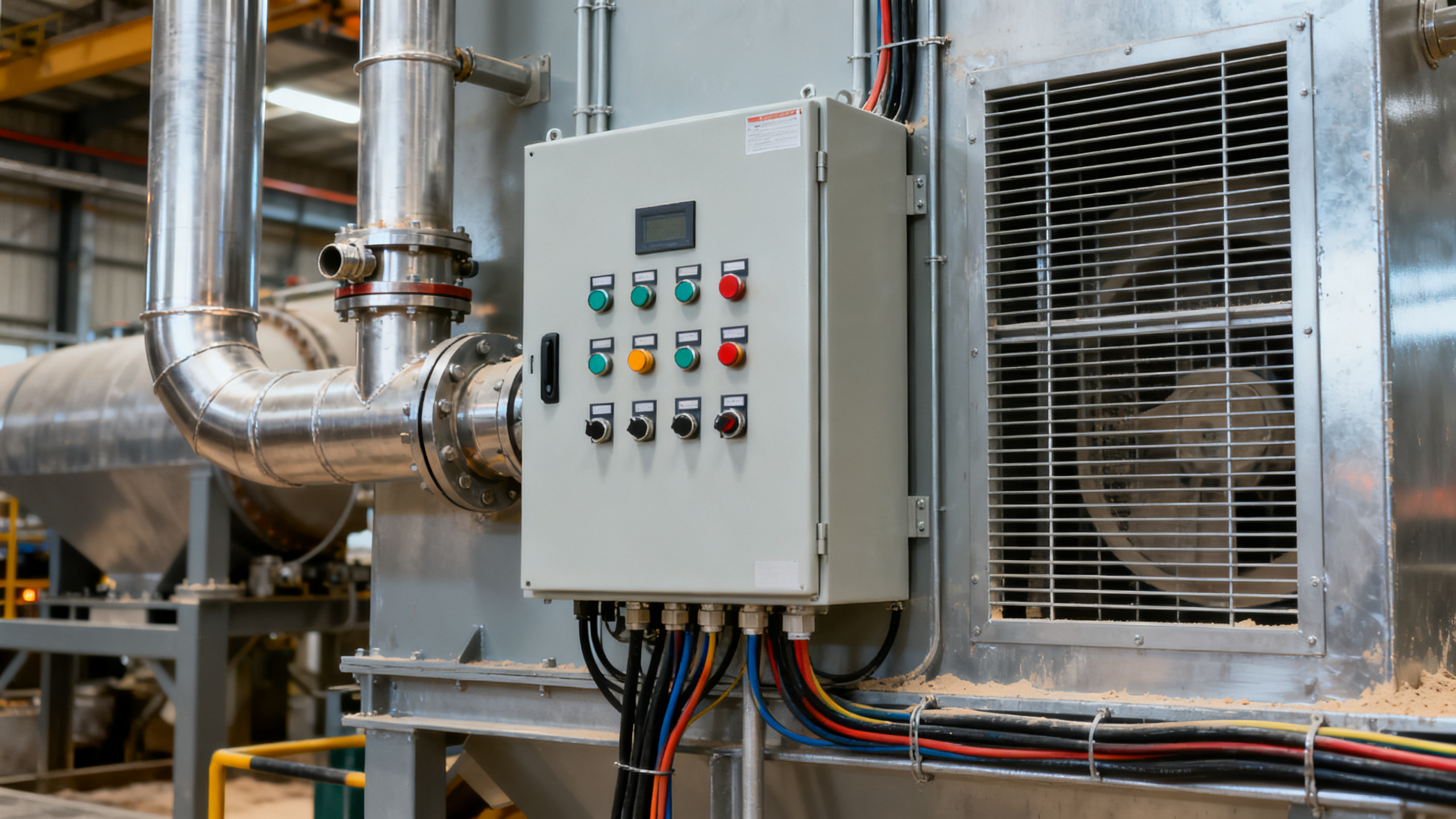
Mining, oil and gas, marine, metallurgy, and chemical environments require stronger screening. In these settings, failure can escalate into safety incidents, shutdowns, or environmental exposure.
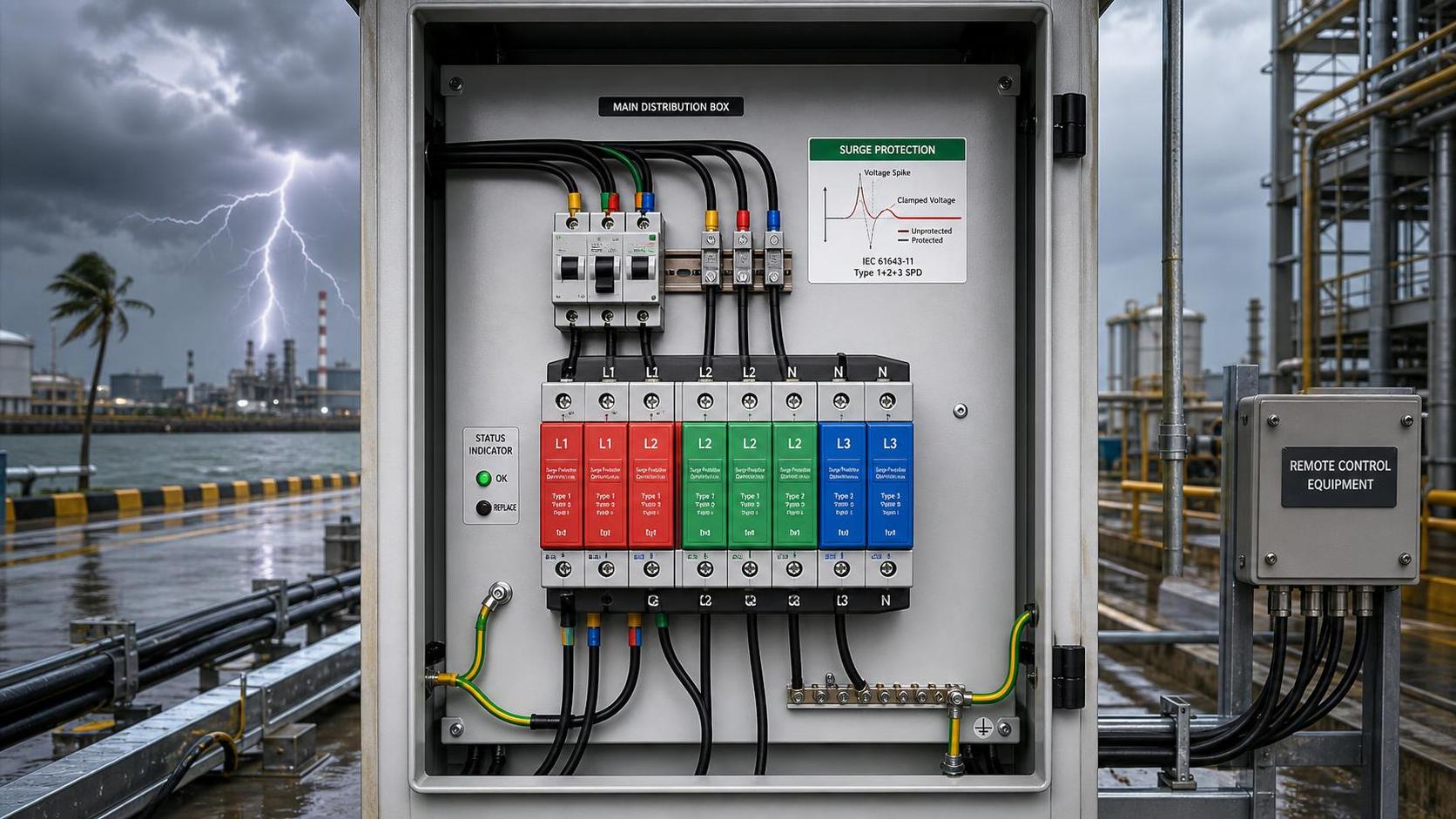
A reliable Electrical & Power manufacturer should demonstrate enclosure integrity, corrosion resistance, fire performance, vibration tolerance, and, where required, hazardous area compliance.
Evidence that matters most
- IP, NEMA, or equivalent protection ratings are application-specific.
- Materials selection supports salt spray, chemicals, or abrasion.
- Explosion-proof or safety certifications are current and valid.
- Mechanical durability data covers shock and vibration.
- Service teams understand difficult installation environments.
The best manufacturers in harsh environments usually show case histories with operating hours, maintenance intervals, and root-cause records from previous projects.
How scenario requirements differ when evaluating an Electrical & Power manufacturer
Practical ways to match the right manufacturer to the right scenario
A reliable Electrical & Power manufacturer should be evaluated through a staged process. Simple screening alone rarely reveals engineering or delivery weaknesses.
- Define the scenario with voltage level, environment, standards, and service expectations.
- Request product-specific certificates, not only company-wide certificates.
- Review test capability, calibration control, and inspection documentation.
- Check manufacturing consistency through audit reports or virtual factory review.
- Validate reference projects with similar scale and conditions.
- Confirm lead time realism, raw material sourcing, and contingency planning.
- Assess technical communication speed during pre-sales review.
This process helps identify whether the supplier is simply a trader, an assembler, or a true engineering manufacturer with sustainable control over quality and delivery.
Common misjudgments when selecting an Electrical & Power manufacturer
One common mistake is overvaluing low initial price. Cheap equipment can create high total cost through failures, downtime, spare shortages, and delayed project acceptance.
Another mistake is trusting generic certificates without checking model coverage, validity dates, and issuing bodies. Not every certificate applies to every product variation.
Many evaluations also ignore engineering responsiveness. A reliable Electrical & Power manufacturer should answer technical clarifications clearly and quickly before contract award.
Some teams focus only on factory size. Scale can help, but disciplined quality systems, traceability, and after-sales execution often matter more than square meters.
A final blind spot is supply continuity. Ask about key component sourcing, alternate suppliers, inventory strategy, and past disruption handling.
The next step toward a safer supplier decision
To judge a reliable Electrical & Power manufacturer, connect every claim to a real scenario, a valid document, and a proven execution record. That approach lowers technical and commercial risk.
Build a comparison checklist covering certifications, testing, production discipline, project references, communication quality, and long-term service capability. Then score suppliers against the same scenario requirements.
For industrial sourcing decisions where failure is not acceptable, structured evaluation creates stronger outcomes than price-led selection. Reliable power infrastructure starts with reliable manufacturing evidence.
Use this framework to shortlist partners, request targeted proof, and move forward with greater confidence in both performance and supply resilience.
Technical Specifications
- How to Select Electronic Hotel Key Card Locks for Guest Rooms and Staff AreasAuthor :Safety Compliance Lead
- How to Select Lab Instruments for Reliable Chemical Analysis WorkflowsAuthor :Precision Metrology Expert
- How to Size a UPS for Server Rooms: Load, Runtime, and Redundancy FactorsAuthor :Grid Infrastructure Analyst
Expert Insights

Chief Security Architect
Dr. Thorne specializes in the intersection of structural engineering and digital resilience. He has advised three G7 governments on industrial infrastructure security.
Related Analysis
- Sep 17, 2026How to Select Electronic Hotel Key Card Locks for Guest Rooms and Staff AreasAuthor :Safety Compliance Lead
- Sep 16, 2026How to Select Lab Instruments for Reliable Chemical Analysis WorkflowsAuthor :Precision Metrology Expert
- Sep 15, 2026How to Size a UPS for Server Rooms: Load, Runtime, and Redundancy FactorsAuthor :Grid Infrastructure Analyst
Core Sector // 01
Security & Safety
- Can SPDs Handle Repeated Voltage Spikes in Tropical Grids?Author :Grid Infrastructure Analyst

- How to Evaluate IEC-Compliant Power Protection Devices for Industrial PanelsAuthor :Grid Infrastructure Analyst

- How to Choose Smart Industrial Control Equipment for Harsh Plant EnvironmentsAuthor :Grid Infrastructure Analyst

- EU EMC Update Triggers Re-Certification for BreakersAuthor :Grid Infrastructure Analyst

- How to Select the Right SPD for Solar Inverter Protection in PV Systems?Author :Grid Infrastructure Analyst

- Industrial Valve Systems Factory Checklist: What Buyers Should Verify Before OrderingAuthor :Grid Infrastructure Analyst

- Breaker and Relay Lead Times Hit 24 WeeksAuthor :Grid Infrastructure Analyst

- IEC 61850-10-3 Sets Cybersecurity Bar for Grid DevicesAuthor :Grid Infrastructure Analyst