UL Tightens Cybersecurity Validation for Connected Power Devices
Author
Date Published
Reading Time
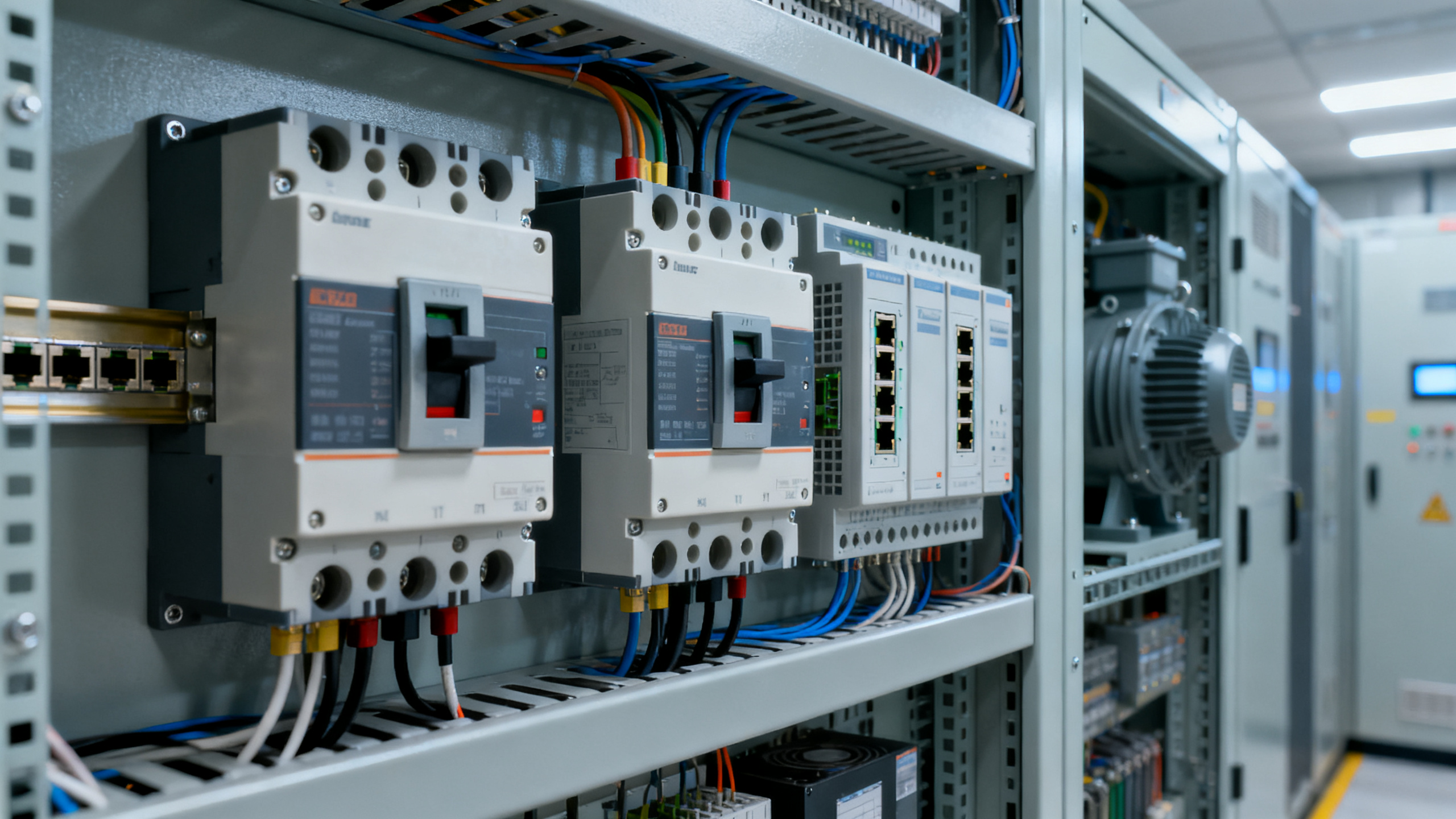
On July 1, 2026, UL Solutions put a new compliance requirement into effect through UL 2900-2-2:2026 Edition, making cybersecurity validation mandatory for circuit breakers, protective relays, and motor control centers that include embedded connectivity such as Modbus TCP, MQTT, or Ethernet/IP. For manufacturers, integrators, procurement teams, and certification-related service providers, the immediate point of attention is not only the technical scope of the requirement, but also its direct link to UL Listing renewal for products shipped after the effective date.
What the new UL requirement confirms
According to the provided event summary, UL Solutions launched UL 2900-2-2:2026 Edition on July 1, 2026. The requirement applies to circuit breakers, protective relays, and motor control centers with embedded IoT or network connectivity.
The mandatory validation scope includes firmware integrity, secure boot, and OTA update protection. The summary also states that devices shipped after July 1 that do not meet the requirement will fail UL Listing renewal.
The stated impact range covers OEMs and system integrators across North America, the Middle East, and ASEAN.
Where the pressure is likely to appear first
Product manufacturers now face a certification gate tied to connected functions
For OEMs producing breakers, relays, or motor control centers with embedded communications, the change matters because cybersecurity is no longer a secondary product feature in the UL context described here. It becomes part of the validation path connected to Listing renewal. In practical terms, affected companies need to pay closer attention to whether product configurations using Modbus TCP, MQTT, or Ethernet/IP are supported by the required technical documentation, validation materials, and compliance evidence.
System integrators may see added review pressure during project delivery
System integrators are directly named in the event summary, which suggests the rule change may affect delivery planning where listed equipment is part of a broader system package. From an operational perspective, integrators may need to check whether the specified devices in project scope remain aligned with current UL renewal status, especially when delivery occurs after the effective date.
Procurement and sourcing teams may need to reassess acceptance criteria
Buyers and sourcing teams are likely to feel the change through supplier qualification and order review. Analysis shows that for connected electrical protection and control products, purchase decisions may now require closer review of certification status, technical declarations related to secure boot or firmware protection, and whether connected variants differ from non-connected variants in compliance treatment.
Testing and certification support functions may become more involved in documentation flow
Certification-related service providers and internal compliance teams may need to spend more time on document readiness, validation scope confirmation, and product-version traceability. What deserves closer attention is that the requirement is framed around cybersecurity validation elements that can affect both technical review and renewal timing, even when the product category itself is already familiar to the market.
What companies should monitor in the near term
Review which shipped and planned products fall within scope
Companies should first identify whether any breaker, relay, or motor control center includes embedded connectivity covered in the summary. This matters because the trigger here is not the broader product family alone, but the presence of networked functionality such as Modbus TCP, MQTT, or Ethernet/IP.
Check renewal-related files and technical records
Analysis shows that compliance attention should focus on whether firmware integrity, secure boot, and OTA update protection are reflected in technical files, validation materials, and certification-related records. The provided information does not include detailed submission procedures, so this should be treated as a monitoring priority rather than a confirmed checklist.
Align procurement, tender, and delivery documents with the new requirement
For projects already in quotation, tendering, or scheduled delivery, companies may need to review whether current product specifications, bid documents, or purchasing terms clearly match the post-July 1 compliance condition. This is especially relevant where UL Listing renewal status affects acceptance, shipment release, or installation planning.
Track execution language and market response before making broad assumptions
The summary confirms the effective date and the consequence for non-compliant devices in renewal, but it does not provide fuller execution detail beyond that. Observably, companies should keep watching for more specific certification language, market-facing implementation practices, and customer-side documentation requests before treating all operational implications as settled.
Why this looks like an execution signal, not just a standards update
From an industry perspective, this development is more than a general cybersecurity statement because it connects defined validation items to an immediate certification consequence. That gives the update the character of an execution signal rather than a distant policy direction. At the same time, analysis also suggests that the practical burden on trade, delivery, and project acceptance will depend on how certification review, procurement specifications, and market-side verification are applied in the coming period.
It is more appropriate to understand this as a rule change that has already taken effect, while recognizing that its full operational impact still requires continued observation through renewal practice, bid documentation changes, and feedback from affected market participants.
How the market is likely to read this update
In neutral terms, the July 1 update indicates that connected power protection and control equipment is being judged not only by core electrical performance, but also by cybersecurity controls tied to product trustworthiness. For companies active across North America, the Middle East, and ASEAN, the immediate issue is not abstract policy discussion but whether connected product versions, compliance records, and shipment plans remain aligned with UL Listing renewal expectations.
Current observation suggests this should be read as an already effective compliance change with downstream effects on certification review, sourcing decisions, and delivery coordination. Broader market consequences should still be assessed cautiously as more implementation feedback emerges.
Basis of this article and points still requiring verification
This article is based on the user-provided news title, event date, and event summary. For events of this type, commonly relevant source categories may include official announcements, regulator or trade authority releases, industry association updates, standards organization documents, and reporting by authoritative industry media.
A specific official source link was not provided in the input, so the original publication path and any supplementary implementation documents still need ongoing verification. Items that remain worth monitoring include detailed certification interpretation, execution language in renewal practice, changes in tender or procurement documents, market feedback from OEMs and integrators, and how affected companies implement compliance in shipped products.
Technical Specifications
- Air Handling Unit Supplier Checklist: Performance Data, Lead Times, and SupportAuthor :Environmental Engineering Director
- Buying Fiberglass Water Tanks Wholesale: Compare Quotes and Delivery CostsAuthor :Environmental Engineering Director
- Choosing an XLPE Power Cable Supplier: Test Reports, Traceability, and Lead TimesAuthor :Grid Infrastructure Analyst
Expert Insights

Chief Security Architect
Dr. Thorne specializes in the intersection of structural engineering and digital resilience. He has advised three G7 governments on industrial infrastructure security.
Related Analysis
- Oct 19, 2026Air Handling Unit Supplier Checklist: Performance Data, Lead Times, and SupportAuthor :Environmental Engineering Director
- Oct 18, 2026Buying Fiberglass Water Tanks Wholesale: Compare Quotes and Delivery CostsAuthor :Environmental Engineering Director
- Oct 17, 2026Choosing an XLPE Power Cable Supplier: Test Reports, Traceability, and Lead TimesAuthor :Grid Infrastructure Analyst
Core Sector // 01
Security & Safety
- Can SPDs Handle Repeated Voltage Spikes in Tropical Grids?Author :Grid Infrastructure Analyst

- How to Evaluate IEC-Compliant Power Protection Devices for Industrial PanelsAuthor :Grid Infrastructure Analyst

- How to Choose Smart Industrial Control Equipment for Harsh Plant EnvironmentsAuthor :Grid Infrastructure Analyst

- EU EMC Update Triggers Re-Certification for BreakersAuthor :Grid Infrastructure Analyst

- How to Select the Right SPD for Solar Inverter Protection in PV Systems?Author :Grid Infrastructure Analyst

- Industrial Valve Systems Factory Checklist: What Buyers Should Verify Before OrderingAuthor :Grid Infrastructure Analyst

- Breaker and Relay Lead Times Hit 24 WeeksAuthor :Grid Infrastructure Analyst

- IEC 61850-10-3 Sets Cybersecurity Bar for Grid DevicesAuthor :Grid Infrastructure Analyst