How to Choose Smart Industrial Control Equipment for Harsh Plant Environments
Author
Date Published
Reading Time
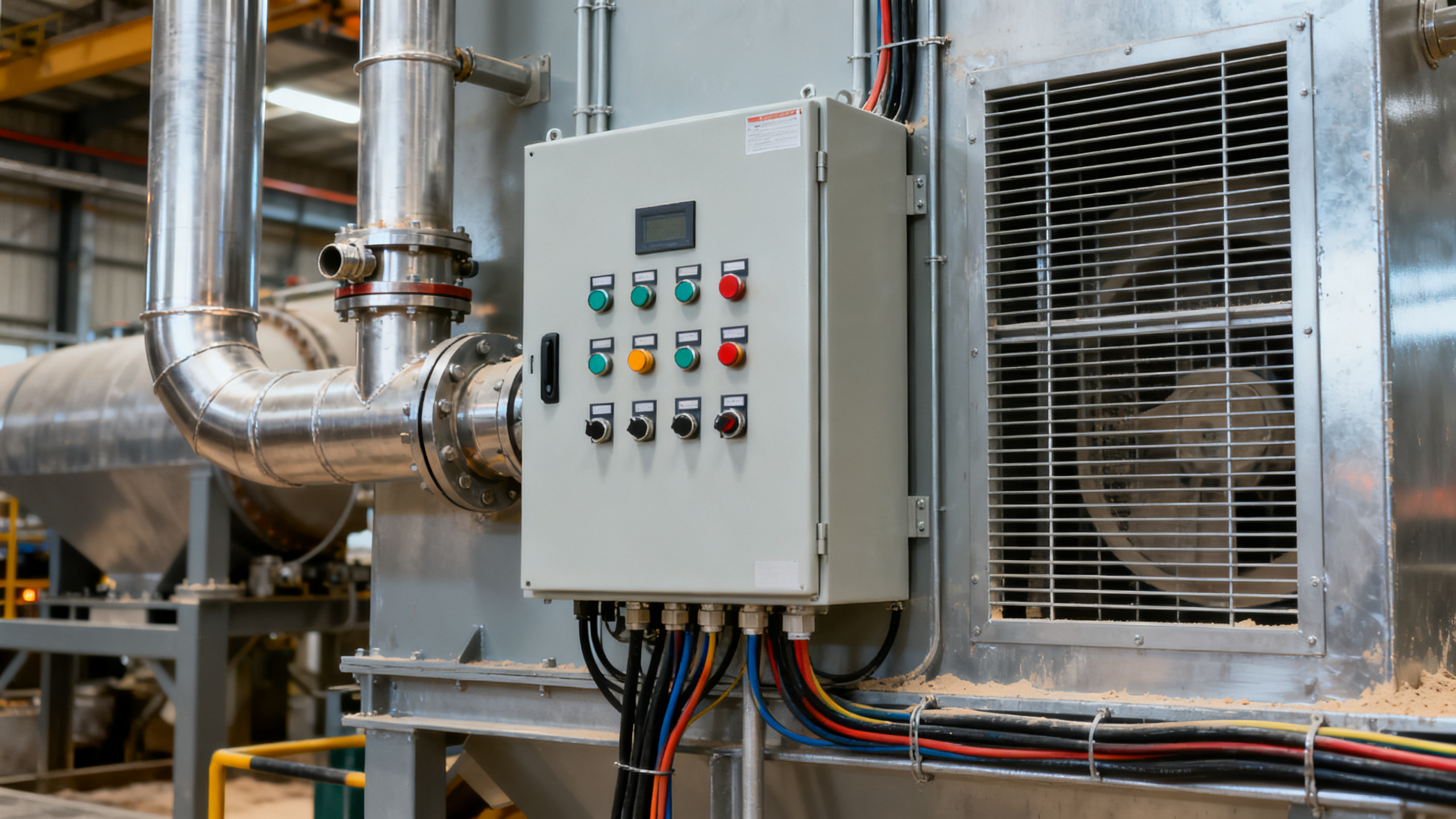
Start with the environment, not the catalog. Smart industrial control equipment that works in a clean panel room can fail quickly once it is exposed to heat soak, washdown, conductive dust, corrosive vapor, or constant vibration. The right choice begins by mapping the worst conditions the device will actually see at the enclosure, connector, and cable entry points, then matching those conditions to the device’s mechanical, electrical, and communication limits.
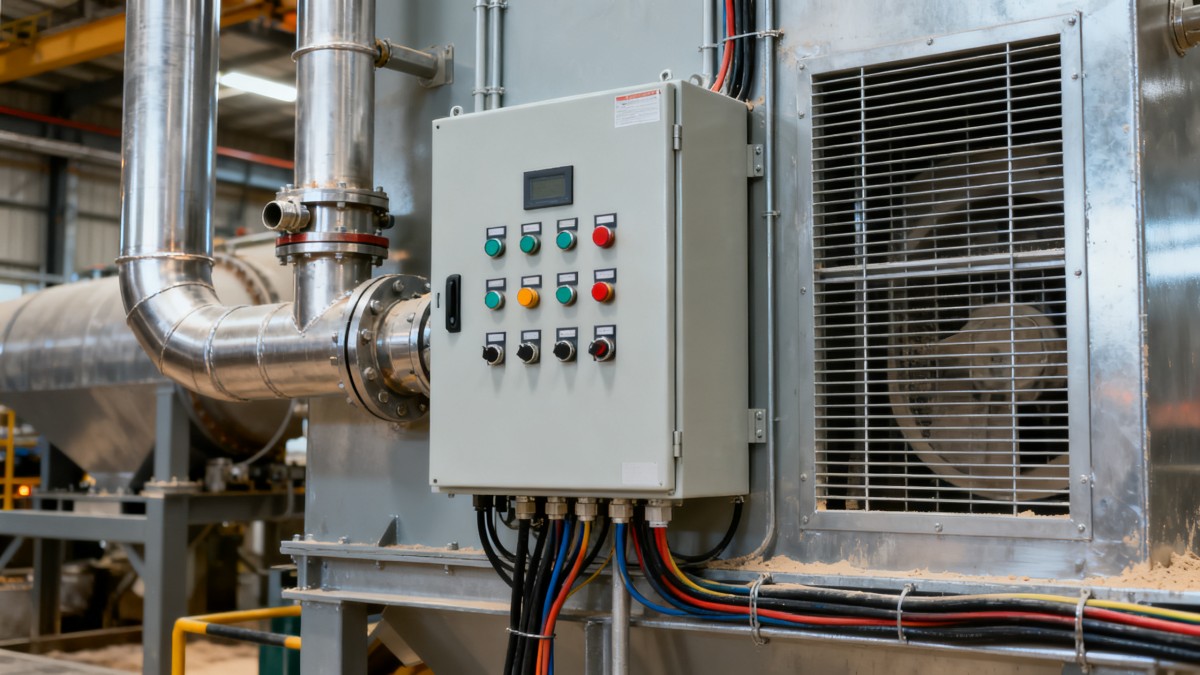
Harsh plant environments usually punish the parts that are easiest to overlook. A controller may have a good logic platform, yet its terminal blocks, display window, sealing gaskets, or cable glands become the first failure point. For that reason, selection should look at the complete assembly, not only the electronics inside it. In practice, the enclosure rating, ingress protection details, mounting hardware, connector style, and thermal path matter as much as the control function itself.
Environmental exposure comes first
Temperature range is often treated as a simple line in a datasheet, but the meaningful question is whether the device can hold its performance at sustained ambient temperature, not only survive a short excursion. Heat inside a cabinet can climb well above room conditions because of nearby drives, transformers, or blocked airflow. In cold areas, condensation and material contraction can be just as disruptive as freezing. Equipment with a wide rated range is only useful if the rating is tied to the right installation method, derating curve, and orientation.
Moisture exposure needs similar care. A splash-resistant enclosure is not the same as resistance to washdown chemistry, steam, or repeated door opening in humid areas. If the plant uses caustic cleaners or aggressive solvents, gasket material and window polymer need review. Silicon, EPDM, fluorocarbon, and similar materials behave differently under chemical exposure, so a generic seal claim is not enough. The same applies to painted metal housings; coating type, edge coverage, and scratch resistance can decide whether corrosion starts at cut edges or fastener points.
Dust and particulate loading also influence the control architecture. Fine conductive dust can bridge terminals, coat heat sinks, and interfere with vented enclosures. In areas with metallic dust, static buildup and contamination tracking become serious issues. A sealed panel with passive cooling may be more reliable than a fan-cooled design, but only if heat dissipation remains within limits. The correct answer depends on thermal load, maintenance access, and whether the enclosure can be opened without exposing the control stack to contamination.
Materials and construction deserve close inspection
Housing material is not a cosmetic choice. Stainless steel, coated aluminum, engineering polymer, and die-cast housings behave differently under impact, corrosion, and electromagnetic shielding requirements. Stainless steel is often preferred where corrosion or frequent cleaning is expected, but it adds weight and can complicate thermal management. Polymer housings can resist certain chemicals and reduce weight, yet they may be less suitable where mechanical abuse, UV exposure, or high heat are concerns. For field-mounted devices, impact resistance and mounting rigidity should be checked together; a rugged enclosure with weak bracket design can still loosen under vibration.
Connector selection matters more than many installation teams expect. M12, M8, sealed circular connectors, and hardened terminal blocks each carry tradeoffs in serviceability, pin density, and resistance to accidental loosening. If a device will be replaced during shutdown windows, the connector should support quick disconnection without repeated strain on the cable jacket or contacts. In high-vibration areas, locking geometry, thread quality, and strain relief are worth more attention than small differences in mating convenience.
Internal board protection is another area where assumptions fail. Conformal coating, potting, and board-level sealing can improve resistance to humidity and contamination, but they also affect repairability and heat transfer. Full potting may be appropriate where shock and moisture are severe, though it can make field repair unrealistic. Conformal coating is lighter and easier to work with, yet it does not solve every ingress problem. The right layer depends on how often the unit is expected to be serviced and how hard the environment is on exposed conductors.
Electrical performance should be judged under stress
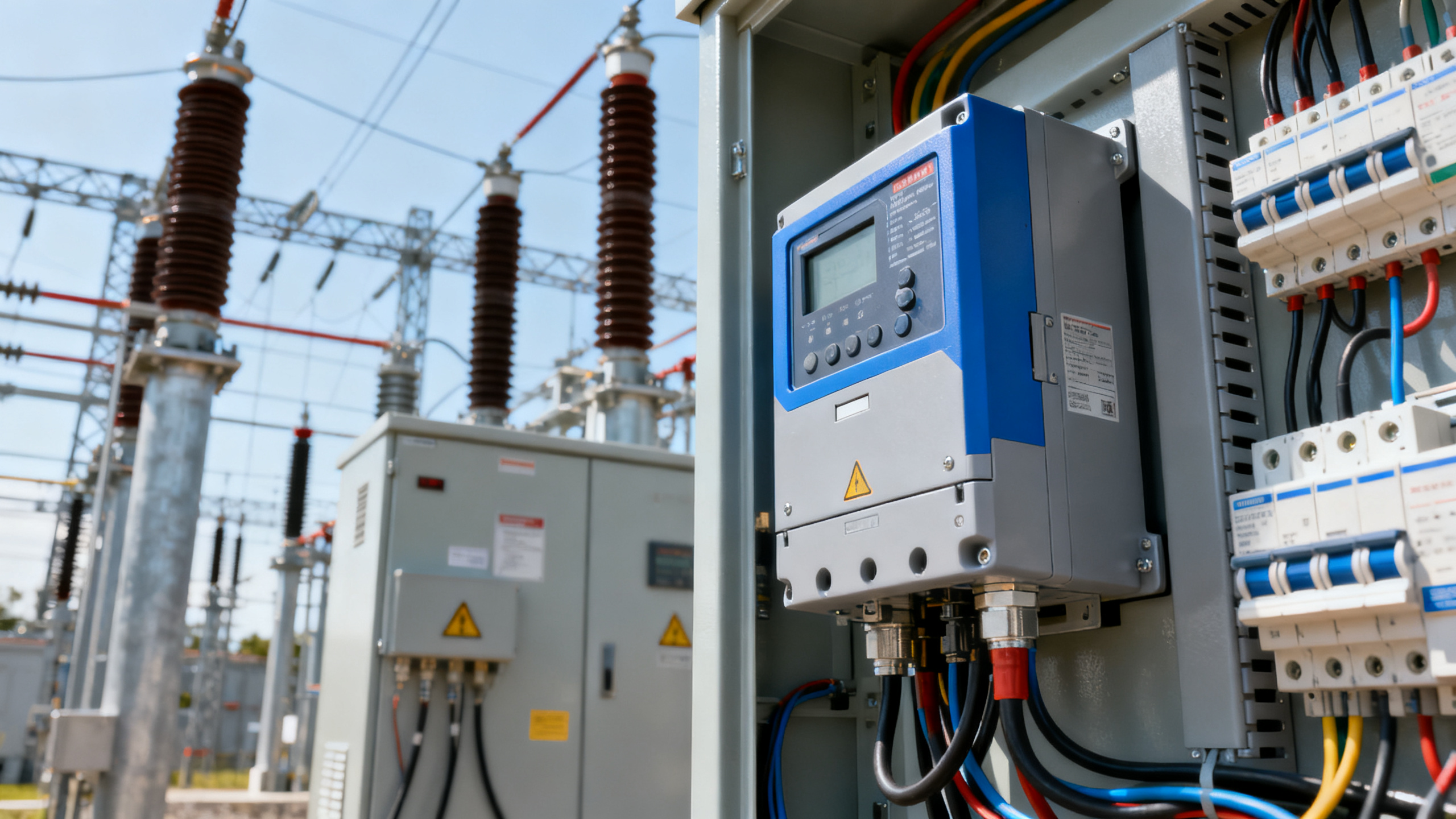
Stable control depends on more than nominal voltage and signal type. Harsh plants often produce electrical noise from motors, welders, switching supplies, and long cable runs. A smart industrial control device should be checked for surge tolerance, EMC immunity, isolation levels, and input filtering that match the site’s real disturbance profile. If the installation includes long analog loops or remote I/O across noisy corridors, signal integrity can degrade long before the device reaches its temperature limit.
Power quality deserves the same scrutiny. Brownouts, transients, and wide supply swings can create intermittent faults that are hard to reproduce during commissioning. Dual-range input power, reverse polarity protection, and fail-safe restart behavior help, but only if they align with the plant’s power architecture. Some devices recover cleanly after loss of power; others return in an uncertain state unless the control logic and field devices are designed together. That interaction should be verified before purchase, not after installation.
For applications tied to safety circuits or critical interlocks, the device’s failure behavior matters more than feature count. Watch for diagnostic transparency, watchdog behavior, and the ability to communicate fault states without ambiguity. If a controller masks partial degradation behind a healthy status indicator, troubleshooting becomes slower and riskier. In severe environments, the simplest reliable architecture is often better than a dense feature set that requires ideal conditions to perform.
Communication and diagnostics need practical limits
Smart control equipment is often selected for network connectivity, but industrial networks do not perform equally well in every plant zone. Ethernet-based control can work well in rugged settings if cable routing, shielding, and grounding are disciplined. Wireless options may be useful for difficult retrofits or rotating assets, yet RF attenuation, enclosure blockage, and interference from metal structures can limit consistency. The medium should fit the physical site, not only the protocol preference.
Diagnostic features are valuable only when they are readable in the plant’s working conditions. Local indicators, accessible event logs, and status outputs should remain legible under glare, dust, gloves, or low light. If maintenance crews must open a cabinet and connect specialized tools for every fault, the equipment may be technically advanced but operationally awkward. Good diagnostics reduce ambiguity during shutdowns, cable checks, and power restoration, especially where access is constrained.
Data handling also needs restraint. Devices that support remote monitoring, edge analytics, or condition alerts can simplify upkeep, but extra functions should not weaken core control behavior. When evaluating smart industrial control equipment, separate mandatory control functions from optional digital features. A unit with fewer analytical extras may be the better choice if it has stronger thermal margins, cleaner noise immunity, and simpler lifecycle support.
Installation and maintenance shape long-term reliability
The best-rated device can underperform if installation details are weak. Mounting surface flatness, torque on fasteners, cable bend radius, gland selection, and grounding continuity all influence reliability. On vibrating structures, thread-locking methods and proper cable support can matter as much as the controller specification. If the unit depends on precise airflow, cabinet layout should preserve clearance around vents and heat sources; otherwise the thermal rating on paper loses meaning once the cabinet is populated.
Maintenance access should be reviewed before the order is placed. Some devices are easy to mount but difficult to inspect, calibrate, or replace with gloves on. Others require a service clearance that is rarely available in cramped skids or retrofitted lines. A unit that accepts standard tools, common connectors, and straightforward spare-part replacement usually causes fewer delays during shutdown work. For harsh sites, that practical simplicity is not a secondary detail; it is part of the reliability profile.
Spare strategy should reflect the plant’s exposure level. Devices exposed to high moisture, thermal cycling, or contamination may age faster than units in controlled rooms, even when the model is identical. It is sensible to verify firmware consistency, terminal compatibility, and revision control across spare inventory, since mixed hardware revisions can complicate troubleshooting. Packaging and transport conditions also matter; some rugged devices still suffer if seals are compressed incorrectly or if shock protection is weak during shipping.
Specification review should separate marketing from operating reality
When comparing smart industrial control equipment, several specifications deserve direct verification. IP or NEMA style protection ratings should be read together with the actual mounting orientation and cable entry method. Temperature ratings should distinguish storage from operating conditions. Vibration and shock limits should reflect the mounting plane used in the plant, not an idealized laboratory setup. EMC compliance claims are only useful if the relevant test conditions resemble the electrical noise level on site.
Watch for misleading completeness in datasheets. A device may list broad protocol support, yet require optional modules for local diagnostics or isolation. Another may advertise compact size while leaving no practical space for cable dressing or heat dissipation. A controller that looks robust in photos may have exposed screws, brittle port covers, or limited sealing around removable cards. These are the points where real installations differ from bench testing.
Procurement documents should describe the operating envelope in plain technical terms: ambient temperature, humidity cycle, vibration source, contamination type, chemical exposure, washdown method, mounting arrangement, service interval, and required communication interfaces. That level of specificity reduces mismatches and makes it easier to compare offerings on a fair basis. If the requirement only says “industrial-grade,” the selection will drift toward vague claims instead of fit-for-service evidence.
Smart industrial control equipment is chosen well when the device matches the site’s worst mechanical, electrical, and environmental conditions without creating unnecessary maintenance burden. In harsh plant environments, the durable answer is usually the one that treats enclosure details, thermal behavior, and field serviceability as part of control performance, not as separate concerns.
Technical Specifications
- Air Handling Unit Supplier Checklist: Performance Data, Lead Times, and SupportAuthor :Environmental Engineering Director
- Buying Fiberglass Water Tanks Wholesale: Compare Quotes and Delivery CostsAuthor :Environmental Engineering Director
- Choosing an XLPE Power Cable Supplier: Test Reports, Traceability, and Lead TimesAuthor :Grid Infrastructure Analyst
Expert Insights

Chief Security Architect
Dr. Thorne specializes in the intersection of structural engineering and digital resilience. He has advised three G7 governments on industrial infrastructure security.
Related Analysis
- Oct 19, 2026Air Handling Unit Supplier Checklist: Performance Data, Lead Times, and SupportAuthor :Environmental Engineering Director
- Oct 18, 2026Buying Fiberglass Water Tanks Wholesale: Compare Quotes and Delivery CostsAuthor :Environmental Engineering Director
- Oct 17, 2026Choosing an XLPE Power Cable Supplier: Test Reports, Traceability, and Lead TimesAuthor :Grid Infrastructure Analyst
Core Sector // 01
Security & Safety
- Can SPDs Handle Repeated Voltage Spikes in Tropical Grids?Author :Grid Infrastructure Analyst

- How to Evaluate IEC-Compliant Power Protection Devices for Industrial PanelsAuthor :Grid Infrastructure Analyst

- How to Choose Smart Industrial Control Equipment for Harsh Plant EnvironmentsAuthor :Grid Infrastructure Analyst

- EU EMC Update Triggers Re-Certification for BreakersAuthor :Grid Infrastructure Analyst

- How to Select the Right SPD for Solar Inverter Protection in PV Systems?Author :Grid Infrastructure Analyst

- Industrial Valve Systems Factory Checklist: What Buyers Should Verify Before OrderingAuthor :Grid Infrastructure Analyst

- Breaker and Relay Lead Times Hit 24 WeeksAuthor :Grid Infrastructure Analyst

- IEC 61850-10-3 Sets Cybersecurity Bar for Grid DevicesAuthor :Grid Infrastructure Analyst