How to Choose a Miniature Circuit Breaker MCB for Panels: Ratings, Curves, and Poles
Author
Date Published
Reading Time
How to Choose a Miniature Circuit Breaker MCB for Panels: Ratings, Curves, and Poles
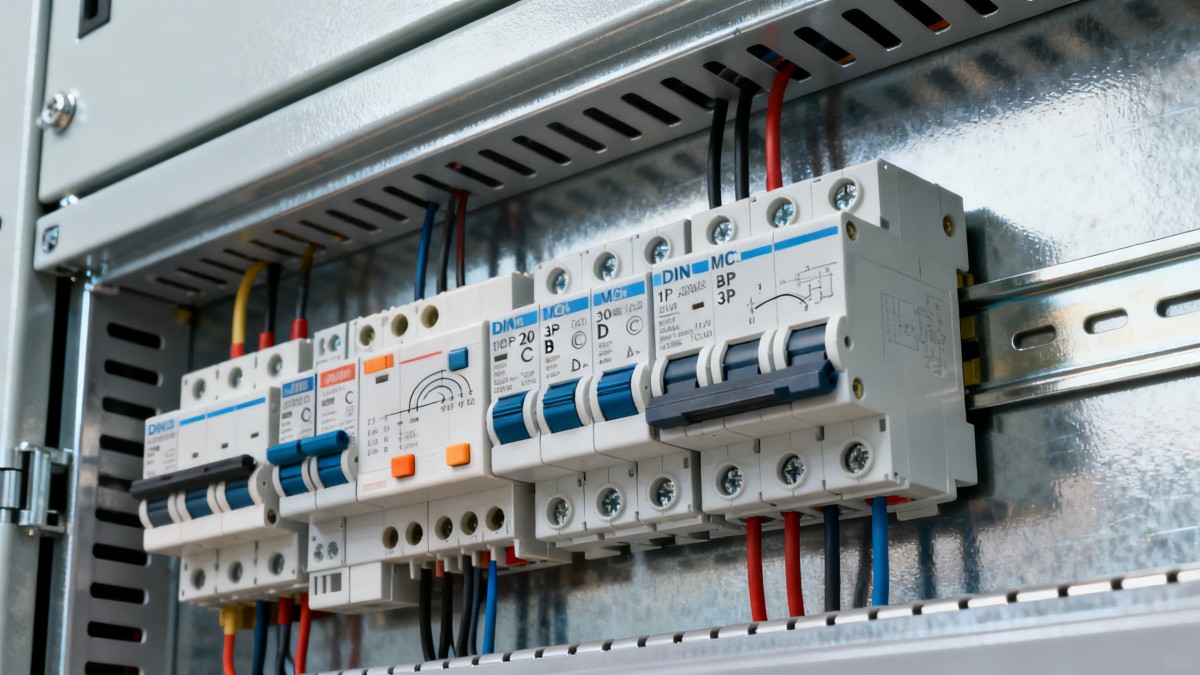
Selecting the right miniature circuit breaker MCB for panels is critical to system safety, load protection, and long-term reliability.
The decision is rarely just about ampere rating.
A suitable miniature circuit breaker MCB must match load behavior, fault level, pole arrangement, and installation standards.
That is where many panel projects run into trouble.
An undersized device trips too often.
An oversized one may fail to protect cables and downstream equipment.
In practice, good MCB selection balances protection, continuity, compliance, and future maintenance.
This guide breaks the process into clear steps, so panel comparison becomes faster and more accurate.
Start with the Role of the Miniature Circuit Breaker MCB
A miniature circuit breaker MCB protects circuits against overload and short circuit conditions.
Inside panels, it also affects selectivity, downtime risk, and service access.
Before comparing brands or prices, define the actual duty of the breaker.
- Is it protecting lighting, socket circuits, motors, control transformers, or mixed loads?
- Will the load draw inrush current during startup?
- Is the panel in a commercial building, factory, utility room, or outdoor enclosure?
- Does the project require CE, UL, IEC, or local code alignment?
These questions shape the correct miniature circuit breaker MCB far more than catalog pricing does.
Choose the Correct Current Rating First
Current rating is usually the first filter.
Still, the right ampere value should come from the circuit design, not from the connected equipment nameplate alone.
Check three values together: design load current, cable capacity, and allowable protection margin.
A practical rating method
- Calculate the expected operating current of the circuit.
- Apply diversity, ambient temperature, and enclosure derating if needed.
- Confirm the cable can safely carry more than the chosen breaker rating.
- Select the miniature circuit breaker MCB that protects the conductor without nuisance trips.
For example, a 16A breaker may suit general socket circuits.
A motor feeder with startup peaks may need a different approach, even at a similar running current.
This is why current rating alone never completes miniature circuit breaker MCB selection.
Understand Trip Curves Before Making a Decision
Trip curve is often the deciding factor between stable operation and repeated nuisance tripping.
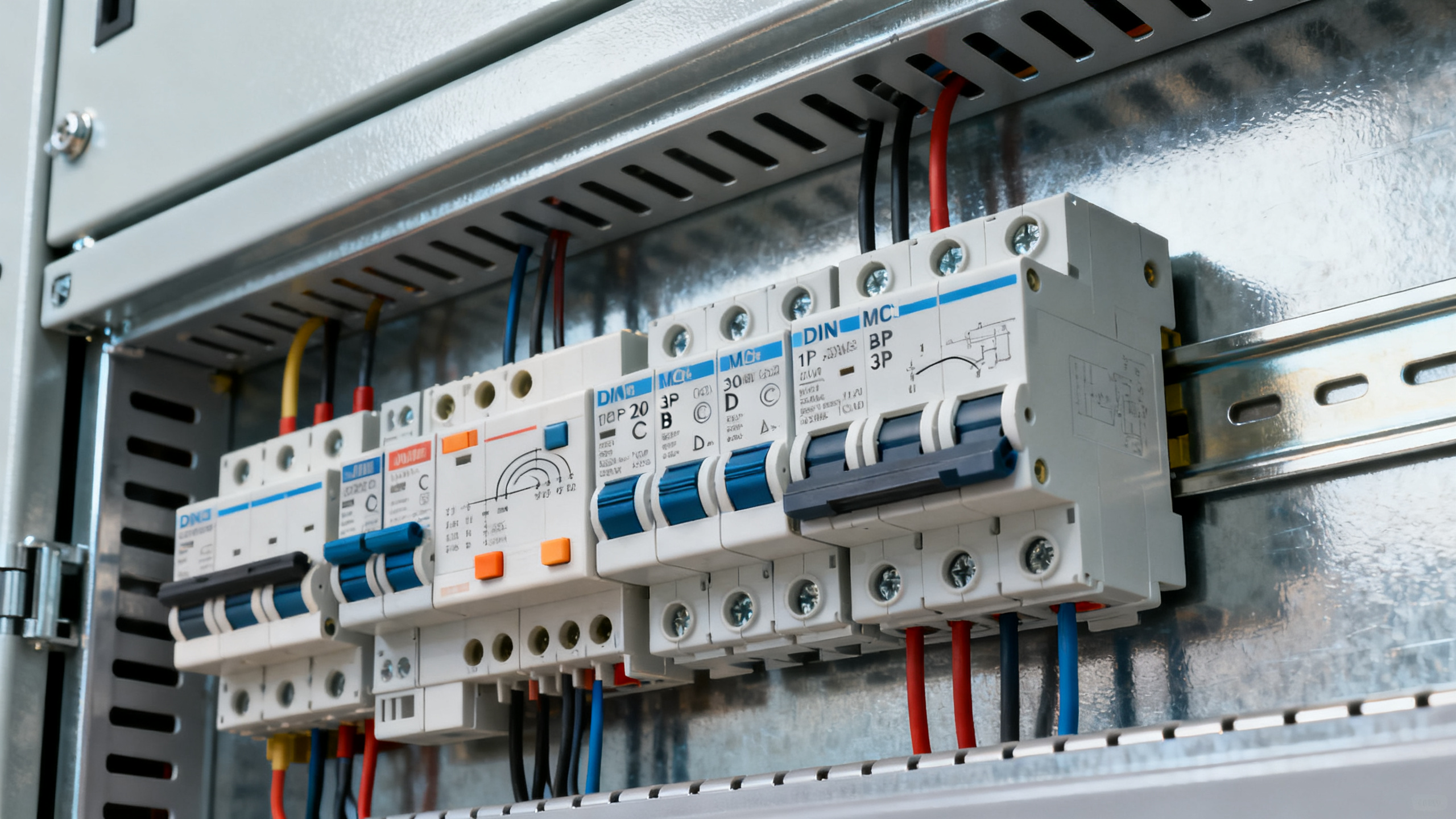
The most common MCB curves are B, C, and D.
Each responds differently to short-duration inrush current.
Typical curve selection
- B curve: Suitable for resistive loads such as lighting and heating.
- C curve: Common for general commercial and industrial panel circuits.
- D curve: Better for transformers, motors, and loads with high inrush current.
From a selection standpoint, this matters a lot.
A B-curve miniature circuit breaker MCB on a motor control branch may trip during normal startup.
A D-curve device on a sensitive final circuit may reduce protection sensitivity more than desired.
When reviewing panel schedules, always compare actual load profile against the trip curve.
Match Pole Configuration to the System Layout
Pole selection determines how many conductors the breaker can disconnect.
This affects safety isolation, fault handling, and code compliance.
Common pole options
- 1P: Typical for single-phase live conductor protection.
- 1P+N: Used where switching live and neutral together is required.
- 2P: Common in single-phase systems needing full disconnection.
- 3P: Standard for three-phase loads without neutral switching.
- 4P: Used in three-phase plus neutral arrangements.
In real panel work, pole choice is not just a wiring detail.
It also affects maintenance procedures and safe isolation during troubleshooting.
When the system includes shared neutral paths or local code requirements, verify the pole arrangement carefully.
Check Breaking Capacity and Fault Level
Another critical step is comparing the breaker interrupting capacity with the available short-circuit current.
A miniature circuit breaker MCB must safely clear the maximum fault current at its installation point.
Typical ratings may include 6kA, 10kA, or higher, depending on the design family.
This becomes especially important near transformers, main distribution boards, or large industrial feeders.
If prospective fault current exceeds the breaker capacity, the device is not acceptable, even if current rating looks correct.
Quick evaluation points
- Confirm fault level at the exact panel location.
- Match it against rated breaking capacity.
- Review upstream backup protection if coordination is used.
- Check documentation under IEC or UL framework as required.
Do Not Ignore Voltage, Frequency, and Standards
A miniature circuit breaker MCB also has voltage limits, frequency suitability, and certification boundaries.
These points are easy to overlook during fast sourcing cycles.
Yet they matter when projects cross regions or serve regulated facilities.
For export panels, documentation quality can be as important as the device itself.
That also means datasheets, test references, and traceable markings should be reviewed early.
Consider Panel Conditions and Lifecycle Needs
From recent project trends, panel density keeps increasing.
That means thermal buildup, wiring access, and maintenance intervals now affect MCB choice more directly.
A miniature circuit breaker MCB that performs well on paper may still be a weak fit in a crowded enclosure.
- Check ambient temperature and ventilation.
- Review terminal design for cable size and tightening access.
- Confirm spare availability for future replacement.
- Assess brand consistency across installed sites.
- Look at accessory compatibility if auxiliaries are needed.
This is also where total ownership cost becomes clearer.
A low-price breaker that creates downtime, sourcing delays, or unclear compliance records may cost far more later.
A Simple Comparison Checklist for Faster Decisions
When several options look similar, use a structured checklist.
It keeps the miniature circuit breaker MCB evaluation consistent across suppliers.
- Verify rated current against load and cable data.
- Confirm trip curve using real startup behavior.
- Select pole count based on system isolation needs.
- Check breaking capacity at panel fault level.
- Review voltage, frequency, and applicable standards.
- Compare size, terminals, accessories, and documentation.
- Assess lifecycle support, not just purchase price.
Used this way, selection becomes less reactive and more evidence-based.
Final Takeaway
Choosing a miniature circuit breaker MCB for panels is really a protection strategy decision.
The best option aligns current rating, trip curve, pole configuration, and breaking capacity with actual operating conditions.
It also fits the project’s compliance framework and maintenance reality.
In day-to-day procurement and panel design, that combination reduces risk more effectively than choosing by brand familiarity alone.
If you are comparing multiple MCB options, start with the circuit data, challenge the trip curve assumptions, and validate fault-duty margins before final approval.
That simple discipline usually leads to a safer panel, fewer callbacks, and a more confident purchasing decision.
Technical Specifications
- How to Select Electronic Hotel Key Card Locks for Guest Rooms and Staff AreasAuthor :Safety Compliance Lead
- How to Select Lab Instruments for Reliable Chemical Analysis WorkflowsAuthor :Precision Metrology Expert
- How to Size a UPS for Server Rooms: Load, Runtime, and Redundancy FactorsAuthor :Grid Infrastructure Analyst
Expert Insights

Chief Security Architect
Dr. Thorne specializes in the intersection of structural engineering and digital resilience. He has advised three G7 governments on industrial infrastructure security.
Related Analysis
- Sep 17, 2026How to Select Electronic Hotel Key Card Locks for Guest Rooms and Staff AreasAuthor :Safety Compliance Lead
- Sep 16, 2026How to Select Lab Instruments for Reliable Chemical Analysis WorkflowsAuthor :Precision Metrology Expert
- Sep 15, 2026How to Size a UPS for Server Rooms: Load, Runtime, and Redundancy FactorsAuthor :Grid Infrastructure Analyst
Core Sector // 01
Security & Safety
- Can SPDs Handle Repeated Voltage Spikes in Tropical Grids?Author :Grid Infrastructure Analyst

- How to Evaluate IEC-Compliant Power Protection Devices for Industrial PanelsAuthor :Grid Infrastructure Analyst

- How to Choose Smart Industrial Control Equipment for Harsh Plant EnvironmentsAuthor :Grid Infrastructure Analyst

- EU EMC Update Triggers Re-Certification for BreakersAuthor :Grid Infrastructure Analyst

- How to Select the Right SPD for Solar Inverter Protection in PV Systems?Author :Grid Infrastructure Analyst

- Industrial Valve Systems Factory Checklist: What Buyers Should Verify Before OrderingAuthor :Grid Infrastructure Analyst

- Breaker and Relay Lead Times Hit 24 WeeksAuthor :Grid Infrastructure Analyst

- IEC 61850-10-3 Sets Cybersecurity Bar for Grid DevicesAuthor :Grid Infrastructure Analyst