Foot Switches Wholesale Buying Guide: Types, Ratings, and Supplier Questions That Matter
Author
Date Published
Reading Time

For distributors, agents, and sourcing teams, foot switches wholesale decisions go far beyond price. The right choice depends on switch type, load rating, safety compliance, durability, and supplier reliability.
A low quote can look attractive at first. But if the switch fails under load, lacks certification, or arrives with inconsistent quality, downstream costs rise fast.
In industrial channels, buyers usually care about uptime, operator safety, and replacement simplicity. That means wholesale selection should focus on total procurement risk, not just unit cost.
This article breaks down the details that matter most, from switch construction to supplier screening, so foot switches wholesale sourcing becomes easier to compare and easier to defend.
Start with the switch type before comparing prices
Different applications need very different pedal designs. If the type is wrong, even a certified product may still be the wrong commercial choice.
The first pass should focus on use conditions, actuation style, and enclosure strength. This narrows the field before cost negotiation starts.
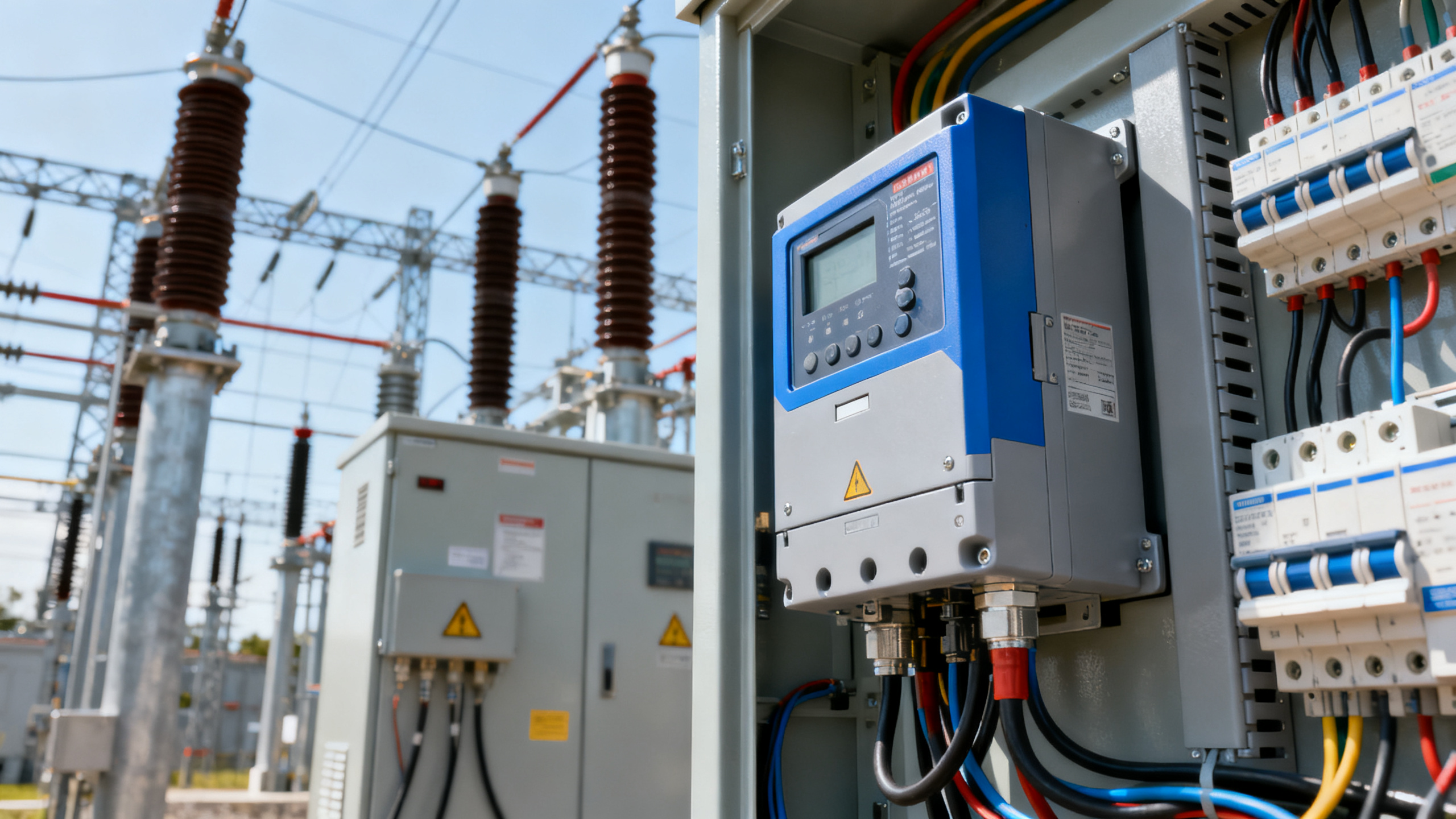
[Image 01: Industrial foot switch types for wholesale comparison]
Below are the most practical type checks when evaluating foot switches wholesale offers for industrial resale or project supply.
- Choose between momentary and maintained action based on how the connected machine behaves. Momentary models suit temporary control, while maintained versions fit operations needing stable on-off states.
- Check single-pedal versus dual-pedal designs early. Dual-pedal units help where separate functions are needed, such as start-stop, raise-lower, or forward-reverse machine control layouts.
- Compare guarded and unguarded pedals carefully. A guard reduces accidental activation, which matters in crowded workstations, high-traffic areas, or environments with strict operator safety expectations.
- Review material options like thermoplastic, aluminum, or steel. Lightweight housings lower cost, but heavier-duty enclosures usually perform better in punishing industrial environments.
- Confirm sealing level for dust, oil, or washdown exposure. A switch that works in a clean bench setup may fail quickly on factory floors.
One common mistake in foot switches wholesale buying is treating all pedals as interchangeable. They are not. Mechanical feel, housing stability, and operator protection often decide long-term customer satisfaction.
Ratings and compliance details that affect real cost
After the basic type is clear, the next filter is electrical and safety fit. This is where many low-cost offers begin to separate.
Industrial buyers often ask for proof, not promises. GIC’s approach to foundational industry sourcing puts compliance evidence at the center of every serious comparison.
Key rating points worth checking line by line
- Verify voltage and current ratings under actual load type. Resistive and inductive loads behave differently, and a switch rated for one may underperform in another setup.
- Look at contact configuration, including SPDT, DPDT, normally open, or normally closed. Small contact differences can affect retrofit compatibility and create avoidable field confusion.
- Request duty cycle and mechanical life data. High actuation counts matter for sewing, medical devices, welding stations, and repetitive industrial control points.
- Check ingress protection and environmental ratings together. IP level alone does not guarantee performance if temperature range, oil resistance, or cable sealing is weak.
- Confirm CE, UL, RoHS, or other required marks with supporting files. Markings without traceable documentation should be treated as a sourcing warning sign.
A useful rule in foot switches wholesale sourcing is simple: if a rating cannot be documented, do not price it as if it were proven.
Questions for suppliers that reveal more than the catalog
Catalog pages usually show the best side of a product. The real quality picture appears when technical, quality, and supply questions are asked together.
This matters especially in cross-border industrial trade, where the same product image can hide different internal components or test standards.
- Ask whether the rated specification applies to every production batch or only to a sample model. Batch consistency is often more important than brochure performance.
- Request the bill of materials for critical parts when possible. Contact material, spring quality, and housing thickness often explain large price differences.
- Check whether private labeling or custom cable termination changes compliance status. Small modifications can invalidate previous approvals or delay customs clearance.
- Confirm standard lead times, surge capacity, and reorder stability. A good wholesale source should stay reliable when demand rises unexpectedly.
- Ask how failures are handled in the field. Clear warranty terms, claim response speed, and replacement policy often reveal the maturity of the supplier.
- Request recent test reports, not old archive files. Current documentation helps verify that the present production line still matches the approved design.
If answers stay vague, turnaround slows, or files look inconsistent, that is often a stronger signal than the quoted price.
Application differences can change the best wholesale choice
Light industrial assembly and bench equipment
In cleaner workspaces, compact pedals with stable tactile response often matter more than maximum enclosure weight. Operators typically want comfort, predictable travel, and easy replacement.
For this scenario, cable length, anti-slip base design, and actuation force are worth checking early. Overbuilt models can raise cost without adding practical value.
Heavy fabrication, welding, and rugged factory floors
Here, durability usually outranks appearance. Metal housing, protective guards, strong strain relief, and dependable sealing become much more important.
This is also where cheap foot switches wholesale offers can fail fastest. Oil exposure, impact, and repetitive use will expose weak internal construction very quickly.
Export projects with certification-sensitive requirements
In regulated markets, documentation quality becomes part of the product. A switch with unclear approval status can block shipment, installation, or project acceptance.
That is why GIC emphasizes verified technical evidence across safety, electrical, and mechanical categories. In industrial infrastructure, missing proof can become an expensive delay.
Cost points that deserve attention before placing volume orders
Unit price is only one layer of wholesale economics. In many cases, the better sourcing decision comes from controlling hidden costs upstream.
- Compare sample cost against mass-order consistency, not in isolation. A perfect sample means little if later batches drift in material quality or assembly precision.
- Include packaging quality in landed cost calculations. Weak inner packaging can create hidden losses through transit damage, returns, or rework time.
- Review MOQ, price breaks, and replacement stock policy together. Slightly higher unit pricing may still win if flexibility and after-sales support are stronger.
- Estimate the cost of non-compliance early. Delayed approvals, customer complaints, or installation mismatch can erase any savings from a low initial quote.
- Check carton labeling, barcode options, and documentation packs if resale is involved. Simple fulfillment details can affect warehouse efficiency and downstream presentation.
A practical buying method is to score each offer across price, compliance, consistency, lead time, and claim handling. This creates a more balanced view than price ranking alone.
Common misses that create avoidable problems later
Many sourcing issues do not come from dramatic failures. They come from small unchecked details that multiply after shipment or during resale.
- Do not assume identical appearance means identical internals. Two pedals can look the same while using different contacts, springs, or sealing structures.
- Do not overlook cable exit direction and mounting stability. These details affect usability and often determine whether installation feels professional or improvised.
- Do not rely only on PDF certificates without matching model numbers. Documentation must align with the exact product version being purchased.
- Do not skip pilot orders for new sources. Small trial volumes often reveal packaging, labeling, or batch-control issues before exposure becomes expensive.
In foot switches wholesale trade, these details often separate dependable supply from recurring after-sales friction.
A practical way to narrow the shortlist
Start with the application. Then verify type, rating, compliance, and production consistency in that order. This keeps the sourcing process focused and easier to document.
For stronger foot switches wholesale decisions, compare suppliers using the same question set, request current proof files, and validate one pilot batch before scaling.
That approach reduces surprises, supports better cost control, and aligns with the kind of evidence-based industrial sourcing standards that GIC promotes across global infrastructure supply chains.
If the next quote looks attractive, pause and check what stands behind it. In most cases, the better question is not “Is it cheaper?” but “Will it still perform when the real workload begins?”
Technical Specifications
- How to Select Electronic Hotel Key Card Locks for Guest Rooms and Staff AreasAuthor :Safety Compliance Lead
- How to Select Lab Instruments for Reliable Chemical Analysis WorkflowsAuthor :Precision Metrology Expert
- How to Size a UPS for Server Rooms: Load, Runtime, and Redundancy FactorsAuthor :Grid Infrastructure Analyst
Expert Insights

Chief Security Architect
Dr. Thorne specializes in the intersection of structural engineering and digital resilience. He has advised three G7 governments on industrial infrastructure security.
Related Analysis
- Sep 17, 2026How to Select Electronic Hotel Key Card Locks for Guest Rooms and Staff AreasAuthor :Safety Compliance Lead
- Sep 16, 2026How to Select Lab Instruments for Reliable Chemical Analysis WorkflowsAuthor :Precision Metrology Expert
- Sep 15, 2026How to Size a UPS for Server Rooms: Load, Runtime, and Redundancy FactorsAuthor :Grid Infrastructure Analyst
Core Sector // 01
Security & Safety
- Can SPDs Handle Repeated Voltage Spikes in Tropical Grids?Author :Grid Infrastructure Analyst

- How to Evaluate IEC-Compliant Power Protection Devices for Industrial PanelsAuthor :Grid Infrastructure Analyst

- How to Choose Smart Industrial Control Equipment for Harsh Plant EnvironmentsAuthor :Grid Infrastructure Analyst

- EU EMC Update Triggers Re-Certification for BreakersAuthor :Grid Infrastructure Analyst

- How to Select the Right SPD for Solar Inverter Protection in PV Systems?Author :Grid Infrastructure Analyst

- Industrial Valve Systems Factory Checklist: What Buyers Should Verify Before OrderingAuthor :Grid Infrastructure Analyst

- Breaker and Relay Lead Times Hit 24 WeeksAuthor :Grid Infrastructure Analyst

- IEC 61850-10-3 Sets Cybersecurity Bar for Grid DevicesAuthor :Grid Infrastructure Analyst