Welded Steel Pipes Wholesale: Specs, Coating, and MOQ Checks Before You Buy
Author
Date Published
Reading Time
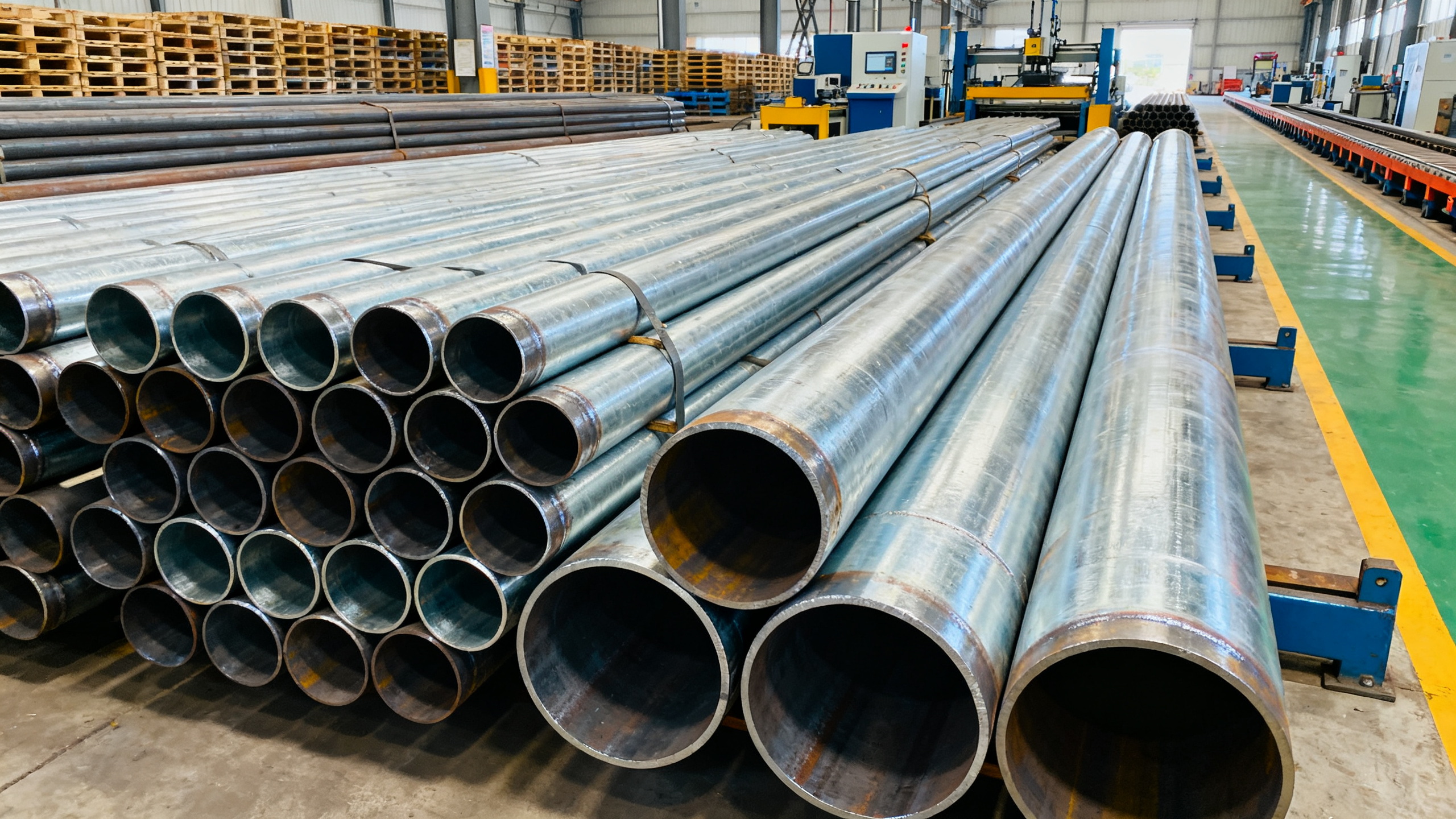
Welded Steel Pipes Wholesale: Specs, Coating, and MOQ Checks Before You Buy
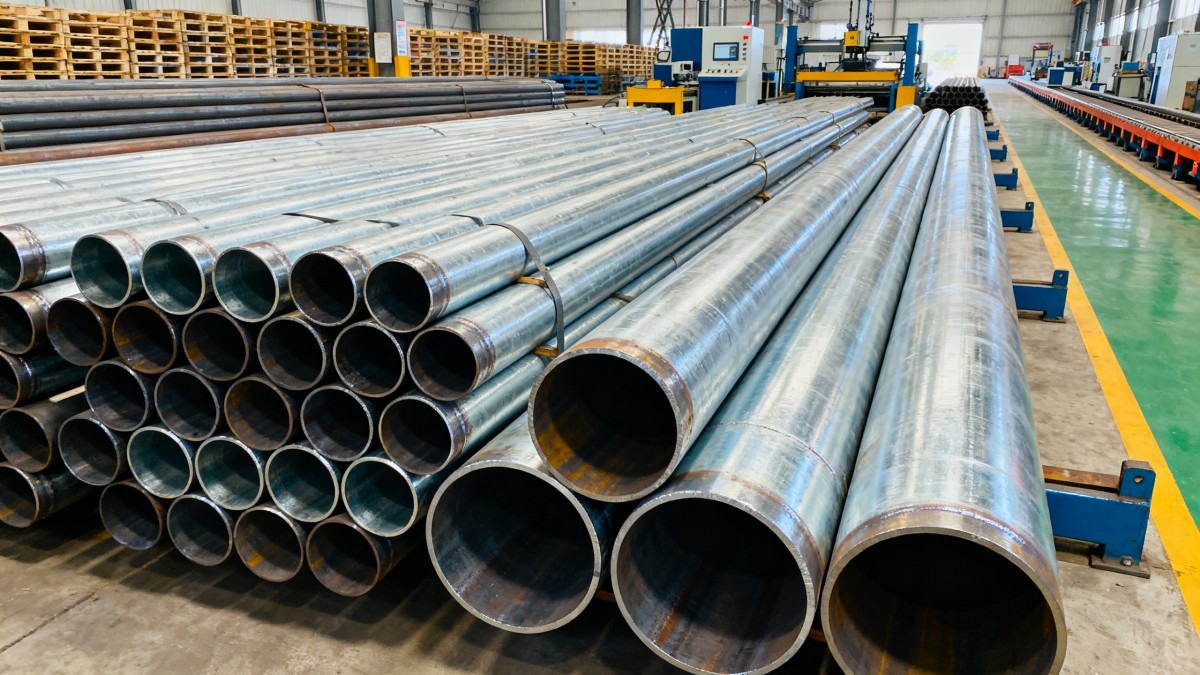
Before committing to welded steel pipes wholesale, procurement teams need more than a price list.
Specifications, coating quality, delivery terms, and MOQ structure all shape cost and risk.
A low unit price can look attractive, yet still create expensive problems later.
In real sourcing work, the better question is simple: can this supplier match your project conditions without hidden compromises?
This guide breaks down how to evaluate welded steel pipes wholesale offers with more precision.
The focus stays on three decision points that often affect total landed value most: pipe specs, coating systems, and MOQ terms.
Why welded steel pipes wholesale decisions fail early
Many sourcing issues begin before production starts.
Buyers compare quotations line by line, but miss how technical assumptions differ.
One supplier may quote based on theoretical weight.
Another may price against actual finished weight, coating included.
That gap changes the real cost quickly, especially in large welded steel pipes wholesale contracts.
A second common issue is incomplete standards alignment.
If the offer references ASTM, API, EN, or ISO standards loosely, later disputes become likely.
This matters even more when end users need traceability, pressure performance, or corrosion resistance verification.
The stronger sourcing approach is to review each offer as a risk package, not only a unit cost exercise.
Start with specs before comparing welded steel pipes wholesale prices
Specs should always come first.
Without a clean technical baseline, welded steel pipes wholesale pricing is not truly comparable.
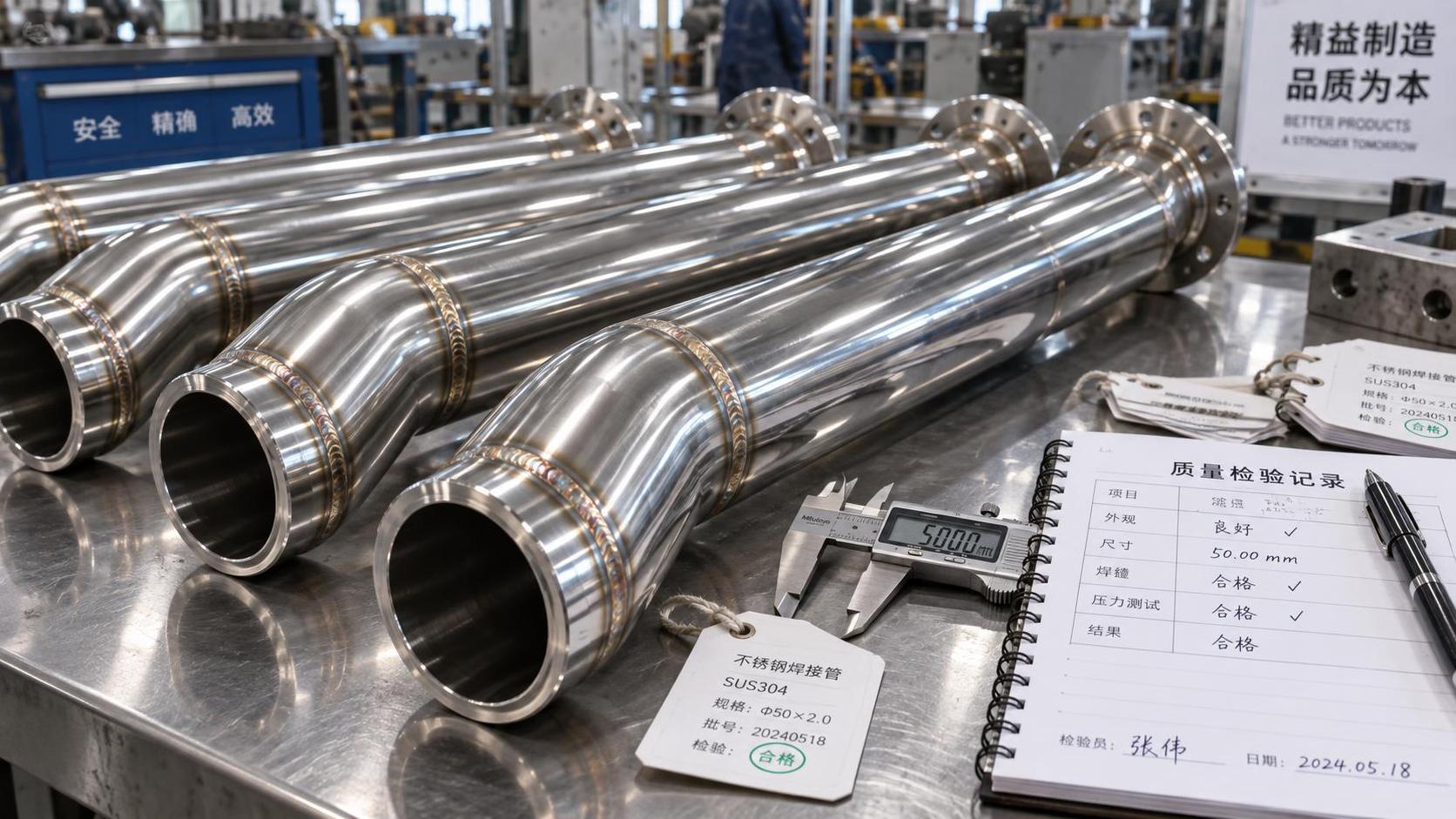
At minimum, check outside diameter, wall thickness, length range, steel grade, weld type, end finish, and tolerances.
These are not routine details.
They directly affect fabrication fit, field installation speed, and rejection risk.
Critical specification checkpoints
- Confirm the pipe standard, such as ASTM A53, ASTM A500, API 5L, or EN 10219.
- Verify whether the pipe is ERW, LSAW, or another welded format.
- Check wall thickness tolerance, not just nominal thickness.
- Review length tolerance and random or fixed length options.
- Ask whether beveling, threading, grooving, or plain ends are included.
- Request mill test certificates and traceability format before order release.
More buyers now also ask for hydrostatic testing, NDT records, and weld seam inspection data.
That is a practical move.
It helps separate true industrial suppliers from traders with limited process control.
A quick comparison table for offer screening
Coating checks that protect total cost
In welded steel pipes wholesale, coating quality often drives lifecycle value more than buyers expect.
A pipe can meet dimensional specs and still fail too early in service.
That usually starts with the wrong coating system, weak surface preparation, or poor thickness control.
The right choice depends on where the pipe will operate.
Indoor structural use, water transmission, outdoor exposure, and buried service all require different protection logic.
What to confirm in coating offers
- Coating type, such as black paint, galvanized, FBE, 3LPE, or epoxy system.
- Surface preparation standard, including blast cleaning level if relevant.
- Target dry film thickness and acceptable tolerance range.
- Holiday testing, adhesion checks, and salt spray or corrosion test data.
- Repair method for damaged coating during loading and transport.
Galvanized pipe may look like the safe default, but it is not always the right answer.
For some industrial systems, a project-specific external coating and internal lining perform better.
This is where welded steel pipes wholesale evaluations should connect material decisions to actual operating conditions.
If the supplier cannot explain coating suitability clearly, that is a useful warning sign.
MOQ checks that reveal the real purchasing cost
MOQ is rarely just a minimum quantity number.
In welded steel pipes wholesale, MOQ often hides production logic, setup cost, and inventory pressure.
That is why a low quoted MOQ should be examined carefully.
Sometimes it is genuine flexibility.
Other times, it leads to surcharges, mixed production batches, or less favorable lead times.
Questions to ask about MOQ
- Is MOQ defined by tonnage, size, coating type, or full container load?
- Does the MOQ change for non-standard wall thickness or custom lengths?
- Are there extra charges for split sizes or mixed specifications?
- Can trial orders use the same inspection and certification process?
- How does MOQ affect lead time, payment terms, and packaging method?
These questions help uncover the difference between headline price and workable procurement cost.
In practical business terms, MOQ should support demand planning, not distort it.
If a supplier pushes oversized batch commitments too early, your cash flow and storage burden rise immediately.
How to compare welded steel pipes wholesale suppliers more accurately
A useful supplier review framework combines technical, commercial, and execution factors.
That creates a stronger decision basis than price ranking alone.
- Technical fit: standards, tolerances, coating, and inspection depth.
- Commercial clarity: Incoterms, weight basis, extras, and payment structure.
- Execution reliability: lead time, production capacity, packaging, and export history.
- Documentation strength: certificates, test reports, and traceability records.
- Responsiveness: how clearly the supplier answers technical questions.
From recent market behavior, the better suppliers tend to stand out through detail.
They clarify assumptions early, disclose tolerances, and explain what is included in the price.
That level of transparency usually lowers negotiation friction later.
A practical pre-order checklist
Before approving welded steel pipes wholesale orders, run a final structured review.
- Match the quotation against the full technical datasheet.
- Confirm standard, grade, dimensions, and testing scope in writing.
- Check coating specification, thickness, and inspection criteria.
- Review MOQ, surcharge triggers, and partial batch conditions.
- Validate packaging, marking, and loading protection requirements.
- Request sample documents before deposit release.
- Align claims process for dimensional or coating non-conformity.
This final pass takes time, but usually saves more time and money later.
It also makes supplier comparison more objective, especially when several welded steel pipes wholesale offers seem close on price.
Final takeaway before you buy
Good welded steel pipes wholesale decisions are built on disciplined checking, not fast assumptions.
Start with exact specs.
Then test whether the coating system fits the service environment.
After that, pressure-test the MOQ terms until the true commercial picture is clear.
When those three areas are aligned, procurement risk drops and pricing becomes easier to trust.
If you are reviewing welded steel pipes wholesale offers now, build your next comparison sheet around these checkpoints first.
That simple shift often leads to better supplier selection, cleaner negotiations, and fewer surprises after the order is placed.
Technical Specifications
- Portable Gas Monitor Calibration: How Often Is It Needed for Safe Confined-Space Work?Author :Precision Metrology Expert
- Wholesale Borosilicate Lab Glassware: How Buyers Verify Quality, Specs, and Supply ReliabilityAuthor :Precision Metrology Expert
- How to Select Electronic Hotel Key Card Locks for Guest Rooms and Staff AreasAuthor :Safety Compliance Lead
Expert Insights

Chief Security Architect
Dr. Thorne specializes in the intersection of structural engineering and digital resilience. He has advised three G7 governments on industrial infrastructure security.
Related Analysis
- Sep 19, 2026Portable Gas Monitor Calibration: How Often Is It Needed for Safe Confined-Space Work?Author :Precision Metrology Expert
- Sep 18, 2026Wholesale Borosilicate Lab Glassware: How Buyers Verify Quality, Specs, and Supply ReliabilityAuthor :Precision Metrology Expert
- Sep 17, 2026How to Select Electronic Hotel Key Card Locks for Guest Rooms and Staff AreasAuthor :Safety Compliance Lead
Core Sector // 01
Security & Safety
- Stainless Steel Welded Tube Applications: Matching Tube Supply to Fabrication NeedsAuthor :Heavy Industry Strategist

- What Maintenance Do Furnace Components Need After 18 Months?Author :Heavy Industry Strategist

- How to Assess Metal Materials for Thermal Cycling in Power BoilersAuthor :Heavy Industry Strategist

- How to Evaluate Aluminum Extrusion Suppliers for Tight-Tolerance Components?Author :Heavy Industry Strategist

- How to Evaluate a Weld Neck Flange Manufacturer for High-Pressure Pipe ProjectsAuthor :Heavy Industry Strategist

- EU REACH Ban Hits Cr(VI)-Coated Steel ImportsAuthor :Heavy Industry Strategist
-Coated Steel Imports")
- How to Evaluate a Heat Sink Aluminum Profile Supplier for Custom Thermal ProjectsAuthor :Heavy Industry Strategist

- Industrial Metal Fabrication Components Price: What Drives Cost and How to Compare QuotesAuthor :Heavy Industry Strategist