EU Steel Duty Plan Raises Pressure on Exported Steel Assemblies
Author
Date Published
Reading Time
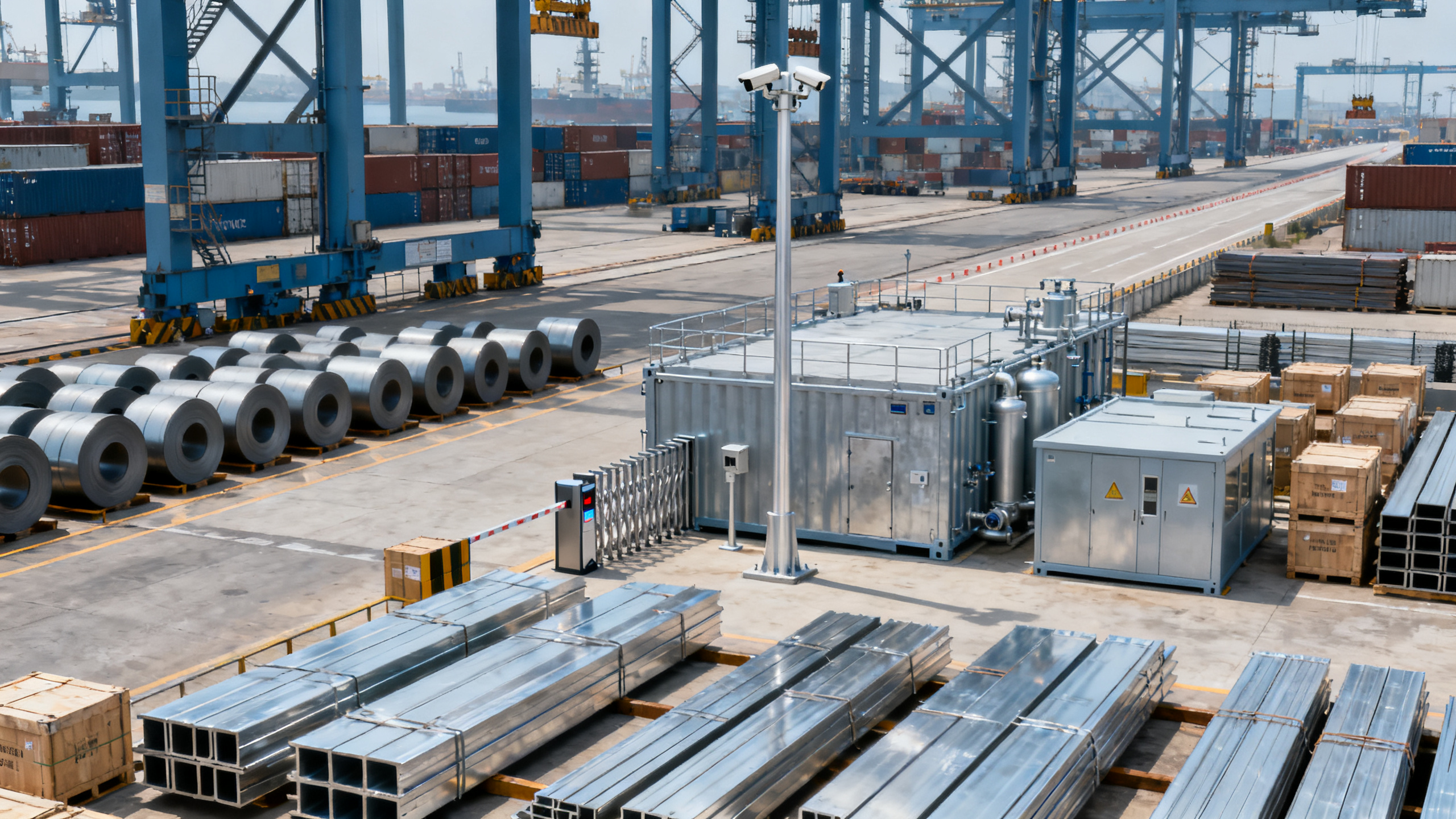
The timing of the underlying event is not clearly stated in the available information, but the policy signal itself deserves close attention. Based on a June 2, 2026 report cited by China Trade Remedies Information, the European Commission is advancing final anti-dumping duties of up to 50% on Chinese-origin hot-rolled coil, H-beams, and stainless steel sections. For exporters and buyers tied to steel-based assemblies, this matters not only as a raw-material trade measure, but as a change that may affect delivered cost, procurement planning, compliance review, and shipment timing for products such as CCTV poles, steel housings for access-control gates, pressure-bearing frames for fire pump stations, and industrial water-treatment steel modules.
What Has Been Confirmed So Far
According to the provided summary, the measure under discussion concerns final anti-dumping duties on Chinese-origin hot-rolled coil, H-beams, and stainless steel sections, with the proposed rate rising to 50%.
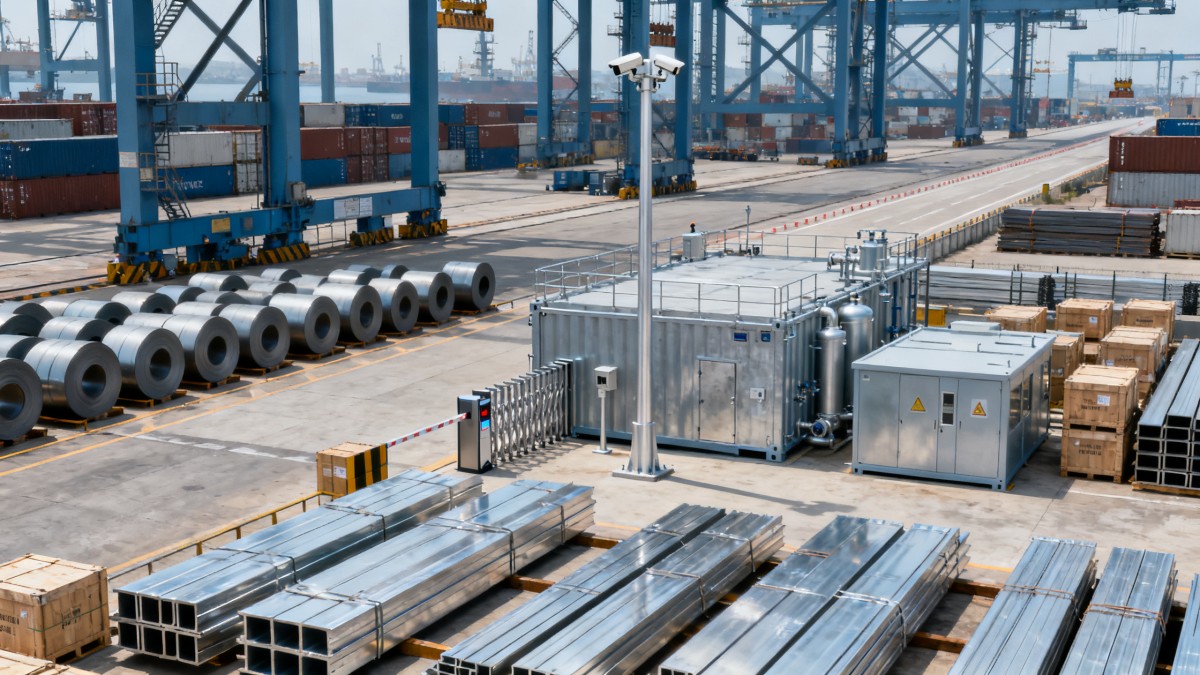
The same summary indicates that the change is expected to materially increase the final delivered cost in the EU for several steel-intensive exported products, including CCTV poles, steel structural housings for access-control turnstiles, pressure-bearing frame structures used in fire pump stations, and steel structural modules used in industrial water-treatment systems.
It is also confirmed in the provided information that some orders may see delivery cycles extended by 6 to 8 weeks.
Where the Pressure May Appear First in the Supply Chain
Export contracts may face renewed cost review
From an industry perspective, exporters of steel-based assemblies may be affected first because the reported duty proposal targets upstream steel categories that can feed directly into finished structural products. The main pressure points may appear in quotation validity, landed-cost calculations, contract margin review, and delivery commitments made to EU customers. What deserves closer attention is whether existing commercial documents, technical schedules, and delivery terms still match the new trade-cost assumptions implied by the reported measure.
Procurement teams may need tighter material traceability
For procurement and sourcing teams, the issue is not only price movement but also category exposure. Where hot-rolled coil, H-beams, or stainless steel sections are embedded in exported assemblies, buyers may need to pay closer attention to material specifications, supplier declarations, and document consistency across purchasing records, technical files, and shipment paperwork. Analysis shows that any mismatch between product description and material inputs could become more sensitive when trade measures intensify review of steel-related goods.
Fabricators and integrators may see scheduling risk
Manufacturers processing steel into security, fire-protection, or industrial utility structures may be exposed through both production planning and outbound delivery. If part of the reported impact is a 6 to 8 week extension for some orders, then fabrication sequencing, packing arrangements, and installation coordination may all require reassessment. This is particularly relevant where products are built into project-based delivery cycles rather than sold as standard stock items.
EU-side buyers and channel partners may focus more on documentation
Importers, distributors, and project buyers in the EU may also face practical changes. Observably, when a trade rule change affects core steel inputs, downstream buyers often become more attentive to product composition, technical documentation, and commercial clarity before confirming orders. In this case, the reported impact on delivered cost and lead time means procurement decisions may become more cautious even before any final market adjustment is fully visible.
Practical Issues Companies Should Watch Now
Check whether technical files align with traded material categories
Analysis shows that companies shipping steel-intensive assemblies should review whether product descriptions, bills of materials, technical documents, and sales paperwork clearly align with the relevant steel inputs referenced in the reported measure. This is not yet the same as a confirmed new execution outcome for every shipment, but it is a practical point for risk screening.
Watch for changes in official wording and implementation scope
Because the provided information describes the European Commission as advancing the duties, rather than setting out a fully detailed execution framework in the input itself, companies should continue monitoring how the official wording develops. What deserves closer attention is the eventual implementation language, product scope interpretation, and any operational clarification that may affect downstream steel assemblies.
Reassess lead times in bids and customer commitments
The reported possibility of 6 to 8 week delivery extensions means exporters, project suppliers, and after-sales coordinators may need to revisit timelines in quotations, tender responses, and supply commitments. Observably, this is especially important where delivery dates are tied to installation windows, commissioning schedules, or coordinated project handover.
Prepare for closer scrutiny in tender and compliance documents
Where steel structures are sold into regulated or specification-driven applications, companies may need to review tender files, testing records, product specifications, and quality traceability materials with more care. The input does not provide a detailed enforcement checklist, so this should be understood as a compliance watchpoint rather than a confirmed new procedural requirement.
Why This Looks More Like a Trade Signal Than a Fully Settled Outcome
Analysis shows that this development is better understood, at present, as a strong trade and compliance signal rather than a fully closed market outcome. The reported move toward final anti-dumping duties points to rising pressure on steel-related exports to the EU, but the input does not provide complete detail on final enforcement practice, downstream classification treatment, or market-side adaptation.
From an industry perspective, the more important issue is not only whether upstream steel products are directly affected, but how quickly the measure reshapes pricing behavior, procurement caution, and document review for steel-based finished assemblies. That is why continued attention to official language, tender requirements, and buyer response remains necessary.
How the Market May Need to Read This Development
A cautious reading of the available information suggests that the reported measure has relevance beyond primary steel trade alone. It indicates possible cost and timing pressure for exported metal structural components and steel-based security or utility equipment tied to the affected material categories. At the same time, it is more appropriate to understand this as a developing rule dynamic that still requires verification through follow-up wording, implementation detail, and market feedback, rather than as a fully settled conclusion for every affected product line.
Basis of This Article and What Still Needs Verification
This article is generated from the user-provided news title, event timing, and event summary. The timing of the event is stated as not clearly specified in the input, and no direct official source link is provided there, so the exact official reference path still requires ongoing verification.
For developments of this kind, source types typically worth monitoring include official notices, releases from regulatory or trade authorities, customs or trade-administration information, industry association updates, standard-setting documents, and reporting by authoritative media. Observably, what still needs to be tracked includes detailed policy wording, implementation interpretation, changes in tender documentation, certification or compliance review practices, industry feedback, and how affected companies adjust execution in actual export orders.
Technical Specifications
- How to Select Electronic Hotel Key Card Locks for Guest Rooms and Staff AreasAuthor :Safety Compliance Lead
- How to Select Lab Instruments for Reliable Chemical Analysis WorkflowsAuthor :Precision Metrology Expert
- How to Size a UPS for Server Rooms: Load, Runtime, and Redundancy FactorsAuthor :Grid Infrastructure Analyst
Expert Insights

Chief Security Architect
Dr. Thorne specializes in the intersection of structural engineering and digital resilience. He has advised three G7 governments on industrial infrastructure security.
Related Analysis
- Sep 17, 2026How to Select Electronic Hotel Key Card Locks for Guest Rooms and Staff AreasAuthor :Safety Compliance Lead
- Sep 16, 2026How to Select Lab Instruments for Reliable Chemical Analysis WorkflowsAuthor :Precision Metrology Expert
- Sep 15, 2026How to Size a UPS for Server Rooms: Load, Runtime, and Redundancy FactorsAuthor :Grid Infrastructure Analyst
Core Sector // 01
Security & Safety
- Stainless Steel Welded Tube Applications: Matching Tube Supply to Fabrication NeedsAuthor :Heavy Industry Strategist

- What Maintenance Do Furnace Components Need After 18 Months?Author :Heavy Industry Strategist

- How to Assess Metal Materials for Thermal Cycling in Power BoilersAuthor :Heavy Industry Strategist

- How to Evaluate Aluminum Extrusion Suppliers for Tight-Tolerance Components?Author :Heavy Industry Strategist

- How to Evaluate a Weld Neck Flange Manufacturer for High-Pressure Pipe ProjectsAuthor :Heavy Industry Strategist

- EU REACH Ban Hits Cr(VI)-Coated Steel ImportsAuthor :Heavy Industry Strategist
-Coated Steel Imports")
- How to Evaluate a Heat Sink Aluminum Profile Supplier for Custom Thermal ProjectsAuthor :Heavy Industry Strategist

- Industrial Metal Fabrication Components Price: What Drives Cost and How to Compare QuotesAuthor :Heavy Industry Strategist