Components & Metals bulk order mistakes that raise total cost
Author
Date Published
Reading Time
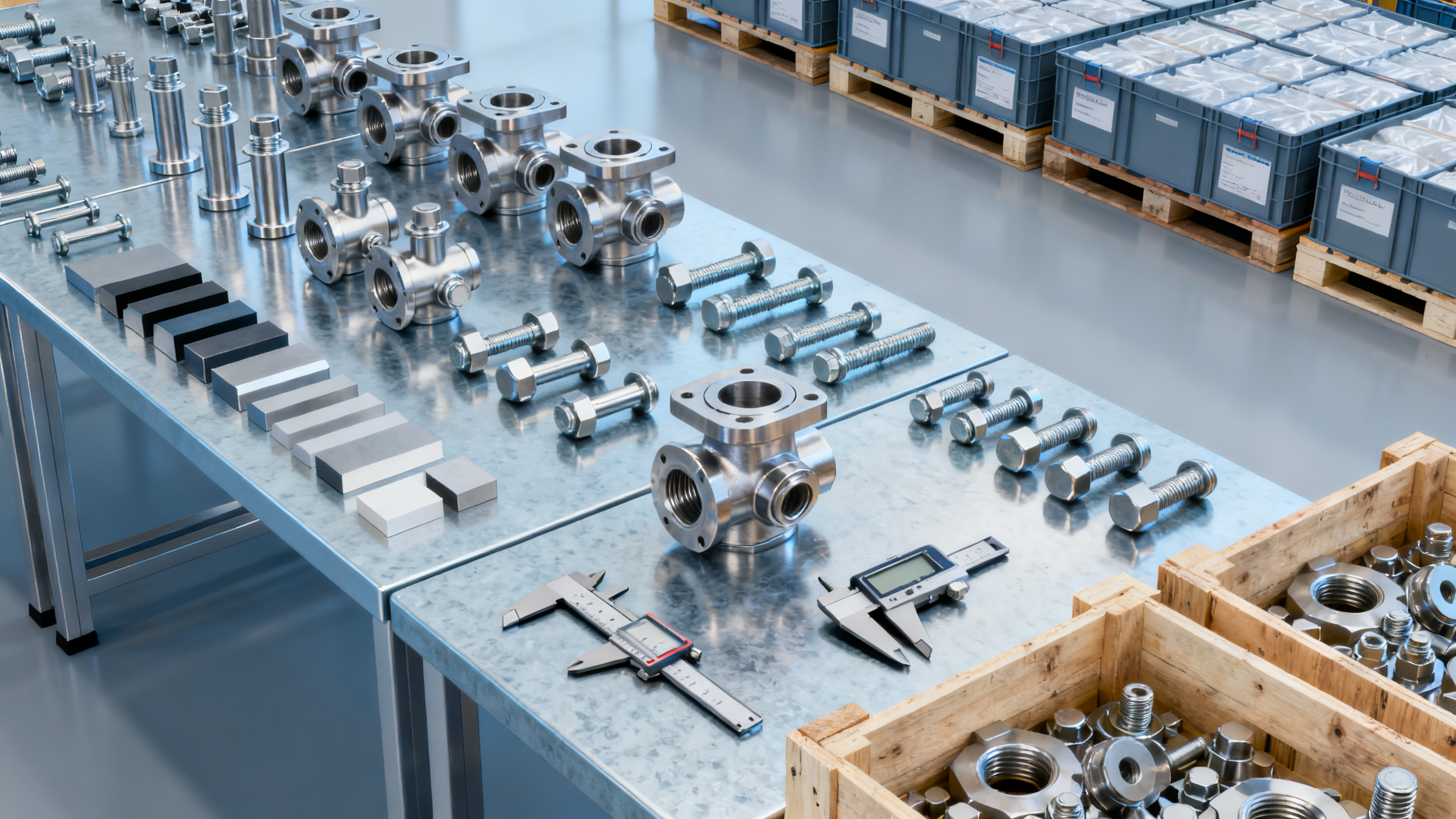
In Components & Metals bulk order decisions, small specification gaps, weak supplier vetting, or overlooked compliance details can quietly inflate total cost far beyond the quoted price. For procurement teams, avoiding these mistakes is essential to protecting budgets, delivery schedules, and long-term equipment reliability. This article highlights the most common cost-driving errors and how to prevent them with smarter industrial sourcing practices.
Why do Components & Metals bulk order mistakes become expensive so quickly?
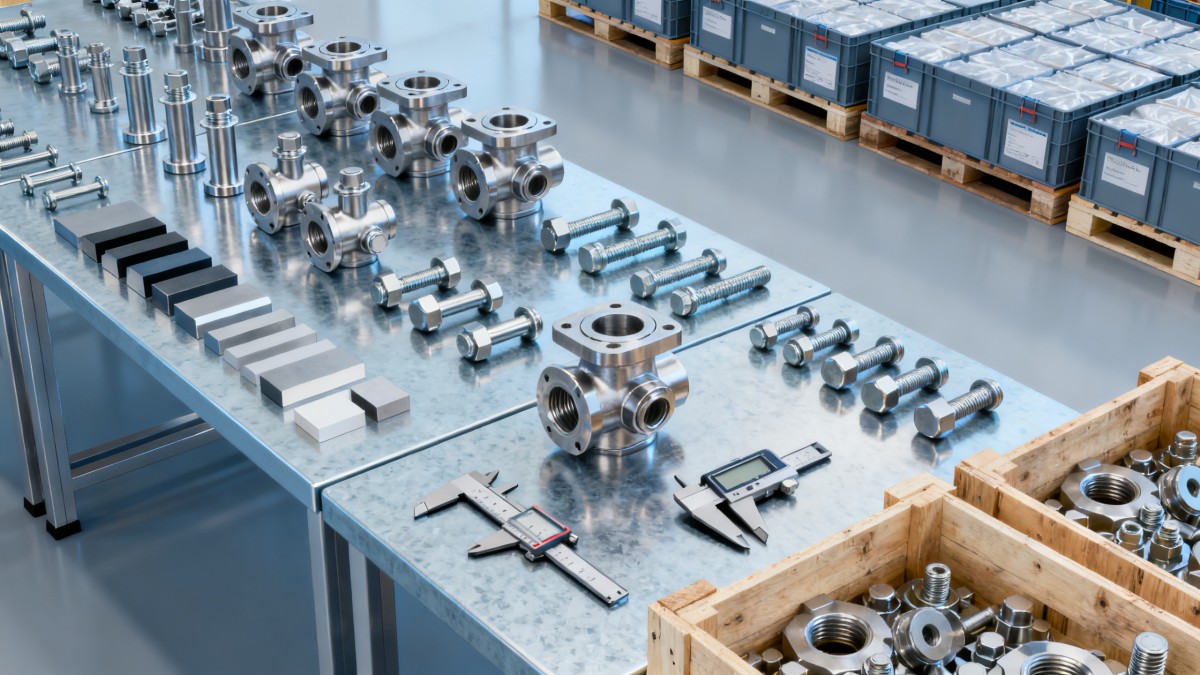
In industrial procurement, the visible unit price is only one layer of cost. A low quote for castings, fasteners, valves, housings, shafts, sheet metal parts, or fabricated assemblies can look attractive, yet hidden losses often appear later through rework, production stoppages, scrap, customs delays, failed inspections, and emergency replenishment.
That is why Components & Metals bulk order planning must be treated as a risk-control exercise, not just a price negotiation. Procurement personnel in EPC projects, plant maintenance, utilities, and industrial manufacturing are usually balancing multiple variables at once: technical fit, lead time, compliance, packaging, transport mode, and lifecycle reliability.
Global Industrial Core focuses on the foundational categories where procurement mistakes have outsized consequences. In heavy industry, one incorrect alloy, one incomplete test document, or one missed dimensional tolerance can affect safety systems, power infrastructure, environmental equipment, and mechanical uptime across the entire project schedule.
- Quoted cost is often disconnected from installed cost, because machining adaptation, onsite correction, and warranty handling are not reflected in the first offer.
- Bulk orders amplify small errors. A minor drawing misunderstanding on one prototype can become a large inventory loss when repeated over hundreds or thousands of units.
- Industrial environments are unforgiving. Corrosion, vibration, load, heat, dust, and chemical exposure quickly expose weak material or process control.
The most common Components & Metals bulk order mistakes procurement teams make
Most cost escalation in Components & Metals bulk order projects does not come from a dramatic failure. It comes from a chain of ordinary decisions made too early, too quickly, or without enough cross-functional review. The following mistakes are among the most common in industrial sourcing.
1. Buying against an incomplete specification package
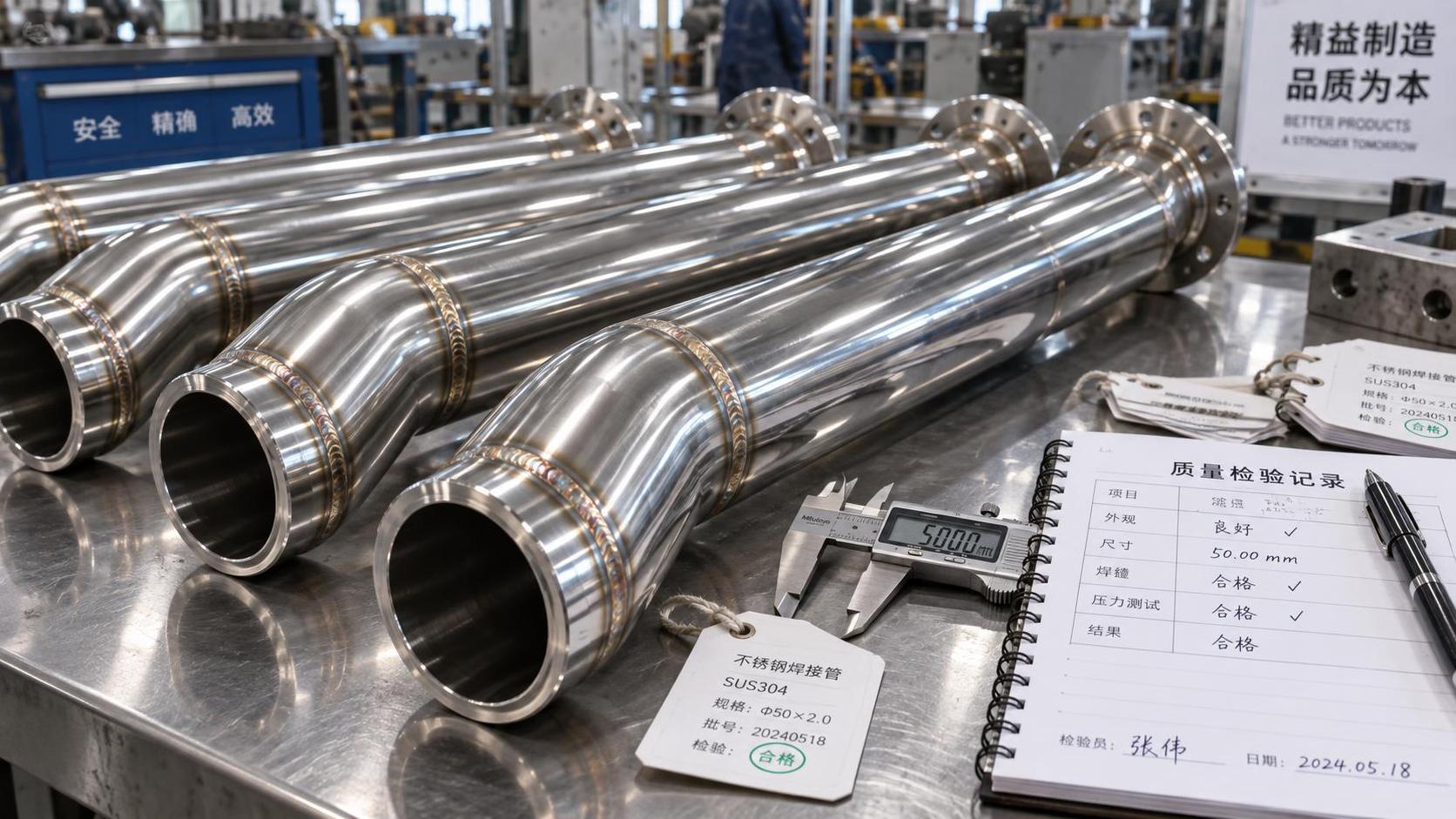
Many RFQs include basic drawings but omit tolerance classes, heat treatment, surface finish, coating thickness, weld requirements, inspection level, or end-use environment. The supplier then quotes to the minimum interpretation. Procurement may secure a lower price, but engineering later rejects the batch or requests change orders.
2. Treating similar materials as interchangeable
A stainless grade, carbon steel grade, brass composition, aluminum temper, or plating system may look close on paper, yet field performance can differ significantly. In corrosive, load-bearing, or temperature-sensitive applications, substitution without formal approval often leads to shortened service life and higher total ownership cost.
3. Selecting suppliers mainly on price rather than process capability
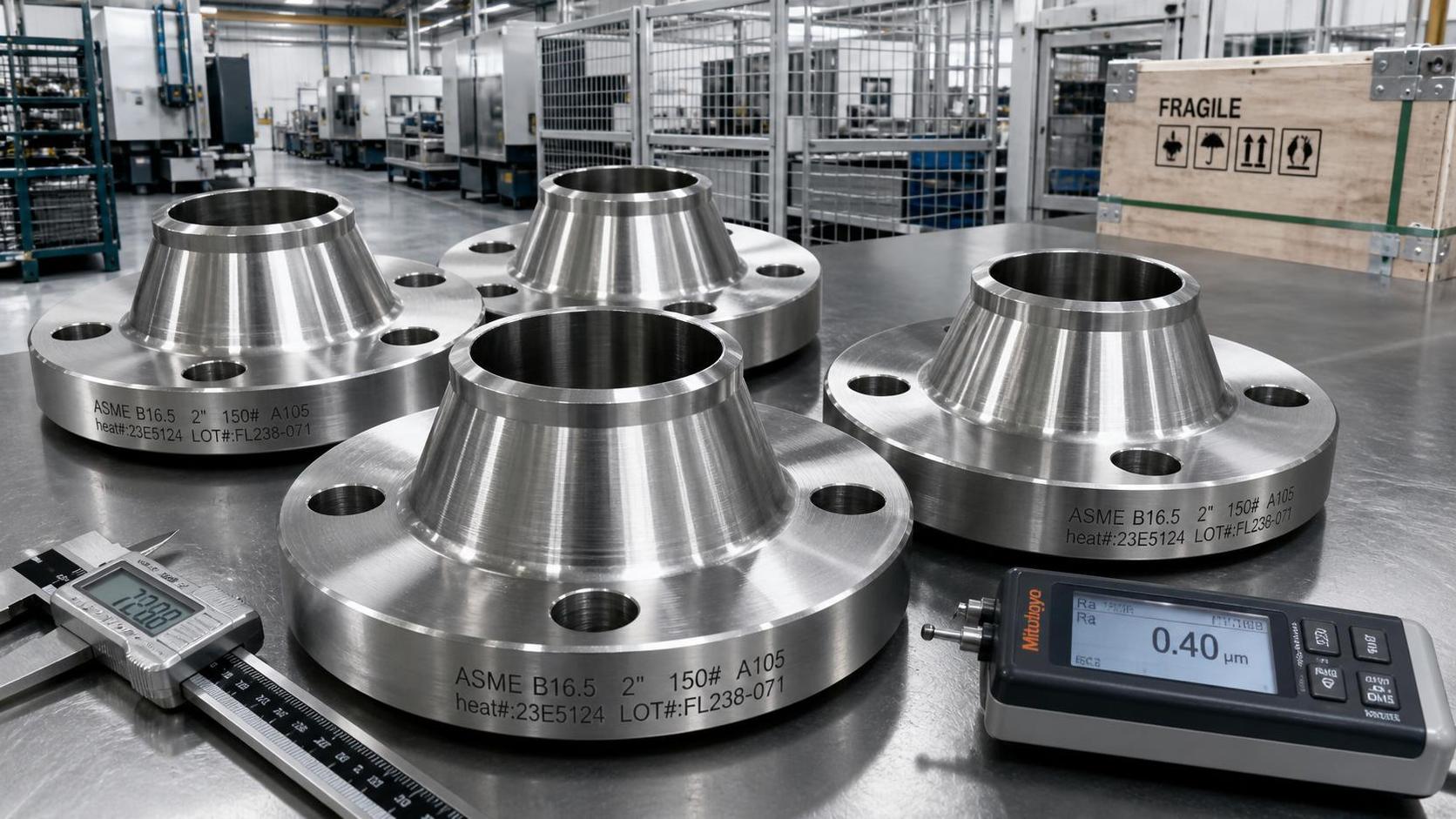
Low-cost vendors may lack stable process control in casting, forging, CNC machining, stamping, welding, or coating. The result is inconsistent dimensional repeatability, poor surface condition, or variable metallurgy. Bulk orders then require sorting, third-party inspection, or partial replacement.
4. Ignoring documentation and compliance burden
In industrial infrastructure, requested documents may include mill test certificates, inspection records, coating reports, RoHS or REACH declarations where relevant, and quality traceability records. If these are requested after production instead of before purchase order confirmation, delays are common and some data may not be recoverable.
5. Underestimating packaging and logistics requirements
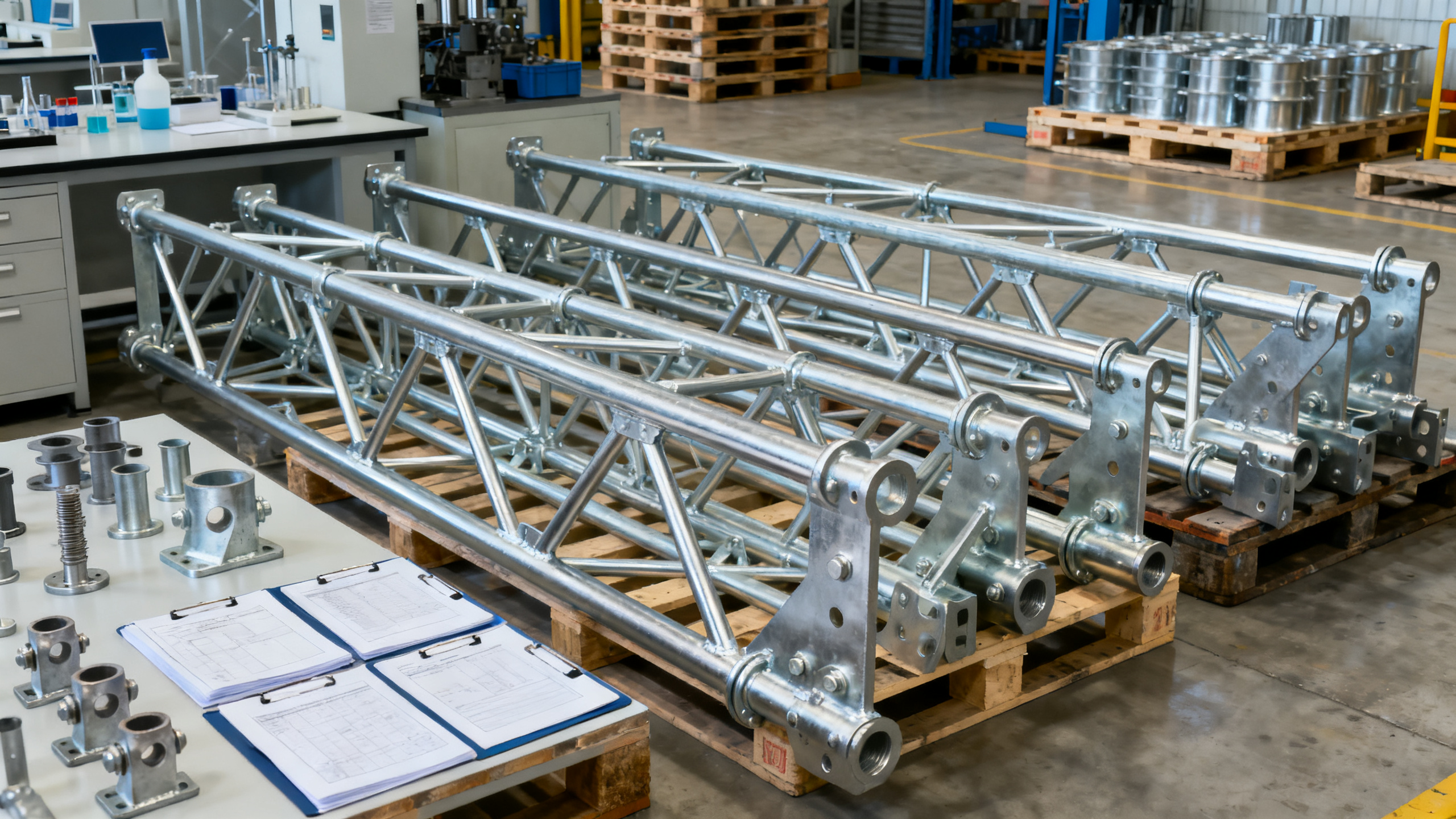
Bulk metal components are vulnerable to edge damage, oxidation, mixed-batch confusion, and handling deformation. Inadequate palletization, labeling, rust protection, or export packing can convert a technically correct order into a costly receiving problem.
6. Ordering too much before first-article validation
Bulk purchasing before sample approval is a frequent mistake when delivery pressure is high. If the first lot reveals thread issues, coating adhesion problems, hole-position deviation, or assembly mismatch, the cost of correction rises sharply with order volume.
Which hidden cost drivers matter most in a Components & Metals bulk order?
For procurement personnel, the most useful question is not “What is the lowest unit price?” but “Which factors will raise total cost after order placement?” The table below summarizes typical hidden cost drivers in Components & Metals bulk order programs across industrial applications.
The pattern is clear: hidden cost is usually created by avoidable uncertainty. When procurement aligns technical, quality, and logistics requirements before PO release, total landed cost becomes far more predictable.
How should buyers evaluate suppliers before placing a large order?
A strong Components & Metals bulk order decision depends on supplier evaluation that goes beyond a brochure and a low quote. Buyers should assess whether the supplier can repeatedly produce to the required standard, document the process, and support industrial delivery expectations.
Core supplier evaluation checklist
- Verify process fit. Confirm whether the supplier’s actual strength is machining, fabrication, casting, forging, stamping, or assemblies rather than assuming broad competence.
- Review quality control points. Ask how dimensions are checked, how nonconforming product is isolated, and how traceability is maintained by lot or heat number where applicable.
- Check document readiness. Confirm the availability of material certificates, inspection records, packing lists, and export documentation before mass production begins.
- Examine communication speed. Delayed technical clarification often predicts future delays in sample approval, shipment updates, and corrective action response.
- Run a sample or first-article stage. For critical or custom items, this is often cheaper than discovering a pattern failure after full production.
Global Industrial Core supports procurement teams by framing sourcing decisions around industrial risk, not only supplier claims. That is especially relevant when orders affect safety systems, measurement reliability, electrical continuity, corrosion resistance, or mechanical integrity in demanding operating conditions.
A practical comparison: cheapest quote vs controlled procurement
The next table compares two common procurement approaches for Components & Metals bulk order programs. The purpose is not to suggest one universal method, but to show where total cost tends to shift in real industrial projects.
For procurement teams under budget pressure, the controlled approach may look heavier at the start. In practice, it often reduces expediting fees, quality disputes, and replacement buys. That is where total cost savings are usually found.
What specifications should never be left vague in Components & Metals bulk order RFQs?
A precise RFQ is one of the strongest cost-control tools available to procurement. In Components & Metals bulk order sourcing, several specification areas routinely cause disputes when left undefined.
- Material designation: state the required grade, standard reference, and whether substitution is allowed only with written approval.
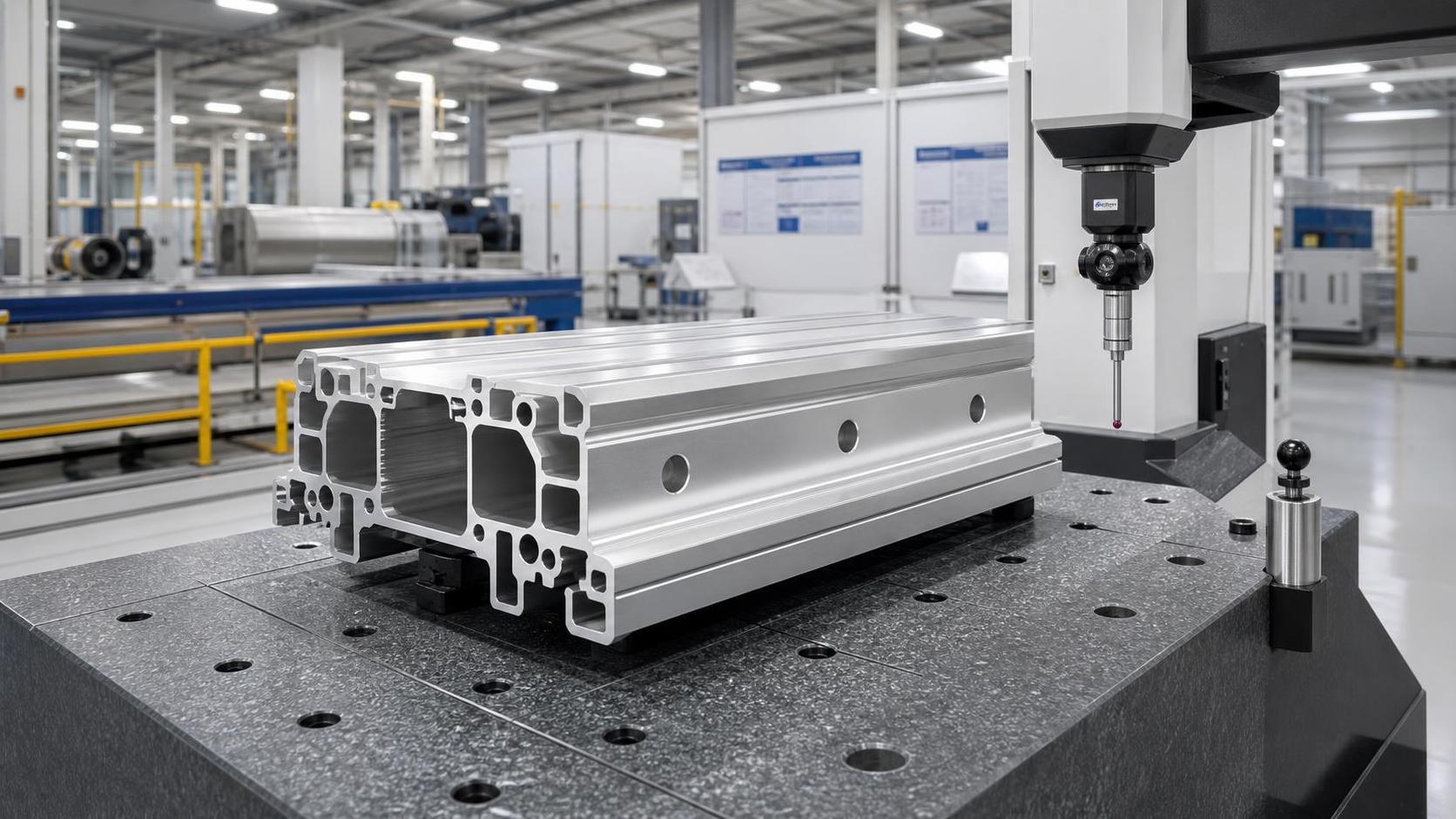
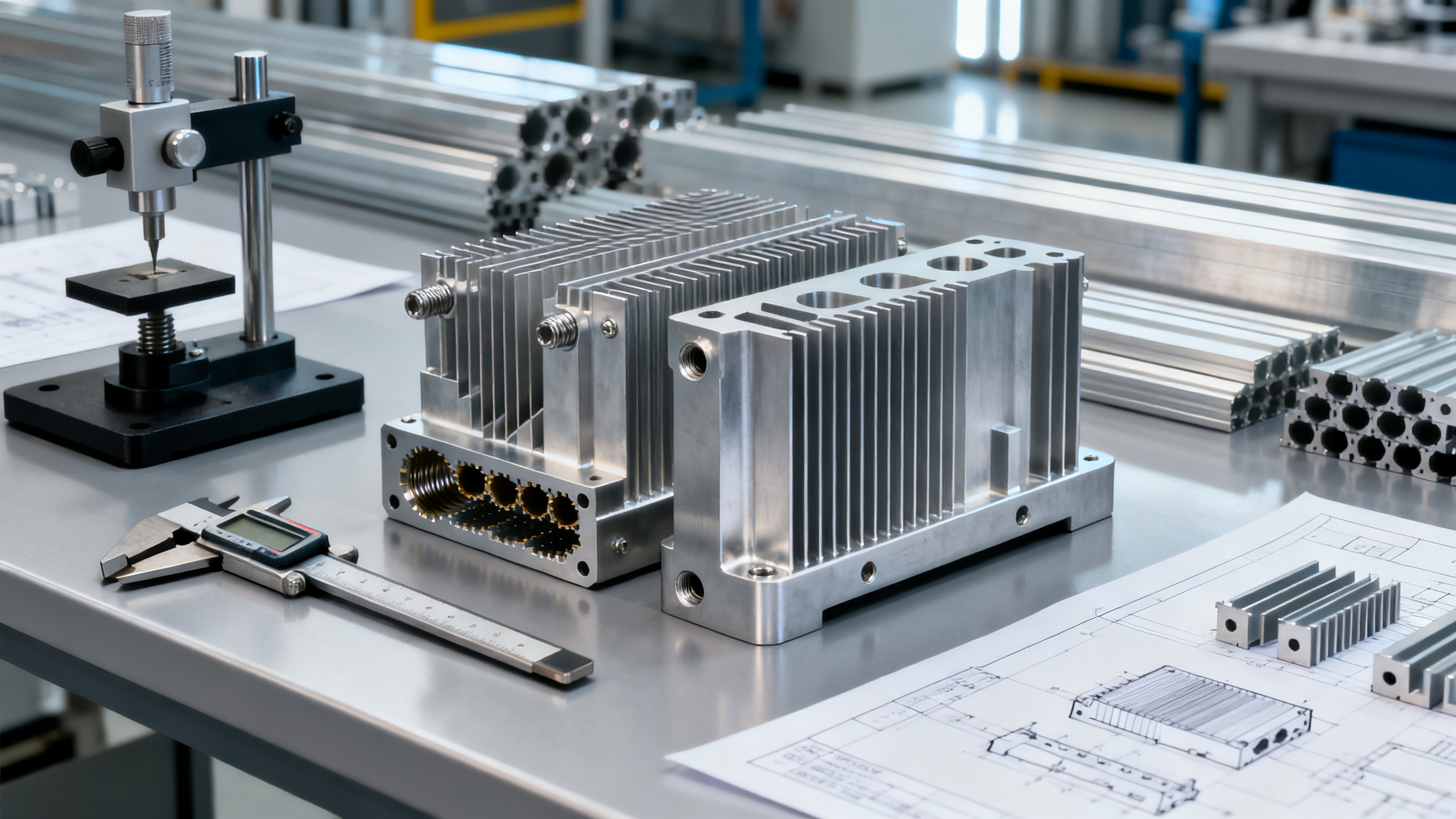
- Dimensional tolerance: define critical fits, flatness, concentricity, thread class, hole position, or assembly interface points.
- Surface condition: include roughness, deburring expectations, plating type, galvanizing thickness, paint system, or passivation requirement where relevant.
- Mechanical or thermal treatment: specify hardness range, annealing, quenching, tempering, stress relief, or other process expectations.
- Inspection and acceptance: define sampling level, first-article requirement, dimensional report needs, and critical defect criteria.
- Packaging and labeling: identify rust prevention, separator use, pallet standard, carton identification, and lot segregation.
Where industrial projects involve regulated environments or multinational delivery, procurement should also clarify requested standards and documentation at the RFQ stage. Waiting until shipment is ready often creates the most expensive delays.
How compliance, testing, and traceability affect total cost
Not every component requires the same level of documentation, but in infrastructure-related procurement, compliance gaps create cost quickly. A missing material traceability record can hold an installation release. An absent inspection report can trigger reinspection or site rejection. A mismatched declaration can delay cross-border movement.
Common document areas to define early
The takeaway for procurement teams is simple: compliance is cheaper when defined upfront. In a Components & Metals bulk order, documentation should be part of the product requirement, not a post-production afterthought.
A safer procurement workflow for industrial bulk orders
A repeatable workflow helps reduce cost leakage across categories such as fabricated components, machined parts, industrial fasteners, metal enclosures, structural accessories, and wear items. Procurement teams can use the following sequence as a practical control model.
- Align internal stakeholders early. Engineering, QA, logistics, and end users should confirm critical requirements before RFQ release.
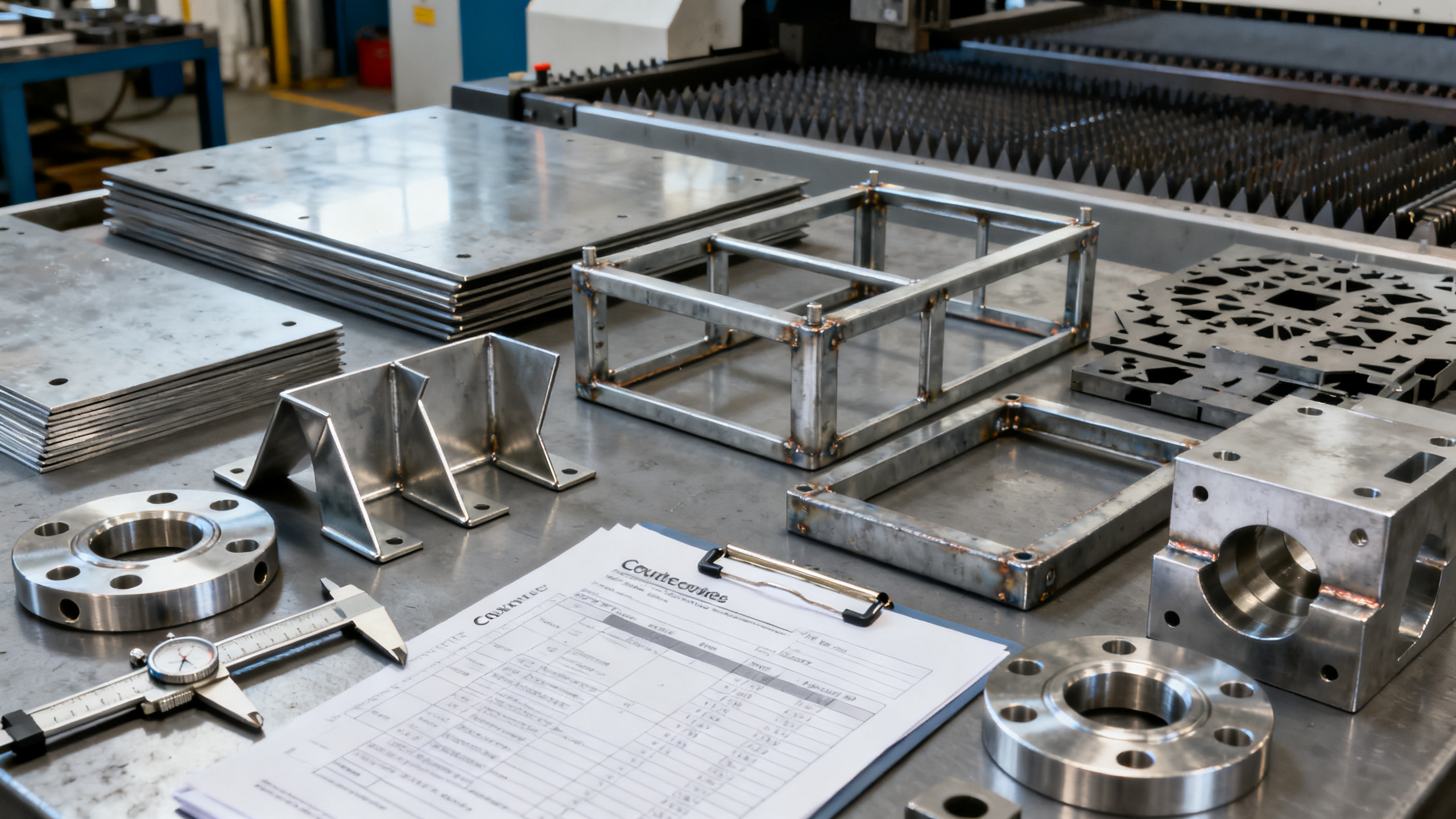
- Prepare a complete technical package. Include drawings, BOM references, tolerances, material expectations, finish details, and document requirements.
- Shortlist suppliers by capability, not just geography or price. Use sample history, process fit, and communication quality as filters.
- Validate samples or first-article parts. Review dimensional results, finish, assembly fit, and records before approving full quantity.
- Lock packaging and delivery terms. Clarify corrosion protection, box counts, labels, incoterms, and shipment release conditions.
- Monitor production milestones for critical orders. This reduces late-stage surprises and helps manage schedule-sensitive projects.
This approach is especially valuable in industries where downtime, noncompliance, or field retrofits are more expensive than careful front-end procurement work.
FAQ: practical questions buyers ask about Components & Metals bulk order
How do I know whether a low quote is actually risky?
Check what is excluded. If the quote does not clearly reference material grade, tolerance level, coating, inspection, packaging, and documents, then the price may reflect a reduced scope rather than a true efficiency advantage. Ask suppliers to confirm assumptions in writing and compare offers on the same requirement basis.
When is a sample phase necessary before a bulk order?
A sample or first-article stage is strongly recommended for custom parts, tight-tolerance parts, coated parts, assemblies, or any item with safety, sealing, electrical, or load-bearing implications. Even when time is limited, a small pre-production check is often cheaper than a full-lot correction.
What should procurement prioritize when lead time is urgent?
Prioritize requirement clarity, supplier communication speed, and realistic process capability. Rushed orders fail when teams skip technical confirmation. If schedule pressure is severe, it may be wiser to split the order by criticality, secure an approved pilot lot first, and protect the main delivery from preventable failure.
Are compliance documents really necessary for standard metal components?
That depends on project type, destination market, and application criticality. For many industrial orders, at least basic material traceability, inspection confirmation, and packing accuracy are operationally important. Where infrastructure, regulated facilities, or export projects are involved, document discipline becomes even more important.
Why work with Global Industrial Core on sourcing decisions?
Components & Metals bulk order success depends on more than supplier contact lists. It depends on disciplined interpretation of technical requirements, realistic evaluation of industrial risks, and the ability to connect procurement choices with operational consequences. That is where Global Industrial Core adds value.
Our focus on security and safety, instruments and measurement, electrical and power systems, environmental applications, and mechanical components allows procurement teams to assess sourcing decisions in the broader context of infrastructure reliability. Instead of treating parts as isolated line items, we help frame them as performance-critical assets within a larger industrial system.
- Need help confirming parameters before a Components & Metals bulk order? We can support requirement review and risk-point identification.
- Comparing suppliers or proposals? We can help structure evaluation around capability, compliance, and lifecycle cost rather than quote alone.
- Facing pressure on lead time, documentation, or custom requirements? We can help clarify what to lock before PO release.
- Need guidance on sample support, certification expectations, packaging logic, or quotation communication? These are exactly the details that shape total cost.
If your team is preparing a Components & Metals bulk order and wants sharper control over product selection, delivery timing, compliance requirements, or quotation comparison, contact Global Industrial Core to discuss your drawings, technical scope, documentation needs, and sourcing priorities before cost problems are built into the order.
Technical Specifications
- How to Select an Emissions Monitoring System Analyzer for Compliance ReportingAuthor :Precision Metrology Expert
- How to Select an Access Control Management System for Multi-Site FacilitiesAuthor :Safety Compliance Lead
- Portable Gas Monitor Calibration: How Often Is It Needed for Safe Confined-Space Work?Author :Precision Metrology Expert
Expert Insights

Chief Security Architect
Dr. Thorne specializes in the intersection of structural engineering and digital resilience. He has advised three G7 governments on industrial infrastructure security.
Related Analysis
- Sep 21, 2026How to Select an Emissions Monitoring System Analyzer for Compliance ReportingAuthor :Precision Metrology Expert
- Sep 20, 2026How to Select an Access Control Management System for Multi-Site FacilitiesAuthor :Safety Compliance Lead
- Sep 19, 2026Portable Gas Monitor Calibration: How Often Is It Needed for Safe Confined-Space Work?Author :Precision Metrology Expert
Core Sector // 01
Security & Safety
- Stainless Steel Welded Tube Applications: Matching Tube Supply to Fabrication NeedsAuthor :Heavy Industry Strategist

- What Maintenance Do Furnace Components Need After 18 Months?Author :Heavy Industry Strategist

- How to Assess Metal Materials for Thermal Cycling in Power BoilersAuthor :Heavy Industry Strategist

- How to Evaluate Aluminum Extrusion Suppliers for Tight-Tolerance Components?Author :Heavy Industry Strategist

- How to Evaluate a Weld Neck Flange Manufacturer for High-Pressure Pipe ProjectsAuthor :Heavy Industry Strategist

- EU REACH Ban Hits Cr(VI)-Coated Steel ImportsAuthor :Heavy Industry Strategist
-Coated Steel Imports")
- How to Evaluate a Heat Sink Aluminum Profile Supplier for Custom Thermal ProjectsAuthor :Heavy Industry Strategist

- Industrial Metal Fabrication Components Price: What Drives Cost and How to Compare QuotesAuthor :Heavy Industry Strategist