Industrial components used in industrial metallurgy: what matters most
Author
Date Published
Reading Time
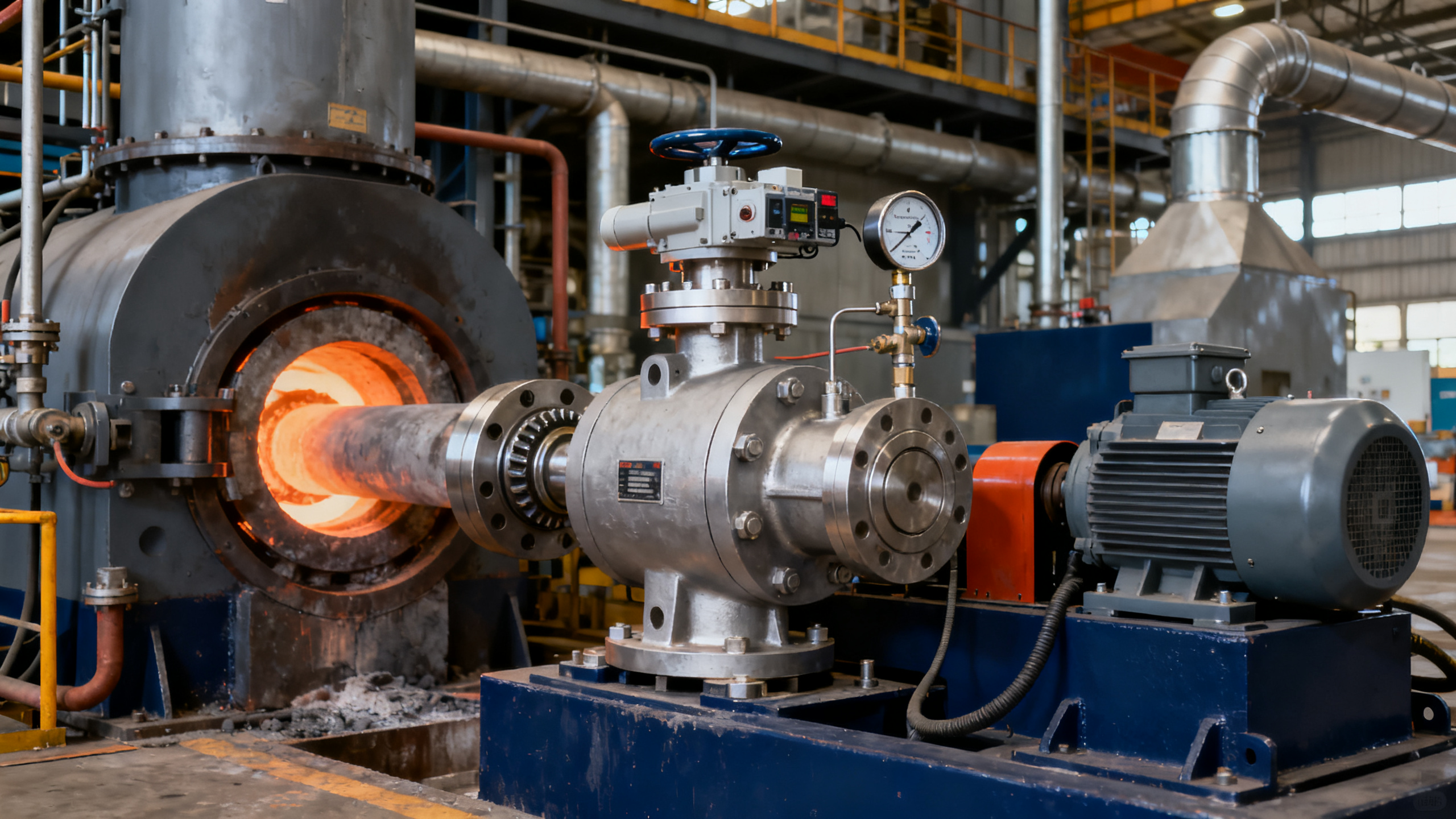
Choosing the right industrial components for industrial metallurgy can determine product quality, plant safety, and long-term operating efficiency. From heat-resistant alloys and precision measurement devices to power systems and emission controls, every component plays a strategic role in demanding metallurgical environments. This guide explains what matters most when evaluating industrial components for industrial metallurgy, with a practical focus on reliability, standards compliance, lifecycle value, and fit-for-purpose performance across modern heavy-industry operations.
What are the most critical industrial components for industrial metallurgy?
In metallurgy, components are not just supporting parts. They directly influence thermal stability, process consistency, worker protection, and environmental performance. The most important industrial components for industrial metallurgy usually fall into five interconnected categories: mechanical and metallurgical parts, instruments and measurement systems, electrical and power equipment, safety infrastructure, and environmental control solutions.
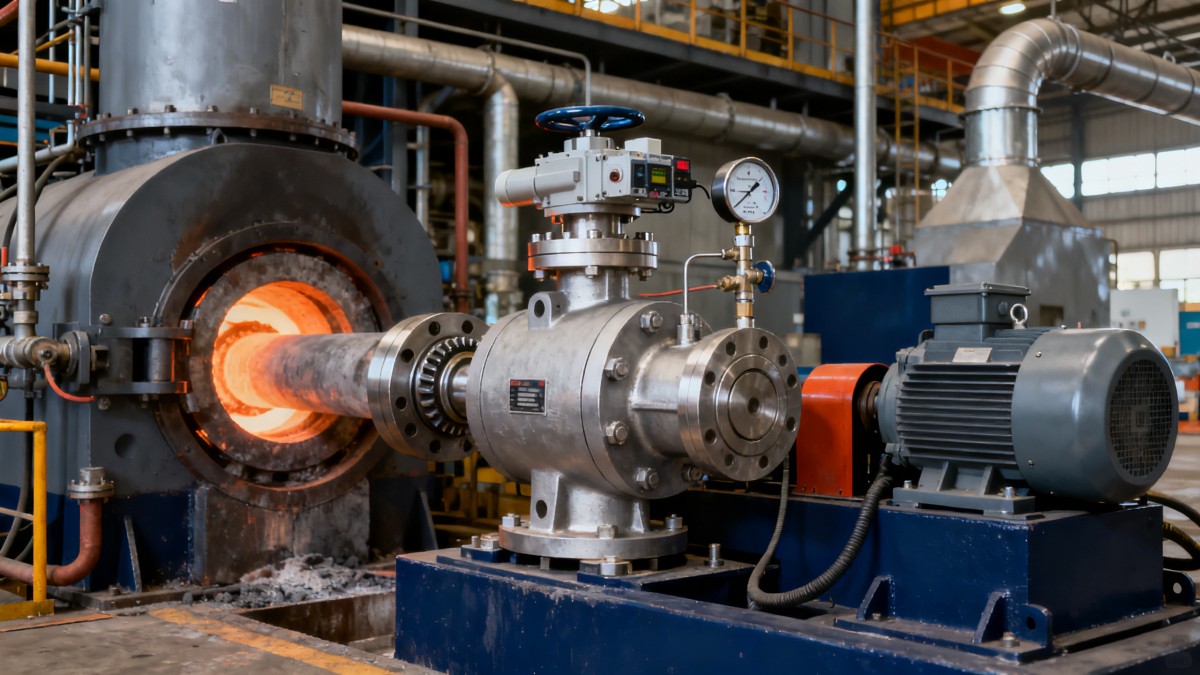
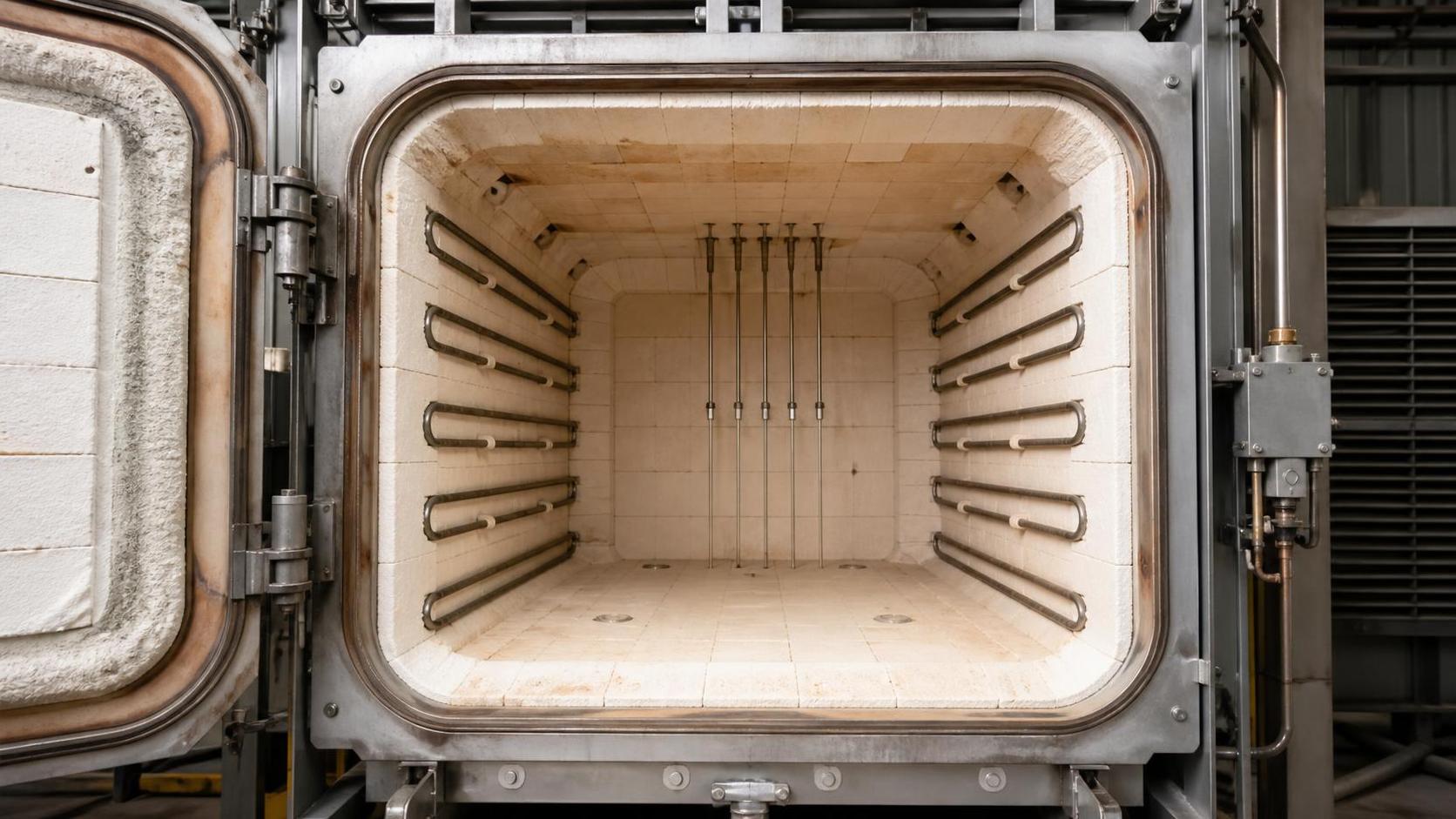
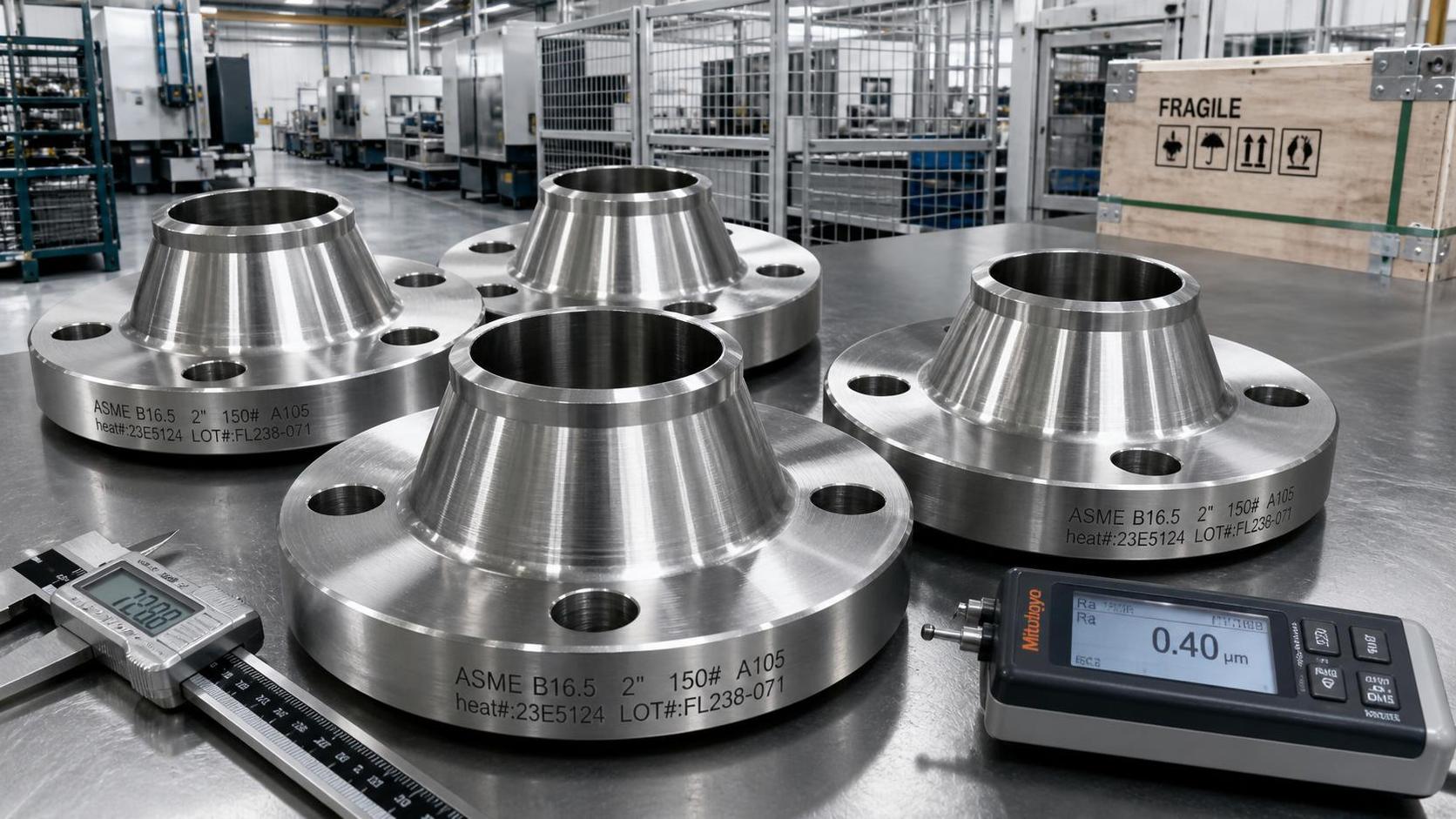
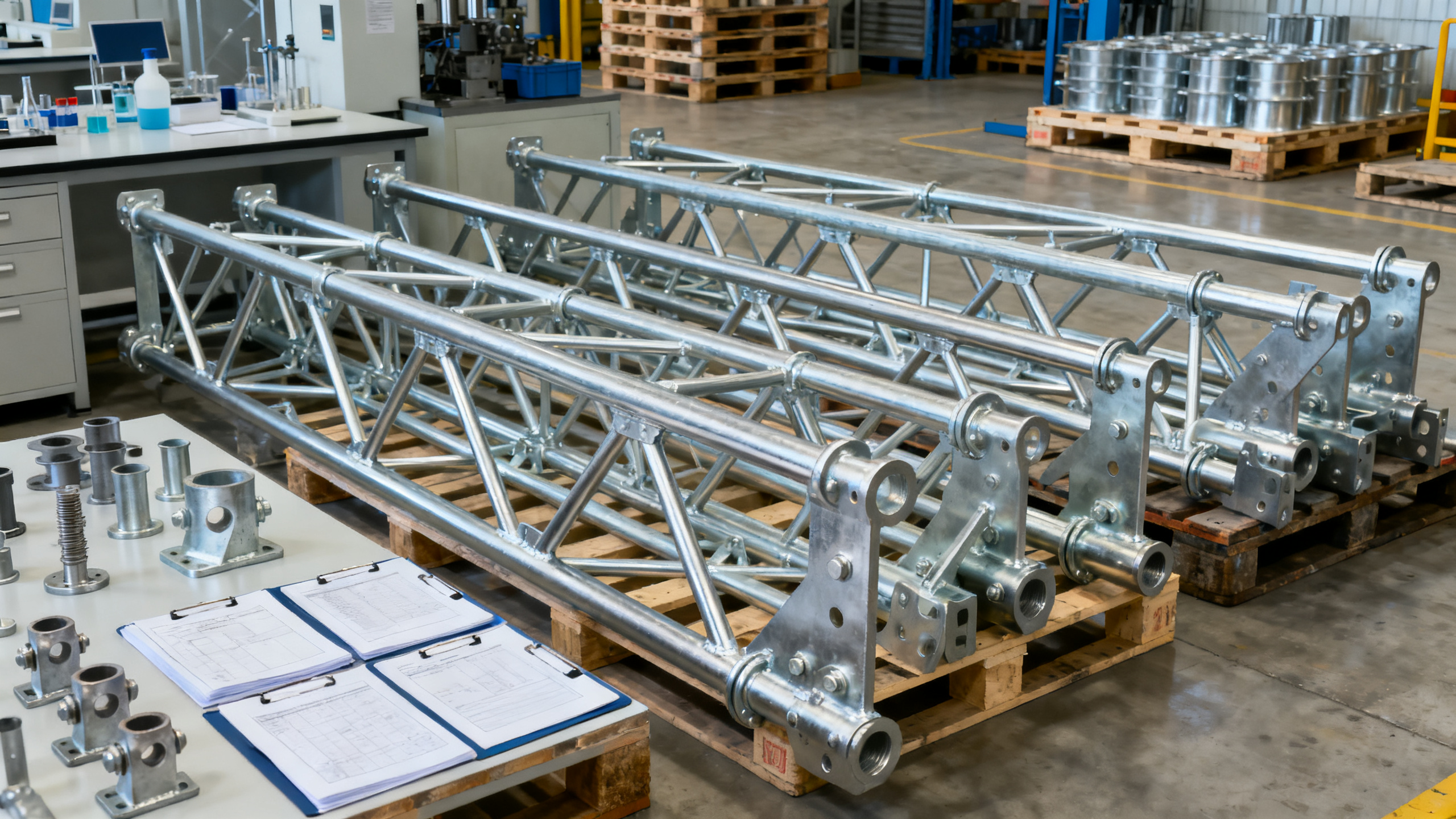
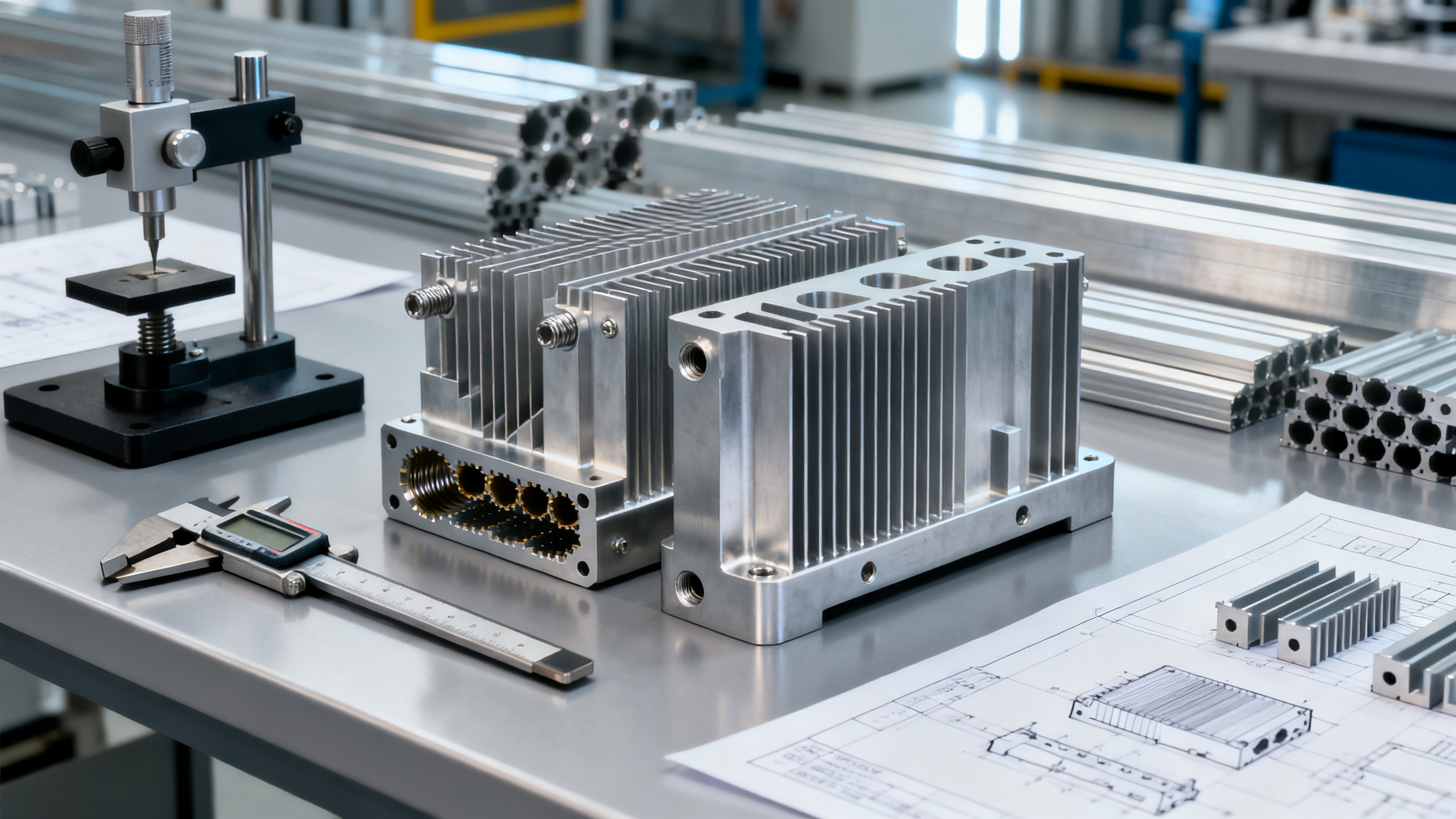
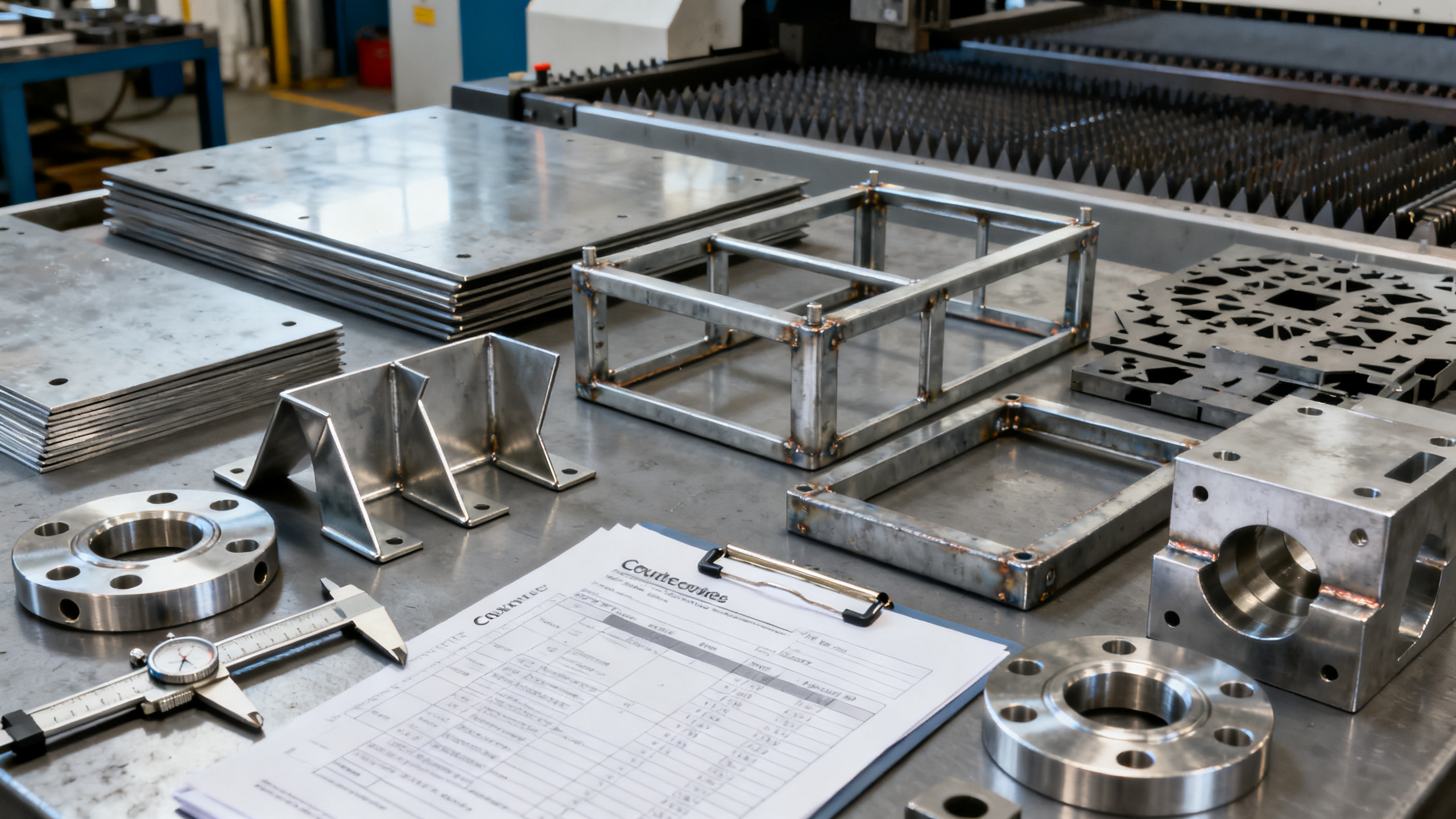
Mechanical components include rollers, bearings, seals, refractory supports, couplings, furnace linings, valves, fasteners, and wear-resistant assemblies. These are exposed to abrasion, thermal cycling, vibration, pressure fluctuations, and corrosive byproducts. In such settings, material selection matters as much as component design. Stainless steels, nickel alloys, ceramic-lined parts, and high-temperature castings are often preferred where conventional materials would fail too early.
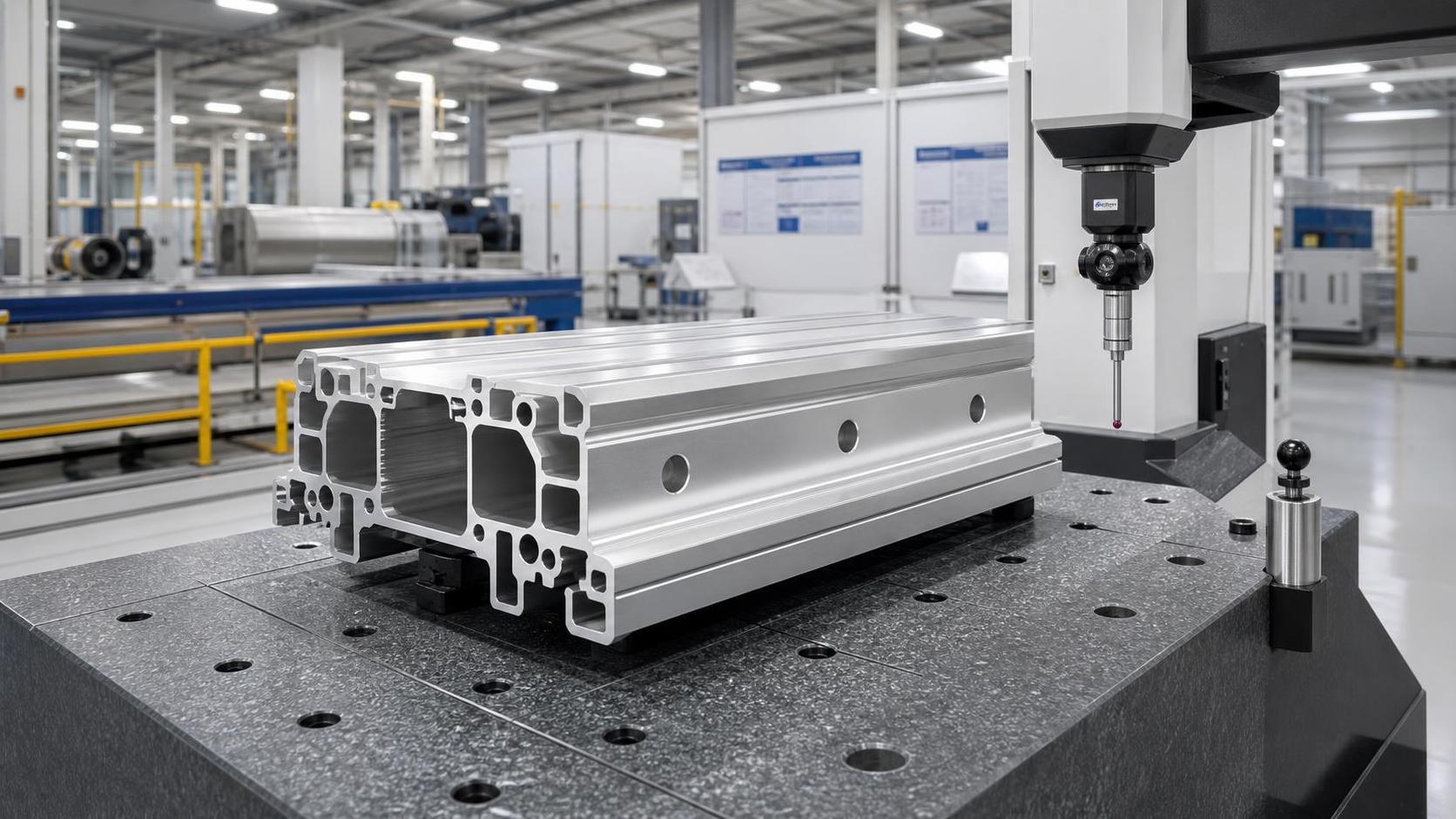
Instrumentation is equally essential. Temperature sensors, pressure transmitters, flow meters, gas analyzers, load cells, and dimensional inspection tools help maintain process control. In metallurgical plants, even small measurement errors can lead to inconsistent alloy chemistry, poor rolling tolerances, excessive energy use, or unsafe operating conditions. This is why high-accuracy devices with strong ingress protection and calibration traceability are usually non-negotiable.
Electrical and power systems support furnaces, drives, motors, substations, switchgear, transformers, cable protection, and backup power continuity. A metallurgical operation often runs with heavy electrical loads and sensitive timing requirements, so the wrong electrical components can cause production interruptions, overheating, or power quality problems. The best industrial components for industrial metallurgy work as an integrated system rather than isolated purchases.
How should industrial components for industrial metallurgy be selected?
Selection should begin with the actual process environment, not a catalog specification alone. Metallurgy includes smelting, casting, rolling, heat treatment, pickling, dust handling, gas recovery, and water treatment. Each stage introduces specific demands, so the same component family may require completely different materials, coatings, sealing methods, or certification levels.
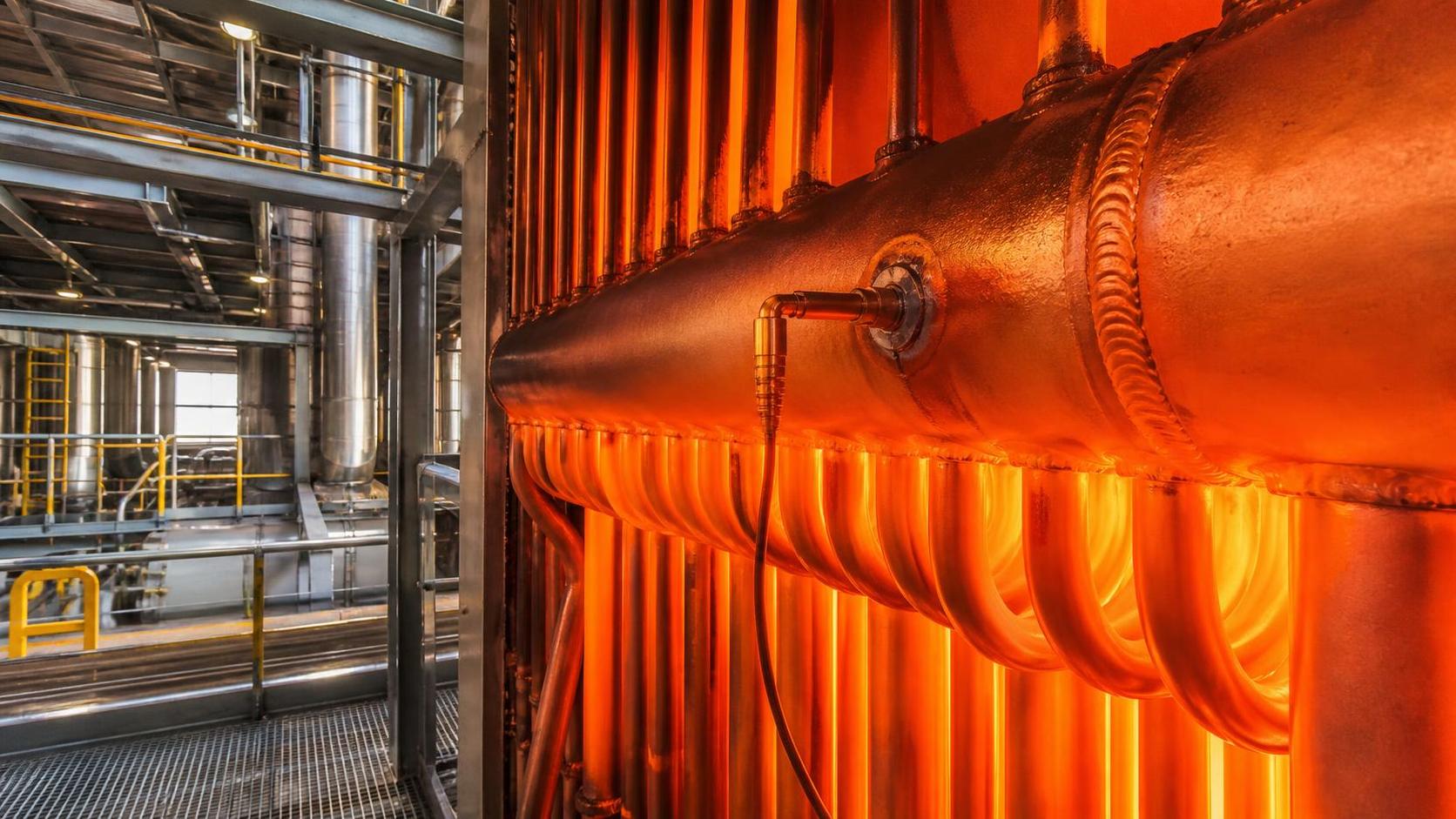
A useful evaluation approach is to check seven factors in sequence: operating temperature, corrosion exposure, mechanical load, dimensional precision, maintenance access, compliance needs, and expected service life. For example, a valve in a high-temperature off-gas line should not be judged by purchase price alone. It must be reviewed for thermal distortion resistance, sealing integrity, actuator reliability, and compatibility with dust-laden or chemically aggressive media.
For sensors and measurement devices, the focus should include response time, calibration interval, mounting stability, shielding from electromagnetic interference, and data integration with plant control systems. For motors and drives, efficiency class, insulation grade, overload performance, and enclosure protection are central selection points. For structural and rotating parts, fatigue resistance and wear behavior often matter more than nominal strength values.
- Match the component to the exact metallurgical process step.
- Confirm CE, UL, ISO, or other required standards early.
- Review total cost of ownership, not only unit cost.
- Check spare-part availability and maintenance intervals.
- Verify traceability, testing reports, and material certificates.
This disciplined method reduces the risk of under-specifying critical assets or overpaying for features that offer little operational value. In practice, the strongest sourcing decisions for industrial components for industrial metallurgy balance performance, compliance, maintainability, and supply continuity.
Why do standards, testing, and traceability matter so much?
Metallurgical operations run in environments where failure can escalate quickly. Excess heat, molten material, conductive dust, combustible gases, and high mechanical loads create serious consequences if a component underperforms. That is why standards compliance is more than a paperwork exercise. It is a direct indicator of whether a component has been designed, tested, and documented for demanding industrial duty.
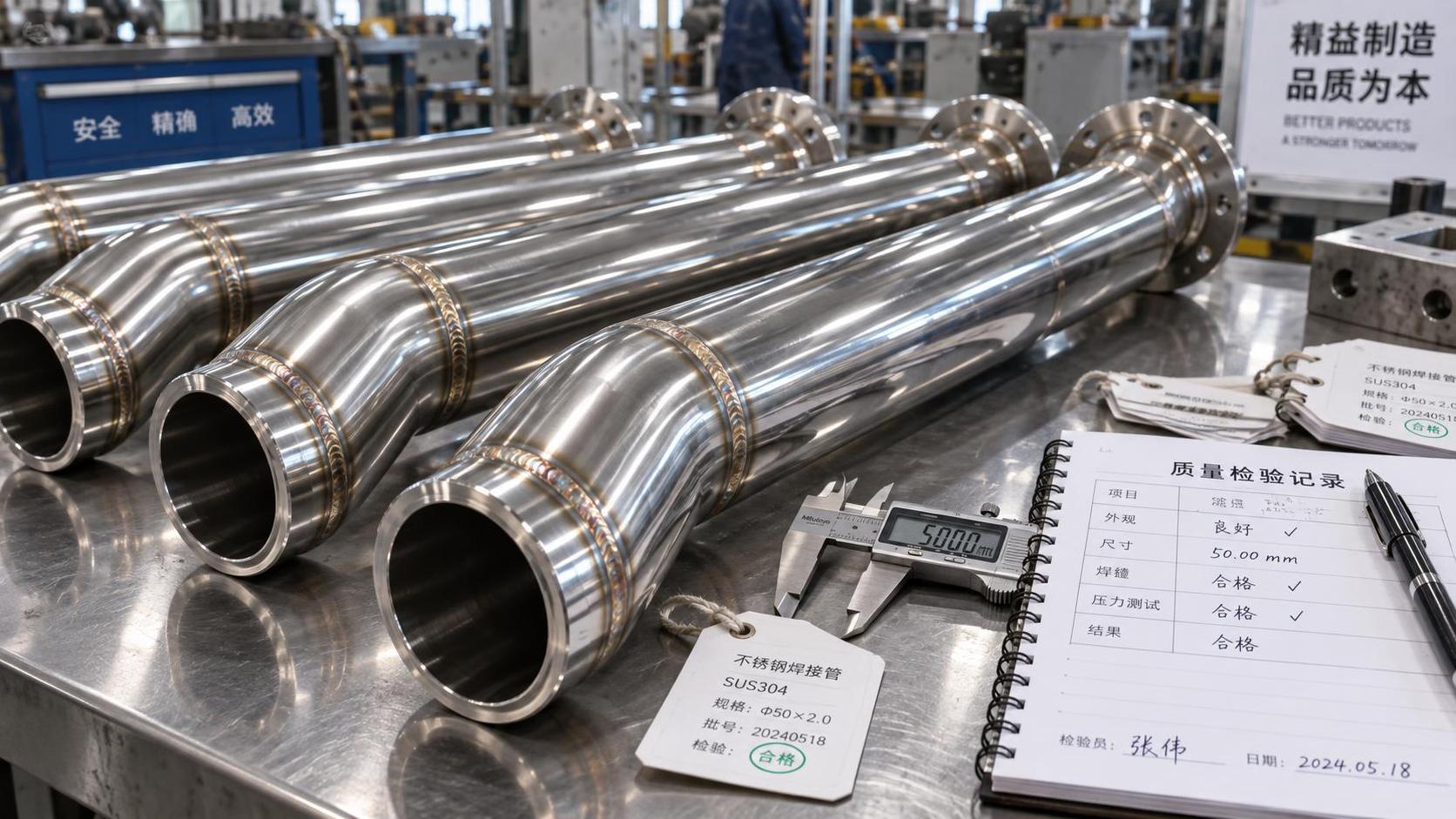
International standards such as ISO, CE-related conformity requirements, UL certifications, IEC electrical criteria, and application-specific metallurgical material standards help establish a reliable baseline. They support consistency in insulation safety, mechanical strength, pressure integrity, environmental performance, and inspection methodology. For example, a heat-resistant assembly with verified material certificates and dimensional inspection records is far easier to qualify than one with unclear origin or incomplete documentation.
Traceability is especially important for high-risk parts such as pressure-retaining components, refractory anchors, furnace hardware, cable systems, gas monitoring devices, and precision instruments. Batch numbers, calibration records, test reports, and origin documentation help identify quality deviations early. They also simplify audits, root-cause analysis, and replacement planning after shutdowns or incidents.
Reliable industrial components for industrial metallurgy should ideally be supported by documented quality systems, factory inspection procedures, and performance validation under realistic operating conditions. In global projects, that level of transparency is often what separates dependable long-term assets from high-risk commodity substitutions.
What common mistakes lead to poor performance or early failure?
One common mistake is selecting by nominal specification without considering the full process context. A bearing may look adequate on paper, yet fail quickly because airborne scale, misalignment, washdown chemicals, or thermal expansion were ignored. The same problem appears with cables, seals, sensors, and power components that are technically compatible but operationally unsuitable.
Another frequent issue is underestimating maintenance conditions. Some industrial components for industrial metallurgy perform well only if regular lubrication, recalibration, cleaning, or replacement can be done safely and on time. If access is poor or shutdown windows are short, a theoretically superior part may create avoidable downtime. Components should therefore be assessed not only for performance but also for service practicality.
A third mistake is treating environmental and safety systems as secondary. Dust collection units, gas detection, insulation barriers, grounding hardware, and emission control devices are integral to plant continuity. When these are downgraded, the result may be non-compliance, unstable process conditions, or unsafe exposure. In many facilities, failure in a “support” component can interrupt output just as severely as failure in the primary production line.
There is also a recurring misconception that the lowest upfront cost creates the best value. In reality, lower-grade materials, weaker tolerances, uncertain testing, or poor spare-part support often increase lifecycle cost through energy waste, production loss, and unscheduled replacement. For heavy-duty metallurgy, cheap substitutions usually become expensive very quickly.
How do cost, lifecycle, and implementation timelines affect the final decision?
Cost should be assessed across the entire operating life of the component. This includes installation effort, energy consumption, maintenance frequency, inventory burden, failure risk, and impact on downstream quality. A premium motor, analyzer, lining material, or alloy part may cost more initially but return value through longer uptime and tighter process control. This is particularly true when metallurgical plants operate continuously or with expensive shutdown cycles.
Implementation timing is another decisive factor. Some industrial components for industrial metallurgy have long lead times because they require custom machining, special alloy production, calibration, or certification review. Waiting until a shutdown window is near can create sourcing pressure and force suboptimal substitutions. Early technical validation and supplier coordination reduce that risk.
The most resilient approach is to group components by criticality. High-criticality items should have stricter qualification, documented alternates, and defined spare strategies. Medium-criticality items can be optimized for maintainability and stocking efficiency. Lower-criticality consumables may be sourced with more flexibility, provided quality consistency is still controlled. This tiered strategy improves both cost discipline and operational readiness.
Quick evaluation table for industrial metallurgy components
Which component priorities are most relevant in modern metallurgy projects?
Today’s metallurgy projects place growing emphasis on energy efficiency, digital monitoring, emissions reduction, and reliability under tighter compliance expectations. As a result, the best industrial components for industrial metallurgy increasingly combine rugged physical performance with data visibility and environmental accountability. Smart instruments, efficient drives, insulated power systems, low-leakage valves, durable refractory supports, and high-integrity filtration hardware are all gaining strategic importance.
It is also becoming more important to evaluate how one component affects adjacent systems. A more accurate temperature sensor can improve furnace control, reduce fuel waste, and extend refractory life. A better sealing solution can reduce contamination, protect bearings, and lower maintenance hours. An upgraded emission-control element can support both compliance and cleaner equipment operation. In this sense, industrial metallurgy depends on system thinking rather than isolated component replacement.
The strongest decisions typically come from combining technical data, standards verification, lifecycle modeling, and real operating feedback. For any facility reviewing industrial components for industrial metallurgy, the next practical step is to map each critical process point, identify failure-sensitive components, and compare options using a consistent checklist for performance, compliance, serviceability, and supply assurance. That approach leads to safer operations, better product consistency, and more durable long-term value.
Technical Specifications
- How to Select an Emissions Monitoring System Analyzer for Compliance ReportingAuthor :Precision Metrology Expert
- How to Select an Access Control Management System for Multi-Site FacilitiesAuthor :Safety Compliance Lead
- Portable Gas Monitor Calibration: How Often Is It Needed for Safe Confined-Space Work?Author :Precision Metrology Expert
Expert Insights

Chief Security Architect
Dr. Thorne specializes in the intersection of structural engineering and digital resilience. He has advised three G7 governments on industrial infrastructure security.
Related Analysis
- Sep 21, 2026How to Select an Emissions Monitoring System Analyzer for Compliance ReportingAuthor :Precision Metrology Expert
- Sep 20, 2026How to Select an Access Control Management System for Multi-Site FacilitiesAuthor :Safety Compliance Lead
- Sep 19, 2026Portable Gas Monitor Calibration: How Often Is It Needed for Safe Confined-Space Work?Author :Precision Metrology Expert
Core Sector // 01
Security & Safety
- Stainless Steel Welded Tube Applications: Matching Tube Supply to Fabrication NeedsAuthor :Heavy Industry Strategist

- What Maintenance Do Furnace Components Need After 18 Months?Author :Heavy Industry Strategist

- How to Assess Metal Materials for Thermal Cycling in Power BoilersAuthor :Heavy Industry Strategist

- How to Evaluate Aluminum Extrusion Suppliers for Tight-Tolerance Components?Author :Heavy Industry Strategist

- How to Evaluate a Weld Neck Flange Manufacturer for High-Pressure Pipe ProjectsAuthor :Heavy Industry Strategist

- EU REACH Ban Hits Cr(VI)-Coated Steel ImportsAuthor :Heavy Industry Strategist
-Coated Steel Imports")
- How to Evaluate a Heat Sink Aluminum Profile Supplier for Custom Thermal ProjectsAuthor :Heavy Industry Strategist

- Industrial Metal Fabrication Components Price: What Drives Cost and How to Compare QuotesAuthor :Heavy Industry Strategist