How to compare Components & Metals manufacturer capability
Author
Date Published
Reading Time
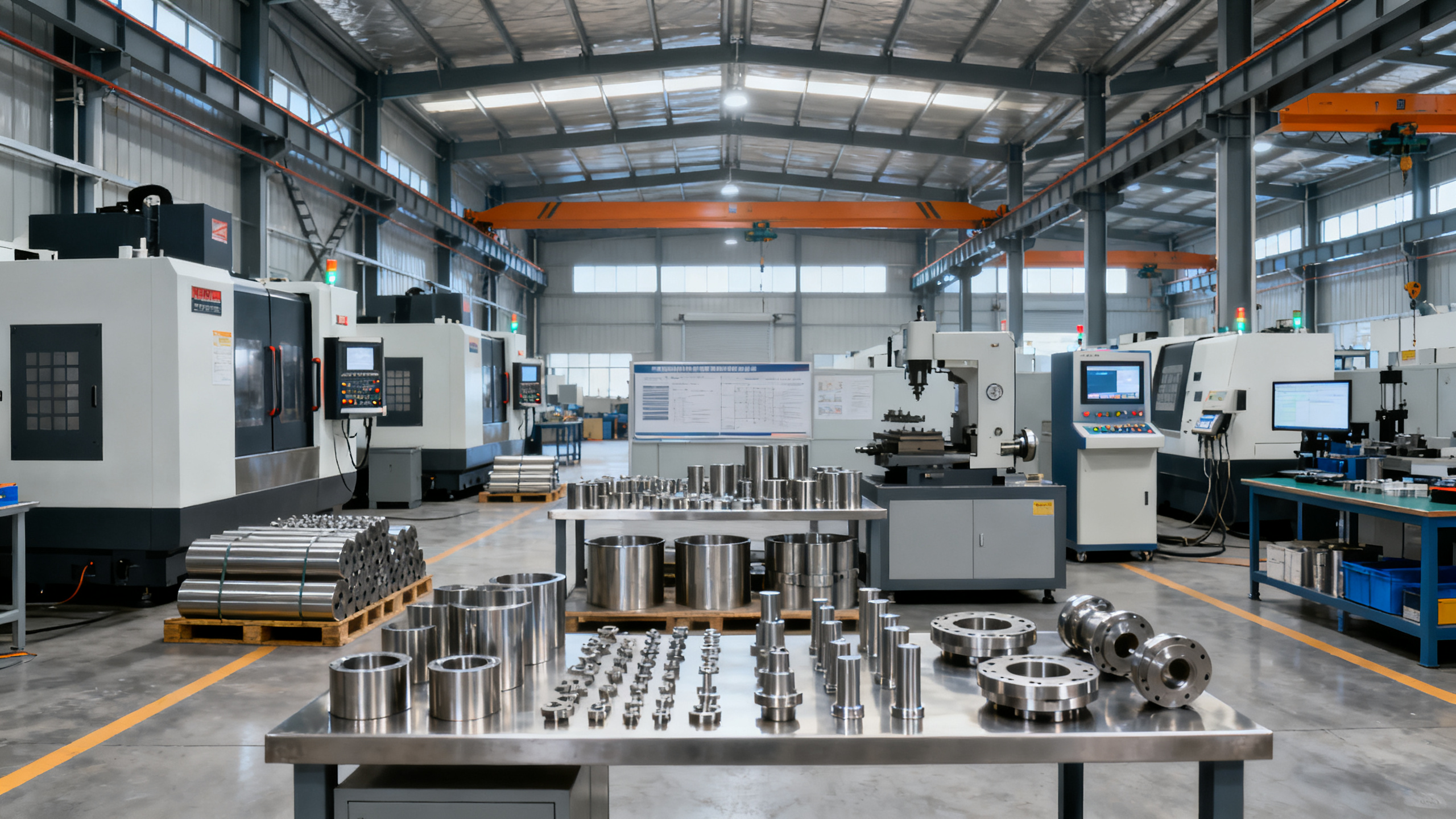
Choosing the right Components & Metals manufacturer is a high-stakes decision for business evaluators balancing quality, compliance, capacity, and long-term supply stability. This guide outlines how to compare manufacturer capability through practical criteria such as certifications, production systems, material expertise, testing standards, and delivery performance, helping procurement teams make confident, data-backed sourcing decisions.
What manufacturer capability means in Components & Metals
For a business evaluator, manufacturer capability is not just the ability to produce a part at a quoted price. In the Components & Metals sector, capability means a verified combination of engineering depth, process discipline, quality assurance, material control, compliance readiness, and delivery resilience. A capable Components & Metals manufacturer can repeatedly convert technical requirements into parts or assemblies that meet specification, perform in service, and arrive on schedule across multiple production cycles.
This matters across general industry because components and metal products often sit inside larger systems where failure creates downstream operational, safety, or maintenance risk. Whether the buyer is sourcing machined parts, fabricated structures, castings, forgings, stamped components, or alloy-based custom assemblies, the supplier’s real capability affects total lifecycle cost more than the initial unit price does.
Why capability comparison has become more important
Global supply chains are under pressure from tighter compliance requirements, fluctuating raw material availability, changing energy costs, and higher customer expectations for traceability. In this environment, comparing one Components & Metals manufacturer against another requires more than reviewing a brochure or sample list. Procurement teams now need evidence that a supplier can maintain consistency under real operating conditions, including volume swings, engineering changes, and audit scrutiny.
For EPC contractors, industrial procurement directors, and facility-oriented sourcing teams, the challenge is even greater. They must evaluate suppliers not only for current jobs, but also for future scalability, regulatory alignment, and risk exposure. This is where a structured comparison framework becomes useful: it turns vague claims into measurable decision criteria.
Core capability areas to assess
A reliable Components & Metals manufacturer should be reviewed across several capability dimensions. Looking at only one factor, such as price or factory size, creates blind spots. A balanced assessment usually includes the following:
- Technical engineering competence, including drawing interpretation, tolerancing, and manufacturability feedback
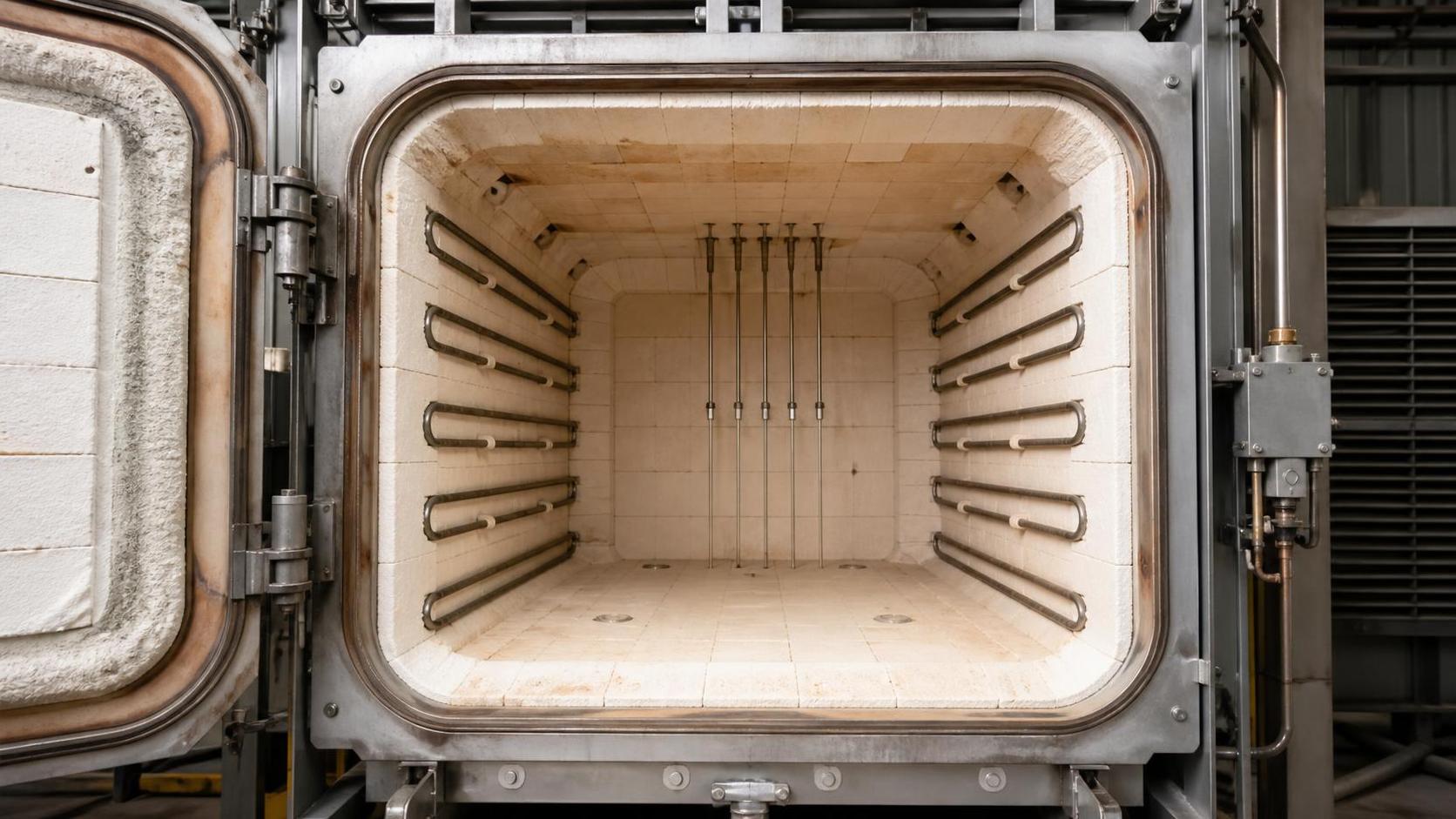
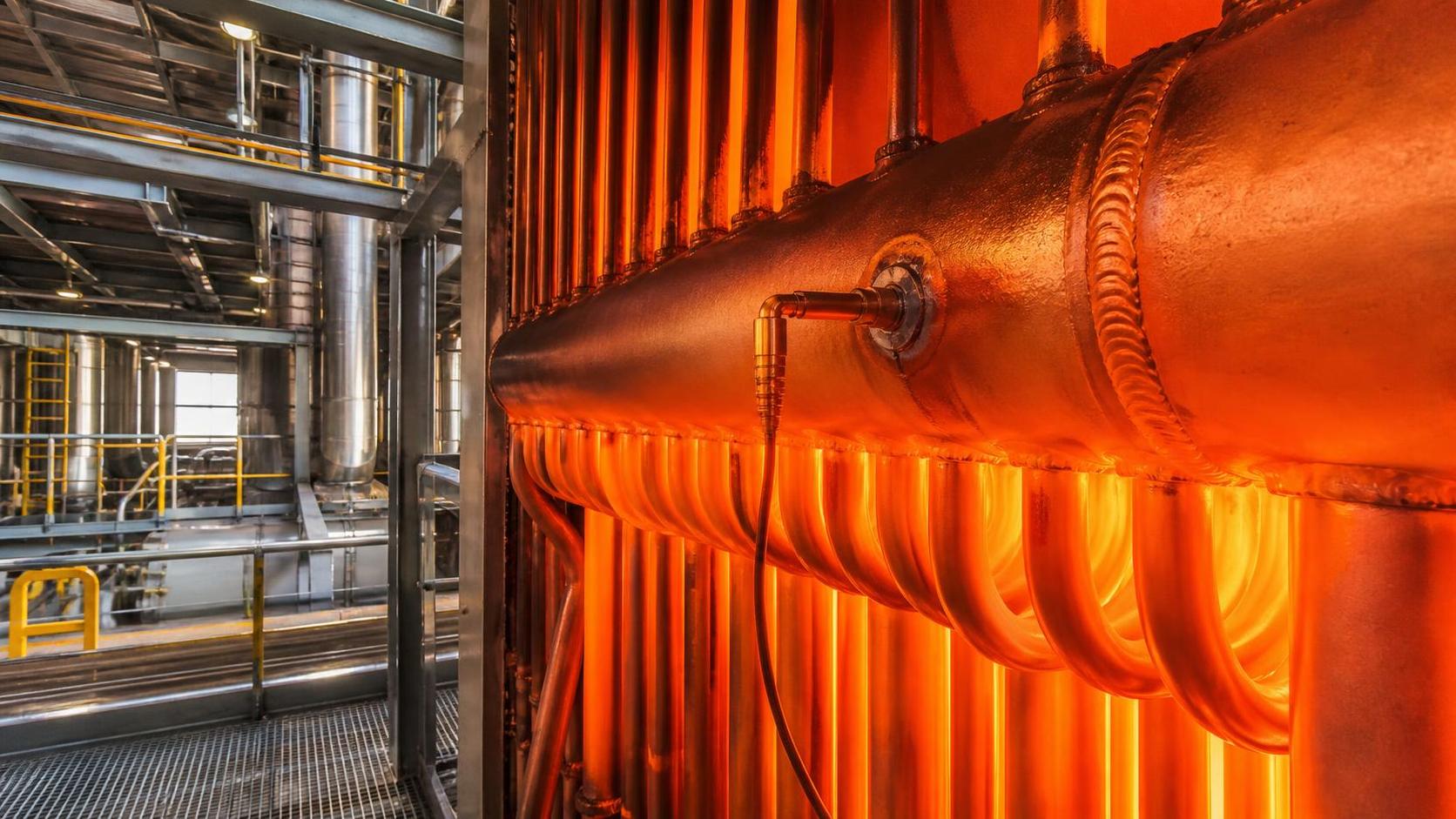
- Material expertise, especially around alloy selection, heat treatment, corrosion resistance, and application-specific performance
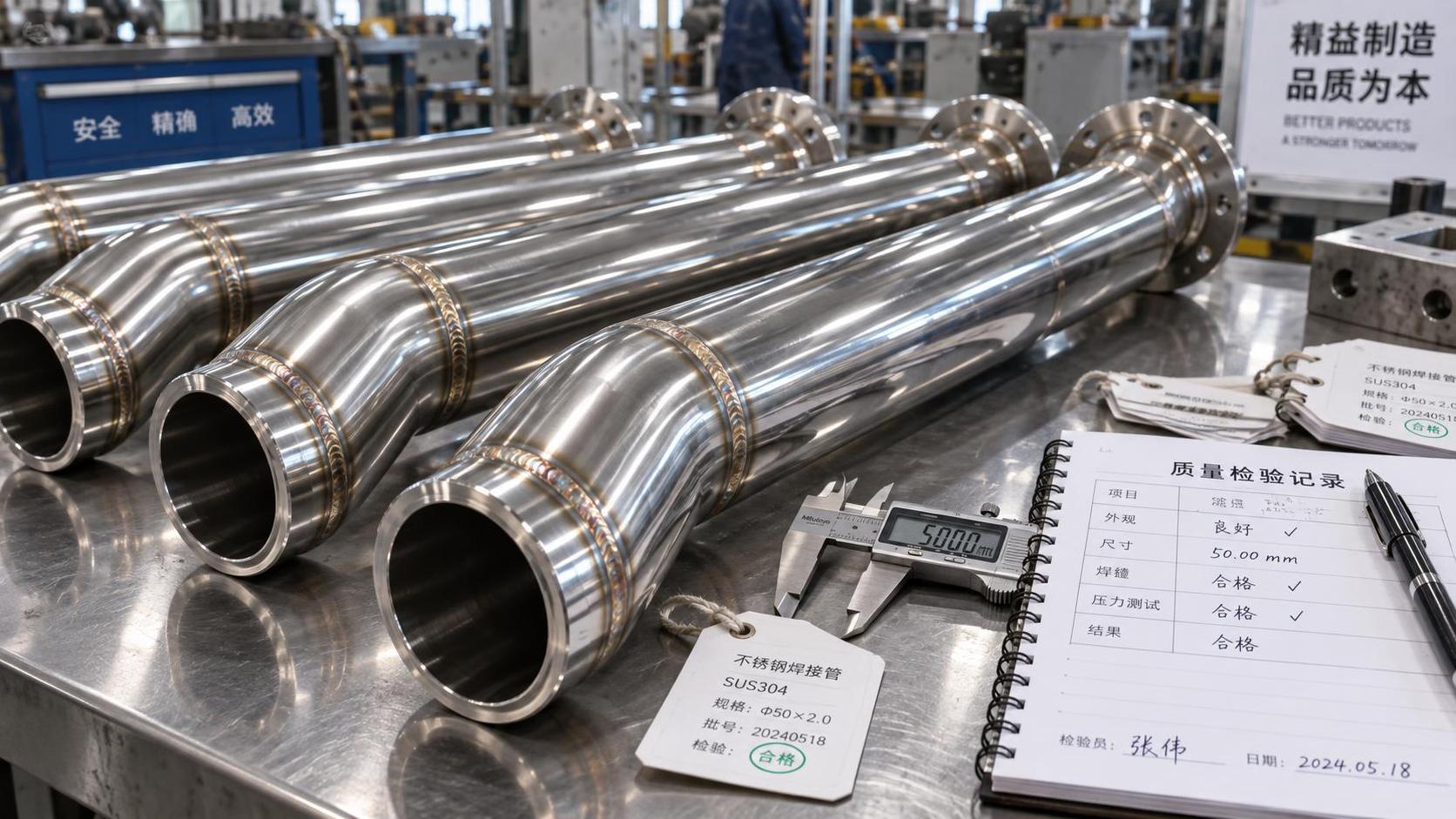
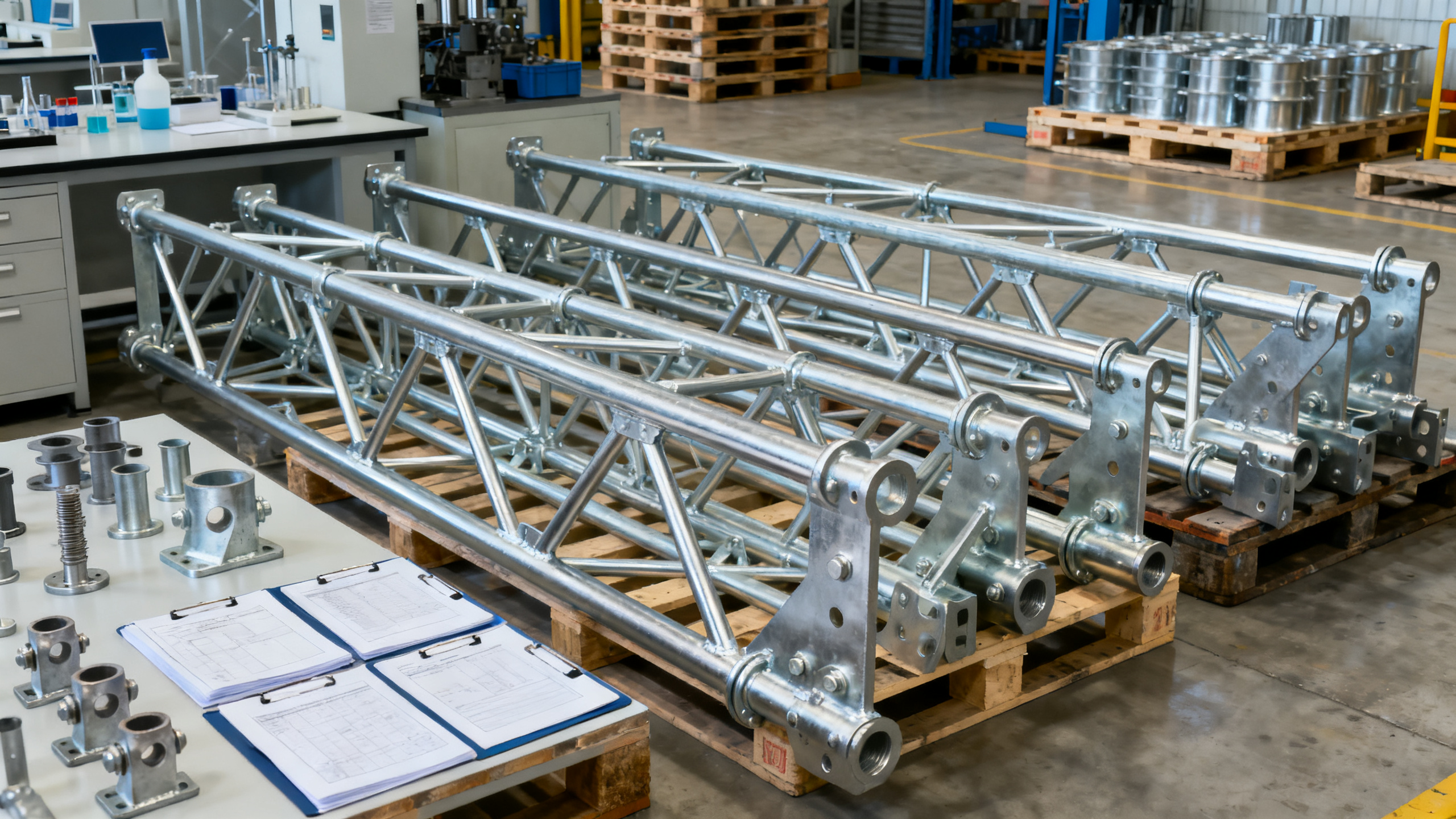
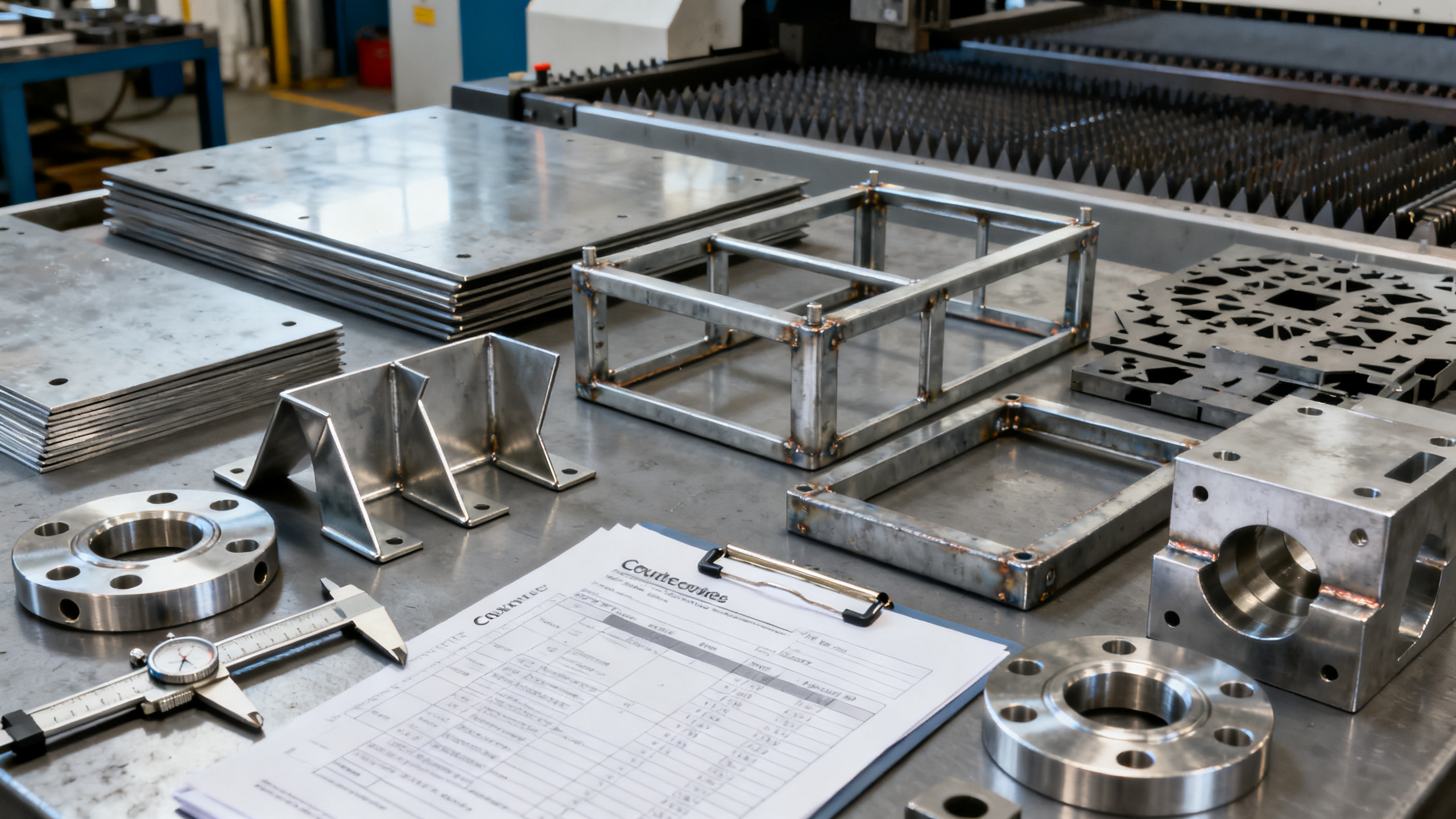
- Process capability in machining, forming, welding, casting, forging, finishing, or assembly
- Quality systems and certifications such as ISO 9001, and where relevant ISO 14001, IATF 16949, CE-related conformity support, or sector-specific approvals
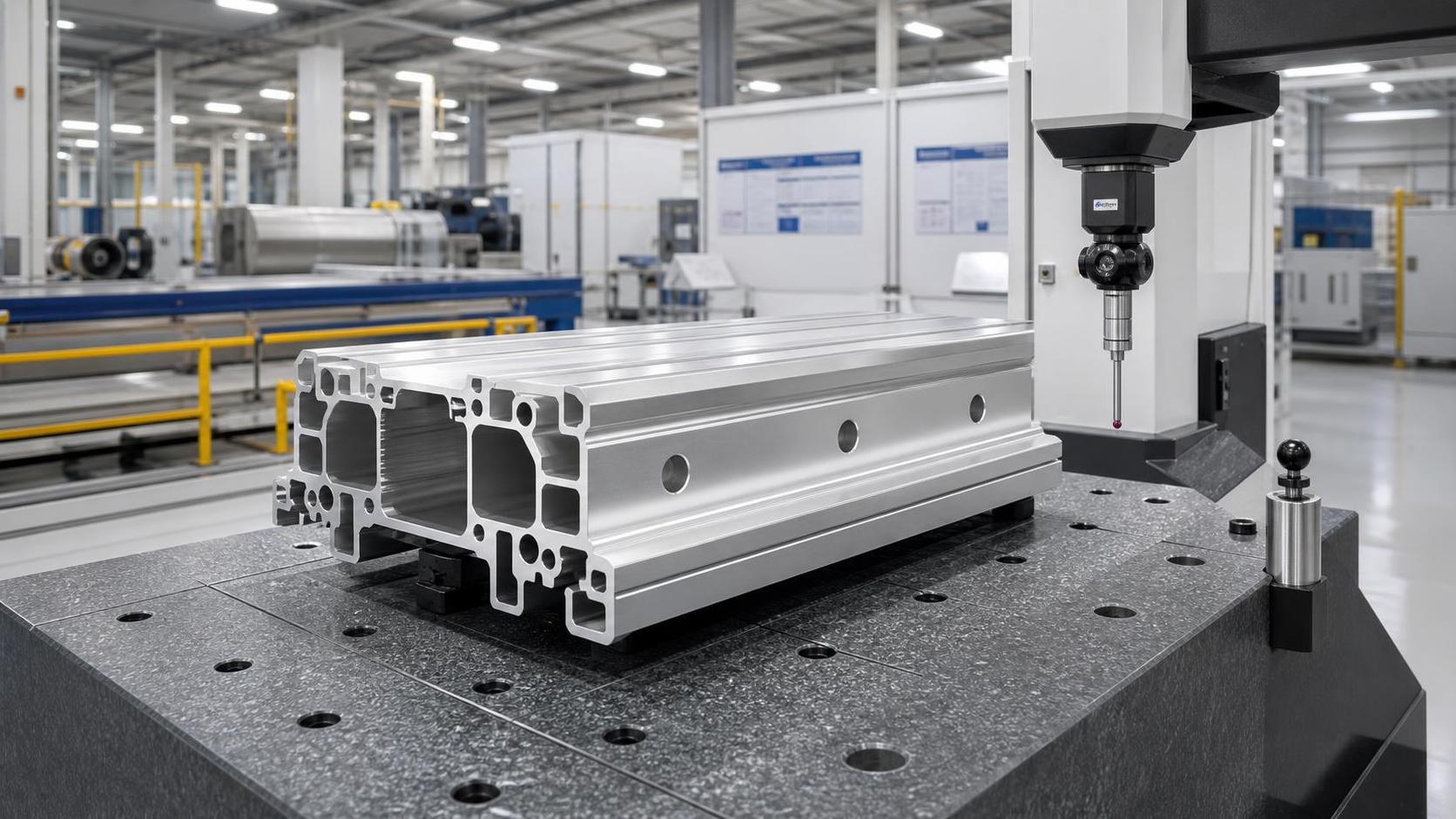
- Inspection and testing infrastructure, including dimensional, chemical, mechanical, and non-destructive testing
- Production planning and delivery control for lead time stability and schedule adherence
- Traceability, documentation, and change control
- Financial and operational resilience for long-term supply continuity
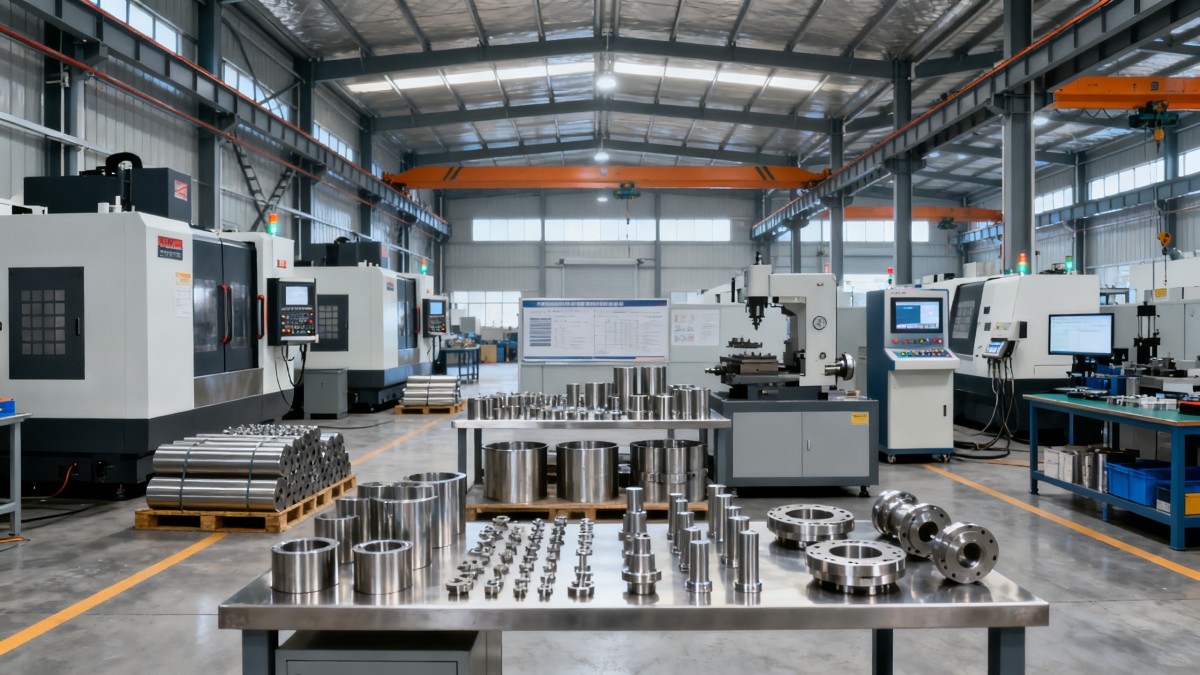
Industry overview table for business evaluators
The table below helps evaluators connect common capability areas with the practical questions that should be asked during supplier review.
How to interpret certifications without overvaluing them
Certifications are important, but they should be interpreted as indicators, not guarantees. A Components & Metals manufacturer with ISO 9001 certification has a documented quality management system, yet the evaluator still needs to confirm how that system works in daily production. Ask whether work instructions are current, whether non-conformities are closed effectively, and whether corrective actions are linked to root-cause analysis rather than paperwork alone.
In regulated or export-focused sectors, additional evidence may be needed. Material test reports, RoHS or REACH declarations where relevant, weld procedure qualification records, and calibration certificates can reveal how mature the supplier’s compliance culture really is. The strongest manufacturers can connect certification status directly to operational control and customer outcomes.
Material expertise as a differentiator
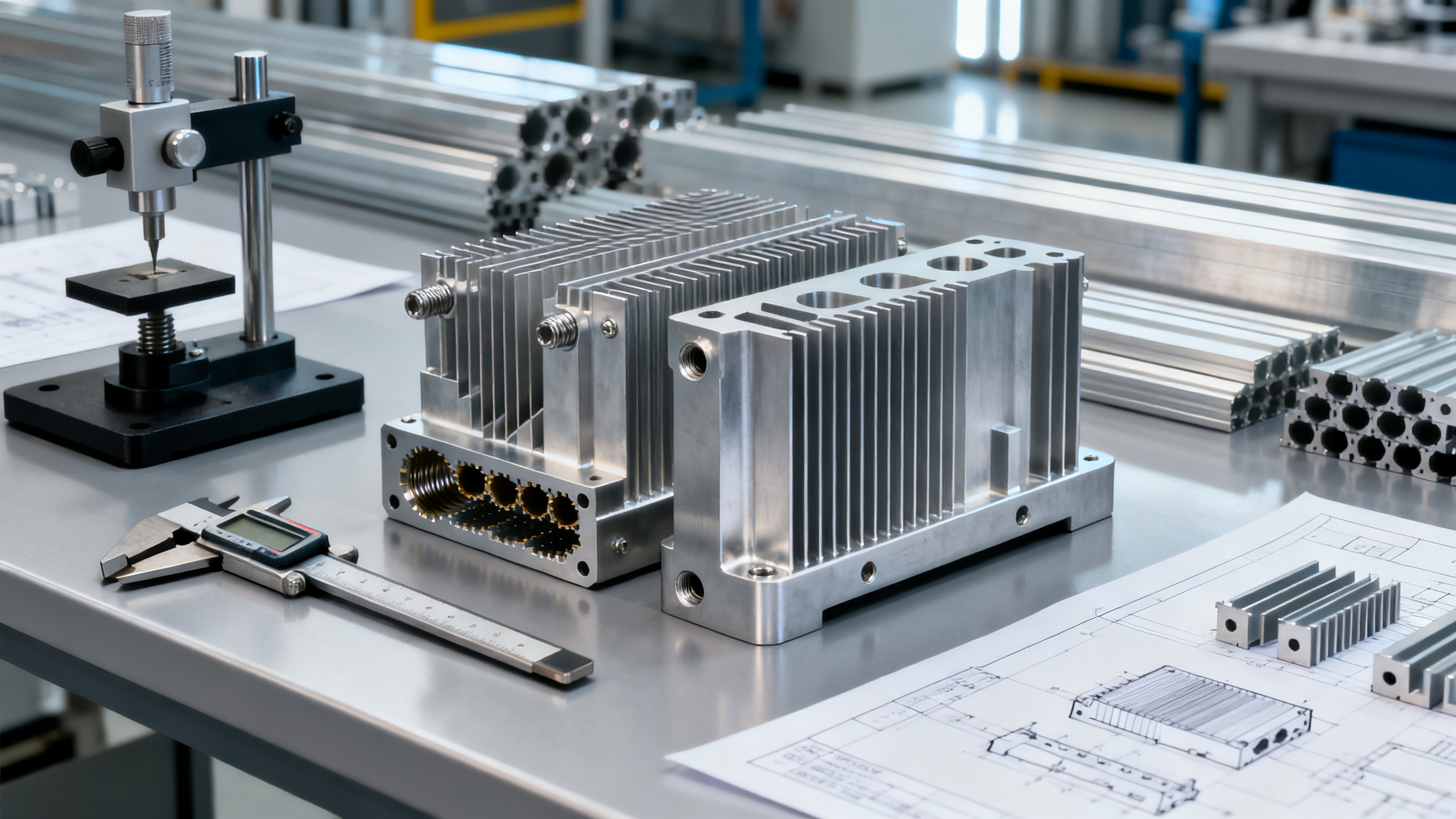
Not every Components & Metals manufacturer is equally capable across all material families. Some are strong in carbon steel fabrication but weak in stainless corrosion management. Others excel in aluminum machining, copper alloys, nickel-based materials, or high-wear tool steels. Capability comparison should therefore include an application-specific review of material knowledge.
Business evaluators should examine whether the supplier understands grain structure, hardness ranges, coating compatibility, fatigue behavior, dimensional movement after heat treatment, and weldability constraints. This expertise affects design feedback, scrap rates, and field performance. A supplier that can recommend a better alloy, tolerance strategy, or surface finish based on operating conditions often brings more value than a low-cost producer that simply follows drawings without technical insight.
Production systems and process control
A capable Components & Metals manufacturer should have production systems that support repeatability. This includes process routing, documented setup parameters, preventive maintenance, operator qualification, in-process inspection, and control of outsourced operations such as plating, heat treatment, or special coatings. Evaluators should look for evidence that the factory can manage both normal production and exceptions.
Good process control is especially important when the sourced item has tight tolerance, critical surface conditions, or safety-related functions. Even when initial samples pass, unstable process conditions can create defects later. Reviewing first article inspection practice, statistical process monitoring, fixture design, and rework handling gives a clearer picture of actual capability than marketing materials ever will.
Application categories and what they require
Different application categories require different strengths from a Components & Metals manufacturer. Evaluators should align supplier capability with the intended use case rather than applying one generic score to every source.
Testing, inspection, and verification standards
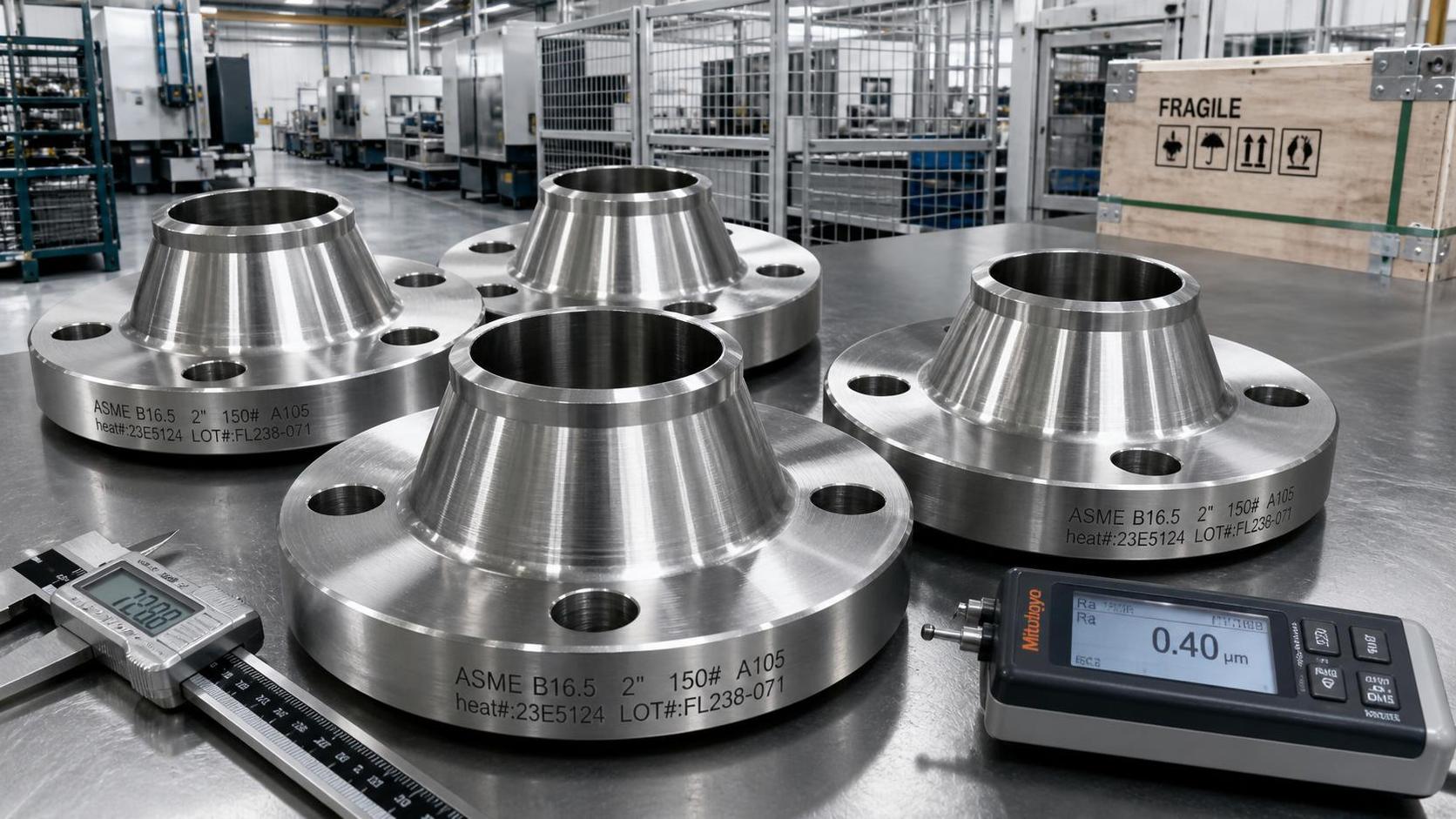
Testing capability is often the dividing line between a basic supplier and a dependable industrial partner. A strong Components & Metals manufacturer should be able to verify dimensions, mechanical properties, chemical composition, and visible or hidden defects as required by the product category. Depending on the application, this may involve coordinate measuring machines, hardness testing, tensile testing, spectrometers, ultrasonic testing, dye penetrant inspection, magnetic particle inspection, or salt spray validation.
Evaluators should also check whether measurement systems are calibrated, whether gauges are controlled, and whether testing records are easy to retrieve. A mature supplier understands that verification is not only for customer acceptance; it is a management tool for preventing recurrence and strengthening process confidence.
Delivery performance and supply resilience
On-time delivery is a visible output of deeper operational capability. When comparing a Components & Metals manufacturer, ask for lead time by product family, historical on-time-in-full performance, expedite handling, inventory strategy for critical raw materials, and backup planning for machine downtime. A supplier with slightly higher prices but stronger delivery discipline may create lower total risk for projects with installation deadlines or production continuity requirements.
Supply resilience also includes sub-supplier management. If key steps like heat treatment, surface treatment, or specialty testing are outsourced, the manufacturer should have approved partner controls and clear accountability. Hidden dependency on a single external processor can become a serious disruption point.
Practical comparison method for evaluators
A practical way to compare a Components & Metals manufacturer is to score suppliers across weighted categories instead of making a decision from quotations alone. For example, quality and compliance may carry the highest weight for regulated or safety-critical items, while delivery and scale may matter more for repetitive industrial supply.
Useful inputs include audit findings, sample approval results, process capability data, response speed during technical clarification, document quality, and references from comparable projects. If possible, compare suppliers on the same drawing package and commercial assumptions. This makes capability gaps easier to detect and avoids unfairly favoring a supplier that quoted under a different technical interpretation.
Common mistakes in supplier capability review
Many teams underestimate the difference between production experience and genuine manufacturing control. One common mistake is assuming that years in business equal capability. Another is relying too heavily on samples that were manually optimized for approval but do not reflect routine production. A third is ignoring documentation discipline until a traceability issue appears.
It is also risky to evaluate a Components & Metals manufacturer only on commercial competitiveness. Low pricing may result from insufficient inspection, material substitution risk, unstable subcontracting, or poor preventive maintenance. The true goal is not to find the cheapest source, but the most suitable and sustainable one for the application.
Final guidance for stronger sourcing decisions
The most effective way to compare manufacturer capability is to combine technical review, operational evidence, and business risk analysis into one decision framework. A strong Components & Metals manufacturer demonstrates more than production ability: it shows material knowledge, process repeatability, transparent quality systems, dependable delivery, and readiness for long-term partnership.
For business evaluators working in complex industrial supply environments, disciplined comparison protects both project outcomes and organizational credibility. When supplier claims are tested against certifications, shop-floor controls, application fit, and performance history, sourcing decisions become more confident and more resilient. If your team is building or refining a supplier shortlist, start with capability evidence that can be verified, measured, and linked directly to the operational demands of your industry.
Technical Specifications
- How to Select an Emissions Monitoring System Analyzer for Compliance ReportingAuthor :Precision Metrology Expert
- How to Select an Access Control Management System for Multi-Site FacilitiesAuthor :Safety Compliance Lead
- Portable Gas Monitor Calibration: How Often Is It Needed for Safe Confined-Space Work?Author :Precision Metrology Expert
Expert Insights

Chief Security Architect
Dr. Thorne specializes in the intersection of structural engineering and digital resilience. He has advised three G7 governments on industrial infrastructure security.
Related Analysis
- Sep 21, 2026How to Select an Emissions Monitoring System Analyzer for Compliance ReportingAuthor :Precision Metrology Expert
- Sep 20, 2026How to Select an Access Control Management System for Multi-Site FacilitiesAuthor :Safety Compliance Lead
- Sep 19, 2026Portable Gas Monitor Calibration: How Often Is It Needed for Safe Confined-Space Work?Author :Precision Metrology Expert
Core Sector // 01
Security & Safety
- Stainless Steel Welded Tube Applications: Matching Tube Supply to Fabrication NeedsAuthor :Heavy Industry Strategist

- What Maintenance Do Furnace Components Need After 18 Months?Author :Heavy Industry Strategist

- How to Assess Metal Materials for Thermal Cycling in Power BoilersAuthor :Heavy Industry Strategist

- How to Evaluate Aluminum Extrusion Suppliers for Tight-Tolerance Components?Author :Heavy Industry Strategist

- How to Evaluate a Weld Neck Flange Manufacturer for High-Pressure Pipe ProjectsAuthor :Heavy Industry Strategist

- EU REACH Ban Hits Cr(VI)-Coated Steel ImportsAuthor :Heavy Industry Strategist
-Coated Steel Imports")
- How to Evaluate a Heat Sink Aluminum Profile Supplier for Custom Thermal ProjectsAuthor :Heavy Industry Strategist

- Industrial Metal Fabrication Components Price: What Drives Cost and How to Compare QuotesAuthor :Heavy Industry Strategist