How to shortlist a Components & Metals manufacturer with confidence
Author
Date Published
Reading Time
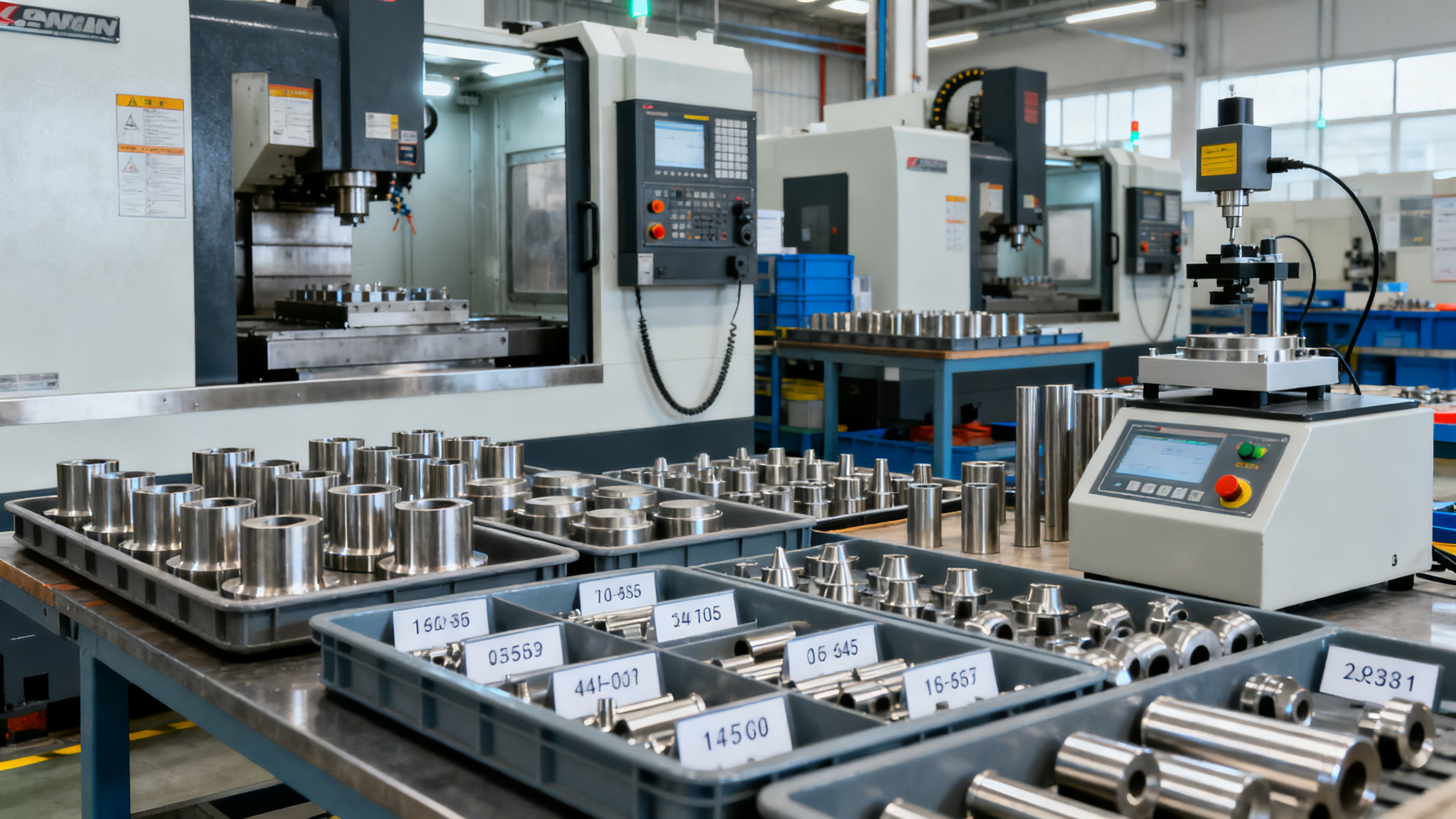
Choosing a reliable Components & Metals manufacturer can determine the safety, durability, and long-term performance of any industrial project. For procurement professionals, shortlisting the right supplier means looking beyond price to assess certifications, material consistency, production capability, and delivery reliability. This guide outlines how to evaluate manufacturers with confidence and reduce sourcing risk in complex global supply chains.
For most buyers, the real question is not simply “Who can supply this part?” but “Which manufacturer can meet specification, maintain consistency at scale, pass compliance checks, and still deliver on time when project conditions become difficult?” That is the standard a shortlist should be built around.
In industrial sourcing, a weak supplier decision rarely fails only on cost. It usually fails through delays, batch inconsistency, incomplete documentation, nonconforming materials, quality escapes, or poor technical communication. A confident shortlist reduces those risks early, before RFQ comparisons create false confidence based on unit price alone.
This article is designed for procurement teams that need a practical way to screen, compare, and qualify a Components & Metals manufacturer. It focuses on the checkpoints that matter most in real purchasing environments: technical fit, manufacturing control, quality assurance, traceability, commercial reliability, and long-term supply resilience.
Start with the real sourcing intent: reduce risk before comparing quotes
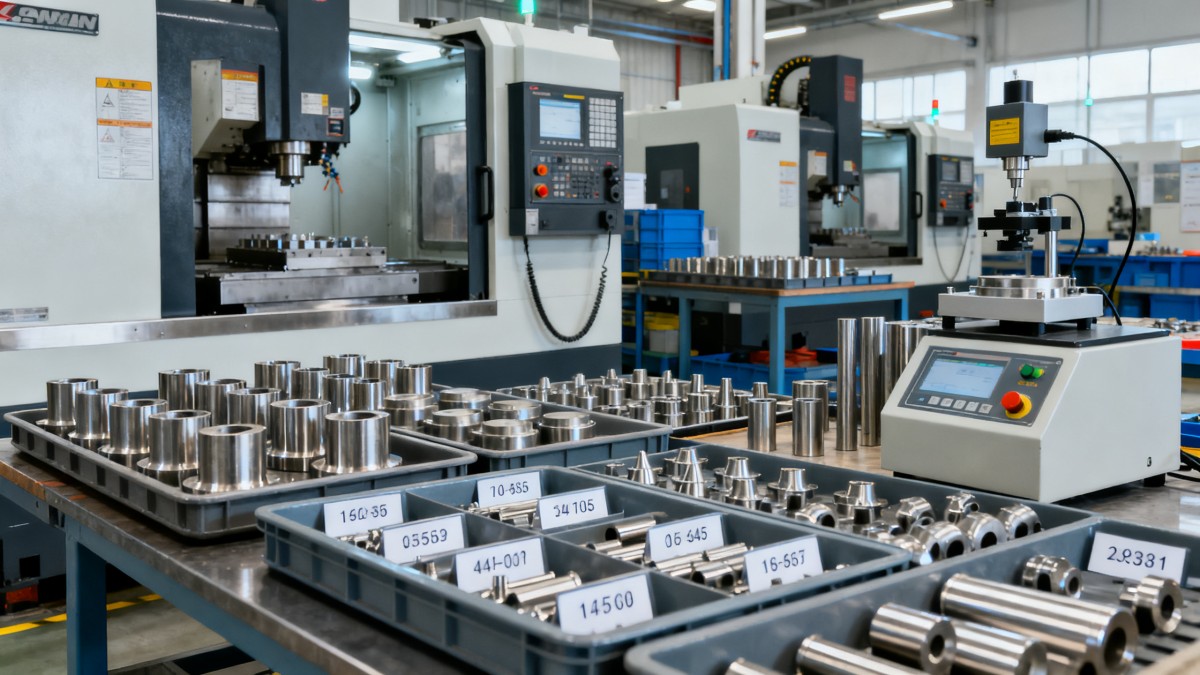
When buyers search for how to shortlist a Components & Metals manufacturer, they are usually not looking for a generic supplier directory. Their intent is to create a reliable evaluation framework. They want to avoid wasting time on unsuitable vendors, prevent compliance failures, and make a decision that can withstand technical, financial, and operational scrutiny.
That means the first step is not asking for pricing. It is defining what “acceptable” looks like. In industrial procurement, a manufacturer belongs on the shortlist only if it can satisfy four baseline requirements: it can produce to specification, demonstrate quality consistency, support required certifications and documentation, and supply at the volume and lead time the project demands.
If any one of those is weak, the supplier may still look competitive on paper but remain high-risk in practice. A low-cost offer from a manufacturer with weak heat traceability, unclear subcontracting, or unstable lead times can become the most expensive option after rework, claims, downtime, or project delay.
A confident shortlist therefore starts with elimination criteria. Buyers should remove manufacturers that cannot provide clear answers on material grade standards, testing capabilities, production scope, export readiness, or relevant quality systems. This step protects procurement teams from spending effort on quotes that should never have been requested.
What procurement teams care about most when screening manufacturers
For procurement professionals, the core concern is not just whether a supplier can make a part once. It is whether that manufacturer can repeatedly deliver compliant components or metal products under commercial pressure, schedule changes, and varying order sizes. Repeatability matters more than a polished sales presentation.
Most buyers also care about how much supervision the supplier will require after onboarding. A manufacturer that needs constant chasing for drawings, certificates, inspection reports, or shipping updates creates hidden internal cost. Reliable suppliers reduce transactional friction. They respond clearly, document properly, and manage exceptions before they become crises.
Another major concern is downstream accountability. If a failure occurs in the field, procurement teams need documentation that supports root-cause analysis, warranty review, and corrective action. That is why traceability, test records, revision control, and batch identification are not administrative details. They are risk controls.
Finally, buyers need confidence that a supplier relationship can scale. A manufacturer that performs well on a sample order but cannot handle production ramps, engineering changes, or regional compliance requirements may not be suitable for strategic procurement. The shortlist should prioritize manufacturers capable of supporting both current demand and future complexity.
Define your technical and commercial screening criteria before supplier outreach
One of the most common sourcing mistakes is contacting suppliers with incomplete qualification criteria. When requirements are vague, manufacturers respond with broad capability claims, and procurement teams end up comparing inconsistent proposals. A better approach is to build a structured prequalification checklist before outreach begins.
Start with the technical profile. Define material grades, dimensional tolerances, surface finish requirements, coating or treatment needs, mechanical property expectations, applicable standards, and critical-use conditions such as corrosion exposure, pressure, load, heat, or vibration. If the application is safety-critical, identify that early.
Then define the quality and documentation profile. Decide whether you need mill test certificates, PPAP-style packages, first article inspection, non-destructive testing, hardness testing, metallographic analysis, RoHS or REACH declarations, or specific compliance to ISO, CE, UL, ASTM, EN, DIN, JIS, or other market standards.
Commercial criteria should be equally clear. Set expectations for MOQ, lead time, Incoterms, packaging requirements, payment terms, capacity flexibility, and communication responsiveness. Also define whether local stocking, vendor-managed inventory, or emergency replenishment support is important. These factors often separate practical suppliers from merely capable ones.
Once these criteria are written down, supplier screening becomes more objective. Instead of reacting to marketing language, buyers can score each Components & Metals manufacturer against the same operational requirements and identify which vendors deserve deeper evaluation.
Check manufacturing capability, not just product catalog breadth
A broad catalog can be useful, but it is not proof of manufacturing strength. Many suppliers present themselves as manufacturers while functioning mainly as traders, assemblers, or coordinators. That may be acceptable in some categories, but buyers should know exactly which processes are controlled in-house and which are outsourced.
Ask specific questions about manufacturing scope. Can the supplier handle casting, forging, stamping, machining, fabrication, heat treatment, surface treatment, welding, finishing, and inspection internally? If not, which steps are subcontracted, and how are external processors qualified and monitored? Clarity here directly affects quality control and lead-time predictability.
Production capability also needs to match your actual part profile. A supplier that is excellent at high-volume simple stampings may not be the right fit for low-volume, high-precision machined metal components. Likewise, a shop optimized for custom fabrication may struggle with repeat production where statistical process control and tooling stability are essential.
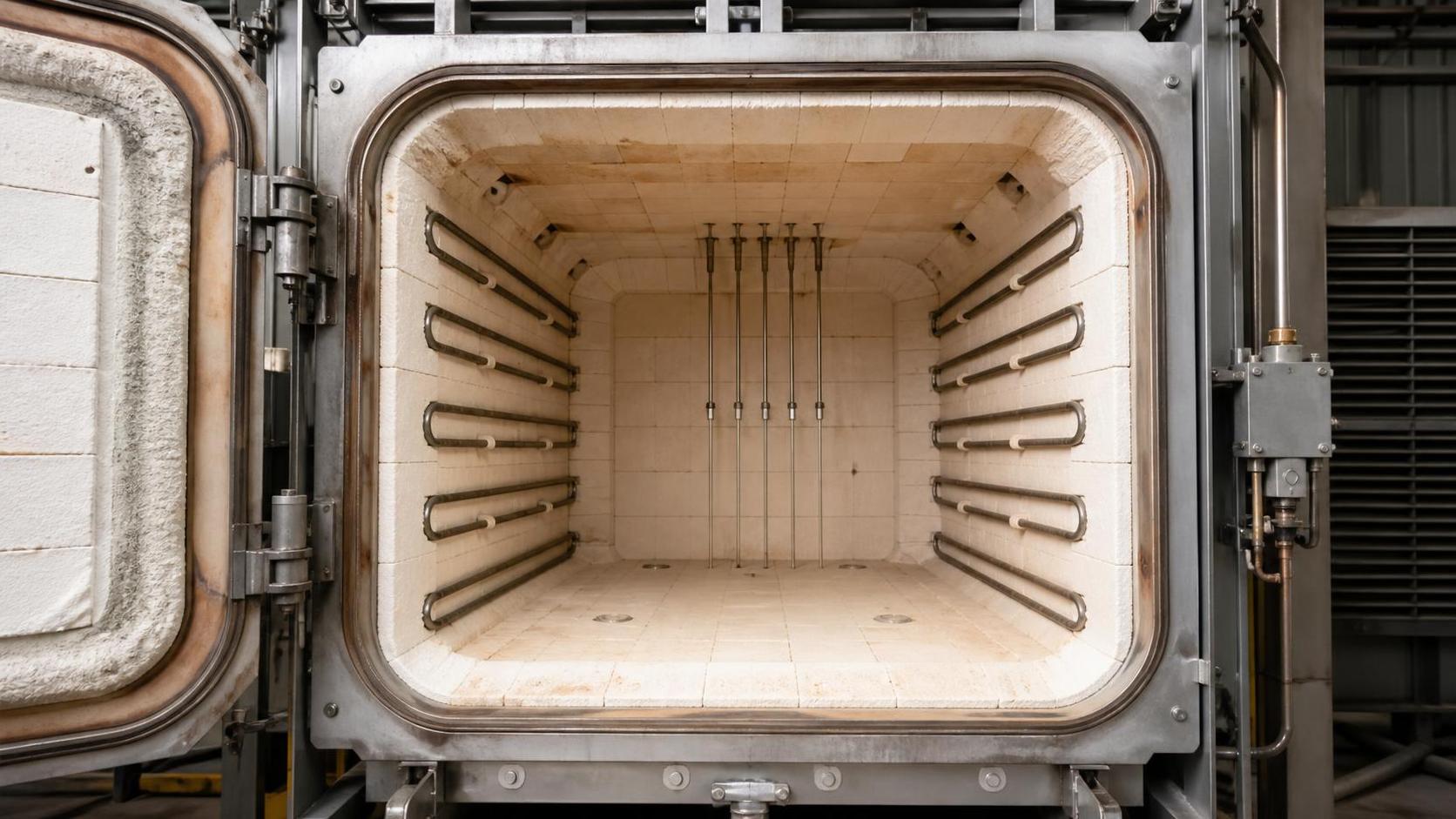
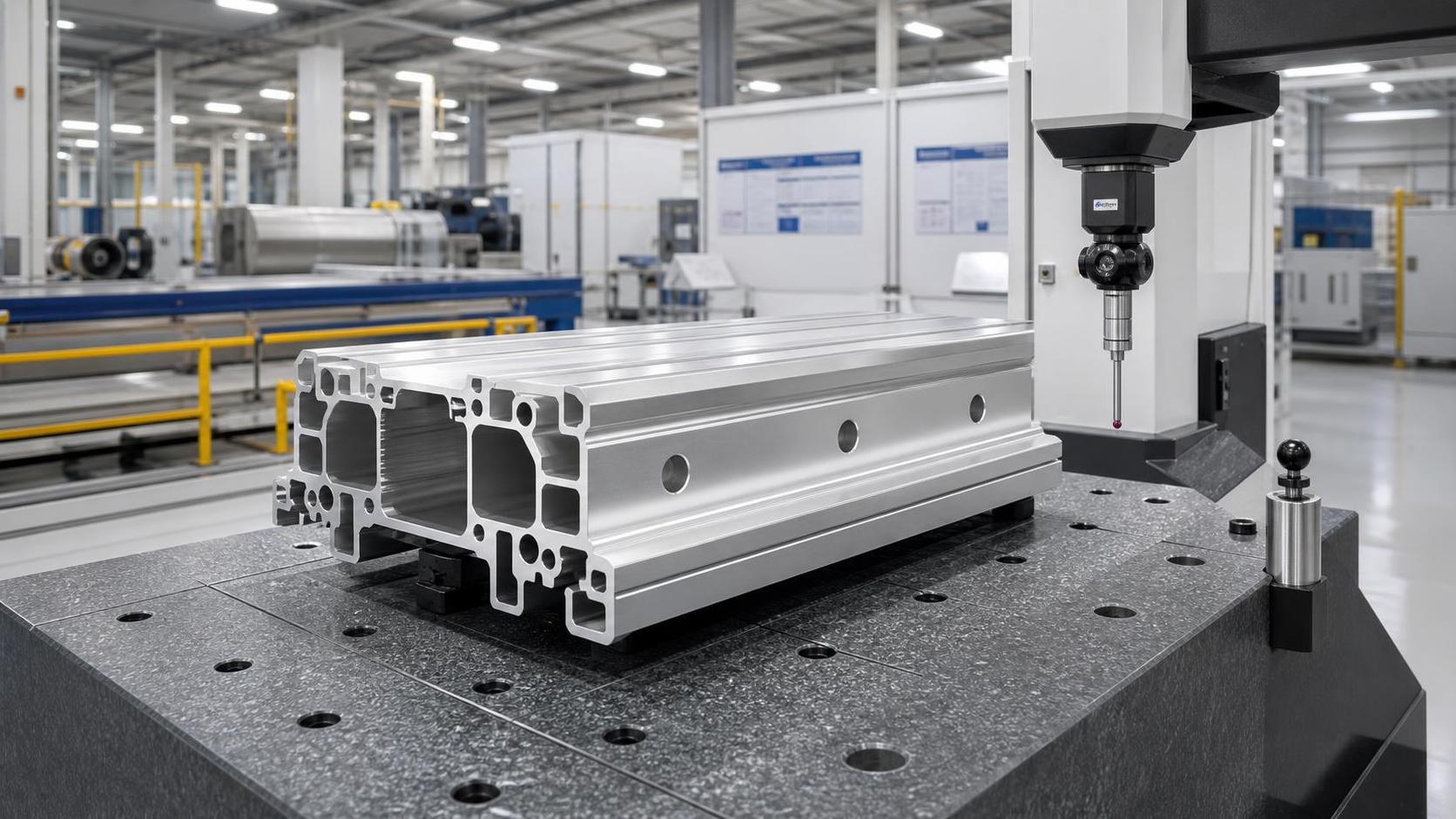
Equipment matters, but process discipline matters more. CNC capacity, furnaces, spectrometers, CMMs, tensile testing machines, coating lines, and NDT equipment all indicate capability. However, buyers should also assess setup control, calibration practices, preventive maintenance, operator training, and work instruction management. These are the systems that support consistency over time.
Requesting production flow information can be highly revealing. A serious Components & Metals manufacturer should be able to explain how raw material is received, identified, processed, inspected, packed, and released. If the process sounds fragmented, undocumented, or overly dependent on manual judgment, risk is higher.
Verify quality systems, traceability, and certification discipline
Quality claims should always be tested through evidence. ISO 9001 certification is a useful baseline, but it should not end the evaluation. Buyers need to understand how the quality management system is actually applied on the shop floor, especially for metal components where variation in chemistry, hardness, tolerance, or finishing can create major downstream issues.
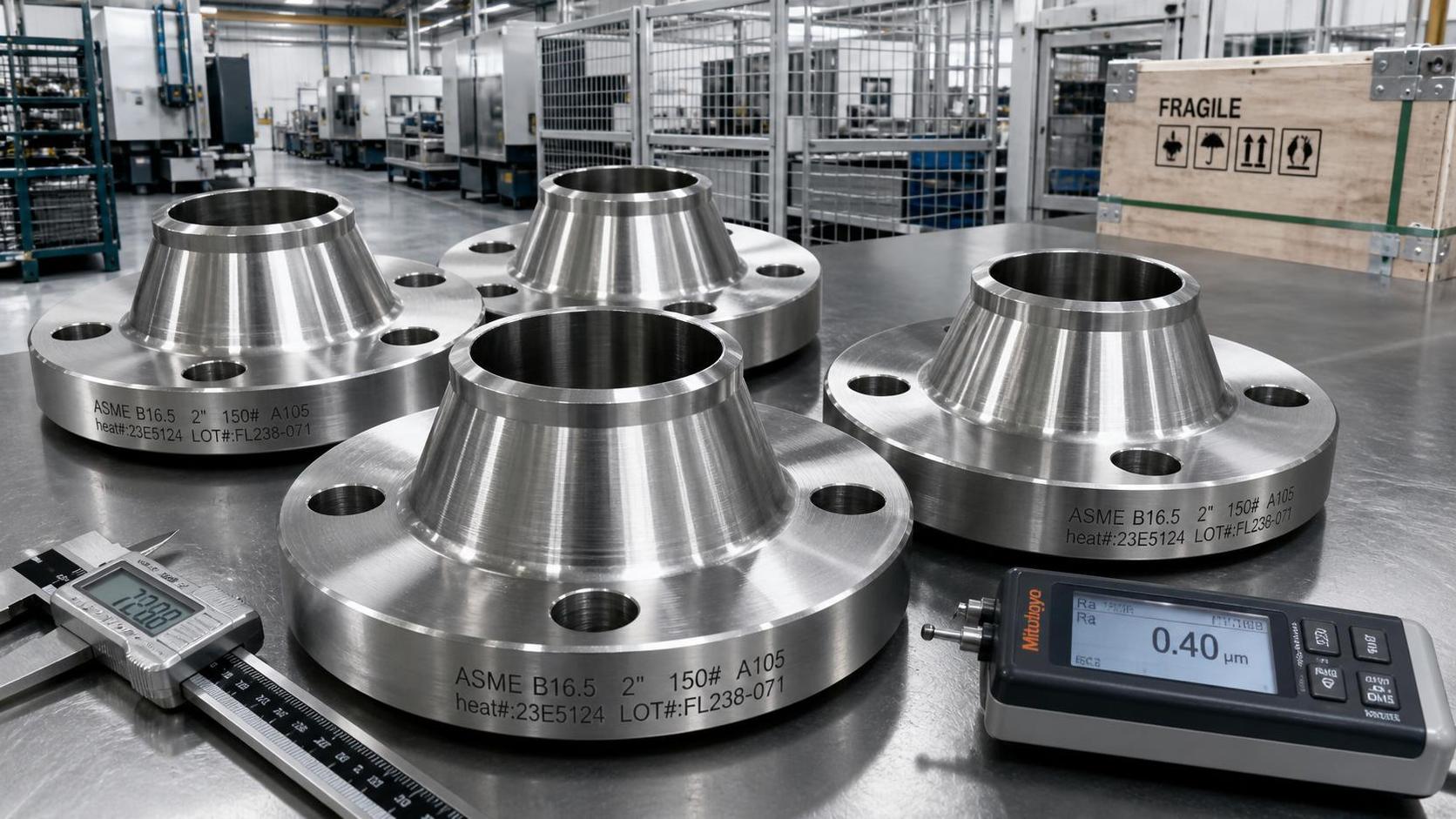
Traceability is one of the most important signals of supplier maturity. Ask whether the manufacturer can trace finished goods back to raw material heat numbers, production lots, inspection records, and process parameters where applicable. For critical components, this level of control is often non-negotiable.
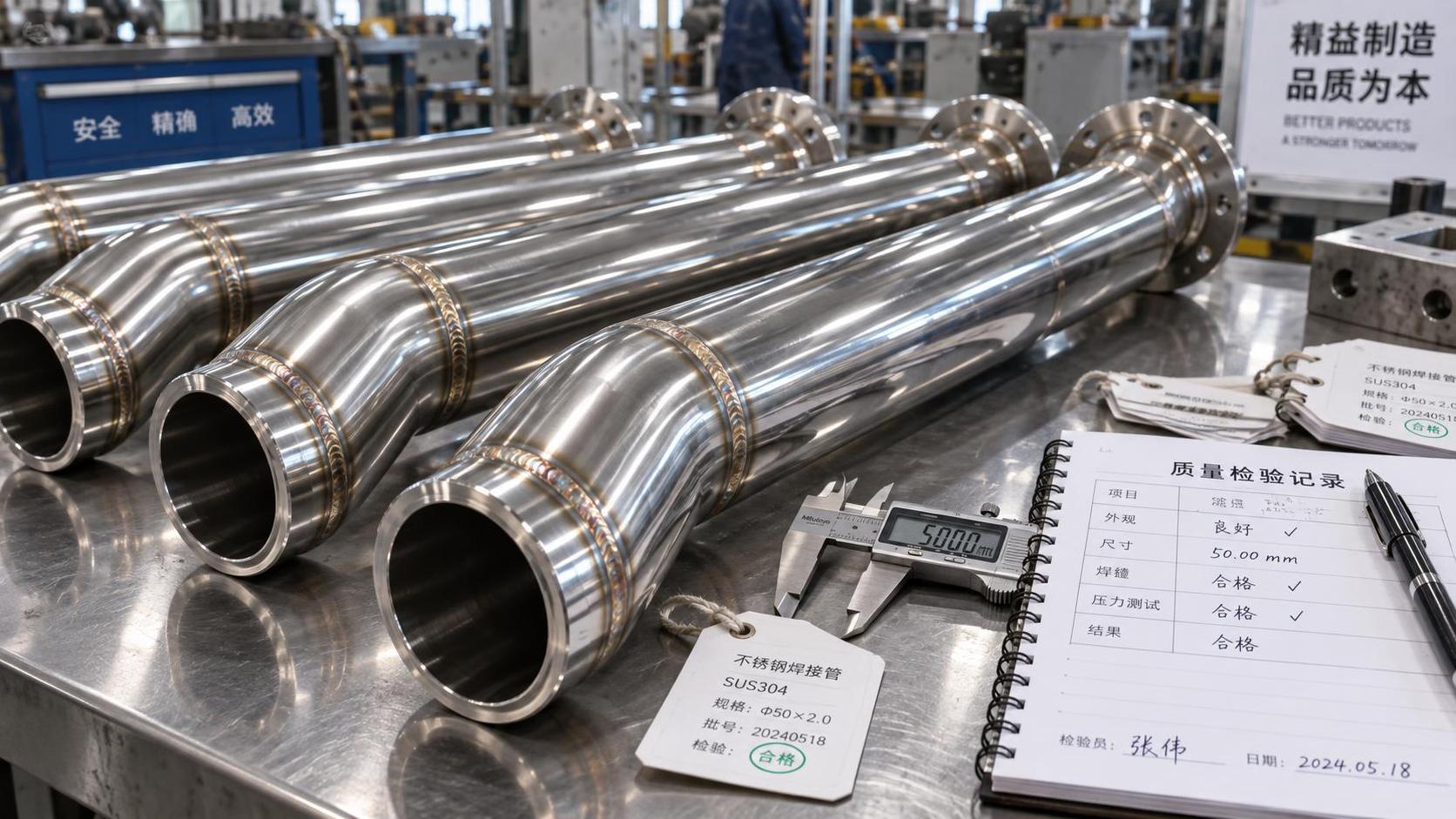
Review sample documentation carefully. Mill test certificates, certificates of conformity, inspection reports, dimensional records, calibration certificates, coating thickness reports, and welding qualifications can reveal whether documentation is complete and well controlled. Poorly formatted, inconsistent, or generic certificates often indicate a weak quality culture.
It is also important to verify whether the supplier understands the difference between holding a certificate and complying with project-specific requirements. Some manufacturers can show general certification but struggle to provide customer-specific document packages, third-party inspection coordination, or material substitution control. Those gaps become painful late in the procurement cycle.
If possible, include a quality-focused audit in the shortlist process. Even a remote audit covering incoming inspection, nonconformance handling, CAPA, gauge control, traceability flow, and record retention can help determine whether the manufacturer’s systems are robust enough for your application.
Assess material integrity and consistency, especially in metals sourcing
In components and metallurgy procurement, material integrity often matters more than appearance or initial sample performance. A part can look correct and still fail due to inconsistent chemistry, improper heat treatment, residual stress, poor grain structure, or coating defects. That is why material control should be central to any shortlist decision.
Ask the manufacturer how raw materials are sourced and approved. Are mills or upstream suppliers qualified? Are incoming materials verified by documentation only, or is positive material identification used when needed? How are mixed materials prevented on the production floor? Strong answers indicate process discipline rather than reliance on assumptions.
For engineered metal products, consistency between batches is critical. Buyers should ask about controls for hardness, tensile strength, yield strength, corrosion resistance, weldability, and dimensional stability after machining or heat treatment. If the supplier cannot explain how those properties are validated, long-term performance risk increases.
Material substitution is another high-risk area. Some supply disruptions are managed responsibly, but unauthorized substitutions can create major liability. A trustworthy Components & Metals manufacturer should have a formal change control process and should never replace a specified alloy, coating, or process without documented approval.
Where failure consequences are significant, consider requesting pilot batches, destructive testing results, or third-party lab verification before final approval. This is especially important for components used in load-bearing, corrosive, thermal, or safety-critical operating conditions.
Look beyond lead time promises to delivery reliability and supply resilience
Procurement teams often hear attractive lead time commitments during early supplier conversations. The better question is whether those commitments are consistently achieved. Delivery performance is a function of capacity planning, raw material availability, subcontractor control, export handling, and communication discipline, not just production speed.
Ask for evidence of on-time delivery performance over a meaningful period. If the manufacturer cannot share exact metrics, request examples of how it handles rush orders, production bottlenecks, port disruptions, or raw material shortages. Suppliers that plan well can explain their mitigation methods in practical terms.
Capacity flexibility is equally important. Can the manufacturer absorb volume increases, split shipments, or phased releases without destabilizing quality? A supplier that is fully loaded may still quote aggressively but fail under schedule pressure. Your shortlist should favor vendors that have realistic capacity buffers or transparent expansion plans.
Geographic supply resilience also matters in modern sourcing. Buyers should understand whether the manufacturer depends heavily on one region, one mill source, one subcontractor, or one shipping lane. Overconcentration can create fragility. A resilient supplier usually has backup material sources, defined contingency processes, and experience serving international customers.
Packaging and logistics capability should not be overlooked. Improper rust prevention, inadequate labeling, or poor export packing can erase the benefits of good production. Manufacturers serving global industrial projects should be able to protect products for transit, customs inspection, storage, and site handling.
Use RFQs, samples, and audits to separate capable suppliers from persuasive ones
Once an initial supplier list is built, the shortlist process should move into controlled validation. A structured RFQ is one of the best tools for this. It should include drawings, specifications, annual usage estimates, quality requirements, documentation requirements, delivery expectations, and clear commercial assumptions.
Evaluate not only the price returned but the quality of the response. Did the manufacturer identify ambiguities, propose sensible alternatives, confirm standards, and state assumptions clearly? Good suppliers improve the RFQ process. Weak suppliers simply fill blanks and leave risk hidden for later.
Samples and pilot orders are useful, but they should be assessed rigorously. Measure dimensional conformity, finish consistency, packaging quality, label accuracy, and documentation completeness. If possible, compare first sample results with repeat sample results. Consistency across runs is more informative than a single well-prepared sample.
Supplier audits, whether on-site or remote, help confirm whether commercial claims match operational reality. Focus the audit on process flow, traceability, inspection discipline, engineering support, capacity planning, and nonconformance management. In many cases, a two-hour focused audit reveals more than weeks of email exchange.
It is also wise to involve cross-functional stakeholders at this stage. Procurement, quality, engineering, and operations often see different risks. A manufacturer that looks commercially attractive may raise technical concerns, while a technically capable supplier may create contracting or logistics challenges. Shortlisting improves when those views are combined early.
Build a weighted shortlist scorecard for better final decisions
To shortlist a Components & Metals manufacturer with confidence, use a weighted scorecard rather than relying on general impressions. This reduces bias and creates a decision trail that procurement leaders can defend internally. It also helps when comparing suppliers across regions or business models.
A practical scorecard might include technical capability, quality systems, documentation and traceability, material control, production capacity, delivery reliability, communication quality, commercial competitiveness, and strategic fit. The weighting should reflect project risk. For critical infrastructure, technical and quality factors should outweigh unit price.
For example, a supplier with a slightly higher price but stronger traceability, faster technical response, and better delivery performance may represent lower total cost of ownership. Procurement teams should consider the cost of delays, reinspection, site failure, warranty issues, and emergency resourcing when making final comparisons.
Keep the final shortlist tight. In many cases, two to four qualified manufacturers are enough for meaningful comparison and negotiation. Too many suppliers dilute evaluation effort and often signal that qualification standards are too loose. A disciplined shortlist is usually a stronger one.
Finally, document why each supplier was shortlisted or rejected. This creates consistency across future sourcing events and helps organizations build institutional knowledge. Over time, that knowledge becomes a competitive advantage in industrial procurement.
Conclusion: confidence comes from evidence, not promises
Shortlisting the right Components & Metals manufacturer is ultimately a risk-management exercise. Procurement professionals need suppliers that can meet technical requirements, maintain material integrity, support compliance, communicate clearly, and deliver reliably under real operating conditions. Price matters, but it should be considered after capability is proven, not before.
The most reliable shortlist is built through structured screening, evidence-based validation, and cross-functional review. Manufacturers should earn their place by demonstrating process control, traceability, production fit, and commercial dependability. When buyers follow that approach, they reduce sourcing uncertainty and improve both project outcomes and long-term supplier performance.
In complex industrial supply chains, confidence does not come from the lowest quote or the biggest catalog. It comes from knowing exactly why a supplier can be trusted, and having the documentation, data, and operational proof to support that decision.
Technical Specifications
- How to Select an Emissions Monitoring System Analyzer for Compliance ReportingAuthor :Precision Metrology Expert
- How to Select an Access Control Management System for Multi-Site FacilitiesAuthor :Safety Compliance Lead
- Portable Gas Monitor Calibration: How Often Is It Needed for Safe Confined-Space Work?Author :Precision Metrology Expert
Expert Insights

Chief Security Architect
Dr. Thorne specializes in the intersection of structural engineering and digital resilience. He has advised three G7 governments on industrial infrastructure security.
Related Analysis
- Sep 21, 2026How to Select an Emissions Monitoring System Analyzer for Compliance ReportingAuthor :Precision Metrology Expert
- Sep 20, 2026How to Select an Access Control Management System for Multi-Site FacilitiesAuthor :Safety Compliance Lead
- Sep 19, 2026Portable Gas Monitor Calibration: How Often Is It Needed for Safe Confined-Space Work?Author :Precision Metrology Expert
Core Sector // 01
Security & Safety
- Stainless Steel Welded Tube Applications: Matching Tube Supply to Fabrication NeedsAuthor :Heavy Industry Strategist

- What Maintenance Do Furnace Components Need After 18 Months?Author :Heavy Industry Strategist

- How to Assess Metal Materials for Thermal Cycling in Power BoilersAuthor :Heavy Industry Strategist

- How to Evaluate Aluminum Extrusion Suppliers for Tight-Tolerance Components?Author :Heavy Industry Strategist

- How to Evaluate a Weld Neck Flange Manufacturer for High-Pressure Pipe ProjectsAuthor :Heavy Industry Strategist

- EU REACH Ban Hits Cr(VI)-Coated Steel ImportsAuthor :Heavy Industry Strategist
-Coated Steel Imports")
- How to Evaluate a Heat Sink Aluminum Profile Supplier for Custom Thermal ProjectsAuthor :Heavy Industry Strategist

- Industrial Metal Fabrication Components Price: What Drives Cost and How to Compare QuotesAuthor :Heavy Industry Strategist