Industrial metallurgy standards linked to safety compliance risks
Author
Date Published
Reading Time
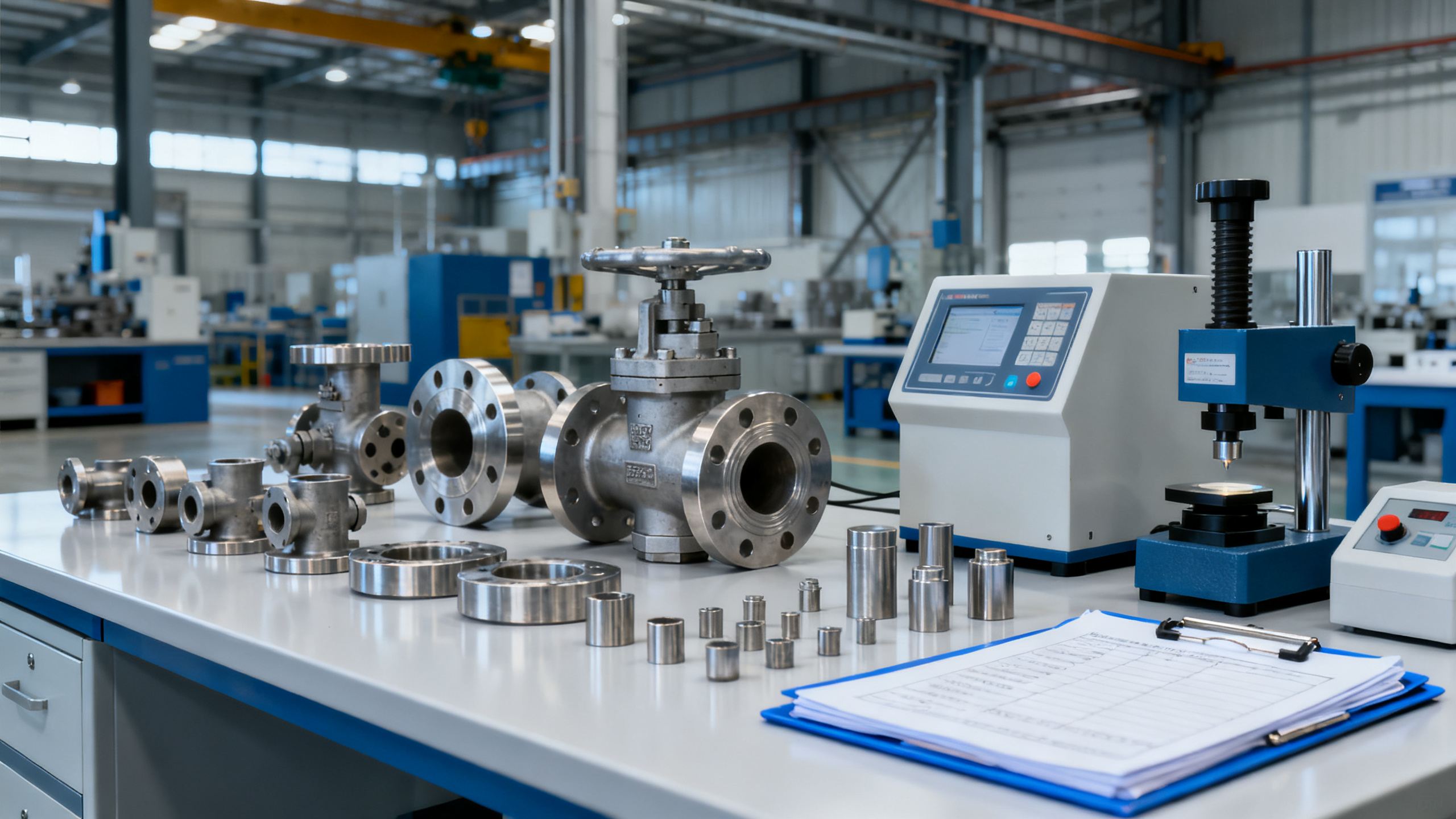
For quality control and safety leaders, overlooking industrial metallurgy standards for safety compliance can trigger costly failures, audit setbacks, and operational risk. In heavy infrastructure, metallurgy is not only a materials issue; it affects pressure integrity, fire performance, electrical continuity, corrosion resistance, and long-term serviceability. This article examines how different operating scenarios change the compliance burden, why material specifications and test records matter in audits, and how better sourcing, inspection, and verification practices improve reliability while reducing exposure across industrial projects.
Why safety compliance risks change across industrial metallurgy use cases
Not every facility faces the same metallurgy-related compliance pressure. A power distribution enclosure, a pressure-retaining valve body, a wastewater pump shaft, and a structural support bracket may all use metal components, yet each sits under different mechanical loads, corrosion profiles, certification expectations, and inspection regimes. That is why industrial metallurgy standards for safety compliance must be assessed in context rather than treated as a generic checklist.
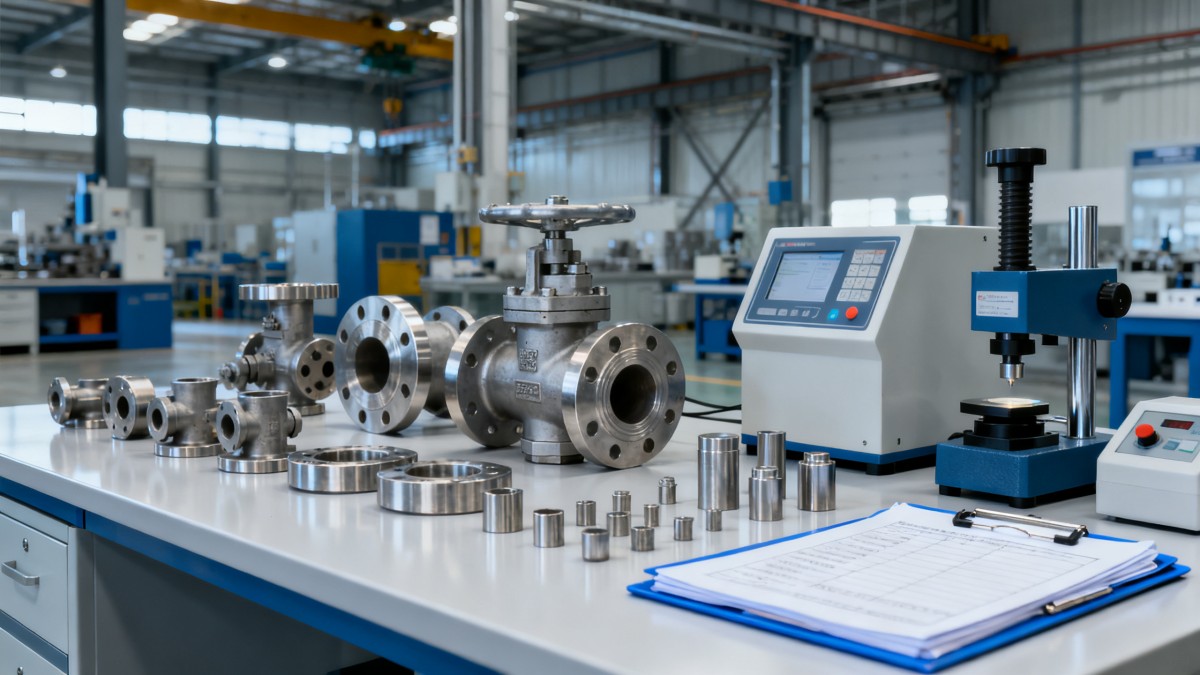
Across the broader industrial environment, the consequences of a poor metallurgy decision often appear late: brittle fracture after low-temperature exposure, stress corrosion cracking in chemically aggressive media, weld failures due to incompatible filler material, or traceability gaps during a compliance review. In all of these cases, the issue is not merely whether a metal part exists, but whether the selected alloy, heat treatment, dimensional tolerance, and test evidence align with the required safety framework.
Scenario 1: Pressure systems and load-bearing equipment require proof, not assumptions
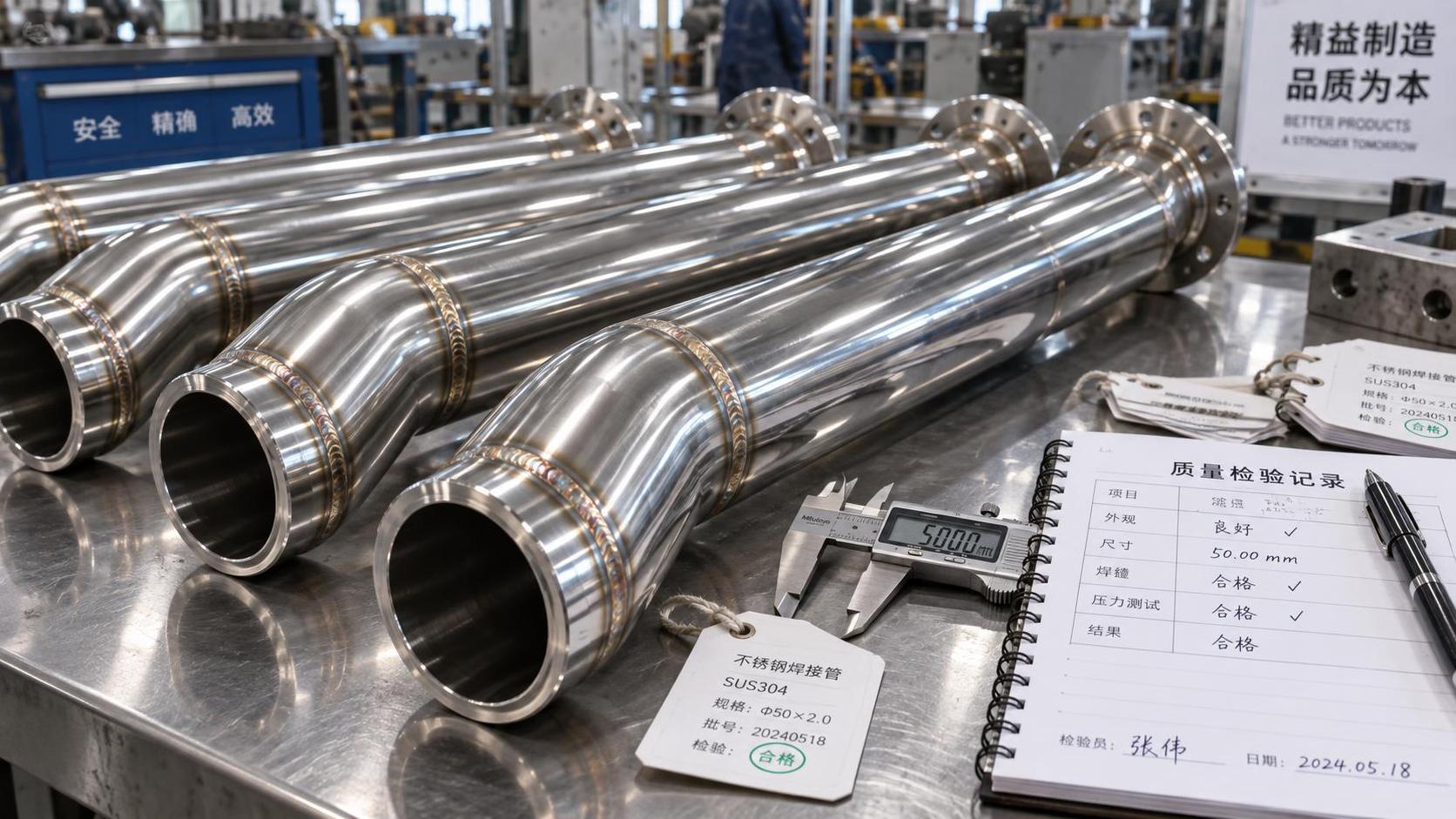
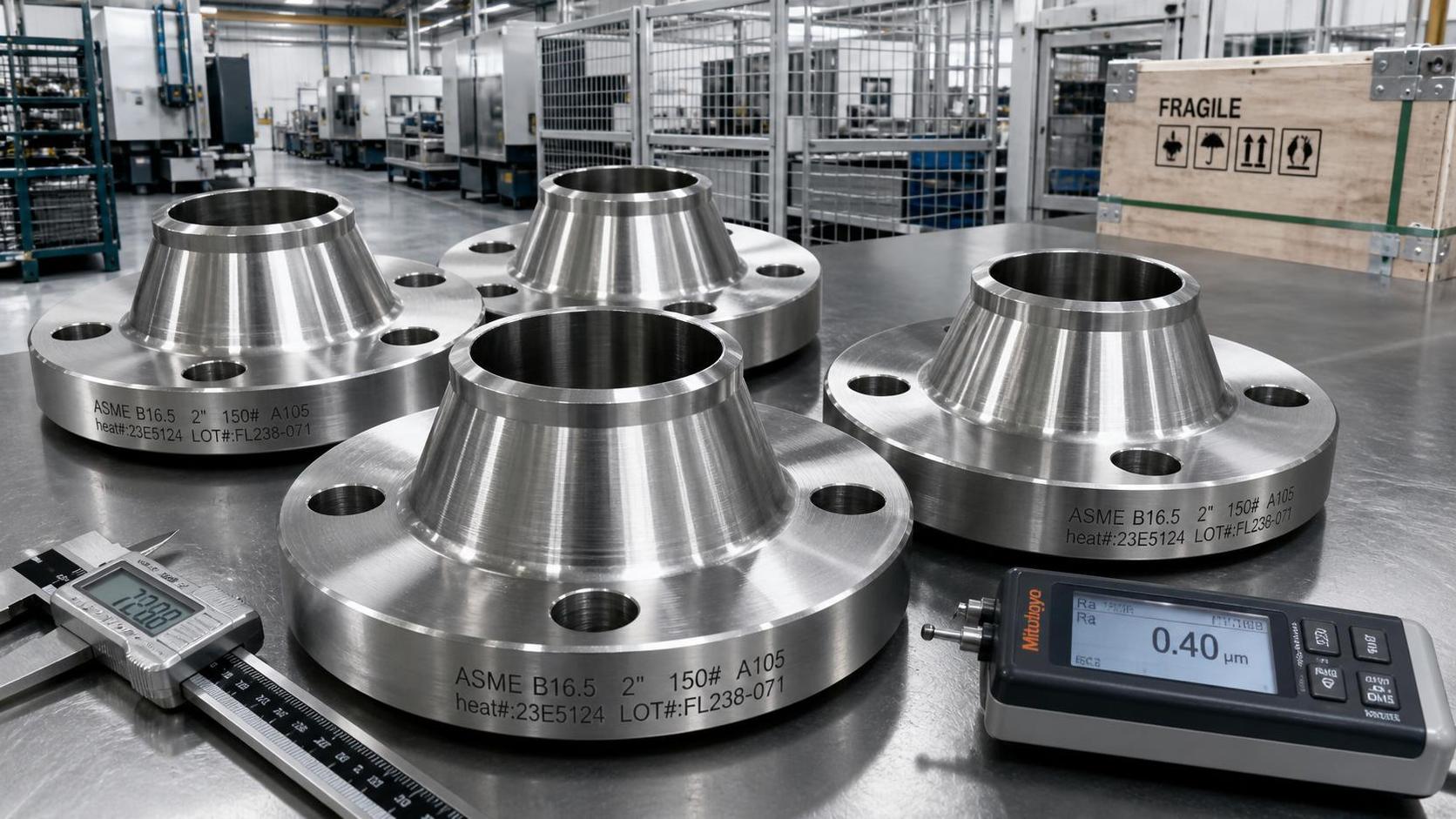
In pressure systems, boilers, piping assemblies, flanges, and vessel components, industrial metallurgy standards for safety compliance directly influence whether a system can be approved for safe service. Here, the critical judgment points include tensile strength, impact toughness, creep resistance, chemical composition, weldability, and compatibility with design temperature and pressure ranges.
A frequent compliance weakness in this scenario is assuming that a nominally similar grade offers equivalent safety performance. For example, two steels may appear close on a commercial datasheet but differ in notch toughness, carbon equivalent, or heat treatment condition. During audits or incident reviews, missing mill test certificates, incomplete EN 10204 documentation, or absent positive material identification can turn a manageable quality issue into a formal nonconformity.
Core judgment points in pressure-related applications
- Whether the alloy grade matches the design code and service temperature
- Whether weld procedure qualification supports the base material combination
- Whether impact, hardness, and hydrostatic test records are complete
- Whether traceability remains intact from raw material to installed component
Scenario 2: Corrosive and outdoor environments shift the risk from strength to durability
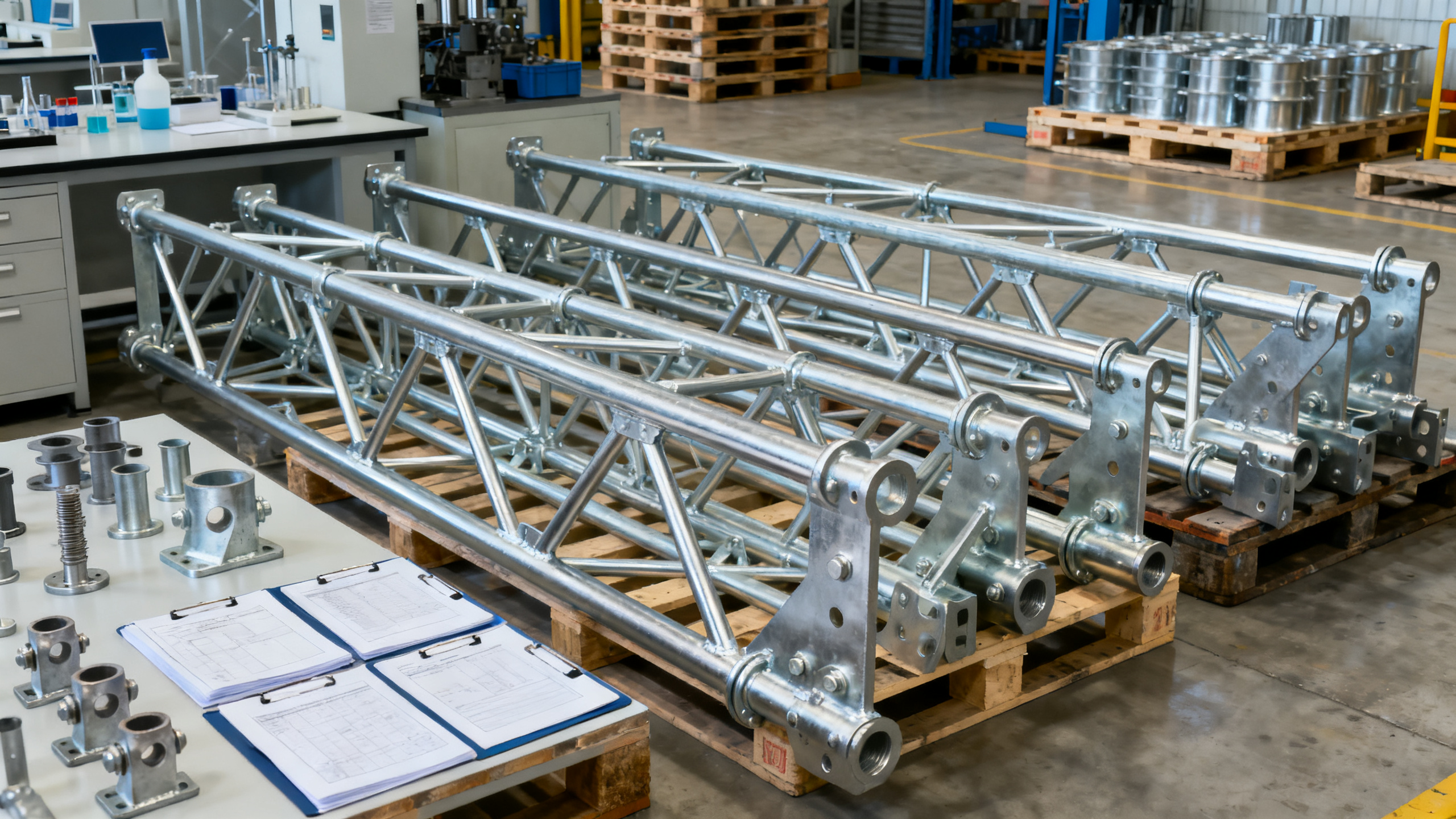
In water treatment, chemical handling, marine-adjacent infrastructure, and exposed outdoor installations, industrial metallurgy standards for safety compliance are often driven by long-term resistance rather than initial mechanical strength alone. A component can pass incoming inspection yet fail prematurely if galvanic pairing, chloride exposure, pitting susceptibility, or coating adhesion were underestimated.
This scenario requires a broader view of compliance. Material approval should account for base alloy chemistry, surface treatment, passivation, coating system, environmental category, and maintenance interval. Safety compliance risk rises sharply when corrosion allowance is not aligned with real exposure, especially in installations where leaks, structural weakening, or electrical grounding failures create secondary hazards.
Where teams often misjudge exposure conditions
- Treating intermittent chemical splash as low-risk contact
- Ignoring microclimates such as condensation zones or coastal salt drift
- Selecting stainless grades without checking chloride limits and weld condition
- Assuming coating can compensate for unsuitable substrate metallurgy
Scenario 3: Electrical, safety, and measurement systems depend on metallurgy consistency
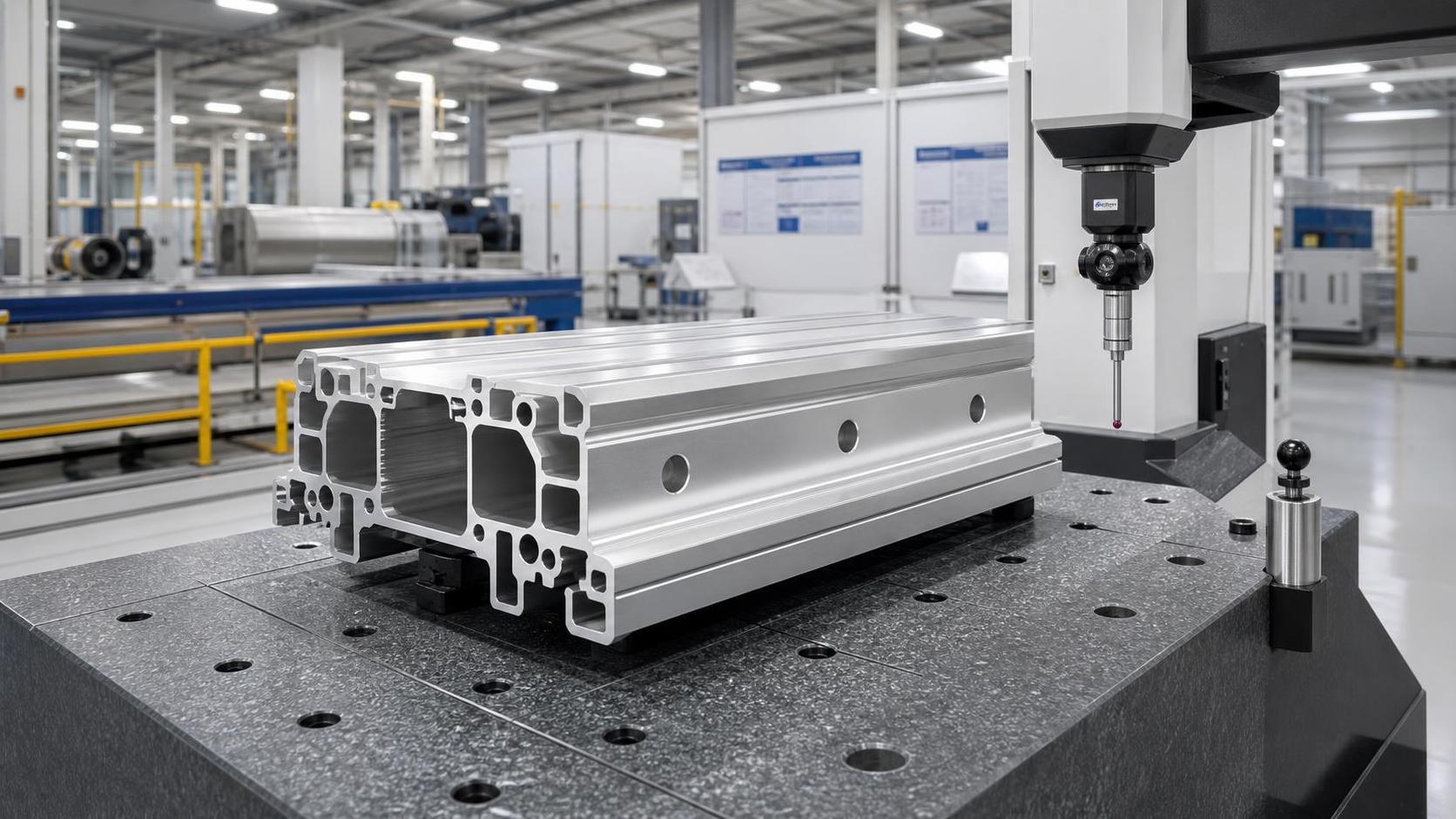
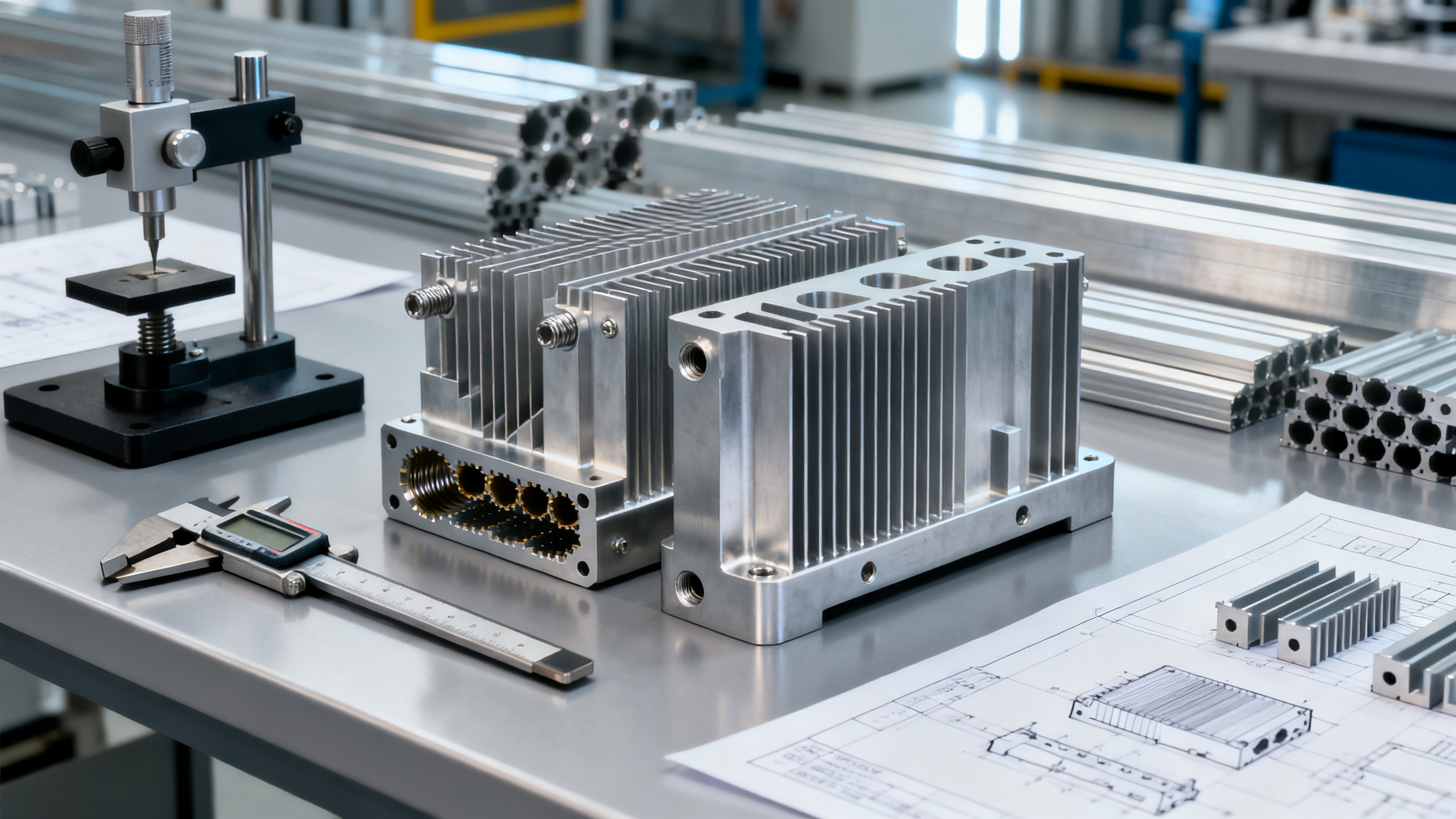
In cable supports, grounding assemblies, switchgear parts, sensor housings, fasteners, and precision measurement hardware, industrial metallurgy standards for safety compliance affect more than structural integrity. Conductivity, magnetic behavior, dimensional stability, heat dissipation, spark resistance, and tolerance retention can all influence whether a system remains compliant under operating stress.
This is especially relevant where CE, UL, or ISO-linked conformity depends on repeatable product performance. If a housing alloy changes without updated validation, or if a fastener substitution alters corrosion behavior in an electrical enclosure, compliance can be undermined even when the replacement appears commercially acceptable. In precision instruments, poor metallurgy control also increases calibration drift, deformation risk, and sealing failures.
How requirements differ by application scenario
Practical ways to align industrial metallurgy standards with compliance outcomes
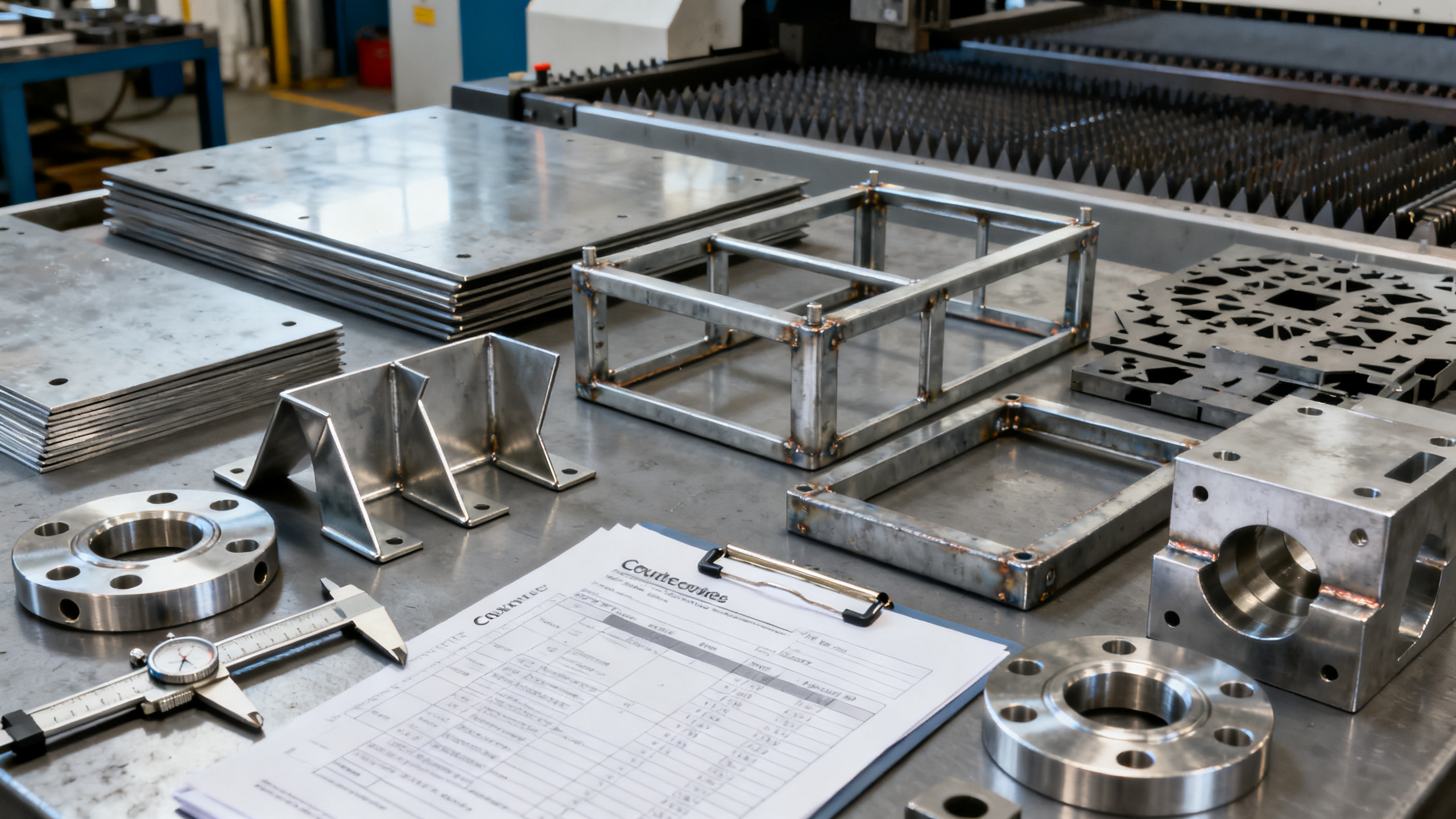
The most effective approach to industrial metallurgy standards for safety compliance is to connect engineering intent, procurement control, and inspection evidence into one traceable workflow. Safety compliance improves when material requirements are defined early, verified during sourcing, and rechecked before installation or release.
Recommended actions for stronger scenario fit
- Translate operating conditions into explicit metallurgy requirements, including temperature, media, load, corrosion category, and lifecycle expectations.
- Require standards-based documentation such as material test certificates, heat numbers, hardness reports, coating records, and compliance declarations.
- Use risk-based verification methods, including positive material identification, dimensional inspection, corrosion testing, and non-destructive examination where needed.
- Control substitutions through formal engineering review rather than commercial equivalence claims.
- Maintain a cross-reference between applicable standards, internal specifications, and final installed item records.
This discipline is increasingly valuable in global sourcing environments, where different mills, regional standards, and product marking practices can complicate verification. A part that meets one local commercial norm may still fall short of the documentation or performance threshold needed for regulated installation, insurer review, or external certification.
Common misjudgments that weaken industrial metallurgy safety compliance
Many failures tied to industrial metallurgy standards for safety compliance do not begin with dramatic engineering mistakes. They often start with small assumptions made under schedule pressure. One common error is focusing on grade name while ignoring product form, processing route, or service-specific test requirements. Another is treating old approvals as permanent, even when the source mill, alloy chemistry, or coating process has changed.
A second blind spot is incomplete traceability. If inspection teams cannot link the installed component to the certified material batch, then compliance confidence drops sharply, especially in safety-critical systems. Finally, many organizations underinvest in incoming verification for “standard” metal items such as fasteners, brackets, cable trays, or instrument fittings, even though these small components can become root causes of fire spread, enclosure breach, leakage, or structural instability.
Next-step framework for reducing risk through better metallurgy decisions
A practical next step is to map every critical asset category against its applicable industrial metallurgy standards for safety compliance obligations. Start by grouping assets by scenario: pressure, corrosive, structural, electrical, and precision-related. Then identify the minimum evidence required for each group, including material specification, certification route, inspection method, and substitution approval path.
From there, review current sourcing files and inspection plans for gaps. Look for missing toughness data, unclear alloy traceability, absent coating verification, or undocumented equivalency decisions. Where the risk profile is high, introduce targeted audits and test validation before the next project phase or maintenance cycle. This creates a stronger foundation for reliability, supports smoother certification reviews, and turns metallurgy control into a measurable safety advantage rather than a reactive correction process.
In complex industrial environments, compliance is rarely secured by paperwork alone. It is secured when the material in service truly matches the duty, the standard, and the evidence trail. That is the real value of disciplined industrial metallurgy standards for safety compliance: fewer hidden vulnerabilities, better operational resilience, and more dependable decisions across the full asset lifecycle.
Technical Specifications
- How to Select an Emissions Monitoring System Analyzer for Compliance ReportingAuthor :Precision Metrology Expert
- How to Select an Access Control Management System for Multi-Site FacilitiesAuthor :Safety Compliance Lead
- Portable Gas Monitor Calibration: How Often Is It Needed for Safe Confined-Space Work?Author :Precision Metrology Expert
Expert Insights

Chief Security Architect
Dr. Thorne specializes in the intersection of structural engineering and digital resilience. He has advised three G7 governments on industrial infrastructure security.
Related Analysis
- Sep 21, 2026How to Select an Emissions Monitoring System Analyzer for Compliance ReportingAuthor :Precision Metrology Expert
- Sep 20, 2026How to Select an Access Control Management System for Multi-Site FacilitiesAuthor :Safety Compliance Lead
- Sep 19, 2026Portable Gas Monitor Calibration: How Often Is It Needed for Safe Confined-Space Work?Author :Precision Metrology Expert
Core Sector // 01
Security & Safety
- Stainless Steel Welded Tube Applications: Matching Tube Supply to Fabrication NeedsAuthor :Heavy Industry Strategist

- What Maintenance Do Furnace Components Need After 18 Months?Author :Heavy Industry Strategist

- How to Assess Metal Materials for Thermal Cycling in Power BoilersAuthor :Heavy Industry Strategist

- How to Evaluate Aluminum Extrusion Suppliers for Tight-Tolerance Components?Author :Heavy Industry Strategist

- How to Evaluate a Weld Neck Flange Manufacturer for High-Pressure Pipe ProjectsAuthor :Heavy Industry Strategist

- EU REACH Ban Hits Cr(VI)-Coated Steel ImportsAuthor :Heavy Industry Strategist
-Coated Steel Imports")
- How to Evaluate a Heat Sink Aluminum Profile Supplier for Custom Thermal ProjectsAuthor :Heavy Industry Strategist

- Industrial Metal Fabrication Components Price: What Drives Cost and How to Compare QuotesAuthor :Heavy Industry Strategist