Choosing industrial metallurgy materials for electrical infrastructure
Author
Date Published
Reading Time
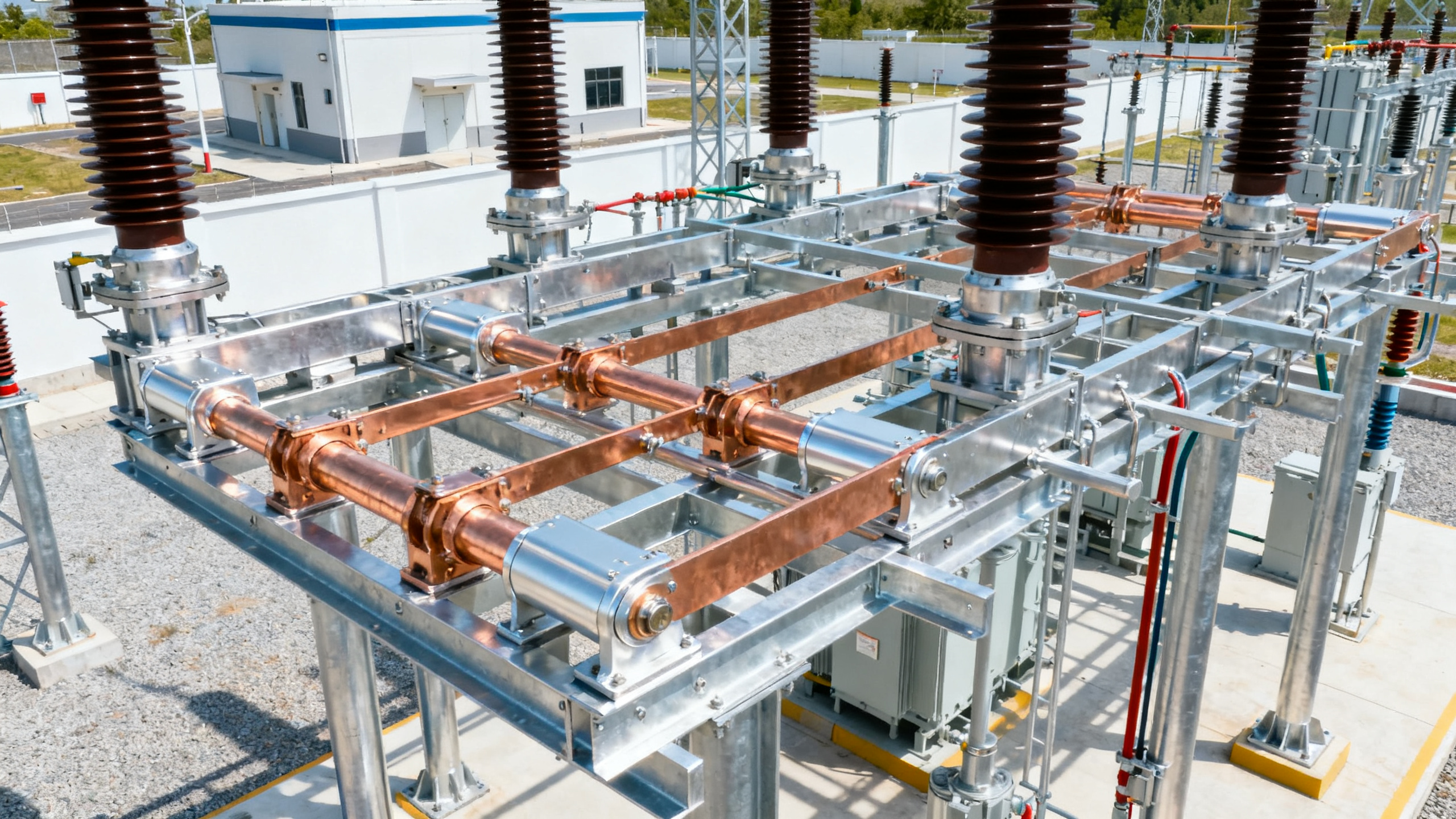
Choosing industrial metallurgy materials for electrical infrastructure is not just a cost decision—it directly affects conductivity, corrosion resistance, thermal stability, and long-term grid reliability. In substations, switchgear assemblies, cable systems, grounding networks, and industrial power distribution frames, material failure can trigger overheating, premature corrosion, mechanical fatigue, and unplanned downtime. The best selections are made by matching the service environment with alloy behavior, manufacturing quality, and compliance requirements rather than relying on nominal strength or price alone.
Across the broader industrial landscape, the selection of industrial metallurgy materials for electrical infrastructure must support both operational continuity and safety. Engineered copper, aluminum alloys, galvanized steel, stainless steel, nickel-bearing alloys, and specialized plated materials each solve different problems. The real challenge lies in knowing which material system fits which electrical scenario, what trade-offs are acceptable, and how lifecycle risk changes under humidity, salt exposure, vibration, high current density, or chemical contamination.
When the operating environment changes, material priorities change first
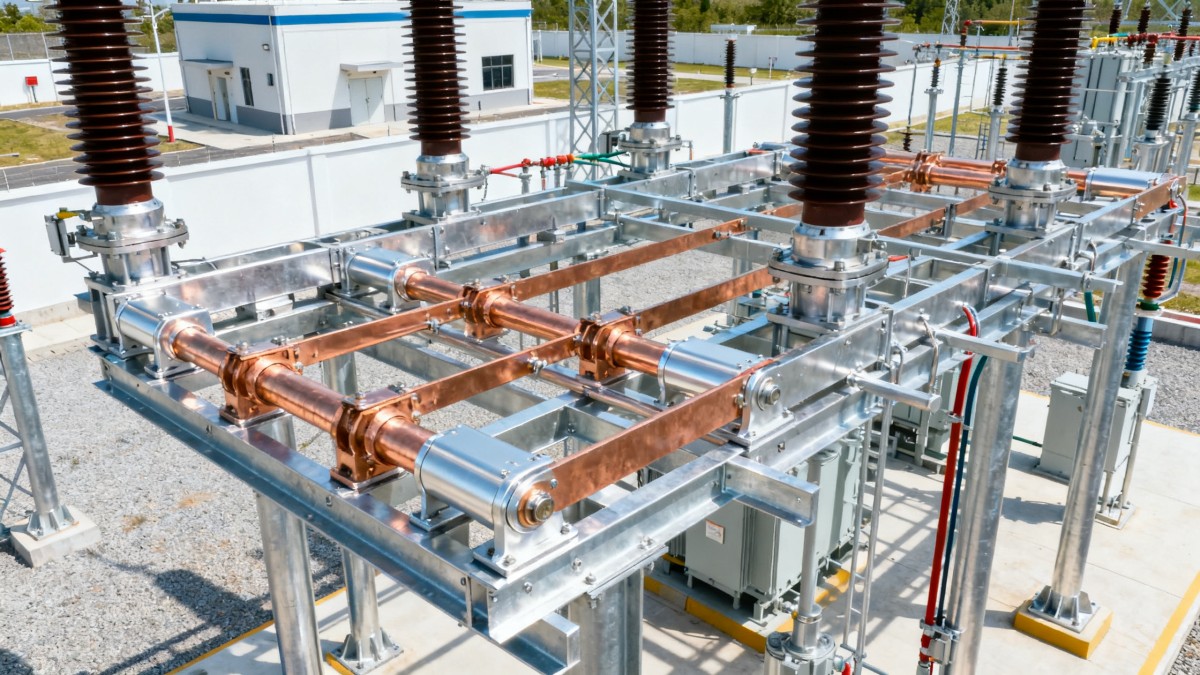
Electrical infrastructure rarely exists in a uniform environment. Indoor low-voltage panels, coastal substations, process plants, tunnels, renewable energy collector systems, and heavy industrial facilities each place different demands on metals. A material that performs well in a dry enclosure may degrade quickly in chloride-rich air. Likewise, a mechanically robust steel support may be structurally sound but unsuitable for current-carrying parts if conductivity, joint resistance, or galvanic compatibility is ignored.
This is why evaluating industrial metallurgy materials for electrical infrastructure should begin with scenario mapping. Core variables include current load, fault exposure, ambient temperature, corrosion agents, expected service life, installation geometry, maintenance access, and required standards such as IEC, ASTM, UL, ISO, or utility-specific specifications. The better the scenario is defined, the more accurately conductivity, strength, coating selection, and joining methods can be matched to the application.
Scenario 1: High-conductivity busbars and connectors demand thermal and joint stability
For busbars, terminals, and connector assemblies, copper remains the benchmark because of its excellent conductivity, good formability, and predictable thermal performance. Electrolytic tough pitch copper, oxygen-free copper, and selected copper alloys are common where low resistance and high reliability matter most. In high-current systems, the key judgment point is not conductivity alone, but how the material behaves at bolted or welded interfaces over time. Creep, oxidation, and rising contact resistance can create hot spots long before the base metal itself fails.
Aluminum is often preferred for weight reduction and cost control, especially in large conductors and utility-scale applications. However, aluminum conductor systems require more careful surface preparation, joint design, and oxide management. When using industrial metallurgy materials for electrical infrastructure in these settings, plated contact surfaces, compatible lugs, anti-oxidation compounds, and torque-controlled assembly become essential. The material decision should therefore include not only the metal grade but also the full connection system.
Core judgment points in conductor-heavy applications
- Electrical conductivity versus allowable temperature rise
- Joint resistance stability under thermal cycling
- Compatibility between conductor, plating, and fastener materials
- Resistance to oxidation, fretting, and loosening under vibration
Scenario 2: Outdoor and coastal electrical infrastructure is governed by corrosion exposure
In outdoor electrical infrastructure, especially near coastlines, refineries, wastewater facilities, or chemical zones, corrosion often becomes the main driver of metallurgy selection. Galvanized carbon steel can perform well in many support and enclosure applications, but zinc coating thickness, cut-edge protection, and atmospheric category must be considered. In harsher conditions, stainless steel grades such as 304 or 316 may be more suitable, with 316 generally offering stronger chloride resistance. Yet even stainless steel is not universally safe if crevice corrosion, contamination, or poor finishing is overlooked.
For grounding grids, cable trays, support frames, fasteners, and enclosure hardware, industrial metallurgy materials for electrical infrastructure should be evaluated as an exposed system, not as isolated parts. A robust stainless bracket paired with incompatible carbon steel bolts can create local corrosion weaknesses. Similarly, mixed-metal interfaces between copper grounding conductors and steel support structures may accelerate galvanic attack when moisture is present. The right answer often involves a coordinated package of alloy choice, protective coating, drainage design, and inspection planning.
Scenario 3: Heavy industry and process plants need metallurgy that survives heat, vibration, and contaminants
Electrical infrastructure inside steel mills, mining operations, pulp plants, foundries, and large processing sites faces a more complex mix of risks. Elevated temperatures, abrasive dust, oil mist, sulfur compounds, vibration, and washdown cycles can weaken standard materials quickly. In these environments, the selection of industrial metallurgy materials for electrical infrastructure often extends beyond copper and structural steel into heat-resistant alloys, higher-grade stainless steel, plated copper interfaces, and reinforced fastening systems.
The main judgment point here is durability under combined stress. A material may pass corrosion tests but still fail because thermal expansion causes connection relaxation, or because repeated vibration damages contact surfaces. Components such as gland plates, terminal supports, earthing points, and junction hardware should be assessed for fatigue resistance, dimensional stability, and maintainability. In high-contamination facilities, easier cleaning and better surface integrity can be just as important as nominal corrosion resistance.
How different scenarios reshape material requirements
Practical recommendations for matching industrial metallurgy materials to each use case
A reliable selection process for industrial metallurgy materials for electrical infrastructure should combine engineering, compliance, and lifecycle validation. Instead of selecting by metal family alone, review the complete operating profile and decide the material stack: base metal, coating or plating, joining method, hardware compatibility, inspection interval, and expected degradation mode.
- For current-carrying components: prioritize conductivity, contact integrity, and thermal cycling resistance. Verify plating quality and connector design.
- For exposed structural elements: match corrosion category with galvanization level, stainless grade, or protective finish rather than assuming one “outdoor” material fits all sites.
- For mixed-metal assemblies: evaluate galvanic potential, moisture exposure, and isolation strategies at every interface.
- For high-vibration or thermal-shock environments: assess fatigue behavior, fastener retention, and dimensional stability under repeated load cycles.
- For compliance-sensitive projects: confirm traceability, test certification, and conformance to IEC, ASTM, UL, CE, and ISO-linked requirements where applicable.
Common mistakes when choosing industrial metallurgy materials for electrical infrastructure
One frequent mistake is using mechanical strength as the main purchasing filter for electrical parts. Stronger metal is not always better if conductivity is poor or contact resistance increases over time. Another common error is judging corrosion resistance by material name only. Stainless steel, aluminum, copper, and galvanized steel each behave differently depending on grade, finish, contaminants, and drainage conditions.
A further oversight is treating certifications as interchangeable. Material certificates, coating verification, salt spray results, electrical temperature-rise tests, and dimensional inspection each answer different risk questions. For industrial metallurgy materials for electrical infrastructure, documentation should support the actual failure modes expected in service. Finally, it is risky to ignore installation quality. Even a well-specified alloy can underperform if storage, surface preparation, torque application, or sealing practices are poor.
What to do next for a more reliable selection outcome
The most effective next step is to build a scenario-based review before final material approval. List each electrical application by environment, duty cycle, exposure level, interface type, and required service life. Then compare candidate metals and alloys against the real operating conditions, not just the drawing notes. This approach reduces the chance of hidden galvanic issues, underperforming joints, or over-specified materials that add cost without increasing reliability.
Where projects involve global sourcing or multi-site infrastructure, use verified test data, material traceability, and standards alignment to validate every decision. A disciplined method for choosing industrial metallurgy materials for electrical infrastructure creates stronger electrical performance, fewer maintenance surprises, and more resilient industrial systems from the first installation through the full asset lifecycle.
Technical Specifications
- How to Select an Emissions Monitoring System Analyzer for Compliance ReportingAuthor :Precision Metrology Expert
- How to Select an Access Control Management System for Multi-Site FacilitiesAuthor :Safety Compliance Lead
- Portable Gas Monitor Calibration: How Often Is It Needed for Safe Confined-Space Work?Author :Precision Metrology Expert
Expert Insights

Chief Security Architect
Dr. Thorne specializes in the intersection of structural engineering and digital resilience. He has advised three G7 governments on industrial infrastructure security.
Related Analysis
- Sep 21, 2026How to Select an Emissions Monitoring System Analyzer for Compliance ReportingAuthor :Precision Metrology Expert
- Sep 20, 2026How to Select an Access Control Management System for Multi-Site FacilitiesAuthor :Safety Compliance Lead
- Sep 19, 2026Portable Gas Monitor Calibration: How Often Is It Needed for Safe Confined-Space Work?Author :Precision Metrology Expert
Core Sector // 01
Security & Safety
- Stainless Steel Welded Tube Applications: Matching Tube Supply to Fabrication NeedsAuthor :Heavy Industry Strategist

- What Maintenance Do Furnace Components Need After 18 Months?Author :Heavy Industry Strategist

- How to Assess Metal Materials for Thermal Cycling in Power BoilersAuthor :Heavy Industry Strategist

- How to Evaluate Aluminum Extrusion Suppliers for Tight-Tolerance Components?Author :Heavy Industry Strategist

- How to Evaluate a Weld Neck Flange Manufacturer for High-Pressure Pipe ProjectsAuthor :Heavy Industry Strategist

- EU REACH Ban Hits Cr(VI)-Coated Steel ImportsAuthor :Heavy Industry Strategist
-Coated Steel Imports")
- How to Evaluate a Heat Sink Aluminum Profile Supplier for Custom Thermal ProjectsAuthor :Heavy Industry Strategist

- Industrial Metal Fabrication Components Price: What Drives Cost and How to Compare QuotesAuthor :Heavy Industry Strategist