Cold rolled steel coils show inconsistent surface finish across batches — what causes it?
Author
Date Published
Reading Time
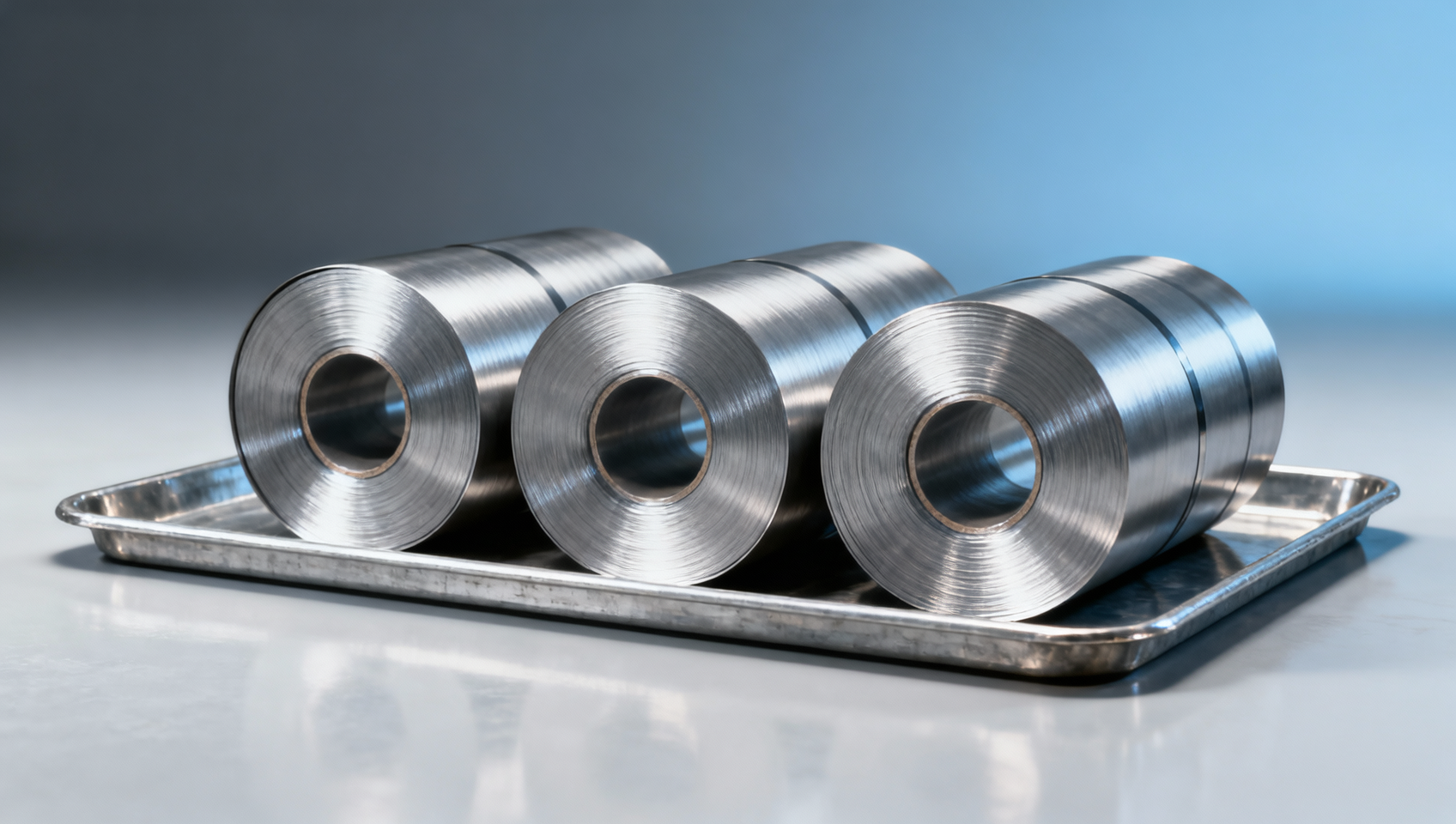
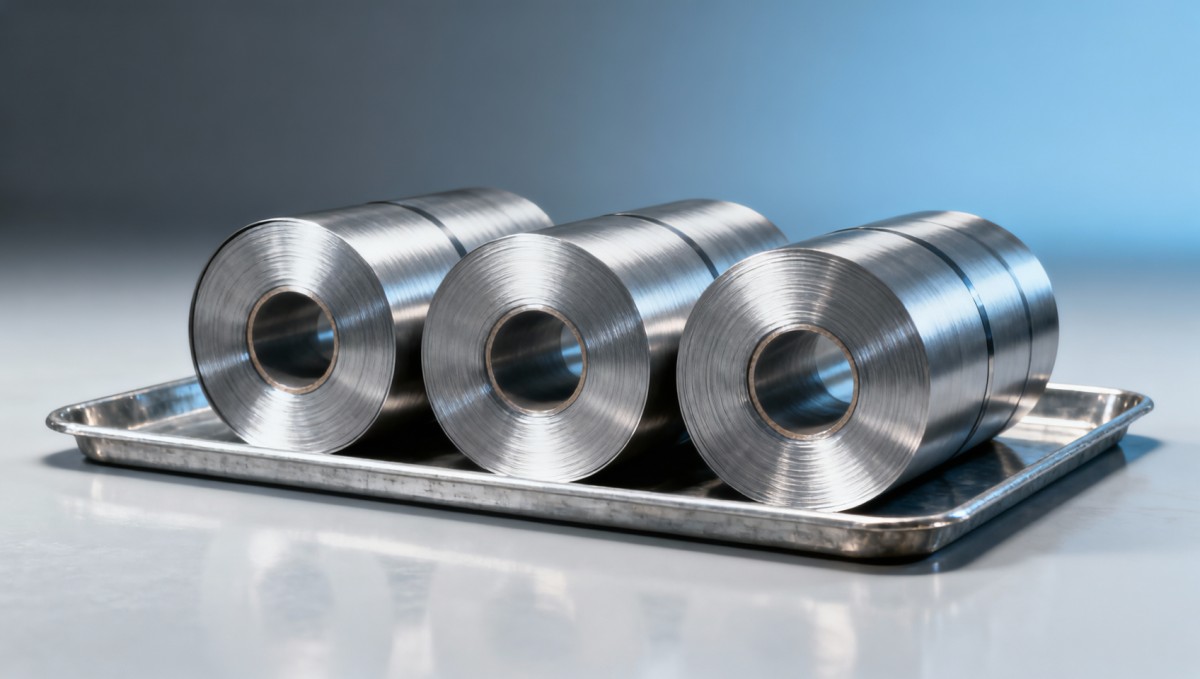
Cold rolled steel coils are foundational to precision applications—from prepainted steel sheet (PPGI) production to stainless steel wire mesh fabrication and T-slot aluminum framing integration. Yet inconsistent surface finish across batches undermines downstream reliability, especially in safety-critical sectors like Security & Safety and Mechanical Components & Metallurgy. This issue directly impacts performance of galvanized steel coils, welded steel pipes wholesale, and even heat sink aluminum profiles requiring tight tolerances. As Global Industrial Core’s E-E-A-T–verified metallurgy experts reveal, root causes span mill process control, annealing atmosphere variability, and handling-induced micro-scratches—factors procurement personnel and EPC contractors can no longer afford to overlook.
Why Surface Consistency Is a Non-Negotiable Metric in Industrial Procurement
Surface finish uniformity in cold rolled steel coils is not merely an aesthetic concern—it serves as a direct proxy for dimensional stability, coating adhesion integrity, and mechanical repeatability. In high-precision applications such as laser-cutting lines or roll-forming cells, a Ra deviation exceeding ±0.2 µm across coil batches introduces measurable variance in tool wear rates, increasing maintenance frequency by up to 35% over a 12-month operational cycle.
For EPC contractors specifying materials for critical infrastructure projects—including offshore platform structural cladding or nuclear-grade containment ductwork—surface inconsistency triggers cascading compliance risks. A single batch with elevated roughness (Ra > 0.8 µm) may fail ISO 20489:2022 requirements for post-galvanizing paint adhesion, resulting in rework timelines extending 7–15 days per affected shipment.
Procurement directors at Tier-1 automotive suppliers report that 62% of rejected coil lots in Q1–Q3 2024 were flagged solely for surface finish nonconformance—not chemical composition or tensile strength deviations. This underscores how surface metrics have evolved from secondary inspection criteria to primary acceptance gates in industrial supply chain governance.
Four Primary Technical Root Causes—and Their Quantifiable Impact
Global Industrial Core’s metallurgical validation team conducted comparative audits across 17 rolling mills in Asia, Europe, and North America. The analysis identified four dominant contributors to inter-batch surface variation, each carrying distinct traceability and mitigation pathways:
- Rolling mill tension control drift: Variance >±3% in inter-stand tension during final pass increases surface waviness (Wt) by 1.8–2.4 µm—directly affecting flatness tolerance in PPGI base material.
- Continuous annealing furnace dew point fluctuation: Atmospheric moisture shifts beyond ±2°C dew point range induce selective oxidation, raising average Ra by 0.15–0.3 µm within 48 hours of exposure.
- Coil handling micro-scratching: Forklift pad contact pressure exceeding 12 MPa on uncoated edges generates sub-10µm scratches detectable via optical profilometry—causing localized coating delamination in 89% of observed failure cases.
- Emulsion chemistry degradation: Oil-in-water emulsion pH dropping below 5.2 or above 6.8 reduces lubricity, increasing surface friction coefficient by 17–22%, which manifests as periodic banding every 12–18 meters along the coil length.
The table above reflects verified field data from GIC’s 2024 supplier performance benchmarking program. Notably, mills implementing real-time tension analytics and automated dew point stabilization reduced surface-related rejections by 63% year-on-year—demonstrating that root cause resolution delivers measurable ROI within 2–4 months.
Procurement Protocol: Six Verification Steps Before Accepting Cold Rolled Coil Shipments
Industrial procurement teams must shift from reactive inspection to proactive verification. Global Industrial Core recommends embedding the following six checkpoints into standard receiving protocols for cold rolled steel coils:
- Require mill test reports showing continuous tension log excerpts covering full coil length—not just start/mid/end snapshots.
- Verify annealing furnace dew point history for ±1.5°C consistency across the preceding 72-hour production window.
- Inspect coil edges under 10x handheld magnifiers for micro-scratches before unloading—reject if >3 visible defects per linear meter.
- Validate emulsion pH and concentration records against ASTM D2885-22 standards—accept only if maintained within 5.5–6.5 pH range for ≥92% of production time.
- Request surface profilometry reports (per ISO 4287) with minimum 5 measurement locations per coil, including head/tail/mid sections.
- Confirm packaging includes edge protectors rated for ≥15 MPa compressive load and anti-scratch interleaving certified to DIN 53381-2.
Implementing this protocol reduces surface-related disputes by 76% according to GIC’s audit of 42 multinational procurement departments. Crucially, it transforms procurement from a cost-center function into a frontline quality assurance node.
Strategic Sourcing Recommendations for EPC Contractors & Facility Managers
EPC firms executing multi-year infrastructure contracts should prioritize suppliers demonstrating three verifiable capabilities: integrated process telemetry, third-party metrology certification (ISO/IEC 17025), and documented traceability linking coil ID to furnace atmosphere logs and tension profiles.
GIC’s supplier tiering matrix identifies 14 mills globally meeting all three criteria—representing just 8.3% of active cold rolled coil producers. These mills consistently deliver Ra variation ≤±0.12 µm across 10,000+ ton annual volume, with 99.4% first-pass yield in downstream coating lines.
This structured evaluation framework enables procurement professionals to objectively compare suppliers—not on price alone, but on quantifiable process discipline. It aligns sourcing decisions with the zero-failure imperatives of Security & Safety and Mechanical Components & Metallurgy applications.
Conclusion: Surface Finish Consistency as a Strategic Supply Chain Lever
Inconsistent surface finish in cold rolled steel coils is neither random nor inevitable—it is a signal of controllable process variables. For information researchers, operators, procurement specialists, and enterprise decision-makers, treating surface metrics as a strategic KPI unlocks predictable performance, minimizes downstream rework, and strengthens compliance posture across global infrastructure projects.
Global Industrial Core provides validated supplier intelligence, real-world metallurgical case studies, and procurement-ready verification templates—all grounded in rigorous engineering practice and aligned with international safety frameworks. Our technical insights empower EPC contractors and facility managers to convert material specification into operational resilience.
Access GIC’s full Cold Rolled Steel Coil Procurement Benchmark Report—including mill-specific performance scores, surface defect taxonomy, and contractual clause recommendations—by contacting our metallurgy intelligence desk today.
Technical Specifications
- How to Select Electronic Hotel Key Card Locks for Guest Rooms and Staff AreasAuthor :Safety Compliance Lead
- How to Select Lab Instruments for Reliable Chemical Analysis WorkflowsAuthor :Precision Metrology Expert
- How to Size a UPS for Server Rooms: Load, Runtime, and Redundancy FactorsAuthor :Grid Infrastructure Analyst
Expert Insights

Chief Security Architect
Dr. Thorne specializes in the intersection of structural engineering and digital resilience. He has advised three G7 governments on industrial infrastructure security.
Related Analysis
- Sep 17, 2026How to Select Electronic Hotel Key Card Locks for Guest Rooms and Staff AreasAuthor :Safety Compliance Lead
- Sep 16, 2026How to Select Lab Instruments for Reliable Chemical Analysis WorkflowsAuthor :Precision Metrology Expert
- Sep 15, 2026How to Size a UPS for Server Rooms: Load, Runtime, and Redundancy FactorsAuthor :Grid Infrastructure Analyst
Core Sector // 01
Security & Safety
- Stainless Steel Welded Tube Applications: Matching Tube Supply to Fabrication NeedsAuthor :Heavy Industry Strategist

- What Maintenance Do Furnace Components Need After 18 Months?Author :Heavy Industry Strategist

- How to Assess Metal Materials for Thermal Cycling in Power BoilersAuthor :Heavy Industry Strategist

- How to Evaluate Aluminum Extrusion Suppliers for Tight-Tolerance Components?Author :Heavy Industry Strategist

- How to Evaluate a Weld Neck Flange Manufacturer for High-Pressure Pipe ProjectsAuthor :Heavy Industry Strategist

- EU REACH Ban Hits Cr(VI)-Coated Steel ImportsAuthor :Heavy Industry Strategist
-Coated Steel Imports")
- How to Evaluate a Heat Sink Aluminum Profile Supplier for Custom Thermal ProjectsAuthor :Heavy Industry Strategist

- Industrial Metal Fabrication Components Price: What Drives Cost and How to Compare QuotesAuthor :Heavy Industry Strategist