What to check first when buying Components & Metals
Author
Date Published
Reading Time
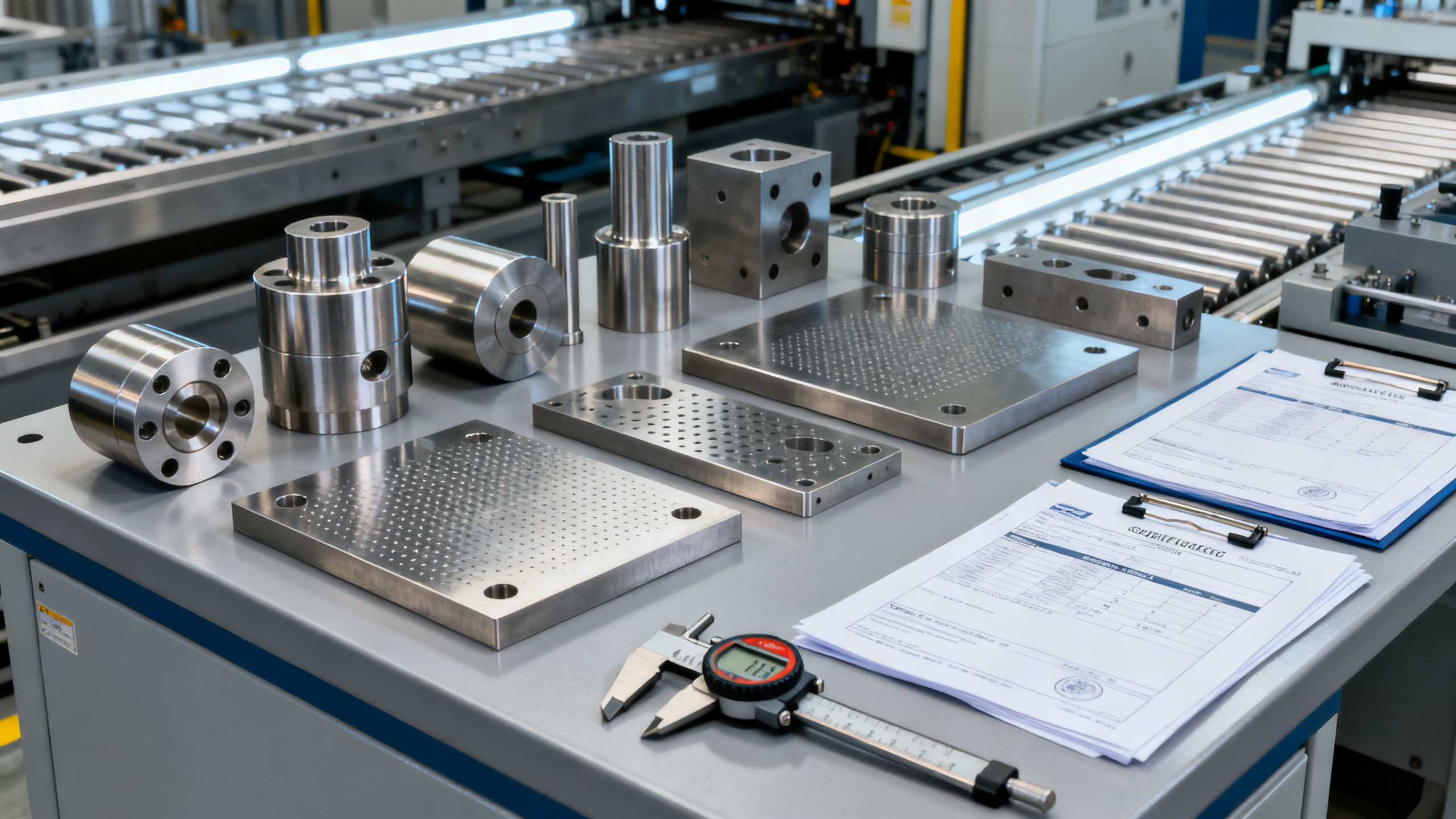
Before purchasing Components & Metals, operators should first verify material grade, dimensional accuracy, load requirements, and compliance with relevant safety standards. A wrong choice can lead to equipment failure, costly downtime, and safety risks. This guide highlights the first checks that matter most, helping users make practical, informed decisions for reliable industrial performance.
What should operators check first when buying Components & Metals?
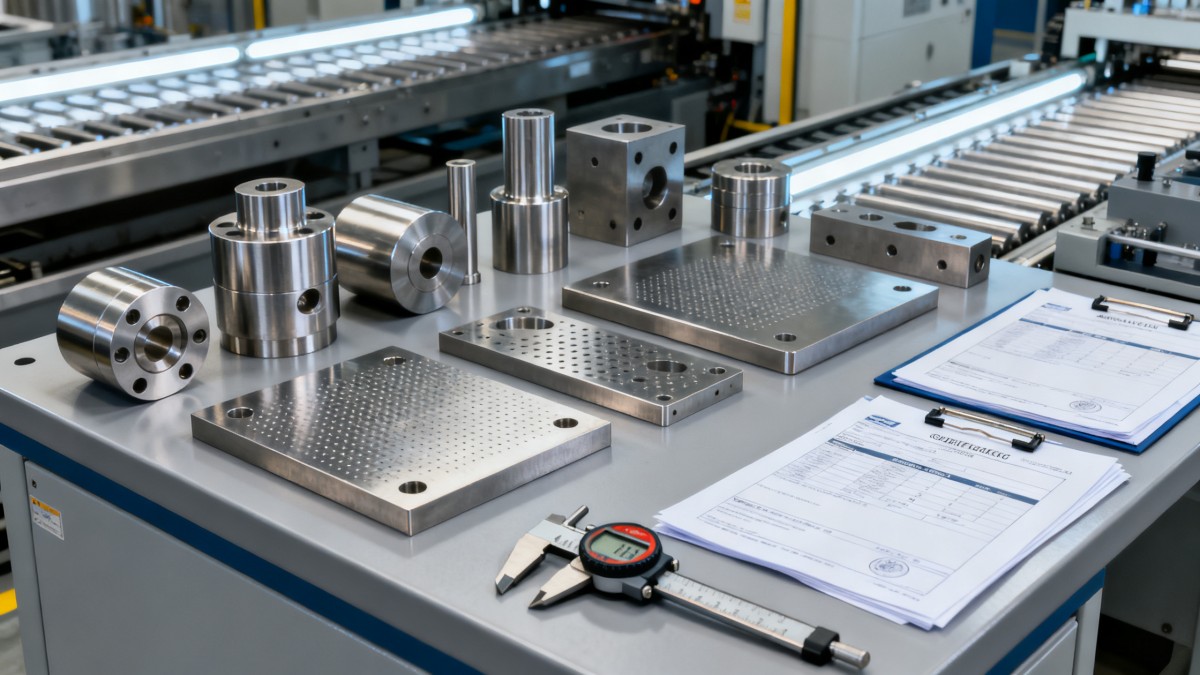
In industrial environments, Components & Metals are rarely simple purchase items. They become load-bearing parts, corrosion barriers, sealing interfaces, electrical supports, structural frames, rotating elements, and wear surfaces. For operators, the first check is not price. It is fitness for the real operating condition.
A component that looks correct on paper may still fail if its alloy, hardness, tolerance, or coating does not match vibration, temperature swings, chemical exposure, or cyclic loading. This is why early verification matters more than late replacement.
Global Industrial Core (GIC) focuses on these high-stakes buying decisions by connecting sourcing logic with engineering reality. For users and operators, that means practical guidance: what to inspect first, what to compare next, and where hidden risks usually appear.
- Confirm the base material and grade before discussing surface finish or unit cost.
- Check drawing tolerances, hole patterns, thickness, and fit-up dimensions against the installation point.
- Review the actual load, speed, pressure, and duty cycle rather than relying on nominal values only.
- Verify whether CE, UL, ISO-related documentation, or other project-specific compliance evidence is required.
Why do material grade and operating environment matter so much?
When buying Components & Metals, material grade is the first technical filter because it affects strength, machinability, corrosion resistance, weldability, thermal stability, and fatigue life. Two parts with the same shape can behave very differently if one uses carbon steel and the other uses stainless steel or alloy steel.
Operators often face mixed environments. A plant may include humid areas, abrasive dust, washdown zones, outdoor exposure, chemical contact, and elevated temperature lines. In such conditions, the correct metal selection reduces maintenance frequency and protects upstream and downstream equipment.
Key environmental questions to ask before ordering
- Will the part face water, salt spray, solvents, acids, or alkaline cleaning agents?
- Is the component exposed to continuous heat, thermal cycling, or cold-start shock?
- Will vibration, repeated impact, or rotating stress create fatigue risk over time?
- Does the application require conductivity, magnetic response, or non-sparking properties?
If these questions are not answered early, buyers may approve Components & Metals that pass incoming inspection but fail under service conditions. GIC encourages operators to compare the environment profile with the material certificate and intended fabrication process before purchase approval.
Which technical checks prevent the most common buying mistakes?
The table below helps operators evaluate Components & Metals using first-line technical checks. It is especially useful in multi-site facilities where procurement teams, maintenance crews, and engineering staff may use different decision criteria.
These checks show why buying Components & Metals is a technical decision, not a catalog shortcut. In many plants, the most expensive part is not the part itself. It is the downtime, emergency labor, and process disruption caused by a wrong first purchase.
How should operators compare common metal options for industrial use?
Operators do not always need a premium alloy, but they do need the right match. The comparison below outlines typical decision logic for Components & Metals used in broad industrial applications. Final grade selection should still follow the project specification, drawing, and service condition.
This comparison helps users narrow options quickly. It also shows why a lower-cost material can become a higher-cost decision if it demands frequent coating repair, replacement, or shutdown intervention.
What procurement details should never be skipped?
For Components & Metals, procurement quality depends on documentation discipline. Operators often assume engineering already confirmed every detail, while buyers assume the supplied drawing tells the whole story. In practice, critical gaps often sit between those two assumptions.
Minimum procurement checklist
- Part drawing revision and dimensional tolerance requirements.
- Specified material grade and approved equivalent policy, if substitutes are allowed.
- Mechanical property expectations such as hardness, tensile behavior, or impact performance.
- Surface treatment, plating, galvanizing, passivation, or coating requirements.
- Inspection records, mill certificates, traceability needs, and packaging conditions.
- Lead time, batch size, spare quantity, and emergency replenishment options.
GIC supports this process by aligning sourcing decisions with compliance, metrology, and field reliability thinking. That matters when Components & Metals are part of safety-critical systems, utility infrastructure, process equipment, or high-cycle mechanical assemblies.
How do standards and certification affect buying decisions?
Standards are not paperwork for later. They shape the buying decision at the start. In projects tied to regulated facilities, export requirements, or insured infrastructure, operators should confirm whether the selected Components & Metals need documented compliance before purchase order release.
Requirements vary by application. A mounting bracket, enclosure component, conductive element, pressure-related fitting, or machine guard support may each sit under different technical expectations. That is why material certificates, dimensional reports, and process records often matter just as much as the item itself.
Common compliance points to review
- Whether CE or UL-related downstream equipment documentation depends on the purchased part.
- Whether ISO-driven quality systems require traceable inspection and controlled revisions.
- Whether material origin, testing records, or heat numbers must be retained for audits.
- Whether the application involves safety guarding, electrical grounding, or environmental exposure limits.
For operators, the practical lesson is simple: if a replacement part affects safety, fit, or traceability, request the required documents before the item enters stock, not after it has already been installed.
Where do costs really come from when buying Components & Metals?
The visible cost is the purchase price. The hidden costs are machining rework, emergency freight, extra inspection, seal damage from poor surface finish, corrosion-related replacement, and lost production. This is why low-price Components & Metals can become high-cost inventory.
Cost questions operators should ask
- Will the chosen material reduce maintenance frequency over the next service cycle?
- Does tighter tolerance save installation time or prevent alignment-related failures?
- Is there a lower-cost equivalent that still meets load, corrosion, and compliance demands?
- Will a coated standard material outperform a more expensive corrosion-resistant metal in this exact environment?
The best buying decision is usually the one that balances service life, replacement speed, and documentation readiness. GIC often sees the strongest results when procurement teams compare total operating impact rather than invoice price alone.
What mistakes do users commonly make with Components & Metals?
Most failures do not start with dramatic defects. They start with small assumptions. A buyer accepts a substitute grade without checking corrosion exposure. A maintenance team measures overall length but not bore tolerance. A user focuses on delivery speed and misses coating compatibility.
Frequent misconceptions
- “Same dimensions means same performance.” Material and heat treatment can change service behavior significantly.
- “Stainless steel always solves corrosion.” Grade mismatch or chloride exposure can still create problems.
- “A cheaper replacement is fine for non-critical parts.” Secondary parts often trigger major downstream failures.
- “Certificates can be requested later.” In urgent maintenance, missing documents often delay approval and installation.
Correcting these habits improves purchasing outcomes quickly. It also helps operators communicate more effectively with engineering, QA, and suppliers during urgent replacement or planned upgrades.
FAQ: practical questions operators ask before ordering
How do I know if substitute Components & Metals are acceptable?
Do not approve a substitute based on size alone. Compare material grade, mechanical properties, corrosion behavior, hardness, fabrication method, and compliance needs. If the part affects load path, sealing, guarding, or electrical continuity, review it with engineering before release.
What matters more: strength or corrosion resistance?
It depends on the service environment. For dry structural use, strength may dominate. In washdown or chemical areas, corrosion resistance can become the larger life-cycle factor. The correct choice for Components & Metals usually comes from balancing both, not maximizing one property in isolation.
Should operators ask for dimensional inspection reports?
Yes, especially for machined parts, mating interfaces, rotating components, and any item with tight fit or alignment requirements. A simple dimensional report can prevent installation delay, seal damage, or field rework that costs far more than the inspection itself.
How early should compliance documents be reviewed?
Before the order is finalized. Waiting until goods arrive creates avoidable risk. If Components & Metals support equipment that must meet CE, UL, ISO-related process controls, or customer audit requirements, document review should be part of the sourcing gate, not a receiving-room surprise.
Why choose us for Components & Metals sourcing guidance?
Global Industrial Core helps industrial buyers and operators make better decisions before a sourcing mistake reaches the plant floor. Our strength is not generic product listing. It is the ability to connect material selection, dimensional verification, compliance expectations, and real operating conditions across critical industrial systems.
If you are reviewing Components & Metals for replacement, upgrade, or new installation, contact us for support on parameter confirmation, material-grade screening, dimensional review, load-condition matching, certification requirements, delivery timing, sample coordination, and quotation discussions aligned with your application.
A faster purchase is useful only when it is also the right purchase. With the right checks first, operators can reduce failure risk, avoid unnecessary downtime, and improve long-term equipment reliability.
Technical Specifications
- How to Select Electronic Hotel Key Card Locks for Guest Rooms and Staff AreasAuthor :Safety Compliance Lead
- How to Select Lab Instruments for Reliable Chemical Analysis WorkflowsAuthor :Precision Metrology Expert
- How to Size a UPS for Server Rooms: Load, Runtime, and Redundancy FactorsAuthor :Grid Infrastructure Analyst
Expert Insights

Chief Security Architect
Dr. Thorne specializes in the intersection of structural engineering and digital resilience. He has advised three G7 governments on industrial infrastructure security.
Related Analysis
- Sep 17, 2026How to Select Electronic Hotel Key Card Locks for Guest Rooms and Staff AreasAuthor :Safety Compliance Lead
- Sep 16, 2026How to Select Lab Instruments for Reliable Chemical Analysis WorkflowsAuthor :Precision Metrology Expert
- Sep 15, 2026How to Size a UPS for Server Rooms: Load, Runtime, and Redundancy FactorsAuthor :Grid Infrastructure Analyst
Core Sector // 01
Security & Safety
- Selecting Low-Friction Pneumatic Seals for High-Cycle, Low-Pressure CylindersAuthor :Heavy Industry Strategist

- Selecting Spherical Roller Bearings for Mining: Load, Contamination, and Service LifeAuthor :Heavy Industry Strategist

- Do Deep Groove Ball Bearings Need Special Seals in Coastal Humidity?Author :Heavy Industry Strategist

- How to Select Anti Vibration Rubber Shock Absorbers for Machinery and EquipmentAuthor :Heavy Industry Strategist

- When to Specify Induction Hardened Slewing Ring Bearings for Heavy-Duty EquipmentAuthor :Heavy Industry Strategist

- How to Evaluate Weather Resistant EPDM Extrusion for Outdoor Sealing ApplicationsAuthor :Heavy Industry Strategist

- Bearing and Seal Lead Times Stretch to 22 WeeksAuthor :Heavy Industry Strategist

- Angular Contact Ball Bearings Explained: Contact Angle, Load Capacity, and Common UsesAuthor :Heavy Industry Strategist