What to check before sourcing Components & Metals
Author
Date Published
Reading Time
Before sourcing Components & Metals, the real question is no longer only cost. Supply conditions, compliance pressure, and maintenance expectations have changed.
A low-price part that fails early can create downtime, unsafe operation, and repeated replacement cycles. In industrial environments, those hidden costs often exceed the original purchase value.
This guide explains what to check before sourcing Components & Metals, with a focus on fit, traceability, material integrity, supplier reliability, and long-term service continuity.
Why sourcing Components & Metals now requires deeper verification
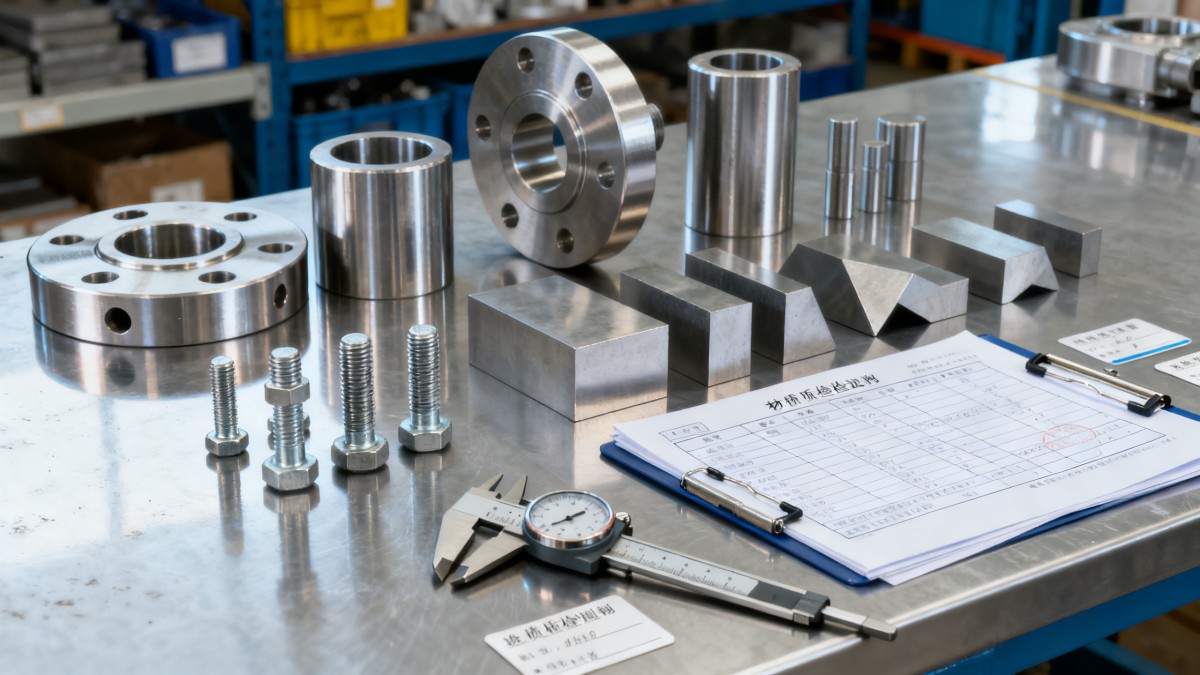
Industrial sourcing has become more complex. Product lifecycles are longer, but supply chains are less predictable. Maintenance teams must balance speed with technical certainty.
For Components & Metals, even small specification gaps matter. A bolt grade, seal material, shaft tolerance, or alloy mismatch may affect reliability under heat, vibration, corrosion, or load.
Another shift is documentation scrutiny. Buyers increasingly expect mill test reports, certificates of conformity, coating records, and dimensional data before approving industrial parts.
This means sourcing decisions now depend on both commercial and engineering signals. Strong suppliers prove quality, not just promise it.
The strongest trend signals in Components & Metals procurement
Several clear signals are reshaping how Components & Metals are evaluated across repair, overhaul, and infrastructure support environments.
- Shorter tolerance for part failure in critical systems
- Higher demand for material traceability and compliance proof
- Greater use of alternative suppliers due to regional disruptions
- More focus on corrosion resistance and lifecycle performance
- Growing need for interchangeable parts across mixed equipment fleets
These signals show a broader move away from reactive buying. Components & Metals are being judged by operational risk, not only availability.
What is driving this shift
What to check before approving Components & Metals
The most effective sourcing reviews follow a practical sequence. Start with application reality, then move into specification proof, supplier capability, and continuity planning.
1. Confirm exact application requirements
Check where the part will operate. Pressure, temperature, media exposure, duty cycle, and load conditions directly influence the right Components & Metals choice.
Do not rely only on an old part number. Installed modifications, field wear, and design updates may have changed the actual requirement.
- Operating environment
- Mechanical stress level
- Surface treatment needs
- Tolerance and finish expectations
2. Verify material grade and metallurgy
Material substitution is one of the biggest risk points in Components & Metals sourcing. Similar-looking alloys can behave very differently under stress or corrosion exposure.
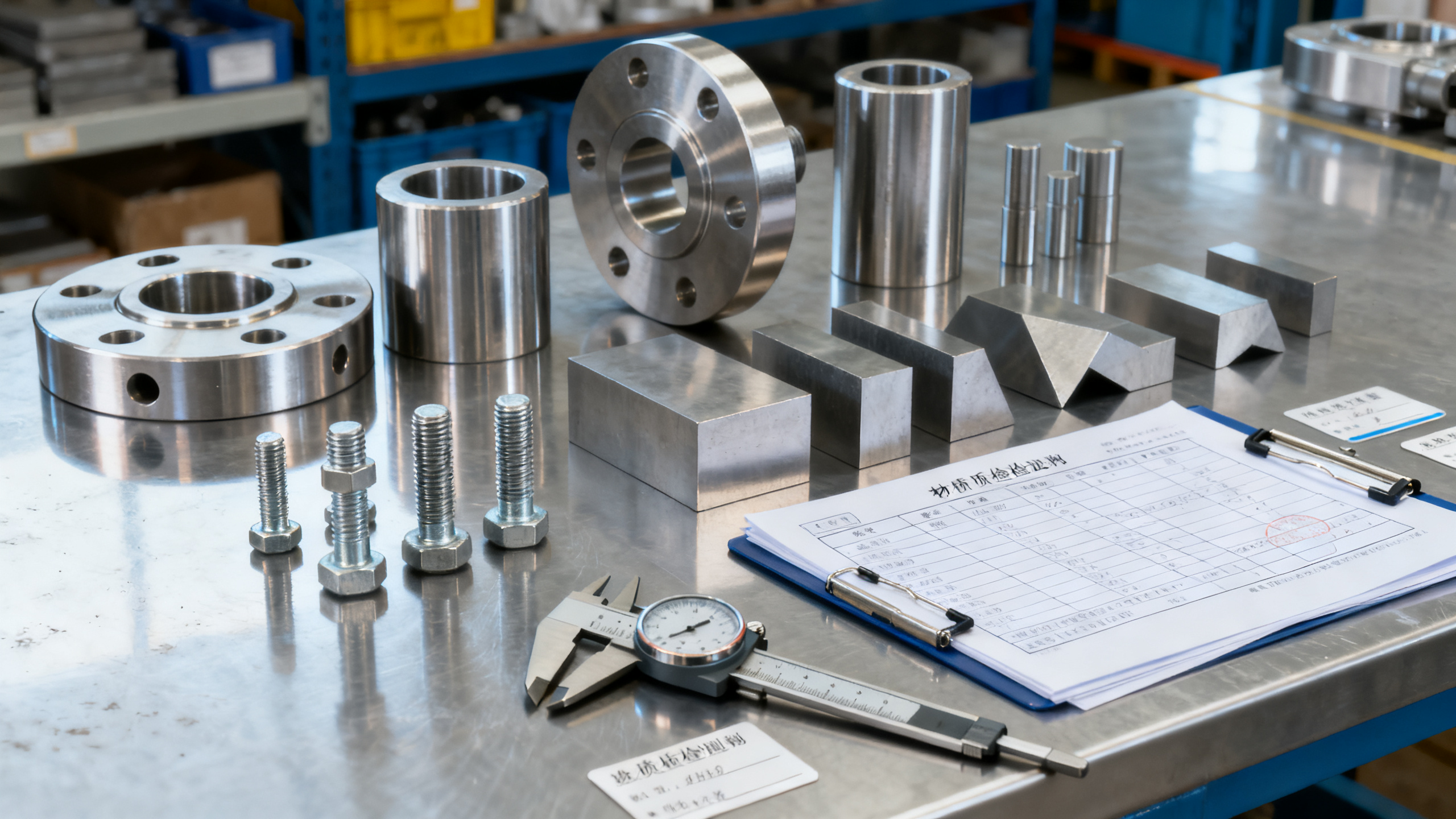
Review alloy grade, hardness range, heat treatment condition, coating system, and chemical composition. Ask for MTRs, test reports, or independent verification when risk is high.
If a replacement metal is proposed, confirm equivalent standards carefully. ASTM, EN, DIN, ISO, and JIS references are not always directly interchangeable.
3. Check dimensions, fit, and tolerance control
Many failures begin with a fit issue, not a material issue. Components & Metals must match required dimensions, tolerance bands, threads, sealing surfaces, and mating interfaces.
Request drawings, inspection sheets, and sample measurements. For rotating or sealing parts, small deviations can quickly produce leakage, vibration, or accelerated wear.
4. Review compliance and certification evidence
Industrial Components & Metals may require conformity to CE, UL, ISO, RoHS, REACH, or sector-specific specifications depending on application and geography.
Documentation should be current, relevant, and tied to the supplied batch. Generic certificates without traceable lot links provide limited protection.
5. Assess supplier process capability
A capable supplier for Components & Metals should show consistent production control, not occasional success. Look for inspection checkpoints, calibration records, and corrective action discipline.
Useful evidence includes first article inspection, PPAP-style documentation, nonconformance handling, and photos of packaging and labeling practice.
How these sourcing changes affect operations and maintenance outcomes
The impact of poor Components & Metals sourcing extends far beyond the purchase order. It affects maintenance planning, reliability metrics, and shutdown risk.
When verification is weak, teams often face repeated interventions. A replacement part may fit initially, yet fail under actual thermal cycling or chemical exposure.
Strong sourcing discipline improves service life prediction. It also reduces emergency buys, duplicate troubleshooting, and the stockpiling of uncertain spare parts.
Common operational consequences of weak checks
- Unplanned downtime from premature failure
- Safety incidents caused by hidden material weakness
- Repeat labor costs from incorrect fit or finish
- Warranty disputes due to missing traceability
- Inventory waste from inconsistent replacement standards
The priority checkpoints that deserve the most attention
Not every purchase requires the same depth of review. Still, several checkpoints consistently matter most when sourcing Components & Metals for industrial continuity.
- Traceability from raw material to delivered batch
- Clear dimensional verification against latest drawings
- Evidence of corrosion, wear, or fatigue suitability
- Documented equivalency when substitutions are offered
- Lead time realism and replenishment continuity
- Packaging that protects surfaces, threads, and finishes
These checks help separate commodity-looking items from mission-critical Components & Metals that deserve tighter control.
A practical evaluation model for future sourcing decisions
A simple review model can improve consistency across future purchases of Components & Metals. Score each candidate source across technical, quality, and continuity dimensions.
What to do next before placing an order
Build a pre-order checklist for all critical Components & Metals. Include application data, drawing revision, material grade, certification needs, and approved substitution rules.
For high-risk items, request samples or first-batch inspection before full release. For recurring items, track actual field performance and feed that data into future source approval.
The best sourcing outcomes come from combining engineering validation with supplier transparency. That approach reduces uncertainty and helps industrial systems run longer with fewer interruptions.
If current sourcing reviews still focus mainly on price, now is the time to tighten the process. Better Components & Metals decisions begin with better checks.
Technical Specifications
- How to Select Electronic Hotel Key Card Locks for Guest Rooms and Staff AreasAuthor :Safety Compliance Lead
- How to Select Lab Instruments for Reliable Chemical Analysis WorkflowsAuthor :Precision Metrology Expert
- How to Size a UPS for Server Rooms: Load, Runtime, and Redundancy FactorsAuthor :Grid Infrastructure Analyst
Expert Insights

Chief Security Architect
Dr. Thorne specializes in the intersection of structural engineering and digital resilience. He has advised three G7 governments on industrial infrastructure security.
Related Analysis
- Sep 17, 2026How to Select Electronic Hotel Key Card Locks for Guest Rooms and Staff AreasAuthor :Safety Compliance Lead
- Sep 16, 2026How to Select Lab Instruments for Reliable Chemical Analysis WorkflowsAuthor :Precision Metrology Expert
- Sep 15, 2026How to Size a UPS for Server Rooms: Load, Runtime, and Redundancy FactorsAuthor :Grid Infrastructure Analyst
Core Sector // 01
Security & Safety
- Selecting Low-Friction Pneumatic Seals for High-Cycle, Low-Pressure CylindersAuthor :Heavy Industry Strategist

- Selecting Spherical Roller Bearings for Mining: Load, Contamination, and Service LifeAuthor :Heavy Industry Strategist

- Do Deep Groove Ball Bearings Need Special Seals in Coastal Humidity?Author :Heavy Industry Strategist

- How to Select Anti Vibration Rubber Shock Absorbers for Machinery and EquipmentAuthor :Heavy Industry Strategist

- When to Specify Induction Hardened Slewing Ring Bearings for Heavy-Duty EquipmentAuthor :Heavy Industry Strategist

- How to Evaluate Weather Resistant EPDM Extrusion for Outdoor Sealing ApplicationsAuthor :Heavy Industry Strategist

- Bearing and Seal Lead Times Stretch to 22 WeeksAuthor :Heavy Industry Strategist

- Angular Contact Ball Bearings Explained: Contact Angle, Load Capacity, and Common UsesAuthor :Heavy Industry Strategist