India Imposes 3-Month Zero-Tariff on Industrial Bearings, Metal Profiles
Author
Date Published
Reading Time
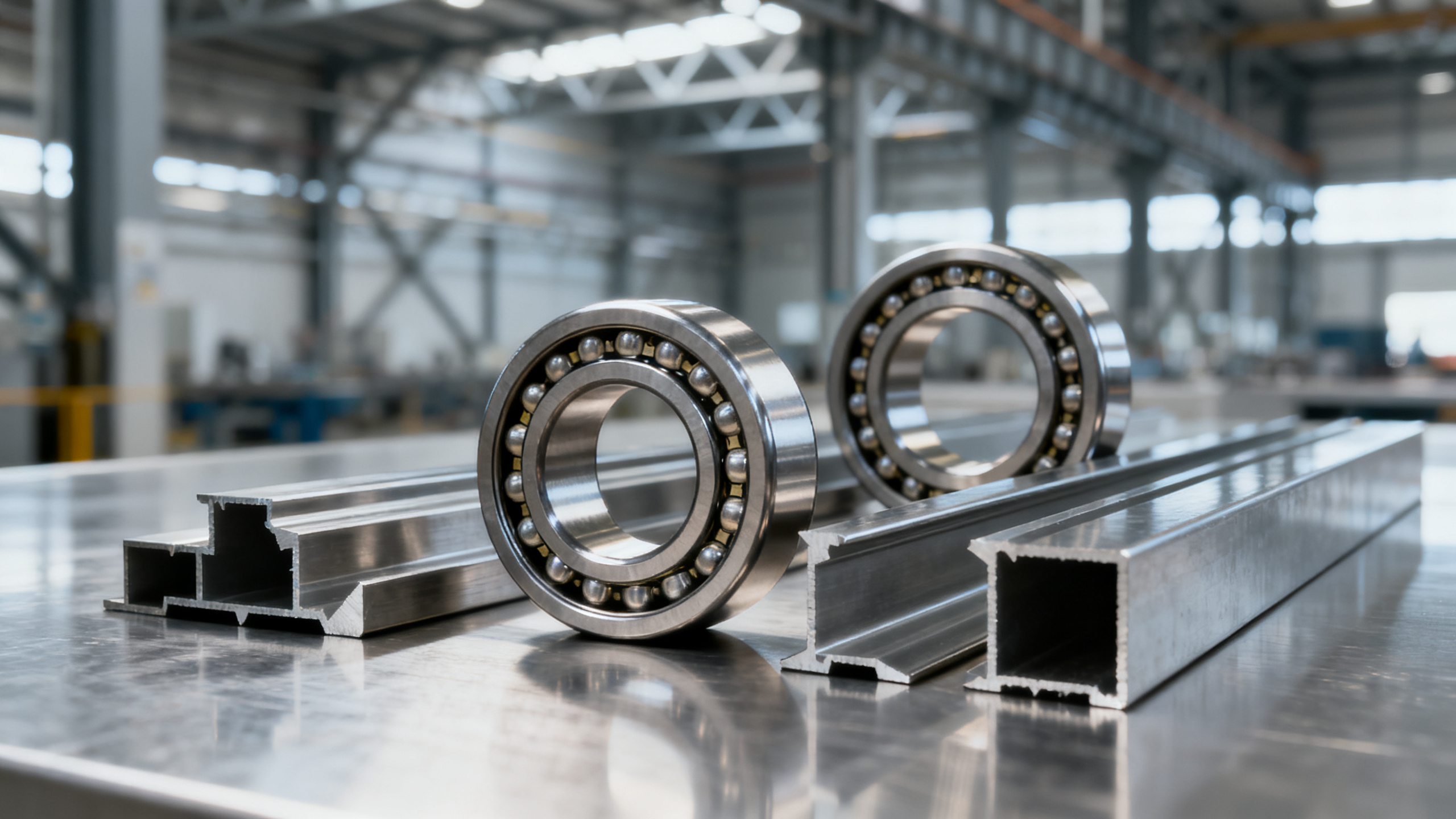
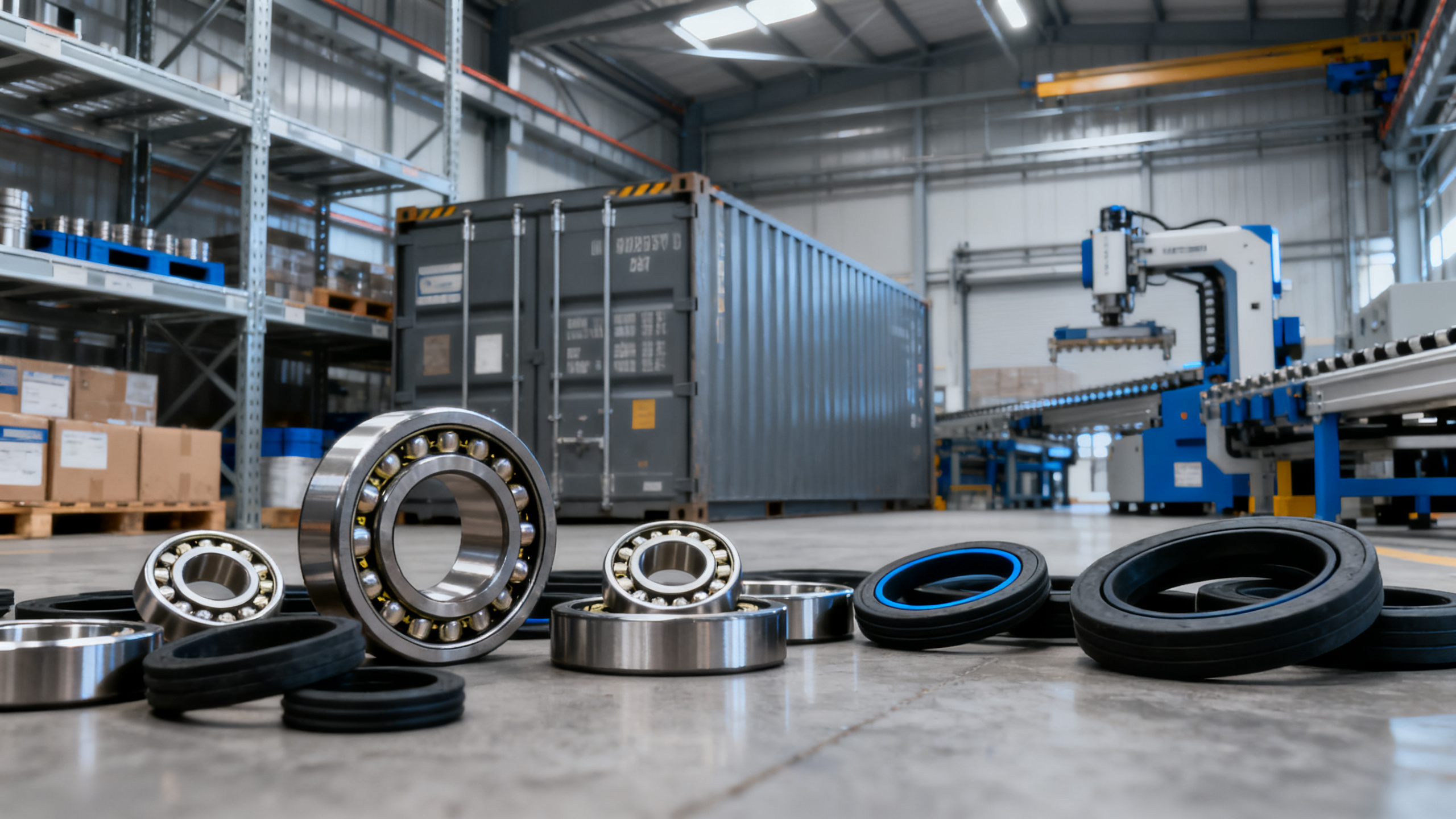
On May 1, 2026, the Indian Ministry of Finance announced a temporary zero-tariff measure covering 137 HS codes—including seamless steel tubes (7304–7306), rolling bearings (8482), and transmission shafts (8483)—effective for three months through July 31, 2026. The move responds to acute shortages of structural steel and mechanical components in ongoing infrastructure projects, creating a short-term export opportunity for qualified global suppliers, particularly those from China specializing in industrial bearings and metal profiles.
Event Overview
The Indian Ministry of Finance issued an official notification on May 1, 2026, instituting a time-bound tariff suspension for 137 tariff lines under the Harmonized System. The exemption applies exclusively to imports falling under HS codes 7304–7306 (seamless tubes), 8482 (rolling bearings), 8483 (transmission shafts), and 134 additional related codes. The measure is strictly limited to the period from May 1, 2026, to July 31, 2026. No extension or retroactive application is indicated in the original notice.
Impact on Specific Industry Segments
Direct Exporters (e.g., Chinese manufacturers of steel profiles and bearings): These firms face immediate eligibility for duty-free market access into India—provided their products match the listed HS codes and comply with Indian import documentation requirements. Impact manifests as reduced landed cost, improved price competitiveness against regional suppliers, and compressed quotation-to-shipment timelines during the window period.
Raw Material Procurement Firms (e.g., Indian distributors sourcing billets, bearing-grade steel, or precision-machined blanks): While not direct beneficiaries, such firms may experience tighter upstream supply as global exporters prioritize higher-margin, tariff-free shipments. This could pressure local procurement lead times and margin compression for non-qualifying grades or specifications.
Domestic Fabricators & OEMs (e.g., Indian construction equipment assemblers or railway rolling stock manufacturers): These entities gain short-term relief on critical input costs—especially for seamless tubes used in piling and bearings deployed in gearboxes and axle systems. However, the 3-month horizon limits long-term planning; any project requiring extended component integration cycles may still face post-July cost volatility.
Logistics & Trade Facilitation Providers (e.g., customs brokers, bonded warehouse operators, freight forwarders handling India-bound steel/bearing consignments): Demand for expedited classification verification, HS code alignment checks, and pre-arrival documentation support is expected to rise sharply in May–June 2026. Service providers must ensure real-time awareness of Indian Customs’ updated tariff schedule annexes and verify origin certification validity per the exemption criteria.
Key Considerations and Recommended Actions for Stakeholders
Verify HS Code Alignment Before Shipment
Exporters must cross-check product specifications against the exact HS subheadings listed—not just chapter-level codes. For example, HS 8482 covers only specific types of rolling bearings; plain bushings or fluid-film bearings fall outside scope. Misclassification risks customs rejection or tariff reapplication.
Secure Valid Certificate of Origin Early
Although tariffs are suspended, Indian Customs retains authority to request proof of origin under preferential trade frameworks. Exporters should prepare Form A or equivalent certified documents well ahead of shipment—especially given potential processing delays at major ports like Mundra or Chennai.
Assess Inventory Timing Against the Sunset Date
Given the July 31, 2026 expiry, consignments arriving after that date—even if shipped before—may be subject to standard MFN duties. Stakeholders should model shipping lead times, port clearance windows, and inland transport schedules to avoid post-expiry exposure.
Monitor for Potential Extension or Sectoral Expansion
No formal indication of renewal exists in the May 1 notice. However, industry observers note that previous short-term exemptions (e.g., 2023 solar cell duty suspension) were extended following stakeholder consultations. Firms should track announcements from India’s Directorate General of Foreign Trade (DGFT) and Ministry of Commerce.
Editorial Insight / Industry Observation
Analysis shows this measure is less a strategic trade liberalization step and more a tactical supply-chain stabilization tool—aligned with India’s current fiscal-year infrastructure acceleration push. Observably, the selected HS codes reflect bottlenecks identified in National Infrastructure Pipeline reports: seamless tubes for urban metro viaducts, and high-load bearings for wind turbine gearboxes and freight locomotives. From an industry perspective, the narrow 3-month duration suggests policymakers intend to buy time for domestic capacity ramp-up—not replace it. Current more relevant interpretation is that this window serves as a stress test for Indian importers’ ability to diversify sourcing without tariff scaffolding.
Conclusion
This targeted, time-bound tariff suspension offers measurable but finite relief for select export-oriented manufacturers and downstream Indian users. It does not signal broader trade policy shift—but rather underscores how infrastructure execution timelines increasingly drive discrete, operational trade interventions. Rational assessment indicates stakeholders should treat the period as a calibrated opportunity—not a structural inflection point.
Source Attribution
Official Notification No. 21/2026-Customs (N.T.), issued by the Ministry of Finance, Government of India, effective May 1, 2026. Full list of applicable HS codes published in Annexure-I of the notification. Ongoing monitoring advised for DGFT circulars on implementation guidelines and potential amendments.
Technical Specifications
- How to Select Electronic Hotel Key Card Locks for Guest Rooms and Staff AreasAuthor :Safety Compliance Lead
- How to Select Lab Instruments for Reliable Chemical Analysis WorkflowsAuthor :Precision Metrology Expert
- How to Size a UPS for Server Rooms: Load, Runtime, and Redundancy FactorsAuthor :Grid Infrastructure Analyst
Expert Insights

Chief Security Architect
Dr. Thorne specializes in the intersection of structural engineering and digital resilience. He has advised three G7 governments on industrial infrastructure security.
Related Analysis
- Sep 17, 2026How to Select Electronic Hotel Key Card Locks for Guest Rooms and Staff AreasAuthor :Safety Compliance Lead
- Sep 16, 2026How to Select Lab Instruments for Reliable Chemical Analysis WorkflowsAuthor :Precision Metrology Expert
- Sep 15, 2026How to Size a UPS for Server Rooms: Load, Runtime, and Redundancy FactorsAuthor :Grid Infrastructure Analyst
Core Sector // 01
Security & Safety
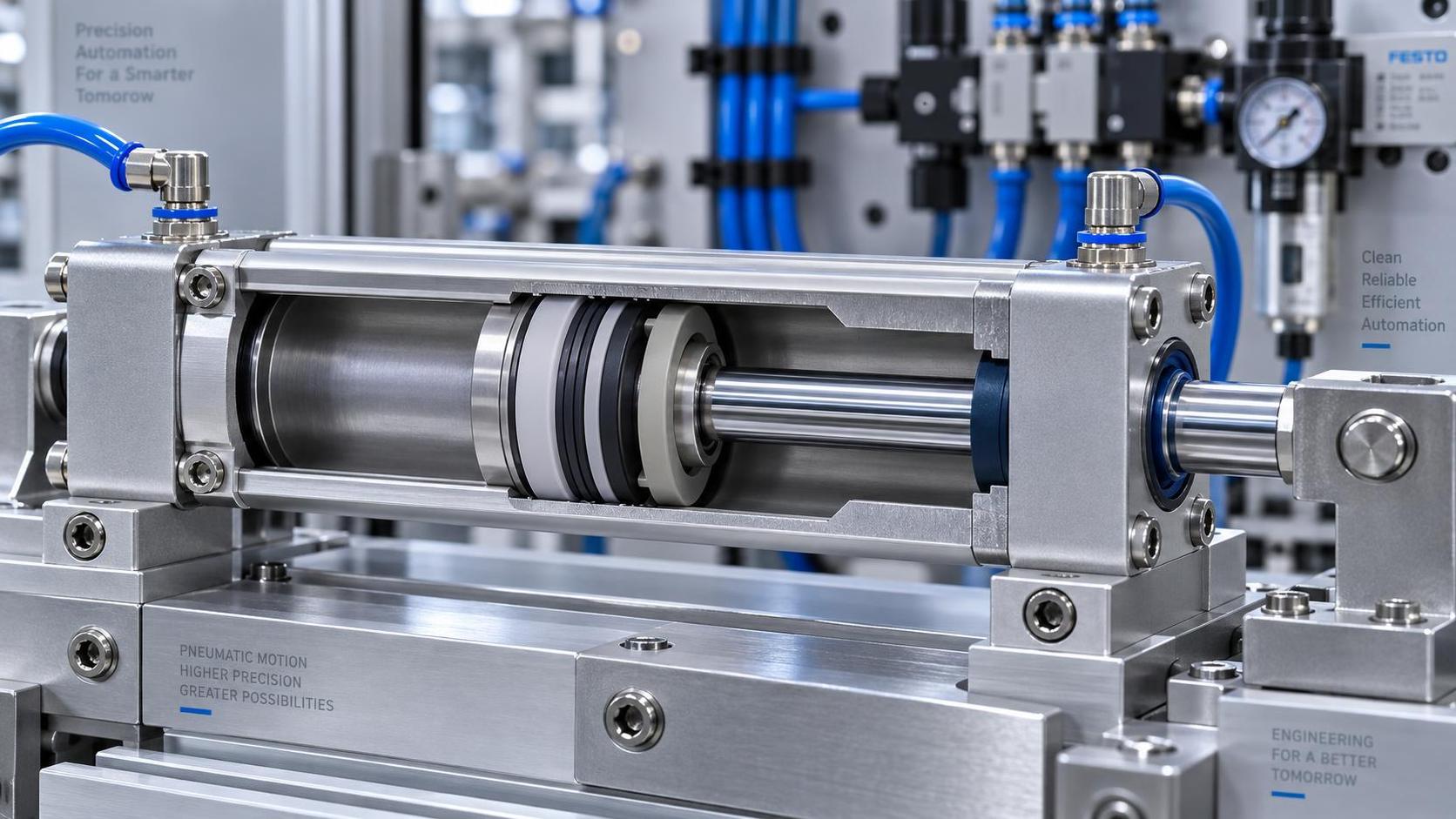
- Selecting Low-Friction Pneumatic Seals for High-Cycle, Low-Pressure CylindersAuthor :Heavy Industry Strategist

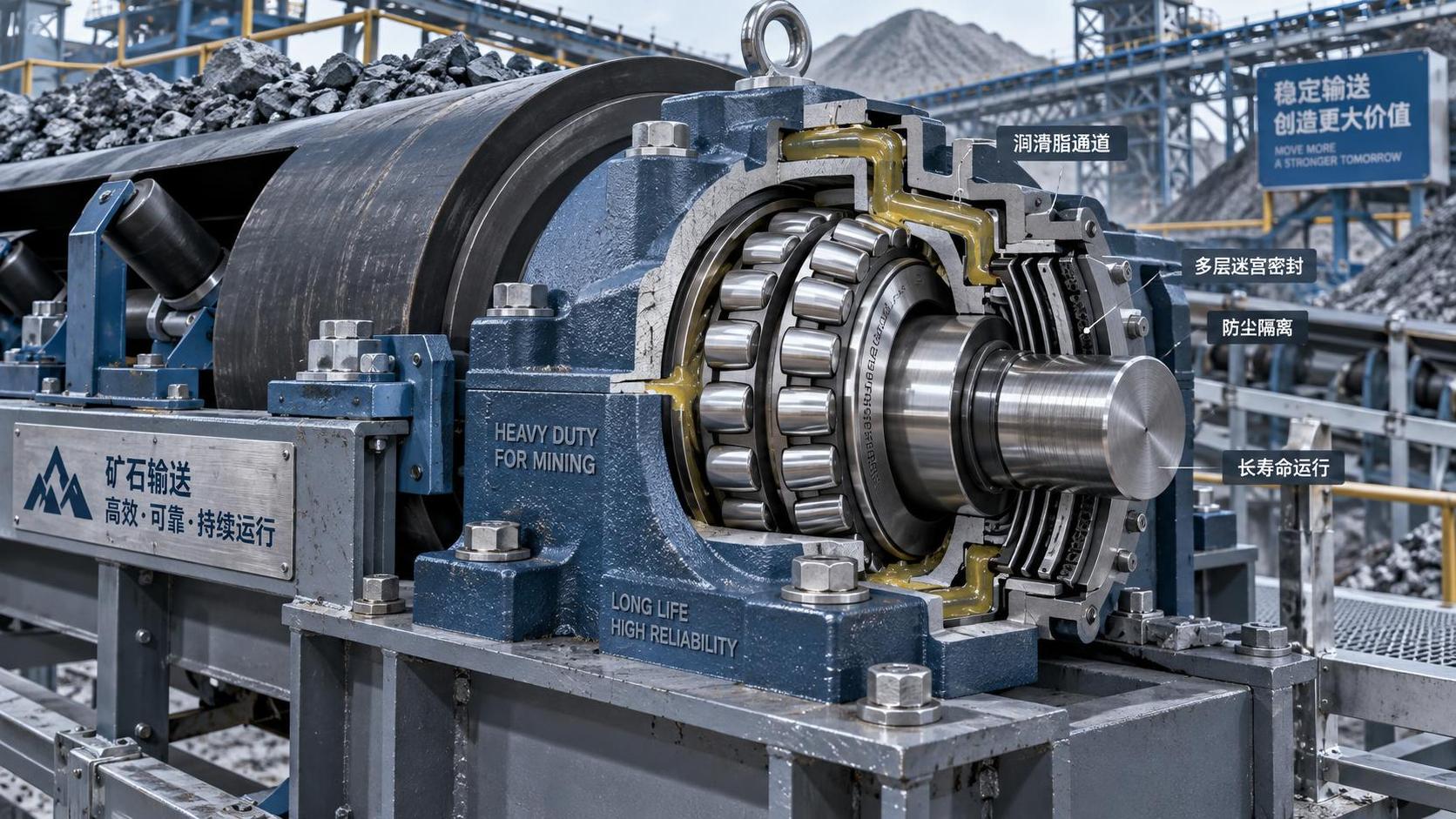
- Selecting Spherical Roller Bearings for Mining: Load, Contamination, and Service LifeAuthor :Heavy Industry Strategist

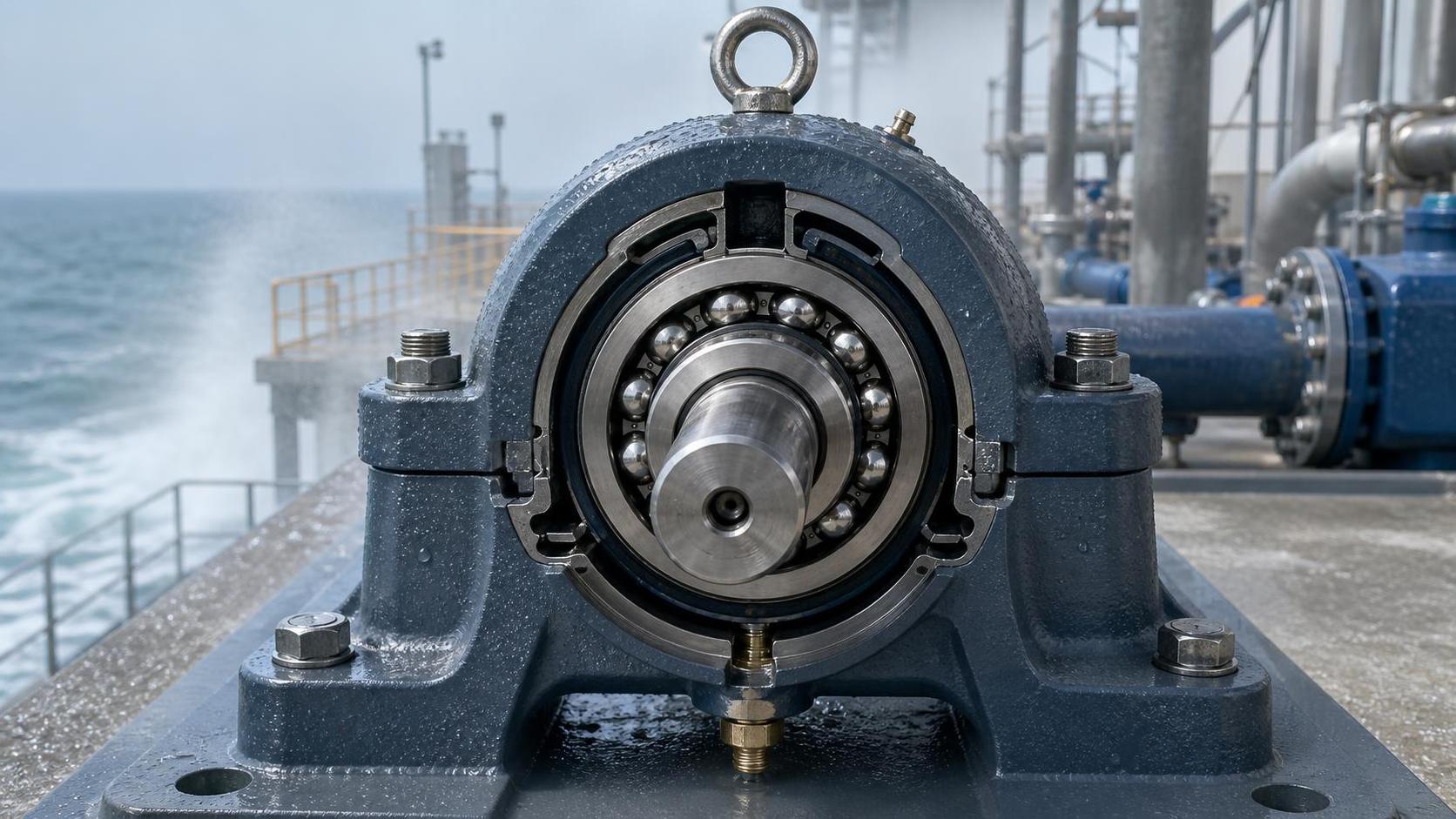
- Do Deep Groove Ball Bearings Need Special Seals in Coastal Humidity?Author :Heavy Industry Strategist

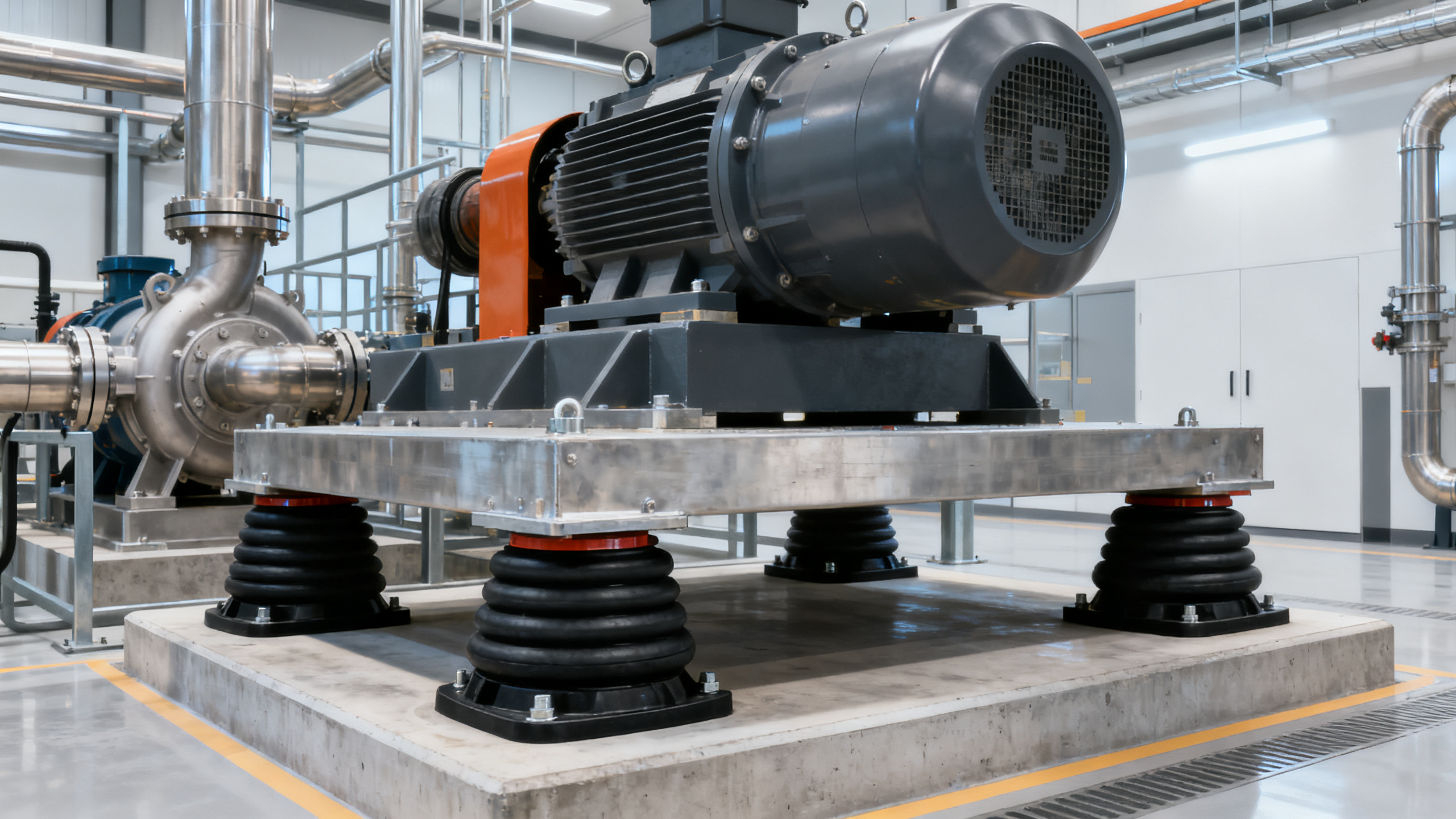
- How to Select Anti Vibration Rubber Shock Absorbers for Machinery and EquipmentAuthor :Heavy Industry Strategist

- When to Specify Induction Hardened Slewing Ring Bearings for Heavy-Duty EquipmentAuthor :Heavy Industry Strategist

- How to Evaluate Weather Resistant EPDM Extrusion for Outdoor Sealing ApplicationsAuthor :Heavy Industry Strategist

- Bearing and Seal Lead Times Stretch to 22 WeeksAuthor :Heavy Industry Strategist

- Angular Contact Ball Bearings Explained: Contact Angle, Load Capacity, and Common UsesAuthor :Heavy Industry Strategist