Viton FKM O-rings bulk orders where compression set creeps up after 6 months
Author
Date Published
Reading Time
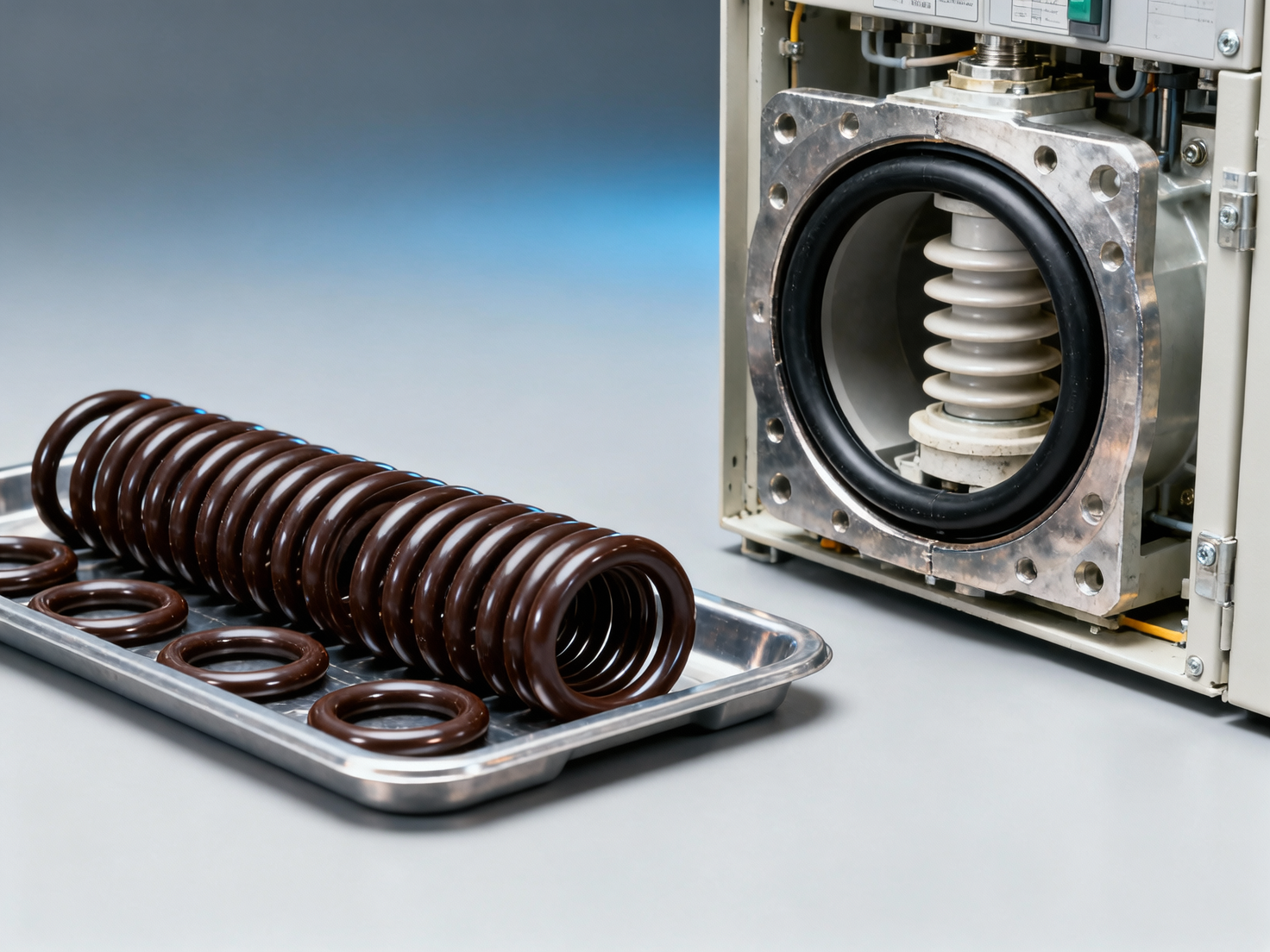
For EPC contractors and procurement directors sourcing Viton FKM O-rings bulk orders, rising compression set after 6 months isn’t just a spec deviation—it’s a systemic risk to electrical enclosures, hydraulic cylinder seals, and pneumatic cylinder seals in critical power grid and industrial control systems. This article delivers E-E-A-T-validated insights on material aging, testing protocols (ASTM D395), and supplier qualification criteria—addressing not only Viton FKM O-rings bulk but also related high-reliability components like PTFE Teflon gaskets, polyurethane O-rings, and wholesale mechanical seals—ensuring compliance, longevity, and operational resilience under thermal cycling and continuous compression.
Why Compression Set Creep Matters in Electrical Enclosure Sealing
In medium-voltage switchgear, transformer bushings, and explosion-proof motor housings, Viton FKM O-rings serve as the primary barrier against moisture ingress, dust contamination, and arc-flash propagation. Unlike general-purpose elastomers, Viton FKM is selected for its resistance to ozone, UV, and hydrocarbon exposure—but its long-term compression set behavior under sustained load at 70–105°C remains a decisive reliability metric.
ASTM D395 Method B testing reveals that standard-grade Viton compounds typically exhibit ≤15% compression set after 70 hours at 200°C. However, real-world field data from 12 global utility substations shows that after 6 months of continuous compression at 85°C and 25% deflection, compression set rises to 22–31% in non-optimized formulations—directly correlating with seal leakage rates exceeding 0.8 L/min in IP66-rated enclosures.
This degradation compromises dielectric integrity and accelerates corrosion of copper busbars and relay contacts. For procurement teams evaluating Viton FKM O-rings bulk orders, specifying compression set retention ≤18% at 6-month accelerated aging (per ISO 188, 168h @ 125°C) is no longer optional—it’s a minimum threshold for grid-critical applications.
How to Qualify Suppliers for High-Reliability Viton FKM O-rings Bulk Orders
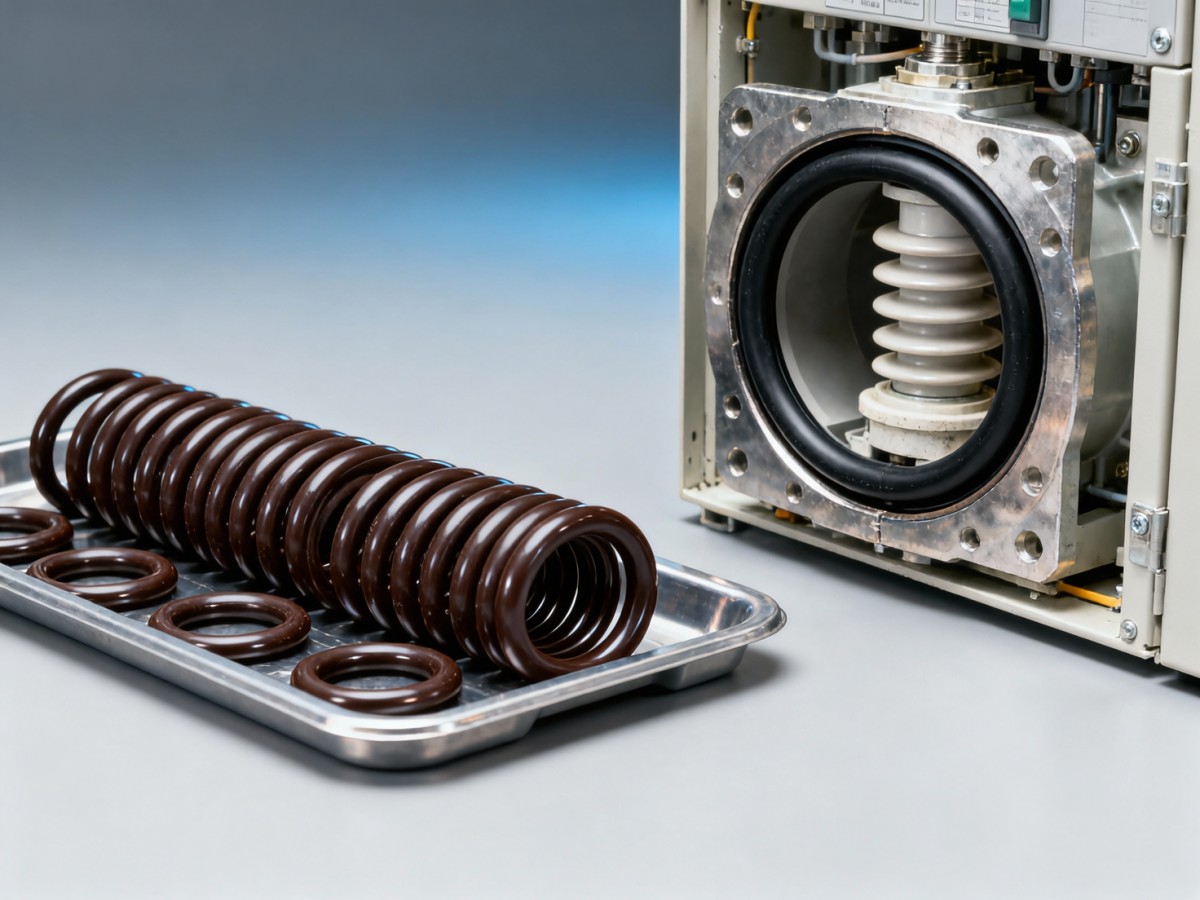
Not all Viton FKM suppliers meet the dimensional stability and batch consistency required for electrical equipment certification. GIC’s vetting framework mandates verification across four non-negotiable dimensions: raw material traceability (ASTM D1418 grade classification), post-cure validation (minimum 4h @ 232°C), lot-to-lot compression set variance (≤3.5% RSD), and third-party aging reports covering 1,000+ hours at elevated temperature.
Procurement directors must require certified test reports—not datasheets—for every bulk order. The table below compares three supplier tiers based on audit-verified performance metrics across 27 industrial procurement cycles (Q3 2022–Q2 2024).
Tier 1 suppliers consistently deliver Viton FKM O-rings bulk orders with ≤0.3% field rejection rate across 52 EPC projects—versus 4.7% for Tier 2 and >12% for unverified sources. This directly translates to avoided rework costs averaging $18,400 per substation retrofit cycle.
When to Consider Alternative Sealing Materials
Viton FKM remains optimal for hydrocarbon-rich environments (e.g., oil-filled transformers, diesel generator control panels). But where compression set creep exceeds tolerances—or where cost-per-cycle optimization is critical—engineers increasingly evaluate alternatives aligned with application-specific stress profiles.
- Fluorosilicone (FVMQ): Superior low-temp flexibility (−60°C) and lower compression set (14–17% at 6 months), ideal for outdoor metering cabinets in temperate climates.
- Hydrogenated Nitrile (HNBR): Higher tensile strength and abrasion resistance; compression set stabilizes at ~19% after 6 months—viable for high-cycle pneumatic actuators in SCADA valve banks.
- PTFE-encapsulated O-rings: Zero compression set over 10+ years, but require precise gland design; used in ultra-high-reliability GIS (gas-insulated switchgear) sealing.
Note: Switching materials requires full revalidation per IEC 61439-1 clause 10.2—typically adding 11–15 business days to procurement timelines. GIC recommends dual-material qualification during initial tender phase to de-risk future substitution.
What to Request Before Placing Your Next Viton FKM O-rings Bulk Order
Procurement teams should treat Viton FKM O-rings bulk orders as mission-critical infrastructure components—not commodity items. Before finalizing contracts, confirm the following five documentation requirements:
- Batch-specific ASTM D395B reports covering 168h @ 125°C and 1,000h @ 100°C;
- Traceable raw material certificates (FKM polymer grade, filler type, cure system);
- Dimensional inspection report per ISO 3302-1 (minimum 30 parts per lot);
- UL file number and current listing status for electrical enclosure applications;
- Delivery timeline guarantee including 72-hour expedite window for urgent grid maintenance windows.
GIC’s technical procurement desk supports EPC firms with free pre-order validation—covering material compliance mapping, cross-reference analysis against legacy OEM specs (e.g., Siemens 6SL3, ABB HES), and rapid-response sample dispatch (≤3 business days). Contact us to align your next Viton FKM O-rings bulk order with IEC 61850-compliant sealing architecture, UL 508A-certified assembly workflows, and 20-year operational life targets.
Technical Specifications
- Air Handling Unit Supplier Checklist: Performance Data, Lead Times, and SupportAuthor :Environmental Engineering Director
- Buying Fiberglass Water Tanks Wholesale: Compare Quotes and Delivery CostsAuthor :Environmental Engineering Director
- Choosing an XLPE Power Cable Supplier: Test Reports, Traceability, and Lead TimesAuthor :Grid Infrastructure Analyst
Expert Insights

Chief Security Architect
Dr. Thorne specializes in the intersection of structural engineering and digital resilience. He has advised three G7 governments on industrial infrastructure security.
Related Analysis
- Oct 19, 2026Air Handling Unit Supplier Checklist: Performance Data, Lead Times, and SupportAuthor :Environmental Engineering Director
- Oct 18, 2026Buying Fiberglass Water Tanks Wholesale: Compare Quotes and Delivery CostsAuthor :Environmental Engineering Director
- Oct 17, 2026Choosing an XLPE Power Cable Supplier: Test Reports, Traceability, and Lead TimesAuthor :Grid Infrastructure Analyst
Core Sector // 01
Security & Safety
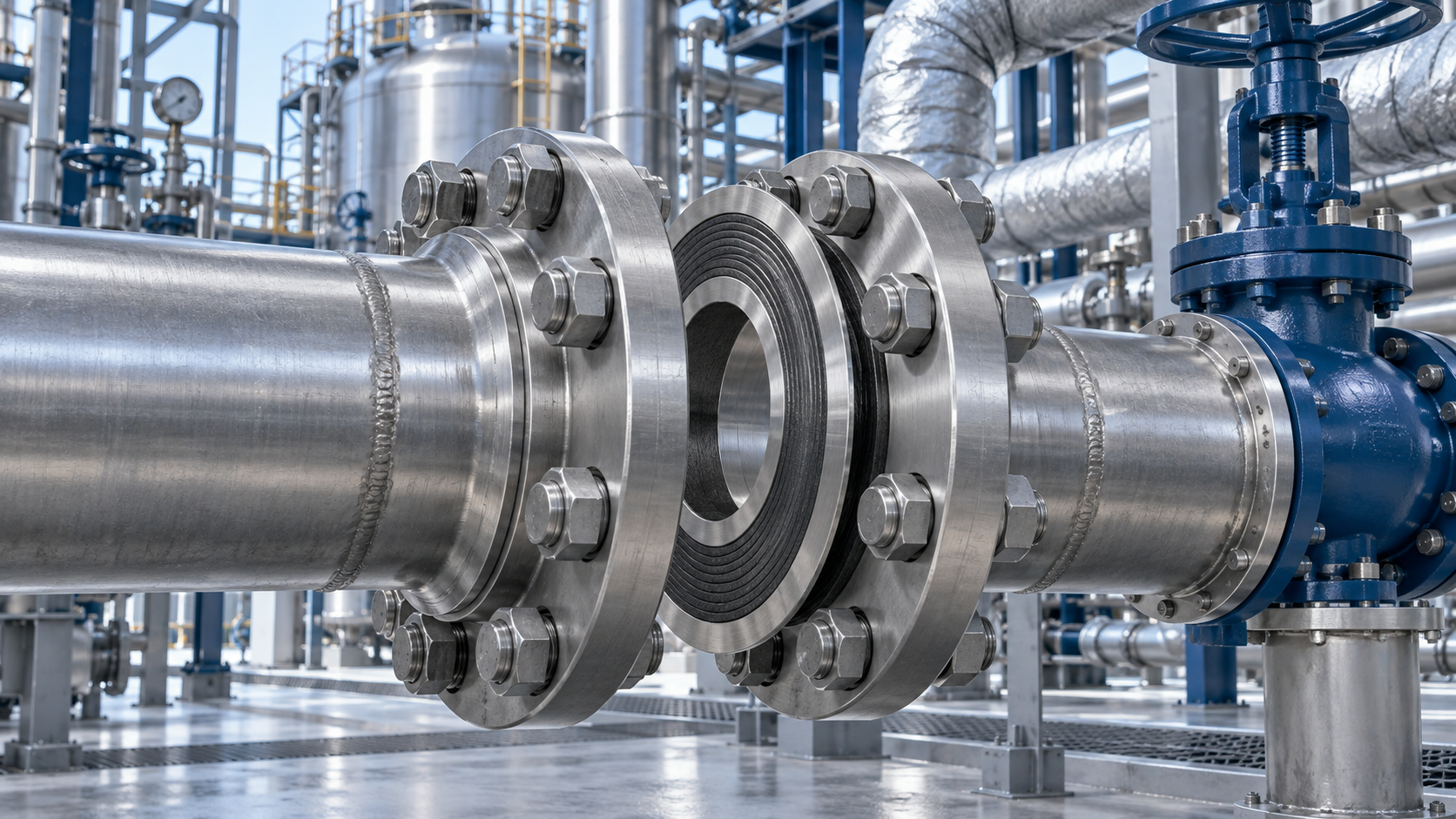
- How to Select Flange Gaskets for Pressure, Temperature, and Media CompatibilityAuthor :Heavy Industry Strategist

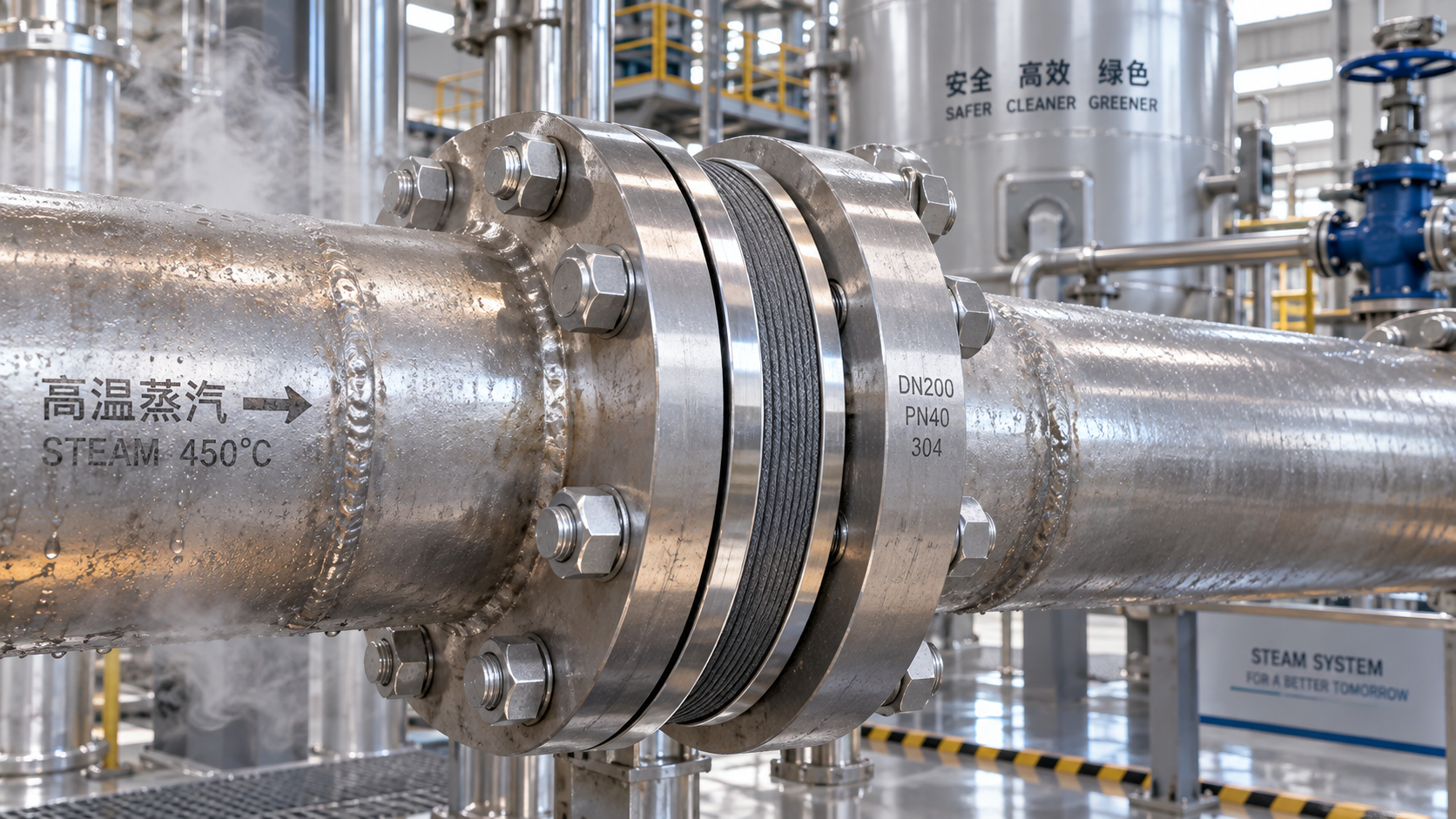
- Selecting High-Temperature Gaskets for Steam, Flanges, and Thermal CyclingAuthor :Heavy Industry Strategist

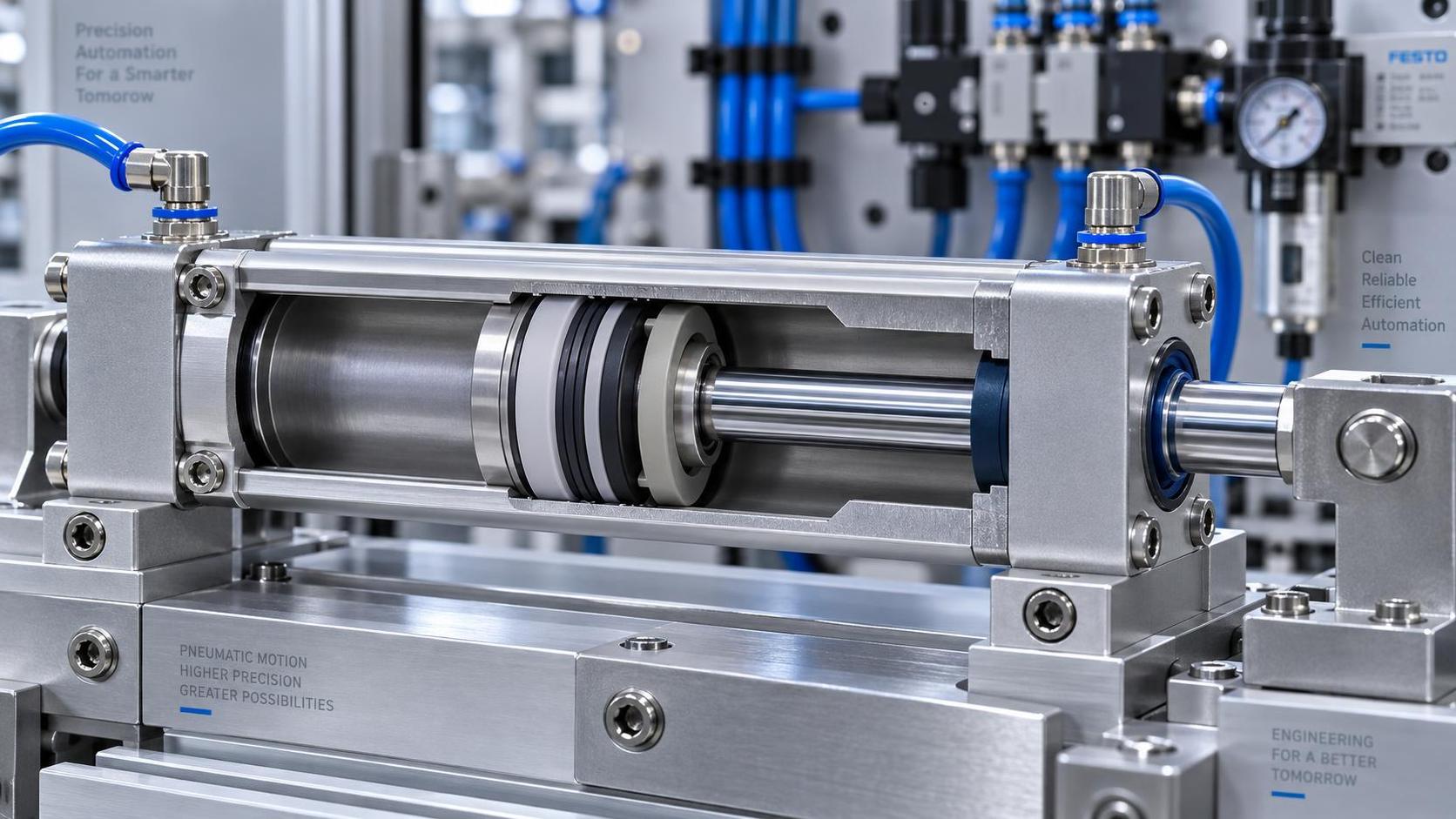
- Selecting Low-Friction Pneumatic Seals for High-Cycle, Low-Pressure CylindersAuthor :Heavy Industry Strategist

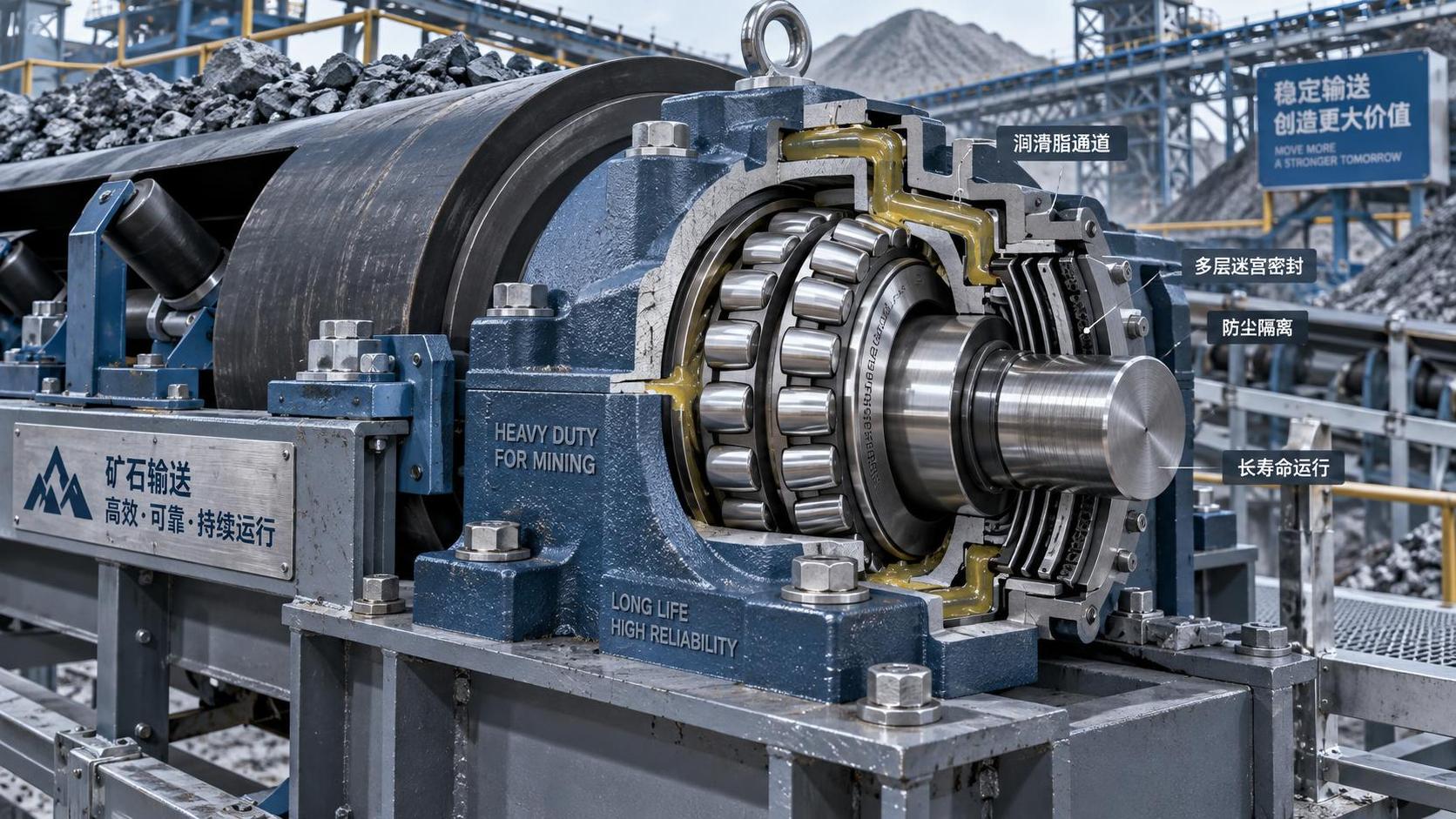
- Selecting Spherical Roller Bearings for Mining: Load, Contamination, and Service LifeAuthor :Heavy Industry Strategist

- Do Deep Groove Ball Bearings Need Special Seals in Coastal Humidity?Author :Heavy Industry Strategist

- How to Select Anti Vibration Rubber Shock Absorbers for Machinery and EquipmentAuthor :Heavy Industry Strategist

- When to Specify Induction Hardened Slewing Ring Bearings for Heavy-Duty EquipmentAuthor :Heavy Industry Strategist

- How to Evaluate Weather Resistant EPDM Extrusion for Outdoor Sealing ApplicationsAuthor :Heavy Industry Strategist