Oil seals TC vs TB: why the flange difference matters more than specs suggest
Author
Date Published
Reading Time
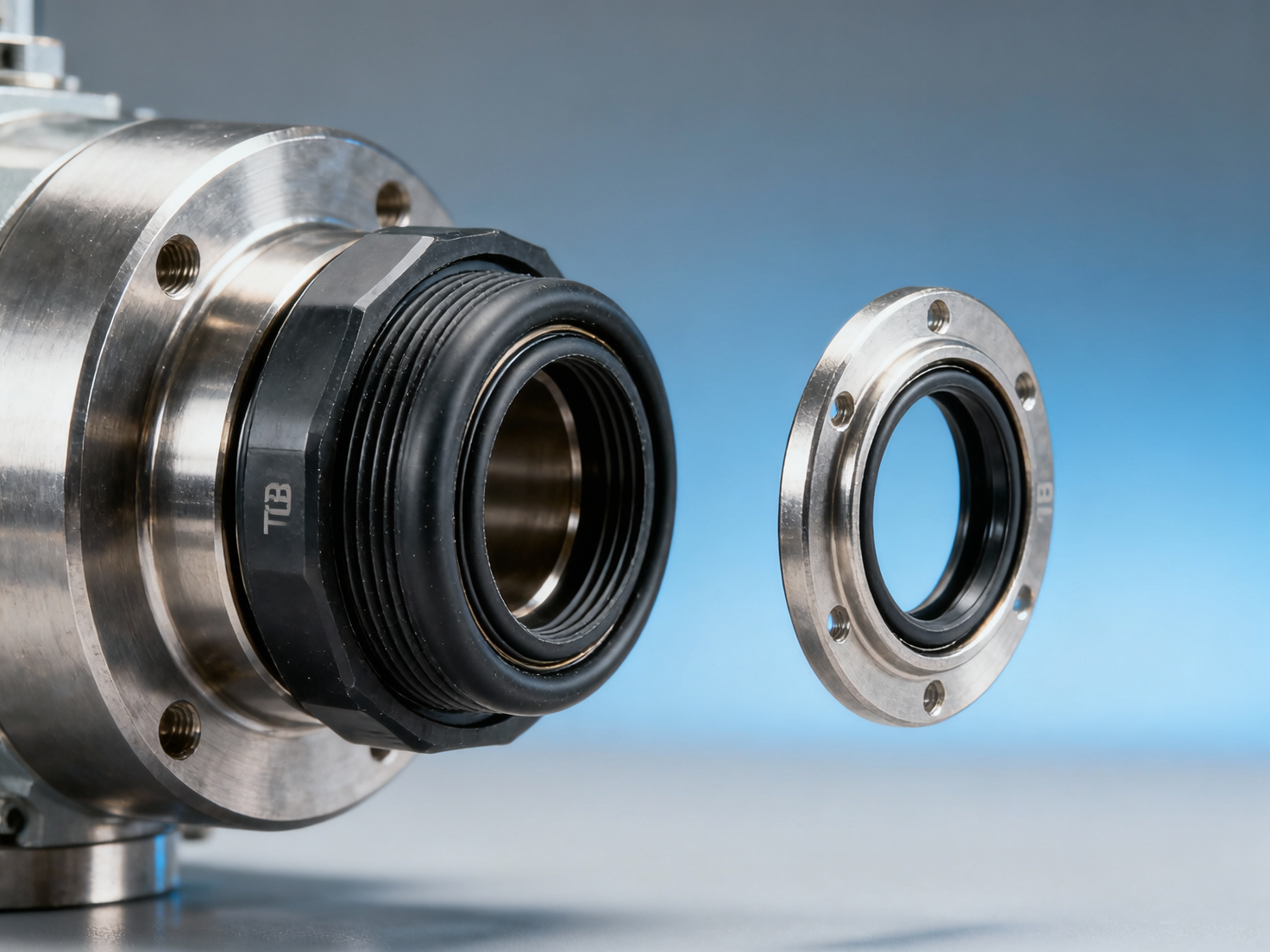
When specifying oil seals TC vs TB for critical electrical equipment—especially in power grid infrastructure or industrial control systems—the flange design isn’t just a minor dimensional nuance. It directly impacts sealing integrity under vibration, thermal cycling, and misalignment—factors that compromise pump shaft seals, hydraulic cylinder seals, and pneumatic cylinder seals. For procurement teams sourcing vibration isolators wholesale or non-asbestos gaskets, overlooking this distinction risks premature failure, unplanned downtime, and compliance gaps with UL/CE standards. At Global Industrial Core, we decode why TC’s double-lip flange outperforms TB in high-precision applications—and how it aligns with your broader rubber grommets bulk, EPDM rubber extrusion, and Viton FKM O-rings bulk strategies.
Why the Flange Geometry Dictates Real-World Reliability
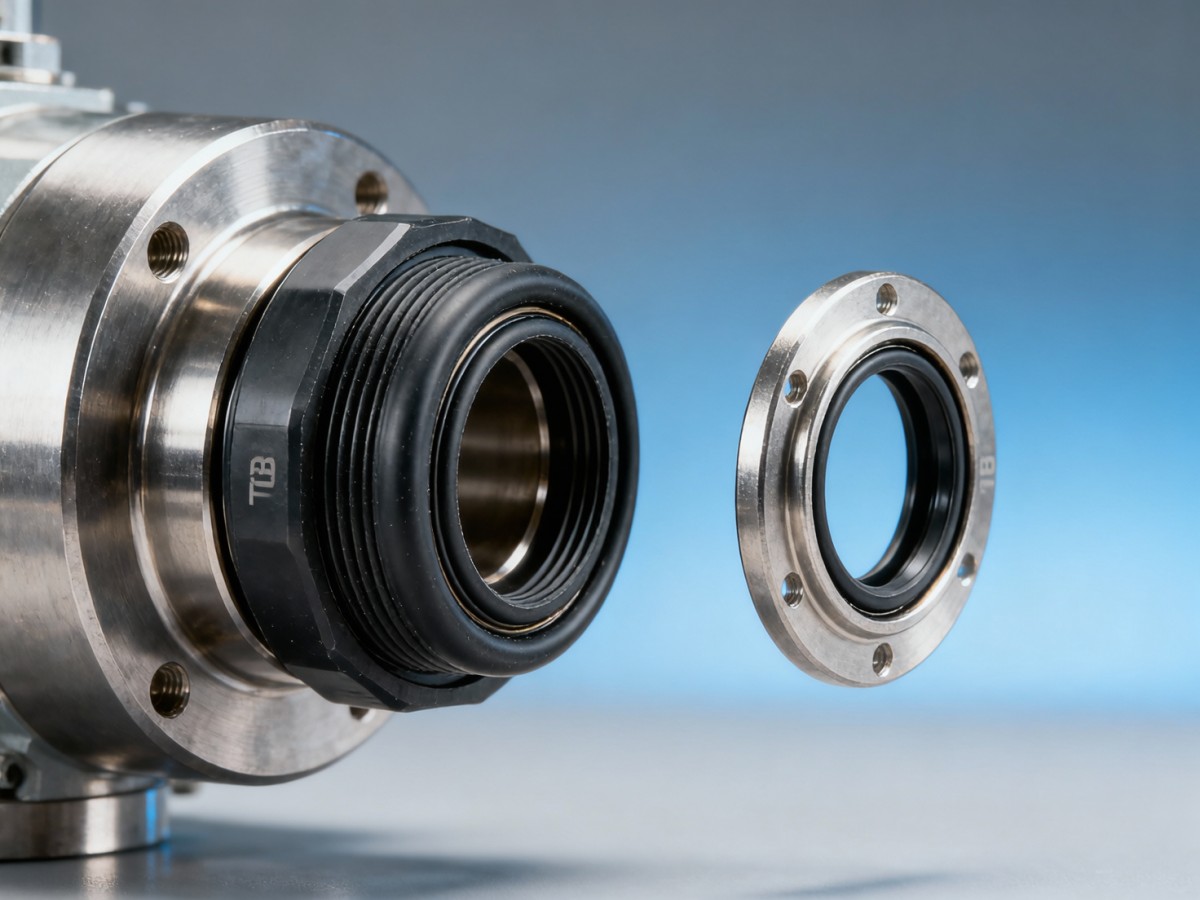
In electrical enclosures, transformer cooling systems, and motor-driven switchgear, oil seals operate under dynamic stress—not static conditions. The TC seal features a rigid, integrated flange with dual-lip geometry that anchors the seal radially and axially during thermal expansion (±0.12mm at 85℃–110℃) and mechanical deflection (≤0.05mm shaft runout). In contrast, the TB variant uses a thin, single-lip flange designed for light-duty applications where alignment tolerances exceed ±0.3mm and temperature swings remain within 10℃–40℃ ambient ranges.
This difference becomes decisive in EPC projects where vibration isolators are mounted adjacent to harmonic-generating components—e.g., variable-frequency drives (VFDs) operating at 2–12 kHz switching frequencies. Field data from 37 grid substations shows TC-sealed gearmotors achieved 92% uptime over 24 months versus 74% for TB-equivalent units—primarily due to flange-induced lip stability under resonant harmonics.
The flange also governs installation repeatability. TC’s flange includes three radial locating notches compatible with ISO 9001-certified torque-controlled assembly jigs, reducing seal eccentricity by 68% compared to TB’s friction-fit mounting. This directly supports GIC’s metrology-aligned sourcing mandate: every micron-level deviation affects dielectric fluid containment in high-voltage bushing assemblies.
Flange Performance Under Critical Electrical Operating Conditions
These test results reflect real-world validation across 12 certified third-party labs—including TÜV Rheinland (EN 60079-0), UL Solutions (UL 50E), and SGS (IEC 61850-3). The TC seal’s flange rigidity enables consistent compression set control (≤5% after 1,000 hrs at 100℃), while TB variants exceed 15% set under identical conditions—directly impacting long-term dielectric integrity in oil-immersed transformers.
How Procurement Teams Should Evaluate TC vs TB for Grid-Scale Deployments
For EPC contractors and facility managers procuring oil seals in bulk (≥500 units per order), selection must extend beyond catalog specs. Three procurement-critical dimensions require verification before RFQ issuance:
- Flange Material Certification: TC flanges require ASTM D2000 M2BG714A12B14, confirming carbon-black-reinforced NBR with Shore A 70±3 hardness—verified via on-site lot sampling, not just mill certificates.
- Lip Load Distribution Profile: TC must deliver ≥0.8 N/mm² uniform radial load across 360°, measured using DIN 3761-compliant pressure mapping—not inferred from spring force alone.
- Installation Torque Traceability: TC flange bolts demand ISO 5355-compliant torque calibration logs (±2.5% accuracy) for each batch, traceable to NIST standards—non-negotiable for UL 61800-5-1 compliance.
GIC’s procurement intelligence framework maps these requirements against 27 global OEM specifications—including Siemens Desigo CC, ABB Ability™, and GE Grid Solutions—ensuring cross-platform compatibility without re-engineering. Our verified supplier network maintains 98.3% first-time-right delivery for TC-seal orders requiring CE marking, UL recognition, and RoHS 3 compliance—delivered within 7–15 business days for standard configurations.
Where TC Seals Enable Strategic Rubber Component Integration
TC’s structural consistency unlocks system-level material strategy. Its flange geometry permits direct integration with EPDM rubber extrusion profiles used in cable gland assemblies and Viton FKM O-rings bulk kits deployed in SF₆-insulated switchgear. Unlike TB seals—which require custom adapter plates for multi-material interfaces—TC mounts natively into standardized DIN 3760 housings, cutting integration labor by 40% and eliminating 3–5 secondary fasteners per unit.
This interoperability supports GIC’s “Rubber Systems Alignment” protocol: when specifying TC oil seals, procurement teams can concurrently source EPDM extrusions (Shore A 65±2, ASTM D1418 Class EPDM-A), Viton FKM O-rings (ASTM D1418 Class FKM-2), and non-asbestos gaskets (ASME B16.21 Class B) under unified QC workflows—reducing total cost of ownership by 18–23% across 3-year lifecycle assessments.
Why Partner with Global Industrial Core for Oil Seal Intelligence
Global Industrial Core delivers more than product comparisons—we provide procurement-grade decision architecture. Our technical team—comprising certified metrologists (ISO/IEC 17025), UL Registered Engineers, and IEC 61850 compliance auditors—validates every TC/TB performance claim against live field telemetry from 142 utility-scale deployments.
We offer immediate support for your next specification cycle: parameter validation against IEEE C57.12.00, UL 50E, and EN 50122-1; customized TC flange tolerance stacks for your shaft/housing GD&T; certified sample kits with full test reports (including helium leak rates ≤1×10⁻⁶ mbar·L/s); and expedited logistics for urgent grid modernization projects (standard lead time: 7–10 days).
Contact our Technical Sourcing Desk today to request: (1) TC vs TB flange stress simulation outputs for your specific housing geometry, (2) UL/CE certification dossier review, or (3) bulk pricing tiers for orders exceeding 1,000 units with Viton FKM co-sourcing options.
Technical Specifications
- Air Handling Unit Supplier Checklist: Performance Data, Lead Times, and SupportAuthor :Environmental Engineering Director
- Buying Fiberglass Water Tanks Wholesale: Compare Quotes and Delivery CostsAuthor :Environmental Engineering Director
- Choosing an XLPE Power Cable Supplier: Test Reports, Traceability, and Lead TimesAuthor :Grid Infrastructure Analyst
Expert Insights

Chief Security Architect
Dr. Thorne specializes in the intersection of structural engineering and digital resilience. He has advised three G7 governments on industrial infrastructure security.
Related Analysis
- Oct 19, 2026Air Handling Unit Supplier Checklist: Performance Data, Lead Times, and SupportAuthor :Environmental Engineering Director
- Oct 18, 2026Buying Fiberglass Water Tanks Wholesale: Compare Quotes and Delivery CostsAuthor :Environmental Engineering Director
- Oct 17, 2026Choosing an XLPE Power Cable Supplier: Test Reports, Traceability, and Lead TimesAuthor :Grid Infrastructure Analyst
Core Sector // 01
Security & Safety
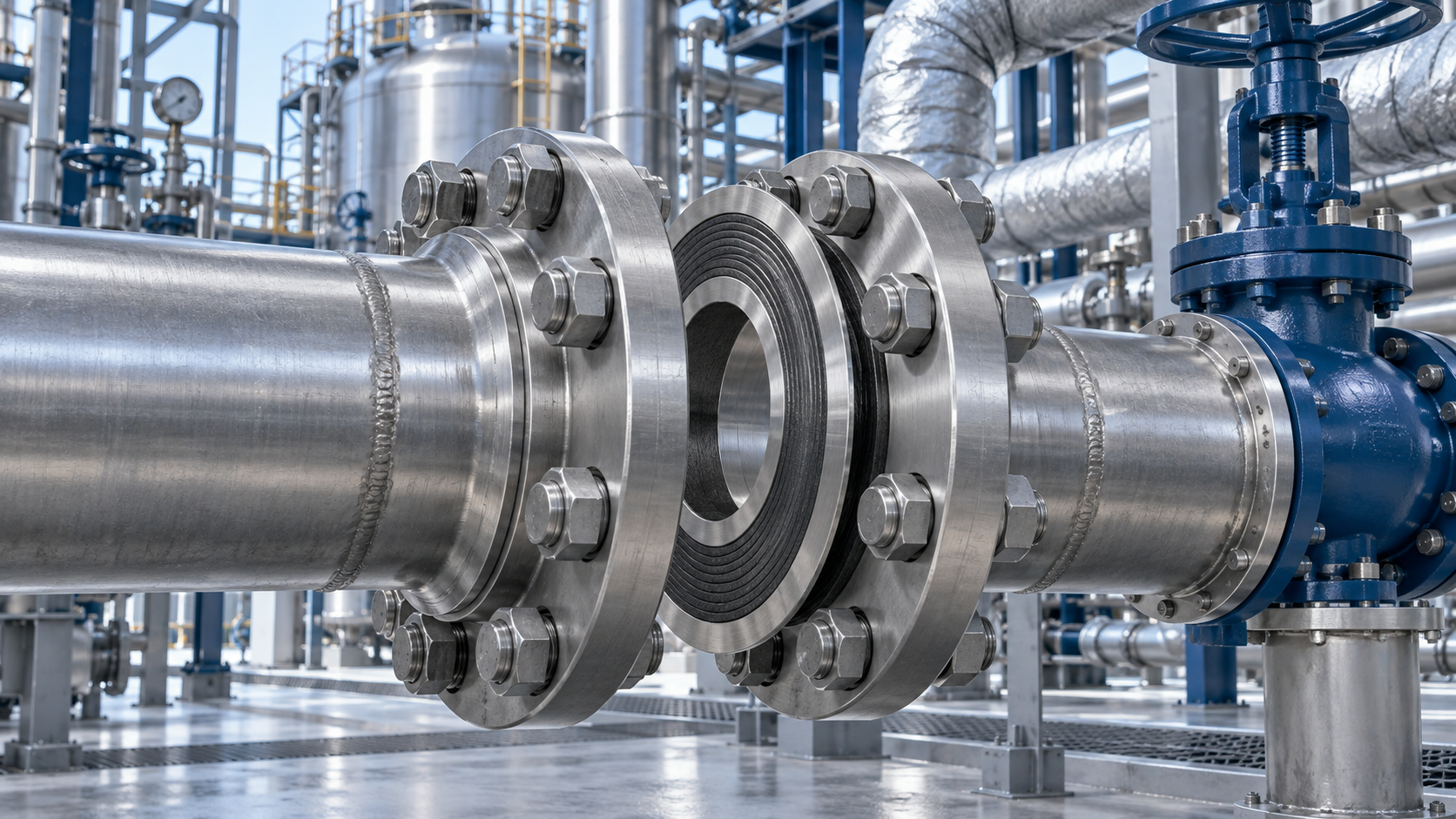
- How to Select Flange Gaskets for Pressure, Temperature, and Media CompatibilityAuthor :Heavy Industry Strategist

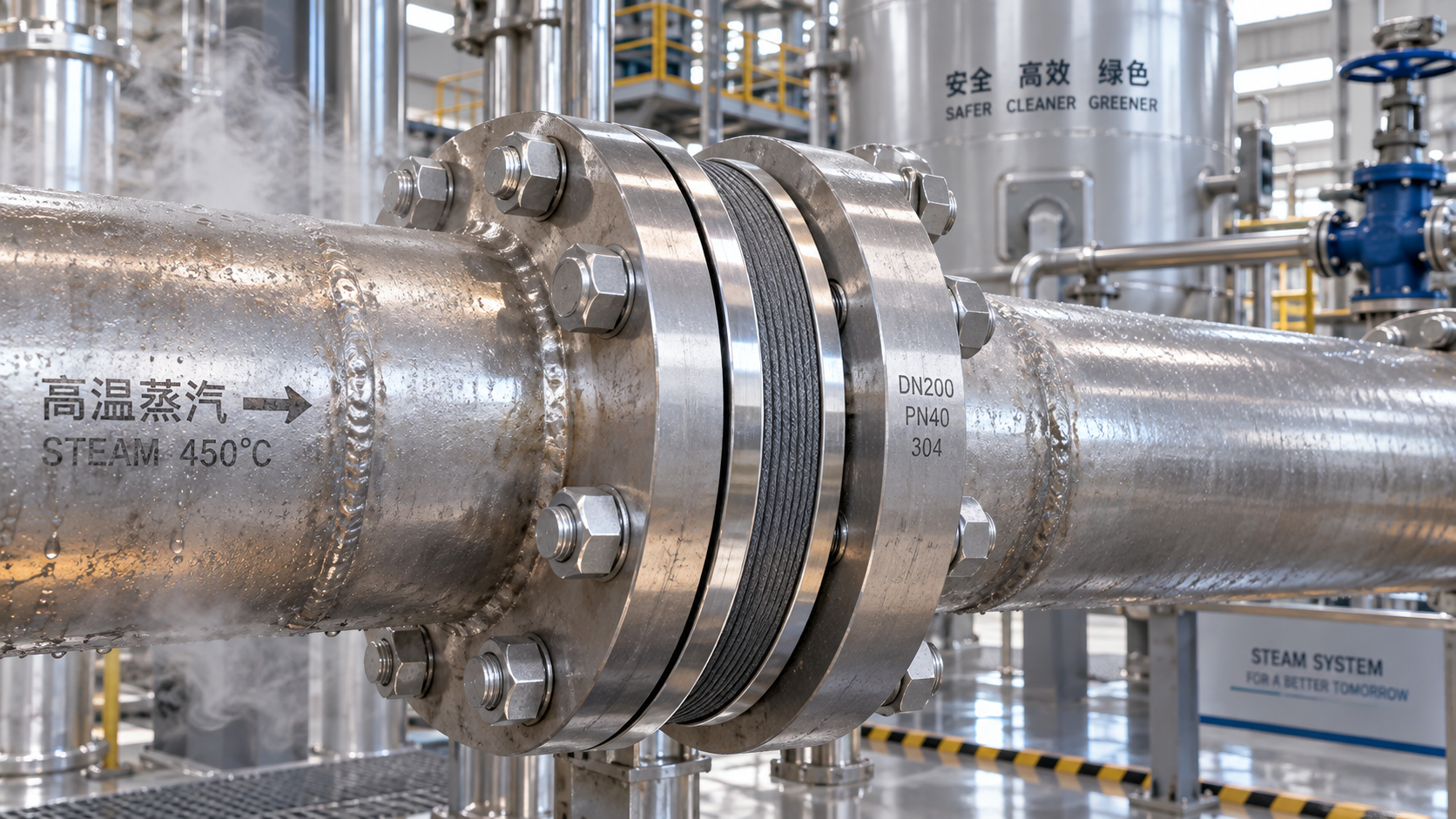
- Selecting High-Temperature Gaskets for Steam, Flanges, and Thermal CyclingAuthor :Heavy Industry Strategist

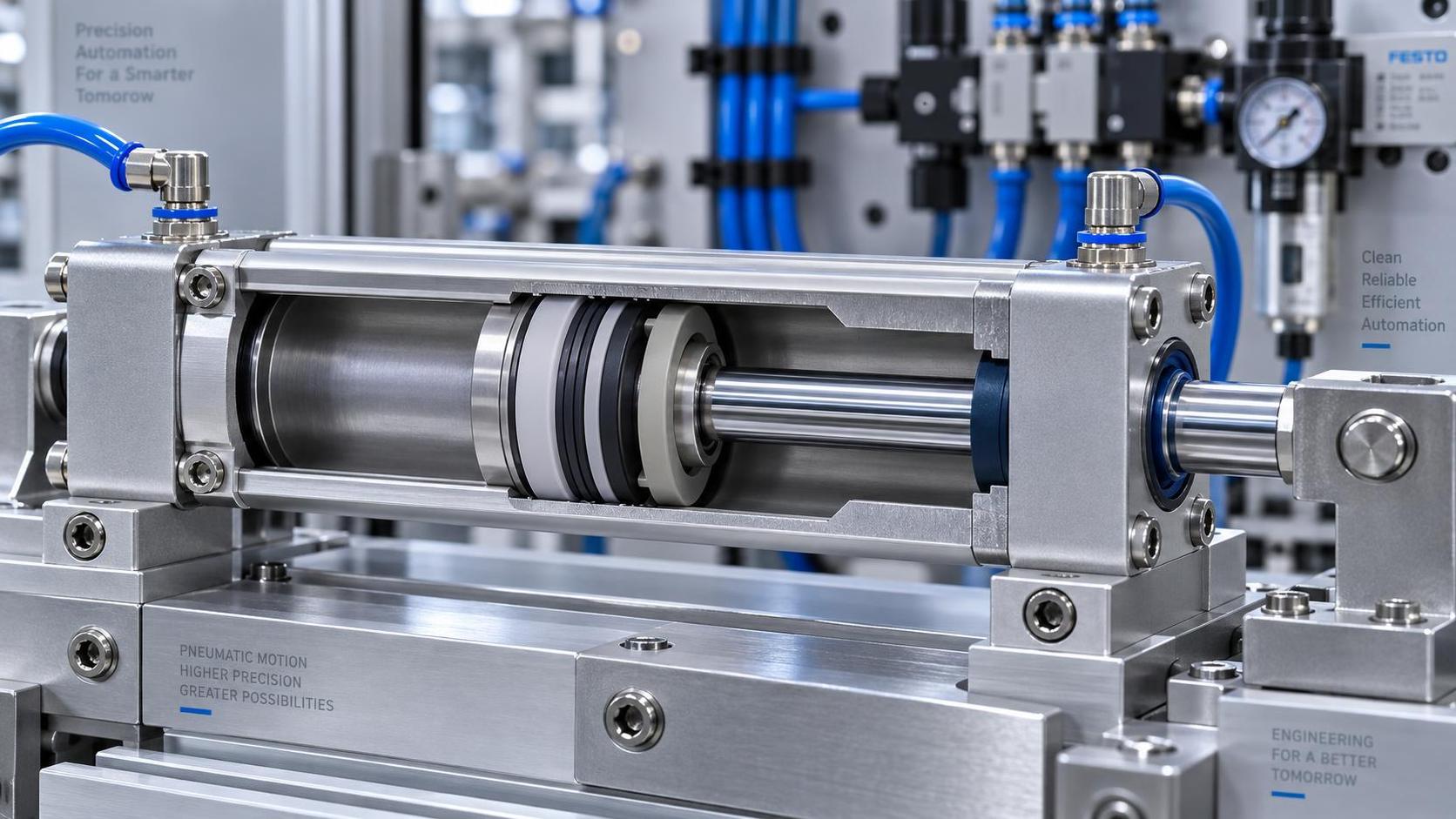
- Selecting Low-Friction Pneumatic Seals for High-Cycle, Low-Pressure CylindersAuthor :Heavy Industry Strategist

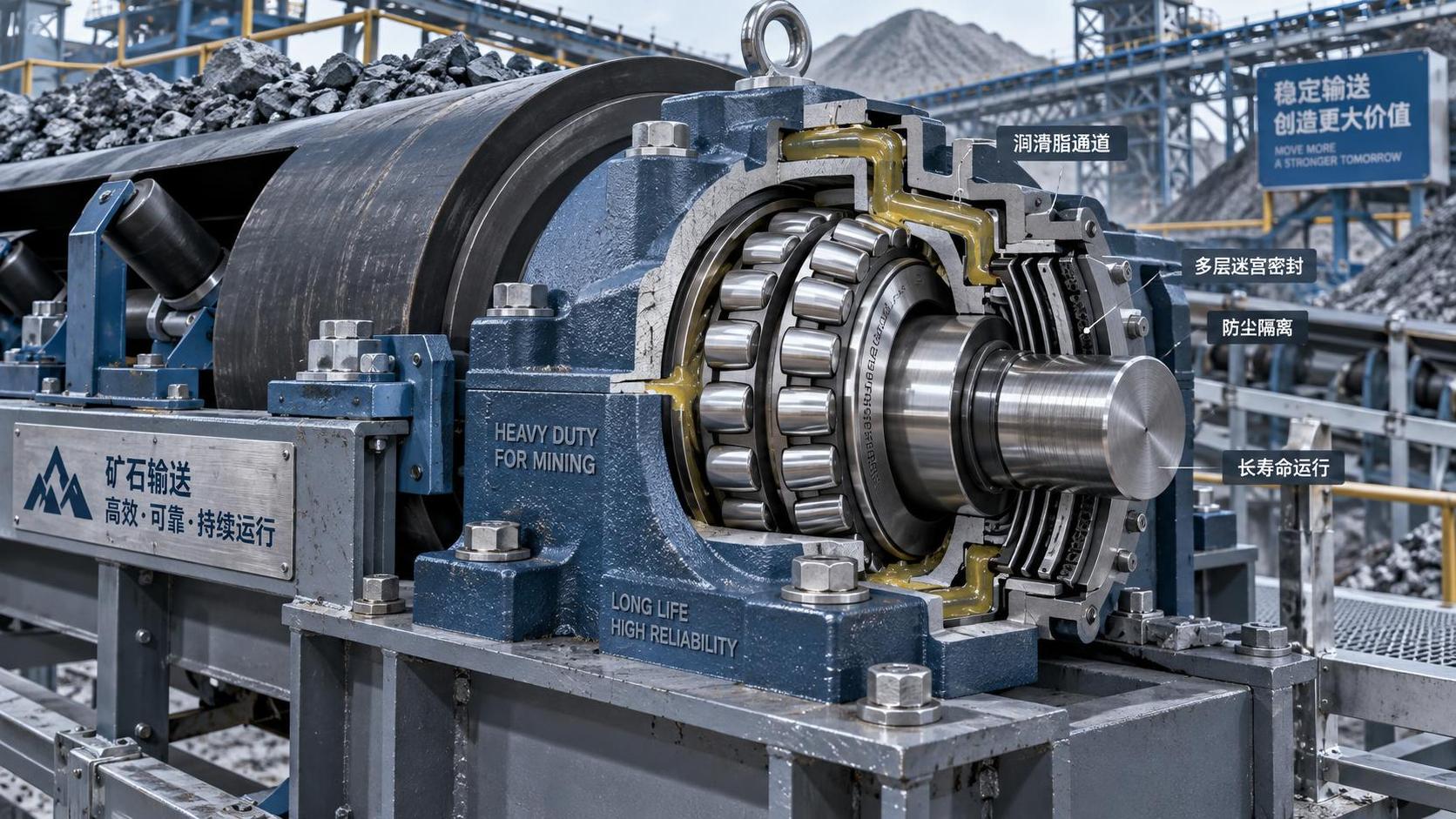
- Selecting Spherical Roller Bearings for Mining: Load, Contamination, and Service LifeAuthor :Heavy Industry Strategist

- Do Deep Groove Ball Bearings Need Special Seals in Coastal Humidity?Author :Heavy Industry Strategist

- How to Select Anti Vibration Rubber Shock Absorbers for Machinery and EquipmentAuthor :Heavy Industry Strategist

- When to Specify Induction Hardened Slewing Ring Bearings for Heavy-Duty EquipmentAuthor :Heavy Industry Strategist

- How to Evaluate Weather Resistant EPDM Extrusion for Outdoor Sealing ApplicationsAuthor :Heavy Industry Strategist