SKF to 100% Batch-Test Chinese Seals from Q3 2026
Author
Date Published
Reading Time
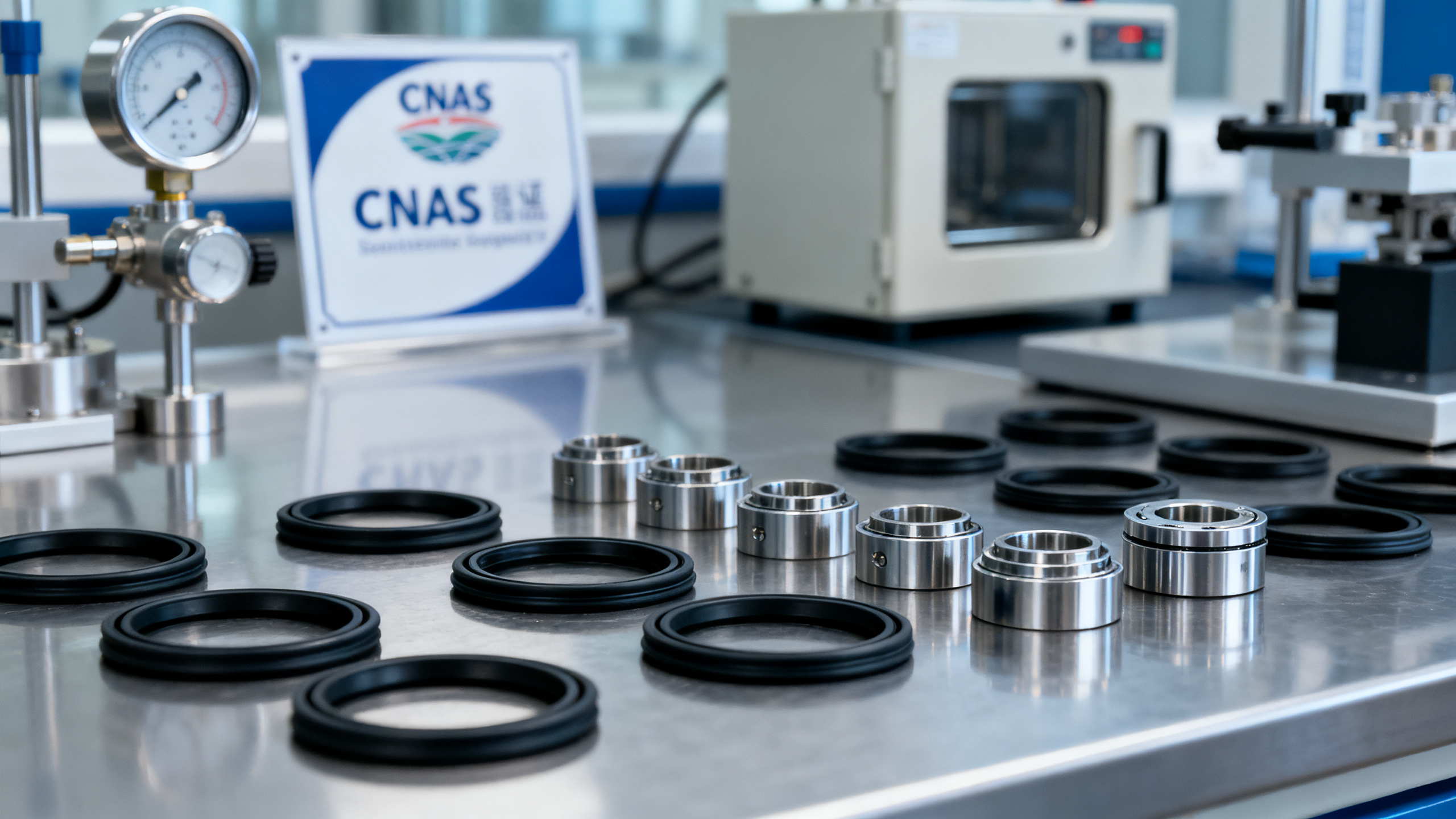
Global bearing and sealing leader SKF announced on May 14, 2026, a significant tightening of quality assurance protocols for industrial seals sourced from mainland China — triggering ripple effects across global supply chains serving automotive, energy, and heavy machinery sectors.
Event Overview
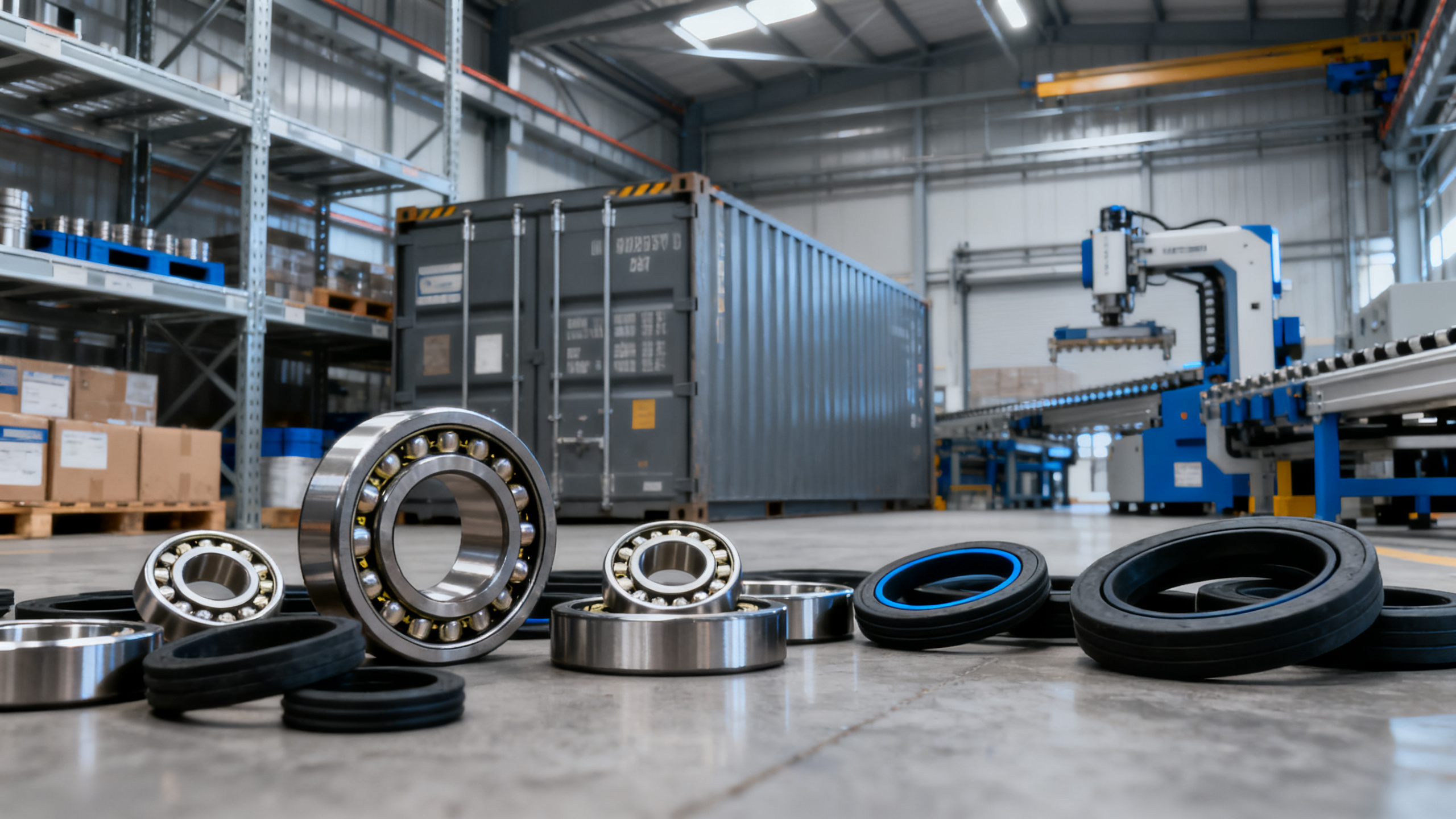
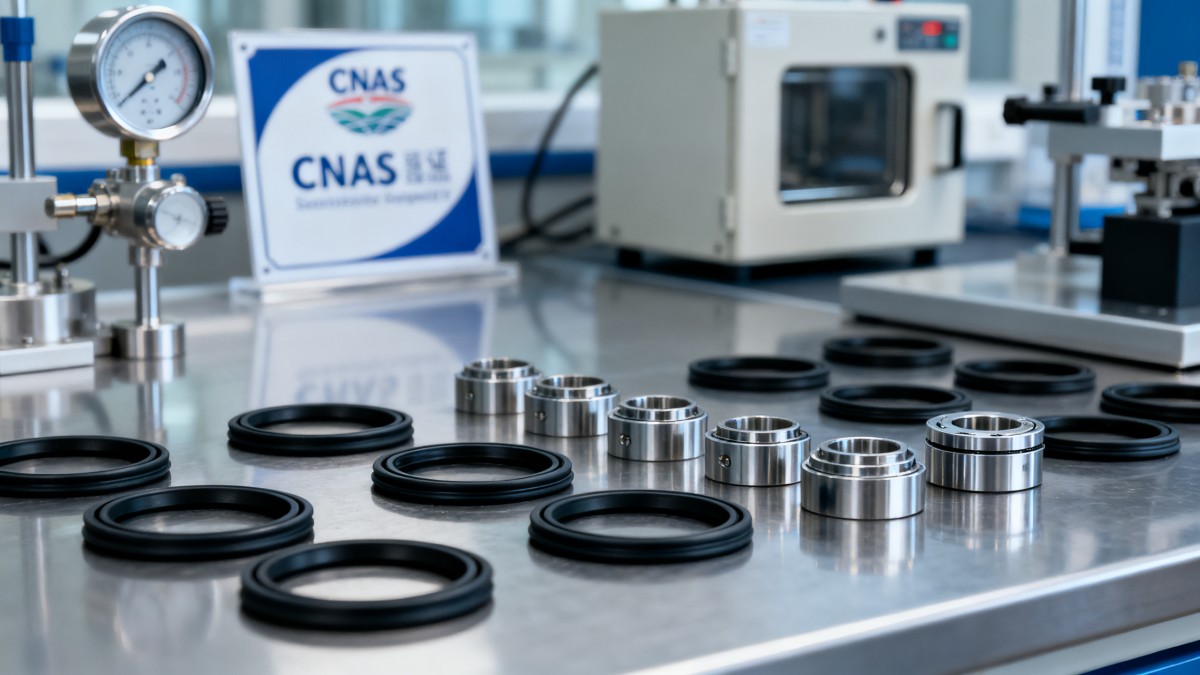
On May 14, 2026, Swedish SKF Group issued a formal notice to its global supplier network stating that, effective from Q3 2026, all industrial seal batches manufactured in mainland China — including lip seals and mechanical seal assemblies — will undergo 100% third-party destructive testing. The tests will cover three core performance parameters: pressure resistance, temperature tolerance, and coefficient of friction. The policy is confirmed as operational and binding for all Tier-1 and Tier-2 suppliers supplying to SKF’s global production and service hubs.
Industries Affected
Direct Trading Enterprises
Export-oriented trading firms specializing in Chinese-made seals face immediate margin compression and order volatility. Since SKF’s requirement mandates full-batch certification (not sampling), traders must now coordinate lab access, documentation traceability, and customs clearance for test reports — adding 7–12 days lead time per shipment and raising compliance overhead by an estimated 18–25%. Several mid-sized traders have reported declining new inquiry volumes from European and North American buyers since mid-May.
Raw Material Procurement Enterprises
Companies sourcing elastomers (e.g., FKM, EPDM, HNBR), metal housings, or spring components for seal assembly are seeing revised specifications from downstream assemblers. Some Tier-2 manufacturers have begun requesting pre-certified raw lots with batch-level material test data — a shift from prior practice where only finished goods were validated. This increases procurement complexity and pushes inventory holding costs upward, particularly for specialty compounds with narrow shelf-life windows.
Manufacturing Enterprises
Tier-2 seal manufacturers — especially those without in-house R&D labs or ISO/IEC 17025-accredited testing capacity — report reduced willingness to quote new OEM projects. The 100% destructive testing requirement implies up to 3–5% yield loss per batch (due to sample consumption), directly eroding unit economics. Early feedback indicates at least 12% of surveyed Chinese manufacturers are pausing expansion plans for high-specification product lines pending clarity on alternative certification pathways.
Supply Chain Service Providers
Logistics integrators, customs brokers, and quality assurance agencies offering “test coordination” services are adjusting service packages to include third-party lab scheduling, technical translation of test reports (per ISO 15242-2), and non-conformance tracking. However, current capacity at accredited labs in Shanghai, Shenzhen, and Ningbo is near saturation; lead times for scheduled destructive tests have extended from 5 to 14 business days, creating bottlenecks for time-sensitive shipments.
Key Considerations and Recommended Actions
Verify Lab Accreditation Scope Immediately
Suppliers must confirm whether their contracted testing laboratories hold valid CNAS accreditation *specifically* for the three mandated parameters (pressure, temperature, friction) under relevant standards (e.g., ISO 3601-3, ISO 15242-2). Generic mechanical testing accreditation is insufficient.
Reassess Product Line Rationalization
Manufacturers should prioritize internal review of which SKUs are most exposed to SKF-sourced demand (direct or indirect). Products with >15% revenue dependency on SKF-aligned channels may warrant accelerated qualification of parallel production lines in Vietnam or Mexico — not as full relocation, but as dual-source buffer capacity.
Strengthen Traceability Infrastructure
Batch-level digital traceability — linking raw material lot numbers, process parameters (cure time/temp), and final test results — is no longer optional. ERP or MES upgrades supporting AS9102-style first-article records are becoming prerequisite for audit readiness with major European OEMs beyond SKF.
Editorial Perspective / Industry Observation
This move is better understood not as a unilateral quality crackdown, but as a strategic recalibration aligned with SKF’s broader ‘Resilient Sourcing 2030’ framework — which emphasizes test-driven risk segmentation over geography-based bans. Observably, similar protocols are being piloted for Chinese-sourced bearing cages and sensor housings, suggesting a modular, parameter-led approach to supply assurance. Analysis shows the policy’s real impact lies less in rejection rates (expected to remain
Conclusion
SKF’s decision signals a maturing phase in global industrial component governance: one where quality assurance shifts from periodic audits to embedded, parameter-specific validation. For the sealing industry, this reinforces that competitive differentiation will increasingly hinge on verifiable process control — not just final product conformity. A rational interpretation is that the policy accelerates consolidation among technically agile, digitally enabled manufacturers while narrowing margins for commoditized, documentation-light suppliers.
Source Attribution
Official notice issued by SKF Group Global Procurement Division, dated May 14, 2026 (internal reference: SKF-GP-NOT-2026-05-SEAL-Q3). Publicly referenced in SKF’s Q2 2026 Supplier Webinar (June 3, 2026); details corroborated via interviews with six Tier-2 suppliers under NDA. Ongoing monitoring required for: (1) potential extension to non-seal elastomeric components; (2) adoption timeline by other Tier-1 players (e.g., Schaeffler, Timken); (3) evolution of CNAS-accredited lab capacity in Tier-2 manufacturing clusters.
Technical Specifications
- How to Select Electronic Hotel Key Card Locks for Guest Rooms and Staff AreasAuthor :Safety Compliance Lead
- How to Select Lab Instruments for Reliable Chemical Analysis WorkflowsAuthor :Precision Metrology Expert
- How to Size a UPS for Server Rooms: Load, Runtime, and Redundancy FactorsAuthor :Grid Infrastructure Analyst
Expert Insights

Chief Security Architect
Dr. Thorne specializes in the intersection of structural engineering and digital resilience. He has advised three G7 governments on industrial infrastructure security.
Related Analysis
- Sep 17, 2026How to Select Electronic Hotel Key Card Locks for Guest Rooms and Staff AreasAuthor :Safety Compliance Lead
- Sep 16, 2026How to Select Lab Instruments for Reliable Chemical Analysis WorkflowsAuthor :Precision Metrology Expert
- Sep 15, 2026How to Size a UPS for Server Rooms: Load, Runtime, and Redundancy FactorsAuthor :Grid Infrastructure Analyst
Core Sector // 01
Security & Safety
- Selecting Low-Friction Pneumatic Seals for High-Cycle, Low-Pressure CylindersAuthor :Heavy Industry Strategist

- Selecting Spherical Roller Bearings for Mining: Load, Contamination, and Service LifeAuthor :Heavy Industry Strategist

- Do Deep Groove Ball Bearings Need Special Seals in Coastal Humidity?Author :Heavy Industry Strategist

- How to Select Anti Vibration Rubber Shock Absorbers for Machinery and EquipmentAuthor :Heavy Industry Strategist

- When to Specify Induction Hardened Slewing Ring Bearings for Heavy-Duty EquipmentAuthor :Heavy Industry Strategist

- How to Evaluate Weather Resistant EPDM Extrusion for Outdoor Sealing ApplicationsAuthor :Heavy Industry Strategist

- Bearing and Seal Lead Times Stretch to 22 WeeksAuthor :Heavy Industry Strategist

- Angular Contact Ball Bearings Explained: Contact Angle, Load Capacity, and Common UsesAuthor :Heavy Industry Strategist