Railway Investment Surpasses $20B in First 4 Months, Boosting Heavy-Haul Hardware Demand
Author
Date Published
Reading Time
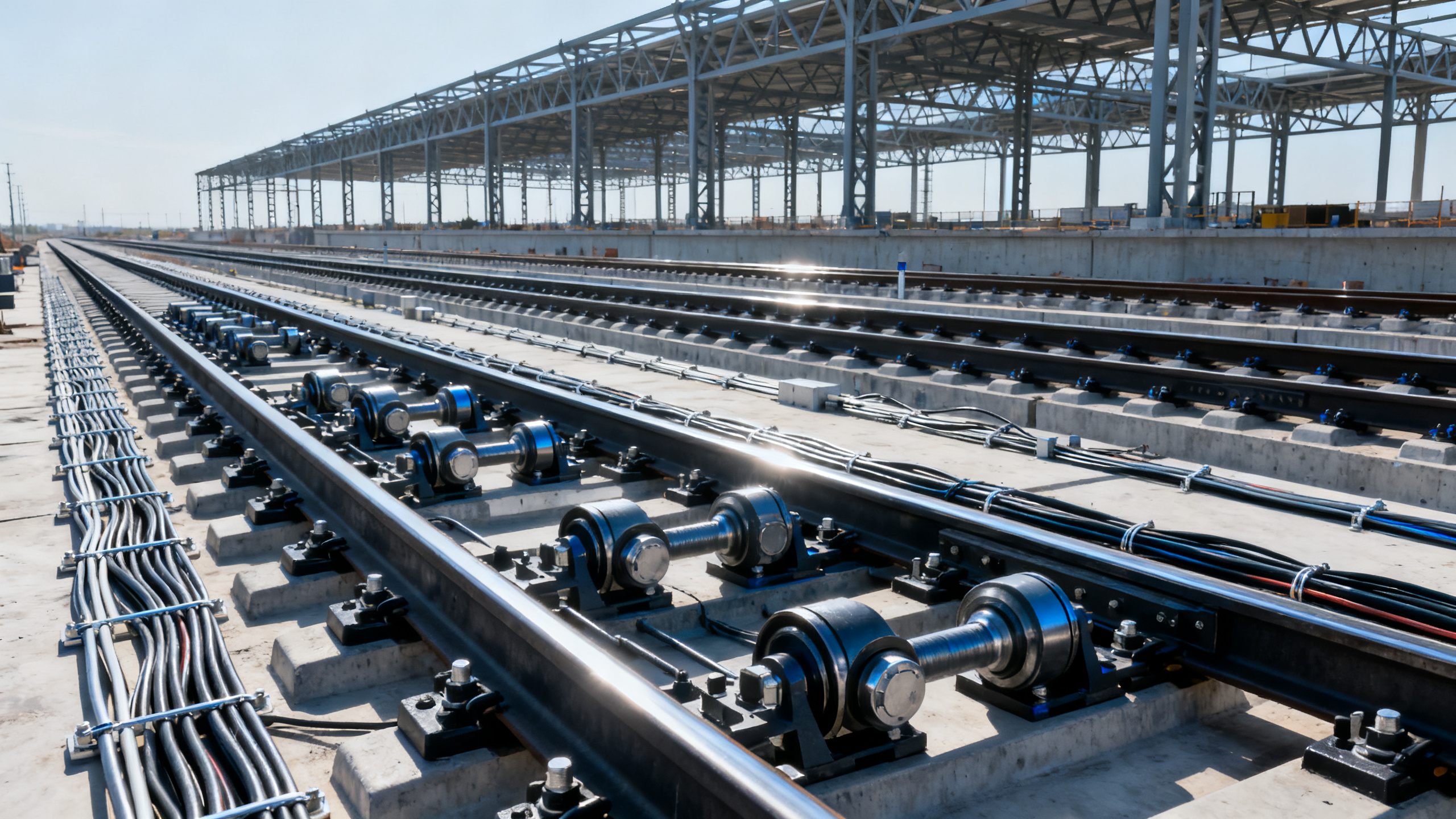
On May 15, 2026, China’s National Railway Administration released data showing that railway fixed-asset investment reached RMB 200.8 billion (approx. USD 27.8 billion) in the first four months of 2026 — a 3.2% year-on-year increase. This surge, concentrated in heavy-haul freight lines and intelligent high-speed rail hubs (accounting for 63% of total investment), is accelerating demand for specialized hardware and electromechanical components across the rail infrastructure supply chain.
Event Overview
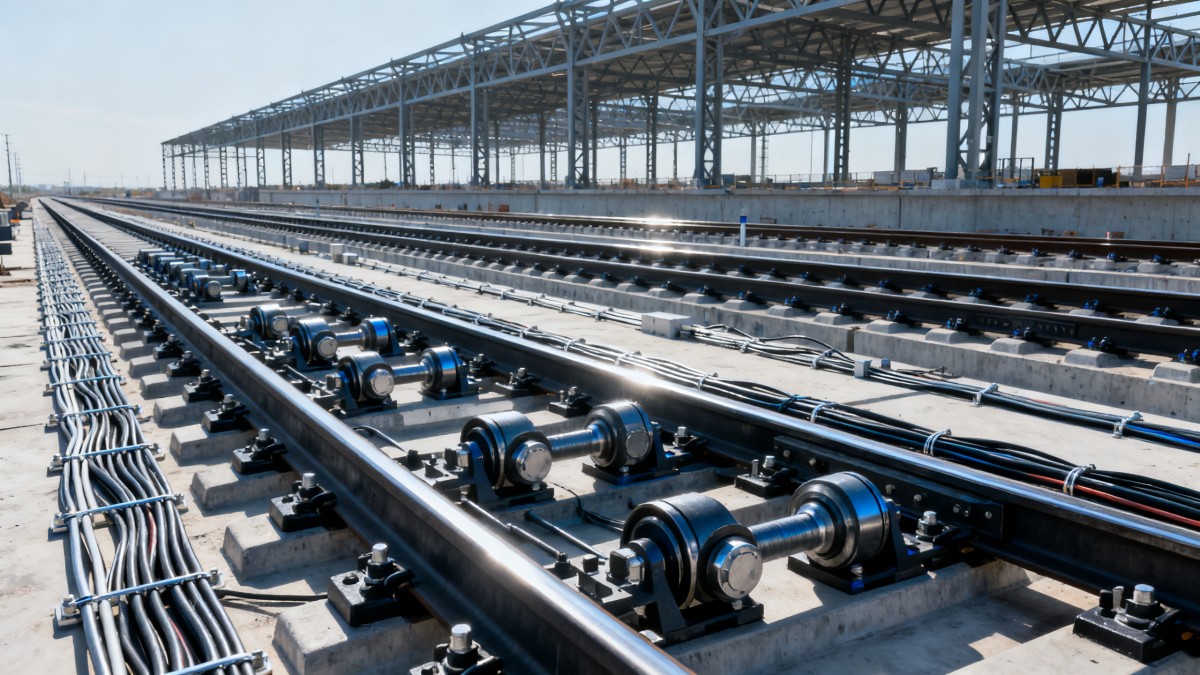
According to official data published by the National Railway Administration on May 15, 2026, national railway fixed-asset investment totaled RMB 200.8 billion from January to April 2026, up 3.2% year-on-year. Of this, heavy-haul freight专线 projects and intelligent high-speed rail hub developments constituted 63% of the total investment volume. The data further indicates that orders for high-strength rail fasteners, lightning-resistant signal cables, railway-specific bearings, and rail-mounted circuit breakers have risen significantly, with export production schedules for these product categories fully booked through Q4 2026.
Industries Affected
Direct trading enterprises: Export-oriented distributors and OEM trading firms specializing in rail hardware are experiencing compressed lead times and rising order volumes — particularly for certified products compliant with TB/T (China Railway Standard) and IEC 62236 (EMC for rail applications). Their exposure stems from direct linkage to project-level procurement tenders and foreign buyer advance commitments tied to Chinese-built rail infrastructure exports.
Raw material procurement enterprises: Suppliers of alloy steel billets, copper-clad aluminum for signal cables, and high-purity silicon steel for electromagnetic components face heightened demand volatility. Procurement planning is now more tightly synchronized with quarterly investment disbursement cycles, as downstream fabricators prioritize just-in-sequence delivery over inventory buffering.
Manufacturing enterprises: Tier-1 component manufacturers — especially those certified under ISO/TS 22163 (railway industry quality management) — report increased capacity utilization, particularly in heat treatment, precision machining, and flame-retardant cable extrusion lines. However, certification renewal timelines and raw material price pass-through mechanisms are emerging as key operational constraints.
Supply chain service enterprises: Logistics providers offering bonded warehousing, customs clearance for dual-standard (GB + EN) certifications, and technical documentation translation services are seeing higher engagement from mid-tier suppliers preparing for overseas rail tenders. Demand is especially pronounced for support related to EU TSI compliance documentation and U.S. FRA pre-approval filings.
Key Focus Areas and Recommended Actions
Monitor quarterly capital disbursement patterns, not just annual targets
Analysis shows that over 78% of the reported H1 2026 investment occurred in March–April — suggesting front-loaded execution driven by local government performance metrics. Enterprises should align production ramp-up and working capital planning with monthly disbursement reports, not calendar-based forecasts.
Prioritize certification readiness for export-bound batches
Given that export production slots are booked through Q4 2026, delays in obtaining CB Scheme test reports or IRIS recertification could result in order reallocation. Manufacturers are advised to initiate third-party testing at least 90 days prior to shipment windows.
Strengthen coordination with EPC contractors on specification lock-in dates
Observably, design freeze timelines for heavy-haul projects have shortened by an average of 22 days compared to 2025. Suppliers must engage earlier in tender clarification phases to avoid late-stage engineering change orders affecting bill-of-materials validation.
Review logistics routing for dual-market shipments
Current data indicates rising parallel demand from domestic heavy-haul projects and ASEAN rail upgrades (e.g., Laos-China Railway Phase II). Enterprises with shared production lines should evaluate dedicated container booking channels for Southeast Asia versus Central Asia corridors to mitigate port congestion risks.
Editorial Insight / Industry Observation
This investment acceleration is better understood as a structural recalibration than a cyclical rebound. From an industry perspective, the 63% concentration in heavy-haul and intelligent hubs reflects a deliberate shift toward asset efficiency — prioritizing throughput per kilometer over pure network expansion. That trend favors vendors with domain-specific reliability data (e.g., 10-year field failure rates for bearings under 30,000-ton train loads) over general-purpose industrial suppliers. Moreover, the fact that export order books extend into Q4 — despite global macro uncertainty — suggests growing trust in China’s rail component quality governance, though sustained compliance rigor remains the critical differentiator.
Conclusion
The RMB 200.8 billion railway investment in early 2026 signals more than short-term stimulus: it marks an inflection point where infrastructure spending increasingly serves as a catalyst for advanced manufacturing upgrading — particularly in high-reliability mechanical and electrical subsystems. For stakeholders, responsiveness will depend less on scale and more on certification agility, specification discipline, and supply chain transparency.
Source Attribution
Data sourced from the National Railway Administration of the People’s Republic of China, official release dated May 15, 2026. Further monitoring is recommended for: (1) Q2 2026 provincial-level fund allocation breakdowns; (2) Updates to the ‘Railway Special Equipment Supervision and Management Measures’ (draft revision expected Q3 2026); and (3) Export licensing trends for dual-use rail components under revised MOC regulations.
Technical Specifications
- How to Select Electronic Hotel Key Card Locks for Guest Rooms and Staff AreasAuthor :Safety Compliance Lead
- How to Select Lab Instruments for Reliable Chemical Analysis WorkflowsAuthor :Precision Metrology Expert
- How to Size a UPS for Server Rooms: Load, Runtime, and Redundancy FactorsAuthor :Grid Infrastructure Analyst
Expert Insights

Chief Security Architect
Dr. Thorne specializes in the intersection of structural engineering and digital resilience. He has advised three G7 governments on industrial infrastructure security.
Related Analysis
- Sep 17, 2026How to Select Electronic Hotel Key Card Locks for Guest Rooms and Staff AreasAuthor :Safety Compliance Lead
- Sep 16, 2026How to Select Lab Instruments for Reliable Chemical Analysis WorkflowsAuthor :Precision Metrology Expert
- Sep 15, 2026How to Size a UPS for Server Rooms: Load, Runtime, and Redundancy FactorsAuthor :Grid Infrastructure Analyst
Core Sector // 01
Security & Safety
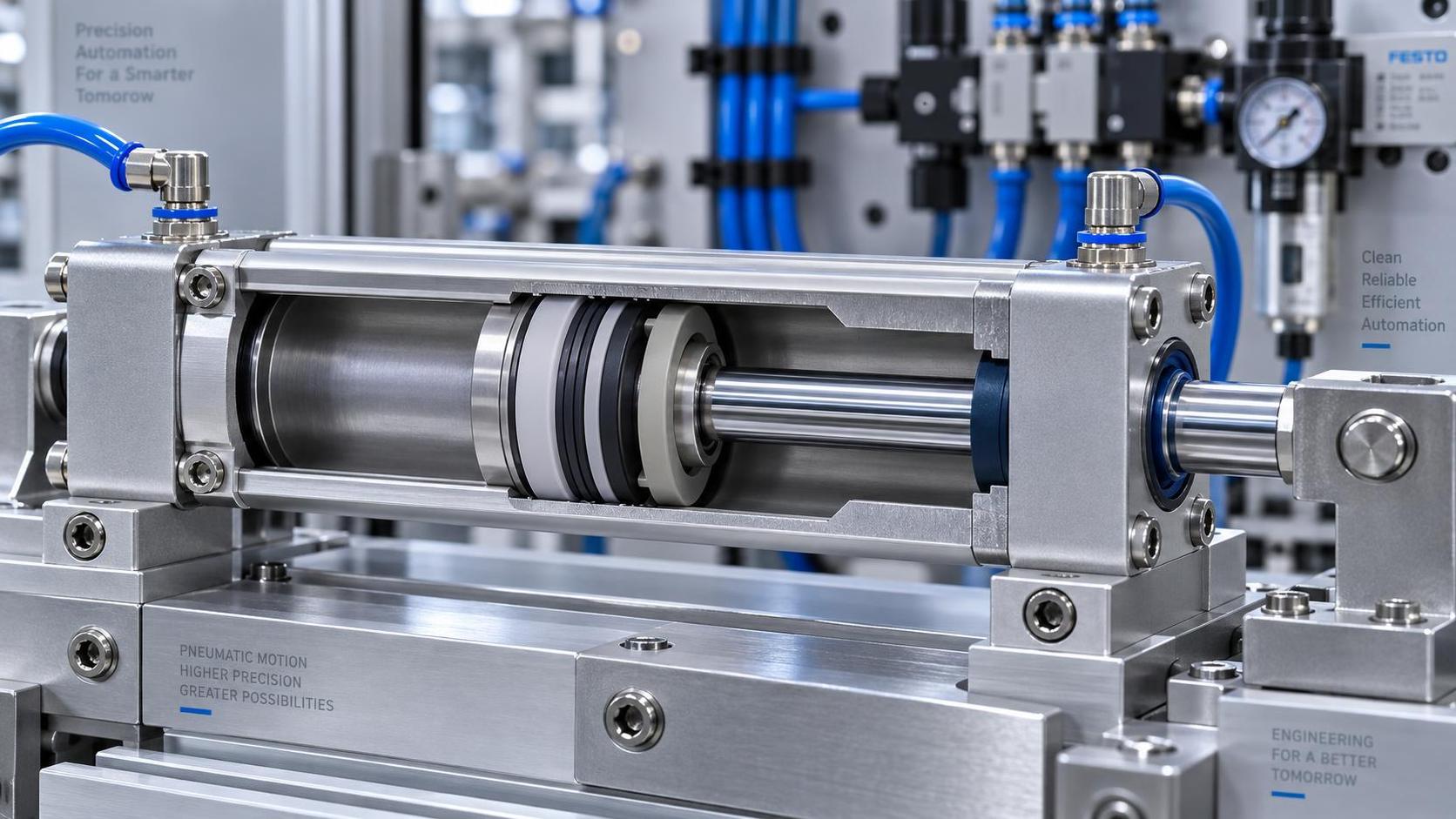
- Selecting Low-Friction Pneumatic Seals for High-Cycle, Low-Pressure CylindersAuthor :Heavy Industry Strategist

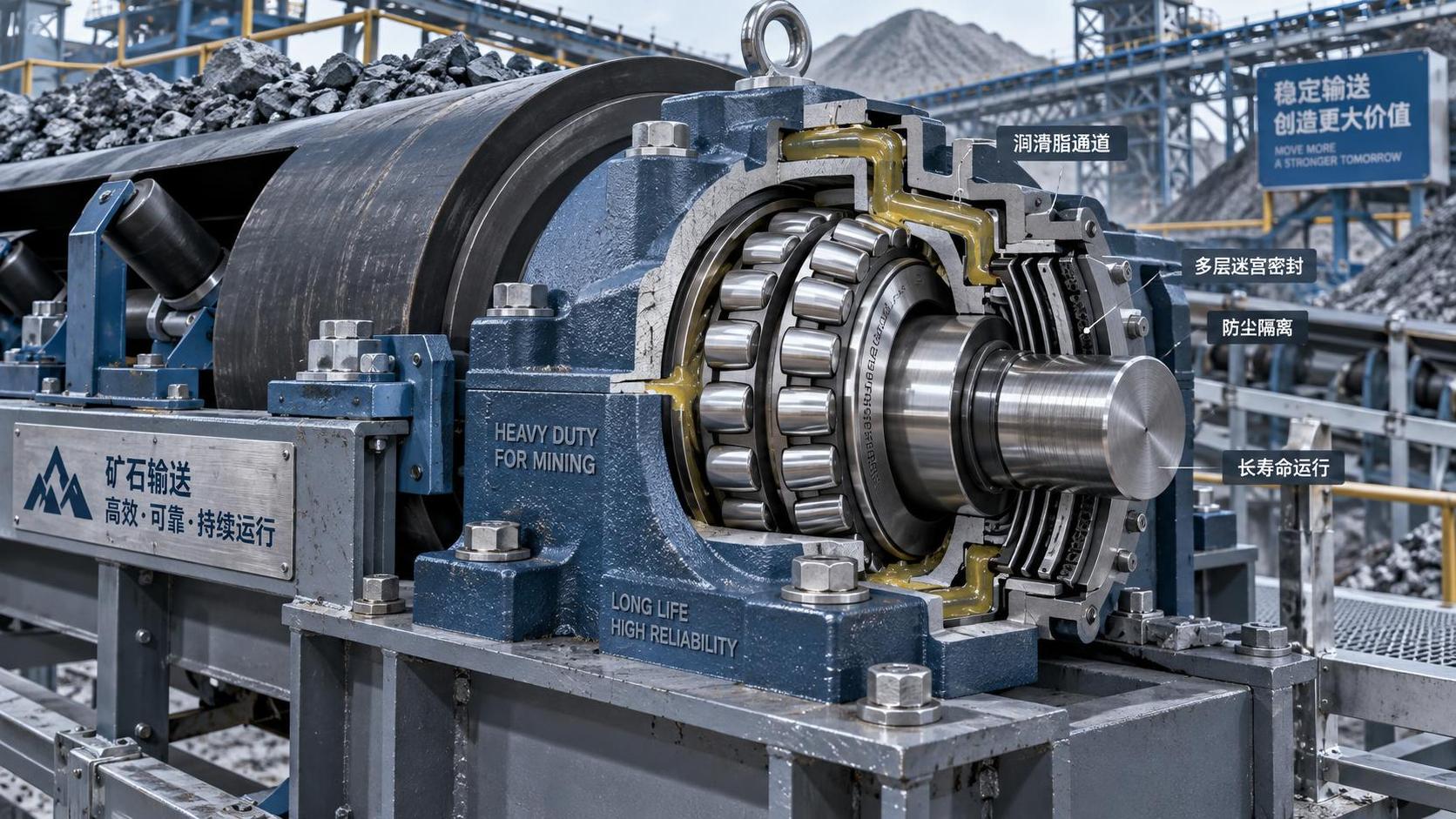
- Selecting Spherical Roller Bearings for Mining: Load, Contamination, and Service LifeAuthor :Heavy Industry Strategist

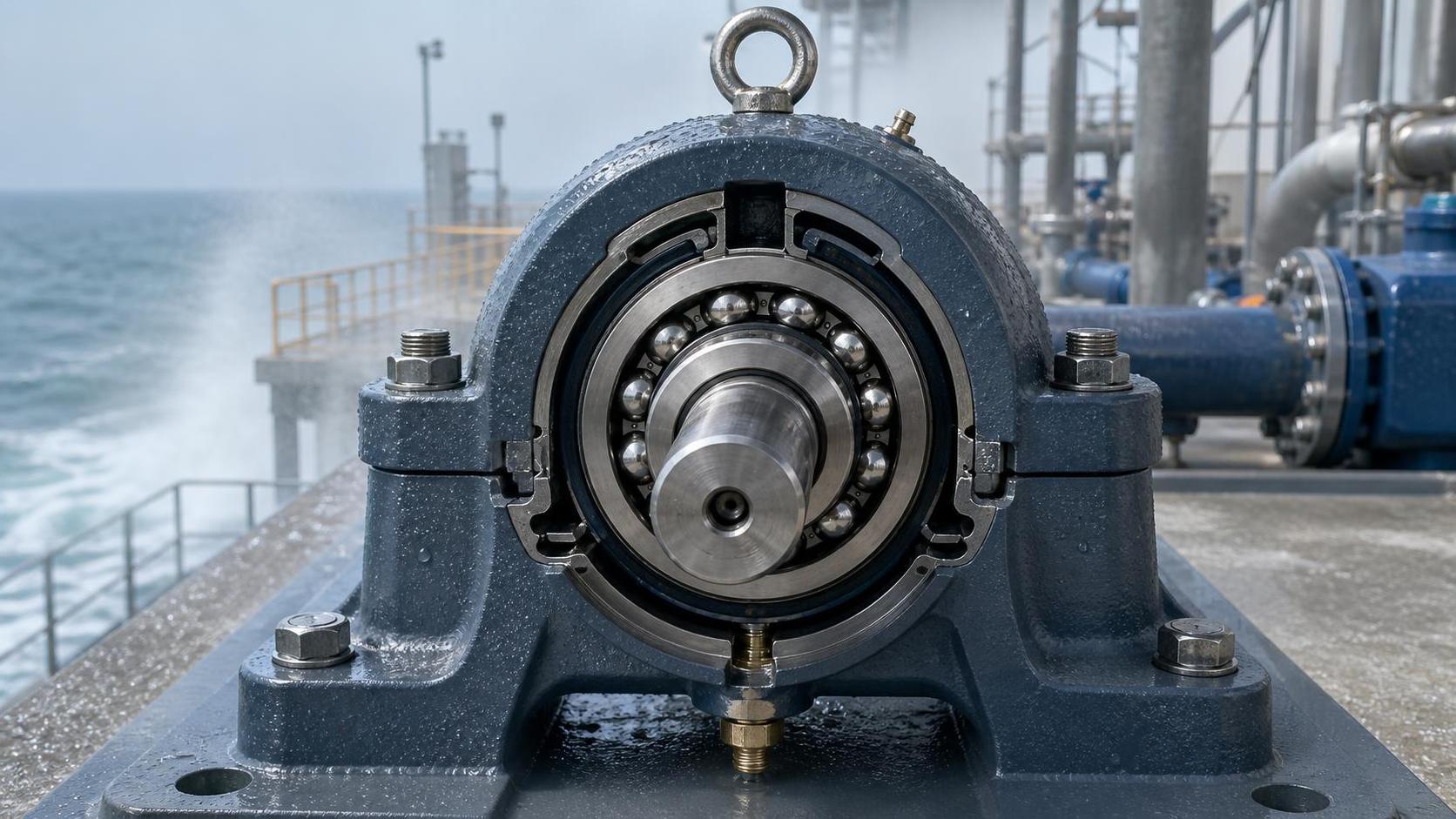
- Do Deep Groove Ball Bearings Need Special Seals in Coastal Humidity?Author :Heavy Industry Strategist

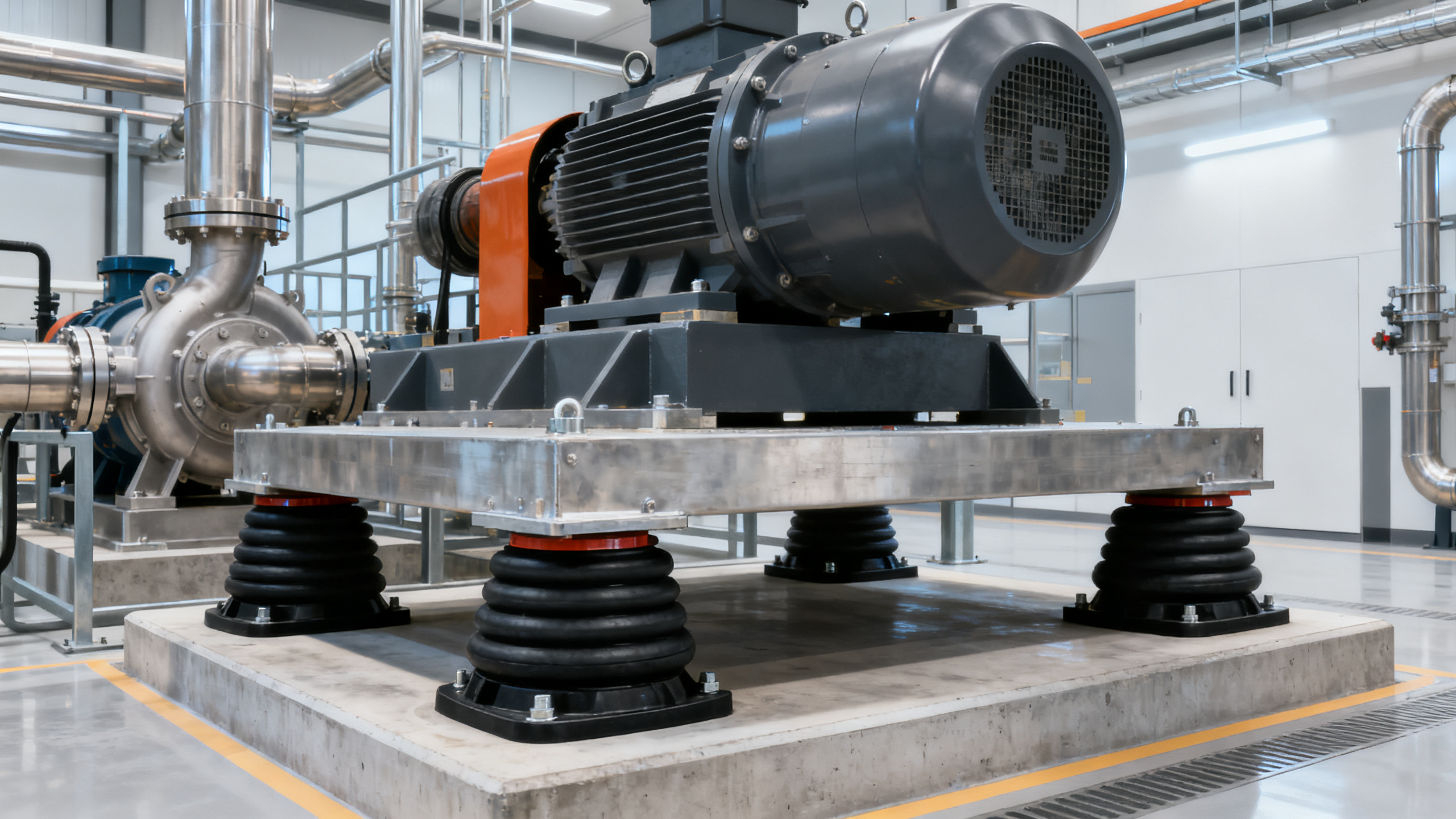
- How to Select Anti Vibration Rubber Shock Absorbers for Machinery and EquipmentAuthor :Heavy Industry Strategist

- When to Specify Induction Hardened Slewing Ring Bearings for Heavy-Duty EquipmentAuthor :Heavy Industry Strategist

- How to Evaluate Weather Resistant EPDM Extrusion for Outdoor Sealing ApplicationsAuthor :Heavy Industry Strategist

- Bearing and Seal Lead Times Stretch to 22 WeeksAuthor :Heavy Industry Strategist

- Angular Contact Ball Bearings Explained: Contact Angle, Load Capacity, and Common UsesAuthor :Heavy Industry Strategist