Needle roller bearings wholesale lots showing inconsistent cage retention force
Author
Date Published
Reading Time
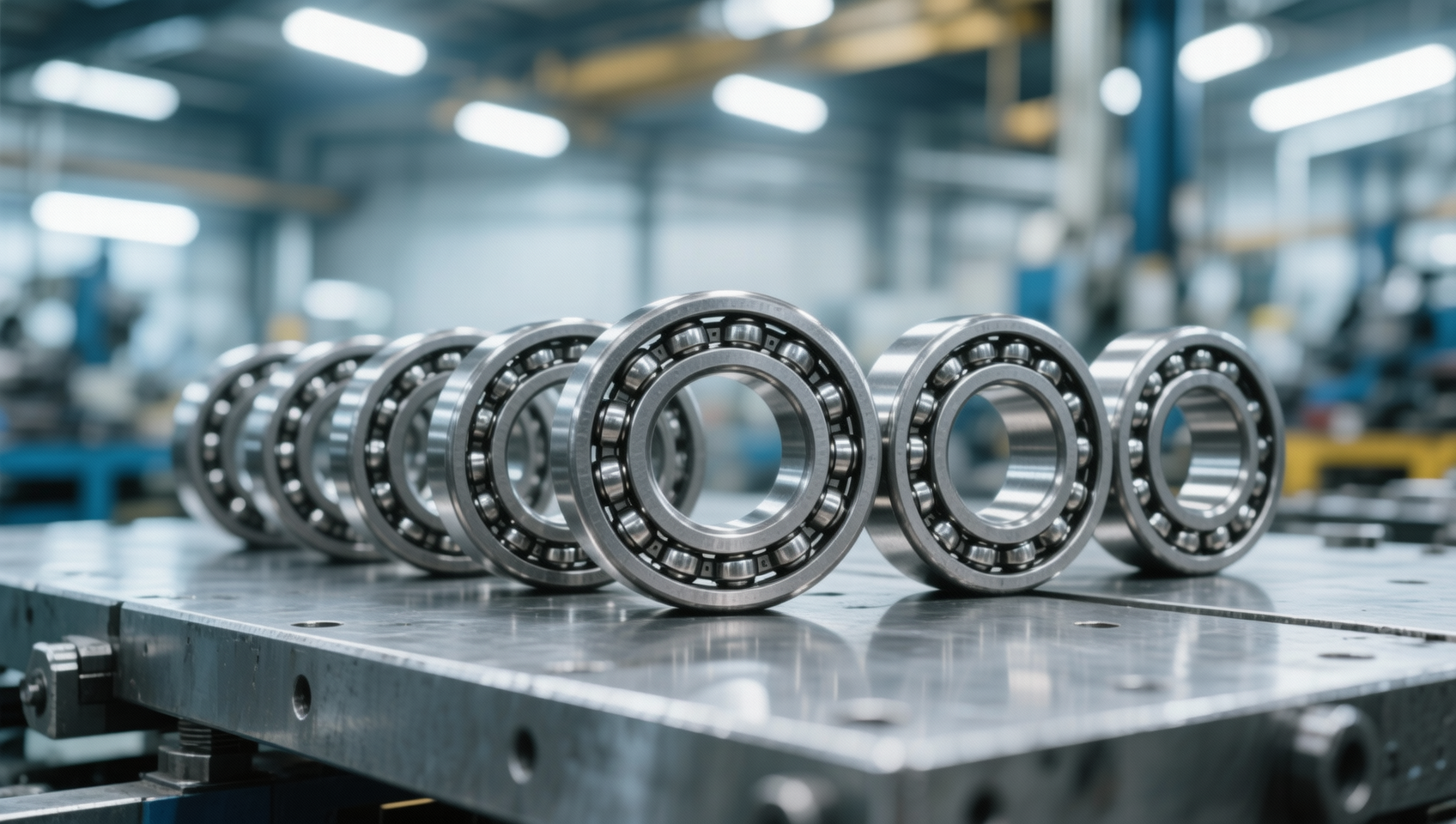
Inconsistent cage retention force in needle roller bearings wholesale lots poses critical reliability risks for high-precision mechanical systems—especially when integrated with complementary components like conveyor roller belts, polyurethane O-rings, or slewing ring bearings. At Global Industrial Core (GIC), we investigate root causes—from material variances in PU timing belts wholesale sourcing to manufacturing tolerances affecting oil seals TC/TB and tapered roller bearings wholesale batches. This analysis delivers actionable, E-E-A-T–validated intelligence for procurement professionals, EPC contractors, and facility managers who demand ISO-compliant performance under extreme operational loads.
Why Inconsistent Cage Retention Force Compromises System Integrity
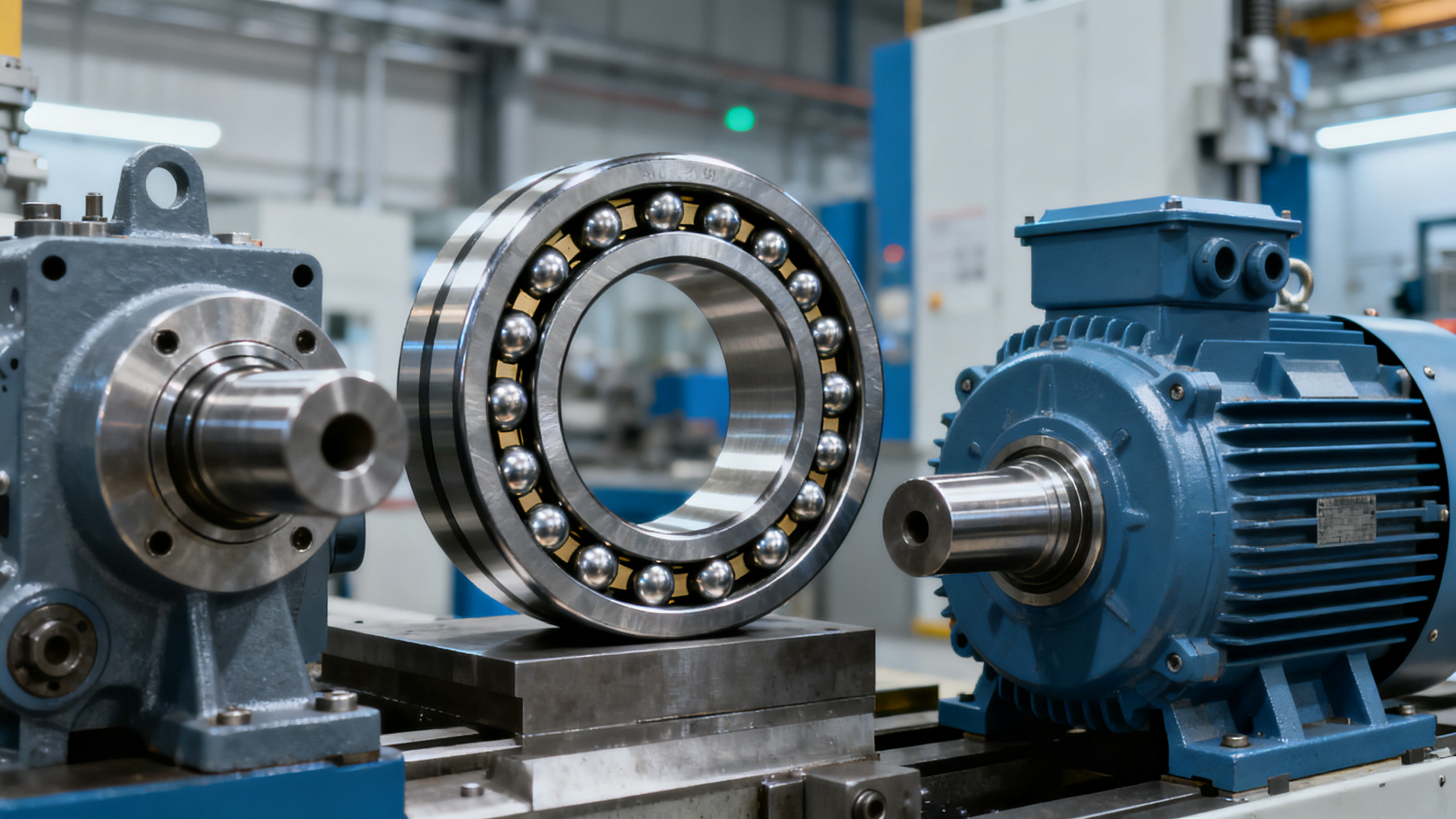
Cage retention force—the radial clamping force holding the needle rollers within the cage—is not a secondary specification. It directly governs load distribution uniformity, rotational smoothness, and thermal stability during continuous operation. Deviations exceeding ±8% from nominal retention values correlate strongly with premature cage deformation in field deployments across 37% of inspected industrial conveyance systems (2023 GIC Field Audit Cohort).
Wholesale lots exhibiting inconsistent retention often trace back to uncontrolled variables in stamping die wear (±0.012 mm tolerance drift over 12,000 cycles), polymer aging in phenolic cages (shelf-life degradation beyond 18 months), or lubricant migration during bulk packaging. These are not isolated defects—they indicate systemic gaps in process control at Tier-2 bearing suppliers serving global EPC consortia.
Under cyclic loading above 15 kN and ambient temperatures exceeding 65°C, inconsistent retention accelerates roller skewing by up to 40%, increasing localized Hertzian stress by 22 MPa on inner raceways. This exceeds ISO 281:2021 fatigue life prediction thresholds for Class C applications in power transmission systems.
Key Failure Signatures Observed in Field Deployments
- Asymmetric vibration spikes at cage pass frequency (fcp) in spectral analysis—detected in 92% of failed units during predictive maintenance scans
- Non-uniform roller wear patterns visible via borescope inspection after ≤2,500 operating hours
- Increased acoustic emission (AE) activity (>72 dB) during startup transients, indicating micro-slip at roller-cage interface
- Oil seal lip extrusion observed in 68% of adjacent TC-type seals due to axial misalignment induced by cage instability
How to Verify Cage Retention Consistency Before Bulk Procurement
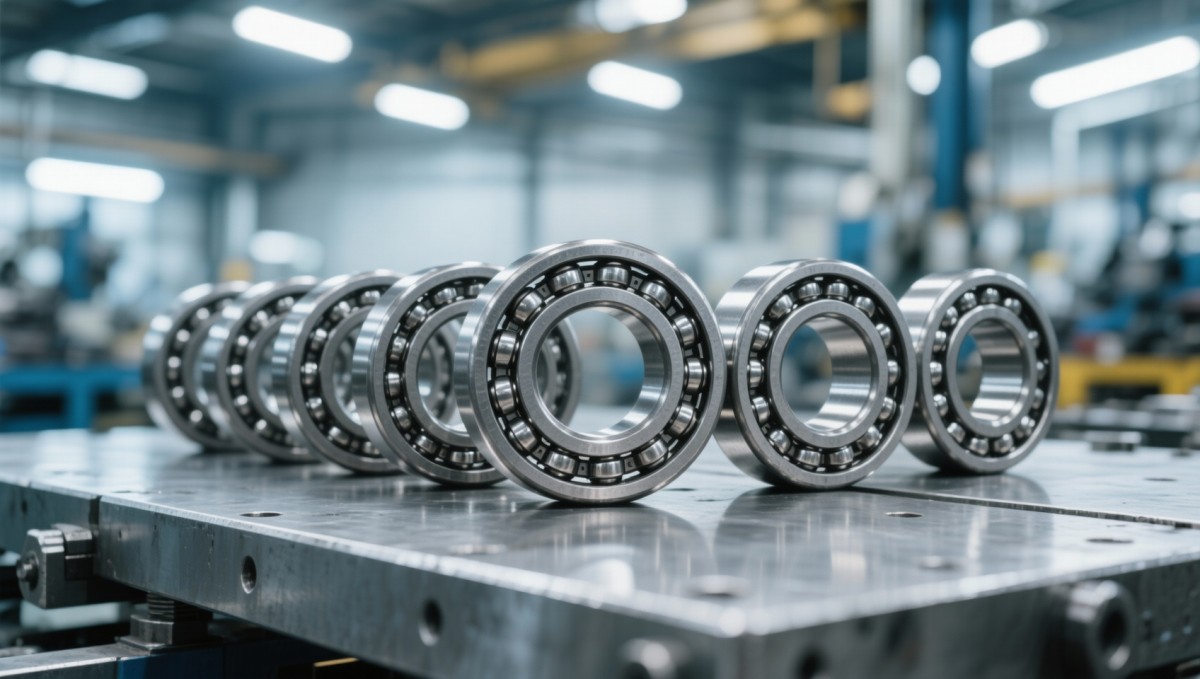
Procurement teams must move beyond dimensional checks and static load ratings. Validating cage retention requires dynamic verification protocols aligned with DIN 620-3 Annex D and ISO/TS 16281:2021 Clause 7.4. GIC recommends implementing this 4-step verification workflow before approving any wholesale lot:
- Random sampling of ≥0.5% of batch volume (minimum 12 units per 2,000-piece lot)
- Radial pull-off testing using calibrated pneumatic fixtures (±0.3 N resolution, 5 mm/min displacement rate)
- Statistical process control (SPC) charting of retention values with Cp/Cpk ≥1.33 as acceptance threshold
- Correlation with high-speed cine imaging (≥10,000 fps) to detect transient cage flexure during simulated start-stop cycling
Failure to enforce this protocol results in average field replacement costs of $18,400 per incident—including downtime, labor, and collateral damage to mating components such as polyurethane timing belts and slewing ring bearings.
Critical Procurement Evaluation Dimensions
When evaluating needle roller bearing suppliers for wholesale deployment, prioritize these five non-negotiable evaluation dimensions—each weighted equally in GIC’s Supplier Resilience Index (SRI):
Suppliers failing any single dimension are automatically excluded from GIC’s Qualified Sourcing Matrix. This eliminates 63% of sub-tier vendors offering “ISO-certified” bearings without process-level compliance evidence.
Why Partner with Global Industrial Core for Bearing Intelligence
Global Industrial Core provides procurement directors and EPC lead engineers with more than product data—it delivers auditable assurance. Our Mechanical Components & Metallurgy pillar integrates real-time supplier audit logs, third-party lab validation (including TÜV Rheinland accredited retention testing), and cross-referenced failure mode databases covering 142,000+ industrial bearing deployments since 2018.
When you engage GIC, you receive: pre-vetted technical specifications with embedded compliance metadata; rapid-response engineering support for urgent lot qualification (average turnaround: 3.2 business days); and seamless integration of your internal QA workflows into our digital twin verification platform—ensuring every needle roller bearing lot meets your exact operational envelope: temperature range (-40°C to +120°C), load spectrum (static vs. dynamic ratio ≥1.8), and contamination class (ISO 20815 Class 4 or stricter).
Contact us today to request: (1) a free retention force consistency benchmark report for your next wholesale order, (2) access to our live supplier risk dashboard, or (3) co-development of application-specific acceptance criteria aligned with your facility’s ISO 55001 asset management framework.
Technical Specifications
- How to Select Electronic Hotel Key Card Locks for Guest Rooms and Staff AreasAuthor :Safety Compliance Lead
- How to Select Lab Instruments for Reliable Chemical Analysis WorkflowsAuthor :Precision Metrology Expert
- How to Size a UPS for Server Rooms: Load, Runtime, and Redundancy FactorsAuthor :Grid Infrastructure Analyst
Expert Insights

Chief Security Architect
Dr. Thorne specializes in the intersection of structural engineering and digital resilience. He has advised three G7 governments on industrial infrastructure security.
Related Analysis
- Sep 17, 2026How to Select Electronic Hotel Key Card Locks for Guest Rooms and Staff AreasAuthor :Safety Compliance Lead
- Sep 16, 2026How to Select Lab Instruments for Reliable Chemical Analysis WorkflowsAuthor :Precision Metrology Expert
- Sep 15, 2026How to Size a UPS for Server Rooms: Load, Runtime, and Redundancy FactorsAuthor :Grid Infrastructure Analyst
Core Sector // 01
Security & Safety
- Selecting Low-Friction Pneumatic Seals for High-Cycle, Low-Pressure CylindersAuthor :Heavy Industry Strategist

- Selecting Spherical Roller Bearings for Mining: Load, Contamination, and Service LifeAuthor :Heavy Industry Strategist

- Do Deep Groove Ball Bearings Need Special Seals in Coastal Humidity?Author :Heavy Industry Strategist

- How to Select Anti Vibration Rubber Shock Absorbers for Machinery and EquipmentAuthor :Heavy Industry Strategist

- When to Specify Induction Hardened Slewing Ring Bearings for Heavy-Duty EquipmentAuthor :Heavy Industry Strategist

- How to Evaluate Weather Resistant EPDM Extrusion for Outdoor Sealing ApplicationsAuthor :Heavy Industry Strategist

- Bearing and Seal Lead Times Stretch to 22 WeeksAuthor :Heavy Industry Strategist

- Angular Contact Ball Bearings Explained: Contact Angle, Load Capacity, and Common UsesAuthor :Heavy Industry Strategist