K-REACH Supply-Shortage Chemicals Registration Launched
Author
Date Published
Reading Time
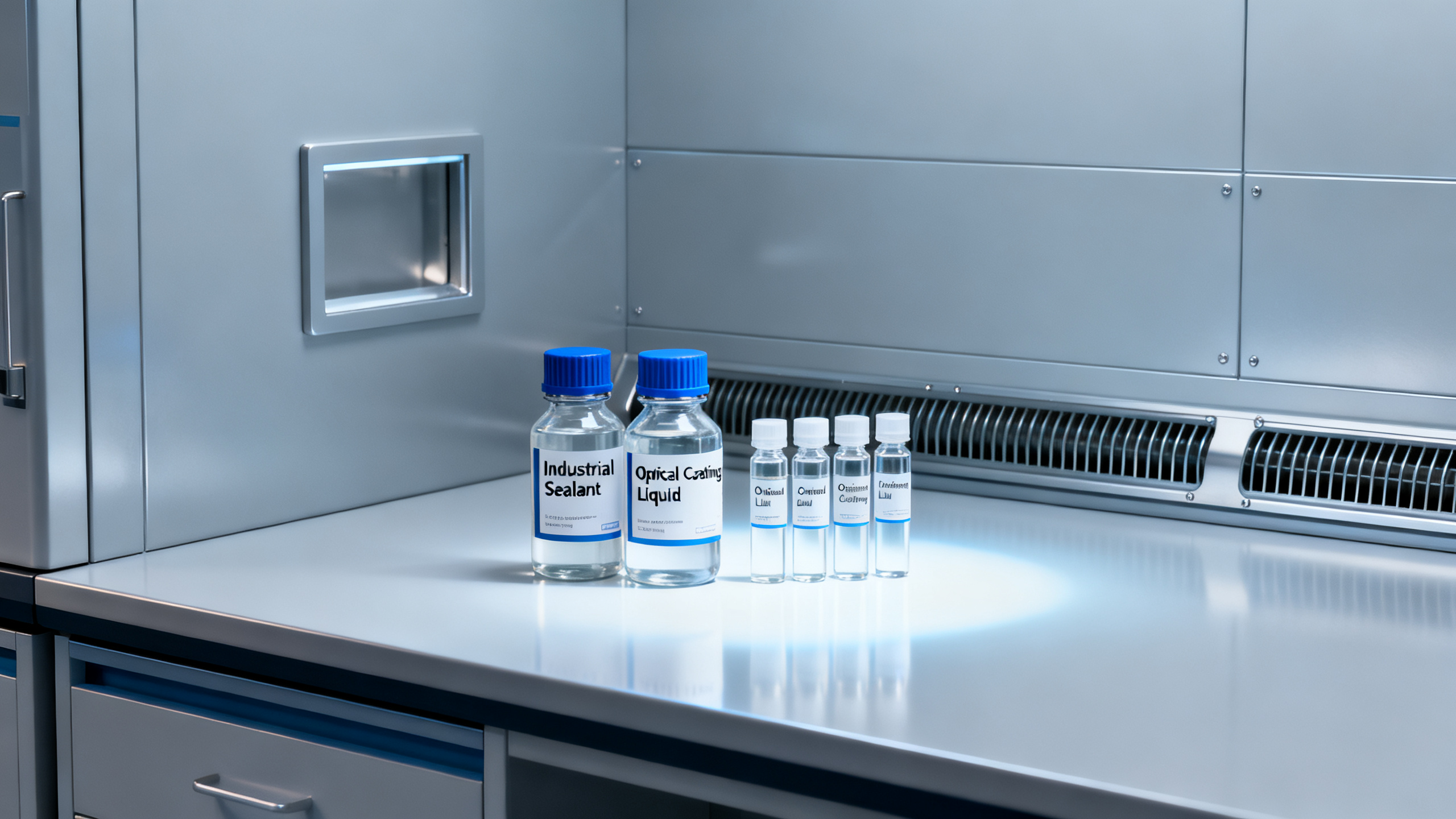
On May 22, 2026, the Korean Ministry of Environment activated a special registration pathway under K-REACH for chemicals designated as ‘supply-shortage substances’, targeting critical industrial auxiliaries—including industrial sealants (for bearings and seals) and optical coating liquids (used in industrial optics). The move aims to prevent supply chain disruption amid tightening regulatory compliance deadlines, and marks the first operationalization of this statutory exception mechanism introduced under the 2023 K-REACH amendment.
Event Overview
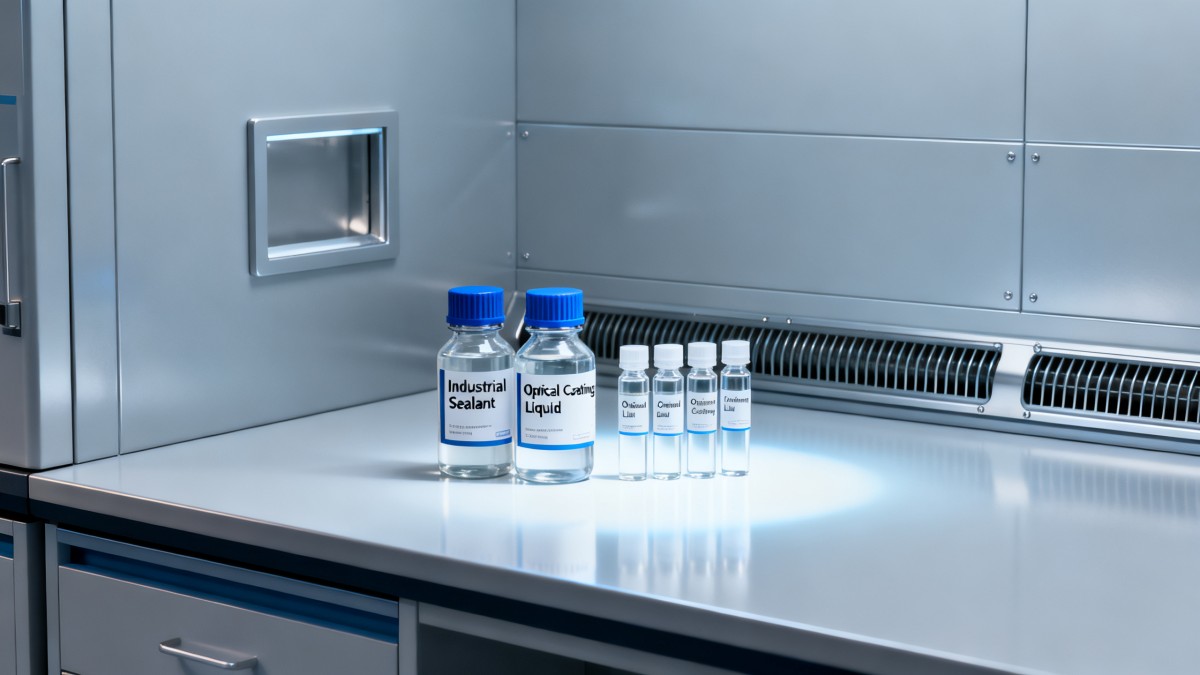
The Korean Ministry of Environment officially launched the ‘Supply-Shortage Chemicals’ special registration channel on May 22, 2026. Under this provision, eligible substances—including industrial sealants and optical coating liquids—may obtain provisional compliance status within 60 days upon submission of streamlined test data (e.g., composition verification, basic ecotoxicity screening, and exposure scenario documentation), bypassing full dossier requirements. Chinese exporters of these substances have begun mass submissions; initial approvals are expected from early June 2026, enabling resumption of stable exports to South Korea.
Industries Affected
Direct Trading Enterprises: Exporters of industrial sealants and optical coating liquids—particularly SMEs in China’s Jiangsu, Zhejiang, and Guangdong provinces—are directly impacted. Their ability to maintain market access hinges on timely use of the special channel; failure to submit before the June 15, 2026, pre-screening deadline may result in shipment holds or customs rejection starting July 2026.
Raw Material Procurement Enterprises: Downstream formulators relying on imported Korean or EU-sourced base polymers, silanes, or metal-organic precursors face indirect pressure. If their suppliers lack K-REACH-compliant intermediates, reformulation or dual-sourcing becomes necessary—potentially delaying product certification cycles for automotive or display applications.
Processing & Manufacturing Enterprises: Korean manufacturers of precision bearings, semiconductor photomasks, and AR/VR optical modules depend on consistent supply of compliant sealants and coating fluids. Even with provisional approval, batch-to-batch variability in newly registered lots may trigger internal requalification—adding 2–3 weeks to production ramp-up timelines.
Supply Chain Service Providers: Regulatory consultants, testing laboratories (e.g., KTL, KTR), and customs brokers report surging demand for expedited dossier preparation and GHS labeling alignment. Capacity constraints are emerging, especially for labs offering OECD 404 (acute dermal toxicity) and 429 (skin sensitization) testing under accelerated timelines.
Key Focus Areas and Recommended Actions
Verify Substance Eligibility Before Submission
Not all sealants or coating liquids qualify: only those formally listed by the Ministry of Environment in its May 22, 2026, Annex A (‘Designated Supply-Shortage Substances’) are eligible. Applicants must cross-check CAS numbers and use patterns against the published list—not assumptions based on function or application.
Prepare Streamlined Dossier Components Early
The 60-day clock starts only after complete submission of mandatory elements: SDS (Korean-language), composition declaration (≥90% substance identity coverage), exposure scenario summary, and analytical method validation reports. Missing any component resets the timeline—no partial acceptance is permitted.
Coordinate with Korean Importers on Notification
Provisional approval requires joint notification by exporter and Korean importer to the National Institute of Environmental Research (NIER). Delays often stem from misaligned documentation timing—not technical deficiencies. Establishing a shared submission calendar is strongly advised.
Editorial Perspective / Industry Observation
Analysis shows this special channel is not a regulatory relaxation but a calibrated risk-mitigation tool: it shifts burden from upfront data generation to post-approval monitoring. Observably, the Ministry has embedded strict sunset clauses—provisional status expires 18 months after grant unless full registration is completed. From an industry perspective, this signals growing emphasis on traceability over volume-based compliance. Current more critical than speed of registration is accuracy of substance identification; misclassification risks triggering broader supply-chain audits across K-REACH and Korea’s new Chemicals Control Act (CCA) enforcement framework.
Conclusion
This initiative underscores a structural shift in East Asian chemical regulation: compliance is increasingly treated as a dynamic, supply-chain-wide process—not a static, one-time filing. For global suppliers, success hinges less on meeting minimum thresholds and more on embedding regulatory intelligence into procurement, formulation, and logistics planning. The real test begins after provisional approval—not before.
Source Attribution
Official notice issued by the Korean Ministry of Environment, ‘Guideline on Special Registration for Supply-Shortage Chemicals under K-REACH’, dated May 22, 2026 (Ref: MOE/KEP/2026-047). Annex A list published via the K-REACH Compliance Portal (www.kreach.or.kr). Ongoing updates on approval status and audit frequency remain subject to NIER announcements—these warrant continuous monitoring through official channels.
Technical Specifications
- How to Select Electronic Hotel Key Card Locks for Guest Rooms and Staff AreasAuthor :Safety Compliance Lead
- How to Select Lab Instruments for Reliable Chemical Analysis WorkflowsAuthor :Precision Metrology Expert
- How to Size a UPS for Server Rooms: Load, Runtime, and Redundancy FactorsAuthor :Grid Infrastructure Analyst
Expert Insights

Chief Security Architect
Dr. Thorne specializes in the intersection of structural engineering and digital resilience. He has advised three G7 governments on industrial infrastructure security.
Related Analysis
- Sep 17, 2026How to Select Electronic Hotel Key Card Locks for Guest Rooms and Staff AreasAuthor :Safety Compliance Lead
- Sep 16, 2026How to Select Lab Instruments for Reliable Chemical Analysis WorkflowsAuthor :Precision Metrology Expert
- Sep 15, 2026How to Size a UPS for Server Rooms: Load, Runtime, and Redundancy FactorsAuthor :Grid Infrastructure Analyst
Core Sector // 01
Security & Safety
- Selecting Low-Friction Pneumatic Seals for High-Cycle, Low-Pressure CylindersAuthor :Heavy Industry Strategist

- Selecting Spherical Roller Bearings for Mining: Load, Contamination, and Service LifeAuthor :Heavy Industry Strategist

- Do Deep Groove Ball Bearings Need Special Seals in Coastal Humidity?Author :Heavy Industry Strategist

- How to Select Anti Vibration Rubber Shock Absorbers for Machinery and EquipmentAuthor :Heavy Industry Strategist

- When to Specify Induction Hardened Slewing Ring Bearings for Heavy-Duty EquipmentAuthor :Heavy Industry Strategist

- How to Evaluate Weather Resistant EPDM Extrusion for Outdoor Sealing ApplicationsAuthor :Heavy Industry Strategist

- Bearing and Seal Lead Times Stretch to 22 WeeksAuthor :Heavy Industry Strategist

- Angular Contact Ball Bearings Explained: Contact Angle, Load Capacity, and Common UsesAuthor :Heavy Industry Strategist