G7 Paris Meeting Focuses on Critical Minerals to Reduce China Dependence
Author
Date Published
Reading Time

On May 20, 2026, G7 energy ministers convened in Paris and reached consensus on accelerating the development of non-China-led supply chains for critical minerals—including rare earth elements and battery metals—aiming to reduce strategic reliance on Chinese sources. Industries directly involved in permanent magnet manufacturing, copper foil production, lithium-based grease formulation, and related industrial component supply chains should monitor developments closely, as this marks a coordinated policy shift with near-term operational implications.
Event Overview
On May 20, 2026, G7 energy ministers meeting in Paris agreed to advance diversified, resilient, and transparent supply chains for critical minerals outside China’s dominant influence. The statement specifically highlighted neodymium-iron-boron (NdFeB) magnets (used in industrial motors and sensors), electrolytic copper foil (for cables and wiring), and lithium-based greases (for bearings and seals). As an immediate step, European procurement entities will initiate ESG and upstream mine-source traceability audits targeting Chinese suppliers.
Industries Affected by Segment
Direct Trading Enterprises
Trading firms engaged in cross-border export or distribution of NdFeB magnets, electrolytic copper foil, or lithium-based greases face heightened compliance scrutiny. The requirement for upstream mine-source auditability means documentation standards—including mineral origin, smelting location, and ESG certification—will become mandatory for continued market access in G7-aligned procurement channels.
Raw Material Procurement Entities
Companies sourcing rare earth oxides, lithium compounds, or refined copper from Chinese refineries may encounter delays or rejection if supplier due diligence records lack verifiable chain-of-custody data. The focus on ‘penetration audits’ implies that procurement teams must now verify not only their direct vendors but also tier-2 and tier-3 mining and processing partners.
Downstream Manufacturing Firms
Manufacturers integrating NdFeB magnets into motors, copper foil into wiring harnesses, or lithium greases into sealed bearing assemblies may face new technical specifications or material declarations. While no formal product bans were announced, qualification requirements for G7 public-sector tenders or OEM partnerships may soon include third-party verified mineral provenance.
Supply Chain Service Providers
Logistics, certification, and audit service providers supporting mineral traceability—including blockchain-enabled tracking platforms or ESG verification bodies—may see increased demand. However, current scope remains limited to European procurement audits; no multilateral certification framework or mutual recognition mechanism was established at the meeting.
What Relevant Companies or Practitioners Should Monitor and Do Now
Track official implementation timelines and scope definitions
The Paris statement sets direction but does not specify deadlines, enforcement mechanisms, or thresholds for audit triggers. Stakeholders should monitor subsequent publications from the EU Commission, U.S. Department of Energy, and Japanese METI for sector-specific guidance—especially regarding which products or transaction values will be prioritized first.
Identify exposure across priority categories and geographies
Assess whether your NdFeB, copper foil, or lithium grease supply lines involve Chinese smelters or refineries—even if final assembly occurs elsewhere. Prioritize mapping Tier-2 and Tier-3 upstream sources for these three materials, as the audit mandate explicitly covers ‘upstream mine-source traceability’.
Distinguish between policy signal and operational reality
This agreement reflects political coordination—not yet binding regulation. No tariffs, quotas, or licensing changes were introduced. Current impact is confined to voluntary or contractually mandated audits by European buyers; broader trade restrictions remain unannounced and would require separate legal processes.
Prepare documentation and communication protocols proactively
Begin compiling auditable evidence for key materials: mine licenses, smelter certifications, environmental permits, and third-party ESG reports. Internally align procurement, quality assurance, and sustainability teams to ensure consistent responses to buyer audit requests—particularly where multiple Chinese suppliers are involved in one material stream.
Editorial Perspective / Industry Observation
Observably, this outcome functions primarily as a strategic signal—not an immediate regulatory change. It signals intensified alignment among G7 members on supply chain sovereignty for high-leverage industrial inputs, especially where China holds concentrated refining capacity. Analysis shows the emphasis on ‘penetration audits’ suggests early-stage risk mitigation rather than full decoupling; the goal appears to be leverage-building through transparency, not exclusion per se. From an industry perspective, the Paris consensus is better understood as a catalyst for parallel investment in alternative sourcing and traceability infrastructure—not as evidence of imminent market closure.
Consequently, stakeholders should treat this as a medium-term structural inflection point requiring preparation—not a short-term disruption demanding reactive overhaul. Continued attention is warranted because follow-up actions (e.g., EU Critical Raw Materials Act updates or U.S. Defense Production Act expansions) are likely within the next 12–18 months.

Conclusion: This G7 agreement does not alter current trade flows or impose new legal obligations—but it does formalize a shared intent to increase scrutiny and diversify sourcing for three specific critical material applications. For industry participants, it is more accurately interpreted as an early warning system for tightening due diligence expectations, particularly in European procurement contexts. A measured, evidence-based, and operationally grounded response—centered on traceability readiness and supplier engagement—is currently more appropriate than strategic pivots or market exit considerations.
Source Disclosure:
Primary source: Official communiqué issued by the G7 Energy Ministers following the Paris meeting on May 20, 2026.
Note: Implementation details—including audit methodology, timeline, and enforcement criteria—are not yet published and remain subject to ongoing intergovernmental coordination.
Technical Specifications
- How to Select Electronic Hotel Key Card Locks for Guest Rooms and Staff AreasAuthor :Safety Compliance Lead
- How to Select Lab Instruments for Reliable Chemical Analysis WorkflowsAuthor :Precision Metrology Expert
- How to Size a UPS for Server Rooms: Load, Runtime, and Redundancy FactorsAuthor :Grid Infrastructure Analyst
Expert Insights

Chief Security Architect
Dr. Thorne specializes in the intersection of structural engineering and digital resilience. He has advised three G7 governments on industrial infrastructure security.
Related Analysis
- Sep 17, 2026How to Select Electronic Hotel Key Card Locks for Guest Rooms and Staff AreasAuthor :Safety Compliance Lead
- Sep 16, 2026How to Select Lab Instruments for Reliable Chemical Analysis WorkflowsAuthor :Precision Metrology Expert
- Sep 15, 2026How to Size a UPS for Server Rooms: Load, Runtime, and Redundancy FactorsAuthor :Grid Infrastructure Analyst
Core Sector // 01
Security & Safety
- Selecting Low-Friction Pneumatic Seals for High-Cycle, Low-Pressure CylindersAuthor :Heavy Industry Strategist

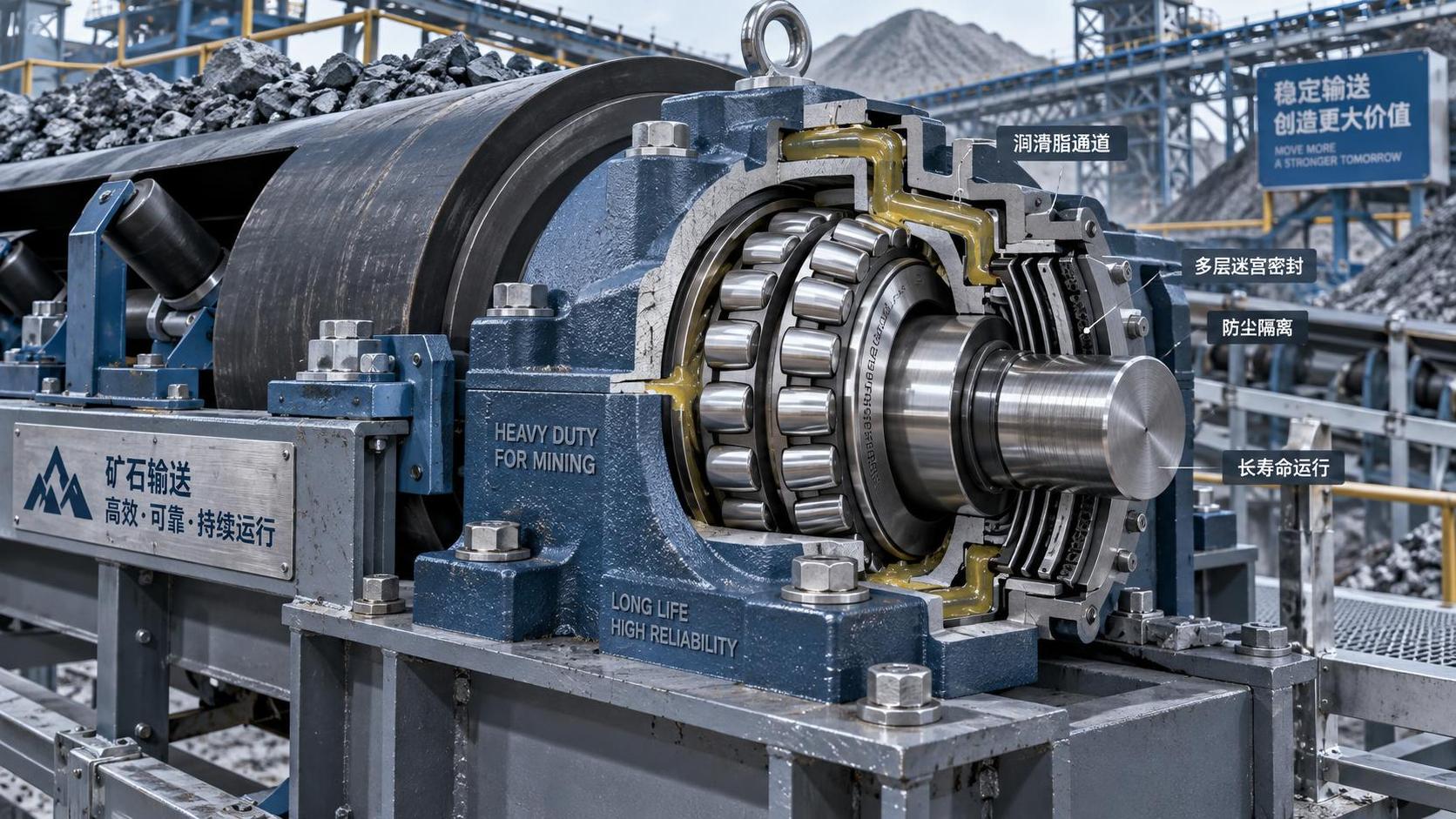
- Selecting Spherical Roller Bearings for Mining: Load, Contamination, and Service LifeAuthor :Heavy Industry Strategist

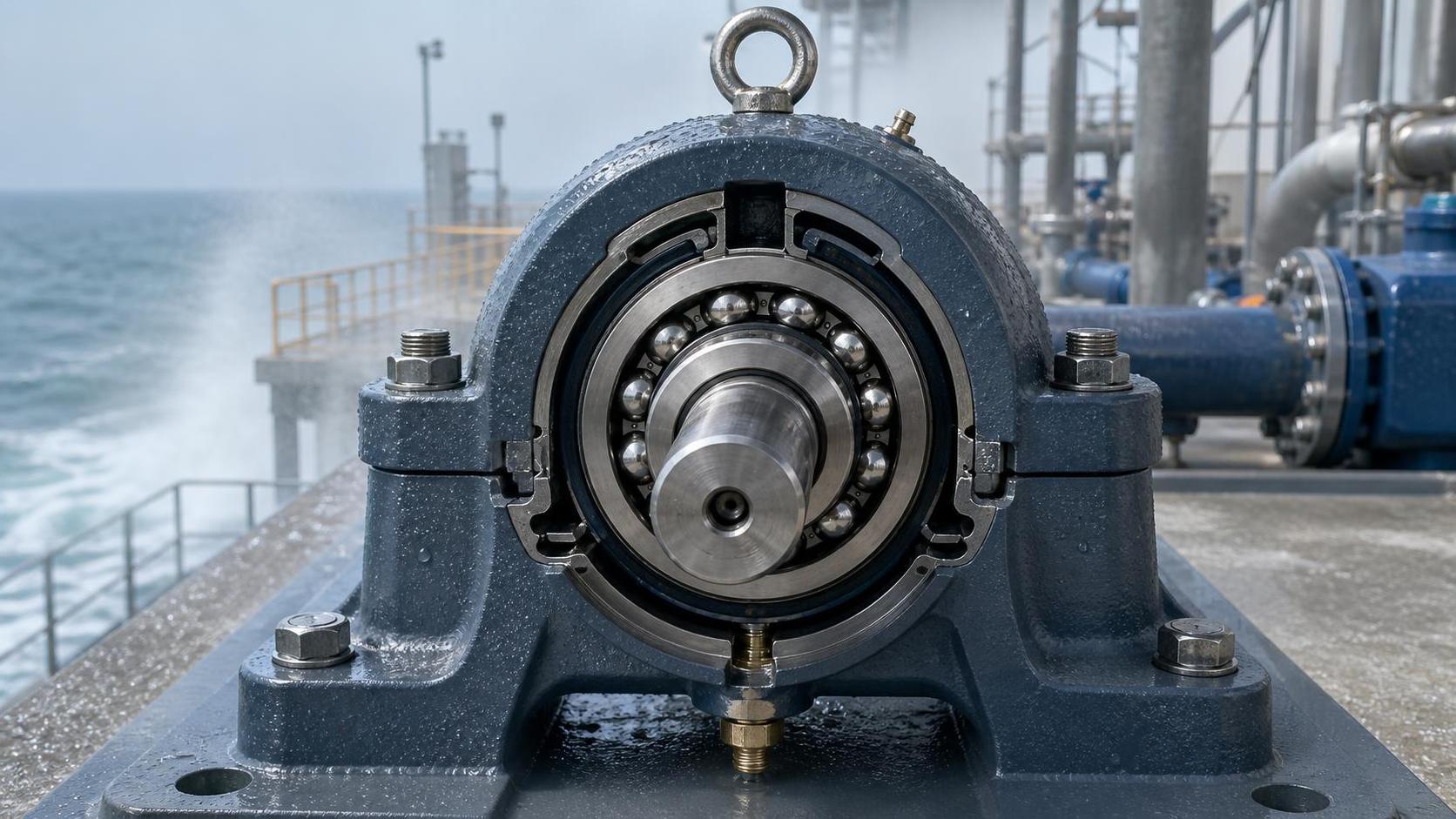
- Do Deep Groove Ball Bearings Need Special Seals in Coastal Humidity?Author :Heavy Industry Strategist

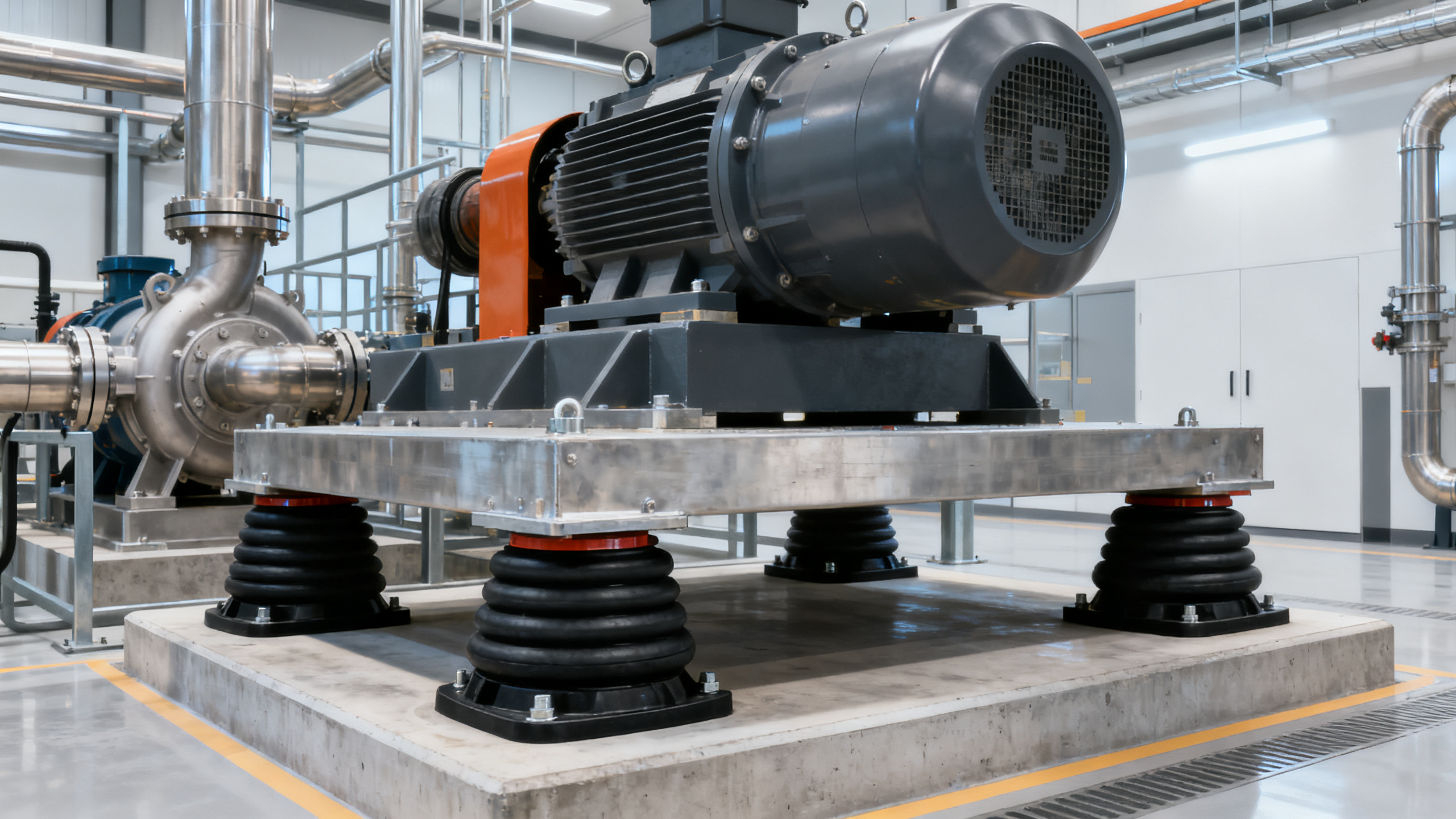
- How to Select Anti Vibration Rubber Shock Absorbers for Machinery and EquipmentAuthor :Heavy Industry Strategist

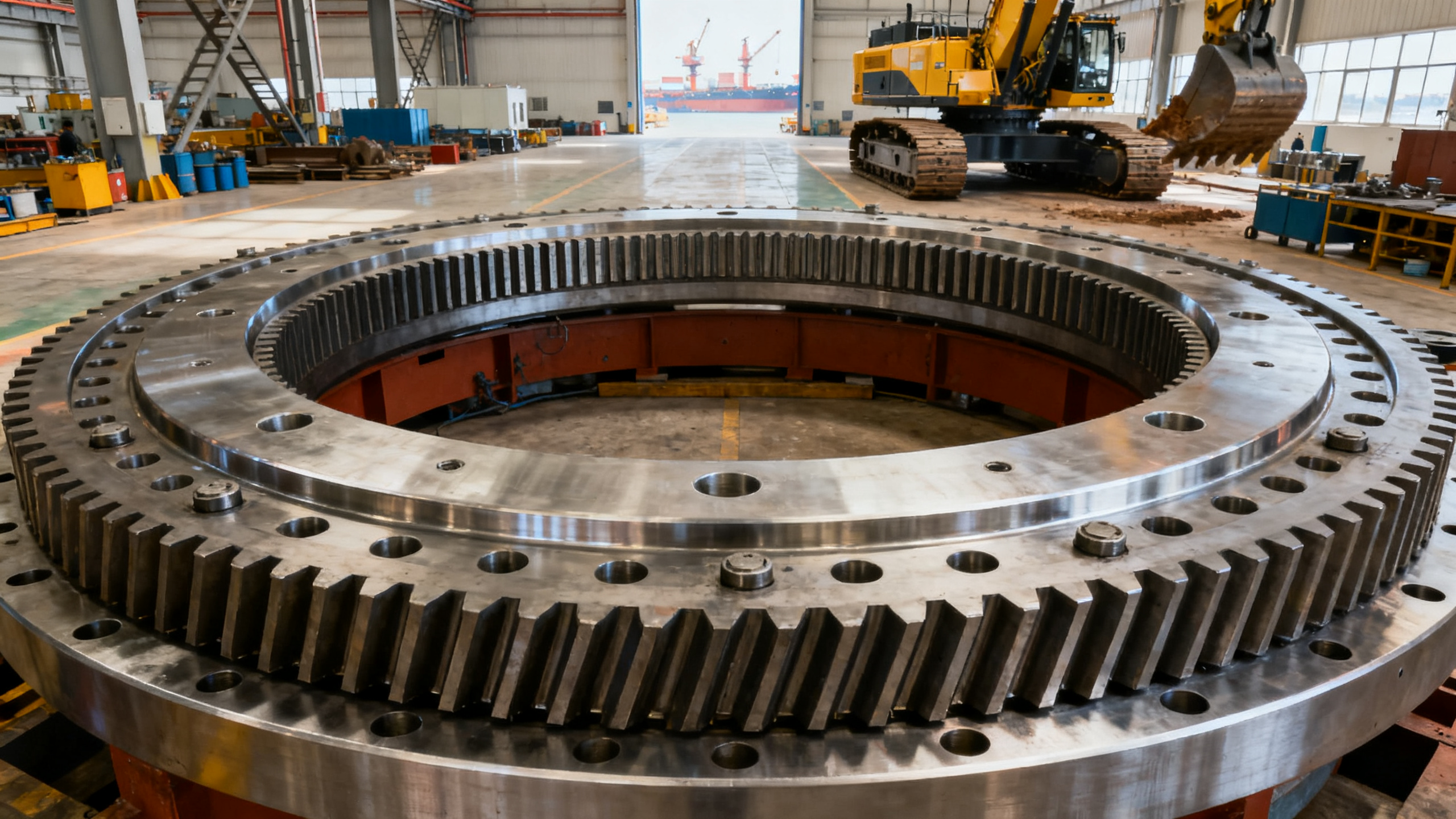
- When to Specify Induction Hardened Slewing Ring Bearings for Heavy-Duty EquipmentAuthor :Heavy Industry Strategist

- How to Evaluate Weather Resistant EPDM Extrusion for Outdoor Sealing ApplicationsAuthor :Heavy Industry Strategist

- Bearing and Seal Lead Times Stretch to 22 WeeksAuthor :Heavy Industry Strategist

- Angular Contact Ball Bearings Explained: Contact Angle, Load Capacity, and Common UsesAuthor :Heavy Industry Strategist