Putin's China Visit Spurs Russia-China Trade Council
Author
Date Published
Reading Time
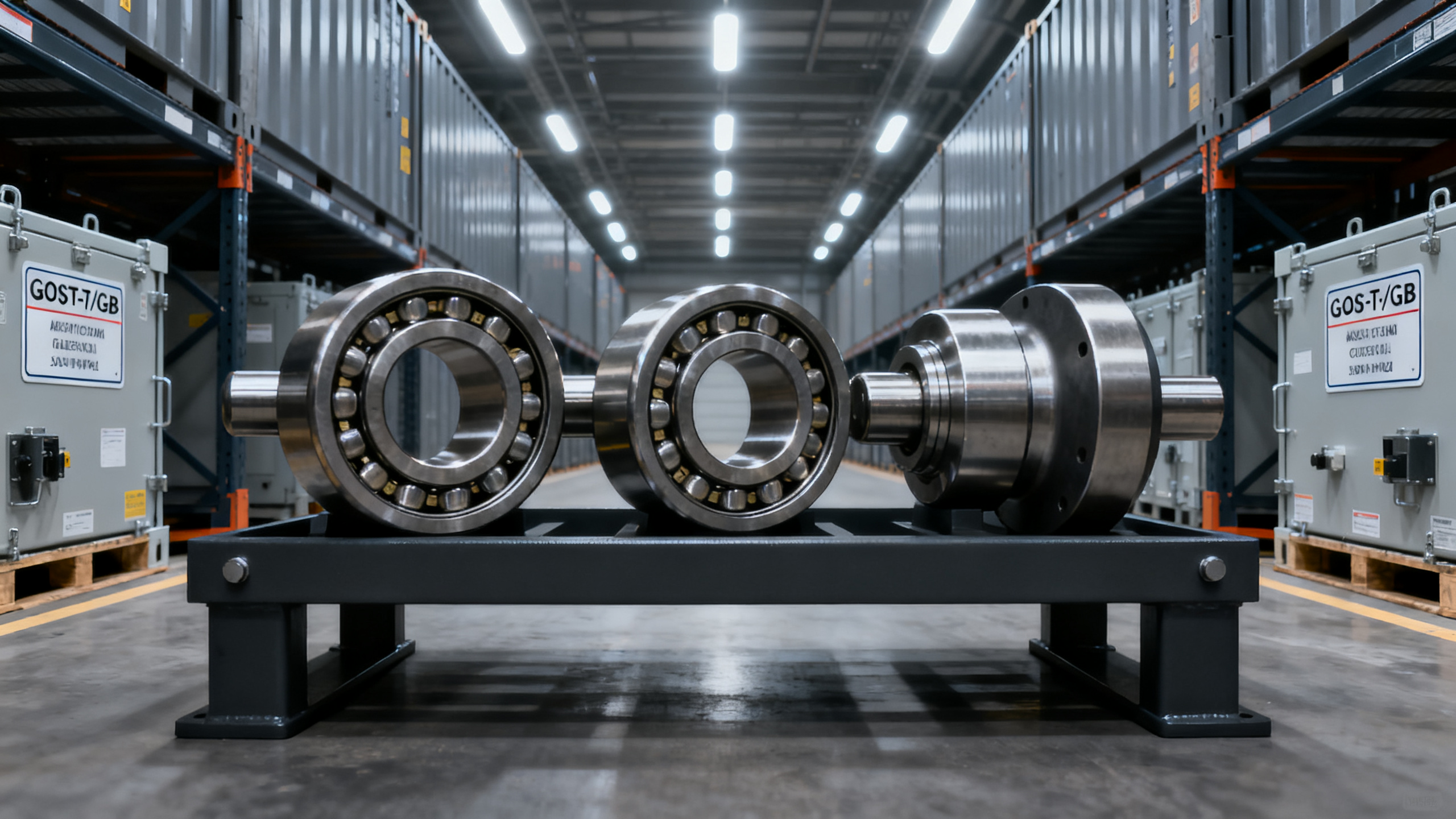
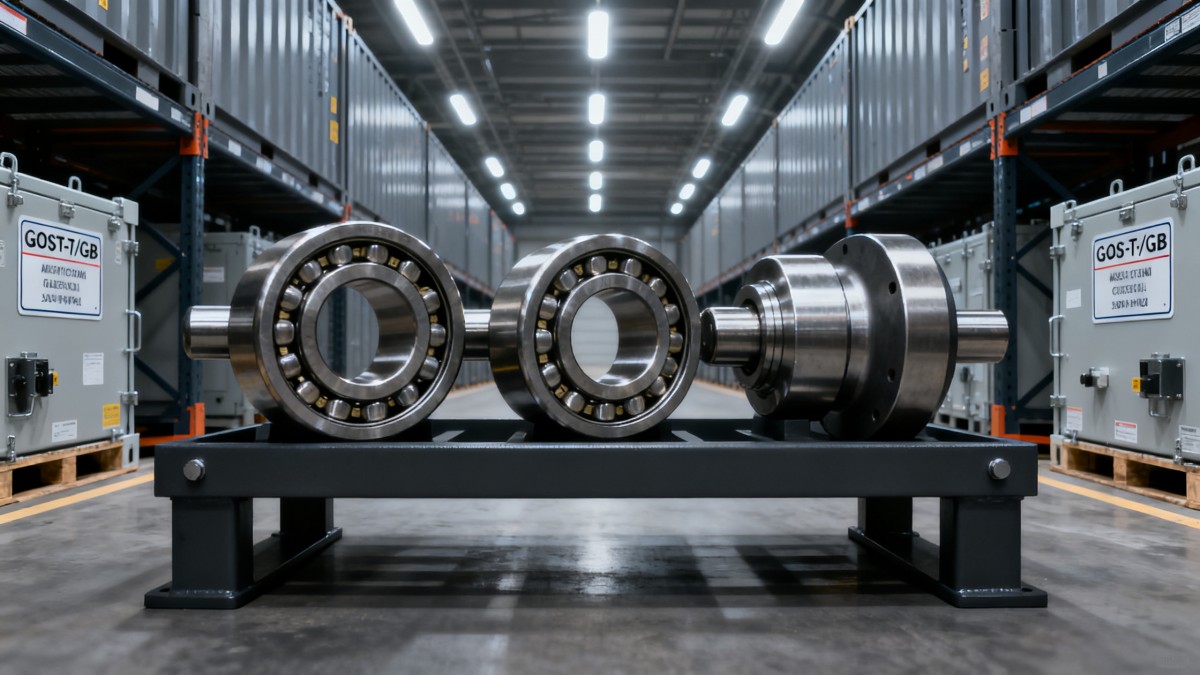
Russian President Vladimir Putin’s state visit to China on May 19–20, 2026, marked a pivotal step in bilateral economic coordination. The establishment of the Russia-China Trade and Investment Council — jointly announced by both sides — signals a structural shift toward institutionalized dialogue on market access, particularly for agricultural commodities and high-technology industrial goods. This development directly affects multiple segments of the global industrial supply chain, especially those engaged in cross-border trade with Russia or reliant on Russian-sourced inputs.
Event Overview
At the invitation of President Xi Jinping, President Putin conducted a state visit to China from May 19 to 20, 2026. During the visit, the two countries agreed to establish the Russia-China Trade and Investment Council. Key outcomes include commitments to eliminate non-tariff barriers for agricultural products and expand mutual market access for industrial bearings, specialty steel, and nuclear power instrumentation and control equipment.
Industries Affected
Direct Exporters
Companies exporting Bearings & Seals and Steel & Metal Profiles to Russia stand to benefit from enhanced regulatory predictability and streamlined certification pathways. The Council’s mandate to address non-tariff barriers — such as inconsistent conformity assessments or duplicative testing requirements — may reduce time-to-market and compliance overhead. However, actual implementation timelines and scope remain unconfirmed.
Raw Material Procurement Firms
Firms sourcing raw materials (e.g., ferroalloys, nickel, or rare earths) from Russia may experience indirect effects. While the agreement does not explicitly cover upstream resource trade, the institutional framework could accelerate harmonization of quality standards and logistics documentation — potentially lowering procurement risk. Observably, this effect is contingent on parallel technical working groups being convened under the Council’s umbrella.
Manufacturing Enterprises
Domestic manufacturers supplying nuclear instrumentation and control systems — particularly those already certified to IAEA or ROSATOM standards — may gain preferential consideration in Russian public tenders. From an industry perspective, the agreement does not guarantee quotas or subsidies but strengthens the foundation for long-term qualification alignment. That said, export readiness still hinges on individual company-level certification maintenance and localization support capacity.
Supply Chain Service Providers
Logistics operators, customs brokers, and certification consultants serving Sino-Russian trade face rising demand for bilingual technical documentation review, GOST-R/GB standard translation, and pre-shipment conformity verification. Analysis shows that service firms with established presence in both Beijing and Moscow — and prior experience in nuclear or heavy industrial exports — are better positioned to scale operations than generalist providers.
Key Considerations and Recommended Actions
Monitor Council Implementation Roadmap
The Council is newly formed; its secretariat structure, workplan, and first meeting schedule have not yet been published. Companies should track official announcements from China’s Ministry of Commerce (MOFCOM) and Russia’s Ministry of Industry and Trade for procedural milestones.
Validate Product-Specific Access Pathways
While broad categories (e.g., ‘industrial bearings’) were cited, no product-level annexes or tariff line references were released. Exporters must verify whether their specific HS codes fall within prioritized categories — especially given Russia’s ongoing import substitution policies in critical sectors.
Assess Certification Readiness Against Dual Standards
Compliance with Chinese GB standards alone is insufficient. Firms targeting Russian markets must concurrently maintain valid EAC (Eurasian Conformity) certificates and, where applicable, ROSATOM-specific approvals. Cross-certification gaps represent the most immediate operational bottleneck.
Editorial Perspective / Industry Observation
This agreement is better understood as a governance upgrade than a market-opening event. It formalizes coordination mechanisms rather than delivering immediate tariff reductions or quota expansions. Current more relevant indicators include: (i) whether the Council establishes sub-working groups on technical regulation, (ii) how quickly joint verification pilots begin for agricultural sanitary measures, and (iii) whether Chinese financial institutions announce dedicated RUB-CNY settlement facilities aligned with the Council’s agenda. These will determine whether the initiative evolves into a functional platform — or remains symbolic.
Conclusion
The Russia-China Trade and Investment Council introduces a new layer of institutional scaffolding for bilateral industrial trade. Its significance lies less in near-term volume shifts and more in the potential to stabilize expectations across volatile geopolitical conditions. For industry participants, the value proposition centers on risk mitigation — not growth acceleration — at least through mid-2027.
Source Attribution
Official statements issued by the People’s Republic of China Ministry of Commerce (MOFCOM) and the Russian Federation Ministry of Industry and Trade, May 20, 2026. Note: The Council’s charter, membership roster, and inaugural workplan are pending publication. Continued observation is recommended for updates on technical annexes, sectoral working groups, and financing mechanisms.
Technical Specifications
- How to Select Electronic Hotel Key Card Locks for Guest Rooms and Staff AreasAuthor :Safety Compliance Lead
- How to Select Lab Instruments for Reliable Chemical Analysis WorkflowsAuthor :Precision Metrology Expert
- How to Size a UPS for Server Rooms: Load, Runtime, and Redundancy FactorsAuthor :Grid Infrastructure Analyst
Expert Insights

Chief Security Architect
Dr. Thorne specializes in the intersection of structural engineering and digital resilience. He has advised three G7 governments on industrial infrastructure security.
Related Analysis
- Sep 17, 2026How to Select Electronic Hotel Key Card Locks for Guest Rooms and Staff AreasAuthor :Safety Compliance Lead
- Sep 16, 2026How to Select Lab Instruments for Reliable Chemical Analysis WorkflowsAuthor :Precision Metrology Expert
- Sep 15, 2026How to Size a UPS for Server Rooms: Load, Runtime, and Redundancy FactorsAuthor :Grid Infrastructure Analyst
Core Sector // 01
Security & Safety
- Selecting Low-Friction Pneumatic Seals for High-Cycle, Low-Pressure CylindersAuthor :Heavy Industry Strategist

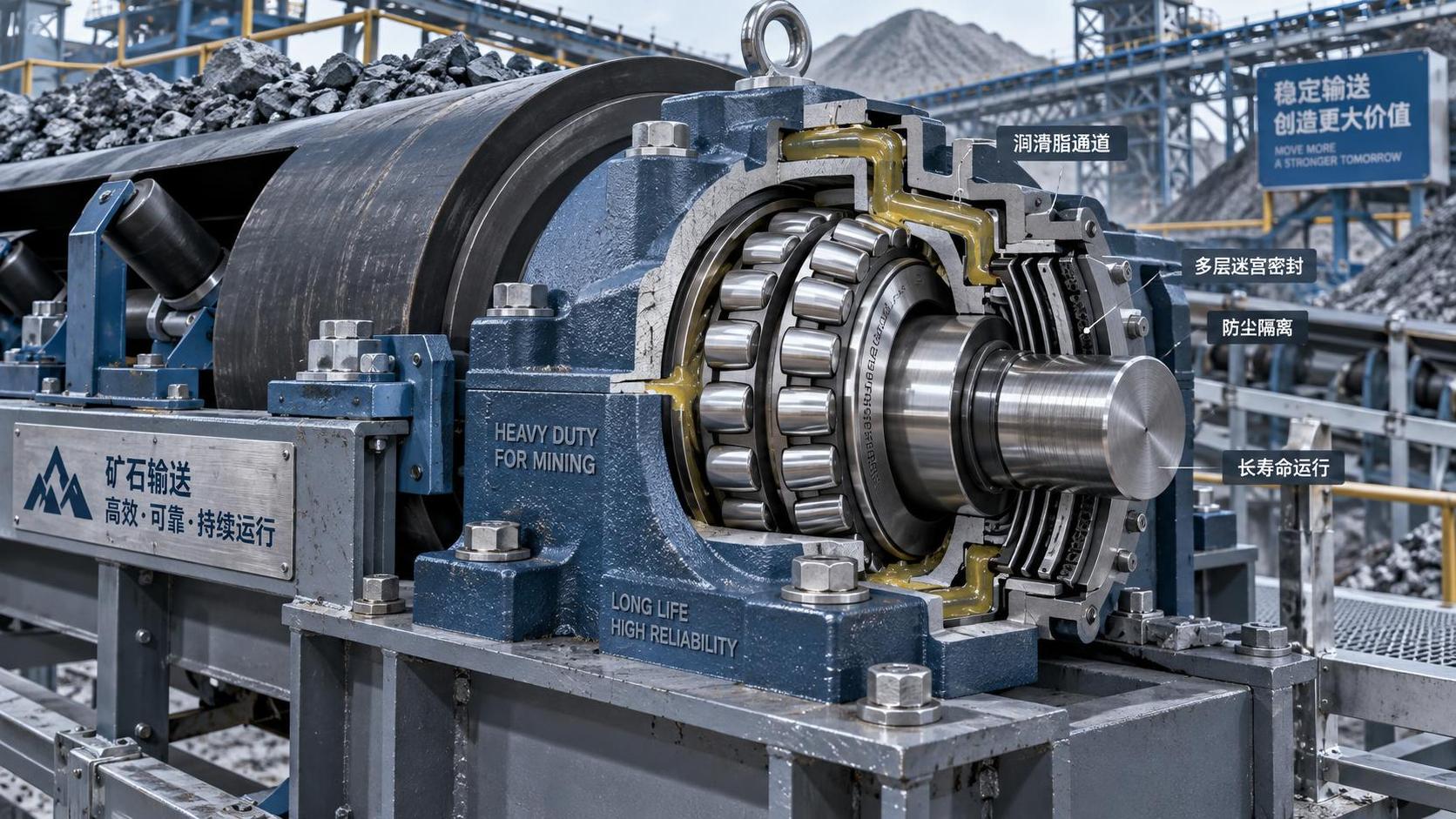
- Selecting Spherical Roller Bearings for Mining: Load, Contamination, and Service LifeAuthor :Heavy Industry Strategist

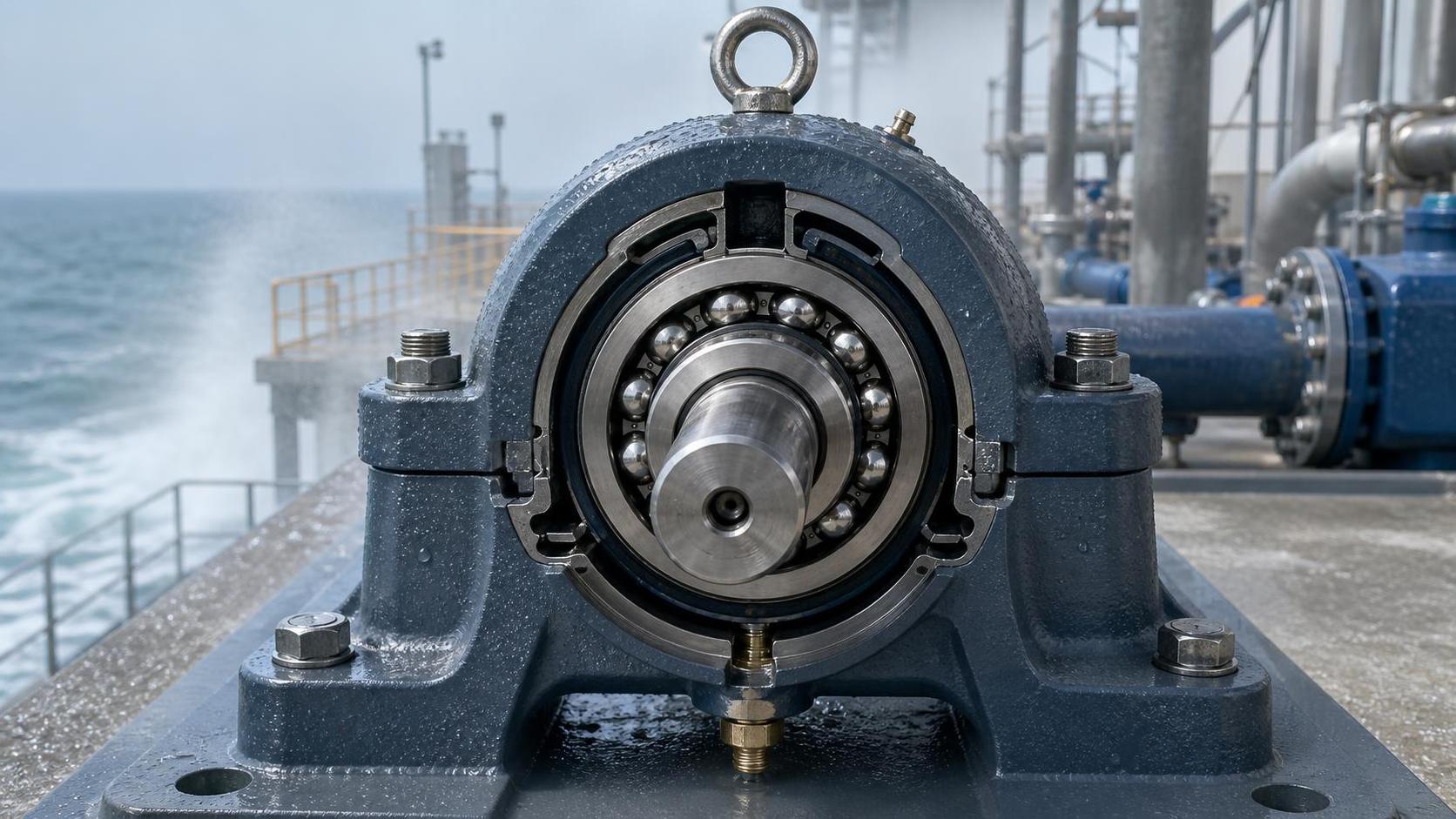
- Do Deep Groove Ball Bearings Need Special Seals in Coastal Humidity?Author :Heavy Industry Strategist

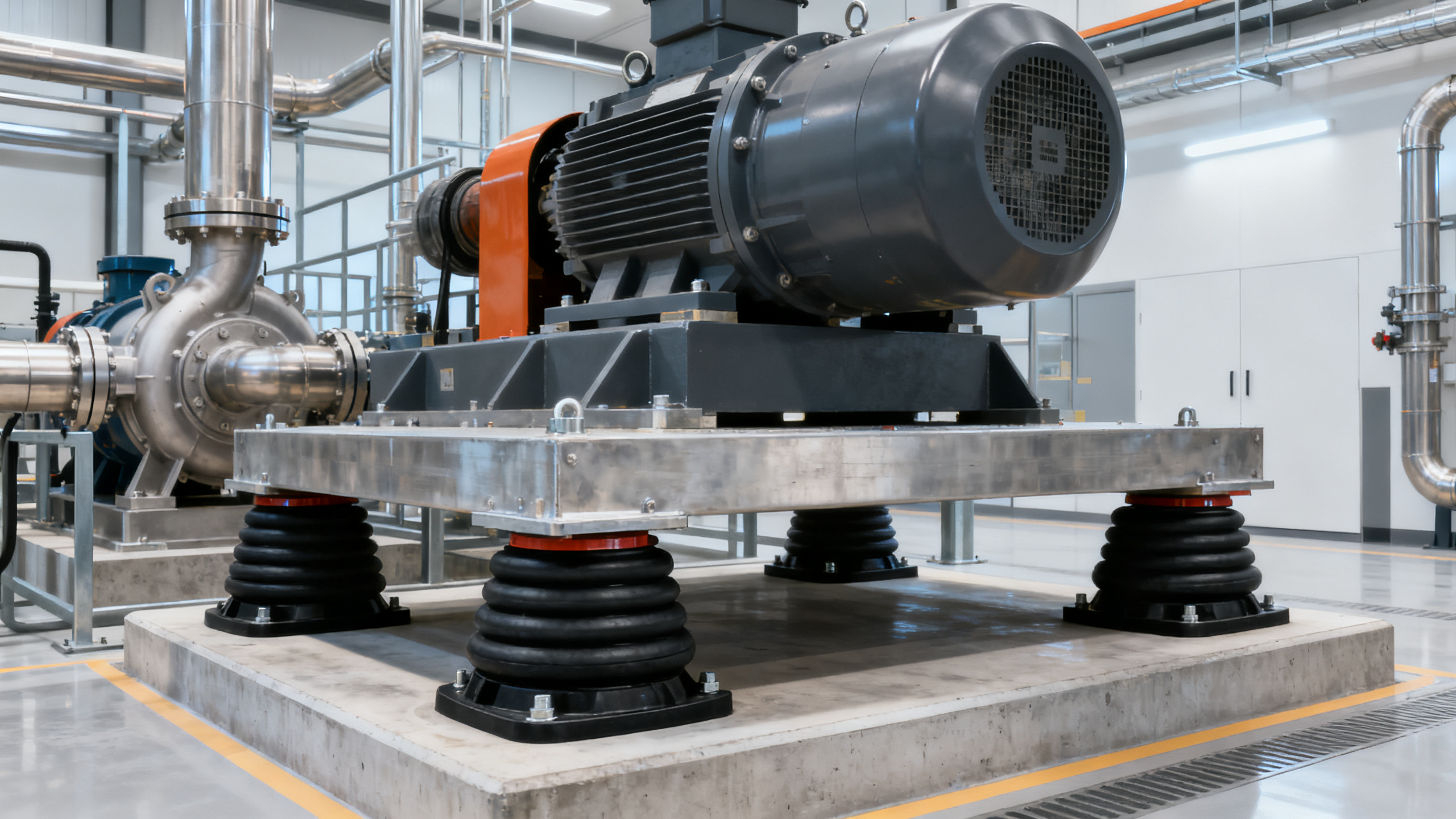
- How to Select Anti Vibration Rubber Shock Absorbers for Machinery and EquipmentAuthor :Heavy Industry Strategist

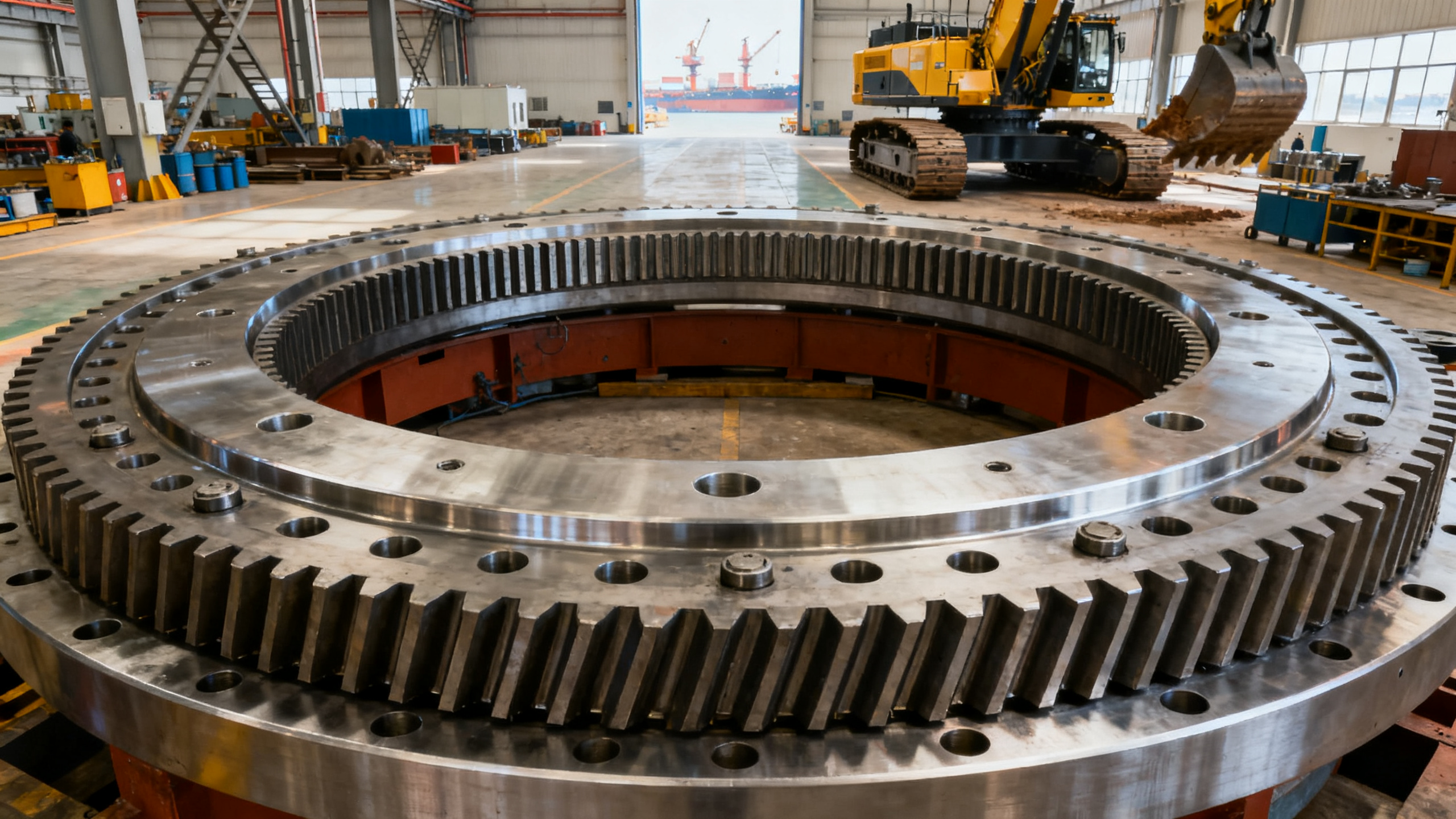
- When to Specify Induction Hardened Slewing Ring Bearings for Heavy-Duty EquipmentAuthor :Heavy Industry Strategist

- How to Evaluate Weather Resistant EPDM Extrusion for Outdoor Sealing ApplicationsAuthor :Heavy Industry Strategist

- Bearing and Seal Lead Times Stretch to 22 WeeksAuthor :Heavy Industry Strategist

- Angular Contact Ball Bearings Explained: Contact Angle, Load Capacity, and Common UsesAuthor :Heavy Industry Strategist