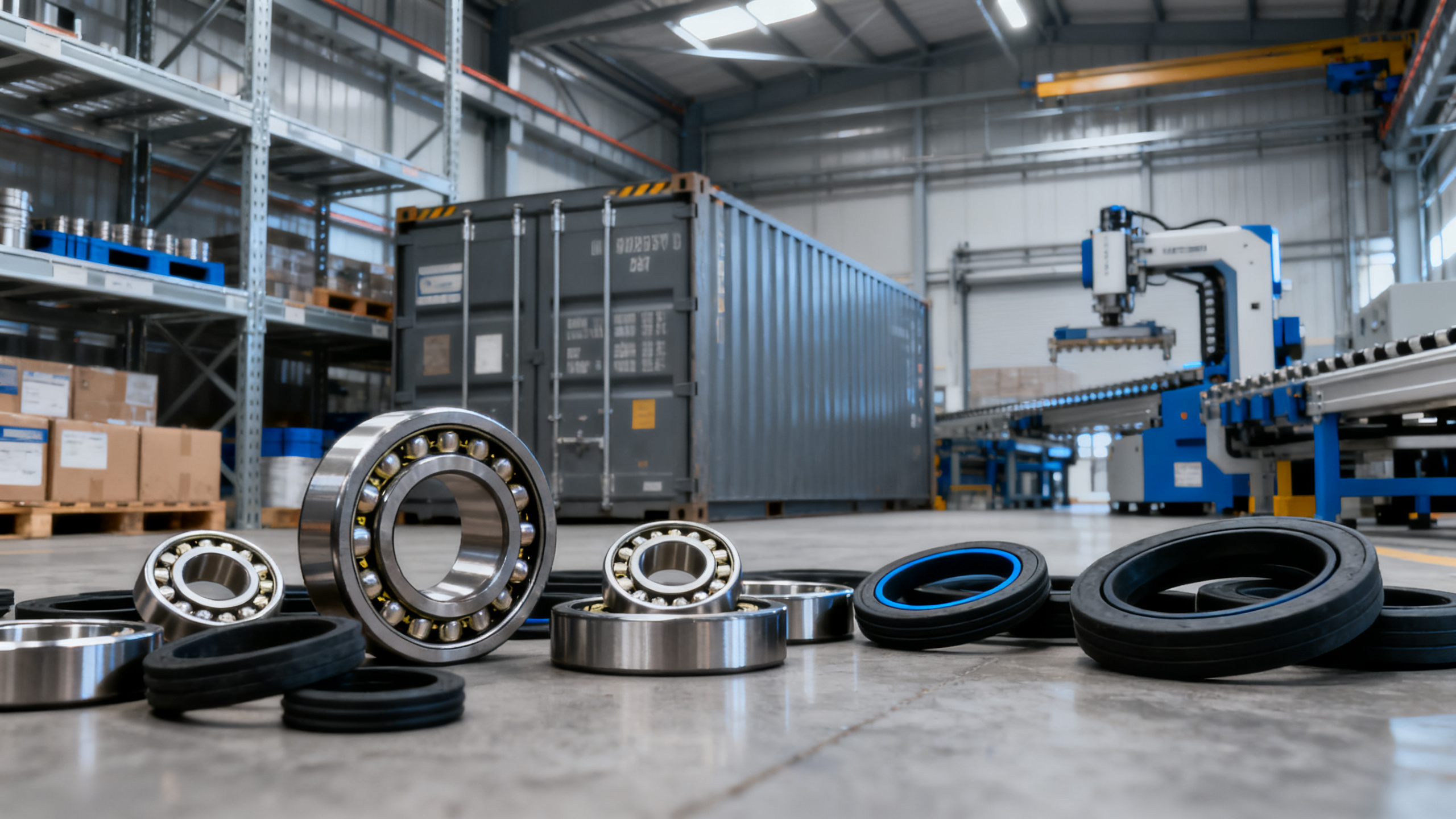
India Imposes 3-Month Zero Import Duty on Industrial Bearings & Metal Sections
Author
Date Published
Reading Time
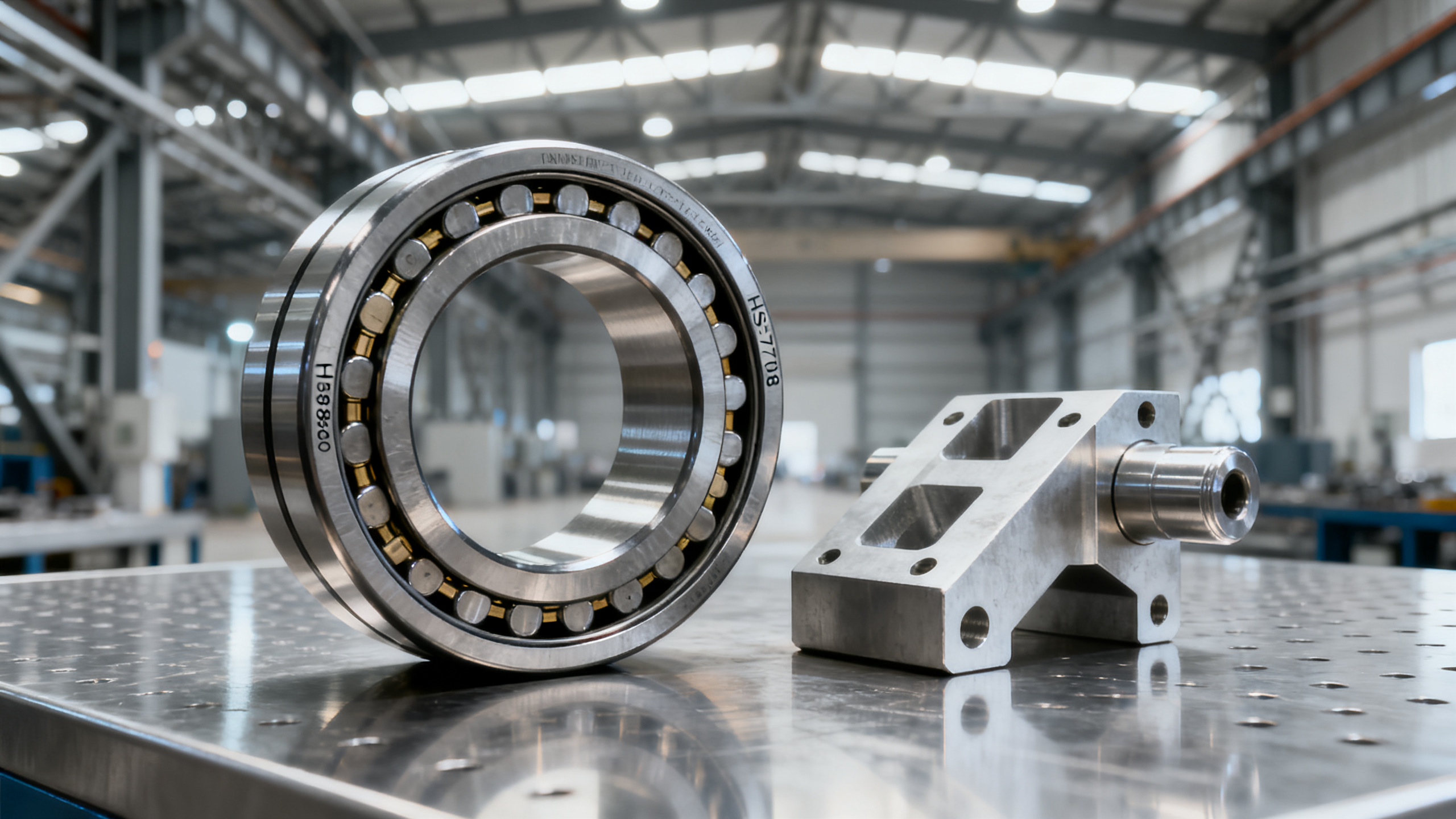
On May 21, 2026, India’s Ministry of Commerce and Industry announced a temporary zero import duty on HS codes 8482 (industrial bearings) and 7308 (metal structural sections), effective immediately until August 31, 2026. This measure targets cost pressures facing domestic manufacturing—making it especially relevant for exporters, component suppliers, metal fabricators, and certification service providers engaged with the Indian industrial market.
Event Overview
On May 21, 2026, India’s Ministry of Commerce and Industry confirmed that import duties on HS code 8482 (industrial bearings) and HS code 7308 (metal structural sections) have been suspended at 0% until August 31, 2026. The announcement states the policy aims to alleviate cost burdens on local manufacturers. Publicly reported responses include Chinese exporters of bearings, seals, steel profiles, and metal sections launching ‘India-specific’ product lines featuring localized packaging and pre-certification under India’s Bureau of Indian Standards (BIS).
Which Subsectors Are Affected
Direct Exporters (e.g., Bearings & Seals, Steel & Metal Profiles)
These companies face immediate implications in pricing strategy, compliance planning, and short-term order structuring. The zero-duty window creates a time-bound opportunity to accelerate shipments—but only for goods cleared before August 31, 2026. Eligibility hinges strictly on HS code alignment and customs documentation timing.
Domestic Indian Manufacturers (OEMs & Tier-1 Fabricators)
Local producers sourcing imported bearings or structural metal sections may see reduced landed costs over the next three months. However, impact is limited to inputs falling precisely under HS 8482 and 7308—excluding related items such as bearing housings (HS 8483), fasteners (HS 7318), or coated steel sections (HS 7210/7212).
Supply Chain & Certification Service Providers
Firms offering BIS pre-certification, customs advisory, or India-specific packaging solutions are experiencing demand spikes. The policy explicitly references BIS pre-certification as part of the ‘India-customized’ offering—indicating regulatory readiness is now a competitive differentiator, not just a compliance step.
Import Distributors & Channel Partners
Distributors handling industrial components must reassess inventory timing and landed-cost calculations. Since duty suspension applies only to imports cleared during the window—not those merely shipped or invoiced—warehousing, customs release scheduling, and port coordination become critical operational variables.
What Relevant Companies or Practitioners Should Monitor and Do Now
Track official implementation guidance from Indian customs authorities
The Ministry’s announcement sets the policy framework, but practical application—including documentation requirements, origin verification, and post-clearance audits—depends on notifications from the Central Board of Indirect Taxes and Customs (CBIC). Current guidance remains minimal; further updates are expected.
Verify HS code applicability for each SKU, not just product category
HS 8482 covers specific types of industrial bearings (e.g., ball, roller, needle); HS 7308 refers narrowly to built-up structural sections (e.g., trusses, bridges, towers)—not generic steel bars, sheets, or tubes. Misclassification risks duty recovery or clearance delays.
Distinguish between policy signal and operational execution
While the zero-duty period signals short-term import facilitation, it does not alter broader trade conditions: anti-dumping investigations, BIS mandatory registration timelines, or state-level VAT/GST obligations remain unchanged. Businesses should avoid conflating tariff relief with overall regulatory simplification.
Align shipment, customs filing, and payment schedules to the August 31 deadline
Since eligibility is determined by date of customs clearance—not shipment or invoice date—exporters and importers must coordinate closely with Indian customs brokers to ensure timely release. Buffer time for documentation review and port congestion should be factored into logistics planning.
Editor Perspective / Industry Observation
Observably, this is a targeted, time-limited fiscal adjustment—not a structural trade policy shift. Analysis shows it functions primarily as a liquidity and input-cost relief tool for Indian capital goods manufacturers amid domestic capacity constraints. From an industry perspective, it is best understood as a tactical window rather than a strategic opening: its brevity (92 days), narrow scope (two HS codes), and lack of extension language suggest it is intended to address near-term bottlenecks, not reshape long-term sourcing patterns. Continuous monitoring is warranted—not because expansion is likely, but because reversal or modification prior to August 31 could occur if macroeconomic or balance-of-payments conditions shift.
This measure holds moderate significance for cross-border industrial supply chains serving India—particularly for firms already active in the market and equipped to meet BIS and customs compliance requirements. It does not lower barriers for new entrants lacking local representation or certification infrastructure. As such, its primary value lies in operational efficiency gains within an existing engagement framework—not market access expansion.
Information Source: Official announcement issued by India’s Ministry of Commerce and Industry on May 21, 2026. Note: CBIC implementation guidelines and customs procedural details remain pending and require ongoing observation.
Technical Specifications
- How to Select Electronic Hotel Key Card Locks for Guest Rooms and Staff AreasAuthor :Safety Compliance Lead
- How to Select Lab Instruments for Reliable Chemical Analysis WorkflowsAuthor :Precision Metrology Expert
- How to Size a UPS for Server Rooms: Load, Runtime, and Redundancy FactorsAuthor :Grid Infrastructure Analyst
Expert Insights

Chief Security Architect
Dr. Thorne specializes in the intersection of structural engineering and digital resilience. He has advised three G7 governments on industrial infrastructure security.
Related Analysis
- Sep 17, 2026How to Select Electronic Hotel Key Card Locks for Guest Rooms and Staff AreasAuthor :Safety Compliance Lead
- Sep 16, 2026How to Select Lab Instruments for Reliable Chemical Analysis WorkflowsAuthor :Precision Metrology Expert
- Sep 15, 2026How to Size a UPS for Server Rooms: Load, Runtime, and Redundancy FactorsAuthor :Grid Infrastructure Analyst
Core Sector // 01
Security & Safety
- Selecting Low-Friction Pneumatic Seals for High-Cycle, Low-Pressure CylindersAuthor :Heavy Industry Strategist

- Selecting Spherical Roller Bearings for Mining: Load, Contamination, and Service LifeAuthor :Heavy Industry Strategist

- Do Deep Groove Ball Bearings Need Special Seals in Coastal Humidity?Author :Heavy Industry Strategist

- How to Select Anti Vibration Rubber Shock Absorbers for Machinery and EquipmentAuthor :Heavy Industry Strategist

- When to Specify Induction Hardened Slewing Ring Bearings for Heavy-Duty EquipmentAuthor :Heavy Industry Strategist

- How to Evaluate Weather Resistant EPDM Extrusion for Outdoor Sealing ApplicationsAuthor :Heavy Industry Strategist

- Bearing and Seal Lead Times Stretch to 22 WeeksAuthor :Heavy Industry Strategist

- Angular Contact Ball Bearings Explained: Contact Angle, Load Capacity, and Common UsesAuthor :Heavy Industry Strategist