China's April Hot-Rolled Coil Export Prices Up 8.2%
Author
Date Published
Reading Time
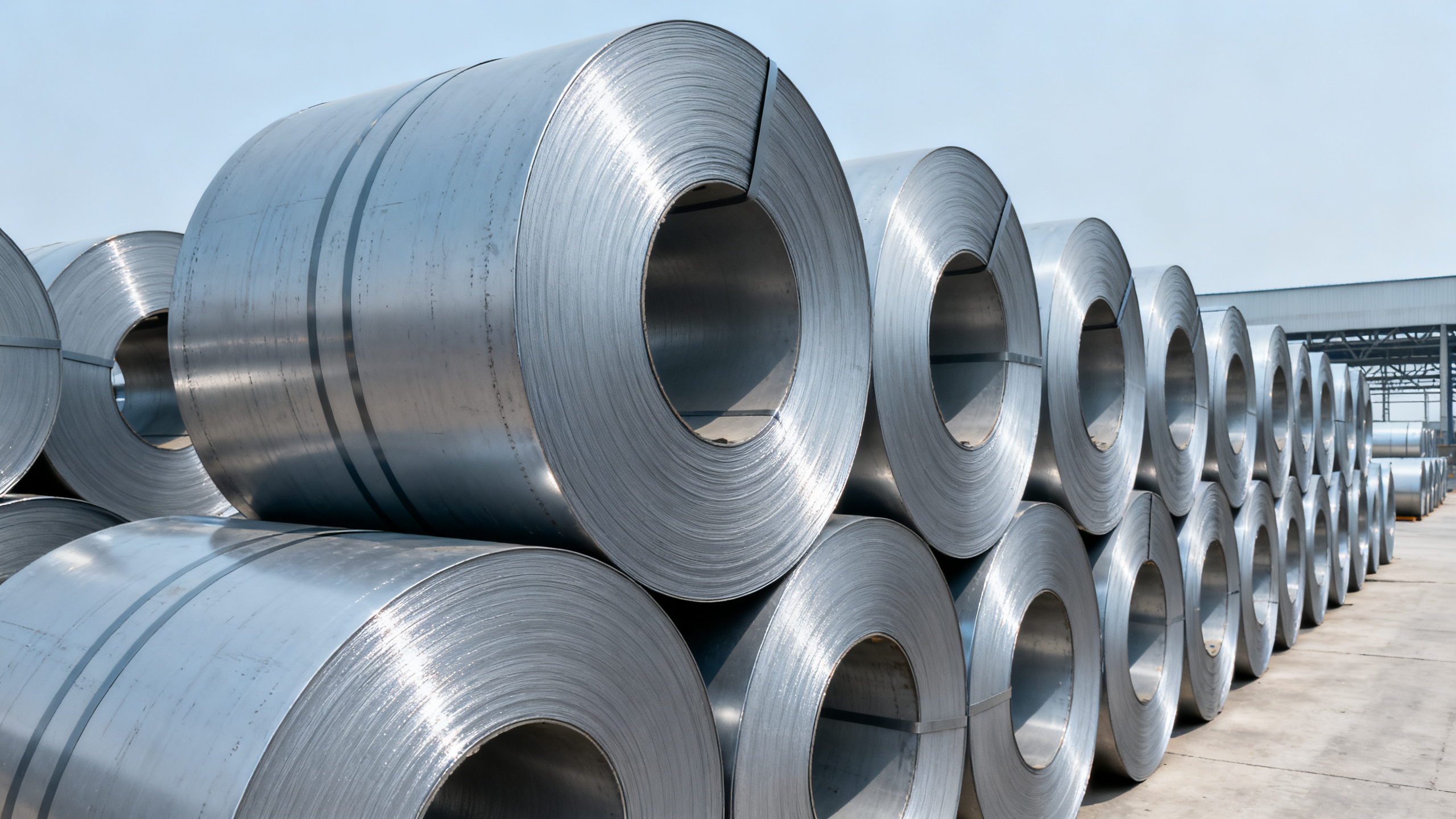
On May 15, 2026, the China Iron and Steel Association reported that the average export price of hot-rolled coil (HRC) in April reached USD 623 per ton — an 8.2% month-on-month increase. This development is particularly relevant for exporters of steel products, bearings and seals, metal profiles, and downstream fabricators reliant on stable input costs — as it signals tightening pricing dynamics and rising procurement complexity in key overseas markets.
Event Overview
According to data released by the China Iron and Steel Association on May 15, 2026, the average export price of hot-rolled coil in April 2026 stood at USD 623 per ton, up 8.2% from March. The association attributed the rise to concentrated overseas infrastructure project tenders and higher iron ore input costs. Separately, export-oriented enterprises in the bearings & seals and steel & metal profiles sectors reported extended customer inquiry cycles — now averaging 6–8 weeks in Europe — and noted increased requests from buyers to lock in 6-month prices for copper and chromium alloys to hedge against raw material volatility.
Industries Affected
Direct Export Trading Enterprises
These firms face compressed negotiation windows and heightened pressure to pre-commit on alloy pricing. The extension of European inquiry cycles to 6–8 weeks implies longer sales-cycle planning and reduced agility in responding to short-term demand shifts.
Raw Material Procurement Teams
Procurement functions supporting bearing, seal, and specialty steel production are encountering new contractual expectations — notably multi-month fixed-price agreements for copper and chromium. This increases exposure to inventory carrying costs and limits flexibility in supplier switching or spot-market opportunism.
Steel-Based Component Manufacturers
Manufacturers of precision-engineered parts — especially those exporting to EU markets — must now assess whether their current cost-plus pricing models accommodate extended lead times and forward-pricing clauses. Margin compression may occur if input cost escalations outpace final product price adjustments.
Supply Chain & Logistics Service Providers
Third-party logistics and trade finance providers supporting steel and component exports may observe delayed documentation cycles and more frequent contract renegotiations — particularly where alloy price locks require updated collateral or hedging arrangements.
Key Considerations and Recommended Actions
Monitor official updates on export policy and raw material cost indices
The China Iron and Steel Association’s monthly reporting remains the primary public source for HRC pricing trends. Stakeholders should track subsequent releases for consistency in methodology and any commentary on sustainability of the current uptrend — especially regarding iron ore supply stability and port throughput data.
Focus on European market terms and alloy-specific clauses
Given the observed shift toward 6-month copper/chromium price locks in European orders, commercial teams should prioritize reviewing active contracts and upcoming bids for such clauses. Early identification allows time to engage with alloy suppliers on forward-purchase options or alternative sourcing pathways.
Distinguish between buyer-driven risk mitigation and structural cost pass-through
Extended inquiry timelines and price-locking requests reflect buyer-side risk management — not necessarily a permanent shift in pricing power. Companies should avoid treating these as irreversible concessions; instead, treat them as situational terms requiring case-by-case evaluation based on order size, customer relationship, and strategic market positioning.
Prepare internal cross-functional alignment on procurement and sales timelines
With inquiry-to-order cycles stretching to 6–8 weeks, sales, procurement, and production planning units need synchronized forecasting. Joint review sessions — covering alloy availability, container lead times, and currency hedging windows — can reduce misalignment in delivery commitments.
Editorial Observation / Industry Perspective
Observably, this price movement is better understood as an early signal of tightening upstream cost discipline rather than an established new equilibrium. The 8.2% HRC increase coincides with specific external triggers — namely infrastructure project timing and iron ore cost behavior — rather than broad-based demand acceleration. From an industry perspective, the more notable development lies not in the headline figure, but in how downstream buyers are adapting: shifting from reactive price negotiation to proactive, structured hedging mechanisms. Analysis shows this reflects growing sophistication in procurement risk management among EU industrial buyers — suggesting a longer-term recalibration of commercial expectations, not just a short-term adjustment.
Current developments do not yet indicate a systemic shift in global steel trade terms. However, they do warrant sustained attention as potential precursors to broader adoption of forward-pricing models across other alloy-intensive components — especially where supply chains lack vertical integration or geographic diversification.
Consequently, the situation is best interpreted as an operational inflection point: one requiring closer coordination between sales, procurement, and finance functions — rather than a macroeconomic turning point demanding strategic pivot.
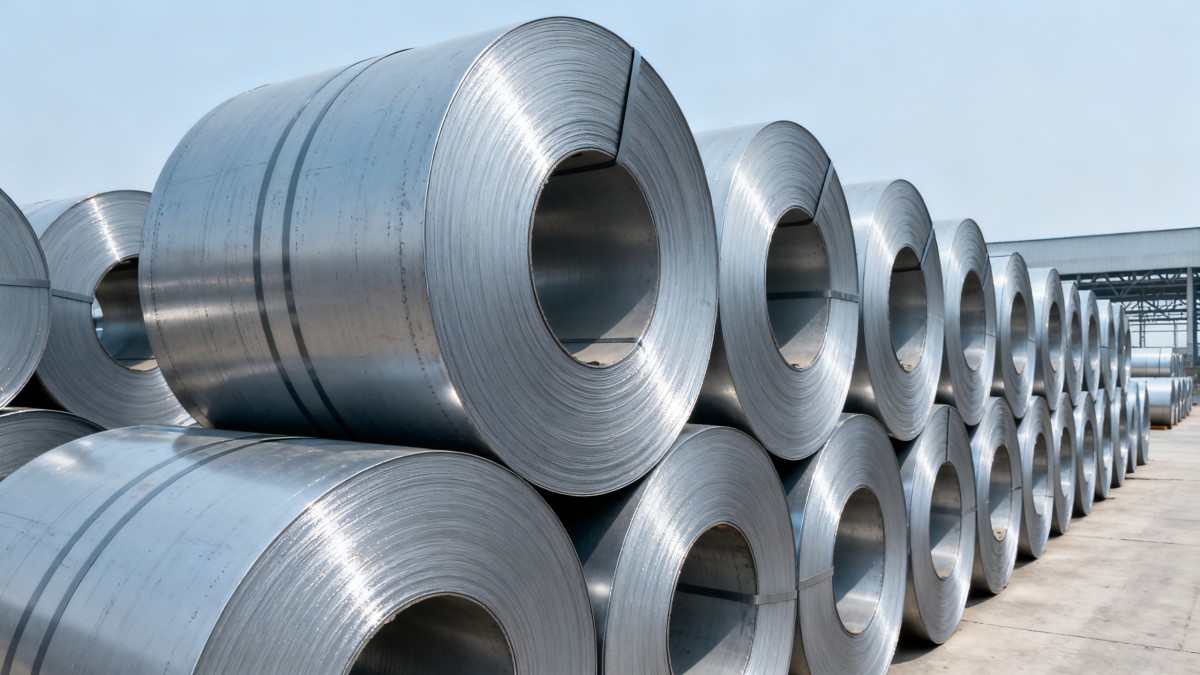
Conclusion: This update underscores a growing divergence between headline commodity pricing and the contractual mechanisms emerging in high-value, alloy-dependent export segments. It signals increasing emphasis on predictability over speed in international B2B transactions — particularly where raw material volatility intersects with long engineering lead times. For stakeholders, the priority is not reacting to the 8.2% figure itself, but calibrating internal processes to match evolving buyer expectations around pricing transparency and term certainty.
Source: China Iron and Steel Association (CISA), official data release dated May 15, 2026.
Noted for ongoing observation: Future CISA reports on May and June 2026 HRC export pricing, as well as any supplementary commentary on alloy-specific cost drivers or regional demand patterns.
Technical Specifications
- How to Select Electronic Hotel Key Card Locks for Guest Rooms and Staff AreasAuthor :Safety Compliance Lead
- How to Select Lab Instruments for Reliable Chemical Analysis WorkflowsAuthor :Precision Metrology Expert
- How to Size a UPS for Server Rooms: Load, Runtime, and Redundancy FactorsAuthor :Grid Infrastructure Analyst
Expert Insights

Chief Security Architect
Dr. Thorne specializes in the intersection of structural engineering and digital resilience. He has advised three G7 governments on industrial infrastructure security.
Related Analysis
- Sep 17, 2026How to Select Electronic Hotel Key Card Locks for Guest Rooms and Staff AreasAuthor :Safety Compliance Lead
- Sep 16, 2026How to Select Lab Instruments for Reliable Chemical Analysis WorkflowsAuthor :Precision Metrology Expert
- Sep 15, 2026How to Size a UPS for Server Rooms: Load, Runtime, and Redundancy FactorsAuthor :Grid Infrastructure Analyst
Core Sector // 01
Security & Safety
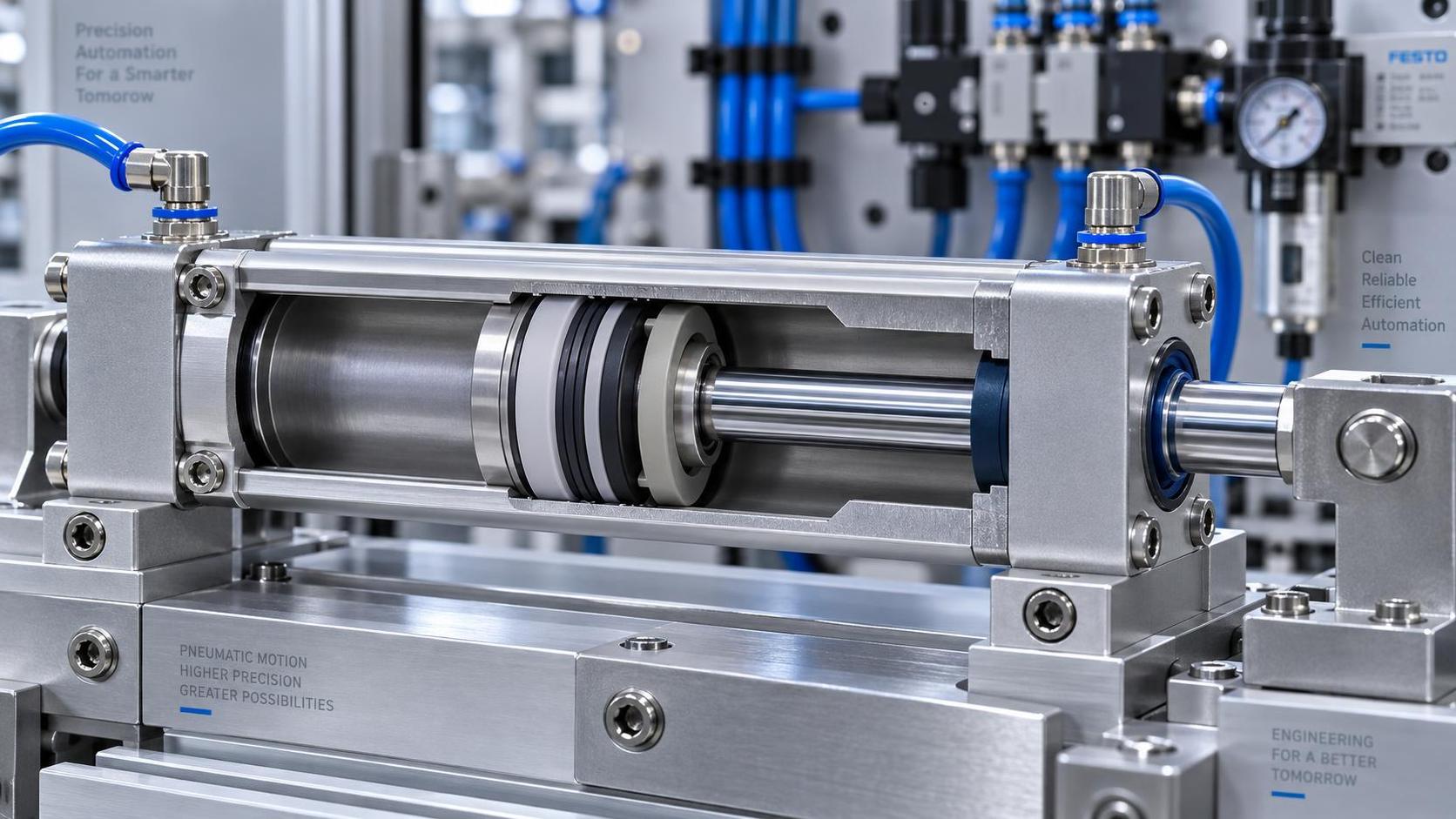
- Selecting Low-Friction Pneumatic Seals for High-Cycle, Low-Pressure CylindersAuthor :Heavy Industry Strategist

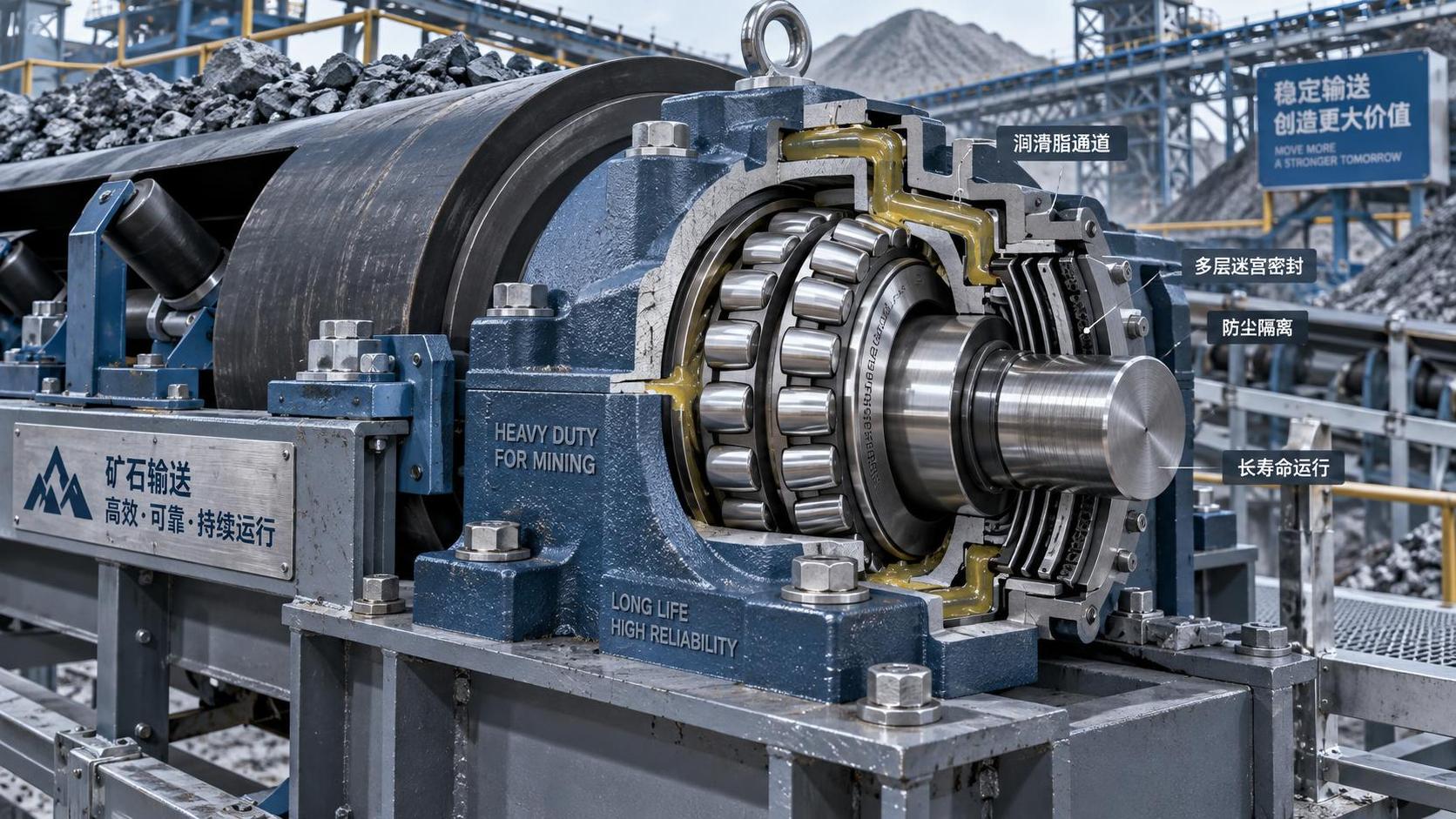
- Selecting Spherical Roller Bearings for Mining: Load, Contamination, and Service LifeAuthor :Heavy Industry Strategist

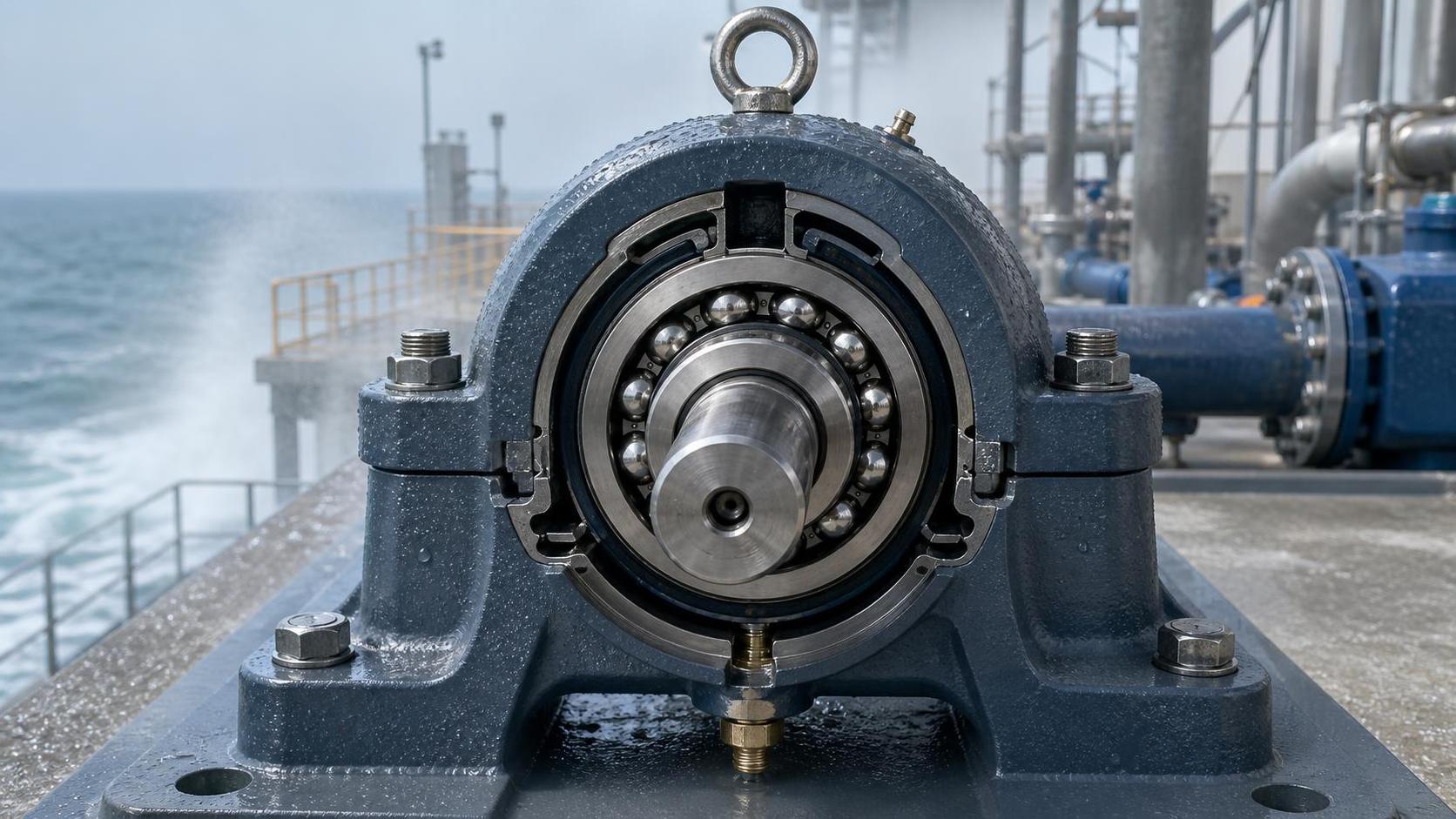
- Do Deep Groove Ball Bearings Need Special Seals in Coastal Humidity?Author :Heavy Industry Strategist

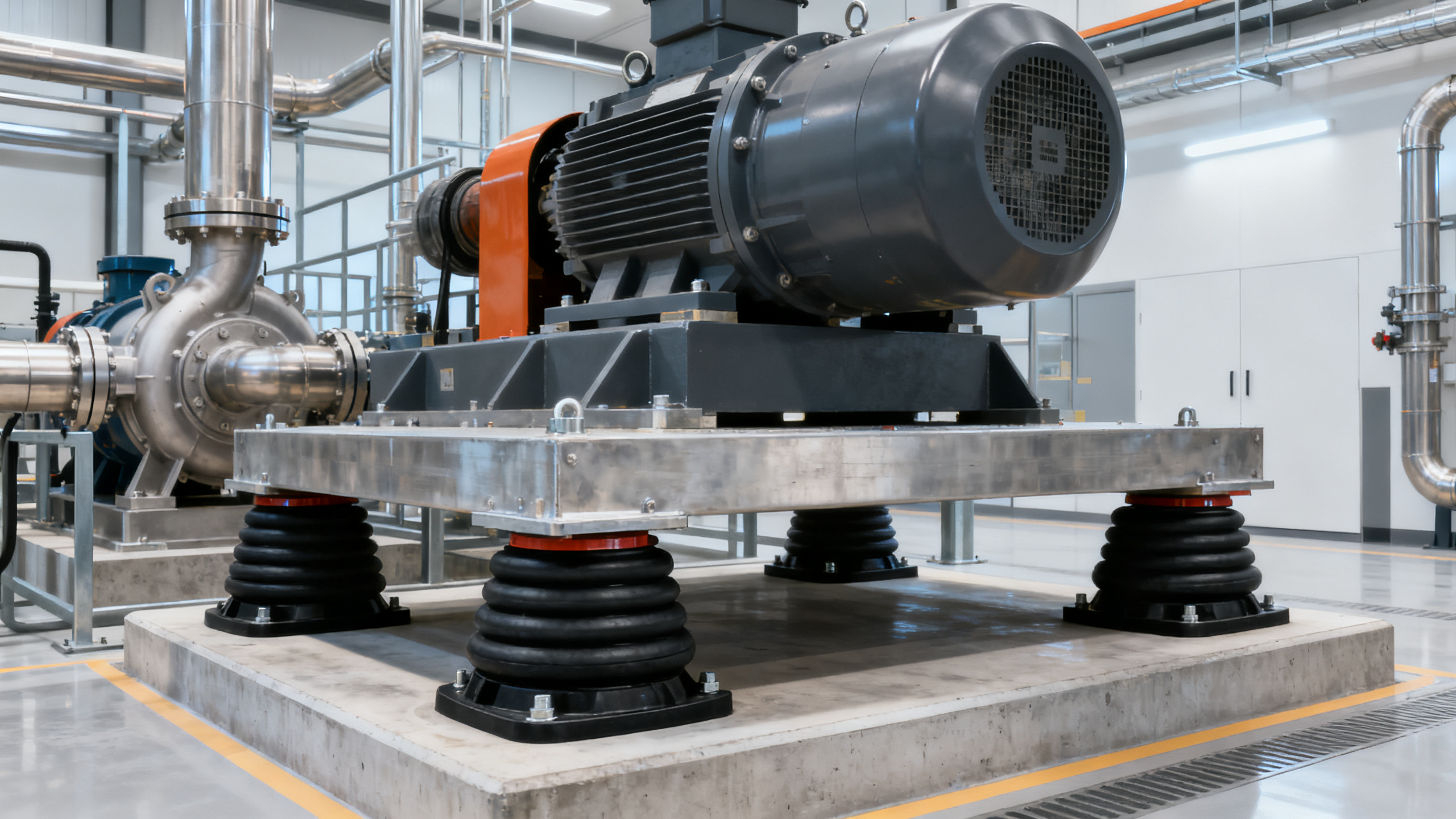
- How to Select Anti Vibration Rubber Shock Absorbers for Machinery and EquipmentAuthor :Heavy Industry Strategist

- When to Specify Induction Hardened Slewing Ring Bearings for Heavy-Duty EquipmentAuthor :Heavy Industry Strategist

- How to Evaluate Weather Resistant EPDM Extrusion for Outdoor Sealing ApplicationsAuthor :Heavy Industry Strategist

- Bearing and Seal Lead Times Stretch to 22 WeeksAuthor :Heavy Industry Strategist

- Angular Contact Ball Bearings Explained: Contact Angle, Load Capacity, and Common UsesAuthor :Heavy Industry Strategist