April CPI +1.2%, PPI +2.8%: Upstream Cost Pressures Mount
Author
Date Published
Reading Time
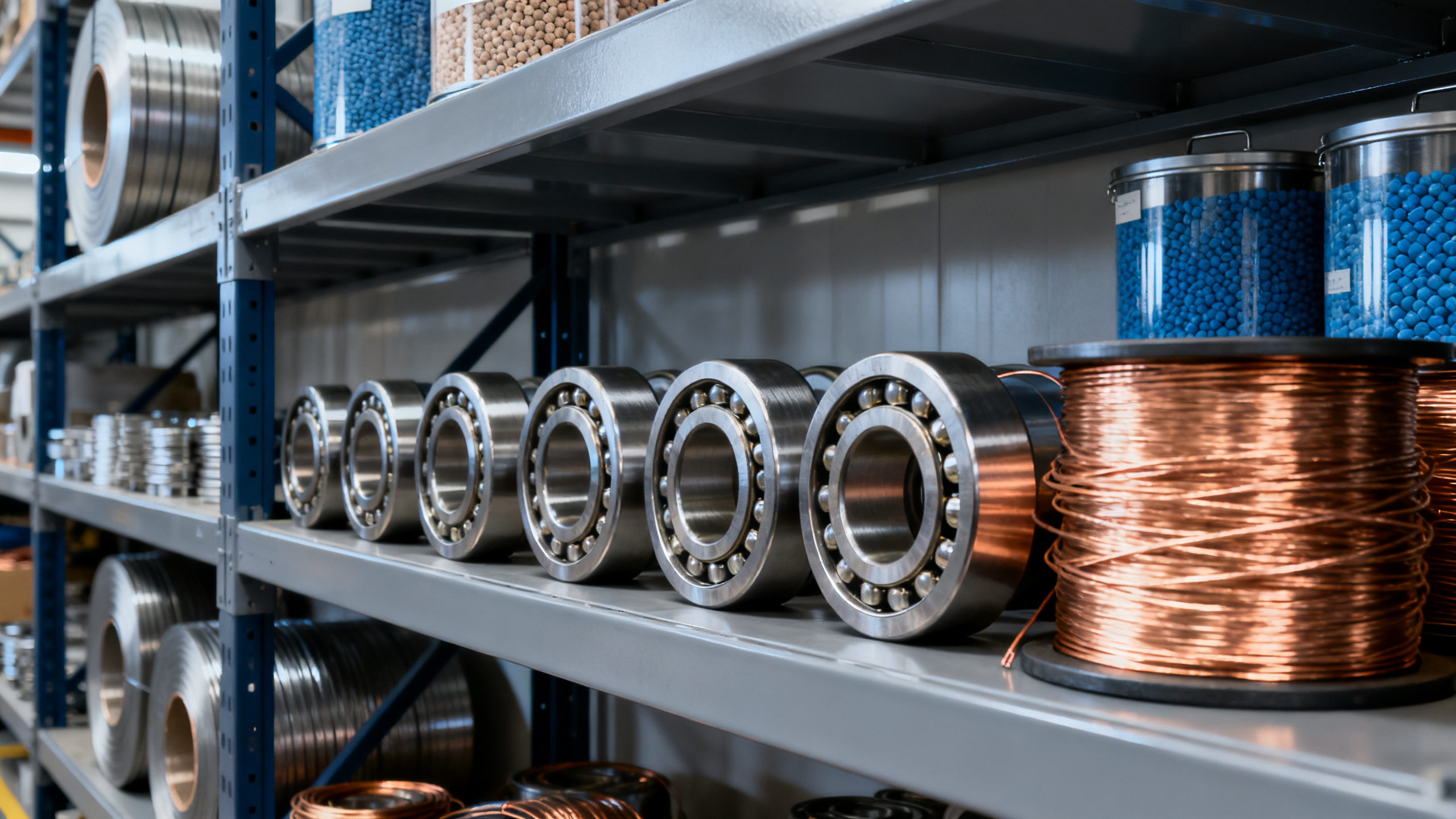
On April 30, 2026, China’s National Bureau of Statistics released macroeconomic data showing April 2026 CPI rose 1.2% year-on-year and PPI rose 2.8% year-on-year — the fifth consecutive month of monthly PPI gains. This trend signals intensifying upstream input cost pressures, particularly for steel, copper, rare earths, and engineering plastics, with measurable implications for global buyers of cost-sensitive industrial goods such as bearings & seals, steel & metal profiles, and cables & wiring.
Event Overview
National Bureau of Statistics data confirms that China’s PPI increased 2.8% year-on-year in April 2026, marking five straight months of sequential growth. The CPI stood at +1.2% year-on-year. No revision or methodological change was announced in the official release.
Industries Affected
Direct trading enterprises: Export-oriented trading firms handling bearings & seals, steel & metal profiles, and cables & wiring face narrowing margin buffers. As Chinese suppliers signal potential price adjustments starting late Q2 2026, these firms may encounter reduced order flexibility, tighter MOQ terms, and compressed lead-time windows — especially for non-contracted, spot-market purchases.
Raw material procurement enterprises: Buyers sourcing base metals (e.g., copper cathodes, hot-rolled coil) or specialty inputs (e.g., neodymium iron boron magnets, flame-retardant engineering resins) from China are observing stronger pricing discipline and earlier inventory pre-positioning by domestic producers. Spot availability is tightening, and forward purchase agreements now frequently include escalation clauses tied to Shanghai Metal Exchange or CBMX indices.
Contract manufacturing enterprises: OEM/ODM facilities relying on Chinese subcontractors for precision machining, extrusion, or cable assembly report rising quotations for secondary processing services. Input cost pass-through is no longer optional — it is increasingly embedded in revised master service agreements, with quarterly price review mechanisms now standard for contracts signed after March 2026.
Supply chain service providers: Freight forwarders, customs brokers, and trade finance platforms report heightened client inquiries around cost allocation transparency, incoterm reassessment (notably shifts from FOB to EXW), and demand for multi-tier MOQ modeling tools. Some logistics platforms have begun integrating real-time PPI-linked surcharge calculators into their quoting engines.
Key Considerations and Response Measures
Monitor supplier communication timelines closely
Chinese manufacturers have historically announced price adjustments in mid-to-late May for implementation in early July. With PPI momentum sustained through April, buyers should treat any silence from suppliers before May 20 as a risk signal — not stability.
Reassess MOQ structures and buffer stock strategies
Given anticipated MOQ optimization (i.e., higher minimums per SKU or per shipment), procurement teams should model total landed cost across alternative lot sizes — including storage, financing, and obsolescence risk — rather than focusing solely on unit price.
Review contract escalation clauses and index linkage
Contracts lacking formal price adjustment mechanisms linked to PPI or raw material indices are now materially exposed. Where renegotiation is feasible, parties should consider referencing the NBS PPI (ex-fuel) or sector-specific sub-indices (e.g., ‘Metal Products’ or ‘Rubber & Plastic Products’) — not broad commodity benchmarks.
Editorial Perspective / Industry Observation
Observably, the current PPI trajectory reflects more than cyclical restocking — it signals structural recalibration in China’s industrial pricing architecture. Domestic producers are no longer absorbing upstream volatility; instead, they are institutionalizing cost pass-through via contractual design, MOQ discipline, and tiered quotation models. Analysis shows this shift is most advanced in export-oriented segments where foreign buyers have historically held stronger negotiation leverage. That dynamic is now softening — not abruptly, but systematically.
Conclusion
This data point does not indicate an imminent inflation shock, but rather marks a transition phase: from reactive cost absorption to proactive price governance across China’s industrial supply chain. For global industrial buyers, the implication is not urgency — but intentionality. Strategic procurement now requires forward-looking scenario planning, not just backward-looking benchmarking.
Source Attribution
Data sourced from the National Bureau of Statistics of China (NBS), April 30, 2026 release (‘National Economic Performance in April 2026’). Official methodology documents and historical series are publicly accessible at stats.gov.cn. Continued observation is warranted for the May 2026 PPI release (scheduled June 9, 2026) and any accompanying commentary on input cost transmission patterns.
Technical Specifications
- How to Select Electronic Hotel Key Card Locks for Guest Rooms and Staff AreasAuthor :Safety Compliance Lead
- How to Select Lab Instruments for Reliable Chemical Analysis WorkflowsAuthor :Precision Metrology Expert
- How to Size a UPS for Server Rooms: Load, Runtime, and Redundancy FactorsAuthor :Grid Infrastructure Analyst
Expert Insights

Chief Security Architect
Dr. Thorne specializes in the intersection of structural engineering and digital resilience. He has advised three G7 governments on industrial infrastructure security.
Related Analysis
- Sep 17, 2026How to Select Electronic Hotel Key Card Locks for Guest Rooms and Staff AreasAuthor :Safety Compliance Lead
- Sep 16, 2026How to Select Lab Instruments for Reliable Chemical Analysis WorkflowsAuthor :Precision Metrology Expert
- Sep 15, 2026How to Size a UPS for Server Rooms: Load, Runtime, and Redundancy FactorsAuthor :Grid Infrastructure Analyst
Core Sector // 01
Security & Safety
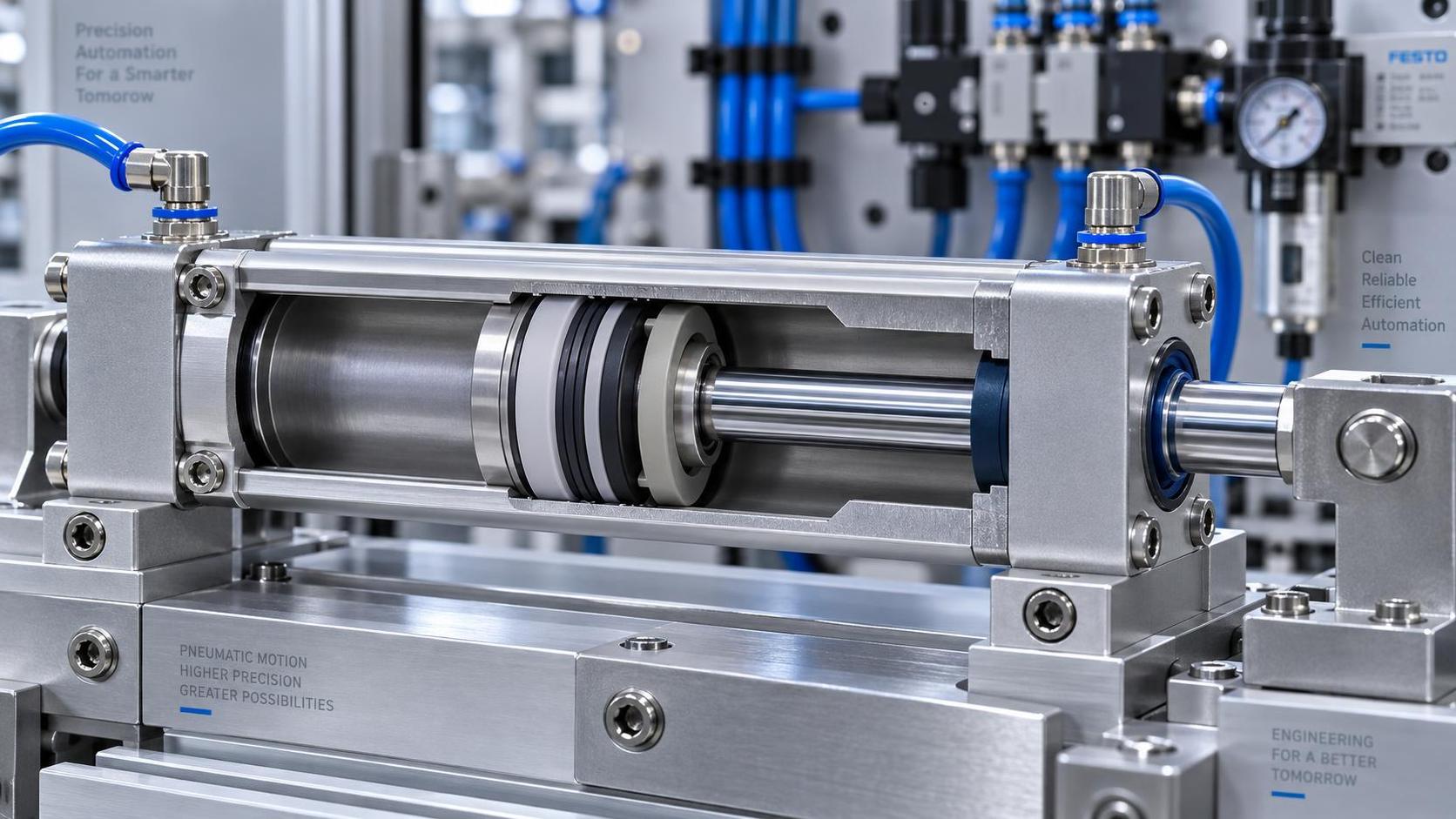
- Selecting Low-Friction Pneumatic Seals for High-Cycle, Low-Pressure CylindersAuthor :Heavy Industry Strategist

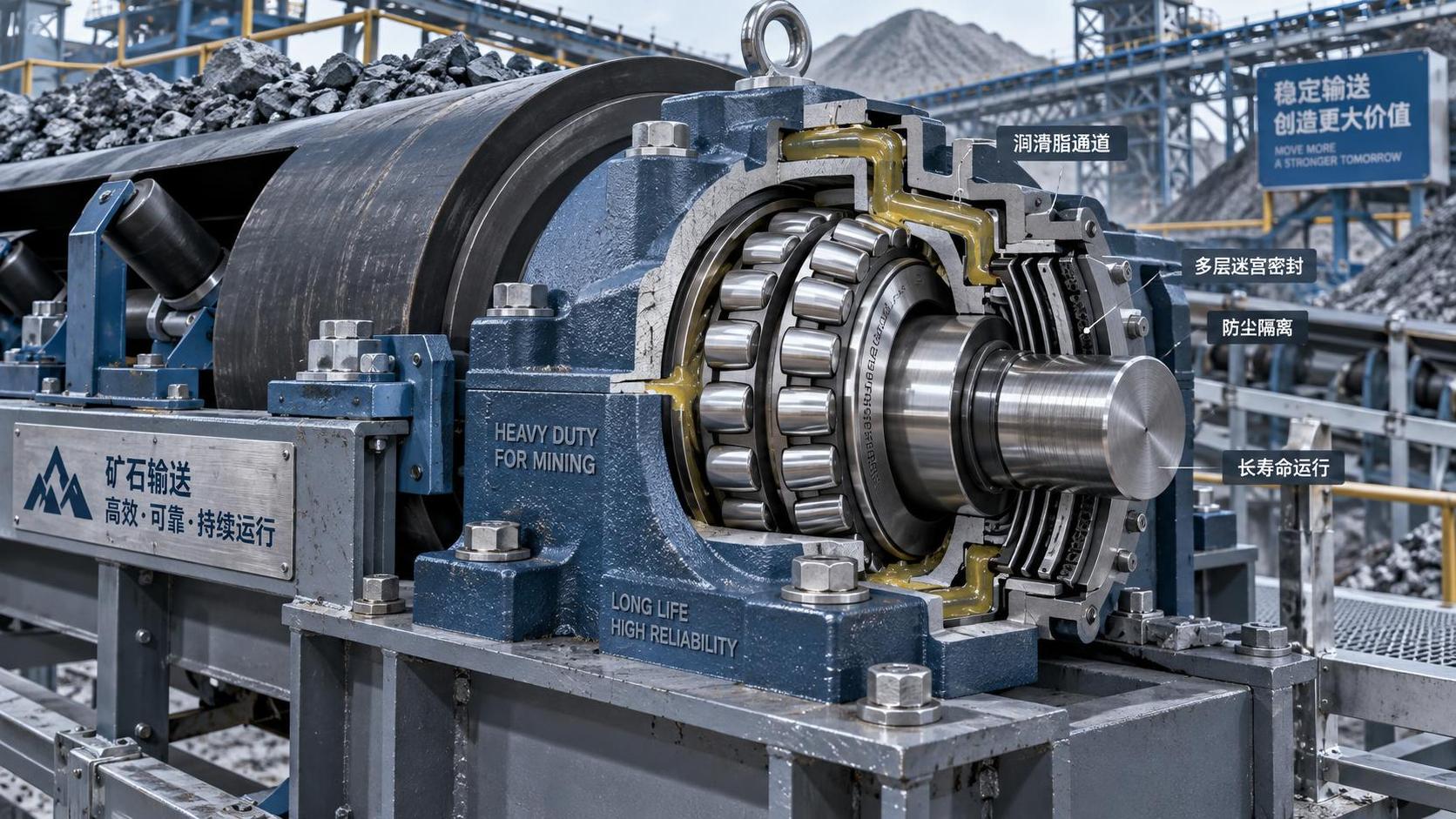
- Selecting Spherical Roller Bearings for Mining: Load, Contamination, and Service LifeAuthor :Heavy Industry Strategist

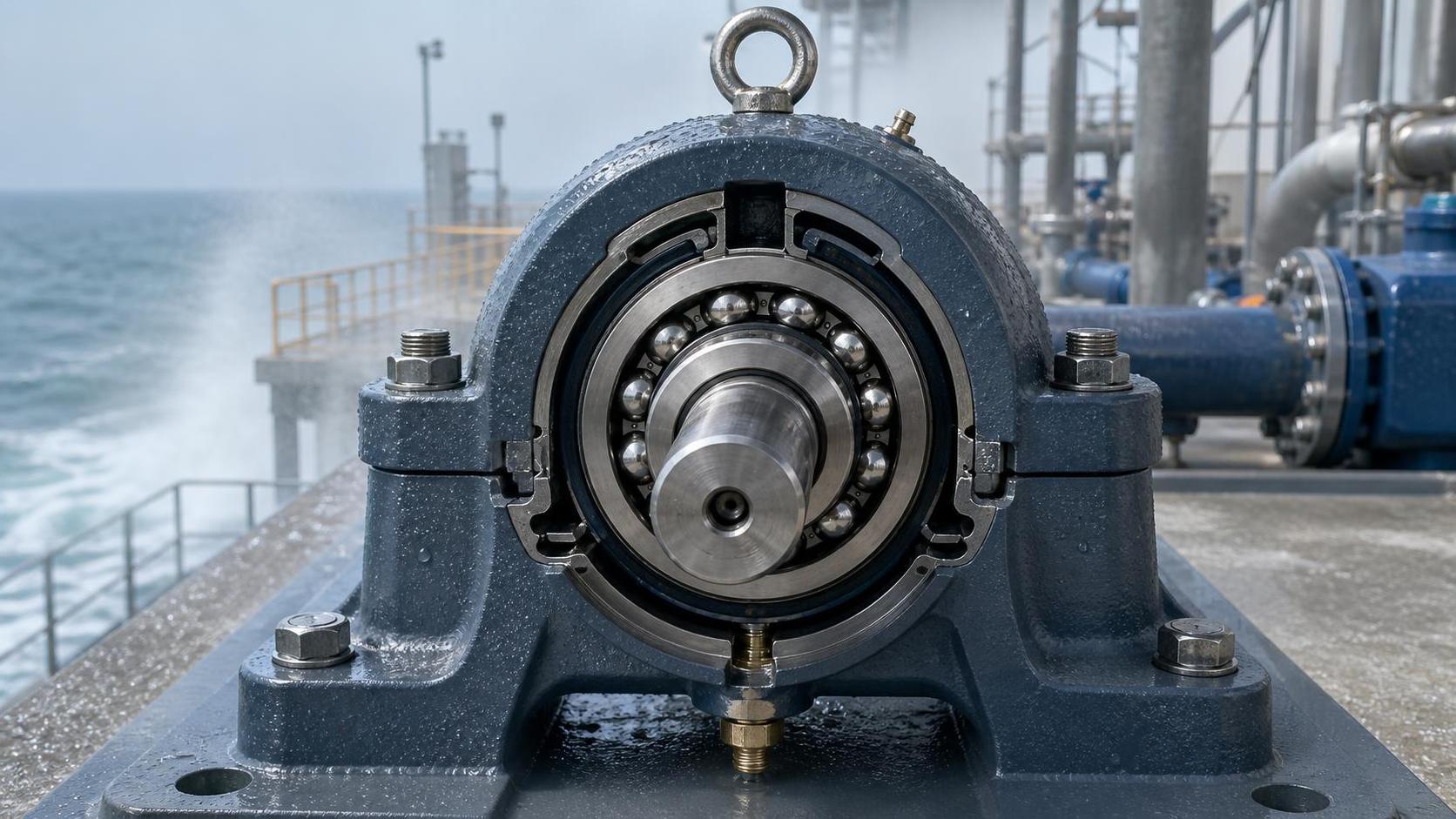
- Do Deep Groove Ball Bearings Need Special Seals in Coastal Humidity?Author :Heavy Industry Strategist

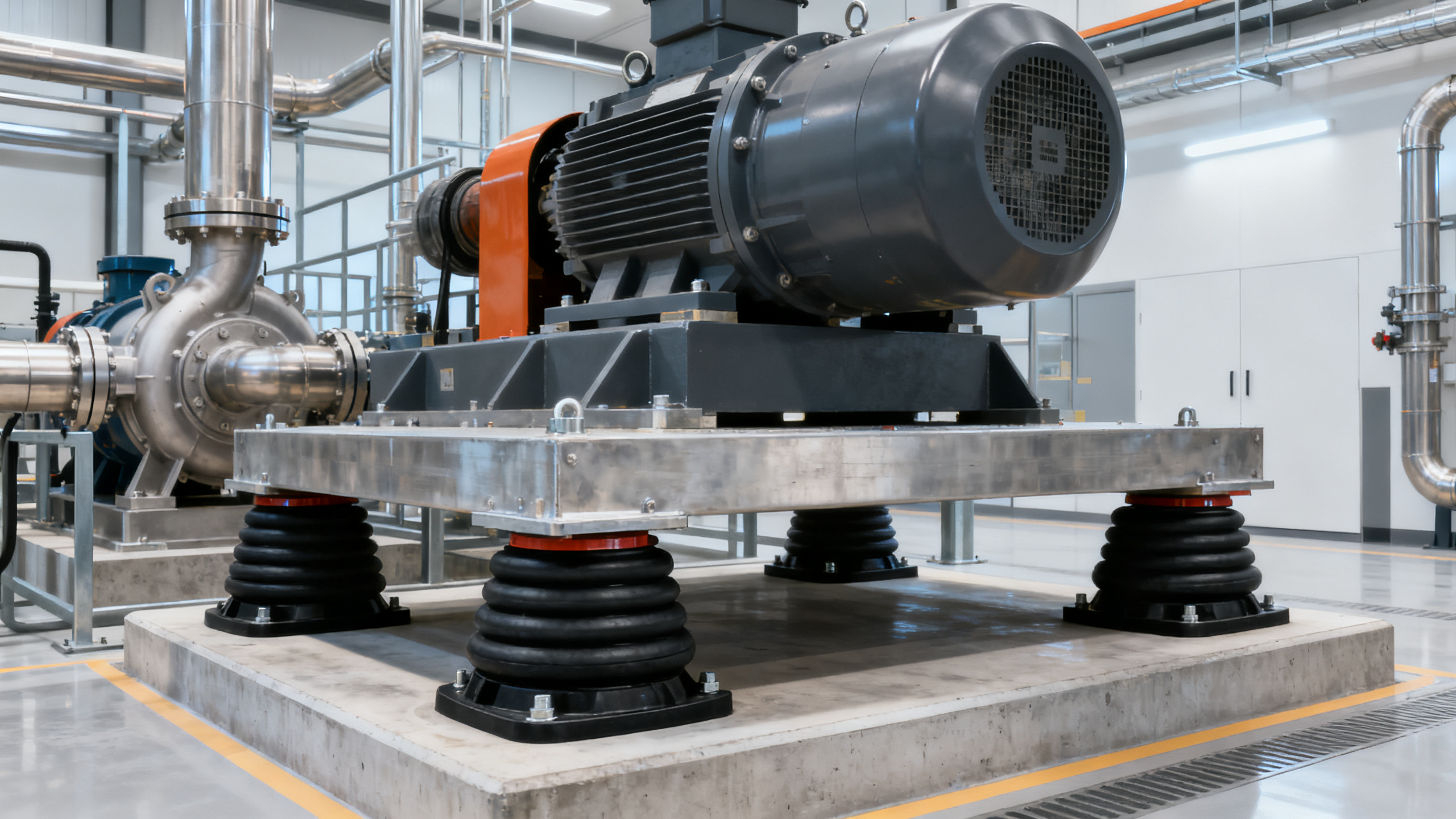
- How to Select Anti Vibration Rubber Shock Absorbers for Machinery and EquipmentAuthor :Heavy Industry Strategist

- When to Specify Induction Hardened Slewing Ring Bearings for Heavy-Duty EquipmentAuthor :Heavy Industry Strategist

- How to Evaluate Weather Resistant EPDM Extrusion for Outdoor Sealing ApplicationsAuthor :Heavy Industry Strategist

- Bearing and Seal Lead Times Stretch to 22 WeeksAuthor :Heavy Industry Strategist

- Angular Contact Ball Bearings Explained: Contact Angle, Load Capacity, and Common UsesAuthor :Heavy Industry Strategist