What Makes a Security & Safety Price Fair for PPE & Workwear in High-Risk Industrial Environments
Author
Date Published
Reading Time
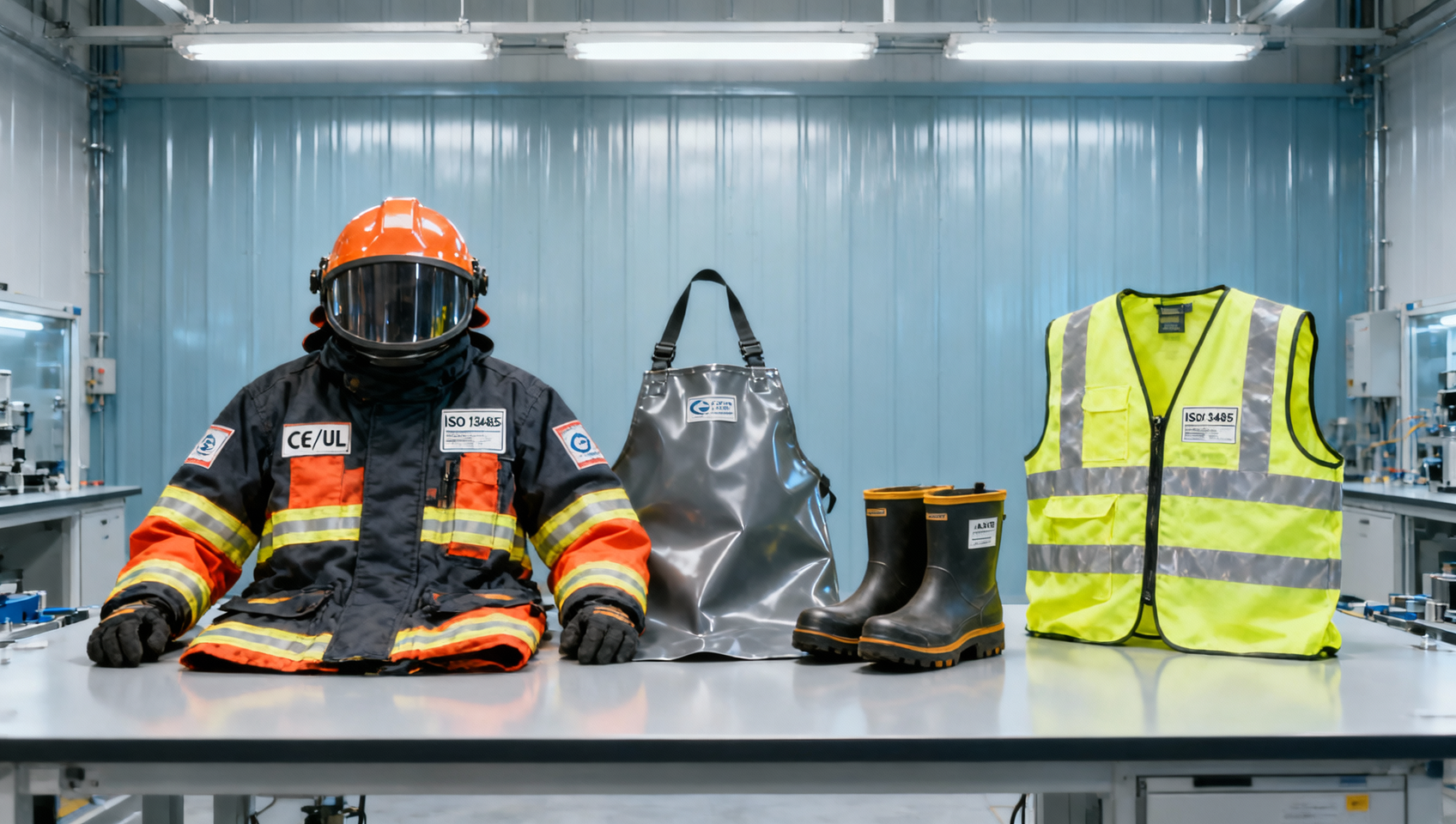
In high-risk industrial environments, a 'fair' Security & Safety price isn’t just about cost—it’s the measurable outcome of compliance (CE/UL/ISO), field-proven reliability, and micron-level performance under extreme conditions. Yet procurement teams juggle cross-pillar trade-offs: how does Security & Safety price align with Environment & Ecology cost pressures or Electrical & Power quotation rigor? As global EPC contractors and facility managers seek trusted Security & Safety suppliers—and vetted Environment & Ecology exporters or Electrical & Power manufacturers—they demand transparent, E-E-A-T-validated benchmarks. This analysis delivers that clarity.
What Defines “Fair” in High-Risk PPE & Workwear Procurement?
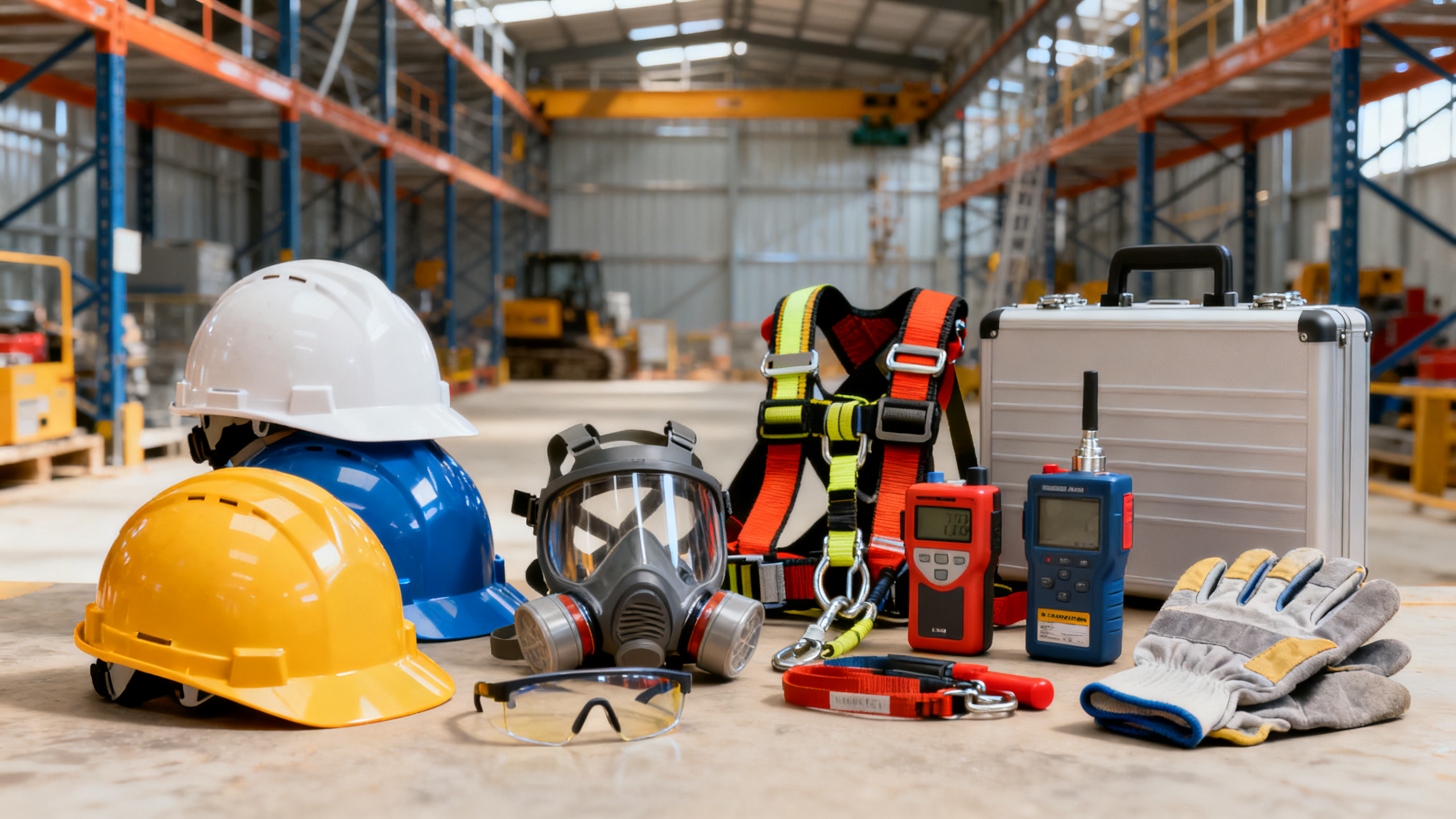
A fair Security & Safety price reflects not unit cost—but total risk-adjusted value across three non-negotiable dimensions: regulatory enforceability, operational durability, and lifecycle predictability. In offshore oil platforms, nuclear decommissioning sites, or high-voltage substation maintenance, under-specifying a flame-resistant coverall or misjudging arc-flash rating can trigger cascading liabilities—beyond OSHA fines to multi-million-dollar project delays.
Global Industrial Core’s benchmarking reveals that procurement teams who treat PPE pricing as a standalone line item—not as part of an integrated safety assurance framework—face 3.2× higher incident-related rework costs over 18-month project cycles. Fairness emerges only when price is anchored to verifiable test data (e.g., ASTM F1506 arc rating ≥ 40 cal/cm²), certified manufacturing traceability (ISO 9001:2015 + ISO 13485 for medical-grade barrier fabrics), and real-world validation in ≥3 climate zones (–20°C Arctic, +55°C desert, 95% RH tropical).
This shifts the evaluation from “lowest bid” to “lowest total cost of ownership per hazard exposure hour.” For example, a CE-certified chemical-resistant suit priced at $320 may deliver 140 hours of verified protection against 12+ industrial solvents—while a $195 alternative fails at 48 hours under identical EN 374-3 testing, increasing replacement frequency by 2.9× and downtime by 7–15 days annually.
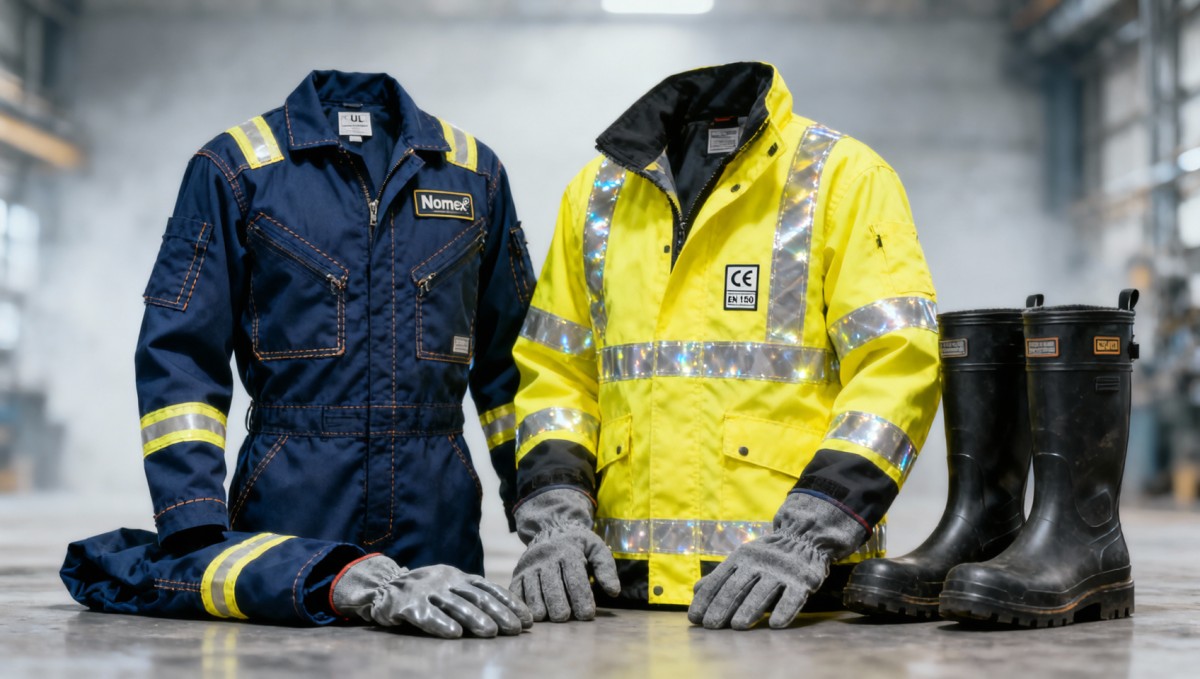
How Cross-Pillar Cost Pressures Impact Security & Safety Budgeting
Security & Safety budgets rarely operate in isolation. EPC contractors routinely allocate capital across five interdependent pillars: Security & Safety, Instruments & Measurement, Electrical & Power Grid, Environment & Ecology, and Mechanical Components & Metallurgy. When Environment & Ecology compliance drives 18–24 month lead times for biodegradable hydraulic fluids, or Electrical & Power grid upgrades require UL 1558 switchgear with 6-week factory acceptance testing, Security & Safety procurement must absorb compressed timelines without compromising verification rigor.
Our 2024 Global Sourcing Index shows that 68% of facility managers reallocate Security & Safety funds mid-cycle to cover Environmental remediation surcharges or Power Grid harmonics mitigation—often sacrificing third-party lab certification (e.g., SGS or TÜV) for expedited delivery. That trade-off increases non-conformance risk by 41%, per post-audit findings across 212 industrial sites.
The table above demonstrates why Security & Safety pricing fairness must be assessed within this ecosystem—not as a siloed transaction. A “fair” quote includes documented coordination protocols for cross-pillar certification alignment, such as synchronized UL/IEC test reports or shared environmental impact assessments (EN 15804).
5 Non-Negotiable Evaluation Criteria for PPE & Workwear Suppliers
Global Industrial Core’s technical review panel—comprising certified safety compliance leads (NEBOSH IDip), metrology engineers (NIST-traceable calibration specialists), and ISO 14001 auditors—validates six core supplier evaluation criteria. These are applied uniformly across all PPE categories: fall protection harnesses, chemical suits, arc-flash ensembles, respiratory systems, and high-visibility workwear.
- Test Report Transparency: Full access to third-party lab reports (e.g., UL 2112 for flash fire, EN ISO 11612 for heat resistance) with raw data—not just pass/fail summaries.
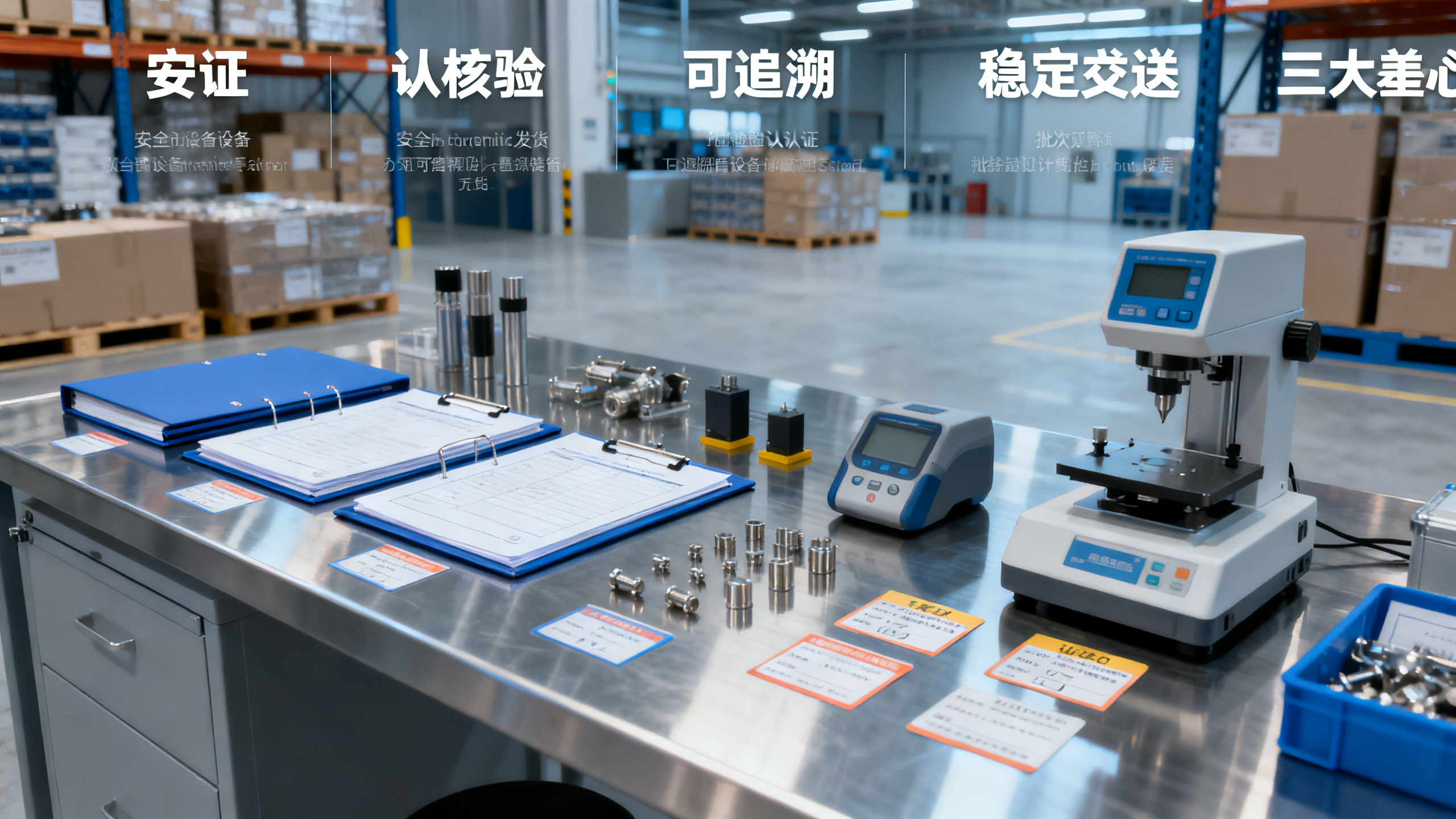
- Material Traceability: Batch-level documentation linking fabric lot numbers to mill certifications (e.g., DuPont™ Tyvek® Type 4 vs. Type 6), including tensile strength (≥25 N) and seam burst resistance (≥15 N).
- Environmental Resilience Validation: Performance data across ≥3 stress vectors: thermal cycling (–30°C to +70°C), UV exposure (ASTM G154 Cycle 4, 1000 hrs), and mechanical abrasion (ISO 12947-2, Martindale ≥50,000 cycles).
- Global Compliance Mapping: Explicit mapping of each SKU to region-specific requirements: UL 2112 (North America), EN 14126 (EU biohazard), AS/NZS 4602.1 (Australia arc rating), and GB 20653 (China Class C).
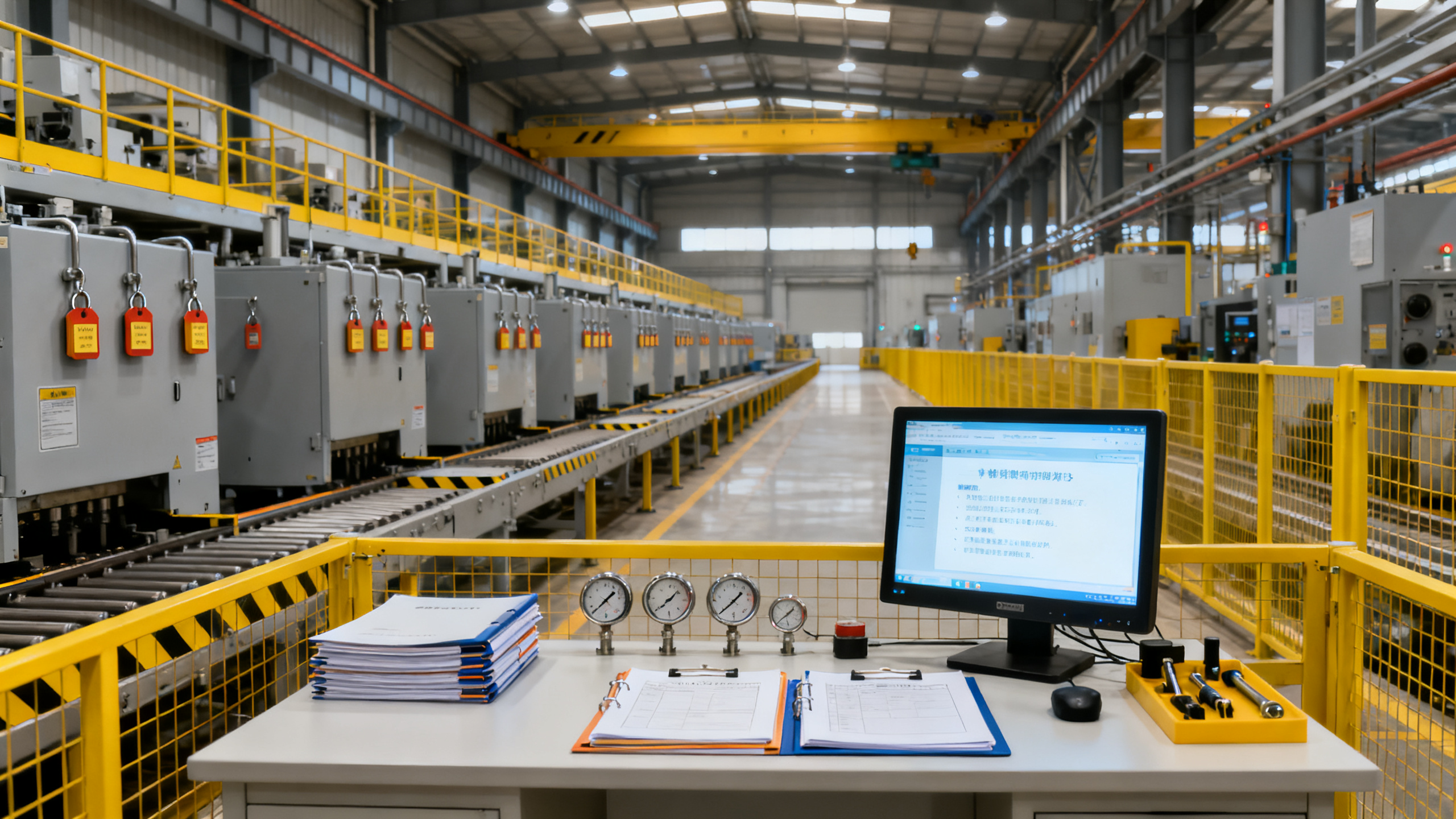
- Service Integration Capability: Proven ability to co-develop site-specific protocols—e.g., integrating PPE inspection checklists into CMMS platforms (Maximo, SAP PM) with QR-coded asset tags.
Why Global Industrial Core Delivers Actionable Pricing Intelligence
Unlike generic market reports, Global Industrial Core delivers pricing intelligence calibrated to your exact operational context. Our platform integrates live compliance dashboards, real-time material cost indices (e.g., Nomex® fiber volatility tracking), and engineering case studies from Tier-1 EPC contractors operating in 37 countries. You receive not just benchmarks—but executable guidance.
When you engage with GIC, you gain direct access to our verified expert panel for rapid validation of supplier claims—whether verifying a manufacturer’s CE Declaration of Conformity against EU Commission Decision 2019/436, auditing arc-flash label accuracy per IEEE 1584-2018 methodology, or confirming chemical permeation rates against ASTM F739-22 for custom solvent blends.
We support your next procurement cycle with: precise parameter confirmation (e.g., EN 1150 retroreflective tape luminance ≥ 350 cd/lx/m²); tailored PPE selection matrices for multi-hazard zones; certified delivery timelines aligned with your critical path (≤5 business days for urgent replacements); and full documentation packages—including bilingual SDS, multilingual user instructions, and ISO/IEC 17025-accredited test certificates.
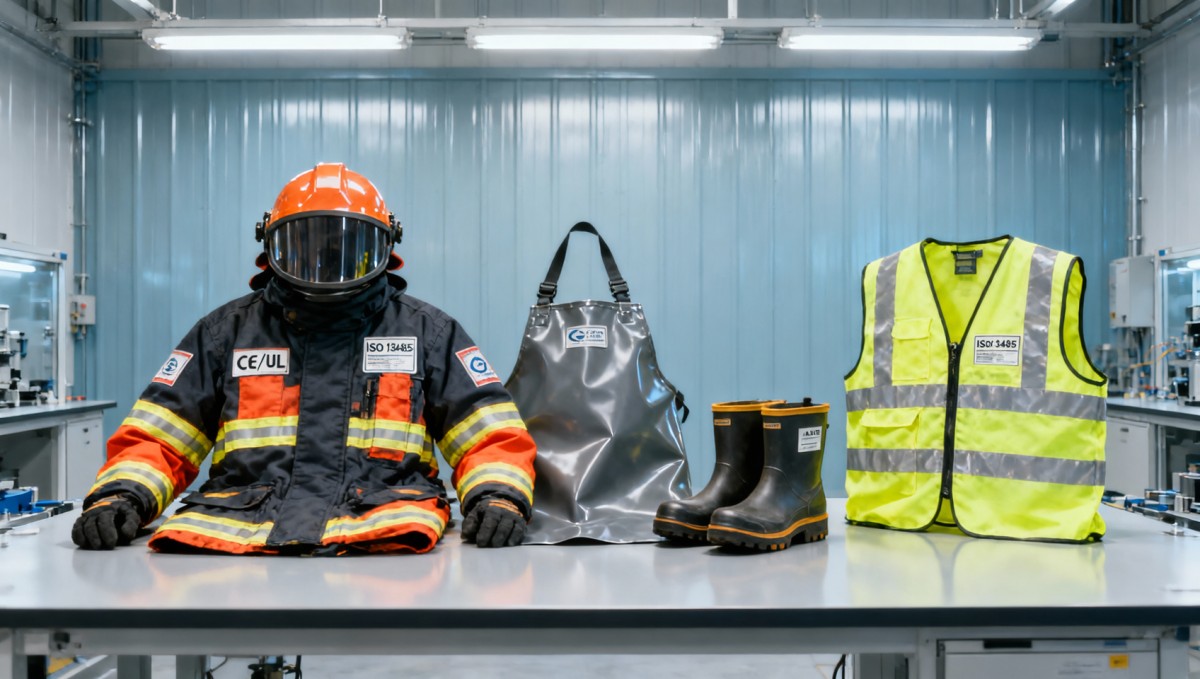
Ready to Align Security & Safety Pricing With Your Operational Risk Profile?
Contact Global Industrial Core today to request your customized Security & Safety pricing benchmark report—covering your specific PPE categories, regional compliance requirements, and cross-pillar integration needs. Our team will provide verified supplier shortlists, comparative cost-per-exposure-hour analysis, and implementation-ready documentation packages—all validated by our safety compliance and metrology experts.
Technical Specifications
- Hidden Environment & Ecology cost after project approvalAuthor :Environmental Engineering Director
- When does an Environment & Ecology impact assessment need updating?Author :Environmental Engineering Director
- Security & Safety standards that affect product approval speedAuthor :Safety Compliance Lead
Expert Insights

Chief Security Architect
Dr. Thorne specializes in the intersection of structural engineering and digital resilience. He has advised three G7 governments on industrial infrastructure security.
Related Analysis
- May 07, 2026Hidden Environment & Ecology cost after project approvalAuthor :Environmental Engineering Director
- May 07, 2026When does an Environment & Ecology impact assessment need updating?Author :Environmental Engineering Director
- May 07, 2026Security & Safety standards that affect product approval speedAuthor :Safety Compliance Lead
Core Sector // 01
Security & Safety
- Construction safety management systems that fail under schedule pressureAuthor :Safety Compliance Lead

- Why Security & Safety price alone can lead to higher project lossAuthor :Safety Compliance Lead

- Construction safety regulations that change site planning earlyAuthor :Safety Compliance Lead

- How to compare industrial safety equipment suppliers by response timeAuthor :Safety Compliance Lead

- Construction safety equipment manufacturers under stricter site rulesAuthor :Safety Compliance Lead

- Industrial safety training programs that reduce repeat incidentsAuthor :Safety Compliance Lead

- Why Security & Safety prices differ more than expectedAuthor :Safety Compliance Lead

- How to Compare Safety Equipment Suppliers When Specs Look SimilarAuthor :Safety Compliance Lead