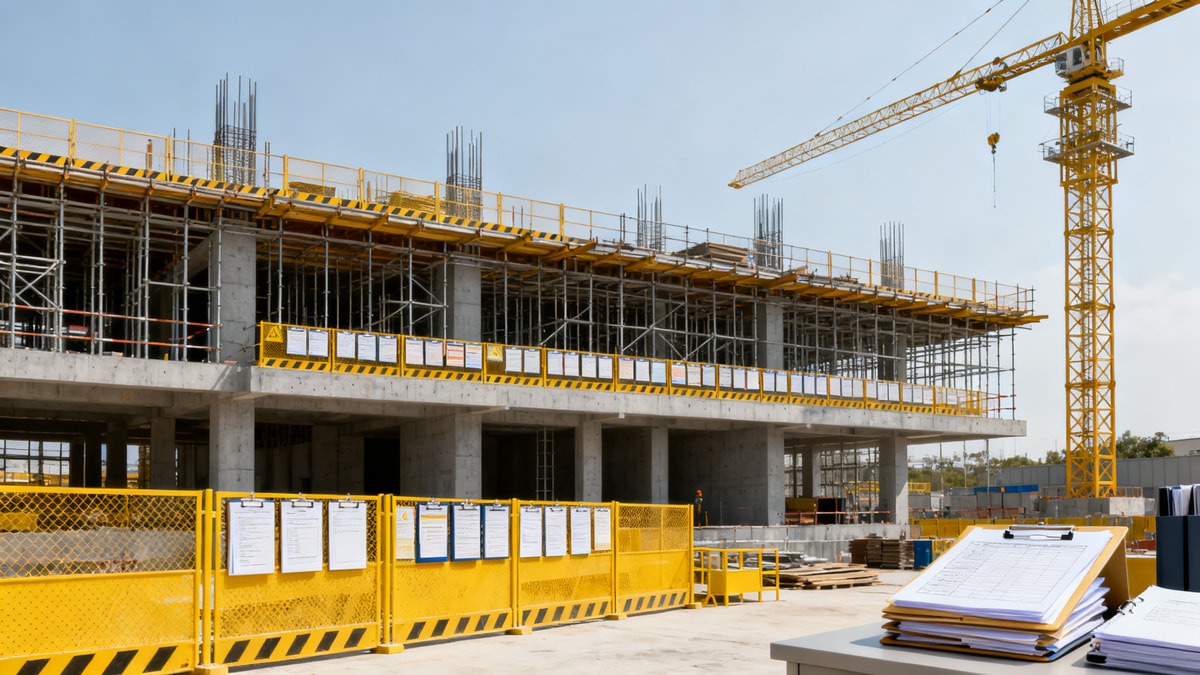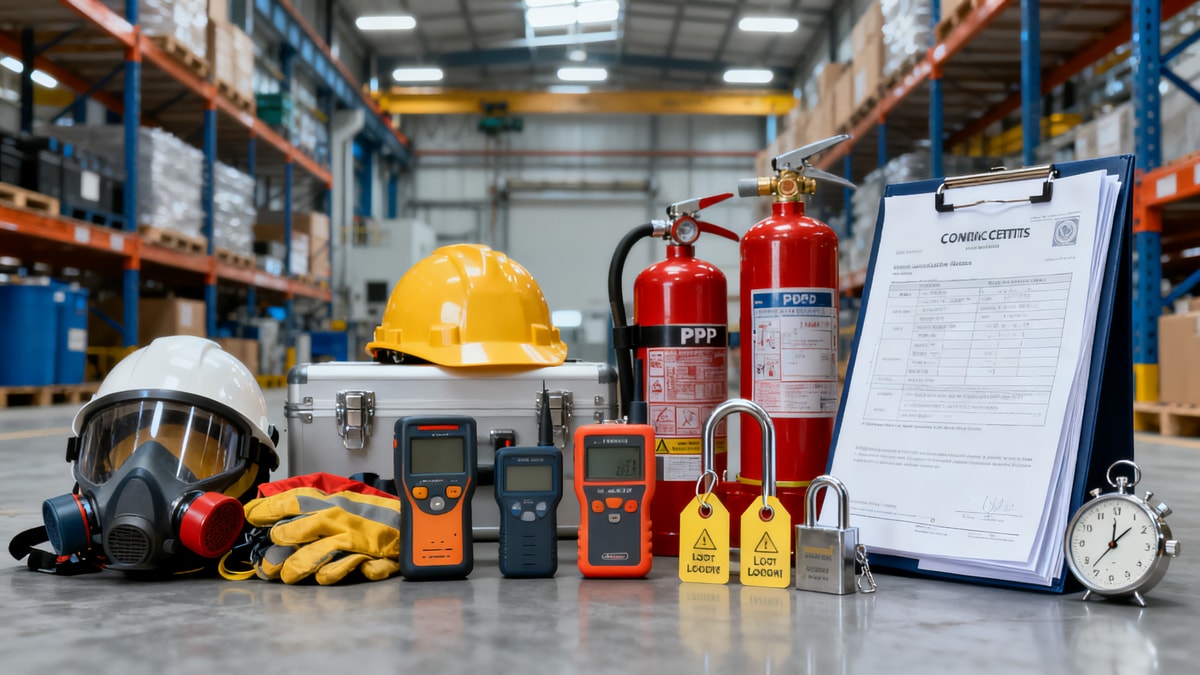
Construction safety regulations that change site planning early
Author
Date Published
Reading Time
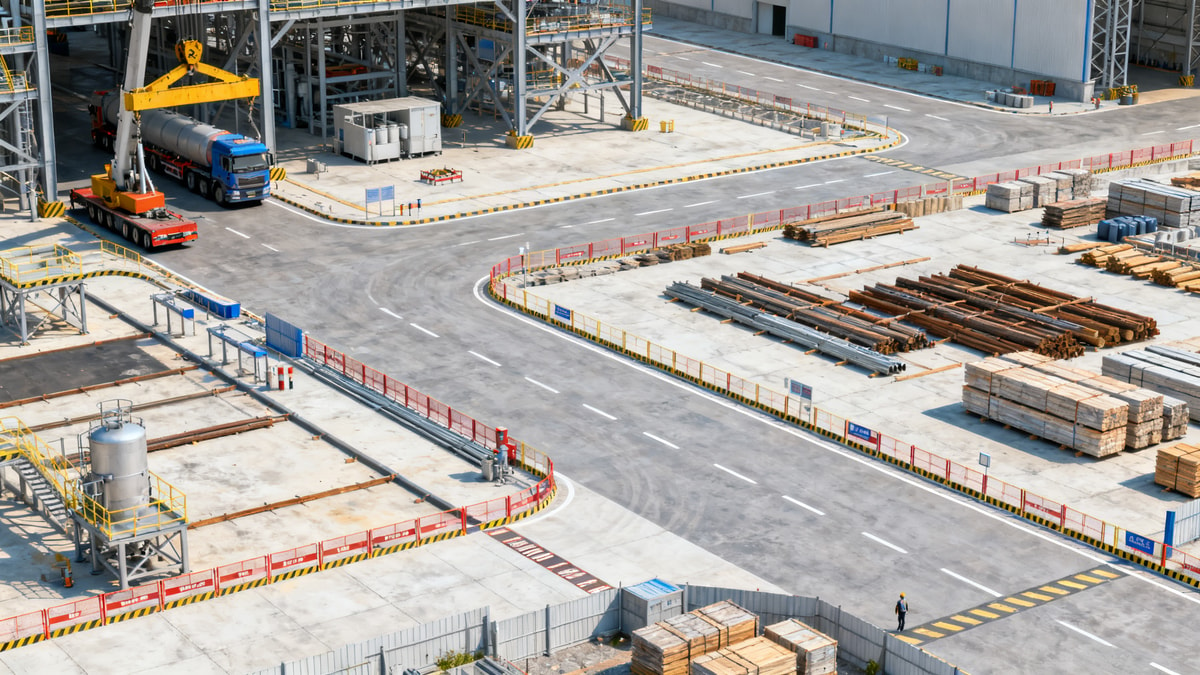
Construction safety regulations now influence project decisions long before ground is broken, shaping layouts, access routes, equipment zones, and compliance workflows from day one. For project managers and engineering leads, understanding these early-stage requirements is essential to reducing redesigns, controlling risk, and protecting schedules. This article explores how construction safety regulations affect site planning earlier than many teams expect.
What early-stage construction safety regulations really mean
In practical project terms, construction safety regulations are not limited to PPE rules, site inductions, or inspections once crews arrive. They also shape preconstruction planning, temporary works strategy, logistics, sequencing, and the physical arrangement of the site. For project leaders, this means safety compliance starts at concept design, tender clarification, and mobilization planning rather than after permits are issued.
This early influence has become stronger because regulators, insurers, clients, and EPC stakeholders increasingly expect hazard prevention to be designed into the project. Whether the project involves industrial facilities, utility upgrades, civil works, or plant expansion, site planning must now account for safe access, separation distances, lifting operations, emergency response, public protection, environmental controls, and worker welfare from the outset.
For a platform like Global Industrial Core, which serves industrial decision-makers working in safety-critical environments, the issue is especially relevant. Heavy industry projects operate with higher consequence profiles: energized systems, confined areas, work at height, mechanical lifting, hazardous materials, and complex interfaces between contractors. Under these conditions, construction safety regulations are not a side checklist. They are a planning framework.
Why the industry is paying closer attention earlier
The shift is driven by several converging pressures. First, construction projects face tighter delivery windows, so late safety changes can cause costly rework. A crane exclusion zone discovered too late may force relocation of storage, roads, and temporary utilities. Second, multinational clients increasingly require alignment with recognized standards such as ISO systems, CE-related equipment conformity expectations, electrical safety controls, and documented risk management procedures. Third, more projects are built in live operating environments where construction must coexist with ongoing production or public use.
As a result, early site planning is no longer just about fitting assets within a boundary. It is about proving that the site can function safely under realistic operating conditions. That includes traffic movement, pedestrian segregation, fire access, lifting paths, excavation support, laydown zones, and safe distances from energized or process-critical systems. When these issues are identified late, the schedule impact is often greater than the direct compliance cost.
How construction safety regulations affect site planning decisions
The most immediate effect of construction safety regulations is on site layout. A layout that appears efficient on paper may fail once safe turning radii, emergency egress, hazardous zone segregation, and inspection access are added. Project managers often discover that the practical footprint of safe construction is larger than the pure footprint of the work itself.
Access planning is another major area. Regulations and site safety plans commonly require clear separation between pedestrians, light vehicles, heavy haul traffic, and plant movement. This affects gate locations, one-way systems, crossing points, security controls, and delivery windows. In industrial settings, it may also require coordination with plant operations so contractor traffic does not interfere with emergency routes or operational logistics.
Temporary works are equally important. Scaffold positions, excavation support, edge protection, temporary power, drainage, lighting, and welfare facilities all have compliance implications. If they are treated as secondary details, teams can end up redesigning permanent and temporary elements at the same time. Early integration prevents this conflict and helps maintain permit-to-work readiness.
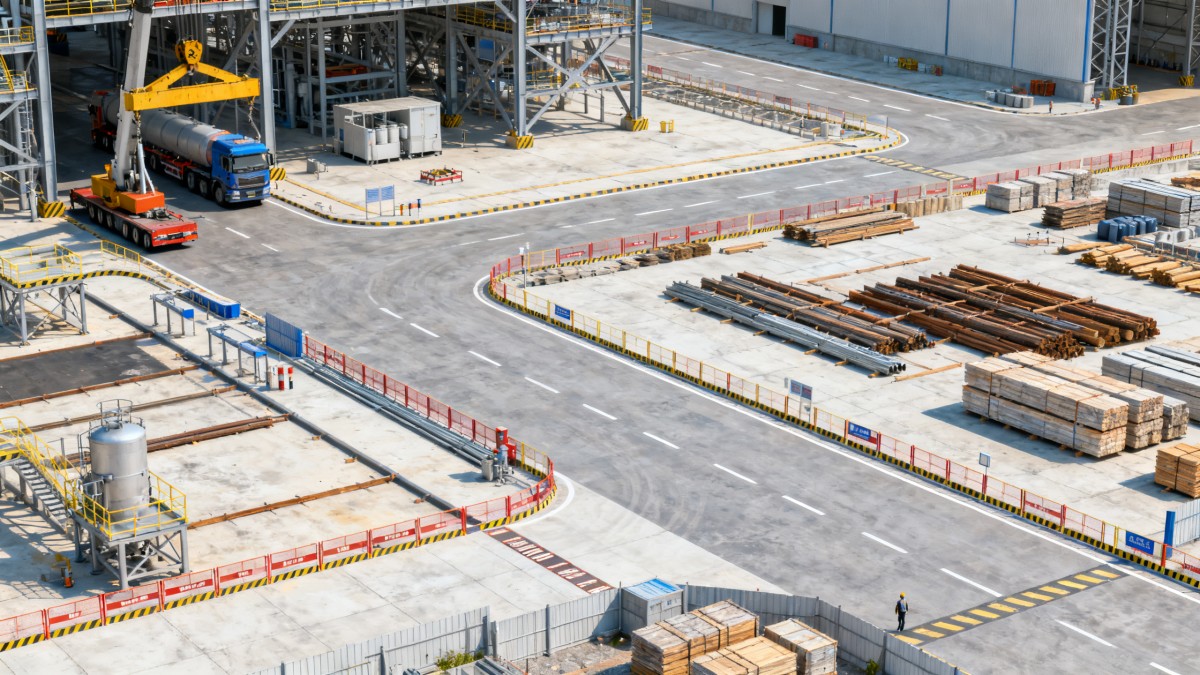
Industry overview: where early compliance pressure appears most often
The importance of early safety-led planning varies by project type, but several patterns are consistent across the broader industrial market. The table below summarizes where construction safety regulations tend to reshape planning earliest.
Business value for project managers and engineering leads
For project managers, the value of integrating construction safety regulations early is not only regulatory. It directly improves schedule confidence, cost control, and stakeholder trust. A safety-informed layout reduces clashes between trades, minimizes emergency changes, and shortens approval cycles because the site plan already reflects realistic operating constraints.
Engineering leads gain a clearer basis for design coordination. When loading zones, safe maintenance access, temporary bracing needs, and equipment clearance are understood early, designers can avoid issuing details that are difficult or unsafe to construct. This is particularly important in projects involving mechanical packages, electrical rooms, environmental systems, and precision instrumentation where installation tolerances and access constraints must coexist.
There is also a commercial benefit. Clients and major contractors increasingly evaluate contractor maturity through risk planning quality. A team that demonstrates strong understanding of construction safety regulations in the planning phase is more likely to be viewed as reliable, especially in high-value industrial procurement and EPC environments.
Common planning areas influenced before mobilization
Several site planning components are consistently affected by construction safety regulations before mobilization begins:
- Site access and egress design, including emergency response routes and gate control
- Traffic and pedestrian segregation for workers, visitors, and heavy vehicles
- Crane setup, lifting zones, swing radius controls, and overhead hazard clearances
- Material storage, hazardous substance containment, and waste handling areas
- Temporary electrical systems, lighting, water management, and welfare facilities
- Exclusion zones around live services, unstable ground, or process-sensitive equipment
What matters is not just identifying each item, but understanding how they interact. For example, moving a laydown area to create a safer crane path may lengthen manual handling routes unless pedestrian corridors are redesigned at the same time. Good planning recognizes safety as a system, not a series of isolated requirements.
A practical classification of early safety planning priorities
Project teams can simplify early review by grouping requirements into a few operational categories.
Frequent reasons teams underestimate early compliance effects
One common mistake is assuming that legal compliance will be handled later through method statements alone. In reality, some hazards cannot be managed effectively unless the site is physically planned around them. Another issue is fragmented ownership. Design, procurement, HSE, and operations may each understand part of the risk, but without a joined-up review, construction safety regulations are translated into action too late.
Teams also tend to underestimate the effect of supplier and equipment choices. A different transformer, vessel, crane, scaffold system, or enclosure can change lifting plans, access needs, fire separation, or maintenance clearances. In industrial projects, product data, certification status, and installation constraints should inform safety planning much earlier than many teams expect.
Practical recommendations for stronger early-stage planning
A disciplined approach can make construction safety regulations a planning advantage rather than a late-stage obstacle. Project leaders should start with a structured risk review before finalizing the site layout. This review should include logistics, temporary works, live interfaces, emergency planning, and equipment-specific constraints. It should also be repeated whenever the sequence or major package scope changes.
Next, involve technical specialists earlier. HSE managers, lifting specialists, electrical safety advisors, environmental engineers, and operations personnel often identify constraints that general planners miss. Their contribution is especially valuable where compliance depends on measurable tolerances, certified equipment, or specific separation distances.
Project teams should also use planning documents that are visual and operational, not purely administrative. Mark-up site logistics drawings, hazard overlays, permit maps, and staged access plans help all stakeholders understand how construction safety regulations translate into the real site. This reduces ambiguity during procurement, subcontractor onboarding, and client review.
Finally, connect planning to procurement intelligence. When selecting critical industrial products, teams should review not only cost and availability but also certification, installation method, maintenance access, environmental conditions, and compatibility with site controls. This is where robust technical content and compliance-focused sourcing support can materially improve project outcomes.
Conclusion and next-step perspective
Construction safety regulations now shape site planning much earlier than many traditional delivery models assumed. For project managers and engineering leaders, the lesson is clear: layout, sequencing, access, temporary works, and product decisions should all be tested against compliance realities before the site is mobilized. Doing so reduces redesign, strengthens control over risk, and improves schedule resilience.
In complex industrial environments, early safety planning is also a marker of execution maturity. Organizations that combine compliance knowledge, engineering detail, and sourcing intelligence are better positioned to build safer and more dependable projects. For teams managing critical infrastructure, using trusted technical resources to interpret construction safety regulations can turn a regulatory requirement into a strategic planning advantage.
Technical Specifications
- Hidden Environment & Ecology cost after project approvalAuthor :Environmental Engineering Director
- When does an Environment & Ecology impact assessment need updating?Author :Environmental Engineering Director
- Security & Safety standards that affect product approval speedAuthor :Safety Compliance Lead
Expert Insights

Chief Security Architect
Dr. Thorne specializes in the intersection of structural engineering and digital resilience. He has advised three G7 governments on industrial infrastructure security.
Related Analysis
- May 07, 2026Hidden Environment & Ecology cost after project approvalAuthor :Environmental Engineering Director
- May 07, 2026When does an Environment & Ecology impact assessment need updating?Author :Environmental Engineering Director
- May 07, 2026Security & Safety standards that affect product approval speedAuthor :Safety Compliance Lead
Core Sector // 01
Security & Safety
- Construction safety management systems that fail under schedule pressureAuthor :Safety Compliance Lead

- Why Security & Safety price alone can lead to higher project lossAuthor :Safety Compliance Lead

- Construction safety regulations that change site planning earlyAuthor :Safety Compliance Lead

- How to compare industrial safety equipment suppliers by response timeAuthor :Safety Compliance Lead

- Construction safety equipment manufacturers under stricter site rulesAuthor :Safety Compliance Lead

- Industrial safety training programs that reduce repeat incidentsAuthor :Safety Compliance Lead

- Why Security & Safety prices differ more than expectedAuthor :Safety Compliance Lead

- How to Compare Safety Equipment Suppliers When Specs Look SimilarAuthor :Safety Compliance Lead