Why Security & Safety price alone can lead to higher project loss
Author
Date Published
Reading Time
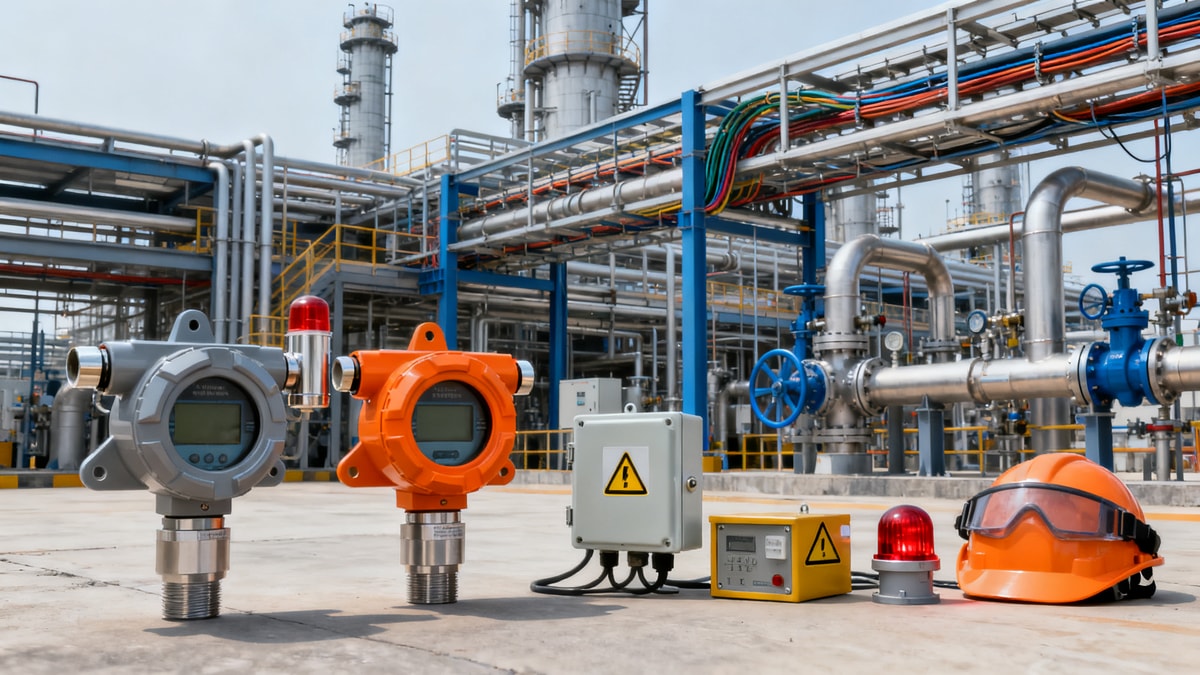
For financial approvers, choosing by Security & Safety price alone may appear to protect budgets, but it often creates larger downstream losses through compliance failures, rework, downtime, and liability exposure. In industrial projects, the lowest upfront quote rarely reflects total risk. Understanding how cost, certification, and reliability interact is essential to making procurement decisions that truly safeguard capital.
Why scenario differences matter more than the lowest Security & Safety price
A low Security & Safety price can mean very different things depending on where the product will be used. In a low-risk office retrofit, a lower-cost item may be acceptable if it meets all standards and service expectations. In a refinery shutdown project, a mining conveyor upgrade, or a chemical storage expansion, the same price-first decision can trigger cascading losses that far exceed the original savings. Financial approvers should therefore avoid treating safety procurement as a simple line-item comparison.
The core issue is not whether lower prices are always bad. The issue is whether the quoted Security & Safety price reflects the real operating environment, certification burden, installation complexity, maintenance cycle, and failure consequences. Industrial buyers often compare unit cost across vendors while underweighting the cost of production delays, failed inspections, incompatible documentation, emergency replacement freight, insurance disputes, and contractor standby time.
This is especially relevant for EPC contractors, plant owners, and procurement teams working across multiple geographies. A product that appears inexpensive in the bid stage may become the costliest option once local compliance, commissioning tests, spare parts availability, and warranty responsiveness are assessed. For financial approvers, the right question is not “Which quote is cheapest?” but “Which option protects capital best in this project scenario?”
Common project scenarios where Security & Safety price can mislead budgets
1. New-build industrial facilities
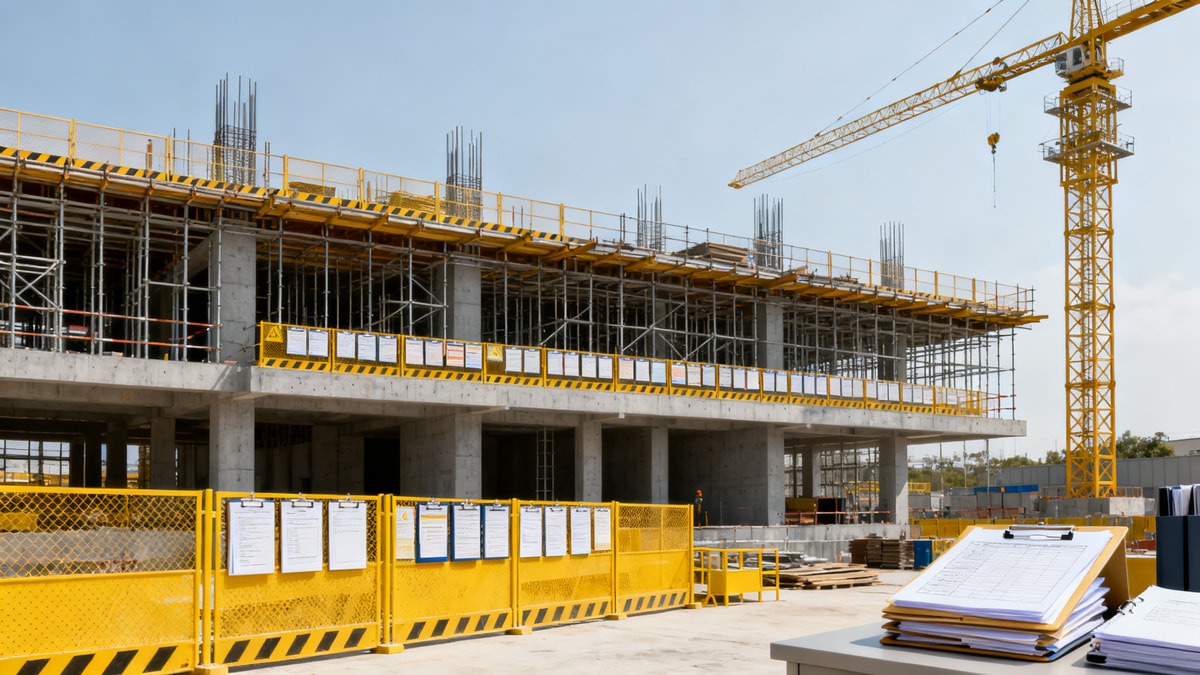
In greenfield plants, the pressure to control early capex is intense. Decision-makers often focus on the aggregate value of safety devices, emergency systems, PPE programs, gas detection, signage, guarding, and access control packages. Here, a lower Security & Safety price may look attractive because installation has not yet exposed interface risks. However, new-build environments often require strict coordination across electrical, instrumentation, civil, and commissioning teams. A cheaper supplier that lacks complete documentation or integration support can slow handover and delay revenue generation.
2. Brownfield upgrades and retrofit projects
Retrofits are particularly sensitive to hidden compatibility costs. Existing cable routes, legacy control panels, outdated standards, and limited shutdown windows make “cheap” options risky. If a low Security & Safety price excludes adaptation accessories, engineering revisions, or compliance testing, finance teams may approve a quote that later requires change orders. In retrofits, the biggest losses often come from schedule overruns and repeated field modifications rather than the equipment itself.
3. High-hazard operating environments
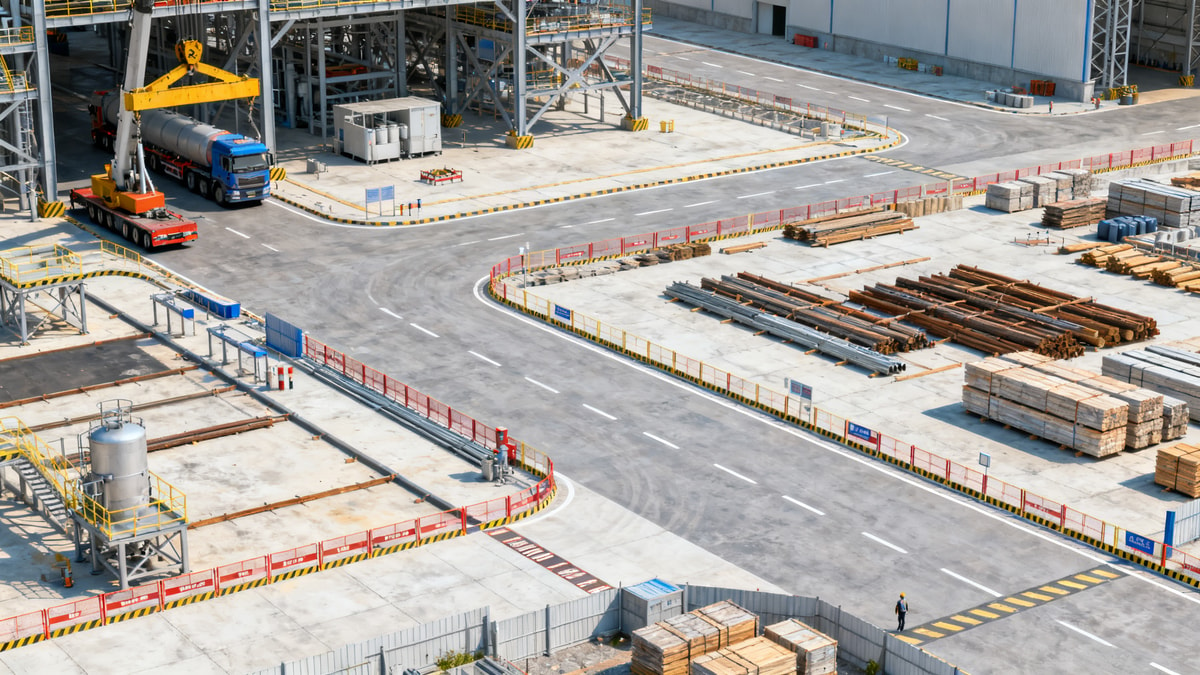
In oil and gas, power generation, metals, marine, chemical handling, and heavy logistics sites, safety components are expected to perform under heat, dust, vibration, corrosion, pressure, or explosive atmospheres. In these settings, a low Security & Safety price may signal reduced material durability, weaker ingress protection, shorter calibration stability, or incomplete hazardous-area certification. A single failure can lead to injury, environmental exposure, or unplanned shutdown costs that dwarf initial procurement savings.
4. Multi-site corporate standardization programs
When a company standardizes safety systems across multiple sites, the procurement gain does not come only from purchase price. It also comes from lower training complexity, shared spares, unified maintenance practices, cleaner audit trails, and stronger supplier accountability. In this scenario, chasing the lowest Security & Safety price at each site can fragment the installed base and increase long-term operational spending.
Scenario comparison: where the cheapest quote creates the biggest loss risk
The table below helps financial approvers evaluate how project context changes the meaning of Security & Safety price.
What financial approvers should evaluate in each scenario
If your role is budget approval rather than technical selection, you do not need to become a safety engineer. You do need a disciplined approval framework. In most cases, the most useful review criteria are scenario-based and commercially measurable.
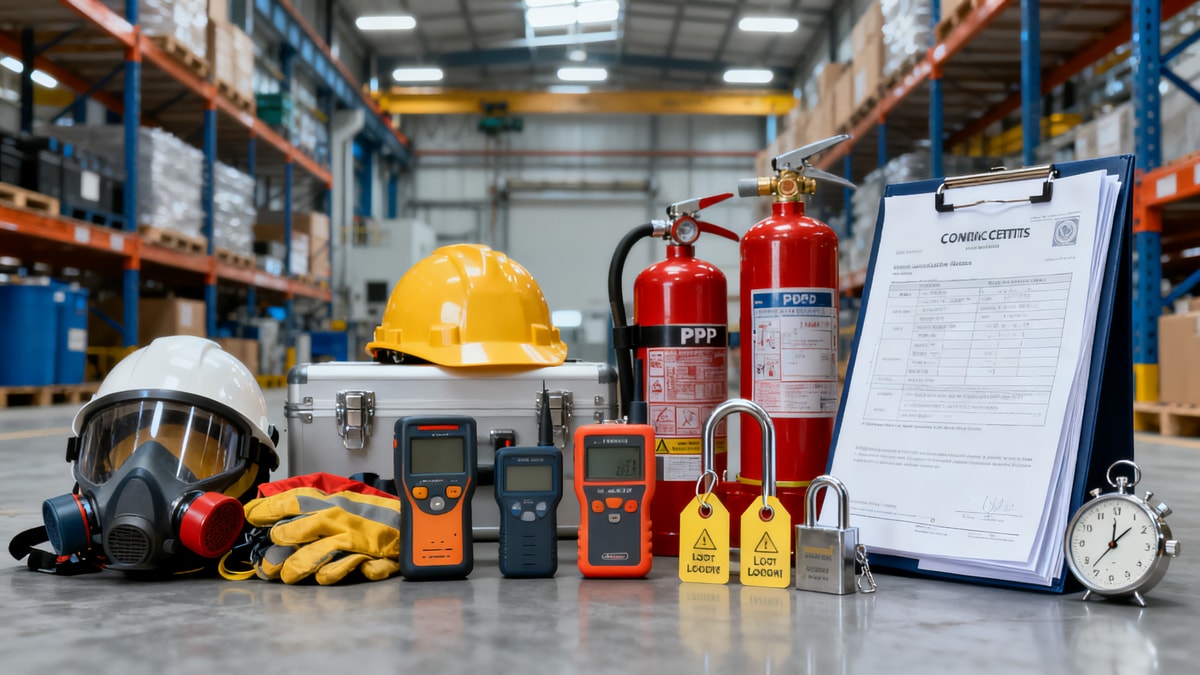
- Certification fit: Does the quoted product carry valid CE, UL, ISO-related documentation, or other required approvals for the actual installation environment?
- Application fit: Is the solution designed for the site’s temperature, dust, vibration, corrosive exposure, washdown needs, or hazardous-area conditions?
- Installation fit: Does the Security & Safety price include accessories, mounting hardware, software compatibility, and commissioning support?
- Service fit: Can the supplier provide spare parts, replacement lead times, and local technical response when an issue affects uptime?
- Audit fit: Will the chosen product stand up to client inspection, insurer review, or regulatory audit without expensive remediation?
A lower Security & Safety price becomes much safer when these five conditions are confirmed. If they are not confirmed, the quote should be treated as financially incomplete, not financially efficient.
How different business objects should judge the same price decision
EPC contractors
For EPCs, the danger of selecting purely by Security & Safety price is contract exposure. A vendor failure can trigger liquidated damages, interface disputes, and late design revisions. In this scenario, a slightly higher approved cost often protects project margin.
Facility managers and plant operators
Operators inherit the consequences of procurement shortcuts. If the selected item is hard to maintain, prone to nuisance alarms, or unsupported locally, maintenance burden rises over years. Here, the real question is not the purchase price but the lifetime reliability cost.
Procurement directors
Procurement leaders must balance commercial pressure with technical defensibility. A low Security & Safety price may help negotiation optics, but it can damage supplier scorecards if warranty claims, return rates, or non-conformance reports climb after award.
Financial approvers and CFO offices
Finance teams should focus on exposure concentration. If a product sits on a critical path, protects personnel, supports compliance, or affects insurability, the threshold for accepting the lowest Security & Safety price should be higher. Small savings on critical items can create disproportionate downside.
Frequent misjudgments that make cheap safety procurement expensive
Across industries, the same errors appear repeatedly. First, teams assume all compliant-looking products are equivalent. Second, they compare quoted prices without normalizing scope. Third, they underestimate the cost of downtime and overestimate the ease of replacement. Fourth, they rely on supplier declarations without verifying third-party certificates, test reports, and application limitations.
Another common mistake is separating safety decisions from operational realities. For example, an access control system selected on Security & Safety price alone may not integrate with site procedures; a detector chosen by lowest bid may require frequent recalibration; a protective component bought cheaply may fail early in corrosive conditions. In every case, the budget was “saved” only on paper.
A practical approval model: from lowest price to lowest loss exposure
To improve decision quality, financial approvers can ask procurement and engineering teams for a simple scenario-based comparison before approval. The model should include purchase price, compliance status, expected service life, failure consequence, commissioning impact, and replacement lead time. This turns Security & Safety price into a total-risk comparison rather than a narrow capex check.
A useful rule is this: the more critical the application, the less weight unit price should carry in isolation. For non-critical use, price can be a stronger decision factor. For life protection, hazardous operations, or uptime-sensitive systems, approval should prioritize validated performance and predictable lifecycle cost. That is not overspending; it is disciplined capital protection.
FAQ: scenario-based questions about Security & Safety price
Is the lowest Security & Safety price ever the right choice?
Yes, if the application is low-risk, the technical scope is truly equivalent, documentation is complete, and service support is dependable. The problem is not low price itself; it is low price without validated equivalence.
Which scenarios require the most caution?
Retrofits, hazardous environments, shutdown-critical work, and multi-site standards programs deserve the most caution. In these cases, indirect losses usually exceed the apparent saving from the lowest quote.
What is the fastest way for finance to improve approvals?
Require a one-page total-risk summary for any safety-related purchase above a defined threshold. It should explain why the selected option is fit for the exact scenario, not just why its Security & Safety price is attractive.
Final decision guidance for capital protection
In industrial procurement, Security & Safety price should be interpreted through the lens of use case, failure consequence, and compliance burden. The same product category can be low-risk in one setting and financially dangerous in another. Financial approvers create the most value when they push teams to match each purchase to its actual project scenario instead of rewarding the cheapest visible number.
If you are reviewing bids, ask for scenario evidence: where the item will be used, what standards apply, what downtime would cost, and what support is guaranteed after delivery. That approach helps you move from price approval to loss prevention. In the end, the best procurement decision is not the one with the lowest initial Security & Safety price, but the one with the lowest probability of expensive failure.
Technical Specifications
- Hidden Environment & Ecology cost after project approvalAuthor :Environmental Engineering Director
- When does an Environment & Ecology impact assessment need updating?Author :Environmental Engineering Director
- Security & Safety standards that affect product approval speedAuthor :Safety Compliance Lead
Expert Insights

Chief Security Architect
Dr. Thorne specializes in the intersection of structural engineering and digital resilience. He has advised three G7 governments on industrial infrastructure security.
Related Analysis
- May 07, 2026Hidden Environment & Ecology cost after project approvalAuthor :Environmental Engineering Director
- May 07, 2026When does an Environment & Ecology impact assessment need updating?Author :Environmental Engineering Director
- May 07, 2026Security & Safety standards that affect product approval speedAuthor :Safety Compliance Lead
Core Sector // 01
Security & Safety
- Construction safety management systems that fail under schedule pressureAuthor :Safety Compliance Lead

- Why Security & Safety price alone can lead to higher project lossAuthor :Safety Compliance Lead

- Construction safety regulations that change site planning earlyAuthor :Safety Compliance Lead

- How to compare industrial safety equipment suppliers by response timeAuthor :Safety Compliance Lead

- Construction safety equipment manufacturers under stricter site rulesAuthor :Safety Compliance Lead

- Industrial safety training programs that reduce repeat incidentsAuthor :Safety Compliance Lead

- Why Security & Safety prices differ more than expectedAuthor :Safety Compliance Lead

- How to Compare Safety Equipment Suppliers When Specs Look SimilarAuthor :Safety Compliance Lead