When does an Environment & Ecology impact assessment need updating?
Author
Date Published
Reading Time
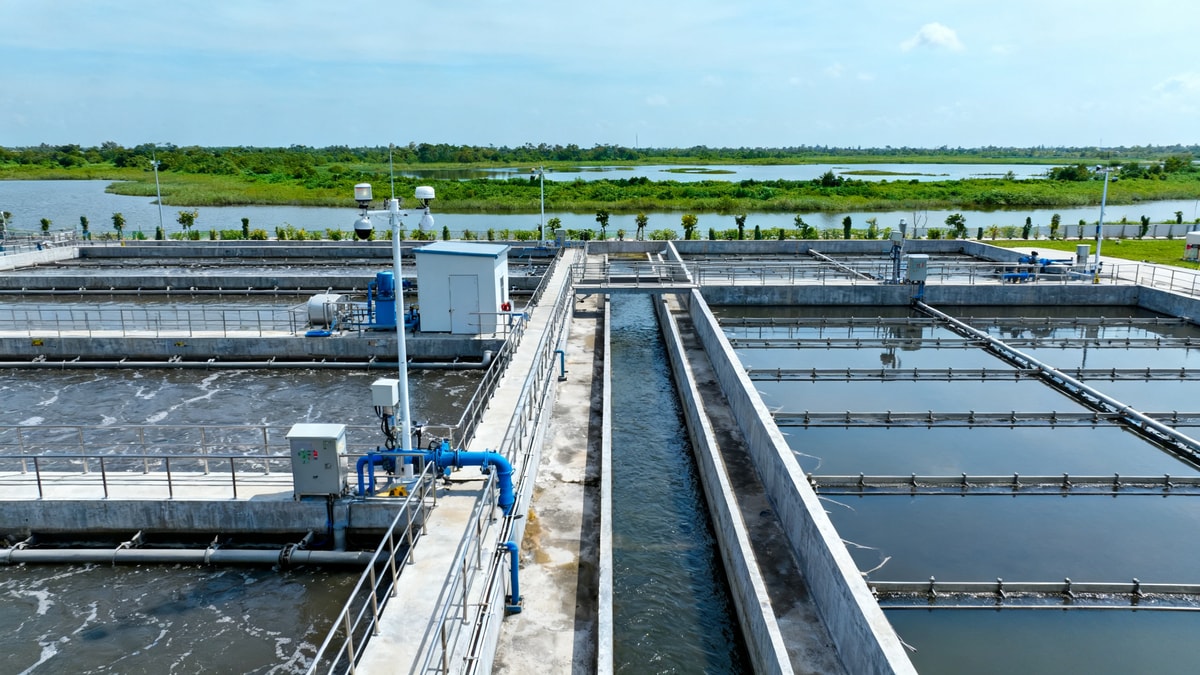
An Environment & Ecology impact assessment should not be treated as a one-time document. When project designs change, site conditions shift, regulations tighten, or new environmental risks emerge, an update may be essential to maintain compliance and reduce operational exposure. This guide explains the key triggers, regulatory considerations, and practical decision points that determine when reassessment becomes necessary.
What does updating an Environment & Ecology impact assessment actually mean?
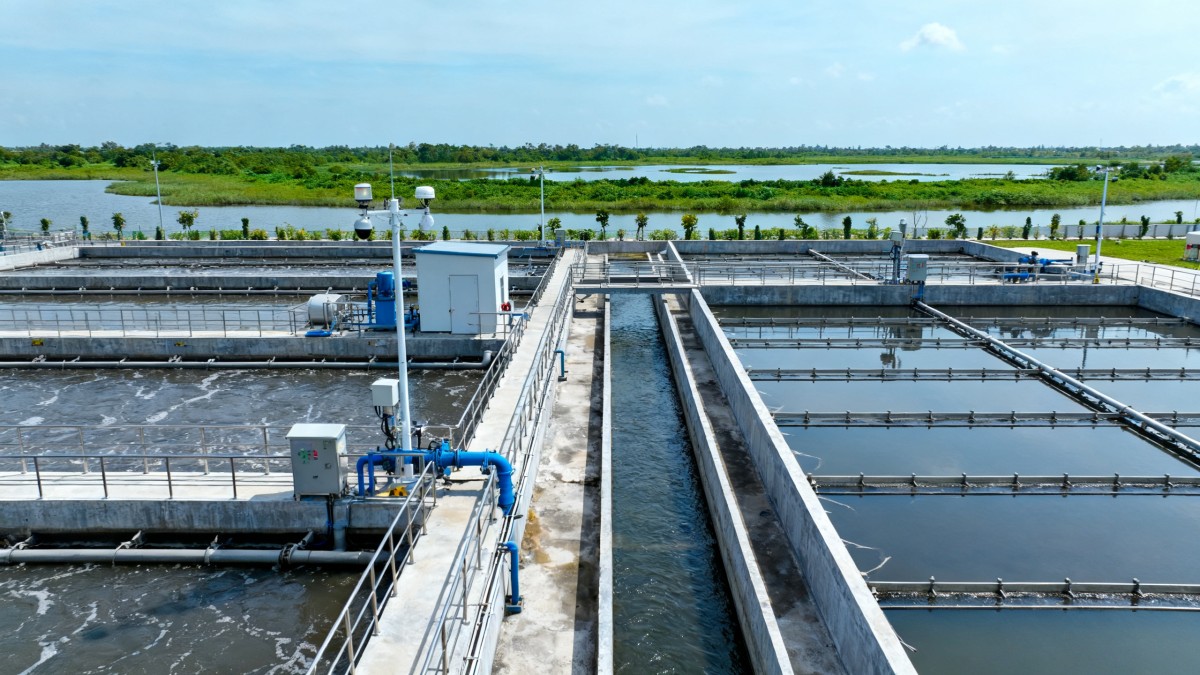
In industrial development, an Environment & Ecology impact assessment is a structured review of how a project may affect air, water, soil, habitats, waste streams, noise levels, and nearby communities. Updating that assessment does not always mean starting from zero. In many cases, it means revisiting assumptions, baseline data, risk models, mitigation measures, and legal obligations to confirm that the original conclusions still match current project reality.
For EPC contractors, facility managers, and procurement leaders, the real question is not only whether an update is legally required. It is also whether relying on an outdated assessment creates permitting delays, contractor disputes, redesign costs, financing concerns, or operational restrictions later. Information researchers often struggle here because project changes happen gradually, across engineering, sourcing, and construction packages, while environmental obligations remain interconnected.
A current Environment & Ecology impact assessment supports better decision-making in several ways:
- It verifies whether emissions, effluent, waste, or biodiversity impacts remain within approved thresholds.
- It checks whether design revisions, supplier substitutions, or process changes alter environmental performance.
- It helps procurement teams align equipment selection with permit conditions, discharge limits, and site controls.
- It reduces the risk of investing in systems that later require retrofits because assumptions were no longer valid.
When does an Environment & Ecology impact assessment need updating?
The most common trigger is material change. If a project has moved beyond the original scope, capacity, footprint, technology, or construction method, the original Environment & Ecology impact assessment may no longer reflect actual impacts. This is especially relevant in heavy industry, utilities, processing plants, logistics hubs, waste handling facilities, and infrastructure projects where late-stage engineering changes are common.
The table below summarizes practical triggers that often require reassessment or at least a formal screening review before work proceeds.
In practice, not every change leads to a full reissue. Some require a focused addendum, while others need a complete reassessment. The important point is to document the decision path early, before procurement commitments or civil works lock the project into a non-compliant direction.
High-risk change categories that should never be ignored
- Changes involving hazardous materials, fuel switching, combustion systems, solvent use, or wastewater chemistry.
- Relocation of stormwater infrastructure, intake points, outfalls, storage yards, or waste transfer zones.
- New proximity to protected habitats, agricultural land, community receptors, or flood-prone areas.
- Extended construction timelines that shift work into sensitive ecological seasons.
How project changes affect compliance, procurement, and construction schedules
An outdated Environment & Ecology impact assessment rarely stays an isolated paperwork problem. It often spreads into procurement and execution. A ventilation package selected under one emissions assumption may not satisfy revised air permit conditions. A drainage design based on old rainfall patterns may need upgrading. A previously acceptable laydown area may later conflict with habitat constraints or erosion controls.
For information researchers comparing suppliers or project options, this creates a common blind spot: environmental assumptions are treated as fixed, while technical packages continue to evolve. Global Industrial Core addresses this by connecting environmental review with sourcing intelligence, equipment implications, and implementation timing rather than treating them as separate tracks.
Typical operational impacts of a late update
- Permit amendments may delay mobilization or commissioning.
- Procured equipment may require redesign, retrofitting, or replacement.
- Contractors may face revised method statements, restricted work windows, or additional monitoring duties.
- Capital budgets can shift because mitigation measures were not priced into the original package.
This is why early screening matters. A short, well-scoped review after each major engineering milestone can cost far less than correcting environmental assumptions during construction or after permit inspection.
Which scenarios usually require a partial update, and which demand a full reassessment?
One of the hardest decisions is proportionality. Some projects overreact and commission full studies for minor revisions. Others underreact and assume all changes are administrative. A practical comparison helps teams decide the right level of effort for the Environment & Ecology impact assessment.
Use the matrix below as a planning tool when screening design or operational changes.
The decision should be based on environmental significance, permit exposure, and the scale of changed assumptions. A small engineering change can still justify a major update if it alters discharge quality, biodiversity sensitivity, or public risk.
What should information researchers check before deciding to update?
If you are gathering information for internal approval, supplier comparison, or project gating, you need a disciplined checklist. The goal is to identify whether the existing Environment & Ecology impact assessment still supports current technical and commercial decisions.
A practical screening checklist
- Has the project capacity, process route, or utility demand changed since the last approved environmental review?
- Have any key suppliers, treatment units, burners, pumps, storage systems, or filtration technologies been substituted?
- Are the baseline surveys still current for seasons, habitats, land use, hydrology, and nearby receptors?
- Have local regulations, discharge standards, monitoring requirements, or permit guidance changed?
- Do procurement documents and contractor scopes still reflect the mitigation commitments stated in the assessment?
This screening stage is where many organizations need outside support. GIC’s value is not limited to environmental commentary. It helps teams connect technical submittals, sourcing choices, and compliance implications so that environmental review becomes a decision tool, not a last-minute obstacle.
How do regulations and standards influence an Environment & Ecology impact assessment update?
Regulatory frameworks differ by country and sector, but the principle is consistent: if the approved basis of assessment no longer matches project conditions, the authority may require a revised submission, supplemental study, or permit amendment. Industrial operators should also consider connected obligations such as ISO 14001 environmental management procedures, emissions reporting requirements, water discharge consents, hazardous waste handling rules, and site-specific planning conditions.
The table below shows how common compliance categories can trigger review of an Environment & Ecology impact assessment.
A compliance review should never be reduced to a single permit question. Environmental obligations are layered. A change that seems minor from an engineering viewpoint may trigger broader review because it affects monitoring, reporting, emergency planning, contractor management, or community interface.
Common mistakes that lead to outdated assessments
Many project teams do not ignore environmental review intentionally. The problem is fragmentation. Engineering revises layouts, procurement changes vendors, and construction adjusts sequence, but the Environment & Ecology impact assessment is not rechecked against the combined change set.
Frequent misconceptions
- “If the site boundary did not move, the assessment is still valid.” In reality, internal layout changes can affect drainage, noise, traffic, and habitat disturbance.
- “Equivalent equipment means no environmental difference.” Equivalent commercial specification does not always mean equivalent emissions, chemistry, or waste profile.
- “We can update it after procurement.” Late review often reduces supplier flexibility and increases retrofit costs.
- “The permit authority will tell us if we need an update.” Authorities expect operators to identify material changes proactively.
The strongest projects establish a change-control link between environmental review, technical approval, and sourcing decisions. That is especially important in cross-border or multi-contractor industrial projects where standards, permit assumptions, and delivery packages are spread across different teams.
FAQ: practical questions about an Environment & Ecology impact assessment
Does every design change require an update?
No. Minor changes with no effect on emissions, land disturbance, discharge quality, noise, ecology, or permit assumptions may only require internal confirmation. The key is documented screening. If you cannot clearly show that impacts remain unchanged, further review is advisable.
How old is too old for an Environment & Ecology impact assessment?
There is no universal age threshold, but long delays raise risk. Seasonal ecology data, land use context, flood information, and legal requirements can all change. If construction starts years after approval, a refresh review is usually prudent even where formal expiration rules are unclear.
Can procurement decisions trigger reassessment?
Yes. Replacing treatment systems, combustion units, storage tanks, chemical dosing packages, filtration media, or process equipment can materially change environmental outputs. Procurement should therefore review environmental assumptions before awarding technically different alternatives.
What is the safest time to review update needs?
The safest points are after concept freeze, after major design development, before procurement of environmentally sensitive packages, and before construction mobilization. These checkpoints align environmental review with actual project decision gates.
Why work with GIC when evaluating update needs?
Environment & Ecology impact assessment decisions are rarely made in isolation. They sit at the intersection of engineering design, sourcing strategy, compliance exposure, and project schedule. Global Industrial Core supports this decision environment with cross-functional industrial intelligence built for real project conditions, not abstract theory.
If you are assessing whether a project change requires a partial update or full reassessment, GIC can help you examine the technical basis behind equipment substitutions, utility changes, emissions implications, treatment capacity, environmental control packages, and documentation gaps before they become execution problems.
- Request support for parameter confirmation when equipment changes may affect emissions, wastewater, or waste streams.
- Compare product or system options when environmental permit conditions limit technology choices.
- Discuss delivery timelines if environmental controls must be synchronized with construction or commissioning milestones.
- Review certification and documentation needs where supplier data must align with regulatory submissions.
- Explore tailored sourcing and compliance support for industrial projects with complex environmental interfaces.
If your team is unsure whether the current Environment & Ecology impact assessment still matches the project being built, this is the right point to investigate. A focused review now can protect budget, schedule, and compliance later.
Technical Specifications
- Hidden Environment & Ecology cost after project approvalAuthor :Environmental Engineering Director
- When does an Environment & Ecology impact assessment need updating?Author :Environmental Engineering Director
- Security & Safety standards that affect product approval speedAuthor :Safety Compliance Lead
Expert Insights

Chief Security Architect
Dr. Thorne specializes in the intersection of structural engineering and digital resilience. He has advised three G7 governments on industrial infrastructure security.
Related Analysis
- May 07, 2026Hidden Environment & Ecology cost after project approvalAuthor :Environmental Engineering Director
- May 07, 2026When does an Environment & Ecology impact assessment need updating?Author :Environmental Engineering Director
- May 07, 2026Security & Safety standards that affect product approval speedAuthor :Safety Compliance Lead
Core Sector // 01
Security & Safety
- When does an Environment & Ecology impact assessment need updating?Author :Environmental Engineering Director

- What overseas buyers check first in an Environment & Ecology exporterAuthor :Environmental Engineering Director

- When do Environment & Ecology consulting services pay off?Author :Environmental Engineering Director

- What drives Environment & Ecology cost in industrial projects?Author :Environmental Engineering Director

- Vietnam MOIT: Industrial Water Monitors Must Adopt MQTT v5.0 + SM4 by Jun 30, 2026Author :Environmental Engineering Director

- Vietnam MOIT: Industrial Water Monitors Must Adopt MQTT v5.0 + SM4 by Jun 30, 2026Author :Environmental Engineering Director

- Vietnam MOIT: Industrial Water Monitors Must Adopt MQTT v5.0 + SM4 by Jun 30, 2026Author :Environmental Engineering Director

- Vietnam MOIT Waives SM4 Encryption Upgrade Fee for Chinese Water MonitorsAuthor :Environmental Engineering Director