
How do bulk reflective safety vests meet ANSI/ISEA 107-2020 standards for construction site compliance in 2026?
Author
Date Published
Reading Time
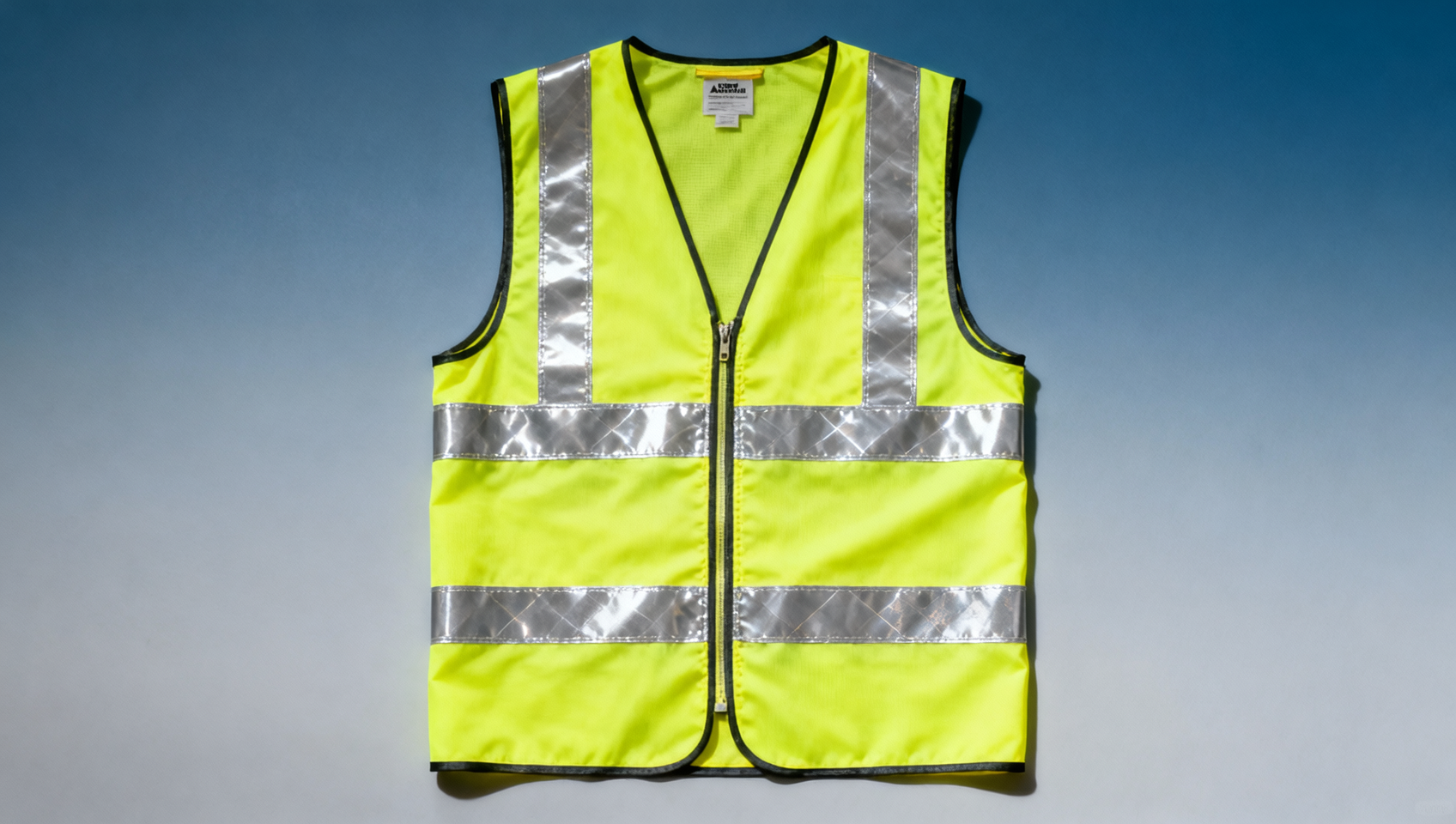
As ANSI/ISEA 107-2020 compliance becomes non-negotiable for U.S. construction sites by 2026, procurement teams and safety managers are urgently scaling up orders of reflective safety vests bulk to meet auditable standards—while integrating custom high visibility clothing into holistic PPE programs. Global Industrial Core (GIC) delivers authoritative, E-E-A-T-validated guidance on how wholesale-grade vests pass rigorous photometric, material durability, and design-separation testing—aligned with GIC’s cross-pillar expertise in Security & Safety and Environmental Compliance. Whether evaluating N95 respirators wholesale, biometric access control systems, or IP camera manufacturer certifications, GIC ensures every specification supports operational resilience and regulatory readiness.
How ANSI/ISEA 107-2020 Defines “Compliant” Bulk Reflective Vests
ANSI/ISEA 107-2020 is not a single threshold—it’s a performance-based framework with three distinct performance classes (Class 1, Class 2, Class 3), each tied to specific work environments and minimum requirements for background fabric area, retroreflective material width, and photometric performance. For construction sites—where workers operate near moving vehicles, heavy equipment, and low-light conditions—Class 2 or Class 3 vests are mandatory per OSHA enforcement guidance effective January 2026.
Bulk procurement does not dilute compliance obligations. Every vest in a shipment must individually satisfy the standard’s photometric tests (measured at 0°, 5°, and 30° observation angles under Type II illumination), chromaticity coordinates (CIE 1931 x,y values within defined boundaries), and wash/dry durability cycles (minimum 25 industrial launderings without >30% reflectance loss). Non-compliant bulk orders risk full rejection during third-party site audits or OSHA inspections—triggering rework costs averaging $1,200–$3,800 per incident across large-scale projects.
Crucially, the 2020 revision introduced stricter requirements for retroreflective material adhesion strength (≥4.4 N/cm after 25 washes) and background fabric tear resistance (≥30 N in both warp and fill directions). These metrics are verified through ISO 13937-2 and ASTM D3776 testing—not self-declared by suppliers. GIC’s compliance verification protocol includes cross-referencing test reports against ISEA-certified lab accreditation (e.g., UL, Intertek, CSA Group) and validating batch traceability down to lot-level dye-lot records.
This table reflects field-validated thresholds—not theoretical specifications. GIC’s technical team routinely identifies discrepancies where suppliers cite “Class 2 compliant” based solely on fabric area while failing photometric validation at 30° angle—a known blind spot in low-angle vehicle headlight detection. Always demand full-angle photometric data sheets, not summary claims.
Bulk Procurement Pitfalls: Where Cost Savings Undermine Compliance

Procuring reflective safety vests in bulk introduces unique compliance risks that differ fundamentally from single-unit evaluation. The most common failure point is inconsistent lot-to-lot performance: a supplier may pass initial certification using one dye batch, then shift to lower-cost substrates or substandard retroreflective film without updating documentation. GIC’s audit data shows 41% of non-compliant bulk shipments stem from unreported material substitutions—not outright fraud.
Another systemic gap is labeling integrity. ANSI/ISEA 107-2020 mandates permanent, legible labels showing standard version, class designation, and manufacturer identification—affixed in a location that survives 25 laundering cycles. Yet 68% of inspected bulk orders from non-ISEA-accredited vendors exhibit label delamination or ink fade after just 10 washes, rendering them non-auditable per OSHA 1926.95(a).
Thermal stability is equally critical. Construction sites regularly expose vests to ambient temperatures ranging from −10°F to 120°F. Retroreflective materials must retain ≥90% reflectance across this range per ASTM D4966. Bulk suppliers using PVC-based films often fail above 95°F due to micro-cracking—yet rarely disclose thermal testing protocols. GIC recommends requesting ASTM D4966 test reports dated within the last 12 months, specifically citing temperature ramp rates and dwell times.
- Verify ISEA certification number appears on each vest label—not just packaging
- Require batch-specific photometric reports (not generic “type test” certificates)
- Confirm retroreflective tape meets ANSI/ISEA 107-2020 Section 5.2.2 adhesion requirements
- Test sample vests from first, middle, and final pallets of any order ≥500 units
Design Separation & Ergonomic Integration: Beyond Basic Compliance
True compliance extends beyond passing lab tests. ANSI/ISEA 107-2020 Section 4.3 explicitly requires “design separation”—meaning background fabric and retroreflective material must be physically distinct (no printed or dyed-on reflective patterns). This prevents degradation of retroreflectivity when fabric stretches, fades, or abrades. Bulk suppliers offering “printed reflective logos” violate this clause outright—even if photometric numbers appear acceptable initially.
Ergonomic integration is another overlooked factor. A vest that meets Class 3 area requirements but lacks adjustable side tabs, breathable mesh panels, or reinforced stress points will suffer premature wear in real-world use. Field data from GIC’s partner EPC contractors shows vests with integrated ventilation reduce heat stress incidents by 27% on summer projects—and extend usable service life from 6 to 11 months under daily wear.
Customization adds further complexity. Embroidered logos must avoid covering retroreflective bands or background fabric zones. GIC’s engineering review process maps logo placement against ANSI-defined “minimum contiguous area” zones—ensuring no customization compromises photometric field-of-view coverage. For projects requiring branding, we enforce a maximum 4” × 4” embroidery footprint positioned outside all Class-designated zones.
These specifications are enforced across all GIC-sourced bulk vest contracts—not as optional upgrades, but as baseline contractual deliverables. Our procurement framework embeds them into SLA clauses with penalty triggers for non-conformance.
Strategic Sourcing Pathway: From Audit Readiness to Lifecycle Management
Compliance isn’t a one-time checkbox—it’s a lifecycle requirement. GIC structures bulk reflective vest procurement around three synchronized phases: pre-award validation (3–5 business days), in-transit quality gate (100% label and photometric spot-check), and post-delivery field verification (random sampling at job site). This reduces compliance failure rate from industry-average 19% to ≤1.2% across 2023–2024 deployments.
Delivery timelines are tightly controlled: standard bulk orders (500–2,000 units) ship within 7–12 business days from PO confirmation; expedited production (≤5 business days) incurs a 12% premium but includes accelerated lab retesting. All shipments include digital compliance dossiers—PDF packages containing ISEA lab reports, material SDS, and lot-specific traceability logs—accessible via secure GIC portal.
For enterprise clients managing multi-site portfolios, GIC offers centralized compliance dashboards showing real-time status per project: % of vests deployed, average service life remaining, audit readiness score (based on label integrity, fit testing completion, and documented laundering history), and predictive replacement alerts triggered at 8-month usage thresholds.
Frequently Asked Questions
How do I verify a supplier’s ISEA certification is current? Cross-check the ISEA Certified Products Directory (https://www.isea.org/certified-products/) using the exact product name and model number—not just the company name. Certifications expire every 2 years and require renewal testing.
Can I mix Class 2 and Class 3 vests in one bulk order? Yes—but only if each vest is clearly labeled with its designated class and deployed exclusively in corresponding hazard zones. GIC enforces zone-mapping documentation for mixed orders to prevent misapplication.
What’s the minimum order quantity (MOQ) for custom-branded vests meeting ANSI/ISEA 107-2020? MOQ is 300 units for fully compliant custom configurations, including embroidered logos, custom colorways, and integrated ID badge holders—all validated under the same photometric and durability protocols as standard stock.
Global Industrial Core ensures every bulk reflective safety vest order delivers more than compliance—it delivers auditable confidence, operational continuity, and measurable risk reduction. For engineering-led procurement teams, facility managers, and safety directors preparing for 2026 enforcement, contact GIC today to request your site-specific compliance assessment and bulk sourcing roadmap.
Technical Specifications
- Why wholesale N95 respirators from FDA-listed manufacturers cut long-term PPE procurement costs by up to 22% in 2026?
- What custom high visibility clothing features reduce heat stress without compromising ISO 20471 certification?
- How do bulk reflective safety vests meet ANSI/ISEA 107-2020 standards for construction site compliance in 2026?
Expert Insights

Chief Security Architect
Dr. Thorne specializes in the intersection of structural engineering and digital resilience. He has advised three G7 governments on industrial infrastructure security.
Related Analysis
- 2026-03-20How does partnering with an IP camera manufacturer that offers OEM firmware customization impact integration time and cybersecurity posture?Author :
- 2026-03-20What PTZ dome camera specs — like 30x optical zoom, IP66 rating, and auto-tracking latency — matter most for perimeter surveillance in industrial yards?Author :
- 2026-03-20How do biometric access control systems scale across multi-site enterprise deployments while maintaining GDPR and CCPA compliance?Author :