Why Security & Safety prices differ more than expected
Author
Date Published
Reading Time
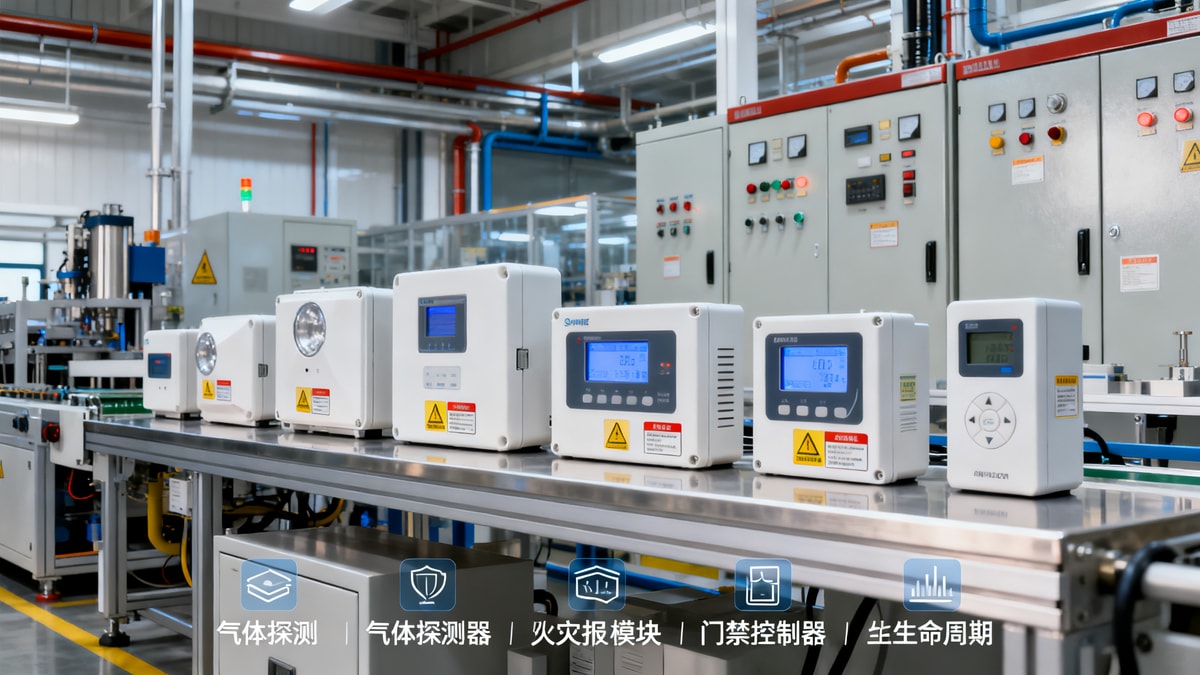
Why does the Security & Safety price for seemingly similar products vary so widely? For financial approvers, the gap often reflects more than brand or margin—it signals differences in certification, lifecycle reliability, compliance risk, and total cost of ownership. This article explains the hidden cost drivers behind Security & Safety price changes, helping you evaluate bids with greater confidence and avoid costly decisions.
For finance teams, the key answer is straightforward: large price differences in security and safety procurement are usually not random. In industrial settings, they often reflect variations in compliance scope, engineering quality, test performance, expected service life, installation complexity, supplier accountability, and failure risk. Two products may look similar on a quote sheet, yet carry very different financial outcomes once downtime, audit exposure, replacement cycles, and liability are included.
If you approve budgets for plants, infrastructure, EPC projects, or operational facilities, the real question is not “Why is this item more expensive?” but “What risk, cost, or operational burden is this higher price reducing?” That shift in perspective helps separate justified premium from avoidable overspending.
What financial approvers are really trying to understand when Security & Safety prices vary
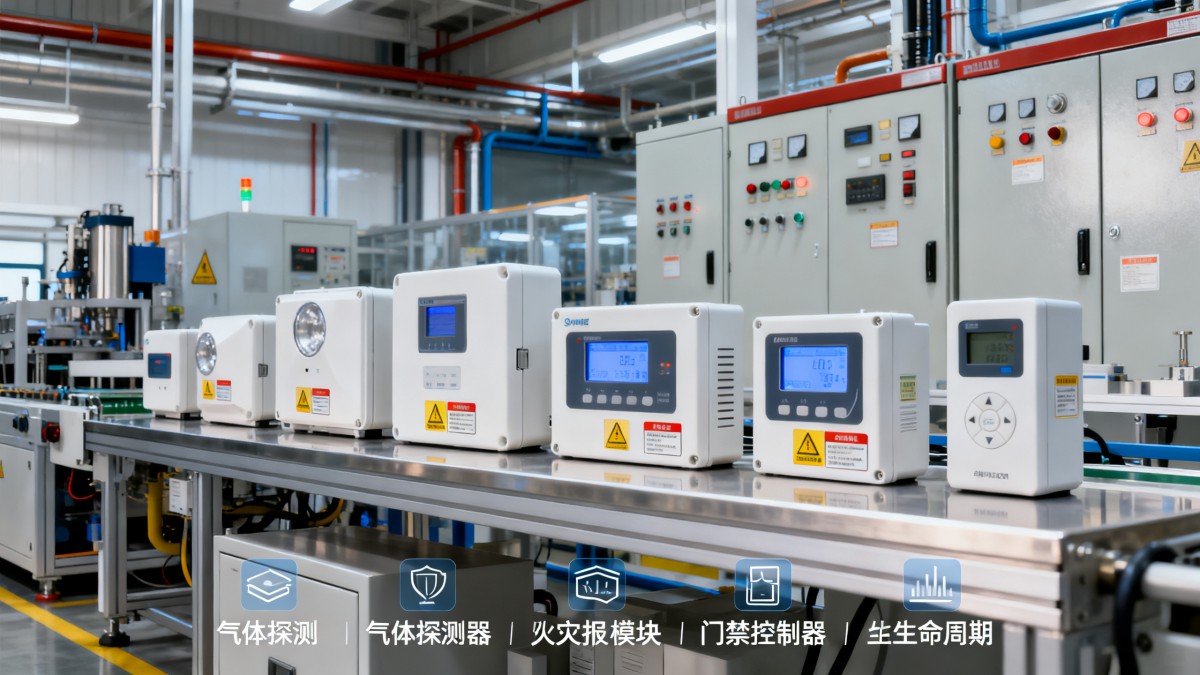
Most financial approvers are not looking for technical theory. They want to know whether a higher quote represents true business value, whether a lower quote creates hidden liabilities, and how to compare bids without relying entirely on engineering teams. In other words, they need a pricing logic they can defend internally.
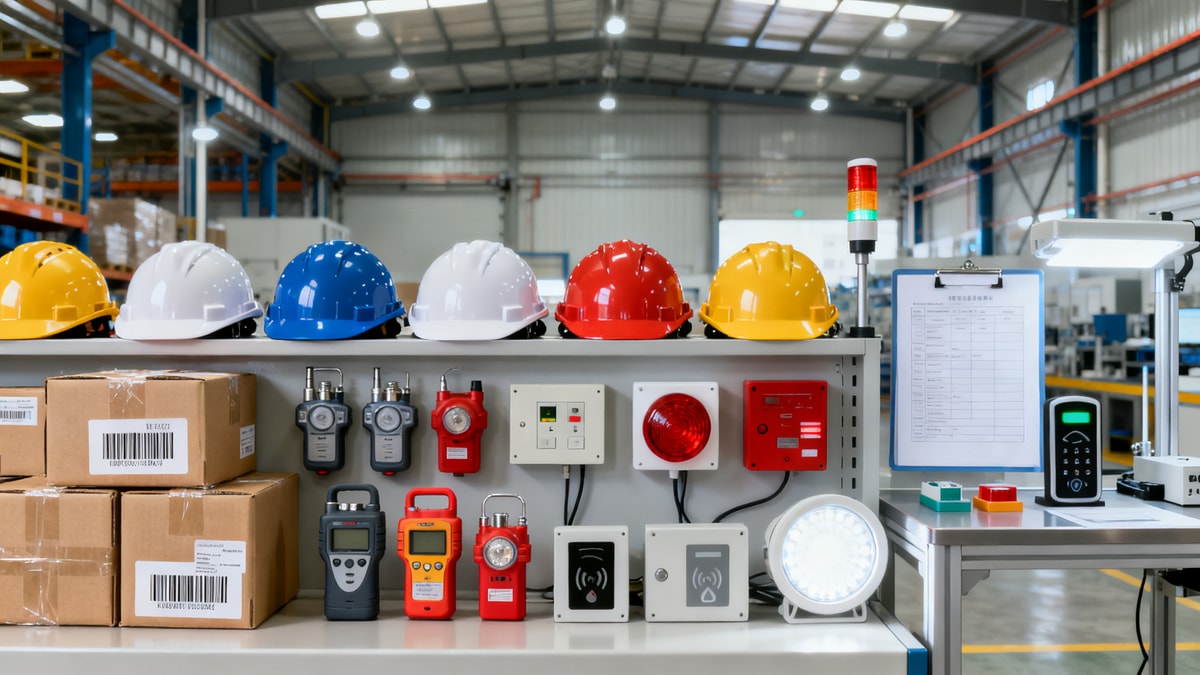
In the Security & Safety category, this challenge is especially common because products may share the same basic function while differing greatly in performance under stress. Emergency shutdown devices, fire detection systems, access control hardware, gas monitoring equipment, protective barriers, and industrial PPE can all appear comparable at first glance. However, the underlying cost structure may be very different.
A lower upfront price may mean fewer certifications, narrower testing conditions, cheaper materials, shorter calibration intervals, limited traceability, or weaker post-sale support. A higher upfront price may include broader regulatory acceptance, better environmental resistance, longer service cycles, integration readiness, and stronger warranty terms. For finance leaders, these distinctions matter because they change both risk exposure and long-term operating cost.
Why similar-looking products can have very different price structures
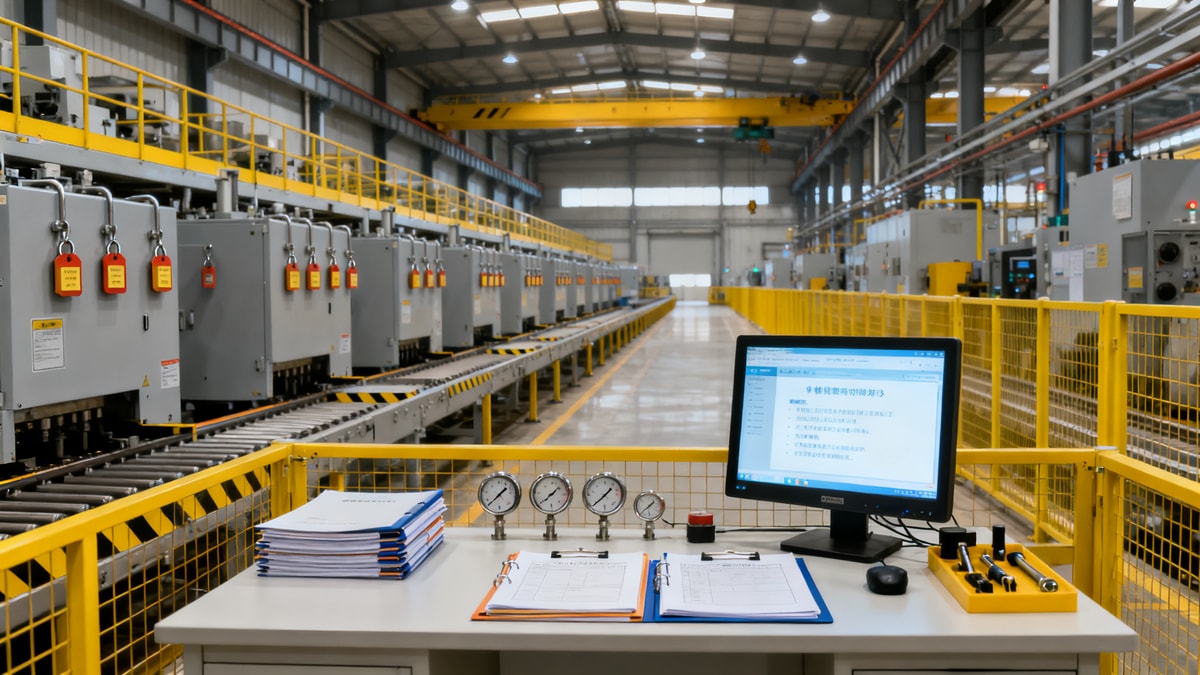
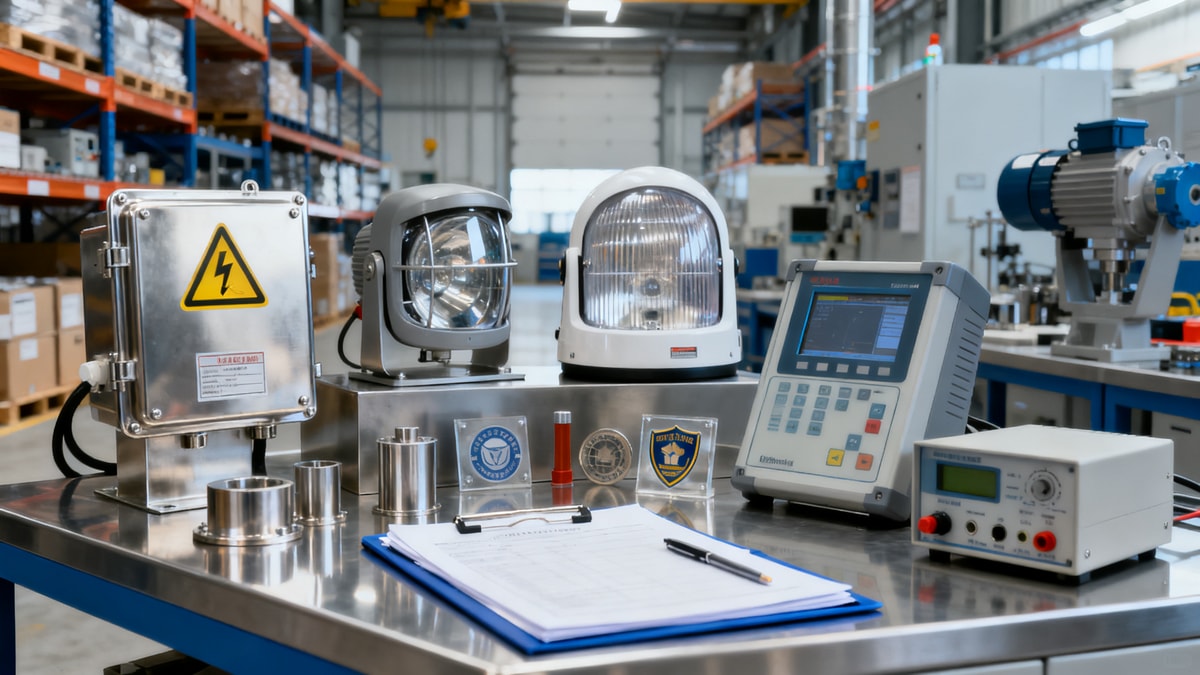
The first major reason is compliance depth. In industrial environments, compliance is not a box-ticking exercise. Products may need to meet CE, UL, ISO, ATEX, IECEx, SIL-related requirements, fire ratings, ingress protection levels, or sector-specific standards depending on the region and application. The more demanding the compliance pathway, the higher the engineering, documentation, testing, and audit costs.
The second reason is reliability in real operating conditions. A device used in a climate-controlled indoor area is not priced the same way as one designed for corrosive atmospheres, vibration, dust, humidity, explosive zones, or extreme temperatures. Engineering for harsh conditions increases material costs, sealing requirements, tolerance controls, and quality assurance. Finance teams often see only the final number, but the premium usually reflects a lower probability of failure in environments where failure is expensive.
The third factor is performance consistency. Security and safety products are often purchased for moments when they must work without exception. A gas detector that performs accurately only under standard conditions is not equal to one tested for drift resistance, rapid response, and stable operation over time. The same applies to alarms, sensors, interlocks, relays, protective systems, and emergency hardware. Precision and repeatability add cost, but they also reduce the chance of false alarms, non-compliance, or missed events.
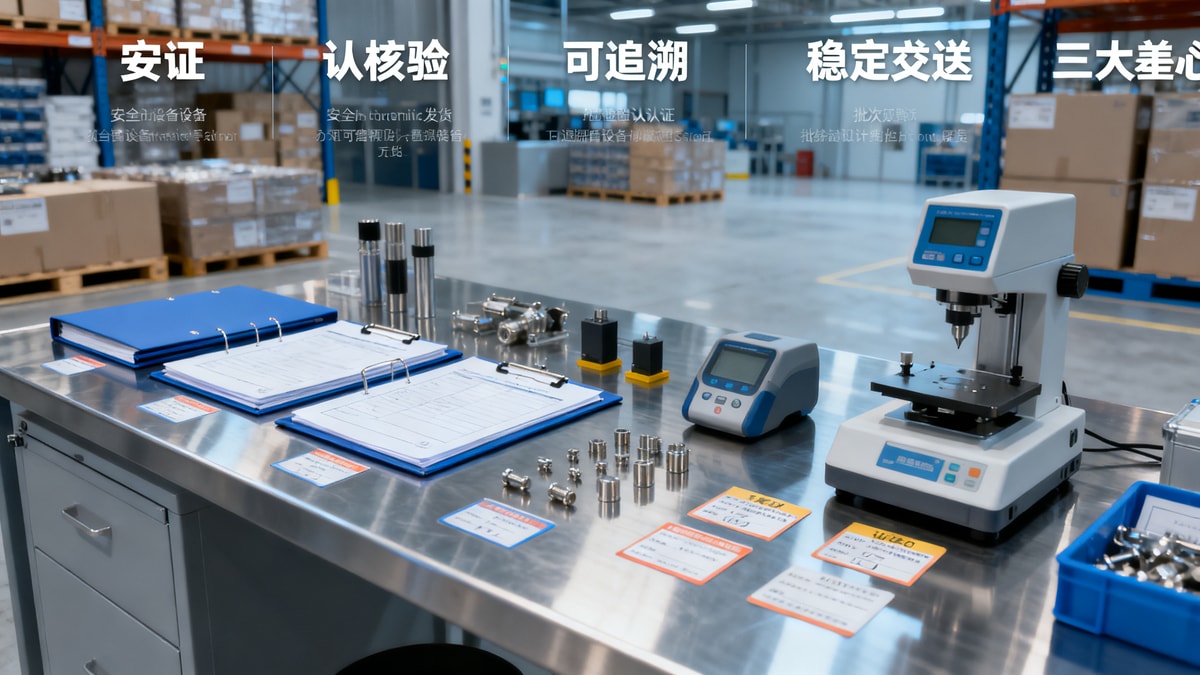
A fourth driver is traceability and quality management. Reputable suppliers invest in lot traceability, controlled manufacturing, calibrated inspection equipment, root-cause documentation, and formal corrective action systems. These systems do not always change the visible appearance of the product, but they significantly improve accountability if something goes wrong. For financial approvers, that accountability can reduce legal exposure and simplify claim recovery.
Certification costs more—but non-compliance often costs far more
One of the biggest misunderstandings in security and safety procurement is treating certification as an optional premium rather than a core risk-control mechanism. In regulated industrial operations, the absence of accepted certification can trigger project delays, failed inspections, insurance issues, or forced replacement after installation. That is a direct financial problem, not just a technical one.
Consider the difference between a product that is merely claimed to meet a standard and one that is independently certified with current, verifiable documentation. The certified option may cost more because the supplier has paid for laboratory testing, factory audits, file maintenance, periodic reassessment, and labeling control. But that premium often protects the buyer from a much larger downstream cost.
For financial approvers, a useful question is not simply whether a product has certification, but whether the certification is recognized, current, relevant to the intended environment, and acceptable to end users, insurers, and local authorities. A cheap quote can become very expensive if a compliance gap is discovered during commissioning or after an incident review.
This is why the Security & Safety price often includes invisible administrative value. Documentation packs, declaration files, test reports, material records, and installation guidance reduce approval friction. When a supplier can support audits quickly and clearly, internal teams spend less time resolving avoidable issues. That efficiency has measurable value, even if it does not appear as a line item in the quote.
Total cost of ownership matters more than purchase price
For financial reviewers, the most practical way to evaluate price differences is through total cost of ownership. The purchase price is only one component. Maintenance frequency, replacement intervals, calibration needs, downtime exposure, failure consequences, spare part availability, and labor requirements can outweigh the initial savings from a cheaper product.
Take a simple example. Product A is 20% cheaper upfront, but requires more frequent servicing, has a shorter usable life, and lacks local support. Product B costs more at purchase but lasts longer, integrates more easily, and reduces downtime during inspections or failures. Over three to five years, Product B may be the lower-cost decision despite the higher initial invoice.
This is particularly true in industrial safety systems where product failure can halt operations, create rework, trigger permit issues, or increase incident exposure. The lower-cost bid is not automatically the lower-cost decision. A finance approver should ask procurement and engineering teams for a lifecycle comparison rather than a unit-price comparison alone.
Useful total cost inputs include expected lifespan, preventive maintenance hours, calibration frequency, failure rates, warranty coverage, lead times for replacements, retraining requirements, integration costs, and cost of non-compliance. When these elements are visible, large price gaps become easier to interpret.
Supplier capability is often built into the price
Another reason Security & Safety prices differ is that suppliers are not just selling products. In many cases, they are selling risk management capability. A low-cost trader, a regional distributor, and an established industrial manufacturer may all offer an item with similar specifications, yet the service value behind each quote may be dramatically different.
Higher-priced suppliers often provide stronger pre-sale application review, site-specific selection guidance, certification validation, integration support, training, commissioning assistance, and post-sale troubleshooting. They may also maintain regional inventory, faster replacement channels, and dedicated compliance teams. These services cost money, but they reduce procurement friction and operational uncertainty.
For financial approvers, the relevant question is whether the additional supplier capability prevents delays, mistakes, or rework. In high-stakes projects, weak support can create hidden internal costs. Engineering teams spend more time resolving issues, procurement has to chase missing documents, operations faces startup risk, and finance absorbs the consequences of schedule slippage.
Stronger suppliers also tend to have better resilience in volatile markets. They may manage raw material risk better, maintain multi-region production, and support continuity planning. In sectors where delivery reliability matters as much as specification accuracy, that supplier strength is part of the value embedded in the quoted price.
Application complexity changes the real value of the quote
Prices also vary because the intended application changes what “fit for purpose” actually means. A basic device suitable for a low-risk commercial setting may not be appropriate for a refinery, process plant, utility substation, or logistics hub with strict uptime and safety requirements. When procurement teams compare products across these contexts without adjusting for risk level, price differences look arbitrary when they are not.
For example, the required response time, environmental resistance, interoperability, fail-safe design, redundancy, enclosure type, and maintenance accessibility may all differ between applications. A product engineered for mission-critical infrastructure naturally carries a different price than one designed for general use.
Financial approvers should therefore ask whether each quote is based on the same operating assumptions. If one supplier priced for standard duty and another priced for continuous heavy-duty industrial conditions, the gap may reflect scope mismatch rather than margin inflation. A proper commercial comparison requires consistent application criteria.
How to evaluate a Security & Safety price without getting lost in technical detail
Finance leaders do not need to become safety engineers to make better approval decisions. They need a disciplined review framework that translates technical variation into commercial clarity. A practical method is to evaluate every quote across five dimensions: compliance, operating life, failure consequence, support level, and replacement risk.
Start with compliance. Ask which certifications are included, whether they are third-party verified, and whether they match project geography and site requirements. Then move to operating life: what is the expected service interval, maintenance burden, and replacement cycle?
Next, assess failure consequence. If the product underperforms, what happens financially? Is the risk limited to minor inconvenience, or could it trigger downtime, inspection failure, safety exposure, or contract penalties? The more severe the consequence, the more rational a premium price may become.
Then review support level. What documentation, training, commissioning help, and warranty response are included? Finally, consider replacement risk. Are spare parts available locally? Are lead times stable? Can the item be substituted easily, or would a future shortage disrupt operations?
This framework helps finance teams challenge both expensive and cheap quotes intelligently. It also improves cross-functional alignment because engineering, procurement, and finance are all evaluating value through a shared decision lens.
Common reasons cheaper bids become expensive later
Some low-price bids are perfectly valid. Others become costly because they omit elements that only appear after purchase. One common issue is incomplete accessory scope. The core item looks cheaper, but mounting kits, interfaces, software licenses, cables, protective housings, calibration tools, or installation services are missing.
Another issue is documentation weakness. A supplier may provide minimal certification paperwork, outdated declarations, or unclear installation instructions. The direct result is internal delay, more back-and-forth with project teams, and possible rejection during review stages. These costs rarely appear in the initial comparison spreadsheet.
A third issue is poor durability. Lower-grade materials, weaker sealing, or less controlled manufacturing may not fail immediately, but they often increase maintenance frequency and shorten usable life. That means more labor, more replacement purchases, and more operational interruptions.
There is also the issue of limited recourse. If a low-cost supplier cannot support root-cause analysis, warranty claims, or urgent replacements, the buyer carries more of the financial burden when problems arise. In mission-critical settings, that risk transfer alone can justify choosing a stronger offer at a higher initial Security & Safety price.
When a higher price is justified—and when it is not
A higher price is usually justified when it clearly reduces measurable risk, extends useful life, improves compliance certainty, or lowers operating cost over time. It is also justified when failure consequences are severe and the product performs a critical protective function. In such cases, the premium is not just a cost increase; it is a risk financing decision.
However, not every premium is justified. Sometimes suppliers charge more for brand positioning without meaningful performance advantages for the intended application. Finance teams should be cautious when the higher quote lacks better certification relevance, stronger lifecycle economics, or clearer support commitments.
The key is evidence. Premium pricing should be backed by documentation, performance data, maintenance assumptions, and service terms that matter to your actual operating context. If a supplier cannot explain the value beyond reputation, the finance approver has reason to challenge the quote.
A smarter approval mindset for industrial buyers
In industrial procurement, price variation is often a signal. It tells you that products are not truly equivalent, even when they appear similar in a catalog or bid table. For financial approvers, the goal is not to automatically favor the cheapest or the most expensive option. The goal is to understand which quote creates the most defensible balance of compliance, reliability, and lifecycle value.
The most effective approval process asks a simple commercial question: what are we buying protection against? If the answer includes downtime, audit failure, legal exposure, premature replacement, or operational disruption, then the quoted Security & Safety price should be assessed as part of a larger cost-and-risk equation.
That is especially important in modern industry, where foundational systems must perform under scrutiny and under pressure. A disciplined review of certification, application fit, supplier capability, and total ownership cost gives finance leaders a stronger basis for approval and a clearer rationale they can defend to executives, auditors, and operational stakeholders.
In short, Security & Safety prices differ more than expected because the underlying business risk differs more than expected. Once you evaluate bids through that lens, price gaps become easier to explain—and smarter decisions become easier to make.
Technical Specifications
- SASO Mandates Dual Energy Label for Industrial Transformers in Saudi Arabia from May 2026Author :Grid Infrastructure Analyst
- EN 61000-4-30:2026 Enforced: Class A Harmonic Traceability Mandatory for EU PQ AnalyzersAuthor :Precision Metrology Expert
- US DOE Level 3 Transformer Efficiency Standard Effective July 1, 2026Author :Grid Infrastructure Analyst
Expert Insights

Chief Security Architect
Dr. Thorne specializes in the intersection of structural engineering and digital resilience. He has advised three G7 governments on industrial infrastructure security.
Related Analysis
- May 06, 2026SASO Mandates Dual Energy Label for Industrial Transformers in Saudi Arabia from May 2026Author :Grid Infrastructure Analyst
- May 06, 2026EN 61000-4-30:2026 Enforced: Class A Harmonic Traceability Mandatory for EU PQ AnalyzersAuthor :Precision Metrology Expert
- May 06, 2026US DOE Level 3 Transformer Efficiency Standard Effective July 1, 2026Author :Grid Infrastructure Analyst
Core Sector // 01
Security & Safety
- Construction safety equipment manufacturers under stricter site rulesAuthor :Safety Compliance Lead

- Industrial safety training programs that reduce repeat incidentsAuthor :Safety Compliance Lead

- Why Security & Safety prices differ more than expectedAuthor :Safety Compliance Lead

- How to Compare Safety Equipment Suppliers When Specs Look SimilarAuthor :Safety Compliance Lead

- Safety Equipment Standards That Change Product Selection OutcomesAuthor :Safety Compliance Lead

- Security & Safety Price Gaps: What Actually Drives the DifferenceAuthor :Safety Compliance Lead

- How to Vet a Security & Safety Supplier Before a Large RolloutAuthor :Safety Compliance Lead

- ANVISA Updates Biocompatibility Requirements for Industrial Respirators in BrazilAuthor :Safety Compliance Lead