Hidden Environment & Ecology cost after project approval
Author
Date Published
Reading Time
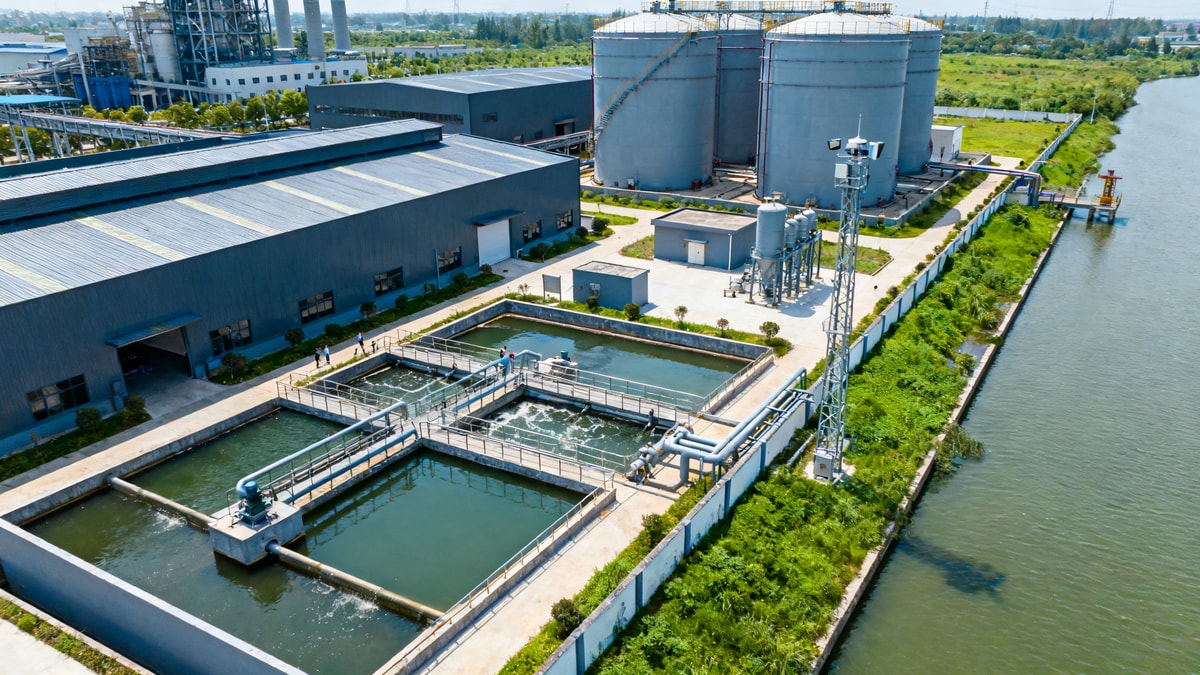
Project approval can create a false sense of certainty, while major risks remain buried in the real Environment & Ecology cost of execution. For business decision-makers, overlooked compliance burdens, remediation liabilities, and ecosystem impacts can quickly erode margins and delay delivery. This article examines the hidden cost drivers behind approved projects and how smarter due diligence supports resilient, future-ready industrial investment.
What Environment & Ecology Cost Really Means After Approval
In industrial and infrastructure projects, approval is often treated as a milestone that reduces uncertainty. In reality, it usually confirms only that a project may proceed under defined assumptions. The full Environment & Ecology cost emerges later, when construction, commissioning, and operation meet real site conditions, regulatory interpretation, community expectations, and ecological limits. For executives responsible for capital allocation, this distinction matters because approved budgets can still fail under unmanaged environmental exposure.
Environment & Ecology cost includes more than direct spending on permits, waste treatment, or emissions control. It also covers habitat disturbance, water stress, long-tail remediation, biodiversity offsets, monitoring systems, shutdown risks, insurance effects, legal exposure, and reputational pressure from investors or local stakeholders. In heavy industry, energy, utilities, manufacturing, and construction, these costs rarely appear in one line item. They are distributed across engineering design, procurement specifications, contractor performance, and post-handover liabilities.
This is why strong decision-making requires a wider lens. The hidden Environment & Ecology cost is not simply a compliance issue; it is a strategic issue that affects project economics, schedule resilience, financing confidence, and long-term asset value.
Why Industry Attention Is Increasing
Across global industry, environmental expectations are becoming more operational and less symbolic. Regulators are tightening rules around wastewater, hazardous materials, air emissions, land restoration, and carbon-related disclosures. At the same time, lenders, EPC contractors, insurers, and multinational buyers increasingly expect measurable environmental controls, not broad commitments. As a result, the Environment & Ecology cost of a project is now connected to market access and institutional trust, not only to local permit status.
For enterprise leaders, the main challenge is timing. Approval-stage studies often rely on modeled assumptions, standard mitigation plans, and baseline data that may not fully capture seasonal variation, community dependence on local ecosystems, or contamination legacies from previous land use. Once execution begins, these gaps turn into extra testing, redesign, contractor claims, equipment modifications, and delayed handover. In sectors where uptime and compliance are mission-critical, underestimating Environment & Ecology cost can weaken an otherwise sound investment case.
Where Hidden Costs Typically Appear
Most hidden environmental costs do not arise from one dramatic event. They accumulate through many small mismatches between planning assumptions and operational reality. Decision-makers should pay particular attention to the following cost areas:
- Additional site investigations for soil, groundwater, or ecological sensitivity discovered after mobilization
- Engineering redesign to meet discharge, noise, dust, stormwater, or containment requirements
- Higher-grade materials, liners, filtration systems, monitoring instruments, and secondary protection measures
- Contractor delays caused by restricted work windows near protected habitats or water bodies
- Remediation obligations linked to spills, runoff, legacy contamination, or improper waste handling
- Biodiversity compensation, land rehabilitation, and long-term ecological monitoring commitments
- Community complaints, legal review, public scrutiny, and investor concern affecting schedule and reputation
These pressures can be amplified when project teams treat environmental work as a separate reporting function rather than integrating it into design reviews, sourcing standards, and construction controls.
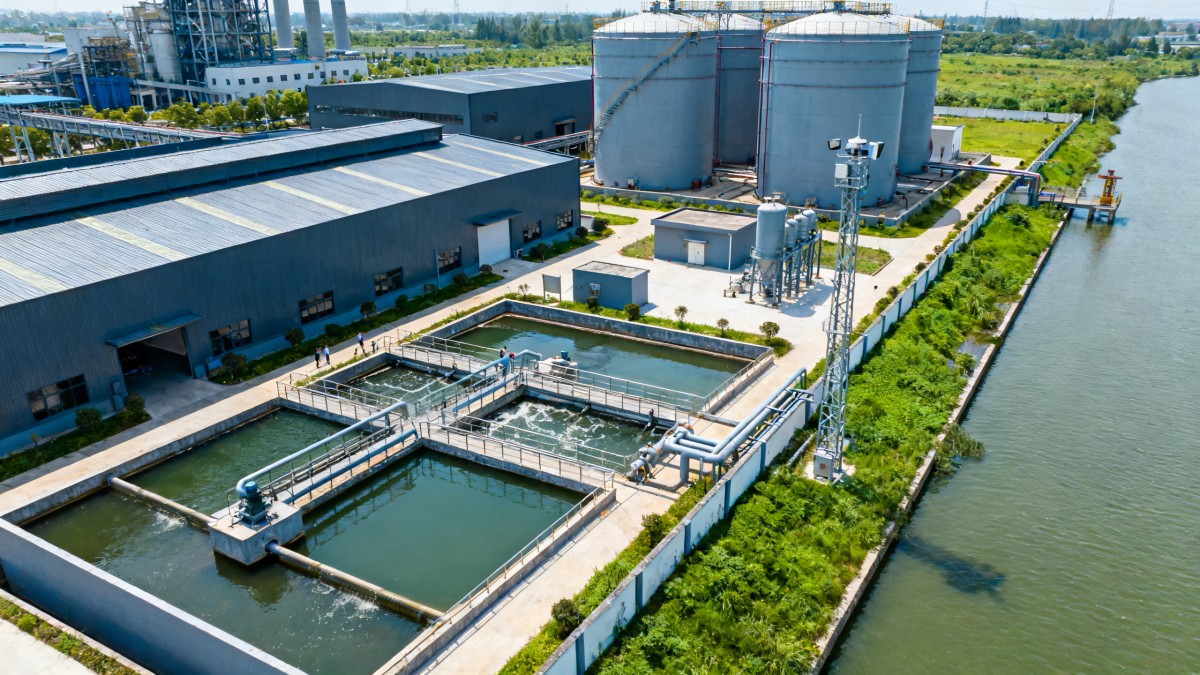
Industry Overview of Main Environment & Ecology Cost Drivers
The cost profile varies by asset type, geography, and regulatory maturity, but the following overview helps frame the most common drivers in broad industrial settings.
Why Approved Projects Still Miss the Full Environmental Burden
Several structural reasons explain why hidden Environment & Ecology cost remains undercounted. First, project models are often optimized around engineering feasibility and near-term financial return, while long-tail ecological liabilities sit outside the core budget narrative. Second, environmental assumptions can be based on limited sampling windows, outdated site histories, or generic mitigation templates. Third, procurement teams may buy to technical minimums without fully accounting for local enforcement intensity, operating extremes, or maintenance realities.
There is also a governance issue. Environmental risks often cross departmental boundaries: engineering owns design, procurement owns supplier selection, legal owns permit language, operations inherit compliance obligations, and finance owns capital discipline. If no one integrates these views, the real Environment & Ecology cost stays fragmented until execution exposes it. This is precisely where B2B intelligence and verified technical insight create value: they help leadership connect compliance, metrology, site realities, and lifecycle performance before losses become visible on the balance sheet.
Business Value of Early Visibility for Decision-Makers
For enterprise decision-makers, stronger visibility into Environment & Ecology cost does more than reduce downside. It improves project quality. Better environmental forecasting supports more accurate capex planning, tighter contractor scopes, stronger permit defensibility, and more reliable startup timelines. It also helps procurement directors choose components, treatment systems, sensors, power solutions, and containment materials that perform under actual operating conditions rather than only under nominal design assumptions.
In sectors where asset reliability is critical, environmental design choices also affect safety and maintenance. For example, poor stormwater segregation can increase contamination risk; weak corrosion protection in waste handling systems can shorten equipment life; incomplete emissions monitoring can trigger production interruptions. The Environment & Ecology cost therefore overlaps with the broader industrial pillars of safety, instruments and measurement, electrical resilience, and mechanical integrity.
Typical Scenarios Where the Cost Gap Becomes Visible
The hidden cost pattern is not the same for every project. The table below outlines common scenarios and the type of executive attention each one requires.
Practical Evaluation Points Before Cost Escalation Begins
A resilient review process should test whether approved assumptions remain valid under execution conditions. This does not require excessive bureaucracy. It requires disciplined questions at the right decision gates.
- Has the environmental baseline been updated for seasonality, groundwater movement, and adjacent land use?
- Are permit conditions translated into engineering specifications, contractor obligations, and measurable acceptance criteria?
- Do instrumentation and monitoring plans support defensible compliance data over the full operating life?
- Have waste, effluent, and emission scenarios been stress-tested for startup, upset, and maintenance periods?
- Is there a quantified reserve for remediation, restoration, and post-construction ecological commitments?
- Have suppliers been screened for certification, material suitability, and performance under harsh industrial conditions?
When these checks are completed early, the Environment & Ecology cost becomes manageable rather than disruptive. The goal is not zero risk; it is informed risk with credible controls.
How Better Technical Intelligence Reduces Uncertainty
Industrial leaders need environmental information that is actionable, verified, and connected to engineering reality. That is where a disciplined intelligence approach adds measurable value. Technical guidance grounded in standards, metrology, certified materials, and real operating case studies helps teams avoid common blind spots. It improves communication between finance, EPC contractors, facility managers, and procurement leaders who might otherwise assess risk through separate lenses.
For example, environmental obligations are easier to control when emissions measurement is accurate, containment systems are correctly specified, electrical reliability protects treatment continuity, and mechanical components are selected for corrosive or abrasive service. In this sense, Environment & Ecology cost should be treated as an integrated industrial performance issue, not a standalone compliance checklist.
A Practical Path Forward for Future-Ready Projects
The most effective organizations do not wait for environmental liabilities to surface in claims, notices, or public disputes. They build a stronger approval-to-execution bridge. That means validating assumptions after approval, assigning ownership for cross-functional environmental risk, and using high-quality technical evidence to support design, sourcing, and operations decisions. It also means recognizing that the true Environment & Ecology cost can influence project resilience as much as labor, materials, or energy pricing.
For business decision-makers evaluating new assets, expansions, or modernization programs, the message is clear: approved does not mean fully priced. The organizations that perform best are those that convert environmental uncertainty into structured insight before it becomes expensive reality. With rigorous due diligence, credible standards alignment, and integrated industrial intelligence, projects can protect both ecological value and commercial performance over the long term.
Technical Specifications
- Hidden Environment & Ecology cost after project approvalAuthor :Environmental Engineering Director
- When does an Environment & Ecology impact assessment need updating?Author :Environmental Engineering Director
- Security & Safety standards that affect product approval speedAuthor :Safety Compliance Lead
Expert Insights

Chief Security Architect
Dr. Thorne specializes in the intersection of structural engineering and digital resilience. He has advised three G7 governments on industrial infrastructure security.
Related Analysis
- May 07, 2026Hidden Environment & Ecology cost after project approvalAuthor :Environmental Engineering Director
- May 07, 2026When does an Environment & Ecology impact assessment need updating?Author :Environmental Engineering Director
- May 07, 2026Security & Safety standards that affect product approval speedAuthor :Safety Compliance Lead
Core Sector // 01
Security & Safety
- Hidden Environment & Ecology cost after project approvalAuthor :Environmental Engineering Director

- When Environment & Ecology consulting services save more than they costAuthor :Environmental Engineering Director

- How to Screen an Environment & Ecology Exporter for Long-Term RiskAuthor :Environmental Engineering Director

- Global Industrial Waste Shredder Lead Times Extend to 22 WeeksAuthor :Environmental Engineering Director

- How to assess an Environment & Ecology exporter by documentationAuthor :Environmental Engineering Director

- Environment & Ecology cost issues that derail compliance plansAuthor :Environmental Engineering Director

- India BIS Draft IS 17832:2026 Sets Noise & Dust Limits for Waste CrushersAuthor :Environmental Engineering Director

- Eddy Current Separator Performance Drops With the Wrong Feed MixAuthor :Environmental Engineering Director