How to compare industrial safety equipment suppliers by response time
Author
Date Published
Reading Time
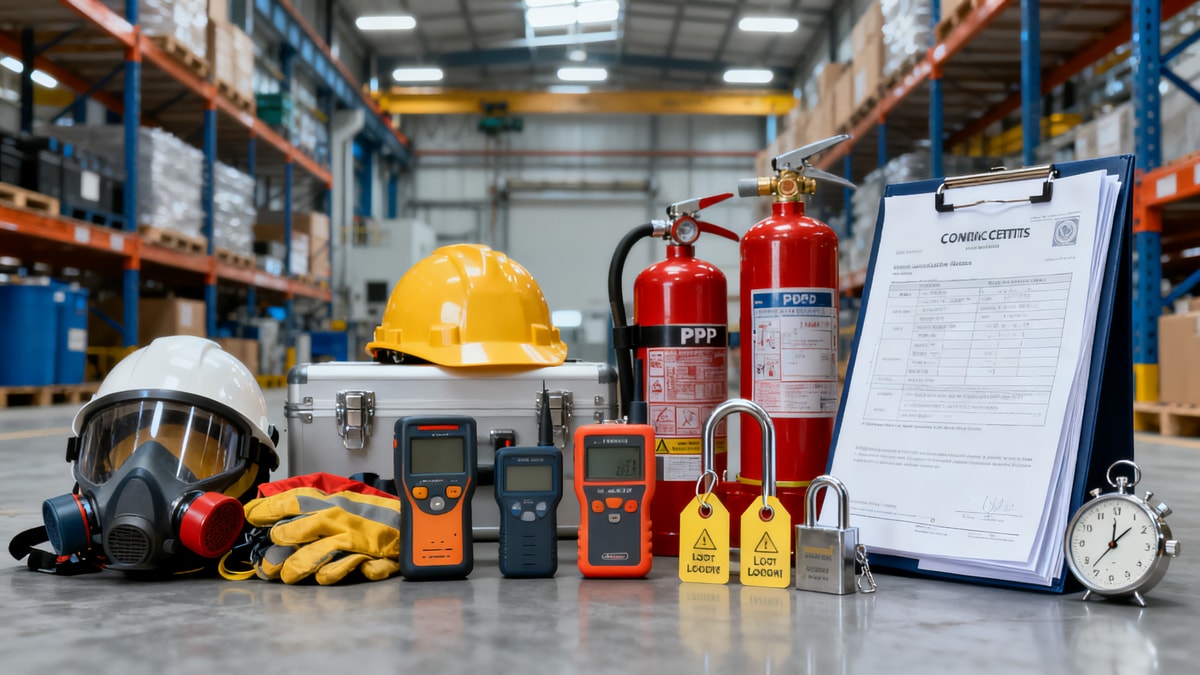
When evaluating industrial safety equipment suppliers, response time is more than a service metric—it directly affects operational continuity, compliance, and worker protection. For business evaluators, comparing supplier responsiveness across quotations, technical support, order updates, and emergency requests is essential to identifying partners that can perform reliably under pressure.
Why a checklist-based approach works better for supplier comparison
Business evaluators rarely fail because they overlook pricing alone. They fail when a supplier looks strong on paper but reacts too slowly when approvals, replacement parts, documentation, or urgent site support are needed. That is why comparing industrial safety equipment suppliers by response time should be structured as a checklist instead of a general impression.
A checklist helps separate visible responsiveness from dependable responsiveness. Some suppliers answer emails quickly during pre-sales discussions but delay once technical clarification, compliance files, or after-sales escalation begins. Others may not be the fastest in routine communication, yet they perform exceptionally well in emergencies. A practical evaluation must therefore measure response time across several business moments, not one inbox interaction.
First-screen checklist: what to confirm before comparing response time
Before timing any supplier, confirm that all candidates are being assessed under similar conditions. This avoids distorted comparisons and produces a more useful shortlist of industrial safety equipment suppliers.
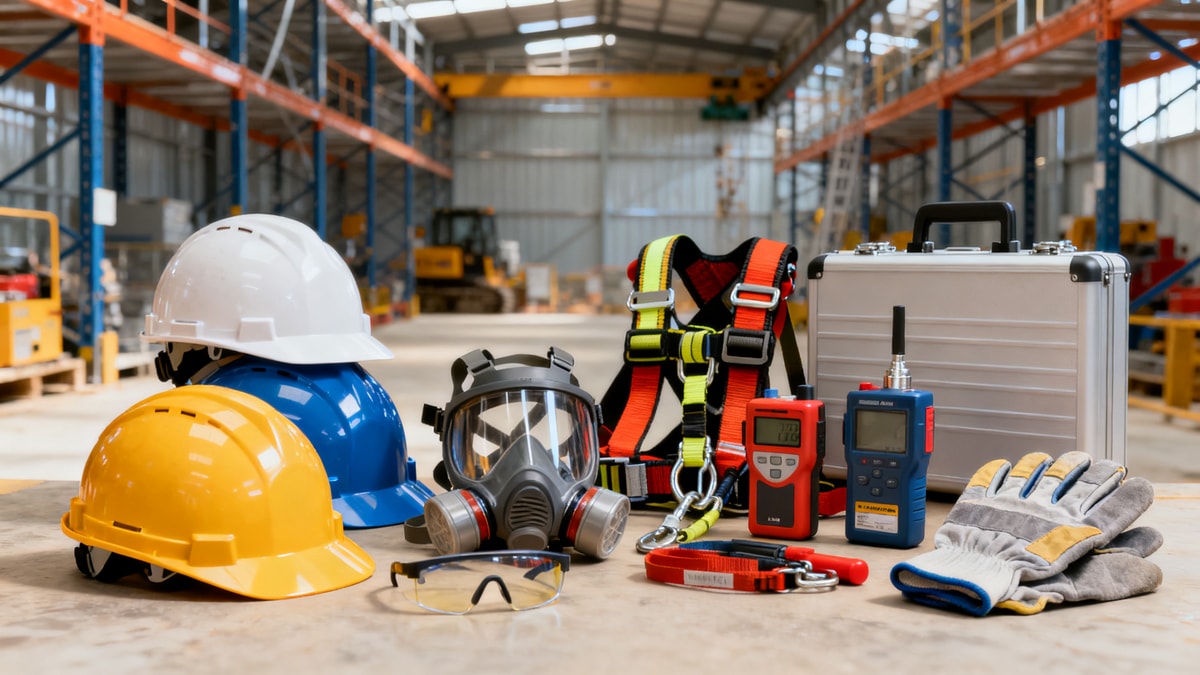
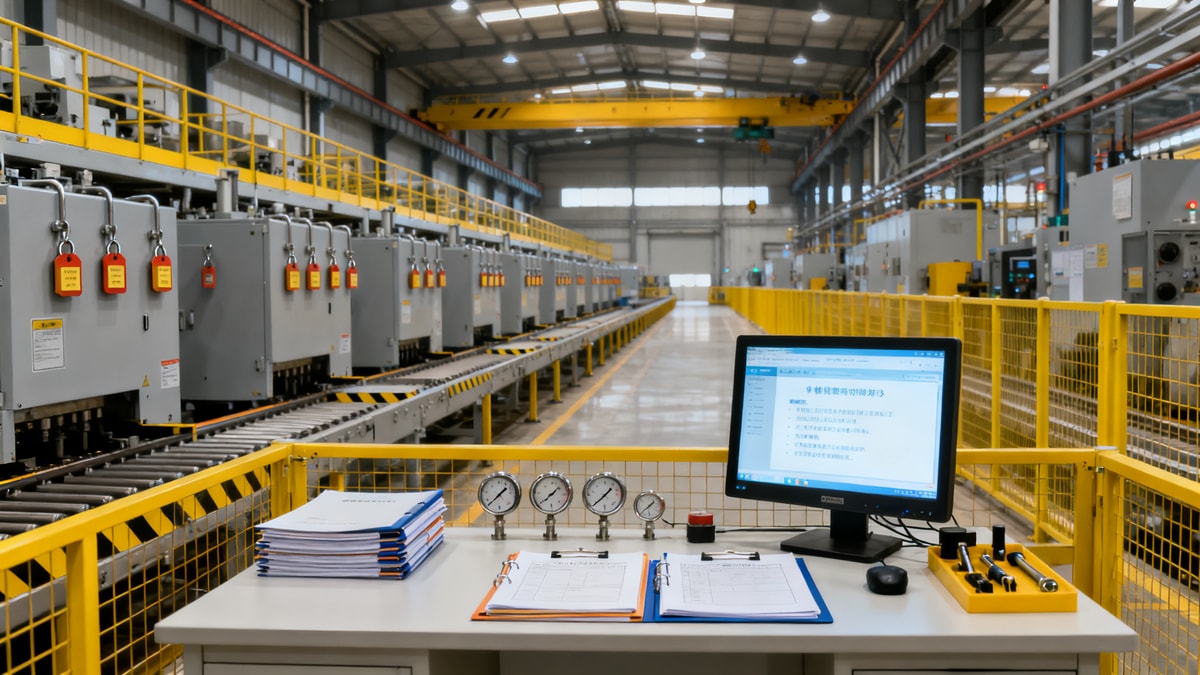
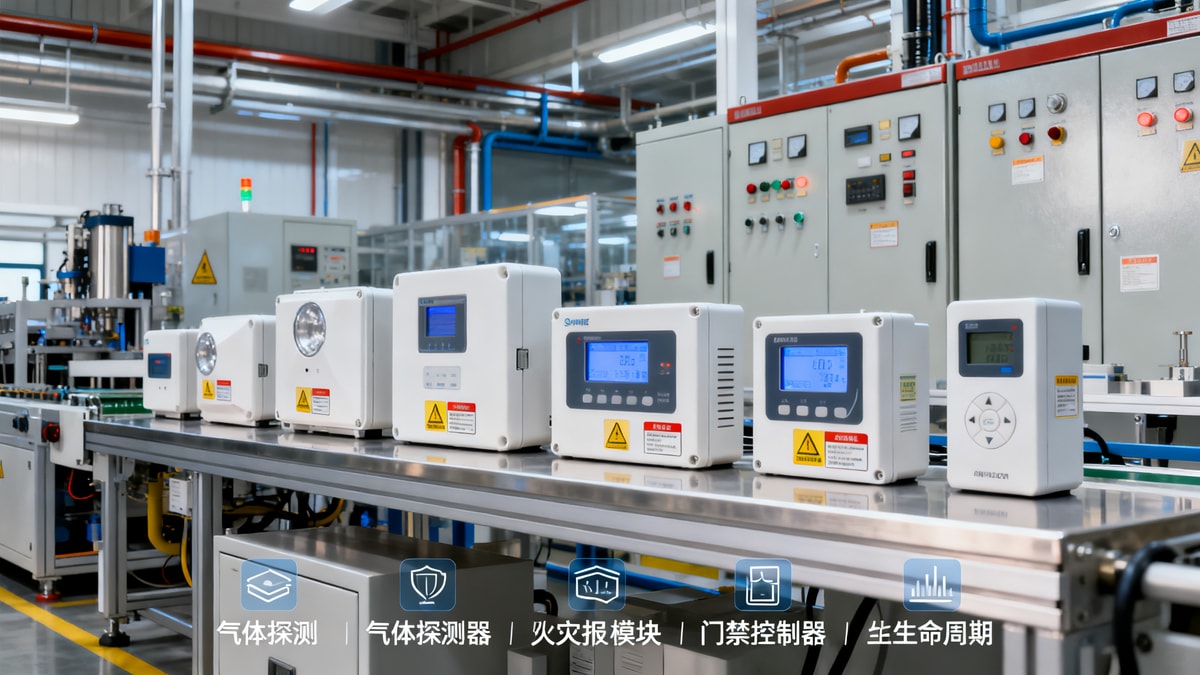
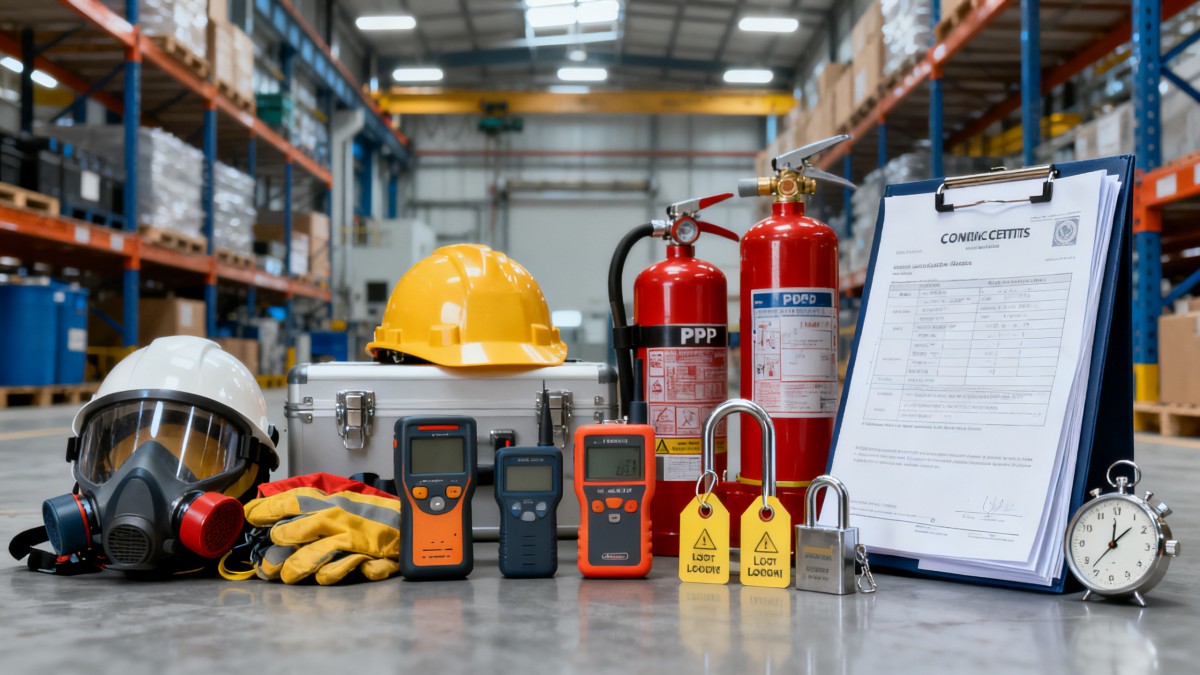
- Define the equipment category clearly, such as PPE, gas detection, lockout/tagout devices, fire protection, fall arrest systems, or emergency signage.
- Specify the geography and service window, including time zone, local warehousing, and site support coverage.
- State the urgency level for each test request: quotation, technical file, lead time confirmation, replacement stock, and emergency dispatch.
- Use the same communication channels for all suppliers, such as email, phone, portal submission, or distributor contact.
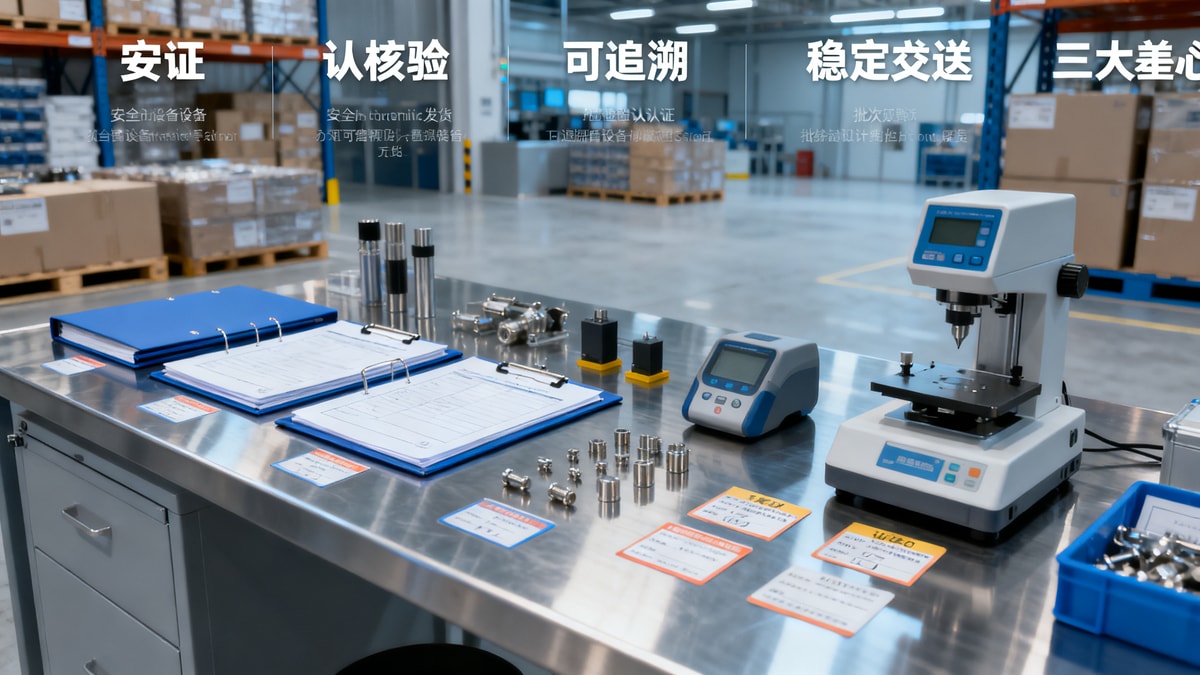
- Request the same compliance package, including CE, UL, ISO records, test reports, manuals, SDS where relevant, and traceability documents.
- Decide whether you are measuring first reply, first useful reply, or full resolution time. These are not the same.
This first-screen step is critical because response time without context can be misleading. A supplier that replies in one hour with a generic acknowledgment may be less valuable than one that provides a full technical answer in six hours.
Core comparison criteria for industrial safety equipment suppliers
To compare industrial safety equipment suppliers effectively, evaluate response time across six decision points. Each one affects procurement risk differently.
1. Quotation turnaround time
Measure how long the supplier takes to provide a usable quotation, not just a price placeholder. A strong response should include model references, compliance details, lead times, Incoterms, MOQ, warranty terms, and commercial validity. Fast quoting matters because slow commercial cycles often delay project approvals and expose buyers to cost changes.
2. Technical support response time
For industrial safety products, the technical reply is often more important than the initial sales reply. Ask application-specific questions: compatibility with hazardous areas, material suitability for corrosive environments, calibration intervals, replacement schedules, or integration with plant systems. Compare how quickly each supplier provides a qualified answer and whether that answer comes from a real engineer or a generic sales desk.
3. Documentation and compliance delivery
Many supplier delays happen after the quote, when buyers ask for declarations of conformity, third-party test certificates, inspection reports, or quality system documentation. Reliable industrial safety equipment suppliers should be able to return critical files quickly and in complete form. In regulated environments, document lag can be just as disruptive as shipment lag.
4. Order status and exception handling
Business evaluators should track how fast a supplier responds when an order changes. Useful tests include expediting a line item, confirming a partial shipment, handling a backorder, or correcting a packing error. A supplier that communicates only when everything goes smoothly is not necessarily operationally reliable.
5. Emergency and incident response
This is where the strongest industrial partners stand out. In urgent situations such as PPE shortage, detector failure, safety stock depletion, or compliance inspection pressure, response time must be measured in terms of action. Did the supplier offer substitute models, local inventory options, escalation contacts, or temporary mitigation advice? Emergency response should be tested explicitly, not assumed.
6. After-sales and replacement cycle support
Some industrial safety equipment suppliers perform well before the order but slow down after delivery. Ask about warranty claims, consumable replenishment, spare parts, recertification support, and field troubleshooting. Post-delivery responsiveness has direct impact on uptime and long-term supplier value.
Simple scoring model business evaluators can use
A weighted scorecard makes comparisons easier and more defensible during internal review. You can adapt the model below to your procurement process.
For each item, score both speed and usefulness. A two-part rating such as “response in hours” plus “quality score from 1 to 5” often gives a more realistic result than timing alone.
How response time requirements change by scenario
Not all buyer situations demand the same standard. The right benchmark for industrial safety equipment suppliers depends on the purchasing environment.
Project-based EPC procurement
EPC teams should prioritize bid-stage quote speed, submittal documentation, and revision handling. Delays in these areas can affect project schedules, technical approvals, and contractor coordination. Version control is especially important when specifications evolve quickly.
Ongoing plant operations
Facility managers typically need stronger performance in replenishment, replacement, stock visibility, and urgent troubleshooting. Here, a supplier’s ability to answer after hours or offer local stock may matter more than raw quote speed.
Multi-site or global sourcing
When operations span regions, compare response coverage by time zone, local language capability where needed, export documentation readiness, and consistency across distributor networks. Some suppliers are excellent at headquarters level but inconsistent in regional execution.
Common blind spots that distort supplier evaluation
Many evaluations of industrial safety equipment suppliers become inaccurate because teams measure the wrong signals. Watch for these common mistakes.
- Confusing auto-replies with real response. An acknowledgment email is not a solution.
- Testing only pre-sales communication. Suppliers often behave differently after the purchase order is issued.
- Ignoring channel dependency. A supplier may respond quickly through distributors but slowly through direct support, or vice versa.
- Overlooking documentation latency. Missing compliance records can stop approvals even when product stock exists.
- Not checking escalation structure. If no named backup contact exists, response performance may collapse during leave periods or peak demand.
- Assessing speed without accuracy. Fast but incorrect technical advice creates hidden risk.
Practical execution plan for a fair supplier response-time test
If you need a structured market comparison, run a timed evaluation over two to four weeks. This produces more reliable evidence than a single contact event.
- Send an identical RFQ to each candidate with a realistic bill of materials.
- Issue one technical clarification request related to standards, compatibility, or operating environment.
- Ask for a compliance document package with a fixed deadline.
- Simulate one order-change scenario, such as delivery acceleration or product substitution.
- Trigger one urgent request outside routine business hours if your operation requires emergency availability.
- Record first reply time, complete answer time, answer accuracy, and ownership quality.
Ownership quality matters because responsive suppliers do more than reply quickly. They assign a person, confirm responsibility, provide a next step, and close the loop. This is often the clearest sign that a supplier can support high-risk industrial operations.
Questions to ask before selecting industrial safety equipment suppliers
Before moving from evaluation to negotiation, ask direct operational questions:
- What are your standard response and resolution targets for quotes, technical support, and urgent requests?
- Who handles escalations, and what is the backup structure?
- Which compliance files are available immediately, and which require lead time?
- Do you maintain local or regional stock for critical safety items?
- How do you manage discontinued models, substitutions, and recertification needs?
- Can you support multi-site reporting, forecast-based replenishment, or framework agreements?
FAQ for business evaluators
Is the fastest supplier always the best choice?
No. The best industrial safety equipment suppliers combine speed, accuracy, documentation readiness, and escalation discipline. Fast but shallow replies increase risk.
What is a reasonable response-time benchmark?
It depends on product complexity and operating risk. Many buyers expect same-day quote acknowledgment, one to three business days for a complete quotation, and rapid escalation for urgent site issues. Technical and compliance requests should also have defined service expectations.
Should distributors and manufacturers be evaluated differently?
Yes. Distributors may respond faster on local stock and routine fulfillment, while manufacturers may provide stronger engineering depth and certification control. The ideal setup often depends on whether your priority is availability, customization, or technical authority.
Final decision guide and next step
To compare industrial safety equipment suppliers by response time, prioritize measurable checkpoints over impressions. Confirm what type of response you are measuring, test multiple real-world scenarios, score both speed and usefulness, and examine how the supplier behaves when urgency, documentation, and exceptions appear at the same time.
If your organization is preparing a shortlist, the next conversation should focus on technical parameters, compliance file availability, emergency support coverage, replacement cycle planning, lead-time commitments, and commercial escalation routes. Those questions will reveal whether a supplier can support not just a purchase, but a safe and resilient industrial operation.
Technical Specifications
- Hidden Environment & Ecology cost after project approvalAuthor :Environmental Engineering Director
- When does an Environment & Ecology impact assessment need updating?Author :Environmental Engineering Director
- Security & Safety standards that affect product approval speedAuthor :Safety Compliance Lead
Expert Insights

Chief Security Architect
Dr. Thorne specializes in the intersection of structural engineering and digital resilience. He has advised three G7 governments on industrial infrastructure security.
Related Analysis
- May 07, 2026Hidden Environment & Ecology cost after project approvalAuthor :Environmental Engineering Director
- May 07, 2026When does an Environment & Ecology impact assessment need updating?Author :Environmental Engineering Director
- May 07, 2026Security & Safety standards that affect product approval speedAuthor :Safety Compliance Lead
Core Sector // 01
Security & Safety
- Construction safety management systems that fail under schedule pressureAuthor :Safety Compliance Lead

- Why Security & Safety price alone can lead to higher project lossAuthor :Safety Compliance Lead

- Construction safety regulations that change site planning earlyAuthor :Safety Compliance Lead

- How to compare industrial safety equipment suppliers by response timeAuthor :Safety Compliance Lead

- Construction safety equipment manufacturers under stricter site rulesAuthor :Safety Compliance Lead

- Industrial safety training programs that reduce repeat incidentsAuthor :Safety Compliance Lead

- Why Security & Safety prices differ more than expectedAuthor :Safety Compliance Lead

- How to Compare Safety Equipment Suppliers When Specs Look SimilarAuthor :Safety Compliance Lead