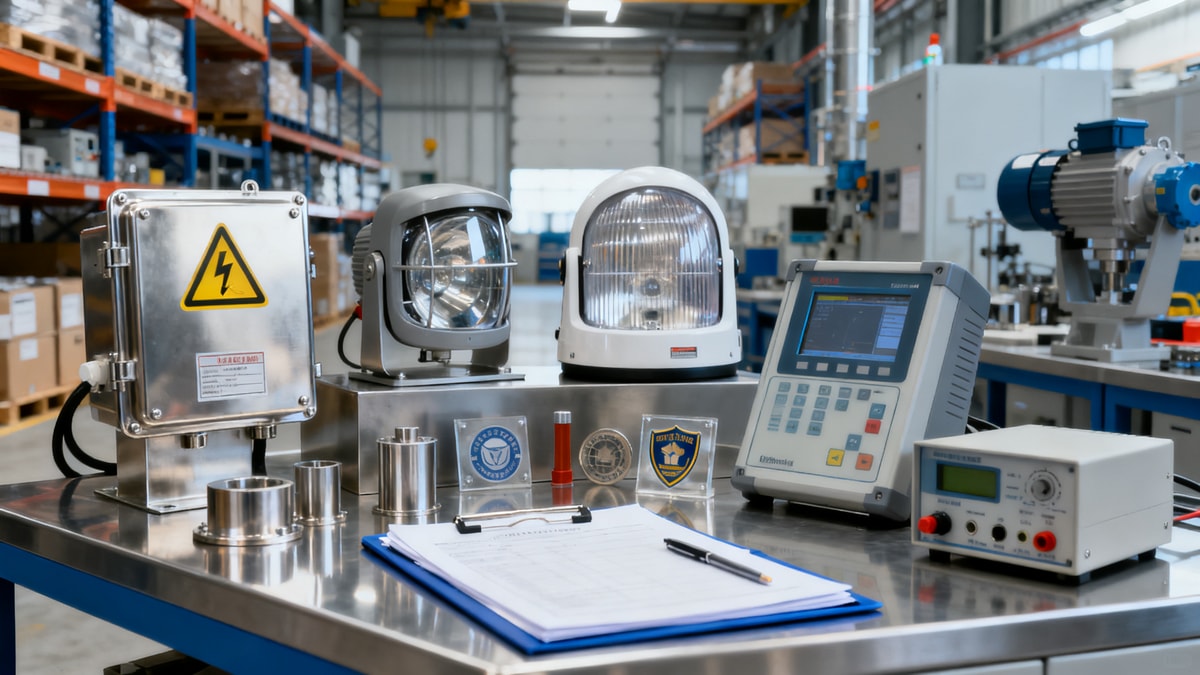
Construction safety equipment manufacturers under stricter site rules
Author
Date Published
Reading Time
As site regulations tighten and compliance costs rise, construction safety equipment manufacturers face growing pressure to deliver certified, durable, and jobsite-ready solutions. For business decision-makers, choosing the right supplier now means balancing worker protection, regulatory alignment, and long-term operational value in an increasingly demanding construction environment.
What construction safety equipment manufacturers represent in today’s market
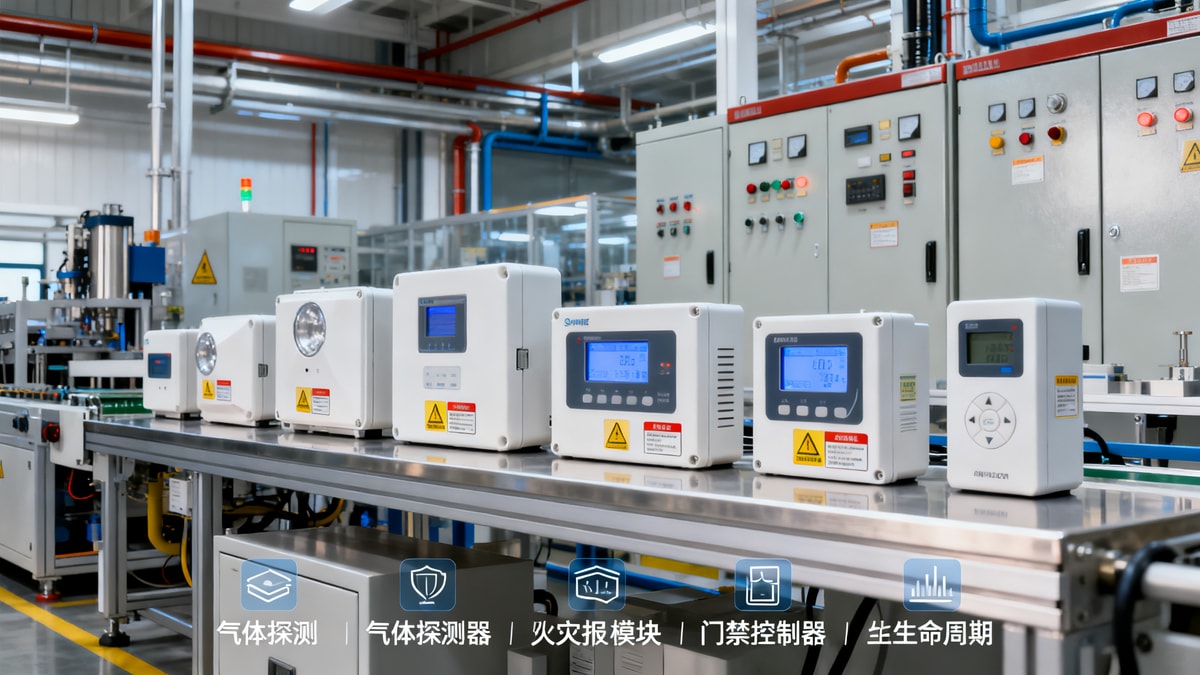
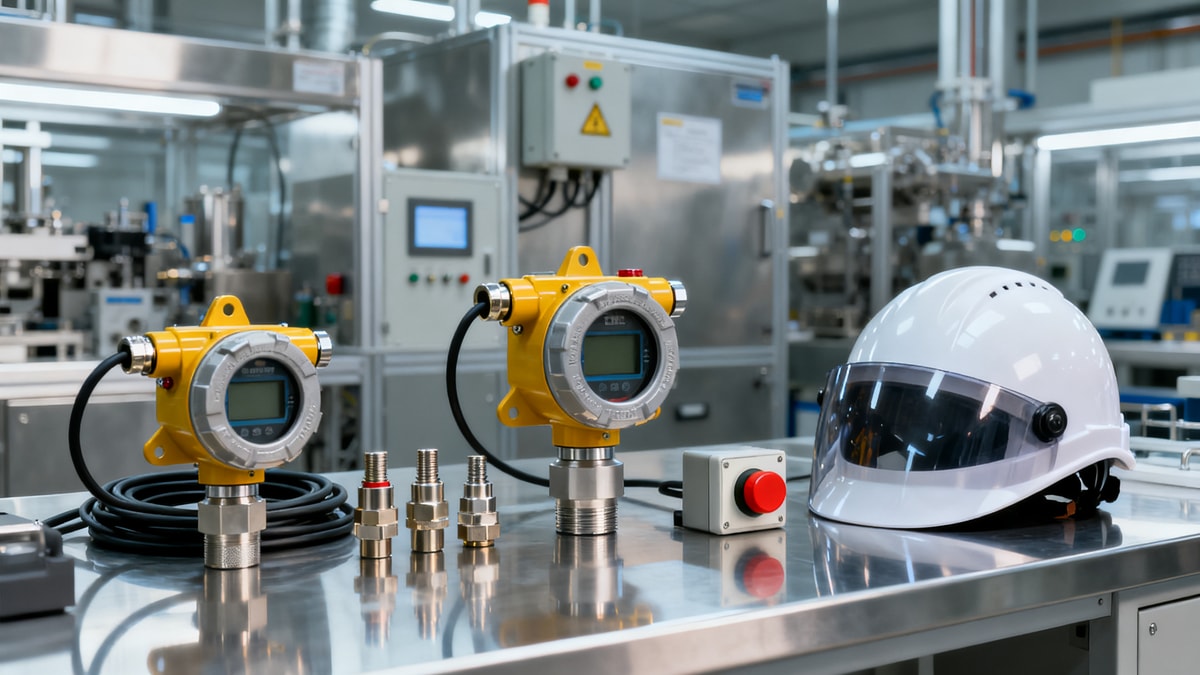
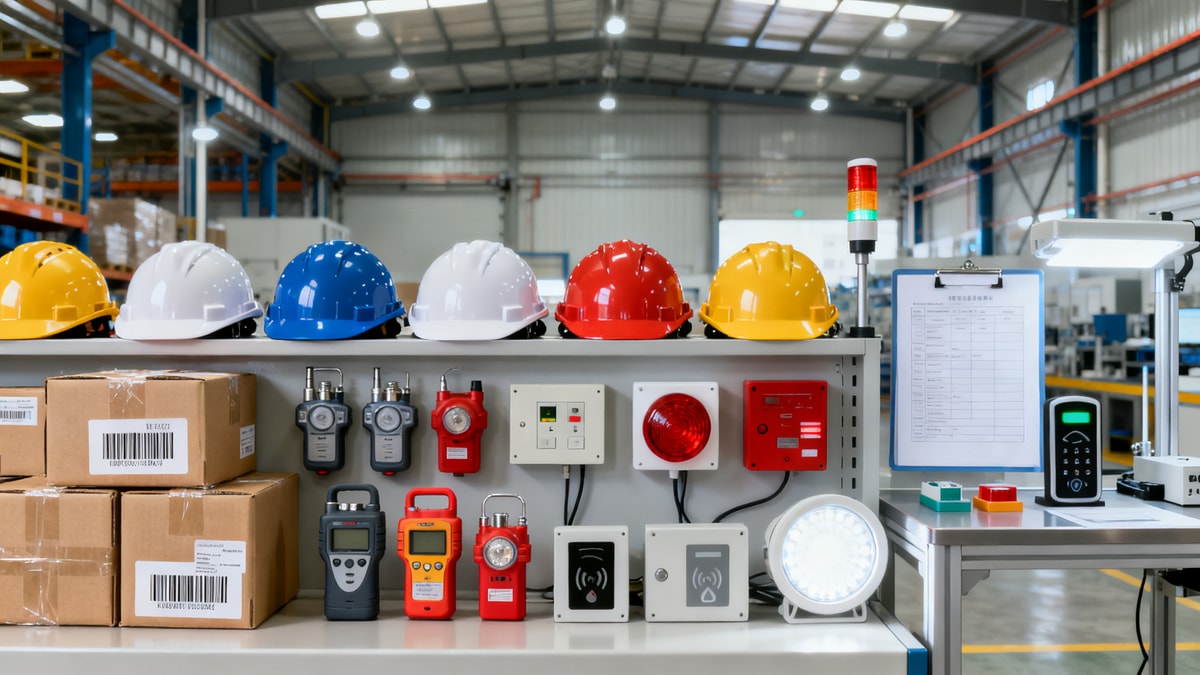
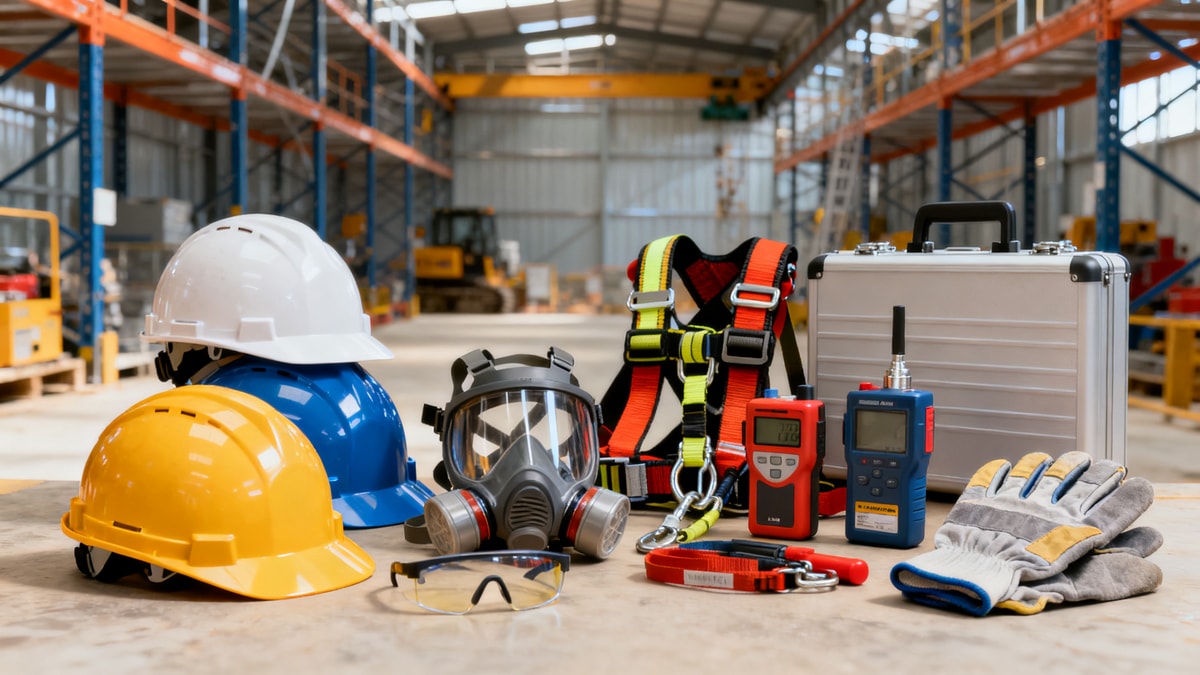
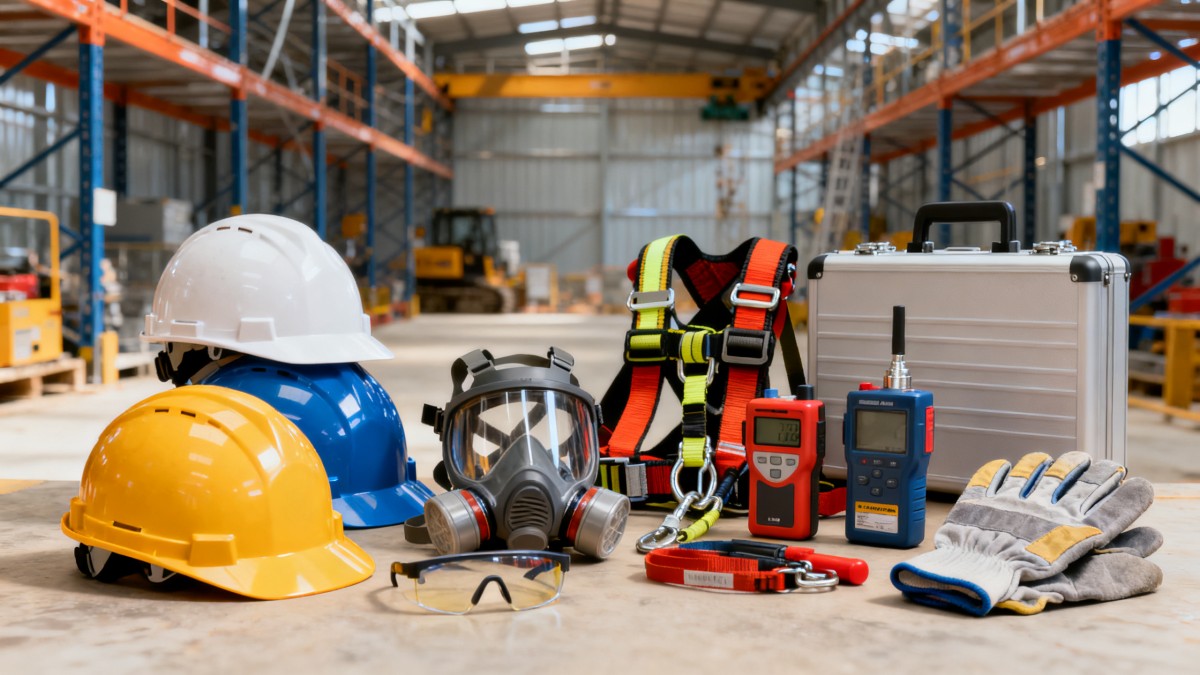
In practical terms, construction safety equipment manufacturers design, test, certify, and supply the systems that reduce worker exposure to hazards on active jobsites. This category extends far beyond basic hard hats and reflective vests. It includes fall protection systems, head and eye protection, respiratory equipment, hearing protection, hand protection, arc-rated garments for electrical tasks, gas detection devices, emergency response kits, and site access control solutions. As regulatory expectations evolve, the role of these manufacturers has expanded from simple product supply to full compliance support.
For enterprise buyers, the significance of construction safety equipment manufacturers lies in risk transfer and operational confidence. A poorly specified harness, low-durability glove, or unverified respirator can create direct liability, project delays, insurance complications, and workforce distrust. By contrast, manufacturers with strong engineering controls, documented testing, and reliable quality management help decision-makers build safer worksites while protecting schedule performance and cost predictability.
This is especially relevant for EPC contractors, facility managers, industrial project owners, and procurement directors operating across multiple regions. In these environments, safety products are not isolated consumables; they are part of a wider system involving standards, training, maintenance, replacement cycles, and incident prevention strategies.
Why the industry is paying closer attention now
The market focus on construction safety equipment manufacturers has intensified because the construction sector now faces a convergence of stricter enforcement, higher project complexity, and greater transparency expectations. Regulators are placing more emphasis on traceable compliance, while investors and clients increasingly examine contractor safety records as part of prequalification and ESG-related evaluations.
Several structural trends are driving this shift. First, projects are becoming more technically demanding, with more high-rise work, modular construction, infrastructure renewal, renewable energy installation, and mixed-risk industrial sites. Second, labor shortages are increasing reliance on subcontractor networks, making standardized safety equipment even more important. Third, environmental factors such as heat stress, dust exposure, noise, and chemical handling have become more visible in site safety planning.
As a result, construction safety equipment manufacturers are expected to provide more than catalog breadth. Buyers now look for certification transparency, product traceability, durability under field conditions, and technical guidance aligned with standards such as CE, UL, ISO, ANSI, and other regional frameworks. Manufacturers that can translate regulations into usable site solutions have a distinct advantage.
A practical overview of core equipment categories
Understanding the scope of the category helps business leaders evaluate suppliers more effectively. Not every project needs the same mix, but most jobsite programs rely on a core equipment architecture that combines personal protection, hazard monitoring, and controlled work methods.
The strongest construction safety equipment manufacturers organize these categories into a coherent offering, backed by testing documents, training references, and post-sale support. That integrated capability matters more as sites become larger, multi-employer, and subject to more frequent audits.
Business value beyond basic compliance
Although compliance remains the starting point, the business case for selecting capable construction safety equipment manufacturers is broader. Reliable equipment supports workforce continuity by reducing injury risk and minimizing avoidable downtime. It also strengthens project governance, because site teams can standardize issue reporting, replacement intervals, and training procedures around consistent product platforms.
There is also a measurable financial dimension. Low-cost equipment that fails early, performs poorly in heat or moisture, or causes discomfort often leads to hidden costs. Workers may resist wearing it, supervisors may spend more time enforcing use, and procurement teams may face repeated replacement orders. Premium suppliers can sometimes appear expensive at the unit level, yet deliver lower total cost of ownership through durability, certification confidence, and fewer incidents.
For global operators, supplier credibility also influences market access. Major clients, insurers, and public infrastructure owners often review safety systems during bid evaluation. Using recognized construction safety equipment manufacturers can strengthen tender positioning, particularly when a contractor must demonstrate robust occupational health and safety management in multiple jurisdictions.
How needs differ across construction and industrial environments
Not all projects create the same risk profile, so buyers should assess manufacturers against the actual environment in which products will be deployed. A commercial tower project, a transport infrastructure build, and an industrial plant turnaround may all require different combinations of protective equipment, monitoring devices, and technical support.
This is where intelligence-driven evaluation becomes useful. Organizations such as Global Industrial Core help buyers interpret not only the product specification, but also the underlying engineering credibility, regulatory alignment, and operational fit of a manufacturer within complex industrial supply chains.
What decision-makers should assess when reviewing manufacturers
A disciplined review process should balance technical, commercial, and compliance criteria. Construction safety equipment manufacturers may look similar in marketing materials, but performance gaps often appear in documentation quality, lifecycle support, and field durability. For business leaders, several review points deserve special attention.
Certification and standard alignment
Check whether product claims are supported by current test reports, third-party certifications, and region-specific compliance declarations. Certification must match intended use, not just general category claims.
Material and durability performance
Jobsites expose equipment to dust, moisture, UV, heat, abrasion, and rough handling. Manufacturers should be able to explain how materials perform in these conditions and what the realistic service life looks like.
User adoption and comfort
Even compliant equipment can fail operationally if workers avoid using it. Comfort, mobility, fit options, weight, and visibility all influence actual wear rates and site discipline.
Supply chain reliability
Strong construction safety equipment manufacturers maintain dependable lead times, stable SKUs, and replacement continuity. This is crucial for large projects where inconsistent product availability can disrupt training and supervision.
Technical support and traceability
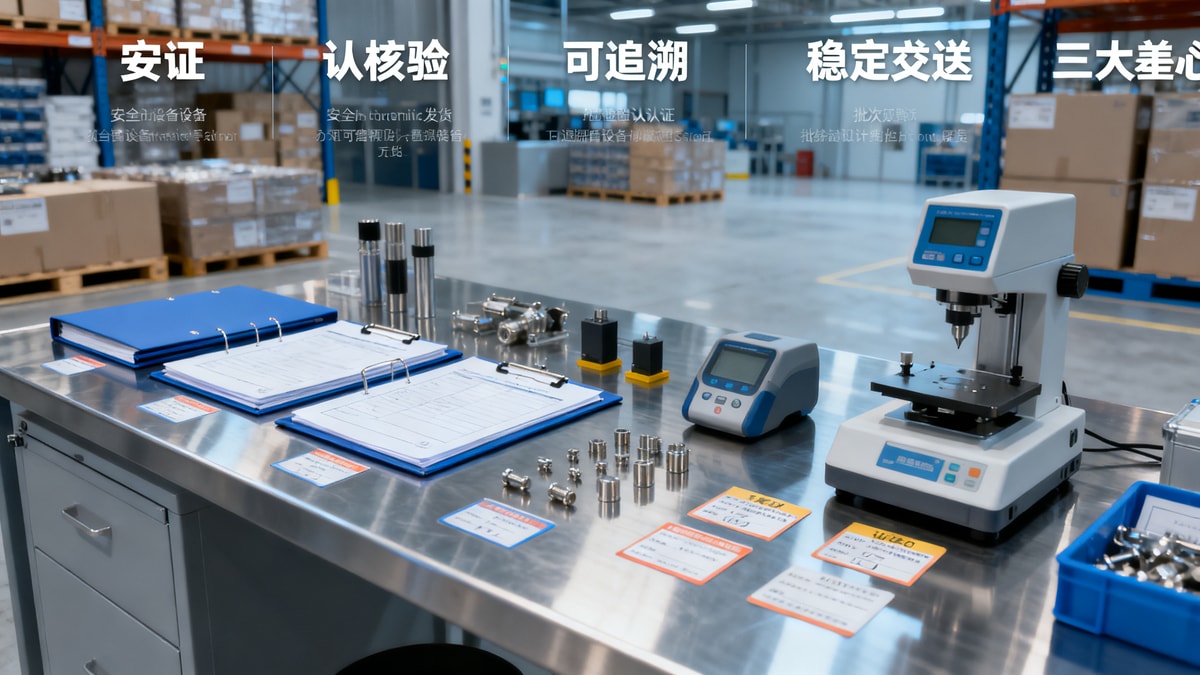
Manufacturers that offer clear usage guidance, inspection criteria, batch traceability, and post-incident review support create more long-term value than those that only compete on price.
Common implementation challenges on real jobsites
Many organizations already understand the need for safety equipment, yet still struggle to turn specifications into consistent field performance. One common issue is over-standardization without role-based fit. A single glove model or respirator type may not suit every task, climate, or crew profile. Another issue is fragmented sourcing, where multiple vendors create inconsistent quality and training burdens across sites.
Documentation is another weak point. In audit-heavy environments, it is not enough to say that equipment is compliant; companies must often show proof of conformity, inspection schedules, and replacement logic. Construction safety equipment manufacturers that simplify documentation management can significantly reduce administrative friction.
There is also a human factors challenge. If PPE is uncomfortable, poorly fitted, or unsuited to local weather, compliance declines. This is why experienced manufacturers increasingly invest in ergonomic design and wearable acceptance, not just laboratory performance.
Practical guidance for selecting the right manufacturing partner
For enterprise procurement and operational leaders, the most effective approach is to treat safety equipment as a strategic control layer rather than a routine line item. Start by mapping site hazards, workforce profiles, and regulatory obligations across your project portfolio. Then compare construction safety equipment manufacturers against those specific realities instead of relying only on brand familiarity.
It is also wise to request evidence from comparable environments. A manufacturer serving light commercial work may not automatically be suitable for petrochemical construction, tunneling, or high-voltage infrastructure. Pilot programs, wear trials, and supervisor feedback can reveal operational strengths that specification sheets do not show.
Finally, decision-makers should align supplier evaluation with broader business resilience goals. That means looking at replacement consistency, cross-border compliance support, training content, and the manufacturer’s ability to support scale. In a stricter regulatory climate, the best partners are those that combine tested product performance with credible technical intelligence and dependable supply execution.
Moving from compliance pressure to long-term site resilience
The rising importance of construction safety equipment manufacturers reflects a larger reality: construction safety is now inseparable from operational excellence, reputational strength, and project certainty. As standards tighten, buyers must evaluate manufacturers not only by price and product range, but by engineering discipline, certification integrity, and fit for demanding work environments.
For organizations managing critical infrastructure, industrial builds, and multi-site operations, better supplier choices can improve worker protection while strengthening schedule control and audit readiness. Decision-makers who use verified market intelligence, technical validation, and real-world site requirements as their guide will be better positioned to identify construction safety equipment manufacturers capable of delivering lasting value in a more regulated industry.
Technical Specifications
- SASO Mandates Dual Energy Label for Industrial Transformers in Saudi Arabia from May 2026Author :Grid Infrastructure Analyst
- EN 61000-4-30:2026 Enforced: Class A Harmonic Traceability Mandatory for EU PQ AnalyzersAuthor :Precision Metrology Expert
- US DOE Level 3 Transformer Efficiency Standard Effective July 1, 2026Author :Grid Infrastructure Analyst
Expert Insights

Chief Security Architect
Dr. Thorne specializes in the intersection of structural engineering and digital resilience. He has advised three G7 governments on industrial infrastructure security.
Related Analysis
- May 06, 2026SASO Mandates Dual Energy Label for Industrial Transformers in Saudi Arabia from May 2026Author :Grid Infrastructure Analyst
- May 06, 2026EN 61000-4-30:2026 Enforced: Class A Harmonic Traceability Mandatory for EU PQ AnalyzersAuthor :Precision Metrology Expert
- May 06, 2026US DOE Level 3 Transformer Efficiency Standard Effective July 1, 2026Author :Grid Infrastructure Analyst
Core Sector // 01
Security & Safety
- Construction safety equipment manufacturers under stricter site rulesAuthor :Safety Compliance Lead

- Industrial safety training programs that reduce repeat incidentsAuthor :Safety Compliance Lead

- Why Security & Safety prices differ more than expectedAuthor :Safety Compliance Lead

- How to Compare Safety Equipment Suppliers When Specs Look SimilarAuthor :Safety Compliance Lead

- Safety Equipment Standards That Change Product Selection OutcomesAuthor :Safety Compliance Lead

- Security & Safety Price Gaps: What Actually Drives the DifferenceAuthor :Safety Compliance Lead

- How to Vet a Security & Safety Supplier Before a Large RolloutAuthor :Safety Compliance Lead

- ANVISA Updates Biocompatibility Requirements for Industrial Respirators in BrazilAuthor :Safety Compliance Lead