Submersible sewage pumps fail early when ragging risk is underestimated
Author
Date Published
Reading Time
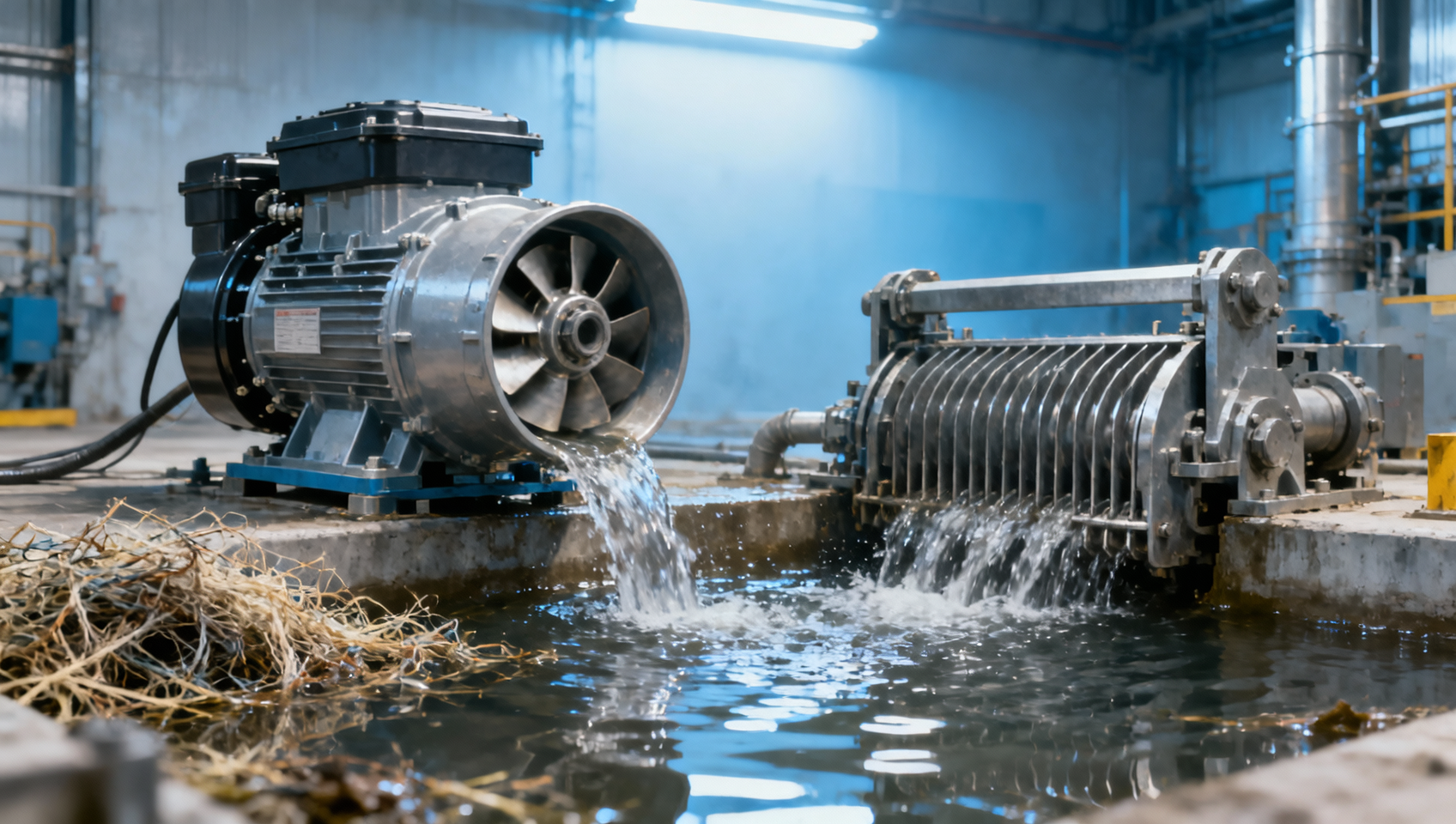
When ragging risk is underestimated, submersible sewage pumps can fail long before their design life, triggering downtime, maintenance costs, and compliance concerns. For engineers, operators, and buyers comparing centrifugal water pumps, mechanical bar screen solutions, and wastewater treatment chemicals, understanding clogging dynamics is essential to protecting system reliability and making smarter industrial procurement decisions.
In municipal lift stations, industrial wastewater pits, commercial buildings, and EPC drainage projects, ragging is rarely a minor nuisance. It is a system-level reliability issue that affects pump hydraulics, motor loading, seal life, maintenance intervals, and even confined-space intervention frequency. A pump rated for 8 to 12 years of service can begin showing chronic performance loss in less than 18 months if solids handling assumptions are wrong.
For procurement teams and decision-makers, the challenge is not only choosing a pump with the right duty point. It is selecting a complete solids-management strategy: inlet screening, pump hydraulics, impeller style, control philosophy, maintenance access, and upstream wastewater chemistry all need to align with the actual rag profile of the site.
Why ragging causes early failure in submersible sewage pumps
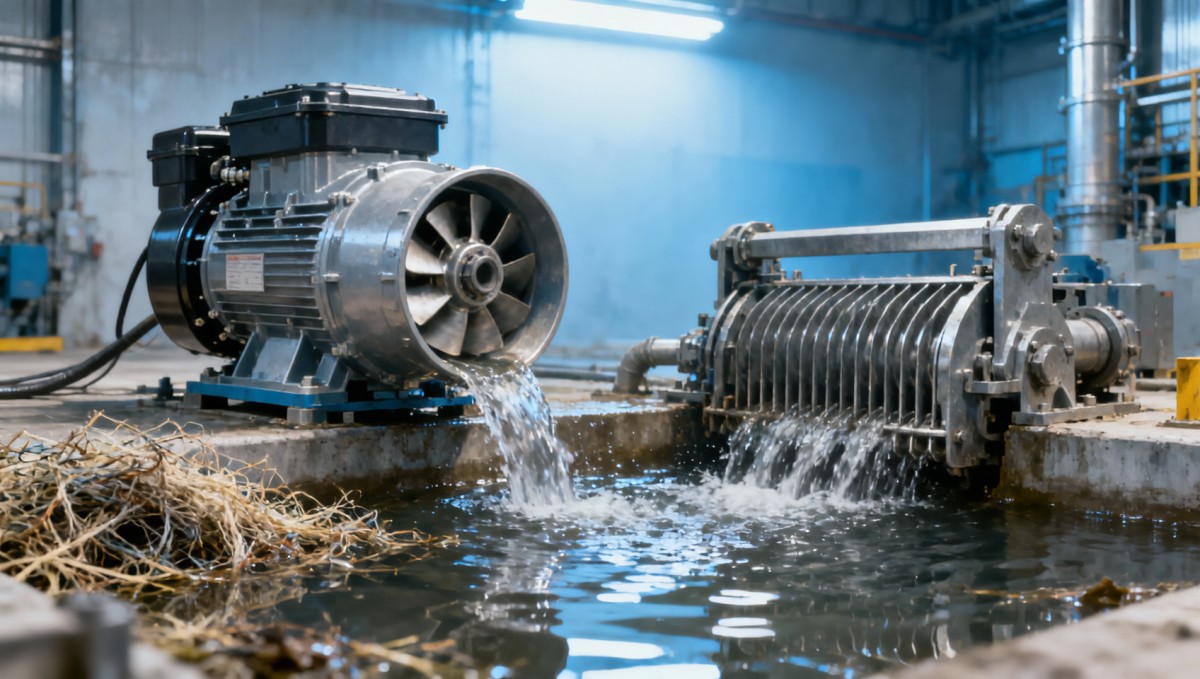
Ragging occurs when fibrous solids such as wipes, textiles, plastic strands, and mixed organic debris wrap around the impeller, cutter edge, or pump shaft region. Even a well-sized submersible sewage pump can lose efficiency quickly when these materials accumulate. In many stations, a 10% to 25% drop in hydraulic efficiency is the first warning sign, followed by rising current draw and more frequent alarm events.
The mechanical consequences build in stages. First, flow capacity falls below the required duty point. Second, the motor operates longer per cycle, increasing heat stress. Third, vibration and imbalance accelerate wear on bearings and mechanical seals. Once seal integrity degrades, moisture ingress can shorten motor life dramatically, especially in installations with high start-stop frequency such as 8 to 20 cycles per hour.
A common mistake is to treat ragging as a maintenance issue rather than a design and procurement issue. Operators may clear blockages repeatedly, yet the underlying mismatch remains: the pump hydraulics are unsuitable for the solids load, the sump geometry encourages vortex formation, or upstream screening is too coarse for the actual waste stream.
Where underestimated ragging risk usually begins
The highest-risk sites are not limited to municipal sewage. Hospitals, food processing plants, textile facilities, airports, malls, and mixed-use developments often generate inconsistent solids loading. When peak inflow events happen after cleaning cycles, rainfall ingress, or shift changes, the solids concentration can exceed normal assumptions by 2 to 4 times.
Engineering reviews should examine not only flow and head, but also solids character. Long-fiber materials, flushable wipe substitutes, grease-bound debris, and chemically swollen polymers behave very differently from standard suspended solids. A pump that handles spherical solids well may still perform poorly against stringy waste.
Early warning indicators
- Run-time per cycle increases by 15% or more without a corresponding inflow change.
- Motor current trends upward by 5% to 12% over baseline.
- Manual de-ragging frequency rises from monthly to weekly.
- Seal chamber alarms or thermal trips appear after heavy solids events.
How to evaluate pumping, screening, and chemical control as one system
Submersible sewage pumps should not be specified in isolation. Sites with persistent clogging often need a coordinated strategy involving centrifugal water pumps for transfer stages, mechanical bar screen units for upstream solids interception, and wastewater treatment chemicals for grease control, odor reduction, or polymer management. The right combination depends on solids length, solids volume, cleaning access, and operating continuity requirements.
Mechanical bar screens reduce rag loading before it reaches the wet well. In medium-duty applications, screen spacing of 6 mm to 20 mm can significantly reduce pump entanglement risk, although finer spacing increases screenings volume and cleaning needs. In industrial plants with process fibers, the trade-off between capture rate and maintenance labor must be reviewed carefully.
Wastewater treatment chemicals can support pump reliability indirectly. For example, grease-control programs and emulsion-breaking chemistry may reduce the tendency of fibrous waste to bind into dense mats. However, chemicals should never be treated as a substitute for proper screening and pump selection, especially where wipes, stringy plastics, or cloth fragments dominate the waste profile.
Comparing common anti-ragging approaches
The table below summarizes how three common intervention paths perform in real operating conditions. Decision-makers can use it to determine whether they need source control, hydraulic redesign, or upstream solids removal.
The key takeaway is that no single measure solves every ragging problem. Pump upgrades are effective when the issue is hydraulic mismatch, but screening becomes more important when solids length and frequency exceed what any impeller can reasonably tolerate. Chemical programs are supportive tools, not primary anti-clogging architecture.
Practical selection sequence
- Measure actual wet well inflow pattern across at least 2 to 4 weeks.
- Inspect removed debris and classify by fiber length, flexibility, and volume.
- Check pump run-time, current trend, and de-ragging frequency.
- Decide whether source removal, screening, or hydraulic redesign gives the highest reliability gain.
Specification points that matter most for buyers and EPC teams
Buyers often compare pump power, flow, and price first, yet early-life failure is more frequently linked to overlooked specification details. For submersible sewage pumps, solids passage size, impeller geometry, motor insulation class, seal arrangement, sensor package, cable entry design, and guide rail retrieval method can all affect life-cycle cost more than initial purchase price.
A procurement review should include at least 6 checkpoints: duty flow, total dynamic head, solids profile, start frequency, installation depth, and access for maintenance. In sewage stations handling mixed commercial waste, a free passage specification alone is not enough. Fibrous solids behavior may require a self-cleaning impeller profile or cutter-assisted design, depending on service conditions and maintenance philosophy.
Electrical reliability is equally important. Undervoltage, phase imbalance, and repeated starts under partial blockage can damage motors even when the hydraulic end appears to be the main problem. For critical service sites, monitoring should include thermal protection, moisture detection, and trend logging of current and run hours. These features improve intervention timing and reduce emergency callouts.
Procurement checklist for anti-ragging performance
The following table helps translate operational risk into purchasing criteria. It is useful for facility managers, EPC contractors, and industrial sourcing teams evaluating pumps across multiple sites.
This comparison shows that anti-ragging procurement is not a single-line item decision. It is an integration decision covering mechanical design, controls, maintainability, and site-specific solids behavior. That is why low-capex purchasing can become high-OPEX ownership within the first 12 to 24 months.
Questions buyers should ask suppliers
- What solids profile was the hydraulic design tested against: wipes, fibers, sludge, or mixed debris?
- What is the recommended maximum starts per hour under blocked or partially blocked conditions?
- How long does routine retrieval and manual cleaning typically take on site?
- What monitoring inputs are standard, and which are optional upgrades?
Maintenance, troubleshooting, and operational controls that extend pump life
Even with correct pump selection, operating discipline determines whether service life reaches target expectations. A preventive plan should combine visual inspection, trend monitoring, cleaning intervals, and wet well housekeeping. In many facilities, a 30-day review cycle is sufficient for stable systems, while high-rag-load sites may need weekly checks until baseline behavior is confirmed.
Operators should not rely only on complete blockage alarms. Partial ragging often develops gradually and can be detected earlier through longer run times, unstable amperage, or reduced drawdown performance. For example, if a wet well normally draws down in 6 minutes and begins taking 8 to 9 minutes under similar inflow, inspection should be scheduled before emergency failure occurs.
Maintenance planning also needs to account for worker safety and regulatory exposure. Repeated manual intervention in sewage environments increases confined-space entry, splash exposure, and lockout-tagout complexity. Reducing de-ragging frequency is therefore not only a maintenance objective but also a safety objective with direct implications for labor planning and compliance.
Recommended field routine
A structured routine helps operators catch deterioration early and gives managers usable data for future procurement upgrades.
- Record run-time, start count, and motor current at the same interval each shift or day.
- Inspect level control performance and confirm no false cycling from fouled sensors or floats.
- Review removed debris after cleaning to identify changes in rag composition or volume.
- Check seal alarms, cable condition, and vibration signs during each planned service event.
- Reassess screen spacing or upstream solids control if clogging repeats more than 2 to 3 times per month.
Frequent troubleshooting mistakes
One common mistake is upsizing motor power without addressing solids handling. More power may delay stalling, but it can also increase mechanical stress and hide hydraulic inefficiency. Another error is to shorten maintenance intervals without reviewing whether the sump geometry, bar screen performance, or chemical conditioning program is contributing to the debris pattern.
Facilities that document failure mode, debris type, and cleaning interval over a 3 to 6 month period usually make better replacement decisions than those relying on anecdotal feedback. This simple discipline often reveals whether the real issue is the pump, the incoming waste stream, or the upstream process.
FAQ for researchers, operators, and procurement decision-makers
The questions below reflect common search and buying concerns around submersible sewage pumps, ragging, and related wastewater system components. They are especially relevant when comparing suppliers or planning a retrofit across multiple facilities.
How do I know whether ragging is a pump issue or a screening issue?
If clogging frequency remains high after a pump designed for fibrous solids has been installed, screening is often the next area to assess. As a rule of thumb, repeated manual cleaning more than once per week, or visible long-fiber debris exceeding the expected solids profile, points toward insufficient upstream interception rather than pump-only failure.
Are centrifugal water pumps suitable for sewage duty with ragging risk?
Standard centrifugal water pumps are usually not the first choice for raw sewage containing wipes, cloth, or long fibers. They may be suitable in pre-screened transfer stages or cleaner process water loops, but submersible sewage pumps with solids-handling hydraulics are generally more appropriate where mixed debris is present. Duty conditions and solids type should always be reviewed together.
Can wastewater treatment chemicals eliminate pump clogging?
Not by themselves. Chemicals can reduce grease agglomeration, odor, or certain process-related solids interactions, but they do not reliably neutralize physical ragging from wipes, textiles, or plastics. Where those materials are present, mechanical control and suitable pump hydraulics remain primary measures.
What service life should buyers realistically expect?
In stable, properly specified applications, submersible sewage pumps may serve for 8 to 12 years before major overhaul or replacement. In severe ragging conditions with poor screening and frequent overload, critical components can degrade within 12 to 24 months. The range is wide because site conditions, not catalog ratings alone, drive actual life-cycle performance.
For organizations managing industrial infrastructure at scale, the most reliable approach is to treat ragging as a measurable design variable, not an unavoidable maintenance inconvenience. Better results come from aligning pump hydraulics, solids interception, monitoring, and maintenance access with the real waste stream seen on site.
Global Industrial Core supports engineers, operators, sourcing teams, and enterprise decision-makers with practical guidance across pumping, screening, compliance, and industrial reliability planning. If you are reviewing submersible sewage pumps, evaluating mechanical bar screen options, or comparing wastewater treatment support measures, now is the right time to get a tailored solution and discuss the most suitable specification path for your project.
Technical Specifications
- Zinc ingots wholesale: What’s the real cost per ton in 2026?Author :Heavy Industry Strategist
- Aluminum ingots bulk vs. cast bars: Which delivers better yield for extrusion?Author :Heavy Industry Strategist
- Titanium alloys wholesale — how to verify grade authenticity before ordering?Author :Heavy Industry Strategist
Expert Insights

Chief Security Architect
Dr. Thorne specializes in the intersection of structural engineering and digital resilience. He has advised three G7 governments on industrial infrastructure security.
Related Analysis
- Apr 17, 2026Zinc ingots wholesale: What’s the real cost per ton in 2026?Author :Heavy Industry Strategist
- Apr 17, 2026Aluminum ingots bulk vs. cast bars: Which delivers better yield for extrusion?Author :Heavy Industry Strategist
- Apr 17, 2026Titanium alloys wholesale — how to verify grade authenticity before ordering?Author :Heavy Industry Strategist
Core Sector // 01
Security & Safety
- Steam traps wholesale: Which type fails least in condensate return lines with air binding?Author :Environmental Engineering Director

- Check valves (swing type): When does water hammer override disc stability?Author :Environmental Engineering Director
: When does water hammer override disc stability?")
- Cast iron gate valves: Are they still viable for potable water mains in 2026?Author :Environmental Engineering Director

- Grease interceptor wholesale options differ more in cleaning designAuthor :Environmental Engineering Director

- Polyaluminium chloride PAC dosage errors often start with pH assumptionsAuthor :Environmental Engineering Director

- Polyacrylamide PAM wholesale grades are harder to compare than they lookAuthor :Environmental Engineering Director

- Wastewater treatment chemicals that cut sludge cost are not always cheaperAuthor :Environmental Engineering Director

- Pure water bottling machine downtime often starts in the rinsing sectionAuthor :Environmental Engineering Director