Bag filter housings leak more often at startup than during full operation
Author
Date Published
Reading Time
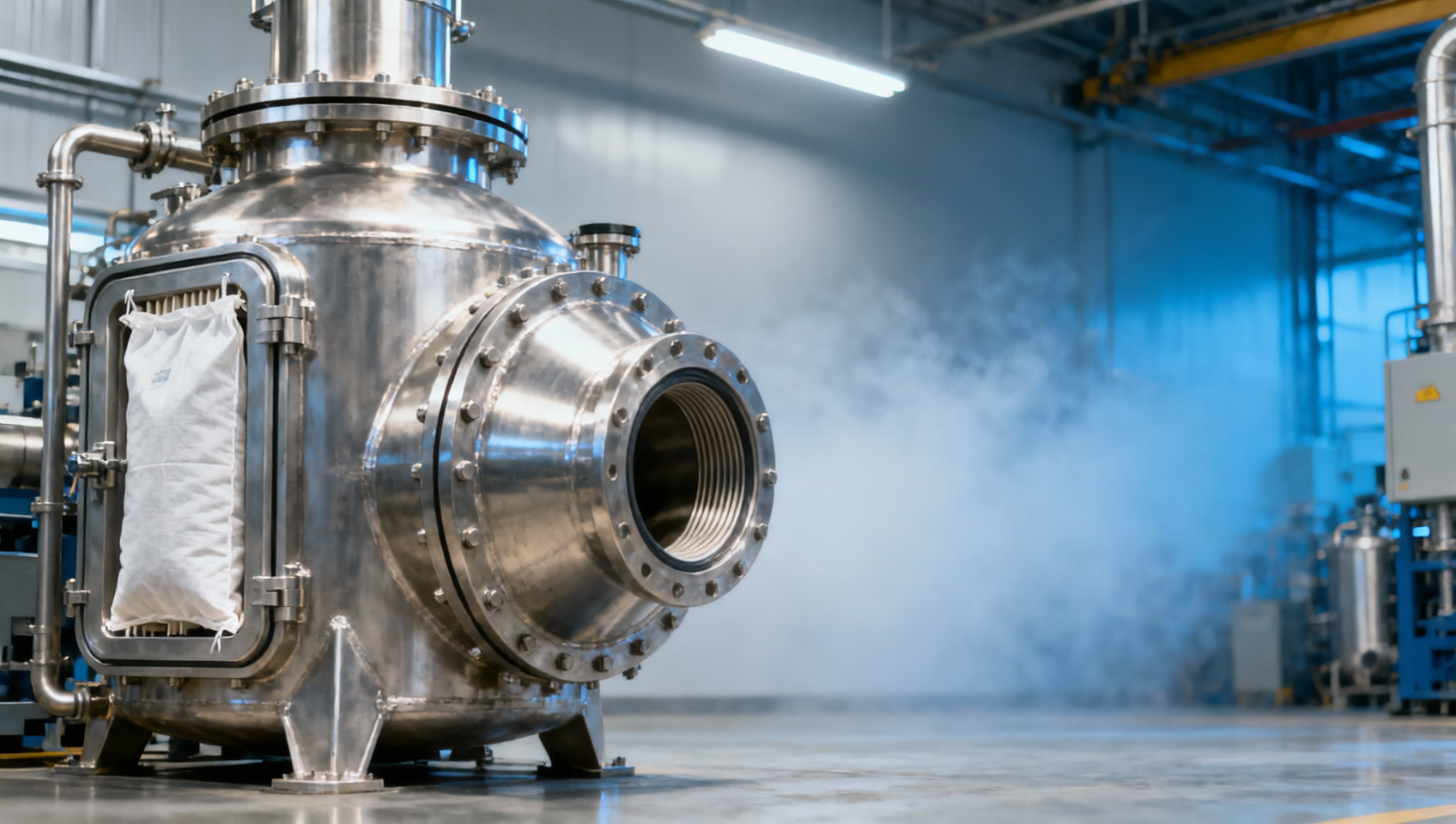
Bag filter housings often leak at startup because pressure surges, seal relaxation, and installation tolerance issues appear before the system reaches stable operating conditions. For engineers, operators, and procurement teams evaluating bag filter housings, pleated filter cartridges, pulse jet baghouse, and industrial dust collector systems, understanding these early-stage failure points is essential to improving filtration reliability, reducing downtime, and making more informed maintenance and sourcing decisions.
In heavy industrial filtration, startup is not a minor transition phase. It is the point where design assumptions, assembly quality, seal compression, and pressure control are tested within the first 30 seconds to 10 minutes. A housing that remains dry during full operation can still seep dust-laden air or process contaminants at startup if clamping force, gasket recovery, and differential pressure behavior are not aligned.
For information researchers, plant operators, sourcing teams, and business decision-makers, the practical question is not simply whether a bag filter housing leaks. The more useful question is why leakage frequency is disproportionately higher during startup, what conditions trigger it, and which design, maintenance, and purchasing measures reduce that risk across industrial dust collector systems.
Why startup creates the highest leakage risk in bag filter housings
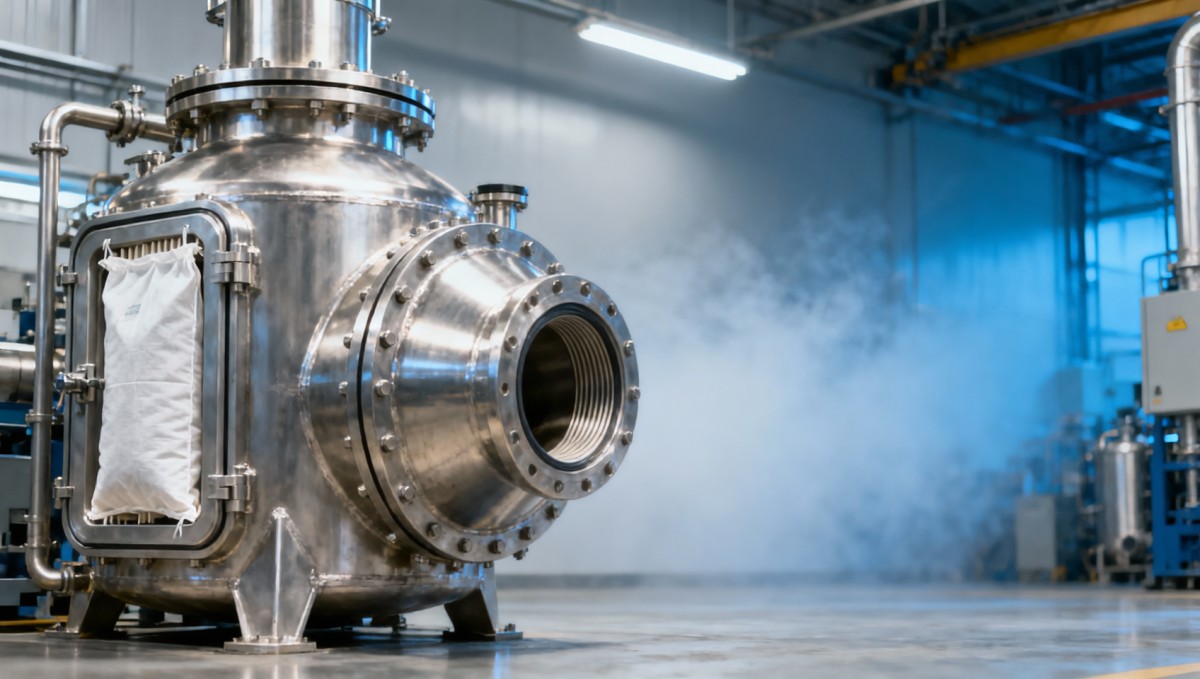
A bag filter housing usually operates under more stable mechanical conditions after pressure, temperature, and flow settle into a controlled range. During startup, however, the system can move from 0 to operating pressure in less than 5 seconds in compact dust collectors, or within 30–90 seconds in larger pulse jet baghouse systems. That acceleration can expose weak sealing points long before steady-state conditions are reached.
One of the main causes is pressure surge. If inlet dampers open too quickly or compressed air cleaning is enabled too early, the housing sees uneven internal loading. Doors, inspection covers, tube sheets, and flange connections may flex by a small amount, often within a tolerance band of only ±0.5 mm to ±1.5 mm. In filtration equipment, that small movement can be enough to create a leak path.
Seal relaxation is another frequent factor. Elastomer gaskets that have been compressed for long shutdown periods may not immediately recover their optimal sealing profile on restart. If the housing was opened for maintenance 1–3 days earlier, and bolts were retightened without a torque sequence, gasket load may be uneven around the perimeter. Startup then becomes the moment when that imbalance turns into a visible leak.
Installation tolerance also matters more at startup than many teams expect. Bag filter housings, pleated filter cartridges, and pulse cleaning manifolds all depend on alignment. A door that appears properly closed during inspection may still be under slight angular stress. Under low-flow idle conditions it may seal, but under startup turbulence it can leak at corners, hinge sides, or latch points.
The table below summarizes the most common startup-specific leakage mechanisms seen across industrial dust collector systems and related filtration housings.
The key conclusion is that startup leakage is not always a sign of total housing failure. In many plants, it reflects a controllable interaction between pressure sequencing, gasket condition, and assembly precision. That makes it both a maintenance issue and a procurement issue, especially when comparing replacement housings or system upgrades.
How pressure and pulse timing amplify small defects
When pulse jet cleaning begins too early, compressed air shocks can momentarily increase local stress at the tube sheet and access panels. Even a 0.2–0.4 bar transient change, when combined with startup flow instability, can widen a marginal seal gap. In older collectors, these short pulses often explain why leaks appear only at startup and disappear after 15–20 minutes.
Common startup warning signs
- Visible dust traces around doors or flanges within the first 10 minutes after restart.
- Unstable differential pressure readings that oscillate more than expected during ramp-up.
- Audible air hiss near latches, cartridge seating points, or inspection covers.
- Leaks that reduce or disappear once the system reaches thermal and flow stability.
Mechanical and operational root causes operators should inspect first
Operators and maintenance teams often focus on filter media condition first, but startup leakage frequently originates in components surrounding the media. A bag filter housing can have new filter bags or pleated filter cartridges and still leak if the door frame is warped, the latch preload is inconsistent, or the mating surfaces are contaminated by fine dust from the previous cycle.
The first inspection point is gasket health. In many industrial dust collector systems, gasket service life ranges from 12 to 36 months depending on temperature, chemical exposure, and door opening frequency. If the gasket has hardening, flat spots, cuts, or compression set above roughly 25%, startup leakage risk rises sharply because the seal cannot adapt fast enough to load changes.
The second point is bolt or latch uniformity. Uneven closure force causes localized leak channels. This is common after unplanned maintenance where technicians tighten hardware sequentially rather than using a cross-pattern method. On larger housings with 8, 12, or 16 fastening points, a poor tightening sequence can create pressure imbalance even when all fasteners appear fully engaged.
The third point is structural movement during thermal change. If a collector starts cold and reaches elevated process temperature within 20–40 minutes, differential expansion between steel panels, doors, and gaskets may briefly alter contact pressure. The issue is more pronounced when the housing serves applications with warm process streams, abrasive dust, or cyclic on-off operation across multiple shifts.
A disciplined startup inspection routine can reduce repeat leakage events without major capital expenditure. The list below is a practical screening framework for operators.
- Verify door and access panel seating surfaces are clean and free of residual dust buildup thicker than 1–2 mm.
- Check gasket continuity, elasticity, and visible compression damage before every planned restart after maintenance.
- Confirm bolts or latches are tightened in a balanced sequence rather than in a circular progression.
- Review differential pressure and pulse timing settings to ensure cleaning does not start prematurely.
- Inspect cartridge or bag seating points for skewed installation, especially after replacement work.
Typical faults and corrective actions
The following comparison helps maintenance teams distinguish between a sealing problem, an alignment problem, and a startup sequencing problem before they replace major hardware unnecessarily.
This kind of structured diagnosis helps plants avoid replacing the entire bag filter housing when the actual issue lies in startup control, sealing hardware, or maintenance discipline. For procurement teams, it also clarifies whether they need a full system upgrade or only a better-configured replacement package.
How to specify a bag filter housing that performs better during startup
From a sourcing perspective, startup leakage is rarely solved by selecting a housing on nominal airflow alone. Buyers should evaluate structural rigidity, seal design, access door geometry, and maintenance repeatability. A housing that performs well on paper at full load may still create recurring leakage costs if it lacks startup resilience.
For most industrial applications, procurement reviews should cover at least 4 dimensions: mechanical sealing design, tolerance control, pressure transition behavior, and service access. If the system will cycle daily or weekly, these factors may matter more than small differences in initial price. A lower-cost housing that requires frequent seal replacement every 6–12 months can become more expensive over a 3-year lifecycle.
When comparing bag filter housings with pleated filter cartridge systems or a pulse jet baghouse upgrade, ask vendors to clarify startup operating assumptions. That includes recommended ramp-up time, maximum transient pressure, allowable housing distortion, gasket material range, and whether pulse cleaning should be disabled during the first startup stage. These details directly affect field reliability.
It is also important to request fabrication and inspection information that influences leak resistance. Flatness of sealing surfaces, door frame alignment, weld consistency, and latch repeatability should not be treated as minor production details. In practice, leakage often originates from manufacturing variation rather than from filter media selection alone.
Procurement checklist for startup-sensitive filtration systems
- Confirm gasket material compatibility across the expected temperature band, such as ambient start to 80°C or higher if process conditions demand it.
- Ask for recommended fastening torque or latch preload guidance, especially on housings with multiple access points.
- Review allowable fabrication tolerance on mating surfaces, ideally with measurable acceptance criteria rather than general statements.
- Check whether the design supports staged startup control and delayed pulse activation.
- Assess replacement part availability for gaskets, doors, latches, and cartridge sealing components over a 12–24 month maintenance horizon.
What decision-makers should compare before issuing a purchase order
Decision-makers often compare airflow capacity, media type, and quoted lead time, but startup sealing performance deserves equal attention. A practical vendor comparison should include whether the housing is intended for intermittent operation, continuous duty, or high-cycle starts. That operating profile influences the design margin needed at doors, joints, and cleaning interfaces.
For EPC contractors and procurement directors, lead times for replacement housings or major retrofit kits often fall in the 2–8 week range depending on customization. If a plant experiences recurring startup leaks, that timeline should be weighed against the cost of unplanned shutdowns, housekeeping burden, environmental exposure risk, and operator safety concerns near leaking dust collector enclosures.
Implementation and maintenance practices that reduce startup leaks
Even a well-specified bag filter housing can underperform if startup and maintenance procedures are inconsistent. In many facilities, leakage events decline significantly after three changes: controlled startup sequencing, documented seal inspection intervals, and post-maintenance verification. These are procedural improvements rather than major redesigns, but they have a direct effect on reliability.
A practical startup sequence should gradually establish airflow before the cleaning cycle reaches full intensity. Where controls allow, operators should delay pulse cleaning for the first 3–10 minutes, depending on system size and dust loading. This helps the housing, doors, and filter elements settle under stable flow rather than being hit immediately by rapid pressure cycling.
Post-maintenance verification is equally important. Whenever a bag change, pleated filter cartridge replacement, or access door opening occurs, the housing should undergo a short leak inspection during the next restart. Waiting until the next full production shift can turn a minor seal issue into contamination, cleanup cost, and unnecessary downtime.
Plants with critical environmental control requirements should consider a documented checklist with 5–7 verification points. This is especially useful in cement, metals, foundry, mineral processing, and general manufacturing operations where dust containment is tied to equipment performance and workplace exposure control.
Recommended maintenance rhythm
The table below outlines a realistic maintenance rhythm for startup-sensitive housings. The intervals are general industrial ranges and should be adjusted for dust abrasiveness, process temperature, and shutdown frequency.
The main takeaway is that startup leakage control depends on repeatable discipline. A 10-minute verification step after maintenance can prevent hours of cleanup and avoid avoidable disputes over whether the issue is caused by installation, operation, or equipment quality.
High-value actions for operators and maintenance supervisors
- Use a documented restart checklist whenever the housing has been opened.
- Track leak location history to identify recurring door, flange, or cartridge seating issues.
- Standardize torque or latch adjustment procedures across maintenance shifts.
- Coordinate controls and mechanical teams so startup pressure ramp and pulse timing are reviewed together, not separately.
FAQ for researchers, buyers, and plant teams
Are startup leaks always caused by worn filter bags or cartridges?
No. Filter media can contribute if seating is poor, but many startup leaks originate from housing doors, flange joints, inspection ports, or gasket compression loss. If leakage disappears after the first 10–15 minutes of operation, the issue often points more strongly to startup pressure behavior or seal recovery than to media failure alone.
How quickly should a bag filter housing reach normal operating conditions?
There is no single universal time because system size and dust loading vary. However, many industrial dust collector systems benefit from a controlled ramp period of 3–10 minutes rather than an immediate jump to full cleaning intensity. Larger pulse jet baghouse systems may require longer stabilization depending on duct volume and fan control logic.
What should procurement teams request from suppliers to reduce leakage risk?
Request measurable information on sealing design, allowable fabrication tolerances, gasket material range, door closure method, recommended startup procedure, and replacement part support. These details matter more than generic claims about durability. If the plant runs frequent shutdown-startup cycles, make that duty profile explicit in the RFQ.
When is replacement more economical than repeated repair?
If leakage persists after gasket renewal, door realignment, fastening correction, and startup control changes, the housing may have structural distortion or chronic tolerance issues. Where leaks recur across multiple maintenance cycles within 6–12 months, a replacement or retrofit review is often more economical than ongoing reactive repair.
Bag filter housings leak more often at startup because that brief operating window exposes seal weakness, misalignment, and pressure instability before the system reaches equilibrium. For industrial operators, procurement teams, and decision-makers, the most effective response combines better startup sequencing, disciplined inspection, and tighter equipment specification at the sourcing stage.
Global Industrial Core supports industrial buyers and engineering teams with practical guidance across filtration hardware, mechanical components, compliance-sensitive equipment, and sourcing decisions where reliability matters more than headline price alone. If you are evaluating bag filter housings, pleated filter cartridges, pulse jet baghouse upgrades, or broader industrial dust collector solutions, now is the right time to review startup performance assumptions before leakage becomes a recurring operating cost.
Contact us to discuss your operating conditions, request a tailored evaluation framework, or explore more industrial filtration solutions aligned with uptime, safety, and long-term procurement value.
Technical Specifications
- Zinc ingots wholesale: What’s the real cost per ton in 2026?Author :Heavy Industry Strategist
- Aluminum ingots bulk vs. cast bars: Which delivers better yield for extrusion?Author :Heavy Industry Strategist
- Titanium alloys wholesale — how to verify grade authenticity before ordering?Author :Heavy Industry Strategist
Expert Insights

Chief Security Architect
Dr. Thorne specializes in the intersection of structural engineering and digital resilience. He has advised three G7 governments on industrial infrastructure security.
Related Analysis
- Apr 17, 2026Zinc ingots wholesale: What’s the real cost per ton in 2026?Author :Heavy Industry Strategist
- Apr 17, 2026Aluminum ingots bulk vs. cast bars: Which delivers better yield for extrusion?Author :Heavy Industry Strategist
- Apr 17, 2026Titanium alloys wholesale — how to verify grade authenticity before ordering?Author :Heavy Industry Strategist
Core Sector // 01
Security & Safety
- Steam traps wholesale: Which type fails least in condensate return lines with air binding?Author :Environmental Engineering Director

- Check valves (swing type): When does water hammer override disc stability?Author :Environmental Engineering Director
: When does water hammer override disc stability?")
- Cast iron gate valves: Are they still viable for potable water mains in 2026?Author :Environmental Engineering Director

- Grease interceptor wholesale options differ more in cleaning designAuthor :Environmental Engineering Director

- Polyaluminium chloride PAC dosage errors often start with pH assumptionsAuthor :Environmental Engineering Director

- Polyacrylamide PAM wholesale grades are harder to compare than they lookAuthor :Environmental Engineering Director

- Wastewater treatment chemicals that cut sludge cost are not always cheaperAuthor :Environmental Engineering Director

- Pure water bottling machine downtime often starts in the rinsing sectionAuthor :Environmental Engineering Director