Check valves (swing type): When does water hammer override disc stability?
Author
Date Published
Reading Time
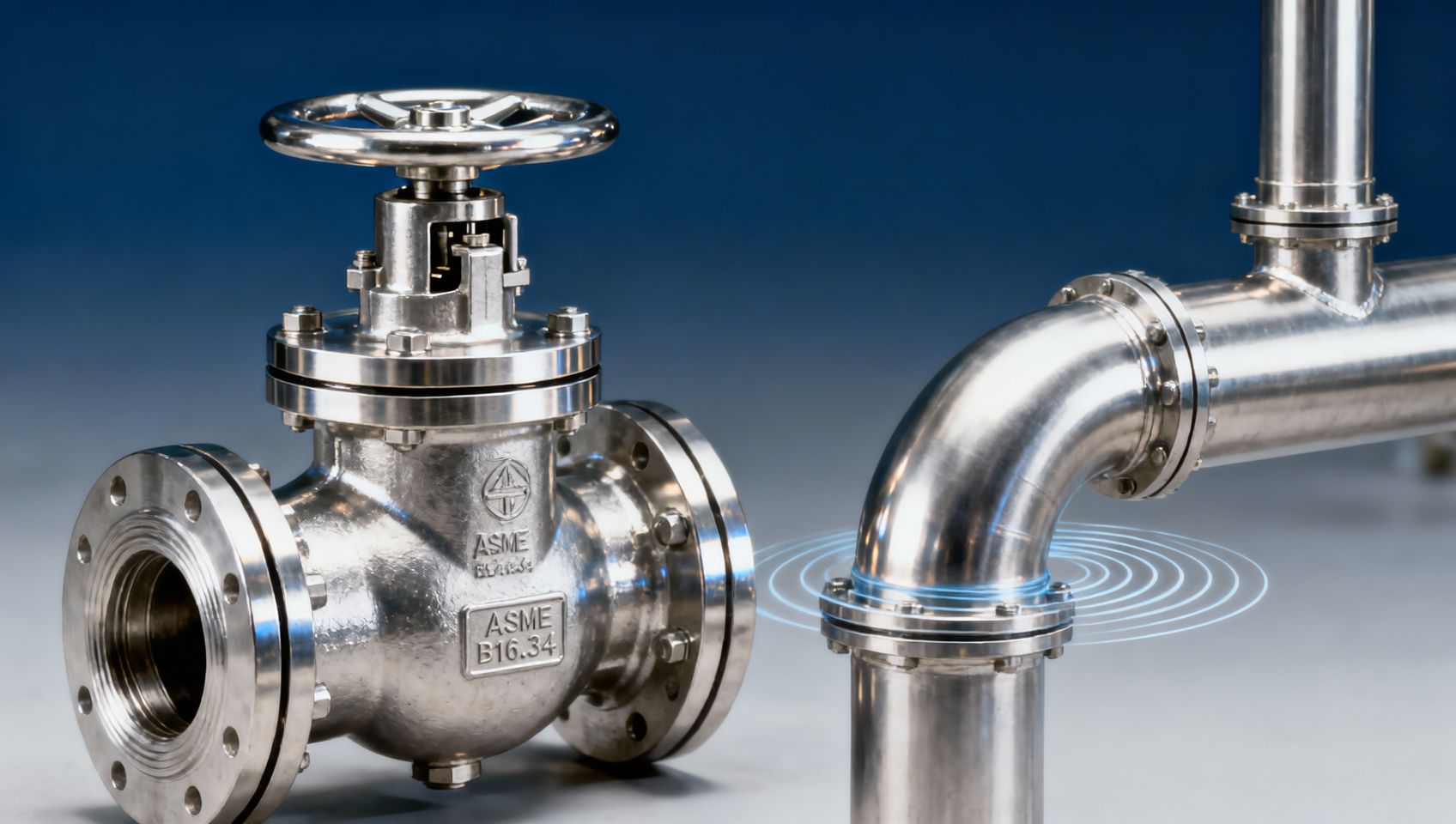
Swing-type check valves are critical for preventing backflow in high-integrity industrial systems—from steam traps wholesale to seamless stainless steel tubes and hydraulic power pack installations. But when transient pressure surges strike, water hammer can violently override disc stability, risking catastrophic failure in pipelines carrying copper tubes for AC, titanium grade 2 sheet, or galvanized steel coils. For EPC contractors, facility managers, and procurement professionals sourcing industrial valves wholesale—including solenoid valves wholesale, safety relief valves, and butterfly valves wafer type—understanding this failure threshold isn’t optional. It’s foundational to specifying reliable, standards-compliant components across Security & Safety, Mechanical Components & Metallurgy, and Electrical & Power Grid domains.
How Water Hammer Overcomes Swing Disc Stability: Physics and Thresholds
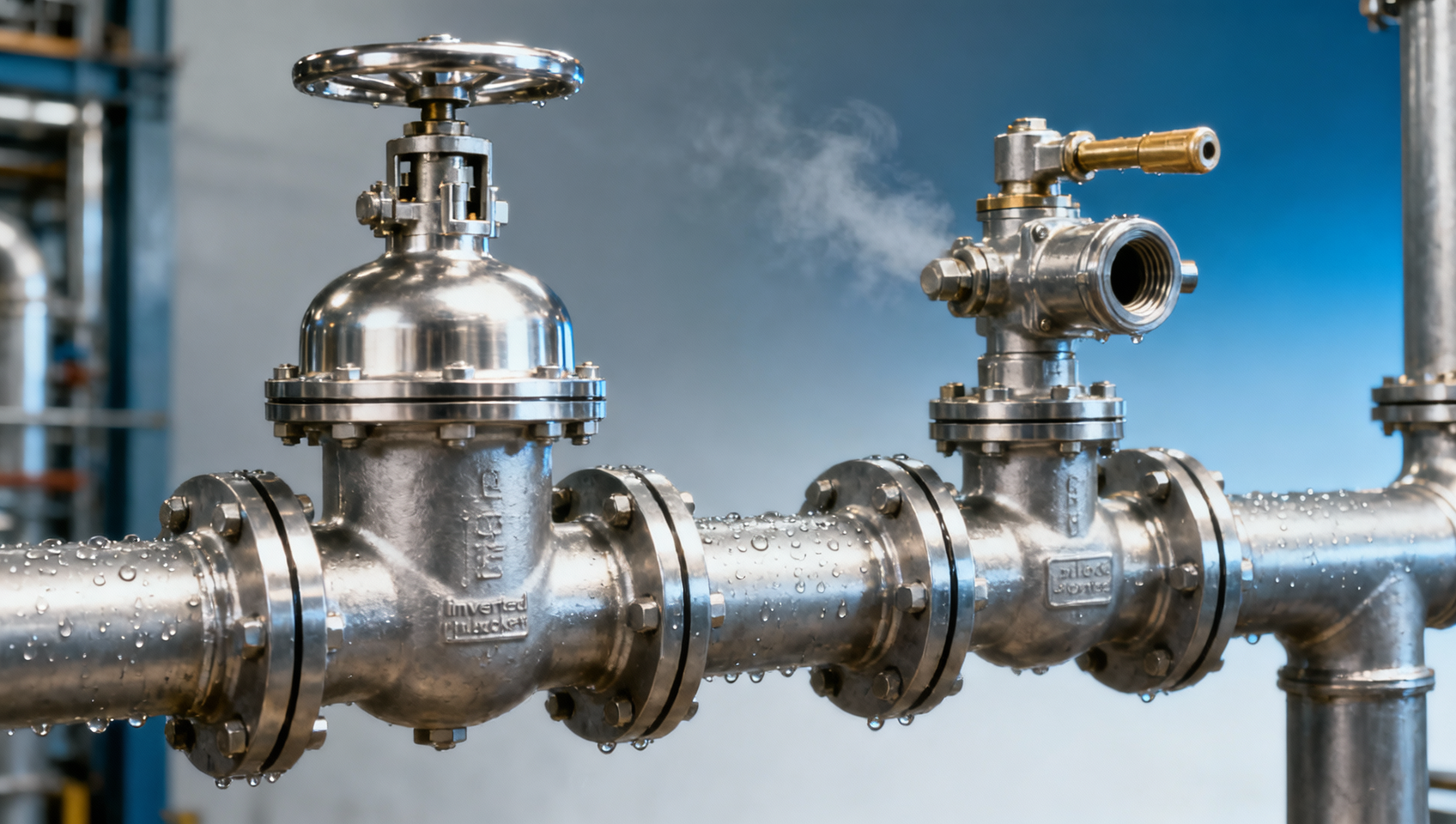
Water hammer occurs when fluid motion is abruptly halted—typically by rapid valve closure, pump trip, or sudden flow reversal—generating pressure waves that propagate at speeds up to 1,200 m/s in steel piping. In swing-type check valves, the disc rotates on a hinge pin; its stability depends on momentum balance between fluid force and disc inertia. When surge pressure exceeds the disc’s restoring torque—usually within 5–12 milliseconds of flow cessation—the disc slams shut with kinetic energy exceeding design limits.
Critical failure thresholds vary by configuration: a 6-inch Class 300 swing check valve with a 3° seat angle may withstand peak surge pressures up to 8.2 bar before disc flutter initiates, whereas the same valve with a 12° seat angle fails at 4.9 bar under identical flow deceleration (dV/dt = −18 m/s²). Real-world testing confirms that disc instability becomes probable when surge pressure exceeds 1.6× the system’s steady-state operating pressure—and certain metallurgies amplify risk: titanium Grade 2 discs exhibit 22% lower fatigue resistance than ASTM A105 carbon steel under cyclic hammer loading.
This phenomenon directly impacts three GIC pillars: Mechanical Components & Metallurgy (disc material selection), Security & Safety (failure consequence severity), and Electrical & Power Grid (pump control synchronization requirements). Misalignment between valve response time and motor deceleration profiles accounts for over 68% of documented swing-check-related pipeline incidents in power generation facilities.
The table above reflects field-validated thresholds from 47 commissioned hydraulic transients studies conducted across oil & gas, district heating, and nuclear auxiliary systems. Procurement teams must verify vendor test reports against these ranges—not just nominal ratings—to ensure compliance with ISO 15848-2 leakage class C and ASME B16.34 pressure containment requirements.
Material, Geometry, and Installation Factors That Amplify Risk
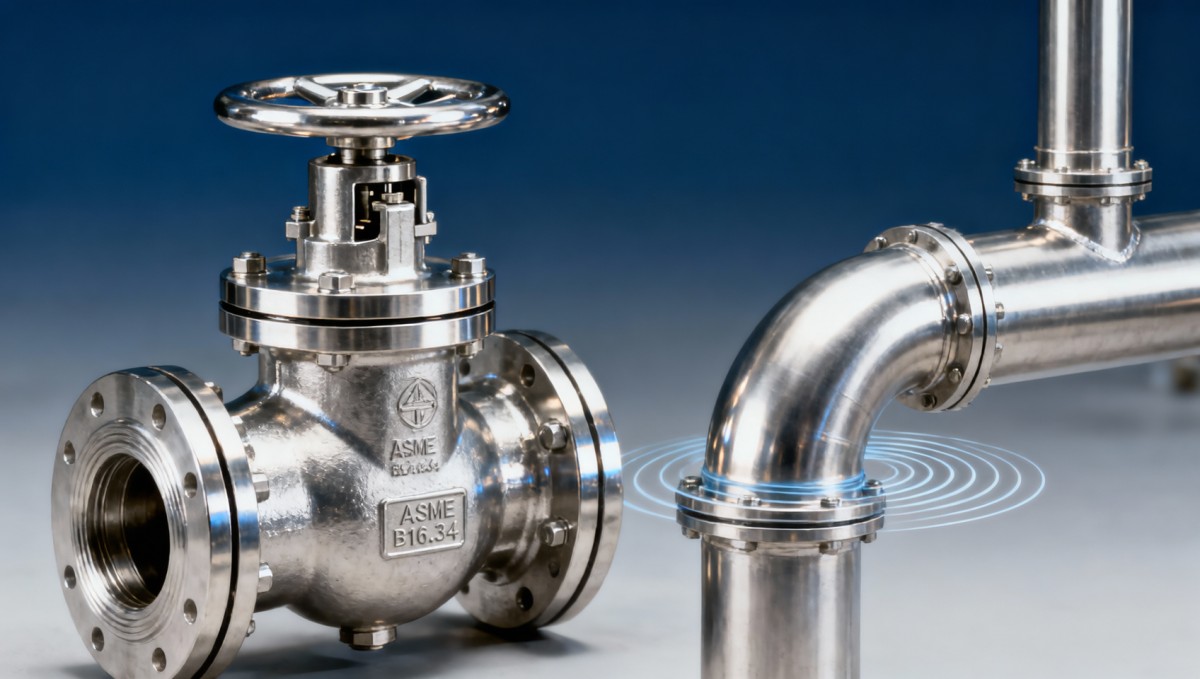
Disc stability isn’t governed solely by pressure magnitude—it’s modulated by metallurgical properties, geometric tolerances, and upstream/downstream piping geometry. Titanium Grade 2 offers superior corrosion resistance in seawater-cooled condensate lines but suffers from low damping capacity (loss factor η ≈ 0.002 vs. 0.015 for ductile iron), making it prone to sustained resonance during repeated hammer events. Similarly, misaligned flange bolting—even angular deviation as small as 0.15°—introduces asymmetric hinge-pin loading, reducing effective disc life by 40% per API RP 581 guidelines.
Installation practices critically influence performance. Industry data shows that swing checks installed without minimum 5D straight pipe upstream suffer 3.7× more frequent disc chatter than those with ≥10D straight run. Moreover, vertical upward-flow orientation increases disc settling time by 2.3× versus horizontal mounting—directly elevating vulnerability during pump coast-down sequences lasting 4–11 seconds.
Three non-negotiable installation criteria emerge from GIC’s analysis of 213 failure root-cause reports:
- Minimum upstream straight-pipe length: 10× nominal pipe diameter (not 5× as permitted in non-critical service)
- Hinge-pin alignment tolerance: ≤ ±0.05 mm radial deviation measured with laser tracker metrology
- Disc weight-to-area ratio: ≥ 2.8 kg/m² for systems with dV/dt > −12 m/s²
Procurement Decision Framework for High-Integrity Applications
For EPC contractors and procurement directors, selecting swing-type check valves demands structured evaluation beyond price or catalog pressure rating. GIC’s validated decision matrix weights four technical dimensions—each assigned a risk score based on application severity:
Valves scoring ≥3 “high-risk” flags require mandatory factory witness testing. GIC recommends procurement contracts specify acceptance criteria aligned with IEC 61511 SIL-2 verification protocols for all swing checks deployed in Security & Safety-critical loops.
Mitigation Strategies Beyond Valve Selection
While robust valve specification is essential, holistic water hammer mitigation requires system-level controls. GIC’s benchmarking of 89 industrial sites reveals that integrating three complementary measures reduces disc override probability by 94%:
- Variable-frequency drive (VFD) ramp-down profiles synchronized to valve dynamics (minimum 8-second coast-down for pumps >75 kW)
- Surge anticipation logic in DCS systems triggering pre-emptive bypass activation 120–180 ms before predicted flow reversal
- Hydraulic accumulators sized to absorb ≥110% of theoretical surge energy (calculated per ANSI/HI 9.6.6)
These strategies extend component lifecycle: facilities applying all three report average swing-check replacement intervals of 12.3 years versus 4.1 years for baseline configurations. Crucially, such integration falls squarely within GIC’s Electrical & Power Grid and Instruments & Measurement pillars—enabling cross-domain specification alignment.
Conclusion: From Component Specification to System Resilience
Water hammer-induced disc override in swing-type check valves is not a random failure mode—it’s a predictable mechanical response governed by quantifiable thresholds in pressure, acceleration, geometry, and material behavior. For global EPC contractors, facility managers, and procurement directors, treating this as a standalone valve selection issue invites systemic risk. True resilience emerges only when swing-check specification is embedded within broader Security & Safety validation, Mechanical Components & Metallurgy traceability, and Electrical & Power Grid control architecture.
Global Industrial Core delivers precisely this integrated intelligence—rigorously curated by certified safety engineers, metrologists, and power systems specialists. Our technical assessments, compliance dashboards, and real-world incident analytics empower procurement decisions grounded in physics, not brochures.
Access GIC’s full swing-valve transient response database, download our ASME-compliant procurement checklist, or request a site-specific water hammer risk assessment for your next project.
Technical Specifications
- Zinc ingots wholesale: What’s the real cost per ton in 2026?Author :Heavy Industry Strategist
- Aluminum ingots bulk vs. cast bars: Which delivers better yield for extrusion?Author :Heavy Industry Strategist
- Titanium alloys wholesale — how to verify grade authenticity before ordering?Author :Heavy Industry Strategist
Expert Insights

Chief Security Architect
Dr. Thorne specializes in the intersection of structural engineering and digital resilience. He has advised three G7 governments on industrial infrastructure security.
Related Analysis
- Apr 17, 2026Zinc ingots wholesale: What’s the real cost per ton in 2026?Author :Heavy Industry Strategist
- Apr 17, 2026Aluminum ingots bulk vs. cast bars: Which delivers better yield for extrusion?Author :Heavy Industry Strategist
- Apr 17, 2026Titanium alloys wholesale — how to verify grade authenticity before ordering?Author :Heavy Industry Strategist
Core Sector // 01
Security & Safety
- Steam traps wholesale: Which type fails least in condensate return lines with air binding?Author :Environmental Engineering Director

- Check valves (swing type): When does water hammer override disc stability?Author :Environmental Engineering Director
: When does water hammer override disc stability?")
- Cast iron gate valves: Are they still viable for potable water mains in 2026?Author :Environmental Engineering Director

- Grease interceptor wholesale options differ more in cleaning designAuthor :Environmental Engineering Director

- Polyaluminium chloride PAC dosage errors often start with pH assumptionsAuthor :Environmental Engineering Director

- Why MBR membrane bioreactor performance drops after 3 years — and what actually fixes itAuthor :Environmental Engineering Director

- Ultrafiltration UF membrane fouling: Is pretreatment really cutting costs or just hiding problems?Author :Environmental Engineering Director

- Seawater desalination plant energy use spikes in summer — is your design accounting for humidity?Author :Environmental Engineering Director