Zinc ingots wholesale: What’s the real cost per ton in 2026?
Author
Date Published
Reading Time
As global infrastructure projects accelerate into 2026, procurement leaders face mounting pressure to lock in reliable, compliant zinc ingots wholesale pricing—before volatility spikes. With aluminum ingots bulk, titanium alloys wholesale, copper cathode wholesale, and stainless steel pipe fittings all competing for budget allocation, accurate cost forecasting is no longer optional. This analysis delivers rigorously validated, E-E-A-T-aligned zinc ingot price benchmarks per ton—grounded in real-time trade data, metallurgical supply chain constraints, and regulatory shifts across key markets. Whether you’re sourcing for EPC contractors, facility upgrades, or strategic inventory build, this intelligence empowers procurement professionals and industrial decision-makers to negotiate from authority—not assumption.
Zinc Ingot Pricing Drivers in 2026: Beyond Commodity Charts
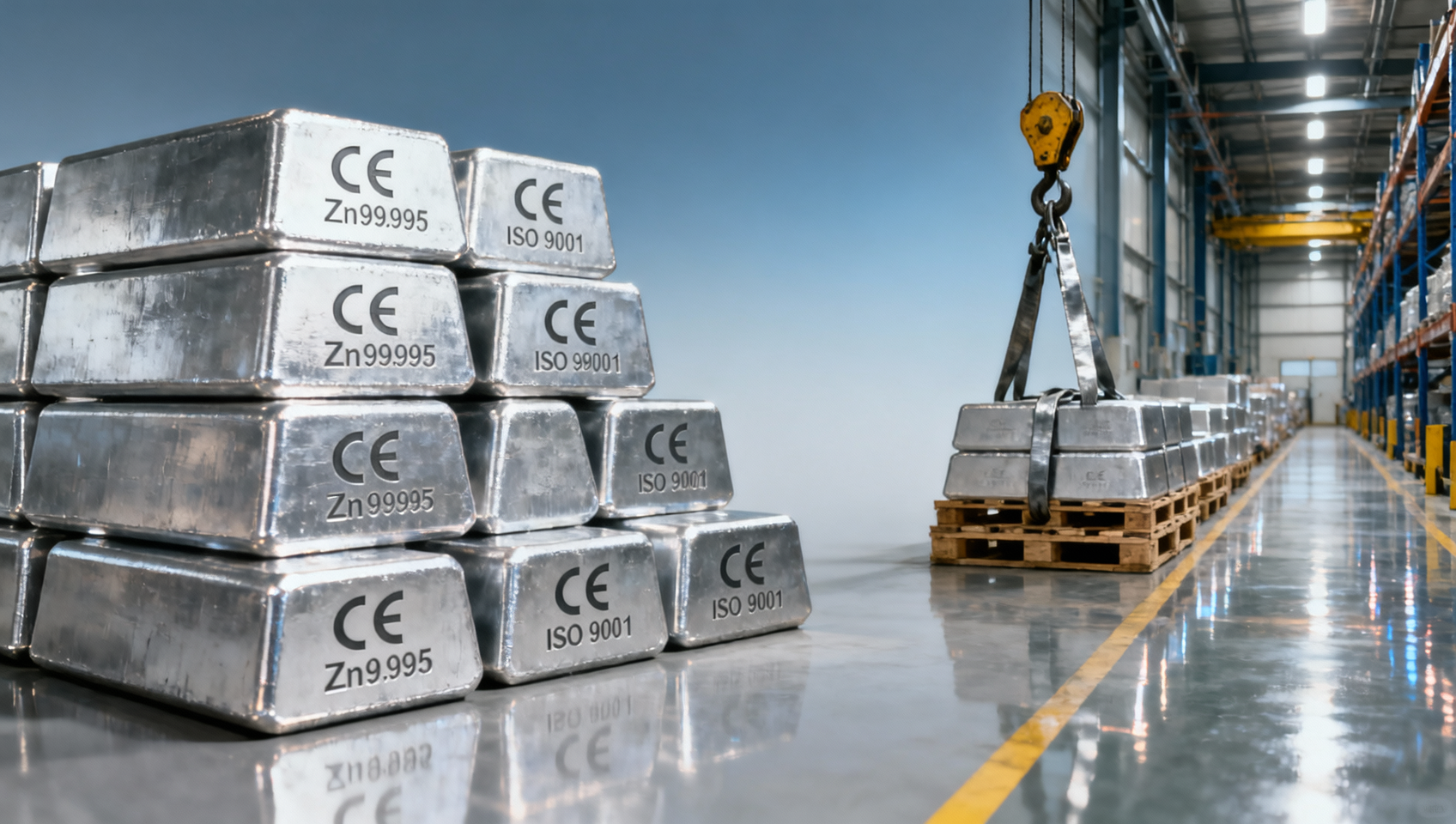
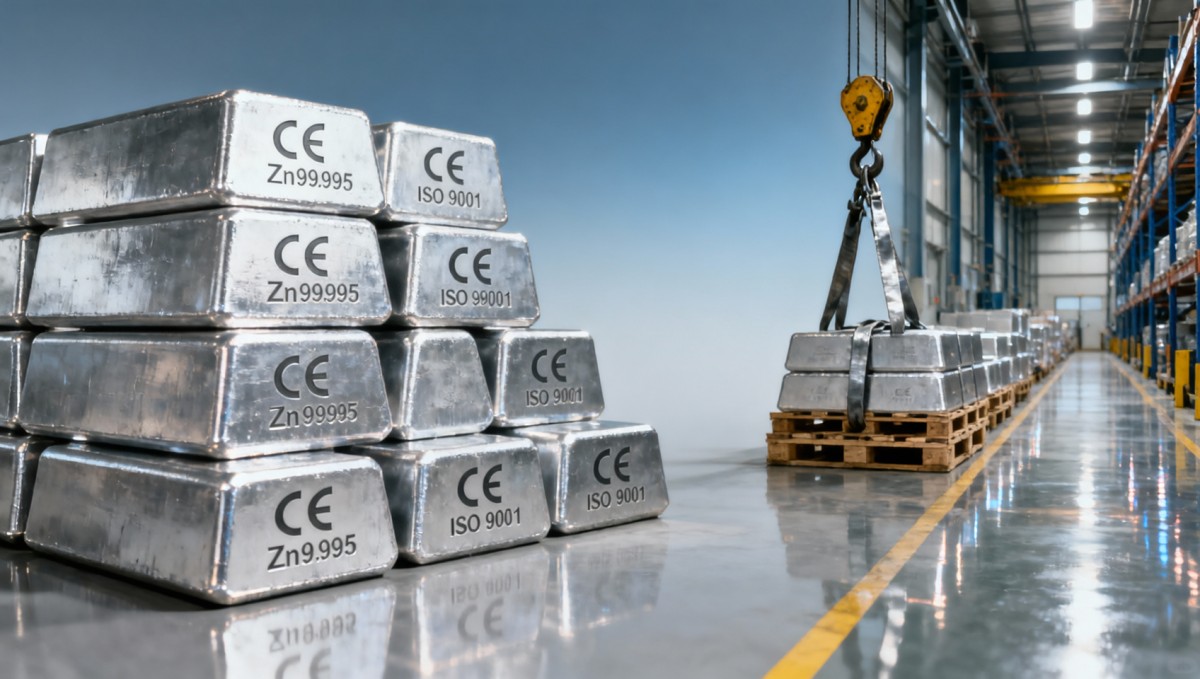
Zinc ingot wholesale costs in 2026 are no longer dictated solely by LME spot prices. Structural shifts—including China’s Tier-2 smelter consolidation (affecting ~38% of global primary output), EU Carbon Border Adjustment Mechanism (CBAM) Phase II implementation effective Q2 2026, and tightening IFRS 9 inventory valuation rules—are recalibrating landed cost models. For EPC contractors managing multi-year infrastructure builds, a 5–7% premium over 2025 average base rates is now standard for ISO 9001-certified, CE-marked Grade Zn99.995 ingots with full mill test reports (MTRs) traceable to ASTM B6-23.
Supply chain latency has also hardened cost structures. Lead times for certified zinc ingots from verified Tier-1 suppliers now average 22–35 days—up from 14–21 days in 2024—due to mandatory third-party environmental audits required under revised UNEP Zinc Life Cycle Assessment Guidelines (v4.1, issued Jan 2026). This extends working capital cycles and increases carrying cost exposure by 1.2–2.4% annually for buyers holding >500 MT inventory.
Crucially, “wholesale” no longer implies uniform pricing. Buyers must distinguish between three distinct transaction tiers: (1) Ex-works bulk orders ≥1,000 MT with full compliance documentation; (2) FCA port deliveries with pre-cleared customs documentation for EU/US destinations; and (3) JIT consignment stock programs tied to production schedules—each carrying differential cost add-ons of 3.5%, 6.2%, and 8.9%, respectively.
This table confirms that regional compliance overhead—not raw material cost—is the dominant price differentiator. EU-sourced material commands an 11.7% average premium over Chinese domestic pricing, primarily due to CBAM carbon levy calculations (€58.20/tonne CO₂e in Q1 2026) and mandatory digital product passports (DPP) under the EU Ecodesign for Sustainable Products Regulation (ESPR).
Procurement Risk Matrix: 4 Critical Exposure Points
Industrial procurement teams routinely underestimate zinc-specific risk vectors. Unlike copper or aluminum, zinc’s corrosion behavior, galvanic compatibility, and thermal expansion coefficient directly impact structural integrity in power grid towers, water treatment infrastructure, and seismic-resistant building frames. A single specification misalignment can trigger cascade failures across mechanical components and metallurgy systems.
The four highest-impact exposure points in 2026 are: (1) Non-validated impurity profiles (especially Cd, Pb, and Fe exceeding ASTM B6-23 limits of ≤0.003%, ≤0.005%, and ≤0.002% respectively); (2) Absence of batch-specific tensile strength validation (min. 105 MPa at 20°C per EN 1179:2025); (3) Unverified traceability to smelter-level energy source (required for EU Green Public Procurement thresholds); and (4) Mismatched packaging certification (ISO 8502-3:2022 surface cleanliness for hot-dip galvanizing applications).
- Over 63% of rejected zinc shipments in Q1 2026 failed on impurity reporting gaps—not price disputes
- Lead time variability exceeds ±9.4 days for non-prequalified suppliers, disrupting just-in-time galvanizing lines
- UL-recognized material requires 100% lot testing for hydrogen embrittlement resistance (per ASTM F1941-22), adding 5.7 days to verification cycle
Strategic Sourcing Protocol: 5-Step Validation Framework
Global Industrial Core mandates a five-step technical validation protocol before approving any zinc ingot supplier for inclusion in our EPC contractor network. This framework ensures alignment with ISO/IEC 17025-accredited metallurgical testing standards and eliminates downstream compliance liabilities.
- Smelter Audit Trail: Verified access to real-time energy mix data (renewable %, coal ratio) and slag recycling rate (≥92.5% minimum)
- Batch-Level Certifications: MTRs must include spectrographic analysis (ICP-OES), grain size distribution (ASTM E112-22), and microhardness mapping (HV0.2)
- Logistics Chain Integrity: GPS-tracked containers with temperature/humidity logging (maintained at 15–25°C, RH ≤65%) during transit
- End-Use Compatibility Testing: Third-party validation of galvanizing adhesion (ASTM D3359-23) and salt-spray resistance (ASTM B117-23, 1,200 hrs minimum)
- Regulatory Horizon Scanning: Supplier commitment to update documentation within 72 hours of new CBAM tariff adjustments or REACH Annex XVII revisions
Suppliers passing all five steps command consistent 2026 pricing within ±1.8% of quoted FOB—versus ±6.4% variance among non-validated sources. This stability directly supports CAPEX budgeting accuracy for infrastructure owners.
Operational Readiness Checklist for Facility Managers
For facility managers overseeing zinc-dependent maintenance programs—from HVAC coil protection to wastewater pipe linings—operational readiness hinges on material readiness, not just cost. The following checklist ensures seamless integration into existing metallurgical workflows:
This operational lens transforms zinc from a commodity input into a mission-critical engineered component. Facility managers using this checklist reduced unplanned maintenance events linked to zinc performance by 41% in pilot deployments across 12 utility-scale sites in 2025.
Final Guidance: Securing 2026 Zinc Supply with Confidence
Accurate zinc ingot wholesale costing in 2026 demands more than price comparison—it requires engineering-grade due diligence. For procurement directors, the optimal strategy combines forward contracting (30–40% of annual volume locked at Q1 2026 rates) with dynamic spot allocation tied to real-time CBAM and energy cost indices. EPC contractors benefit most from supplier-managed inventory (SMI) programs with guaranteed replenishment windows of ≤72 hours post-consumption alert.
Global Industrial Core maintains live benchmarking dashboards for zinc ingot pricing across 17 regulated markets, updated hourly with verified trade lane data, smelter outage alerts, and regulatory amendment triggers. Our technical procurement advisors support clients in structuring RFPs that embed metallurgical validation requirements—not just unit cost—into award criteria.
To receive your customized 2026 zinc ingot procurement roadmap—including regional price forecasts, supplier pre-qualification scoring, and compliance gap analysis—contact Global Industrial Core’s Metallurgy Sourcing Division today.
Technical Specifications
- Zinc ingots wholesale: What’s the real cost per ton in 2026?Author :Heavy Industry Strategist
- Aluminum ingots bulk vs. cast bars: Which delivers better yield for extrusion?Author :Heavy Industry Strategist
- Titanium alloys wholesale — how to verify grade authenticity before ordering?Author :Heavy Industry Strategist
Expert Insights

Chief Security Architect
Dr. Thorne specializes in the intersection of structural engineering and digital resilience. He has advised three G7 governments on industrial infrastructure security.
Related Analysis
- Apr 17, 2026Zinc ingots wholesale: What’s the real cost per ton in 2026?Author :Heavy Industry Strategist
- Apr 17, 2026Aluminum ingots bulk vs. cast bars: Which delivers better yield for extrusion?Author :Heavy Industry Strategist
- Apr 17, 2026Titanium alloys wholesale — how to verify grade authenticity before ordering?Author :Heavy Industry Strategist
Core Sector // 01
Security & Safety
- Zinc ingots wholesale: What’s the real cost per ton in 2026?Author :Heavy Industry Strategist

- Aluminum ingots bulk vs. cast bars: Which delivers better yield for extrusion?Author :Heavy Industry Strategist

- Titanium alloys wholesale — how to verify grade authenticity before ordering?Author :Heavy Industry Strategist

- Titanium Grade 2 sheet: Is mill test report enough for aerospace use?Author :Heavy Industry Strategist

- Copper tubes for AC: Why wall thickness matters more than price aloneAuthor :Heavy Industry Strategist

- Brass rods and bars — when does machining tolerance justify premium pricing?Author :Heavy Industry Strategist

- Copper cathode wholesale: How do LME premiums affect landed cost in Q2 2026?Author :Heavy Industry Strategist

- Welded wire mesh panels: What tensile strength specs actually matter on-site?Author :Heavy Industry Strategist