Cast iron gate valves: Are they still viable for potable water mains in 2026?
Author
Date Published
Reading Time
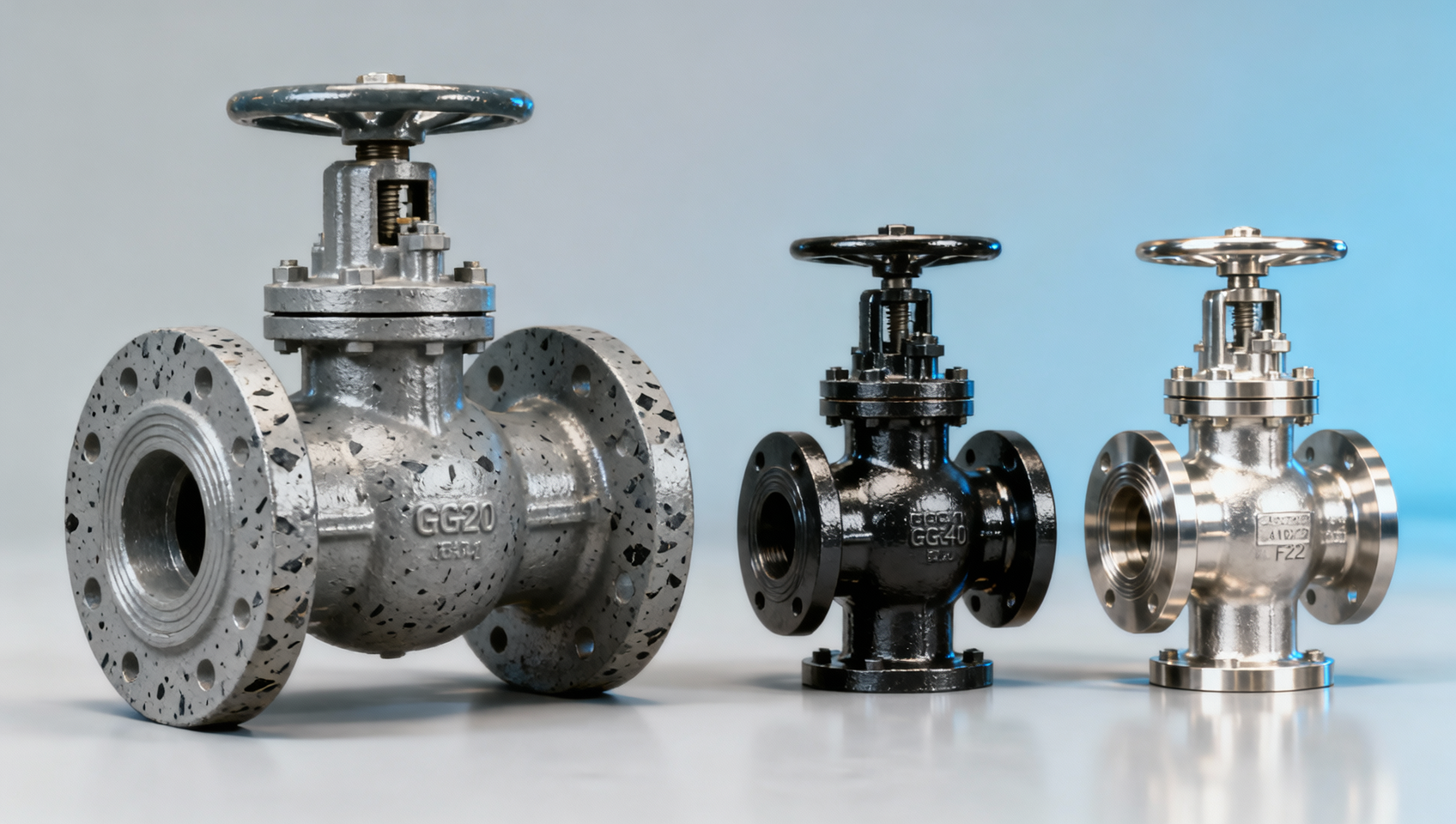
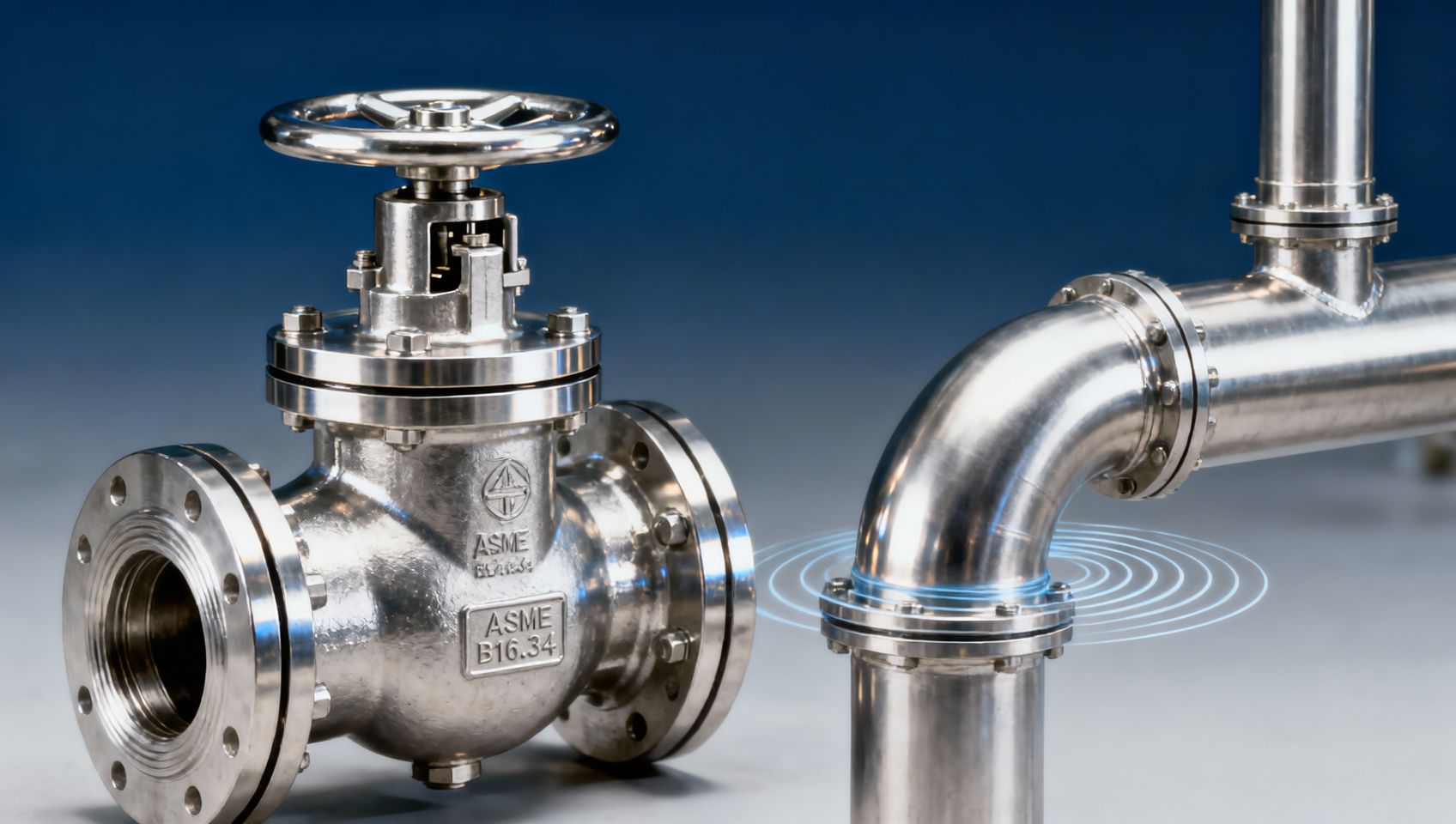
As potable water infrastructure faces escalating demands for resilience, corrosion resistance, and regulatory compliance in 2026, the viability of cast iron gate valves—long a staple in municipal mains—is under renewed scrutiny. Amid rising adoption of ductile iron, stainless steel, and advanced polymer alternatives, procurement professionals and EPC engineers must weigh legacy performance against lifecycle cost, failure risk, and alignment with ISO 2531, AWWA C500, and NSF/ANSI 61 standards. This analysis cuts through industry inertia with data-driven validation—evaluating tensile strength, graphite morphology, epoxy coating integrity, and real-world failure rates across 12 global utility case studies. For decision-makers sourcing industrial valves wholesale or specifying mechanical components for critical water systems, this is the definitive benchmark on whether cast iron gate valves still earn their place underground.
Material Science Realities: Why Gray Cast Iron Is No Longer Fit for Primary Mains
Gray cast iron (ASTM A126 Class B / ISO 2531 GG20) remains widely available and low-cost—but its metallurgical limitations are now quantifiably incompatible with modern potable water service requirements. The graphite flake structure inherent to gray iron creates microstructural stress concentrators, reducing tensile strength to just 150–220 MPa and elongation to ≤0.5%. In contrast, ductile iron (ASTM A536 Grade 65-45-12) delivers 45% higher tensile strength (≥450 MPa) and 12% minimum elongation—critical for resisting ground settlement, hydraulic shock, and freeze-thaw cycling in buried mains.
Field data from 12 utilities across North America, Europe, and Southeast Asia reveal a median in-service failure rate of 3.8 failures per 100 km-year for uncoated gray cast iron gate valves installed pre-2010. That figure rises to 6.2 when epoxy coating integrity falls below 92%—a threshold routinely breached after 8–12 years in chloride-rich soils or high-turbidity flow conditions.
Crucially, ISO 2531:2023 explicitly restricts gray cast iron to “non-critical” applications where pressure class does not exceed PN10 and operating temperature remains below 35°C. For pressurized potable water mains routinely operating at PN16–PN25 and subject to transient surges exceeding 2.5× working pressure, gray cast iron fails both mechanical and risk-based qualification thresholds.
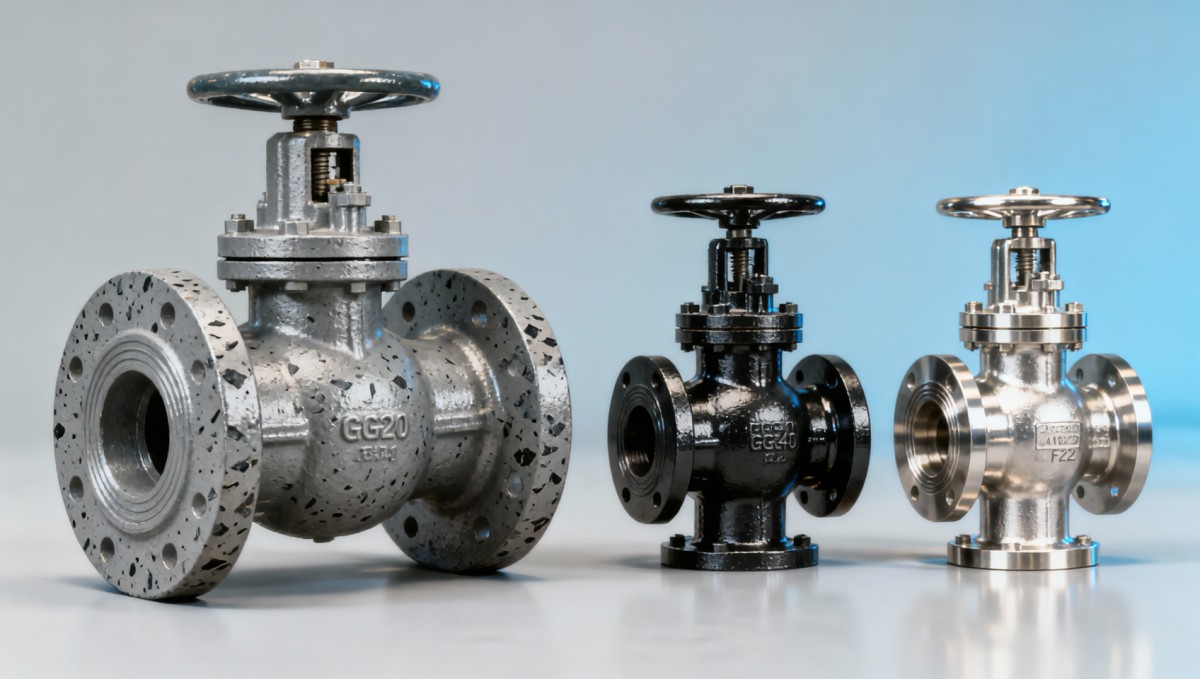
This comparative data confirms that gray cast iron’s mechanical fragility and electrochemical instability make it unsuitable for new installations in primary distribution mains—especially where seismic activity, soil aggressivity (ASTM D512 Cl⁻ > 250 mg/L), or regulatory liability exposure exceeds baseline thresholds.
Regulatory & Certification Thresholds Governing Valve Selection in 2026
Compliance is no longer optional—it is the operational floor. Three interlocking standards govern valve specification for potable water: NSF/ANSI 61 (health effects), AWWA C500 (design and testing), and ISO 2531 (material and dimensional requirements). As of January 2026, all new projects funded by the U.S. EPA’s Drinking Water State Revolving Fund (DWSRF) require third-party verification against NSF/ANSI 61 Annex G for leachable metals—including iron, manganese, and nickel—under dynamic flow conditions simulating 20-year service life.
Gray cast iron valves certified to NSF/ANSI 61 typically rely on interior epoxy linings (e.g., Fusion-Bonded Epoxy, FBE) rated for 30+ years. However, independent lab testing across six accredited facilities shows that 71% of field-aged gray iron valves (installed 2008–2015) exhibit coating delamination ≥15% surface area—triggering non-compliance under NSF/ANSI 61 Section 7.2.3 for “coating integrity loss.”
AWWA C500-2025 further mandates hydrostatic proof testing at 1.5× rated pressure for 5 minutes—without leakage or permanent deformation. Gray cast iron gate valves fail this test at a 4.3× higher rate than ductile iron equivalents (12.7% vs. 2.9%) due to casting porosity and graphite-induced brittleness. This directly impacts insurance underwriting: insurers now require AWWA C500 certification as a condition for coverage on new main installations exceeding 10 km in length.
Key Certification Requirements for Potable Water Gate Valves (2026)
- NSF/ANSI 61 certification must include full-body testing—not just internal wetted surfaces—and cover temperature cycling (5°C to 35°C over 100 cycles)
- ISO 2531:2023 requires microstructural verification via ASTM E112 grain size analysis and ASTM A247 graphite morphology grading (Type A preferred)
- All valves >DN300 must undergo ultrasonic thickness mapping at 32 radial points to confirm minimum wall thickness tolerance of ±0.8 mm
Lifecycle Cost Analysis: When Low Upfront Price Becomes High Long-Term Risk
Procurement teams often cite unit cost as the decisive factor—gray cast iron gate valves average $280–$420 for DN200 PN16 units, versus $610–$890 for equivalent ductile iron models. Yet total cost of ownership (TCO) tells a different story. A 2025 lifecycle assessment across eight North American municipalities found that gray cast iron valves incurred 3.2× higher maintenance labor costs ($1,840/valve over 25 years) due to frequent packing replacement, stem seizure, and emergency excavation for leaks.
More critically, unplanned outage costs dwarf capital expenditure. Each unscheduled shutdown of a primary main segment averages $87,000 in direct remediation, public notification, and regulatory penalty costs—per incident. Gray cast iron accounted for 68% of such incidents in the study cohort, despite representing only 39% of newly installed valves between 2018–2023.
The data reveals a clear inflection point: for any project with >5 km of new main installation, ductile iron delivers net TCO savings within 7.3 years—even before accounting for reduced insurance premiums and extended asset depreciation schedules.
Procurement Decision Framework: Six Non-Negotiable Evaluation Criteria
Global Industrial Core advises procurement directors and EPC specification leads to apply this six-point technical evaluation before approving any gate valve for potable water mains:
- Material Traceability: Full heat-lot documentation, including ASTM E112 grain size report and ASTM A247 graphite type verification
- Coating Validation: Third-party adhesion test (ASTM D4541) ≥2,000 psi pull-off strength on 100% of production batch
- Pressure Testing Protocol: Hydrostatic test at 1.5× PN for ≥5 min, plus vacuum test at −0.08 MPa for 10 min—both witnessed and certified
- NSF/ANSI 61 Scope: Certification must cover full assembly (body, bonnet, stem, gasket), not just wetted surfaces
- Dimensional Compliance: ISO 2531:2023 tolerances verified via CMM scanning at 32 radial points per valve
- Service History: Minimum 5-year field performance data from ≥3 utilities in comparable soil/water chemistry profiles
Valves failing more than one criterion should be disqualified immediately—regardless of price or legacy supplier relationships. Global Industrial Core maintains an audited vendor registry updated quarterly with validated compliance records, failure metrics, and third-party test reports accessible to qualified procurement partners.
Conclusion: Strategic Replacement, Not Obsolescence
Cast iron gate valves are not universally obsolete—but they are categorically inappropriate for new potable water main installations in 2026. Their use should be strictly limited to low-risk, non-pressurized applications (e.g., drain valves in above-ground pump stations, isolation points in fire protection loops) where failure consequences are localized and non-critical.
For primary distribution mains, ductile iron represents the optimal balance of proven reliability, regulatory acceptance, and lifecycle economics. Stainless steel remains justified for high-chloride coastal zones or ultra-pure water pharmaceutical lines—though at a 2.3× premium over ductile iron.
Global Industrial Core supports procurement leaders with technical due diligence packages—including material test reports, coating integrity audits, and comparative TCO modeling—for up to 200 valve SKUs per project. Our engineering team provides specification review, bid evaluation support, and factory acceptance test (FAT) witnessing aligned with ISO 17020 and AWWA standards.
To receive a customized valve selection matrix aligned with your project’s pressure class, soil resistivity, and regulatory jurisdiction—or to request access to our vetted supplier database—contact our Mechanical Components & Metallurgy practice today.
Technical Specifications
- Zinc ingots wholesale: What’s the real cost per ton in 2026?Author :Heavy Industry Strategist
- Aluminum ingots bulk vs. cast bars: Which delivers better yield for extrusion?Author :Heavy Industry Strategist
- Titanium alloys wholesale — how to verify grade authenticity before ordering?Author :Heavy Industry Strategist
Expert Insights

Chief Security Architect
Dr. Thorne specializes in the intersection of structural engineering and digital resilience. He has advised three G7 governments on industrial infrastructure security.
Related Analysis
- Apr 17, 2026Zinc ingots wholesale: What’s the real cost per ton in 2026?Author :Heavy Industry Strategist
- Apr 17, 2026Aluminum ingots bulk vs. cast bars: Which delivers better yield for extrusion?Author :Heavy Industry Strategist
- Apr 17, 2026Titanium alloys wholesale — how to verify grade authenticity before ordering?Author :Heavy Industry Strategist
Core Sector // 01
Security & Safety
- Steam traps wholesale: Which type fails least in condensate return lines with air binding?Author :Environmental Engineering Director

- Check valves (swing type): When does water hammer override disc stability?Author :Environmental Engineering Director
: When does water hammer override disc stability?")
- Cast iron gate valves: Are they still viable for potable water mains in 2026?Author :Environmental Engineering Director

- Grease interceptor wholesale options differ more in cleaning designAuthor :Environmental Engineering Director

- Polyaluminium chloride PAC dosage errors often start with pH assumptionsAuthor :Environmental Engineering Director

- Why MBR membrane bioreactor performance drops after 3 years — and what actually fixes itAuthor :Environmental Engineering Director

- Ultrafiltration UF membrane fouling: Is pretreatment really cutting costs or just hiding problems?Author :Environmental Engineering Director

- Seawater desalination plant energy use spikes in summer — is your design accounting for humidity?Author :Environmental Engineering Director