Centrifugal water pumps lose efficiency for reasons not shown on the curve
Author
Date Published
Reading Time
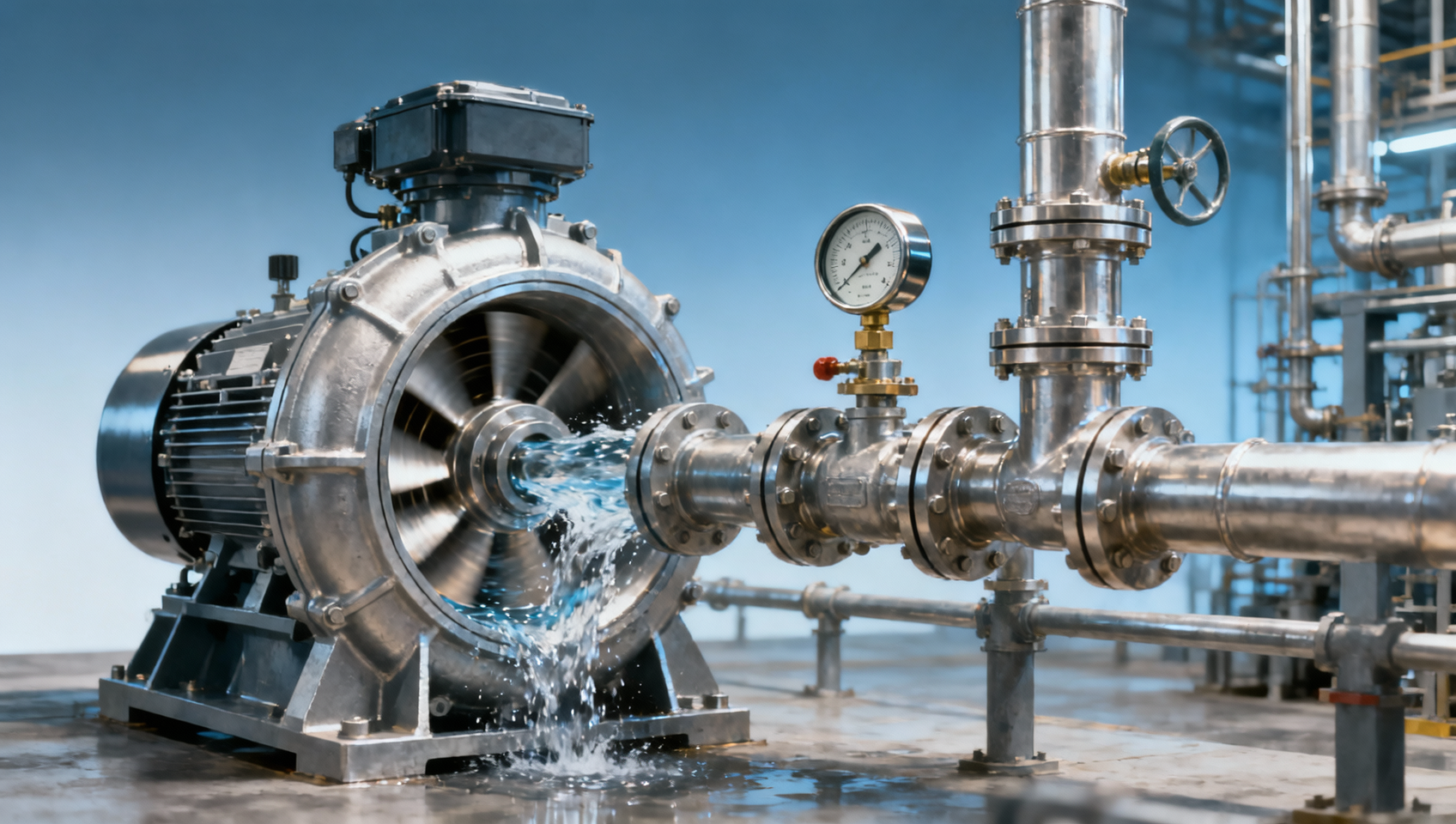
Even when the performance curve looks acceptable, centrifugal water pumps can quietly lose efficiency due to off-design operation, hidden system resistance, seal wear, impeller damage, fluid property changes, and poor maintenance practices. For engineers, operators, and buyers comparing submersible sewage pumps, ring blower manufacturer options, or industrial water softeners, understanding these unseen loss factors is essential to reducing energy waste, preventing downtime, and making smarter equipment decisions.
In industrial water handling, pump efficiency is rarely determined by the catalog curve alone. Real systems introduce variable pipe friction, unstable suction conditions, solids loading, valve throttling, and maintenance gaps that gradually move the pump away from its best efficiency point. For facility teams, EPC contractors, and procurement managers, these hidden losses directly affect power consumption, spare part demand, process stability, and lifecycle cost.
This article explains why centrifugal water pumps lose efficiency for reasons not shown on the curve, how those losses appear in daily operation, what data to check before replacing equipment, and which selection and maintenance practices reduce avoidable waste. The goal is practical decision support for researchers, operators, buyers, and business leaders managing industrial pumping assets.
Why the Pump Curve Does Not Tell the Full Operating Story
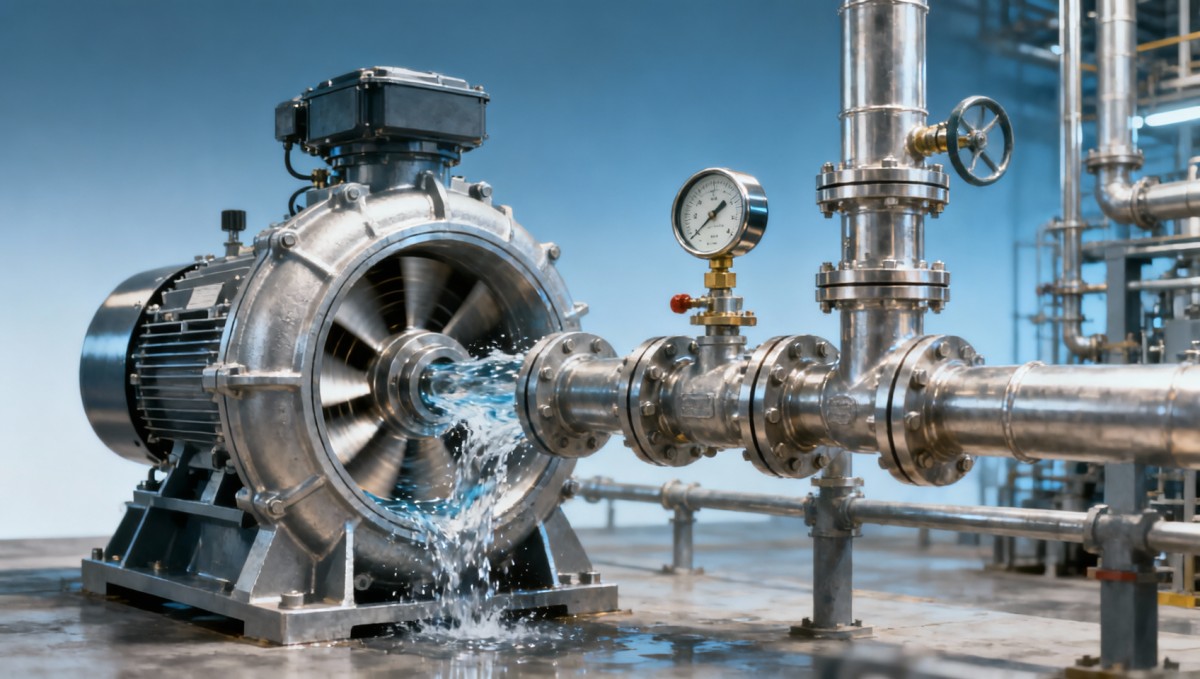
A standard centrifugal pump curve is developed under controlled test conditions. It usually assumes clean water, a defined speed such as 1,450 rpm or 2,900 rpm, stable suction head, and a known piping layout. In a live plant, however, the system rarely stays that stable for 12 months. Minor changes in elevation, temperature, fittings, and fluid contamination can shift duty conditions enough to create a measurable drop in hydraulic efficiency.
One common issue is operation away from the best efficiency point, often abbreviated as BEP. Many centrifugal water pumps perform best within roughly 80% to 110% of BEP flow. Once the pump is forced to run far left or right of that band, recirculation, vibration, and heat rise quickly. A pump that still appears acceptable on paper may consume 8% to 20% more energy in the field if the system curve has changed.
Another hidden factor is system resistance that was not included during early selection. Added elbows, strainers, partially clogged lines, aging check valves, and scaling in heat exchangers all increase friction loss. Even a pipe roughness change of a few percent across a long run can move the duty point enough to reduce output or pressure stability. For wastewater and process service, solids or sludge accumulation can make the loss even more severe within 3 to 6 months.
Test curves also do not show what happens when suction conditions deteriorate. If available NPSH margin shrinks because the liquid level drops, temperature increases, or suction piping becomes restrictive, incipient cavitation can begin before operators recognize a problem. The result is often a combination of lower flow, noisier operation, and progressive impeller damage that is not obvious from the original datasheet.
Field Conditions That Commonly Distort Performance
- Pipe modifications after commissioning, such as 2 to 5 extra fittings or a smaller branch section.
- Valve throttling used as a quick control method instead of speed control.
- Liquid temperature changes from 20°C to 45°C, affecting viscosity and suction behavior.
- Solids, fibers, or scale deposits that increase hydraulic drag inside the pump or piping.
- Intermittent low-tank level conditions that reduce suction head during peak demand.
A practical reading of the curve
For buyers and decision-makers, the curve should be treated as a starting reference, not a guarantee of site efficiency. The more variable the process, the more important it becomes to review the full system curve, expected duty range, maintenance accessibility, and likely fluid changes over time. This is especially relevant when comparing centrifugal pumps with submersible sewage pumps or pumps used upstream of industrial water softeners, where real operating conditions can differ significantly from clean-water test assumptions.
Hidden Mechanical and Hydraulic Losses Inside the Pump
Efficiency loss is often caused by wear mechanisms that develop gradually and remain invisible until energy bills rise or process capacity falls. Mechanical seals, wear rings, bearings, shaft sleeves, and impellers all influence how effectively hydraulic power is converted into useful flow and head. A small internal clearance increase may seem minor, but in continuous-duty operation it can create significant recirculation losses over 4,000 to 8,000 annual running hours.
Impeller wear is one of the most overlooked issues. In water that contains sand, corrosion products, or fine solids, the vane profile can erode slowly. As the impeller diameter and vane geometry change, head generation falls and turbulence rises. In some industrial services, a few millimeters of wear can lead to a noticeable reduction in pump output, especially when the system already has little pressure margin.
Seal degradation also affects efficiency indirectly. When seals wear, leakage increases, contamination may reach bearings, and shaft alignment quality can decline. Bearings operating under poor lubrication or misalignment increase friction losses, often showing up as elevated temperature, noise, and power draw before catastrophic failure occurs. What looks like a motor issue can actually begin as a hydraulic or sealing problem inside the pump assembly.
In wastewater applications, ragging and partial blockage deserve special attention. A submersible sewage pump may still rotate at rated speed while suffering a substantial drop in hydraulic performance because fibers or debris are wrapped around the impeller. This hidden loss is common in municipal and industrial effluent systems where screening discipline is inconsistent.
Typical internal loss mechanisms and field signals
The table below helps maintenance teams connect symptoms with likely root causes and recommended action timing.
The key point is that internal wear rarely creates a single dramatic event at first. Instead, it produces a slow drift in performance. Plants that track flow, power, vibration, and maintenance history monthly are far more likely to detect a 5% to 10% efficiency decline before it becomes an outage.
System-Level Causes Buyers and Operators Often Miss
In many facilities, the pump is blamed for problems caused by the surrounding system. Undersized suction piping, clogged strainers, excessive elevation change, poor valve selection, and frequent start-stop cycles all create operating penalties. A centrifugal water pump selected correctly for one duty can become inefficient after a line expansion, process reroute, or seasonal demand shift.
Control strategy matters as much as equipment design. Throttling a discharge valve to force a pump into the desired operating point is simple, but it wastes energy as differential pressure is burned off across the valve. In contrast, a variable frequency drive can often reduce power draw significantly at part-load conditions because centrifugal pump power changes approximately with the cube of speed. Even a modest speed reduction of 15% can create a noticeable energy benefit in suitable applications.
Fluid property changes also deserve careful attention. The original curve may be based on clean water at standard temperature, but many industrial systems handle softened water, hot condensate, chemically treated process water, or solids-bearing wastewater. As viscosity, density, gas content, or temperature change, the pump’s real efficiency profile changes as well. This is especially relevant when systems are integrated with industrial water softeners, dosing skids, or aeration equipment supplied by a ring blower manufacturer.
Parallel pump operation introduces another field challenge. If two pumps are installed but system demand fluctuates widely, one unit may run too far from BEP while the other short-cycles. Without proper control logic, wear and energy costs increase across both machines, even though the original installation seemed redundant and robust.
System issues that change pump efficiency over time
The following comparison shows how common system conditions influence hydraulic performance and operating cost.
For purchasing teams, the lesson is clear: asking only for rated flow and head is not enough. A more reliable RFQ should include fluid description, operating temperature range, solids content, daily runtime, control method, suction conditions, and expected seasonal variation. These 6 to 8 data points usually reveal whether a quoted pump will remain efficient beyond the first commissioning period.
How to Diagnose Efficiency Loss Before Replacing the Pump
Replacing a centrifugal water pump too early can waste capital, but delaying action can raise energy cost and risk production interruption. The best approach is a structured diagnostic review. In many plants, a 3-step assessment covering hydraulic performance, mechanical condition, and system resistance identifies whether the problem is in the pump, the piping, or the control philosophy.
Start with basic operating data. Measure actual flow, suction pressure, discharge pressure, motor current, vibration, and temperature under at least 2 to 3 load conditions. Compare this data with the original duty point and with recent maintenance records. If power rises while delivered flow falls, internal wear or hidden system restriction is likely. If flow and power both drop, suction limitation or control issues may be responsible.
Next, inspect the pump physically during planned downtime. Check impeller condition, wear ring clearance, seal leakage, shaft alignment, coupling state, and bearing lubrication. For wastewater or sludge-handling services, inspect for fibrous wrapping or partial blockage. These steps are often more cost-effective than immediate replacement, especially when the pump casing and motor remain in acceptable condition.
Finally, review the broader process. Has the plant added 50 meters of pipeline, introduced a heat exchanger, changed water treatment chemistry, or adjusted operating hours from 8 to 20 per day? These changes can shift the required duty point enough that a once-correct pump is no longer the right fit for the current process.
A practical diagnostic checklist
- Record flow, head, power, vibration, and fluid temperature during normal and peak demand periods.
- Confirm whether the pump is operating within the preferred 80% to 110% BEP flow band.
- Inspect suction line condition, strainer cleanliness, tank level behavior, and possible air ingress points.
- Check internal wear items and compare clearances with service recommendations.
- Review whether control by throttling should be replaced by variable speed or staged pump operation.
When replacement is justified
Replacement becomes more attractive when the pump has repeated seal or bearing failures, casing or impeller damage is extensive, spare parts are difficult to source, or the process duty has permanently changed. If a unit runs more than 6,000 hours per year, even a moderate efficiency gain can justify a new pump over a reasonable payback period. Buyers should evaluate total installed cost, projected power savings, maintenance burden, and process reliability rather than purchase price alone.
Selection and Procurement Strategies That Reduce Hidden Losses
Procurement decisions have a direct influence on long-term pump efficiency. The lowest quoted unit may have acceptable nominal performance, but if material selection, impeller trimming, seal configuration, or service access are poorly matched to the application, lifecycle cost rises quickly. This is especially true in sectors where water quality changes over time or where downtime carries a high production penalty.
A strong sourcing process should evaluate at least 4 dimensions: hydraulic fit, material durability, maintainability, and system compatibility. Hydraulic fit means the selected pump should operate near BEP across the expected duty range, not just at one design point. Material durability includes resistance to corrosion, erosion, and scaling. Maintainability covers seal replacement time, spare part availability, and inspection access. System compatibility includes power supply, control method, piping layout, and integration with related assets such as industrial water softeners, filters, or blower-assisted treatment systems.
For EPC contractors and industrial buyers, technical clarification before award can prevent expensive correction later. Ask suppliers for expected efficiency at your actual operating range, not only at catalog duty. Request recommended minimum flow, preferred maintenance interval, wear part list, and guidance for variable-speed operation if relevant. In many cases, these details matter more than a small difference in initial purchase price.
Service support should also be part of the buying decision. A pump with a 2-week faster spare part response or a simpler seal replacement procedure may save more money over 3 years than a cheaper unit with slower support. Industrial procurement is not only about capex; it is about protecting uptime and operational certainty.
Key procurement criteria for centrifugal water pumps
Use the table below when comparing bids or preparing a technical-commercial evaluation sheet.
This framework is valuable not only for new purchases but also for retrofit planning. When pumps, submersible sewage pumps, blowers, and water treatment equipment are selected as part of one system rather than as isolated items, plants usually gain more stable pressure, lower energy intensity, and fewer corrective interventions.
Maintenance, Monitoring, and FAQ for Long-Term Efficiency
The most reliable way to protect centrifugal water pump efficiency is not a single repair but a repeatable maintenance and monitoring routine. Plants that inspect monthly, trend data quarterly, and plan targeted shutdown work annually tend to catch small issues before they become expensive losses. This approach is practical for both standalone process pumps and integrated systems connected to sewage lifting, aeration, filtration, or softened water distribution.
A basic monitoring program should include power consumption per unit of flow, vibration trend, bearing temperature, seal condition, and suction-discharge pressure difference. Even in facilities without advanced digital systems, a manual log taken once per week can reveal performance drift early. If flow per kilowatt falls steadily over 8 to 12 weeks, the pump should be inspected before the next production-critical cycle.
Maintenance intervals should reflect service severity. Clean-water duties may allow inspection every 6 to 12 months, while abrasive or solids-bearing services may require checks every 1 to 3 months. Operators should also confirm that standby pumps are rotated regularly; otherwise, a reserve unit may fail to start when needed most.
For management teams, the business case is straightforward. Better maintenance discipline lowers unplanned downtime, reduces excess energy use, and improves confidence in procurement planning. Instead of reacting to pump failures, organizations can budget repairs, parts, and upgrades with greater accuracy.
FAQ: How do I know if efficiency loss is due to the pump or the system?
If the pump shows mechanical wear, leakage, high vibration, or falling head at constant speed, the problem may be internal. If the pump is mechanically sound but discharge pressure rises, suction conditions worsen, or downstream resistance has increased, the system is more likely responsible. A combined review of flow, pressure, power, and inspection data gives the clearest answer.
FAQ: Is operating off the curve always a serious problem?
Not always, but persistent operation far from BEP usually increases hydraulic instability, wear, and energy consumption. Short occasional deviations may be manageable, but continuous duty beyond the preferred flow band should trigger review of control logic or pump sizing.
FAQ: How often should industrial pumps be performance-checked?
For critical service, monthly trending and quarterly review are sensible starting points. For less severe duty, quarterly trending may be enough. Any pump operating more than 16 hours per day, handling abrasive water, or supporting a bottleneck process deserves more frequent checks.
FAQ: What should buyers request from suppliers before purchase?
Request the full performance curve, preferred operating range, minimum continuous stable flow, NPSH requirements, material and seal recommendation, spare part list, and maintenance guidance. If the system includes wastewater, blower support, or water treatment equipment, provide those conditions in the RFQ so the pump is evaluated in a realistic process context.
Centrifugal water pumps lose efficiency for many reasons that never appear directly on the curve: changing system resistance, off-design operation, wear, cavitation, fluid variation, and weak maintenance routines. For industrial researchers, operators, buyers, and decision-makers, the most effective response is a combination of better data, better diagnosis, and better procurement discipline. If you are reviewing pump performance, planning a retrofit, or sourcing related equipment for wastewater, air handling, or treated water systems, contact Global Industrial Core to discuss technical selection details, compare solution paths, and obtain a more application-specific sourcing strategy.
Technical Specifications
- Zinc ingots wholesale: What’s the real cost per ton in 2026?Author :Heavy Industry Strategist
- Aluminum ingots bulk vs. cast bars: Which delivers better yield for extrusion?Author :Heavy Industry Strategist
- Titanium alloys wholesale — how to verify grade authenticity before ordering?Author :Heavy Industry Strategist
Expert Insights

Chief Security Architect
Dr. Thorne specializes in the intersection of structural engineering and digital resilience. He has advised three G7 governments on industrial infrastructure security.
Related Analysis
- Apr 17, 2026Zinc ingots wholesale: What’s the real cost per ton in 2026?Author :Heavy Industry Strategist
- Apr 17, 2026Aluminum ingots bulk vs. cast bars: Which delivers better yield for extrusion?Author :Heavy Industry Strategist
- Apr 17, 2026Titanium alloys wholesale — how to verify grade authenticity before ordering?Author :Heavy Industry Strategist
Core Sector // 01
Security & Safety
- Steam traps wholesale: Which type fails least in condensate return lines with air binding?Author :Environmental Engineering Director

- Check valves (swing type): When does water hammer override disc stability?Author :Environmental Engineering Director
: When does water hammer override disc stability?")
- Cast iron gate valves: Are they still viable for potable water mains in 2026?Author :Environmental Engineering Director

- Grease interceptor wholesale options differ more in cleaning designAuthor :Environmental Engineering Director

- Polyaluminium chloride PAC dosage errors often start with pH assumptionsAuthor :Environmental Engineering Director

- Polyacrylamide PAM wholesale grades are harder to compare than they lookAuthor :Environmental Engineering Director

- Wastewater treatment chemicals that cut sludge cost are not always cheaperAuthor :Environmental Engineering Director

- Pure water bottling machine downtime often starts in the rinsing sectionAuthor :Environmental Engineering Director