Mechanical bar screen spacing affects more than just capture rate
Author
Date Published
Reading Time
Mechanical bar screen spacing directly shapes downstream efficiency, maintenance load, and compliance outcomes—not just solids capture. For engineers, operators, and procurement teams comparing a mechanical bar screen with options like a twin shaft shredder machine, solid waste shredder, or wastewater treatment chemicals, spacing decisions influence pump protection, sludge handling, and total lifecycle cost. Understanding these trade-offs is essential for building reliable, resilient treatment systems.
In municipal and industrial water lines, the gap between bars is often treated as a simple screening specification. In practice, it affects at least 4 critical layers of plant performance: hydraulic stability, downstream equipment wear, solids conditioning, and operator workload. A 3 mm, 6 mm, or 15 mm spacing can lead to very different outcomes even when flow rate and channel dimensions remain similar.
For B2B buyers and decision-makers, this is not a minor design detail. Bar spacing influences capital selection, spare parts demand, cleaning frequency, odor control pressure, and whether additional equipment such as grinders, shredders, compactors, or chemical dosing systems becomes necessary. The right choice depends on influent characteristics, compliance targets, and total cost over 5–15 years of operation.
Why bar screen spacing matters beyond solids capture
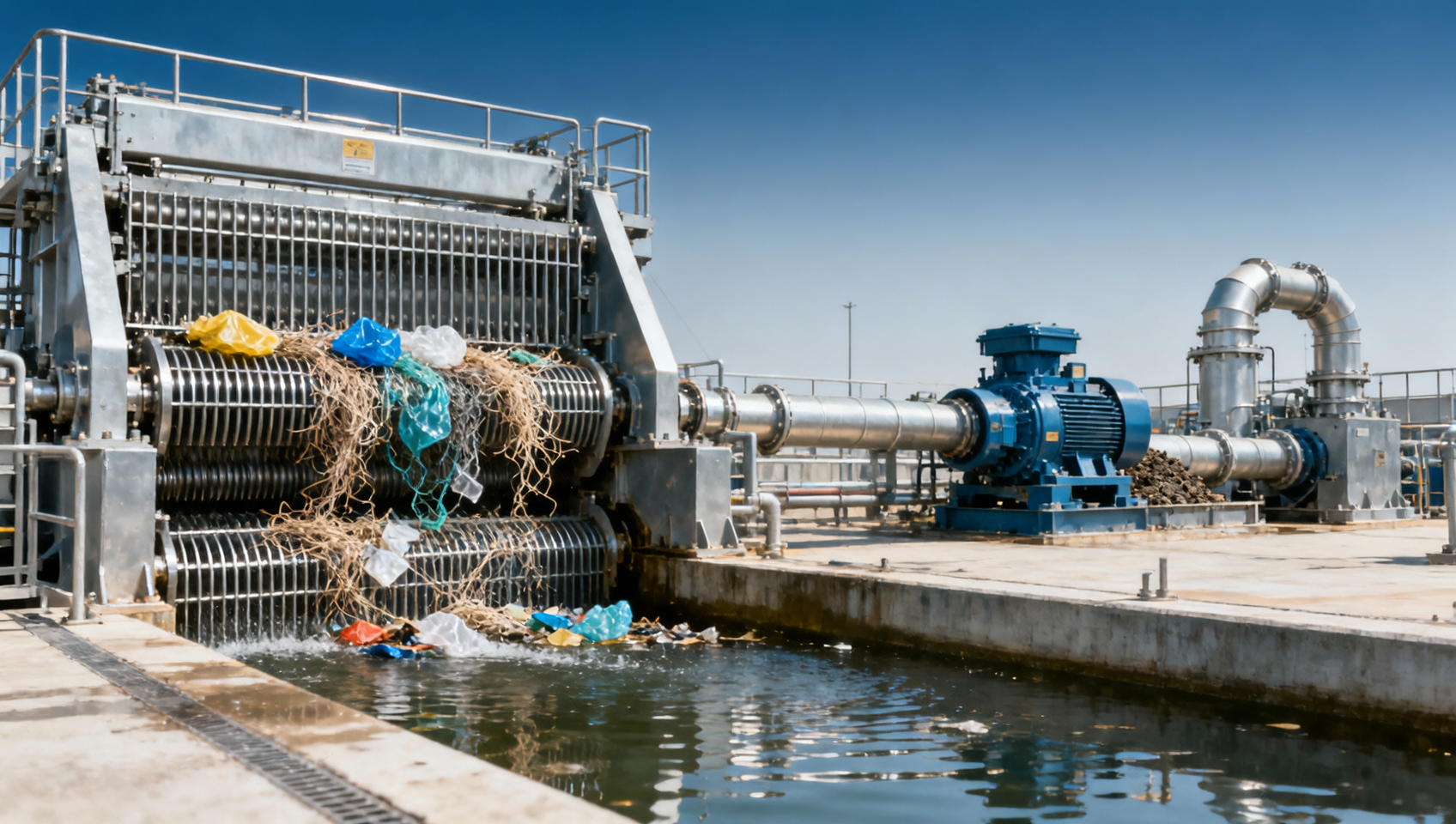
A mechanical bar screen is designed to intercept rags, plastics, fibers, wipes, and coarse suspended debris before these materials damage pumps or disrupt downstream treatment. However, spacing is not only about how much material is caught. It determines screening headloss, approach velocity, screenings volume, and the risk of bypass during peak flow events such as storm inflow or batch discharge.
In many facilities, spacing falls into broad practical ranges: coarse screening at 15–50 mm, medium screening at 6–15 mm, and fine mechanical screening at roughly 3–6 mm. Narrower gaps typically improve protection for pumps, mixers, and diffusers, but they also increase captured solids volume and can raise cleaning demand by 20%–40% depending on influent composition and screen type.
Operators often see the first consequences in the wet well and pump station. If spacing is too wide, long fibers and wipes may pass through and wrap around impellers. If spacing is too narrow without adequate cleaning mechanisms, screenings can blind the bars, increase upstream water level, and trigger alarms. In both cases, the plant pays through higher maintenance hours, more callouts, or process instability.
For procurement teams, the more useful question is not “Which spacing captures more?” but “Which spacing reduces total operational risk for this influent profile?” A food processing plant with fibrous waste, a municipal lift station handling flushables, and an industrial pretreatment line with packaging debris will require different screening logic even at similar daily flow volumes.
Core plant impacts linked to spacing
- Hydraulic performance: narrower spacing can increase headloss if rake cleaning frequency, spray washing, or bypass design is inadequate.
- Equipment protection: wider spacing may allow ropes, plastics, and wipes to reach pumps, grinders, and downstream clarifier skimmers.
- Screenings handling: tighter spacing usually increases the mass and moisture content of collected solids, affecting conveyors and compactors.
- Compliance risk: uncontrolled solids carryover may impair sludge treatment, raise odor events, or reduce treatment reliability during peak loading.
Typical spacing ranges and where each option fits
Selecting spacing should start with the application, not with the catalog. Municipal headworks, industrial intake protection, food and beverage pretreatment, and combined sewer overflow facilities all face different solids profiles. The same 10 mm opening can be conservative in one plant and inadequate in another. Screening selection should therefore be tied to debris type, peak flow factor, and sensitivity of downstream assets.
The table below summarizes common spacing bands and practical fit. These are not rigid rules, but they provide a reliable planning framework for engineers and sourcing teams comparing a mechanical bar screen with shredding or chemical support measures.
A useful conclusion from this comparison is that “smaller” is not automatically “better.” A 3–6 mm screen may reduce downstream fouling, but if screenings handling is undersized or channel hydraulics are poorly managed, the plant can shift the problem upstream. On the other hand, a 20 mm screen may look easier to operate but expose pumps and valves to repeated ragging incidents.
When to consider a shredder or chemical support instead of tighter spacing
Some facilities compare a mechanical bar screen with a twin shaft shredder machine or solid waste shredder when inlet solids are bulky, stringy, or highly variable. Shredding can reduce manual screenings handling and preserve hydraulic flow, but it does not remove solids from the stream. That means downstream sludge volume, wear, and separation load may still increase.
Wastewater treatment chemicals can help downstream clarification, odor control, or dewatering, yet chemicals cannot replace physical removal of wipes, plastics, and fibrous debris. In most treatment trains, chemicals solve a different problem. Screening protects equipment first; chemicals optimize process performance later.
Practical selection logic
- Start with the debris profile: rigid solids, flexible wipes, fibers, grease-laden matter, or packaging scraps.
- Define the most sensitive downstream asset: pump, aeration system, membrane, digester feed, or dewatering unit.
- Check peak hydraulic conditions, commonly 1.5–3.0 times average dry weather flow in municipal systems.
- Match spacing with screenings handling capacity, not capture rate alone.
How spacing changes maintenance, energy use, and lifecycle cost
Many buyers focus on purchase price, yet operating cost often becomes more significant within 24–36 months. Bar spacing affects rake travel frequency, wash water use, compactor duty, and labor exposure. A tighter mechanical bar screen may reduce pump failures, but it can also increase screenings discharge volume per day and require more frequent inspection of chains, sprockets, or combs.
Energy impact is usually indirect but real. As blinding increases, upstream level rises and cleaning systems cycle more often. In some channels, poor spacing selection may cause elevated headloss that forces pumping systems to work harder or triggers bypass management actions. Even a modest increase in differential head can affect plant stability over a long operating cycle.
Lifecycle cost should therefore include at least 6 variables: screen acquisition cost, installation complexity, screenings transport and disposal, maintenance hours, spare parts use, and avoided downtime in downstream equipment. For sites with difficult access or 24/7 duty, the cost of one unplanned pump ragging event can outweigh the apparent savings from a less suitable spacing choice.
The matrix below helps compare spacing decisions from an ownership perspective rather than a narrow equipment perspective.
The key takeaway is that spacing changes where cost appears. Wider gaps may save on screenings handling but shift cost to pumps and emergency maintenance. Narrower gaps may improve protection but require stronger support systems for cleaning and disposal. Good procurement practice weighs both CAPEX and OPEX over a realistic service window of 5, 10, or 15 years.
Common hidden costs that procurement teams miss
- Extra labor for manual raking during abnormal debris loads or wet weather peaks.
- Premature wear in downstream pumps due to bypassed stringy materials.
- Higher disposal charges when screenings moisture content is poorly managed.
- Spare parts lead times of 2–8 weeks for imported chains, bearings, or comb elements.
Selection criteria for engineers, operators, and industrial buyers
A reliable selection process combines hydraulic design, solids characterization, operational capability, and procurement discipline. Engineers should begin with channel dimensions, flow profile, and allowable headloss. Operators should validate real debris conditions across at least 2 operating scenarios: average daily flow and peak event loading. Buyers should then compare materials, drive arrangement, cleaning mechanism, and service support.
Material choice also matters. In corrosive or saline environments, stainless steel components are often preferred for screen bars, fasteners, and wetted assemblies. In abrasive service, wear resistance and seal integrity become more important than nominal opening alone. For outdoor installations, buyers should also assess freeze risk, wash water reliability, and enclosure requirements.
Procurement teams should request at least 5 categories of data from suppliers: recommended spacing range, design flow envelope, cleaning method, maintenance intervals, and spare parts availability. If the proposed screen is positioned against a twin shaft shredder machine or other inlet equipment, the comparison should include downstream solids burden rather than only inlet footprint or motor power.
A practical specification checklist
- Bar spacing in mm and the influent conditions assumed for that recommendation.
- Design flow, peak flow, and acceptable upstream level rise before cleaning activation.
- Cleaning mode: continuous, intermittent, or differential-level triggered.
- Screenings discharge arrangement, compaction option, and wash water demand.
- Access requirements for service, including chain tensioning, bearing replacement, and safe isolation.
- Expected maintenance frequency, such as weekly inspection, monthly lubrication, and annual overhaul checks.
Questions decision-makers should ask before issuing an RFQ
First, what failure is the plant trying to prevent: pump clogging, downstream solids overload, odor complaints, or compliance instability? Second, does the facility have the staffing and screenings handling capacity to support finer spacing? Third, are spare parts stocked regionally, or will the plant face 30–60 day downtime risk for critical components? These questions often reveal whether a lower-price option is actually higher risk.
For enterprise buyers managing multiple sites, standardization may be desirable, but spacing should not be copied blindly between plants. Two facilities with similar flow may have very different solids characteristics due to consumer behavior, industrial discharge, seasonal load, or upstream pumping configuration. Local operating evidence should always override generic standardization.
Implementation risks, common mistakes, and operational best practices
The most common mistake is choosing spacing based only on desired capture performance while ignoring screenings handling and maintenance infrastructure. Plants that upgrade from coarse to finer screening without improving conveyors, compactors, or dumpster logistics often create a new bottleneck. This is especially true where screenings volume can rise sharply during seasonal peaks or storm events.
Another frequent issue is comparing a mechanical bar screen directly with a solid waste shredder as if they solve the same problem. They do not. Screens remove solids from the channel; shredders reduce particle size and keep material in the stream. In some systems, both technologies can coexist, but their placement and purpose must be clearly defined during design review.
Commissioning discipline also matters. Plants should confirm rake timing, alarm thresholds, bypass logic, wash water operation, and safe lockout procedures before full service. A 3-step startup protocol is often effective: dry mechanical testing, wet flow verification at low load, and monitored operation under peak or simulated high-solids conditions. Skipping these steps raises the risk of nuisance trips and premature wear.
Best practice is to review screen performance after the first 30, 90, and 180 days. These checkpoints help verify whether selected spacing is producing the intended balance between capture, maintenance effort, and downstream protection. If ragging persists or screenings overload becomes excessive, adjustment may involve more than spacing alone; cleaning frequency, spray wash, screenings compaction, or upstream operational changes may be required.
FAQ for planning and procurement
How do I choose between 6 mm and 15 mm spacing?
Choose based on downstream sensitivity and solids profile. If pumps, membranes, or fine process equipment are vulnerable to wipes and fibers, 6 mm may be justified. If the main goal is intercepting bulky debris with lower maintenance load, 15 mm may be sufficient. The final decision should be checked against peak flow and screenings handling capacity.
Is tighter spacing always better for compliance?
Not always. Better solids interception can support stable downstream treatment, but over-tight spacing without proper cleaning can create headloss, bypass risk, or maintenance failure. Compliance depends on the full treatment train, not the screen alone.
When should a twin shaft shredder machine be considered?
It is usually considered when uninterrupted hydraulic passage is critical and bulky solids frequently appear, especially where manual screenings handling is undesirable. However, because shredders keep material in the wastewater stream, they should be evaluated carefully where downstream separation or sludge handling is already constrained.
What maintenance interval is typical?
Intervals vary by duty, but many installations follow a pattern of daily visual checks, weekly cleaning verification, monthly lubrication or inspection, and deeper periodic review every 6–12 months. High-ragging or high-grit service may require more frequent attention.
Mechanical bar screen spacing is a strategic operating choice, not a minor dimensional detail. It influences pump protection, hydraulic reliability, screenings logistics, maintenance effort, and the long-term value of the entire treatment line. For engineers, operators, procurement managers, and enterprise decision-makers, the most effective selection process is one that balances capture efficiency with practical service conditions, spare support, and total lifecycle cost.
If you are evaluating mechanical bar screen options, comparing them with shredding systems, or reviewing how screening decisions affect downstream chemicals and sludge handling, now is the right time to align equipment choice with real operating demands. Contact GIC to discuss your application, request a tailored comparison framework, or explore sourcing guidance for resilient wastewater and industrial screening solutions.
Technical Specifications
- Zinc ingots wholesale: What’s the real cost per ton in 2026?Author :Heavy Industry Strategist
- Aluminum ingots bulk vs. cast bars: Which delivers better yield for extrusion?Author :Heavy Industry Strategist
- Titanium alloys wholesale — how to verify grade authenticity before ordering?Author :Heavy Industry Strategist
Expert Insights

Chief Security Architect
Dr. Thorne specializes in the intersection of structural engineering and digital resilience. He has advised three G7 governments on industrial infrastructure security.
Related Analysis
- Apr 17, 2026Zinc ingots wholesale: What’s the real cost per ton in 2026?Author :Heavy Industry Strategist
- Apr 17, 2026Aluminum ingots bulk vs. cast bars: Which delivers better yield for extrusion?Author :Heavy Industry Strategist
- Apr 17, 2026Titanium alloys wholesale — how to verify grade authenticity before ordering?Author :Heavy Industry Strategist
Core Sector // 01
Security & Safety
- Steam traps wholesale: Which type fails least in condensate return lines with air binding?Author :Environmental Engineering Director

- Check valves (swing type): When does water hammer override disc stability?Author :Environmental Engineering Director
: When does water hammer override disc stability?")
- Cast iron gate valves: Are they still viable for potable water mains in 2026?Author :Environmental Engineering Director

- Grease interceptor wholesale options differ more in cleaning designAuthor :Environmental Engineering Director

- Polyaluminium chloride PAC dosage errors often start with pH assumptionsAuthor :Environmental Engineering Director

- Water filter cartridges wholesale quality varies in ways specs may missAuthor :Environmental Engineering Director

- RO membrane elements scale faster when pretreatment looks acceptableAuthor :Environmental Engineering Director

- Ion exchange resin bulk supply can create storage and fouling issuesAuthor :Environmental Engineering Director