RO membrane elements scale faster when pretreatment looks acceptable
Author
Date Published
Reading Time
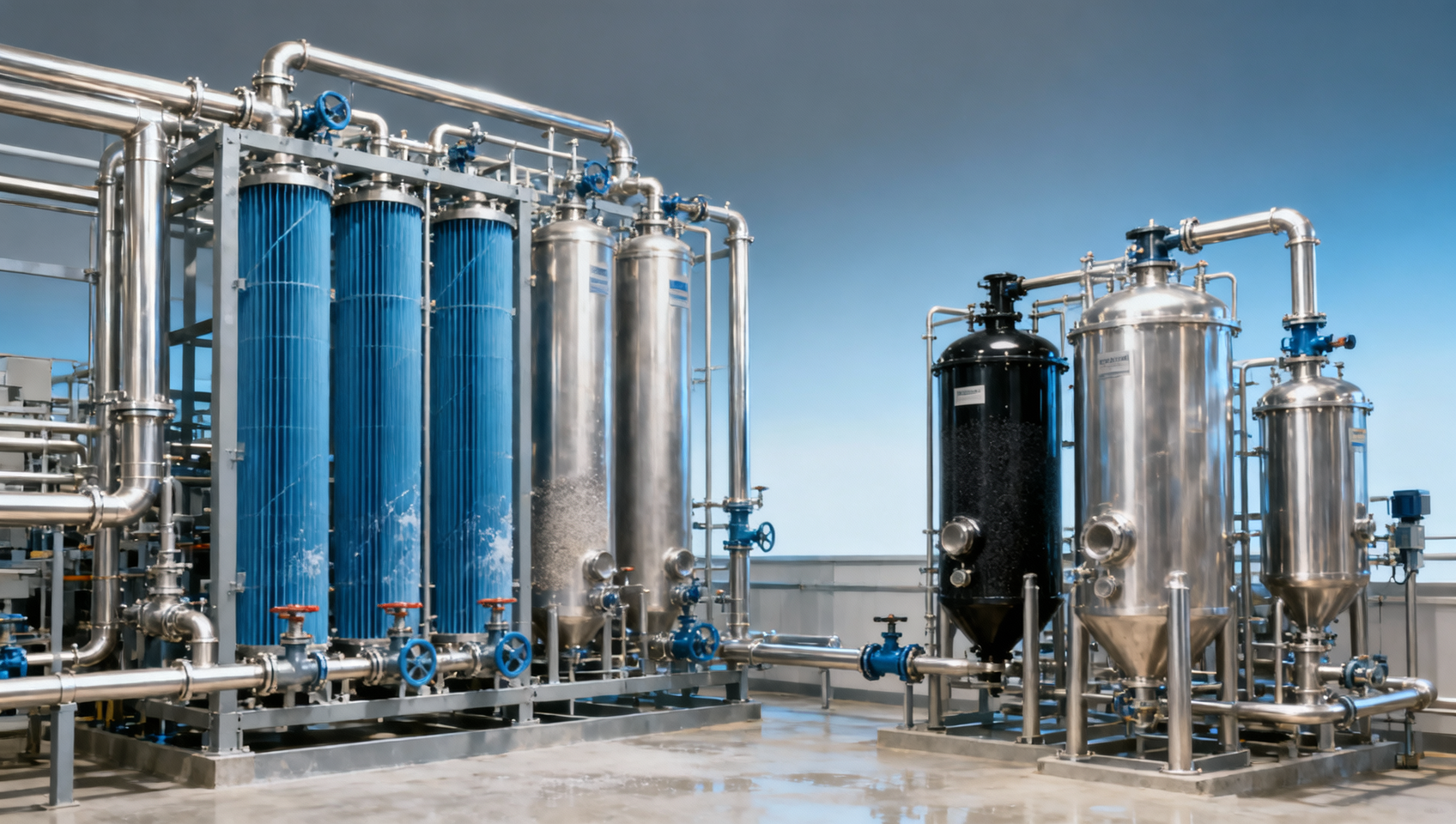
RO membrane elements can scale faster than expected even when upstream indicators appear normal, creating hidden risks for uptime, water quality, and operating cost. For engineers, operators, and buyers evaluating ro membrane elements, multimedia sand filter performance, activated carbon filter vessel stability, automatic self cleaning filter efficiency, and wastewater treatment chemicals, understanding these early warning signs is essential to preventing premature fouling and costly system disruption.
In industrial water systems, “acceptable pretreatment” often means the plant is meeting routine indicators such as turbidity, SDI, chlorine removal, or differential pressure. Yet many RO skids still experience rapid scale formation within 3–12 months, well ahead of expected cleaning intervals. This gap matters to operators chasing stable permeate quality, to procurement teams comparing lifecycle cost, and to decision-makers balancing capex against compliance and uptime.
The practical issue is not whether pretreatment exists, but whether it is truly aligned with feedwater variability, membrane recovery targets, and the chemistry of the dissolved salts. A multimedia sand filter may look stable, an activated carbon filter vessel may show normal pressure drop, and an automatic self cleaning filter may appear efficient, while dissolved hardness, silica, iron, organics, or antiscalant mismatch quietly push RO membrane elements toward early scaling.
For EPC contractors, plant engineers, and industrial buyers, the solution starts with a more disciplined view of warning signals, selection criteria, and maintenance logic. The sections below focus on the operational reasons scale accelerates, how pretreatment blind spots appear, what data should trigger intervention, and how to evaluate ro membrane elements and supporting equipment with stronger procurement discipline.
Why RO membrane elements scale even when pretreatment KPIs look normal
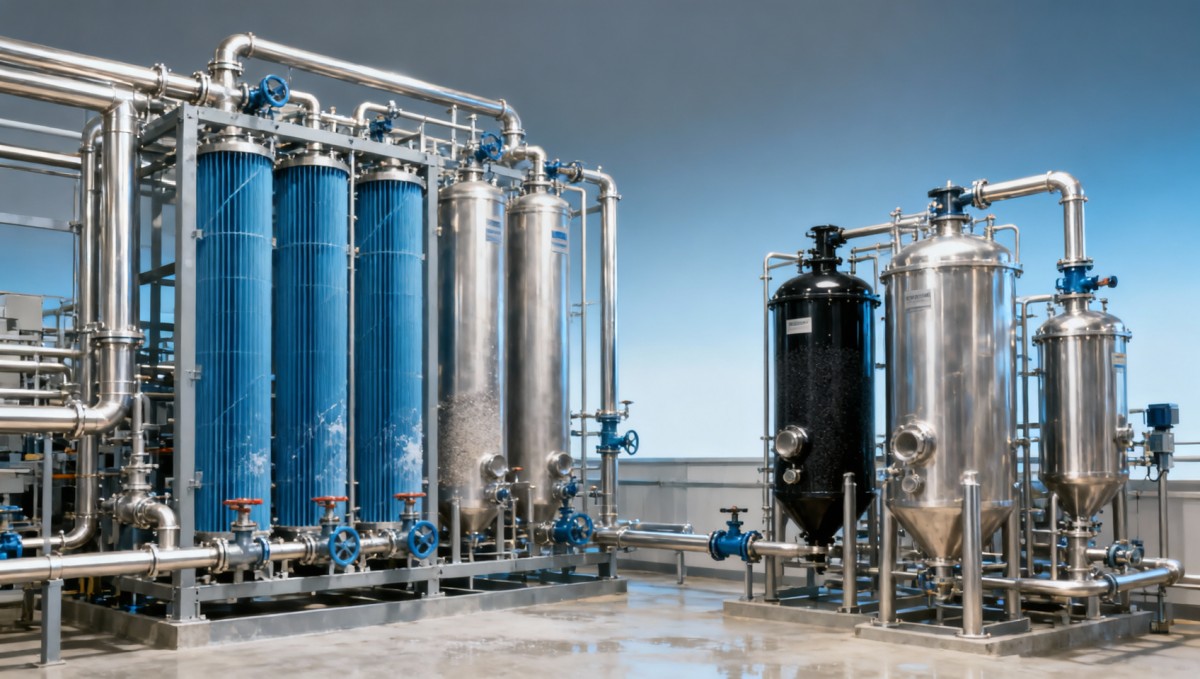
A common misconception is that if feed turbidity remains low, SDI stays within a target such as <5, and free chlorine is near zero before the RO skid, the system is adequately protected. In reality, scale is frequently driven by dissolved ions rather than suspended solids. Calcium carbonate, calcium sulfate, barium sulfate, strontium sulfate, and silica can precipitate inside membrane channels as concentration factors rise from 2x to 6x across the array.
This means pretreatment can appear “acceptable” on daily logs while the concentrate stream is moving steadily toward saturation. A plant operating at 75% recovery may remain stable for months, but the same feedwater at 82% recovery can cross a scaling threshold quickly, especially when temperature shifts by 5–10°C or feed TDS increases during seasonal changes. The upstream equipment did not fail; the process window simply became too narrow.
Another blind spot is short-term variability. Grab samples once per shift often miss hourly fluctuations in hardness, alkalinity, iron, or silica. If a raw water source changes within a 2–4 hour period, ro membrane elements may receive feed chemistry well outside the assumptions used in design software. Operators may only notice the result later through rising normalized differential pressure, lower permeate flow, or a 10–20% increase in cleaning frequency.
Pretreatment performance is also not purely about removal efficiency. Flow distribution, backwash quality, media age, carbon fines release, cartridge integrity, and chemical dosing stability all influence membrane risk. A multimedia sand filter that still meets turbidity goals may be close to media fouling. An activated carbon filter vessel may still remove oxidants while releasing fines or supporting biological growth. Those conditions do not always show up in simple dashboard indicators.
Early warning indicators that deserve attention
Several operating signals often appear 2–6 weeks before obvious membrane scaling becomes severe. These signals should be trended together rather than viewed in isolation.
- Normalized permeate flow decline of 5–10% without a matching drop in feed pressure.
- Stage-wise differential pressure increase of 10–15% across the first or second stage.
- Permeate conductivity drift of 5–8% despite stable raw water turbidity.
- Shortened CIP interval, for example from every 6 months to every 8–10 weeks.
- Antiscalant dose adjustments becoming frequent as feedwater quality varies week to week.
Operational pattern versus root cause
The table below connects common field symptoms with likely causes. It is useful for plant teams comparing whether the issue sits in chemistry control, pretreatment stability, or membrane selection.
The key conclusion is that acceptable pretreatment numbers do not automatically mean a low-risk RO environment. Teams should validate dissolved chemistry, variability, and concentration effects with the same rigor used for suspended solids removal.
Pretreatment blind spots: where multimedia, carbon, and self-cleaning filtration can underperform
Pretreatment systems are often judged on whether each unit operation appears to be “working.” For industrial reliability, that standard is too basic. Multimedia sand filter performance should be evaluated not only by outlet turbidity, but also by filtration rate, bed expansion during backwash, media stratification, and run length consistency. A filter operating at 10–15 m/h may be acceptable under one feed profile, but vulnerable under seasonal spikes in suspended solids or iron.
The activated carbon filter vessel creates a second layer of hidden risk. Carbon can remove oxidants effectively, yet still become a source of instability if empty bed contact time is too short, backwashing is irregular, or biological activity increases in warm water conditions. In many industrial plants, a carbon vessel that shows only modest pressure drop can still release fines that load downstream cartridge filters and contribute to premature fouling on ro membrane elements.
Automatic self cleaning filter efficiency is another area where assumptions are misleading. These filters are highly effective for larger particles, but mesh selection matters. A 100 μm screen protects pumps and valves well, but it does little against colloidal material, fine silt, or precipitated iron that later deposits on membrane surfaces. Plants relying on self-cleaning filtration alone before cartridges often overestimate the level of RO protection they are receiving.
Wastewater treatment chemicals also influence pretreatment stability more than many buyers expect. Coagulants, pH adjusters, biocides, dechlorination chemicals, and antiscalants must be chemically compatible and consistently dosed. A pump calibration drift of even 5–8% can shift pH or antiscalant performance enough to alter scaling behavior across an RO train. In variable feedwater conditions, chemical control should be reviewed weekly rather than assumed stable after commissioning.
What operators should inspect every week
A practical inspection routine reduces surprises. It also creates better handoff information for procurement and management when upgrades are needed.
- Confirm turbidity, SDI, and cartridge filter loading trend over 7 days, not just same-day readings.
- Review multimedia filter backwash frequency, duration, and bed expansion versus design intent.
- Inspect activated carbon outlet for fines, oxidant breakthrough, and signs of biological instability.
- Check automatic self cleaning filter flush frequency and actual solids discharge effectiveness.
- Verify wastewater treatment chemicals dosing calibration, storage condition, and batch consistency.
Typical pretreatment gap analysis
The table below helps industrial teams compare visible performance against hidden membrane risk. It is especially useful during troubleshooting, annual audit reviews, or sourcing discussions.
The main takeaway is that each pretreatment unit should be reviewed by function and by failure mode. A plant can pass routine checks and still expose membranes to a combined particulate, biological, and scaling load that shortens asset life.
How to select ro membrane elements and chemical strategy for real operating conditions
Choosing ro membrane elements based only on nominal salt rejection or standard test flux is rarely enough for industrial duty. Buyers should compare at least 4 dimensions: expected feedwater variability, target recovery, cleaning tolerance, and fouling tendency. In high-risk systems, a membrane with slightly lower initial flux but better cleanability can create lower total cost over 12–24 months than a higher-flux element that scales quickly.
Feedwater chemistry should be reviewed using realistic operating ranges rather than a single design sample. If hardness, sulfate, silica, or alkalinity fluctuates across seasons, the membrane and chemical package should be selected for the upper-risk window. This often means reviewing design at minimum, average, and maximum feed TDS, along with temperature bands such as 15°C, 25°C, and 35°C. Recovery targets may need adjustment by 3–7 percentage points across those conditions.
Wastewater treatment chemicals must also match the membrane and process logic. Antiscalant choice should reflect the dominant scaling risk, while pH adjustment and dechlorination should be stable enough to avoid membrane damage or chemical waste. Overdosing is not a substitute for process control. In many plants, poor calibration and inconsistent dosing frequency create more instability than an imperfect chemical product would on its own.
Procurement teams should ask suppliers for operating envelopes, cleaning guidance, and pretreatment assumptions instead of comparing only price per element. A membrane quoted at a lower unit price may become more expensive if it requires 2 extra CIP events per year, higher antiscalant dose, or earlier replacement of lead elements in the first stage.
Five procurement questions that reduce lifecycle risk
- What feedwater variability range was assumed, and does it match actual plant data over 6–12 months?
- At what recovery does the supplier expect stable operation before scale risk rises sharply?
- Which foulants are most likely in this application: hardness, sulfate, silica, iron, organics, or biofilm?
- What CIP frequency is typical under comparable industrial conditions?
- How sensitive is performance to pretreatment fluctuations, cartridge integrity, and chemical dosing drift?
Selection framework for industrial buyers
The comparison below gives a practical way to evaluate membrane and dosing strategy beyond headline specifications.
For most industrial plants, the stronger buying decision is not the cheapest membrane element. It is the combination of membrane, pretreatment fit, and chemical control that produces stable output and predictable maintenance over time.
Implementation, troubleshooting, and maintenance steps that protect uptime
Once ro membrane elements are installed, performance protection depends on disciplined operation. Plants should normalize key parameters at least weekly and after every major feedwater change. These include permeate flow, differential pressure, salt passage, recovery, pH, temperature, and chemical dose. Without normalization, teams may miss a gradual 8–12% deterioration that only becomes obvious after substantial scaling has formed.
Cleaning strategy is equally important. Waiting until severe flux loss appears can turn a recoverable scale layer into a harder deposit that requires more aggressive chemistry and longer downtime. Many operators use a trigger such as 10% normalized flow decline, 15% differential pressure increase, or 10% salt passage increase to initiate investigation or CIP. The exact threshold varies by process, but action should be defined before the problem occurs.
Troubleshooting should move in sequence. First verify instrumentation and sample integrity. Then check pretreatment condition, cartridge loading, and dosing accuracy. Only after these steps should the team assume the membrane itself is the primary issue. This sequence prevents unnecessary replacement of elements when the real cause is a drifting chemical pump, exhausted carbon media, or unstable backwash performance upstream.
From a management perspective, maintenance planning should connect operations and sourcing. If lead elements are replaced every 9 months while tail elements last 18 months, the pattern suggests stage-specific loading and may justify changes in array design, pretreatment, or chemical control rather than repeated emergency purchases. Better records reduce both rush procurement and avoidable process downtime.
A practical 5-step response plan
- Trend 30 days of normalized data to confirm whether decline is gradual, sudden, or stage-specific.
- Review multimedia sand filter, activated carbon filter vessel, and automatic self cleaning filter condition for hidden carryover.
- Verify wastewater treatment chemicals dosage, pH control, and antiscalant compatibility with current feedwater.
- Inspect cartridge filters and sample concentrate chemistry at current operating recovery.
- Perform CIP using the correct sequence for suspected scale or mixed foulants, then reassess operating setpoints.
FAQ for operators and buyers
The questions below reflect common search intent from industrial users comparing membrane options, pretreatment reliability, and maintenance planning.
How often should industrial RO systems review pretreatment performance?
Basic readings may be checked every shift, but a deeper review should be performed weekly and after any major raw water change. Monthly trend analysis is recommended for plants with variable source water, high recovery above 75%, or repeated CIP intervals shorter than 90 days.
Can good SDI still coexist with membrane scaling?
Yes. SDI mainly reflects fouling tendency from suspended solids and colloids. It does not directly predict precipitation of hardness salts, sulfate salts, or silica at elevated concentration factors inside the membrane array. That is why dissolved chemistry review remains essential even when particulate indicators look acceptable.
When should procurement teams consider pretreatment upgrades instead of buying replacement membranes?
If membranes are repeatedly replaced within 6–12 months, if CIP frequency has doubled, or if lead elements fail much earlier than trailing elements, upstream correction should be investigated first. Upgrading filtration, stabilizing chemical dosing, or changing recovery setpoints often delivers better return than repeated membrane replacement alone.
Fast scaling in RO membrane elements is rarely a random event. It usually reflects a mismatch between real feedwater conditions, pretreatment behavior, operating recovery, and chemical control. In industrial systems, the warning signs often appear before failure: shorter cleaning intervals, subtle normalized flow loss, stage-specific pressure rise, and pretreatment units that look stable on paper but are no longer protecting the membrane train consistently.
For researchers, plant operators, procurement teams, and business decision-makers, the most reliable path is to evaluate ro membrane elements together with multimedia sand filter performance, activated carbon filter vessel condition, automatic self cleaning filter efficiency, and wastewater treatment chemicals as one integrated system. That approach lowers risk, improves uptime, and creates more predictable operating cost.
If you are assessing membrane replacement, pretreatment optimization, or lifecycle procurement strategy for industrial water treatment, now is the right time to review your operating data and sourcing assumptions. Contact us to discuss your application, request a tailored evaluation, or explore more solutions for stable, high-reliability RO performance.
Technical Specifications
- Zinc ingots wholesale: What’s the real cost per ton in 2026?Author :Heavy Industry Strategist
- Aluminum ingots bulk vs. cast bars: Which delivers better yield for extrusion?Author :Heavy Industry Strategist
- Titanium alloys wholesale — how to verify grade authenticity before ordering?Author :Heavy Industry Strategist
Expert Insights

Chief Security Architect
Dr. Thorne specializes in the intersection of structural engineering and digital resilience. He has advised three G7 governments on industrial infrastructure security.
Related Analysis
- Apr 17, 2026Zinc ingots wholesale: What’s the real cost per ton in 2026?Author :Heavy Industry Strategist
- Apr 17, 2026Aluminum ingots bulk vs. cast bars: Which delivers better yield for extrusion?Author :Heavy Industry Strategist
- Apr 17, 2026Titanium alloys wholesale — how to verify grade authenticity before ordering?Author :Heavy Industry Strategist
Core Sector // 01
Security & Safety
- Steam traps wholesale: Which type fails least in condensate return lines with air binding?Author :Environmental Engineering Director

- Check valves (swing type): When does water hammer override disc stability?Author :Environmental Engineering Director
: When does water hammer override disc stability?")
- Cast iron gate valves: Are they still viable for potable water mains in 2026?Author :Environmental Engineering Director

- Grease interceptor wholesale options differ more in cleaning designAuthor :Environmental Engineering Director

- Polyaluminium chloride PAC dosage errors often start with pH assumptionsAuthor :Environmental Engineering Director

- Water filter cartridges wholesale quality varies in ways specs may missAuthor :Environmental Engineering Director

- RO membrane elements scale faster when pretreatment looks acceptableAuthor :Environmental Engineering Director

- Ion exchange resin bulk supply can create storage and fouling issuesAuthor :Environmental Engineering Director