Can One Supplier Provide Both IEC- and ATEX-Certified Safety Equipment?
Author
Date Published
Reading Time
Can One Supplier Provide Both IEC- and ATEX-Certified Safety Equipment?
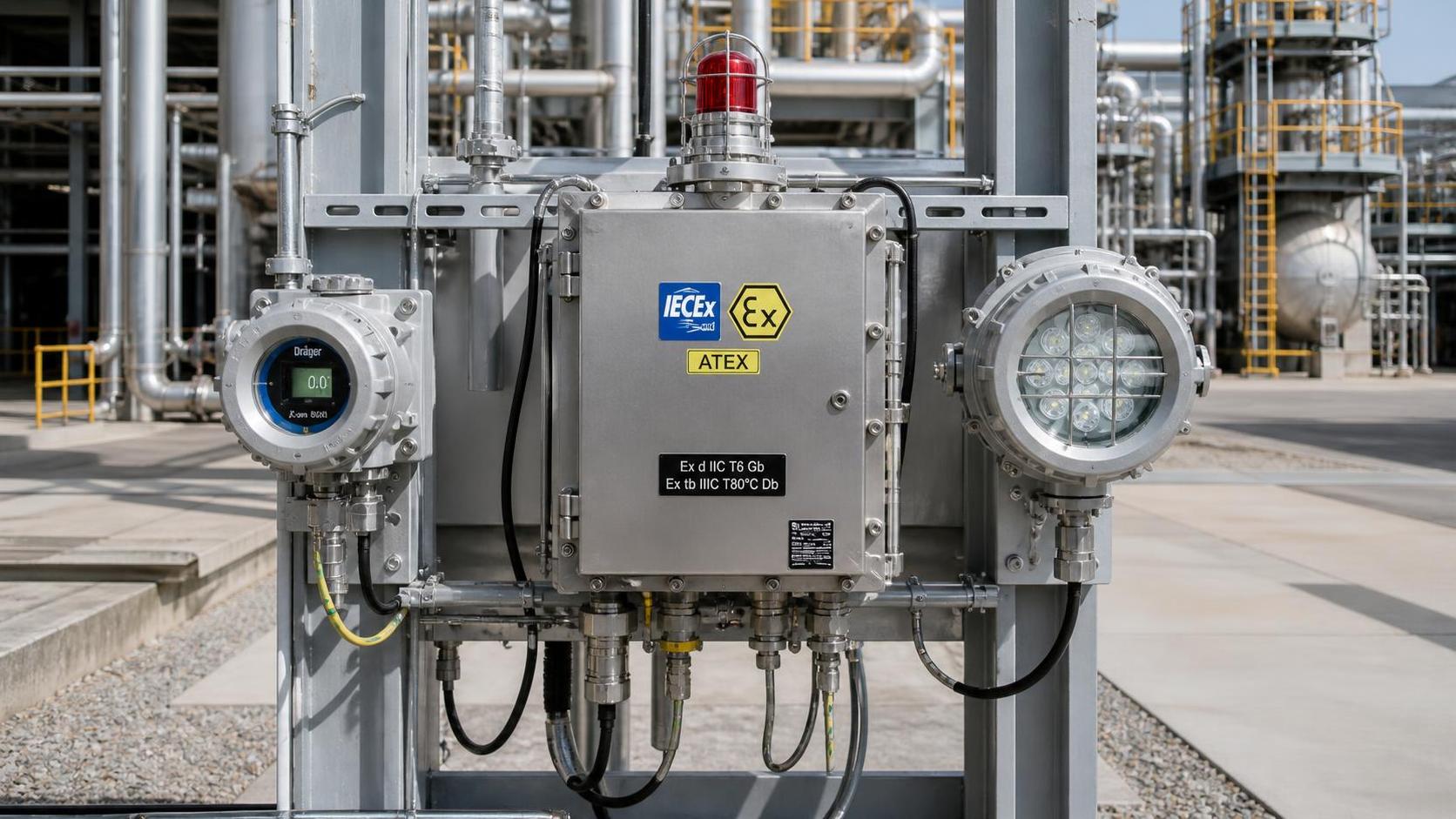
Can safety equipment from one supplier cover both IEC and ATEX standards for global projects? In many cases, yes—but only if “one supplier” means more than a company that can quote similar-looking products from a catalogue. For an EPC contractor delivering a process plant across several jurisdictions, or a facility manager standardising equipment for hazardous areas, the real test is whether the supplier can provide the right certified configuration, traceable documentation, technical support, and lifecycle continuity for each destination market.
This distinction matters because IEC-based requirements and ATEX requirements overlap substantially, yet they are not interchangeable labels. A product suitable for a refinery expansion in the Middle East may need IECEx documentation. The same product supplied to an EU chemical facility may require ATEX conformity documentation and the correct CE marking. A supplier may manufacture both versions, offer a dual-certified product, or source them through separate approved channels. Those are very different procurement situations.
For global projects, consolidation can reduce vendor-management effort and help maintain consistent specifications. It does not remove the need to validate the approval route for every item, every hazardous-area classification, and every country of installation.
Start with the terminology: IEC standards are not a single certificate
The phrase “IEC-certified” is common in project discussions, but it can obscure an important technical point. IEC develops international standards, including the IEC 60079 series for explosive atmospheres. Certification under the IECEx System is a separate conformity-assessment route based on applicable IEC standards. When a specification asks for IECEx, the buyer should normally clarify whether it requires an IECEx Certificate of Conformity, supporting test documentation, an IECEx Quality Assessment Report where relevant, or another accepted national approval based on IEC standards.
ATEX, by contrast, is tied to the European regulatory framework for equipment intended for use in potentially explosive atmospheres. For equipment, Directive 2014/34/EU is the central reference. It works alongside workplace obligations under Directive 1999/92/EC, which concern the protection of workers in potentially explosive atmospheres. In practical procurement terms, ATEX equipment must carry the appropriate marking and be supported by the required EU conformity documentation for its intended use.
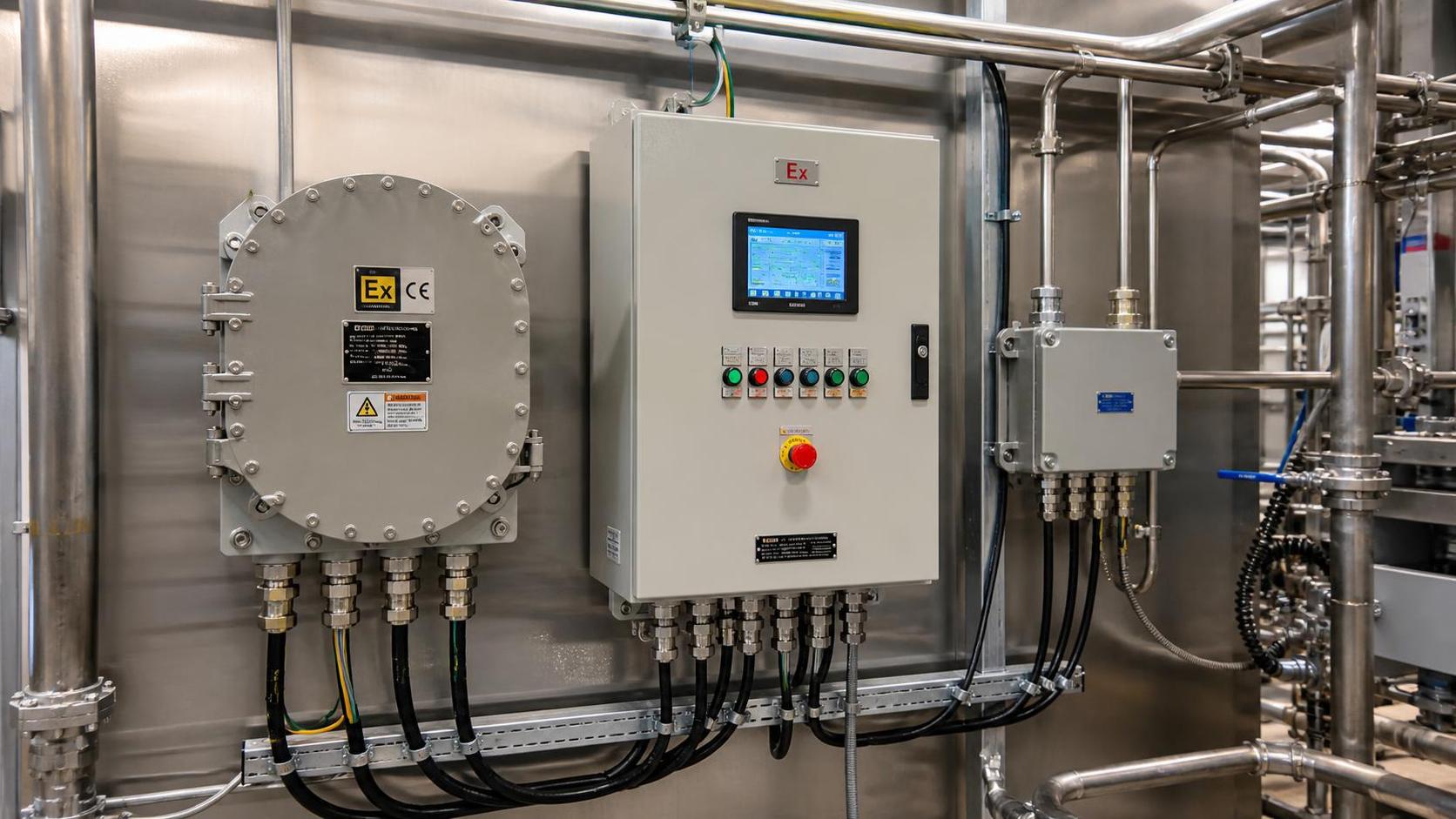
Both routes often draw on the same technical family of standards. That common engineering base explains why dual-certified luminaires, junction boxes, gas detectors, communication devices, cable glands, control stations, and other Ex equipment are widely available. Yet shared test principles do not mean automatic acceptance. Certification scope, product construction, manufacturing controls, marking, and local approval expectations must still align.
A capable supplier should be comfortable correcting vague language early. “IEC compliant” is not enough where IECEx certification is specified. “ATEX-ready” is not a meaningful approval status. The useful question is: Which exact model and configuration carries which approval, for what gas or dust group, temperature class, ambient range, and installation conditions?
Where a single-source approach works—and where it breaks down
One supplier can serve a combined IECEx and ATEX requirement when it has a controlled, auditable product portfolio rather than merely broad sourcing access. This may be a manufacturer with dual-certified ranges, an authorised distributor with direct access to certificate holders, or a specialist integrator that can maintain document control across several approved brands.
The approach tends to work well when a project uses repeatable equipment families: fixed lighting, local control equipment, enclosures, cable entry systems, audible and visual alarms, portable communications, and selected instrumentation. Standardising these families can simplify technical submittals, spare-parts planning, training, and inspection routines.
It becomes more difficult when requirements move beyond the core Ex certificate. A packaged system may combine electrical equipment, software, pressure-containing components, functional safety functions, marine requirements, corrosion protection, or a client-approved vendor list. The item can be genuinely suitable for an explosive atmosphere while still failing another project requirement. A dual approval on an enclosure, for example, does not automatically approve the complete assembled panel unless the assembly and its final configuration are covered appropriately.
There is also a commercial trap. A single purchase order can look simpler, but it may conceal multiple manufacturers, varying lead times, different certificate holders, and different after-sales responsibilities. Consolidation has value only when accountability stays clear.
The markings need to match the hazardous-area study
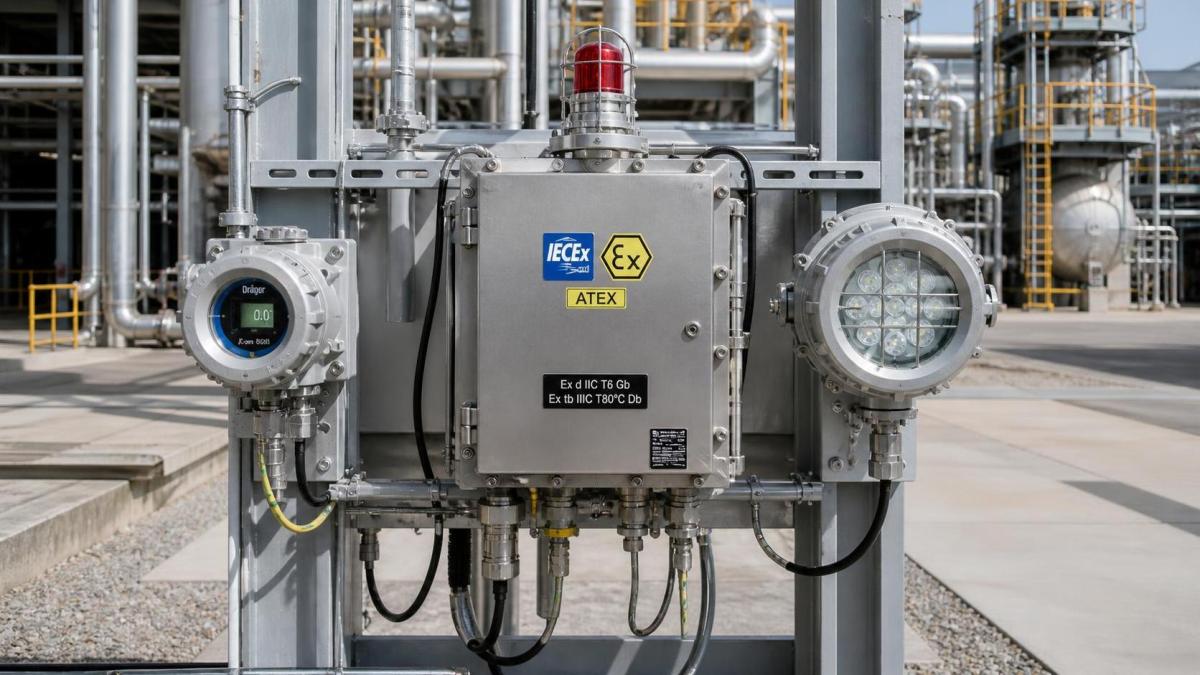
The hazardous-area classification is the starting point, not the product brochure. Gas and vapour areas are commonly classified as Zone 0, Zone 1, or Zone 2; combustible dust areas as Zone 20, Zone 21, or Zone 22. Equipment selection must reflect the zone, the nature of the explosive atmosphere, the applicable equipment protection level, and the characteristics of the material present.
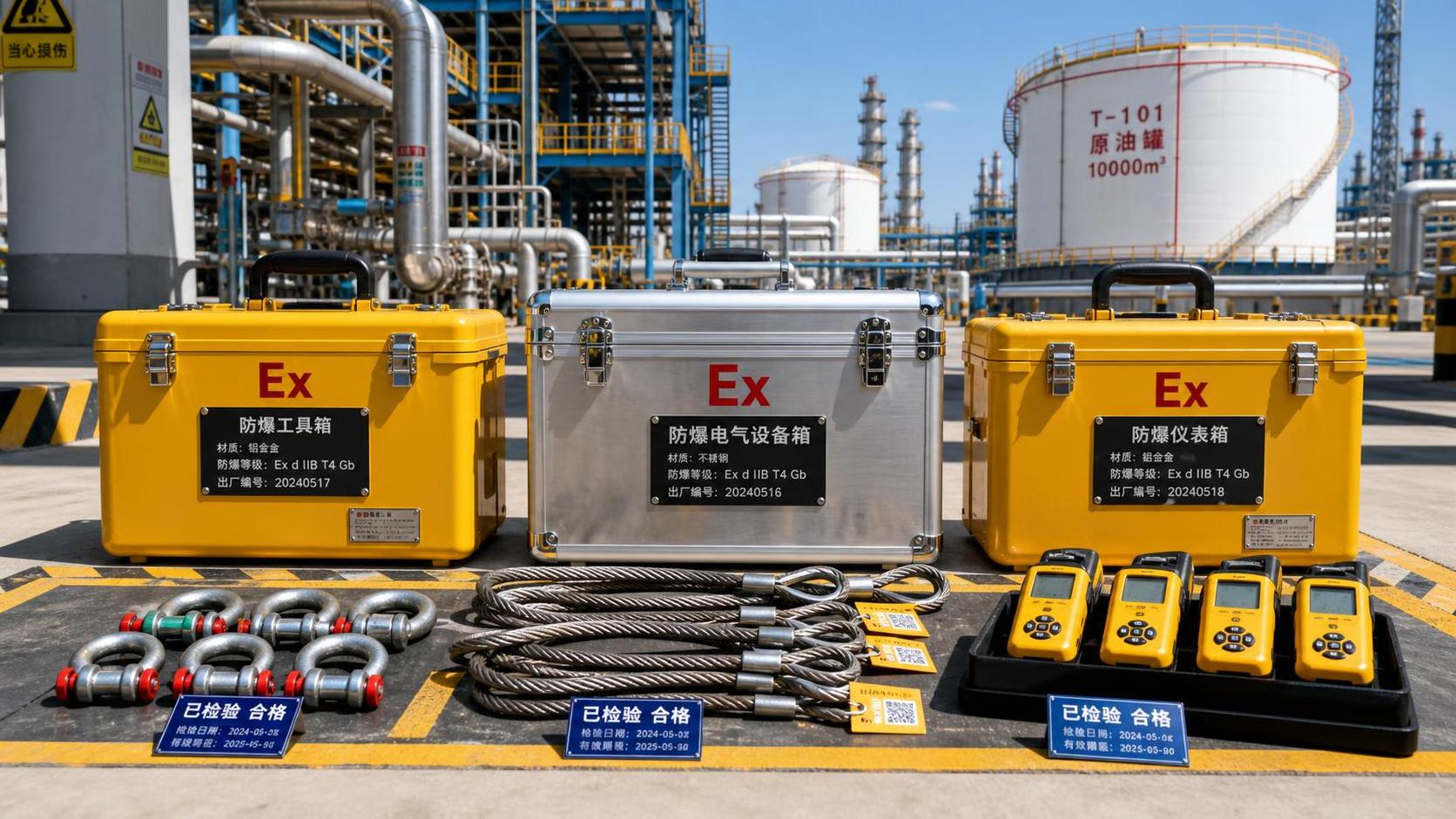
Under ATEX, buyers will often encounter equipment groups and categories, such as Group II equipment for surface industries and categories associated with gas or dust use. IECEx marking generally communicates protection concepts and equipment protection levels through the relevant IEC 60079 conventions. These systems can be mapped conceptually in many situations, but procurement teams should not rely on an informal conversion table when approving equipment for installation.
The review should also cover gas group or dust group, temperature classification, ingress protection where relevant, ambient temperature range, and any special conditions of use. A certificate may limit mounting orientation, cable entry type, fastener grade, enclosure opening, battery replacement, or use with particular accessories. These details often appear in the certificate schedule or instructions rather than in the commercial description.
That is why a supplier’s technical response should connect each line item to the area schedule. If a request merely says “ATEX/IECEx approved,” it leaves room for an unsuitable selection. A better equipment schedule identifies tag number, installation area, zone, substance or dust characteristics where available, required protection method, electrical rating, environmental conditions, and destination market.
Documentation is often the real bottleneck
For major capital projects, a certificate is only one element in the submittal package. Engineering teams may need drawings, datasheets, installation instructions, declarations of conformity, certificate copies, marking photographs, material information, inspection records, and traceability information. The exact package depends on the contract and project governance, but incomplete documentation can delay approval even when the physical equipment is technically appropriate.
A supplier serving multiple regions should be able to distinguish between current certificates, superseded versions, and approvals that apply only to particular product variants. Small modifications can matter. A different cable gland, lens material, terminal arrangement, voltage option, coating system, or firmware version may affect the certified configuration. Buyers should ask whether the quoted bill of materials exactly matches the approval documents being submitted.
Certificate validity also deserves careful attention. Public certificate databases and issuing-body records can be useful checks, but they do not replace a review of the complete certificate and schedule. If the product is a component in a larger assembly, responsibility for final conformity needs to be explicit. This is especially important for control panels, packaged skids, analyser shelters, and customised cable-entry arrangements.
Questions that expose weak single-source claims
- Is the supplier the certificate holder, an authorised channel partner, or an independent reseller?
- Can it provide the full IECEx and ATEX document package before release for manufacture?
- Does the quoted configuration—including accessories and cable entries—remain within the certificate scope?
- Who reviews special conditions of use and installation constraints with the EPC engineering team?
- Can the supplier support replacement parts years later without changing the approved equipment configuration?
None of these questions is administrative trivia. A missing document or unapproved substitution can interrupt commissioning, complicate insurance reviews, or create a maintenance issue long after the original project team has disbanded.
Do not treat certification as a substitute for suitability
Certification addresses defined risks under defined conditions. It does not settle every operational question. Offshore and coastal sites may require a closer look at corrosion resistance and ingress protection. High-ambient desert installations can challenge temperature limits. Food, pharmaceutical, mining, wastewater, and bulk-material environments can introduce cleaning, dust accumulation, vibration, electromagnetic compatibility, or mechanical impact concerns that shape the final selection.
Maintenance conditions matter as much as procurement specifications. An Ex-certified portable device can be compromised by an unapproved battery. A flameproof enclosure can lose its protection integrity through incorrect fasteners or damaged flame paths. An intrinsically safe loop depends on the complete system design, including associated apparatus, cable parameters, and installation method. A supplier that understands global Ex sourcing should flag these boundaries rather than implying that certification makes every installation straightforward.
This is also where procurement and operations should meet early. The lowest initial purchase price may be less attractive if replacement units require a new approval review, if local technicians cannot obtain correct spare parts, or if the documentation is unavailable in the project handover package.
A practical review path for cross-border projects
Before reducing a vendor list, establish the governing compliance route by destination and end user. European installation normally brings ATEX obligations into focus; other markets may specify IECEx, national Ex approvals, or client standards. Requirements from insurers, operators, classification bodies, and local authorities may add further conditions. If a project spans several countries, prepare a country-by-country acceptance matrix instead of assuming one certificate package covers every site.
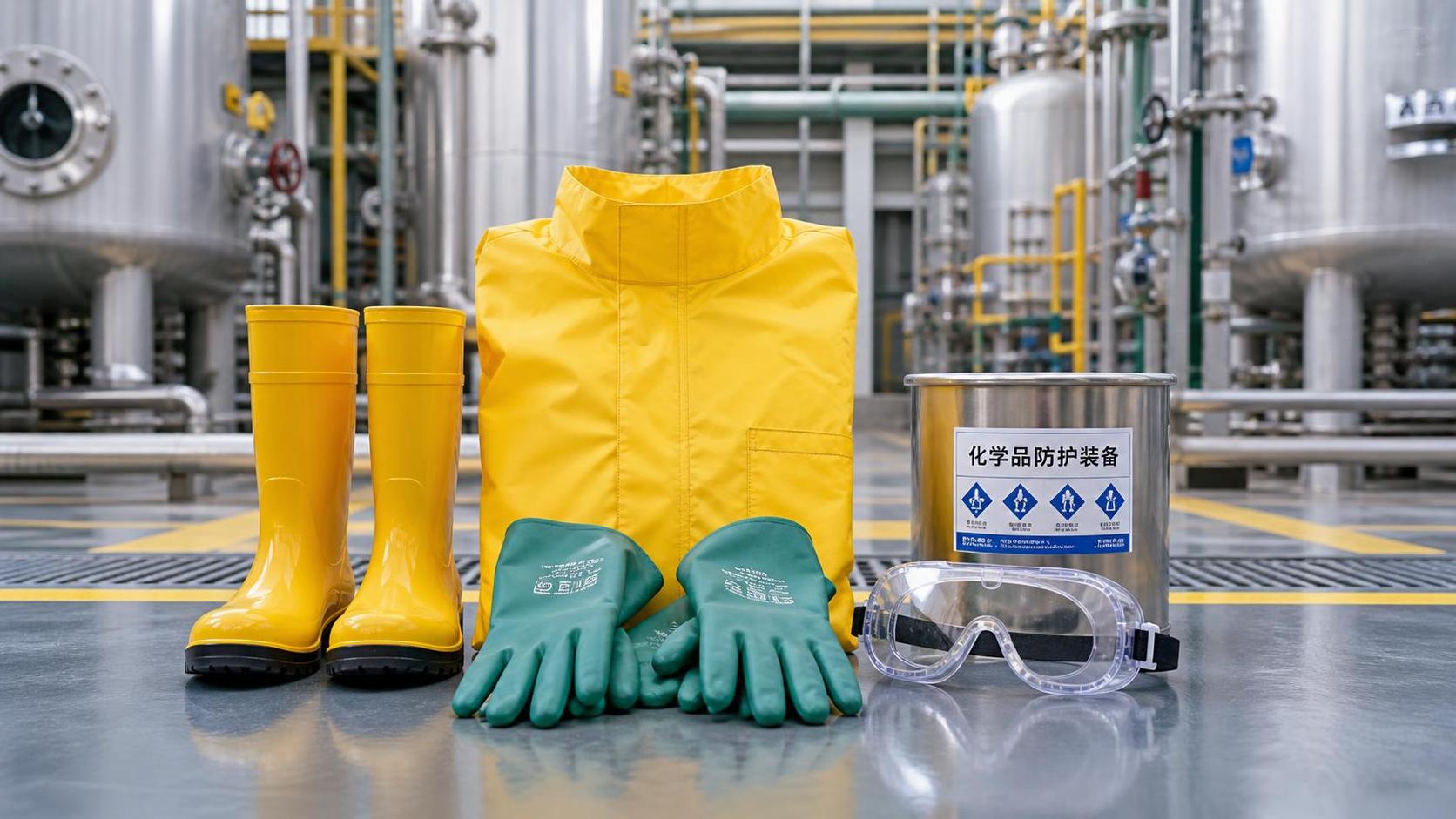
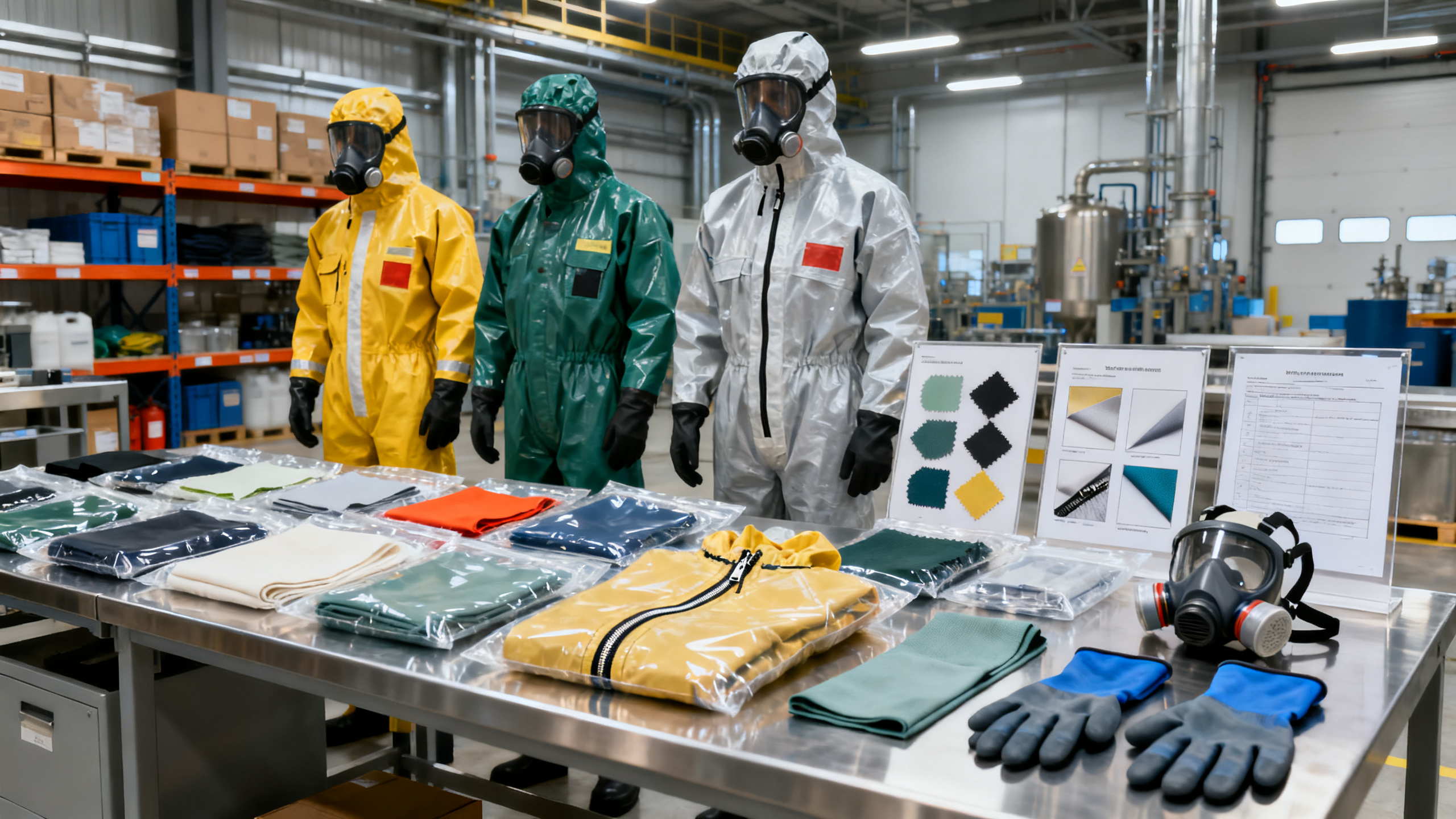
Then evaluate the supplier at product-family level. One source may be strong in lighting and electrical distribution but have limited capability in gas detection, respiratory protection, or safety instrumented systems. “Safety equipment” is a broad category, and the relevant approval route varies. Equipment intended for explosive atmospheres deserves its own disciplined review; conventional PPE, emergency response equipment, and general industrial safety products may follow entirely different standards and legal requirements.
Finally, set document gates into the procurement plan. Critical certificates and declarations should be reviewed before final technical approval, while nameplate evidence, serial traceability, and final inspection records should be checked before shipment or site acceptance as required by the contract. This is more effective than trying to reconstruct compliance after equipment reaches site.
The value of an informed sourcing partner
Global Industrial Core approaches industrial sourcing as a technical decision, not a catalogue exercise. For EPC contractors, facility managers, and procurement directors, the most useful market intelligence connects standards, certification evidence, operating conditions, and supply-chain realities. That perspective is particularly valuable when a project team is comparing manufacturers across security and safety, instrumentation, electrical systems, environmental controls, and mechanical infrastructure.
A single supplier can indeed provide both IECEx- and ATEX-certified equipment for many global projects. The qualified answer is not “yes, because the supplier says it has both.” It is “yes, when each specified product is demonstrably certified for the intended hazardous area and market, its documentation matches the delivered configuration, and responsibility remains clear from technical approval through maintenance.”
Before committing to a consolidated source, ask for the project-specific certificate matrix, verify the scope of every critical approval, and involve hazardous-area engineering before substitutions are accepted. That discipline preserves the practical benefits of supplier consolidation without turning compliance into an assumption.
Technical Specifications
- How to Select Electronic Hotel Key Card Locks for Guest Rooms and Staff AreasAuthor :Safety Compliance Lead
- How to Select Lab Instruments for Reliable Chemical Analysis WorkflowsAuthor :Precision Metrology Expert
- How to Size a UPS for Server Rooms: Load, Runtime, and Redundancy FactorsAuthor :Grid Infrastructure Analyst
Expert Insights

Chief Security Architect
Dr. Thorne specializes in the intersection of structural engineering and digital resilience. He has advised three G7 governments on industrial infrastructure security.
Related Analysis
- Sep 17, 2026How to Select Electronic Hotel Key Card Locks for Guest Rooms and Staff AreasAuthor :Safety Compliance Lead
- Sep 16, 2026How to Select Lab Instruments for Reliable Chemical Analysis WorkflowsAuthor :Precision Metrology Expert
- Sep 15, 2026How to Size a UPS for Server Rooms: Load, Runtime, and Redundancy FactorsAuthor :Grid Infrastructure Analyst
Core Sector // 01
Security & Safety
- Can One Supplier Provide Both IEC- and ATEX-Certified Safety Equipment?Author :Safety Compliance Lead

- Are Dual IEC and NEC Safety Certifications Worth the Cost?Author :Safety Compliance Lead

- What Is the Difference Between Class I and Class II PPE?Author :Safety Compliance Lead

- Which Oil and Gas Safety Standards Should Contractors Meet Before Site Mobilization?Author :Safety Compliance Lead

- EU REACH Adds PFAS Cap for PPE WorkwearAuthor :Safety Compliance Lead

- How to Evaluate a Chemical Resistant Suit Supplier for Industrial Safety ProcurementAuthor :Safety Compliance Lead

- EU REACH Sets 50 ppb PFAS Cap for PPE WorkwearAuthor :Safety Compliance Lead

- EU Tightens PFOA Limit for PPE and Industrial Filter MediaAuthor :Safety Compliance Lead