Before mobilizing to an oil and gas site, contractors must prove that their people, equipment, procedures, and records meet the operator's defined safety requirements.
For quality and safety managers, the practical question is not simply which standards exist, but which requirements must be verified before personnel enter site.
Oil and gas industry safety standards combine international management systems, national legal requirements, operator rules, technical certifications, and task-specific control measures.
A contractor may hold respected certificates and still fail mobilization if its crew competencies, lifting gear, hazardous-area equipment, or emergency plans are incomplete.
The strongest pre-mobilization process therefore treats compliance as an evidence-based readiness review rather than an administrative document collection exercise.
This guide explains the standards, documentation, inspections, and decision points that quality and safety managers should prioritize before approving contractor deployment.
Requirements vary by country, asset type, contract scope, and operator policy, so contractors should always reconcile this guidance with site-specific obligations.
Start With the Applicable Legal, Operator, and Contractual Requirements
The first mobilization gate is establishing which requirements apply to the specific project, rather than relying on a generic corporate safety manual.
National legislation governs minimum duties, but operator standards often impose stricter controls for permits, competency, isolation, inspections, reporting, and emergency response.
In the United States, contractors commonly need to address OSHA rules, Bureau of Safety and Environmental Enforcement requirements for offshore work, and client procedures.
In the United Kingdom and many international projects, relevant obligations may include HSE regulations, CDM duties, offshore safety-case requirements, and operator management systems.
Projects in other jurisdictions may reference local petroleum regulators, labor laws, fire codes, environmental permits, and imported international technical standards.
Contract documents should identify the governing hierarchy when requirements conflict. Usually, law comes first, followed by operator rules, contract specifications, then contractor procedures.
Quality managers should create a compliance register listing each applicable obligation, responsible owner, required evidence, review date, and mobilization approval status.
This register prevents a common failure: assuming an ISO certificate automatically satisfies an operator's detailed requirements for a particular drilling, processing, or construction location.
Demonstrate a Functioning Safety Management System
Most operators expect contractors to maintain a documented safety management system that converts corporate commitments into controlled field activities and measurable responsibilities.
ISO 45001 is the most widely recognized international framework for occupational health and safety management systems, although certification alone is rarely sufficient.
It requires organizations to identify hazards, assess risks, involve workers, establish operational controls, investigate incidents, audit performance, and continually improve their system.
For contractors supporting integrated projects, ISO 9001 quality management and ISO 14001 environmental management often complement ISO 45001 within one management framework.
Safety managers should verify that policies are current, signed by leadership, communicated to crews, and supported by procedures relevant to the actual contracted scope.
A credible system includes defined responsibilities for supervisors, safety representatives, equipment inspectors, permit authorities, emergency coordinators, and subcontractor management personnel.
Operators will also examine leading indicators, corrective action closure rates, incident trends, audit findings, and evidence that lessons learned reach field teams.
Where contractors use subcontractors, the principal contractor must show how it prequalifies, supervises, audits, and disciplines those organizations before site access.
Paper systems that cannot demonstrate field implementation create mobilization risk, especially where crews are assembled quickly across multiple countries or labor providers.
Verify Personnel Competence, Medical Fitness, and Site Induction
Competence is one of the most scrutinized elements of oil and gas industry safety standards because many serious incidents involve inadequate training or supervision.
Every mobilized worker should have a role-specific competency profile covering mandatory courses, trade qualifications, experience requirements, medical restrictions, and authorization limits.
General safety induction does not replace task competence. A qualified rigger, electrician, scaffolder, welder, operator, or confined-space attendant needs documented specialist evidence.
Training records should include provider names, certificate numbers, issue dates, expiry dates, verification status, and any restrictions that affect permitted duties.
Offshore personnel may require survival training such as BOSIET, HUET, CA-EBS, or regional equivalents, depending on location, transport method, and operator requirements.
Workers exposed to respiratory hazards, noise, chemicals, heat, fatigue, or remote conditions may also need occupational health assessments and medical fitness certification.
Safety managers should confirm that medical information is handled confidentially while still providing supervisors with clear fitness-for-work decisions and relevant restrictions.
Language capability deserves equal attention. Toolbox talks, permits, emergency alarms, and critical instructions must be understood by every worker on the crew.
A site-specific induction should cover local hazards, restricted areas, stop-work authority, reporting channels, emergency arrangements, traffic routes, and operator life-saving rules.
Do not accept attendance sheets as proof of comprehension. Practical questioning, demonstrations, and supervisor observations provide stronger assurance before high-risk work begins.
Control High-Risk Work Through Task-Specific Procedures
Contractors should submit task-specific method statements, job safety analyses, or risk assessments that reflect actual work conditions rather than copied generic templates.
These documents should identify hazards, affected persons, control measures, required competencies, tools, protective equipment, emergency actions, and responsible supervisory roles.
Particular scrutiny is necessary for hot work, confined-space entry, working at height, lifting operations, excavation, pressure testing, electrical work, and line breaking.
Each high-risk activity should align with the operator's permit-to-work system, including permit authority, isolation requirements, gas testing, handover arrangements, and closeout controls.
For energy isolation, contractors should understand lockout-tagout requirements and any site-specific process for electrical, hydraulic, pneumatic, mechanical, thermal, or chemical energy sources.
When work affects live process facilities, the contractor must demonstrate coordination with operations personnel and compliance with simultaneous operations, or SIMOPS, controls.
Risk assessments should account for changing conditions such as weather, production status, nearby lifting, vehicle movements, shifts, contractor interfaces, and emergency access limitations.
Quality personnel should check revision control carefully. An approved method statement loses value when its equipment, sequence, work area, or personnel assumptions change.
Pre-job meetings should confirm that the workforce understands the approved plan and has authority to pause work when controls are missing or conditions deteriorate.
Confirm Equipment Certification, Inspection, and Hazardous-Area Suitability
Equipment readiness is a major source of mobilization delays because oil and gas sites demand documented inspection, traceability, and suitability for potentially explosive environments.
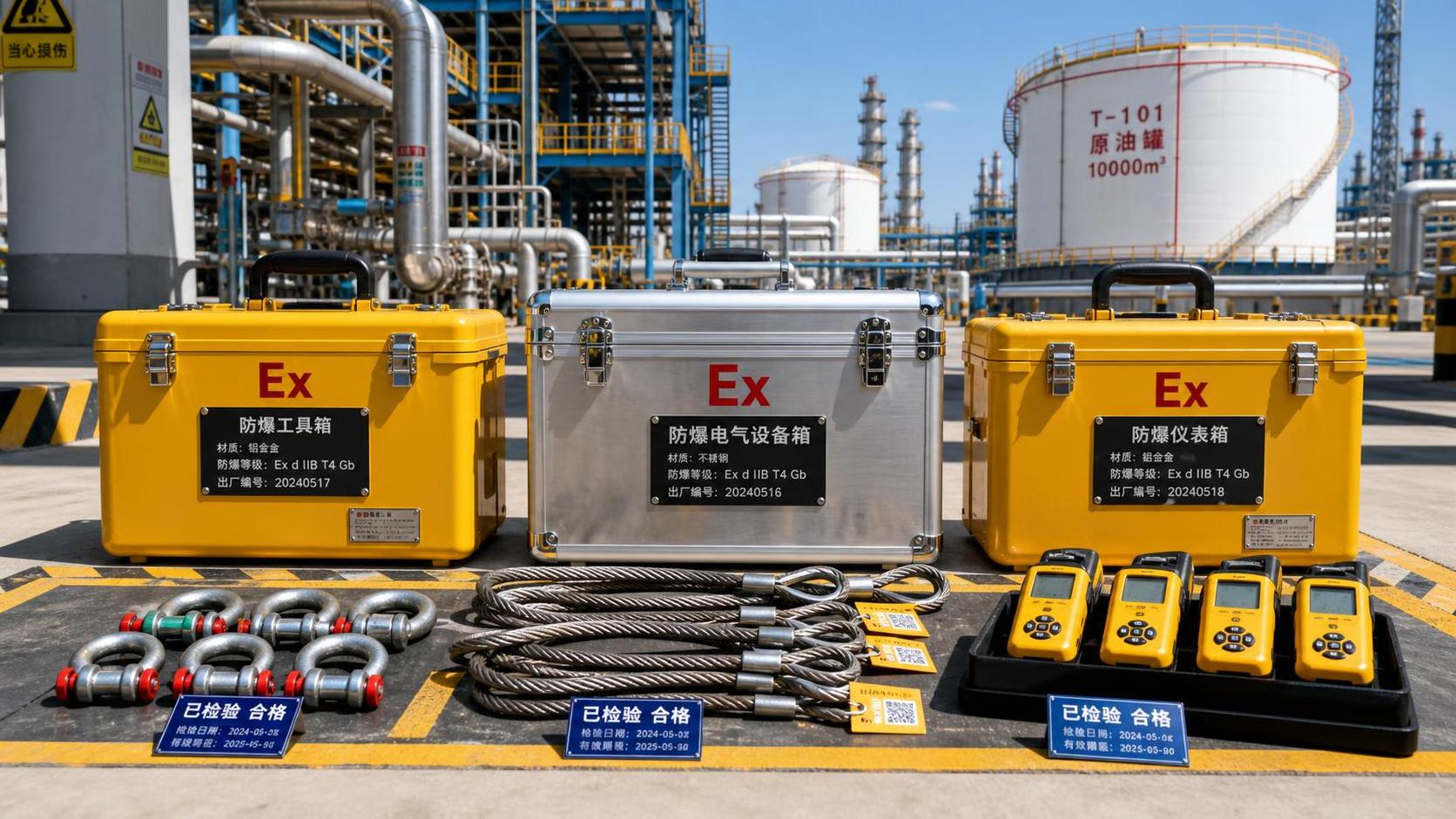
All contractor equipment should be entered into an asset register showing identification number, owner, inspection status, maintenance history, certification, and assigned work location.
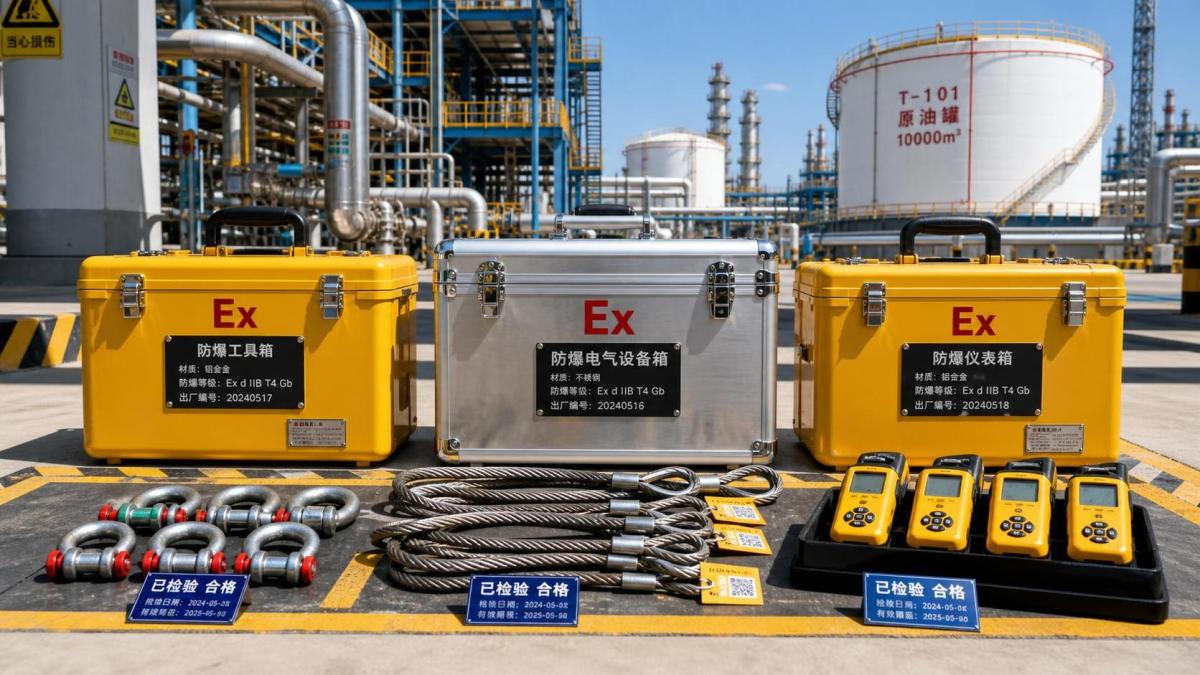
Lifting equipment requires particular control. Cranes, slings, shackles, lifting beams, man baskets, and rigging accessories need valid inspection and load-test evidence.
Inspection intervals must meet local law, manufacturer guidance, recognized standards, and operator requirements. Visual pre-use checks cannot replace legally required thorough examinations.
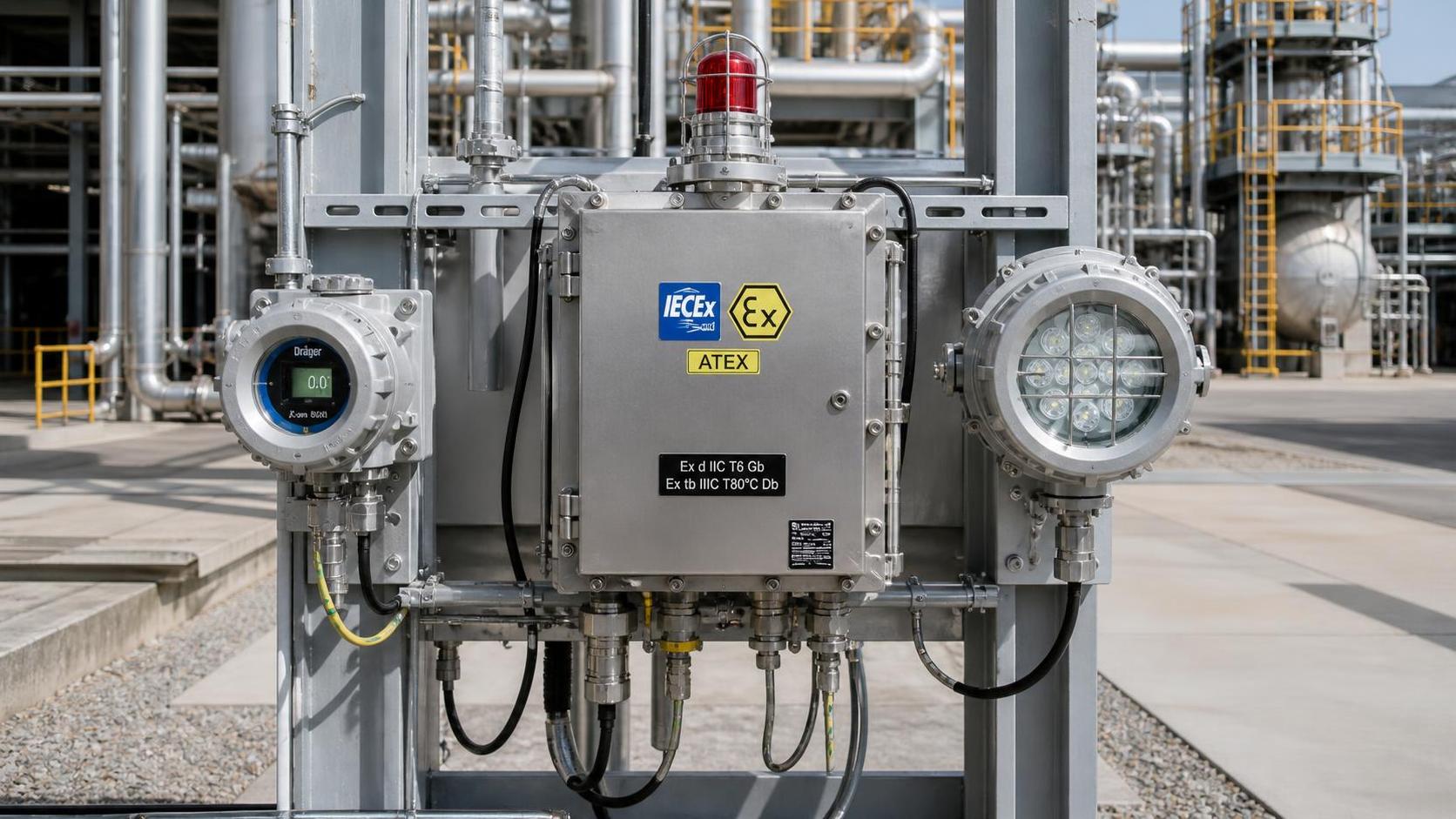
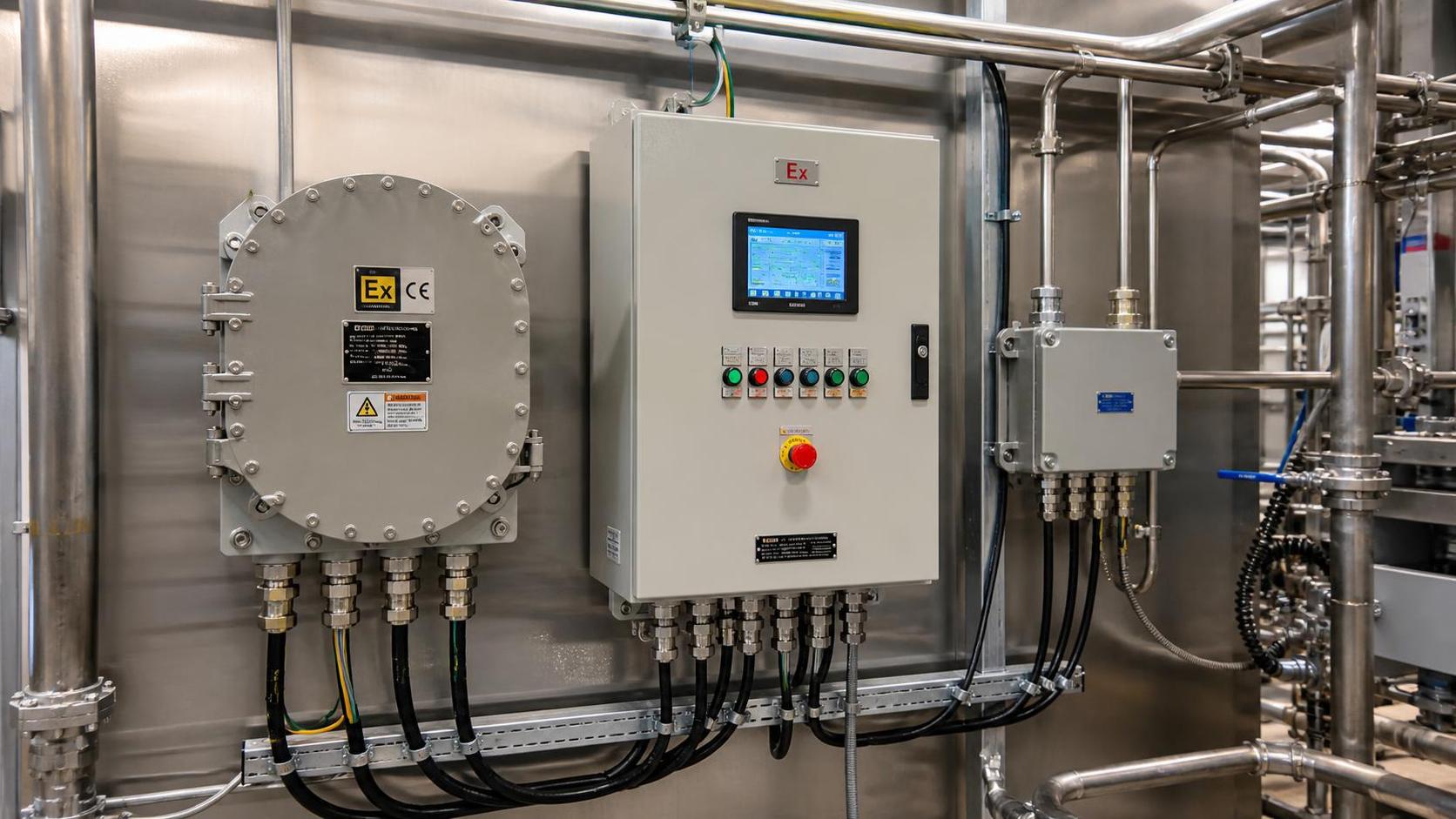
For hazardous locations, electrical and electronic equipment may need certification under IECEx, ATEX, UL, CSA, or another accepted scheme for the classified zone.
The certification marking must match the site classification, gas group, temperature class, protection concept, ambient conditions, and intended installation or portable-use arrangement.
Safety managers should verify certificates against the actual equipment nameplate, model, serial number, and configuration rather than accepting a general product brochure.
Temporary power systems require documented design, grounding, circuit protection, cable inspection, distribution-board labeling, and competent installation by authorized electrical personnel.
Vehicles and mobile plant should have maintenance records, operator authorization, safety devices, fire extinguishers, reversing alarms, and any required spark-arresting or shutdown systems.
Calibration certificates matter for gas detectors, pressure gauges, torque tools, electrical testers, and measurement instruments used to make safety-critical acceptance decisions.
Prepare Emergency Response and Environmental Protection Evidence
Before mobilization, contractors must show they can respond effectively to foreseeable emergencies without relying solely on the operator's emergency team and facilities.
The emergency response plan should identify credible scenarios, escalation routes, emergency contacts, muster arrangements, rescue resources, communications, and post-incident reporting responsibilities.
Likely scenarios include fire, gas release, spill, dropped object, medical emergency, confined-space rescue, vehicle collision, severe weather, and loss of communications.
Plans must be proportionate to the work. A contractor entering confined spaces needs a practical rescue capability, not merely a statement that emergency services will respond.
Response roles should be assigned by name or position, with trained alternates available for night shifts, absences, remote locations, and changing work crews.
Emergency drills provide evidence that plans work under realistic conditions. Operators may request drill records, response-time results, observations, and corrective-action closure documentation.
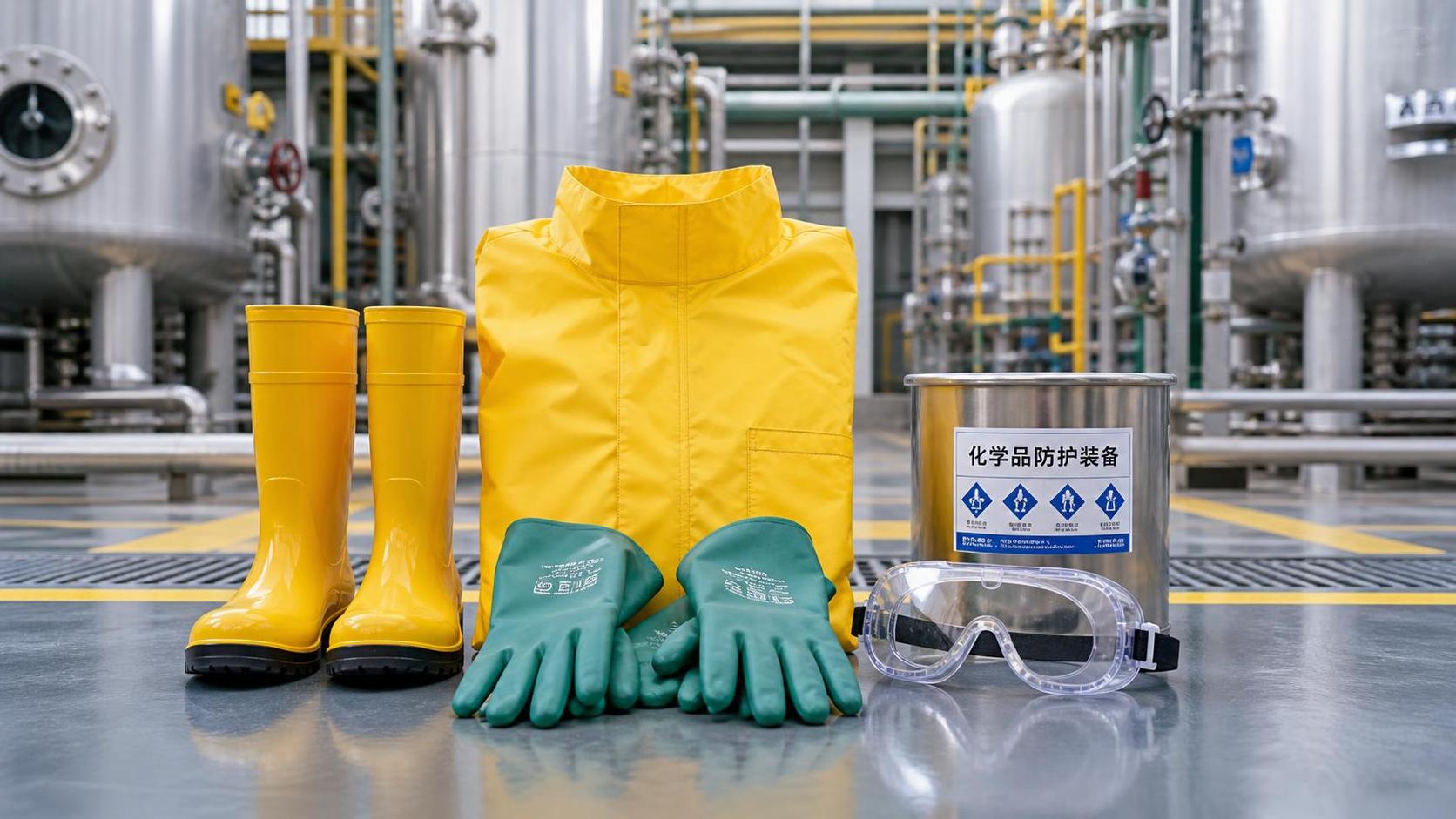
Environmental readiness should cover waste segregation, spill prevention, chemical storage, secondary containment, drainage protection, emissions controls, and incident notification procedures.
Safety data sheets must be current, accessible, understandable to users, and aligned with the chemicals actually brought to site by the contractor.
Where fuel, chemicals, or waste cross borders, managers should confirm transport, labeling, customs, and disposal obligations before equipment is dispatched.
Review Incident Performance and Contractor Assurance Before Approval
Operators frequently assess a contractor's historical performance because past behavior can reveal weaknesses that certificates and polished procedures do not show.
Typical prequalification metrics include total recordable incident rate, lost-time injury rate, fatality history, high-potential events, environmental releases, and enforcement actions.
Numbers should be interpreted in context. A low incident rate from limited exposure hours may provide less assurance than transparent reporting and demonstrable corrective action.
Quality and safety managers should expect questions about root-cause investigations, recurring themes, overdue corrective actions, disciplinary controls, and management review outcomes.
Contractors with recent serious events should be able to explain what changed in their controls, training, leadership oversight, supervision, and equipment management.
Independent audits, client assessments, third-party certifications, and documented internal inspections can strengthen assurance when their scope and findings are clearly available.
However, prequalification should not become a one-time gate. Conditions, personnel, subcontractors, equipment, and project risks can change significantly after award.
A practical approach uses staged assurance: document review before mobilization, site verification at arrival, targeted audits during execution, and formal performance review after completion.
Use a Mobilization Readiness Checklist That Produces Clear Decisions
An effective mobilization checklist should produce a clear approve, approve-with-actions, hold, or reject decision for every worker, vehicle, package, and subcontractor.
Start by confirming the contract scope, work locations, planned dates, operating conditions, interfaces, and applicable oil and gas industry safety standards.
Next, verify organizational documents: safety policies, management-system certificates, insurance, licenses, emergency plans, risk assessments, procedures, and subcontractor control arrangements.
Then review people: identity documents, medical fitness, competency records, role authorization, site induction status, training expiry dates, and supervisor-to-worker ratios.
Review equipment separately from personnel. Confirm inspection certificates, hazardous-area approvals, calibration records, maintenance history, pre-use checks, and transport condition.
For each missing item, record the risk, required action, responsible person, due date, and whether the item prevents entry, restricts work, or needs operator acceptance.
Do not close findings based on verbal confirmation. Require objective evidence, such as a validated certificate, signed inspection, revised procedure, or completed competency assessment.
A final readiness meeting should involve operations, project management, safety, quality, logistics, and contractor supervision so unresolved interfaces are visible before deployment.
This approach reduces last-minute site disputes and ensures that mobilization approval represents genuine operational readiness rather than pressure to meet a schedule.
Common Mobilization Failures That Safety Managers Should Challenge
One recurring failure is submitting documents that are technically valid but unrelated to the planned task, equipment, location, or country-specific legal requirements.
Another is relying on expired training records, unverified certificates, or shared equipment documents that do not identify the actual asset being mobilized.
Contractors also underestimate interface risk when several companies work together, especially during shutdowns, turnarounds, drilling campaigns, and brownfield modifications.
Generic emergency plans often fail to identify rescue equipment, local hospital arrangements, communications limitations, or responsibilities when an incident affects multiple contractors.
Incomplete hazardous-area verification is especially serious because unsuitable electrical equipment can become an ignition source in flammable gas or vapor environments.
Managers should challenge any readiness claim that lacks verifiable evidence, a named owner, a current date, or a clear connection to the site scope.
Early challenge is commercially valuable. Correcting deficiencies before travel, shipment, and site entry costs far less than stopping a crew after mobilization.
Conclusion: Treat Mobilization Compliance as a Risk Control, Not a Paperwork Exercise
Contractors should meet legal obligations, operator rules, management-system requirements, competency standards, equipment certifications, and task-specific controls before entering an oil and gas site.
For quality and safety managers, the best decision framework is simple: confirm applicability, demand objective evidence, test field readiness, and close gaps before exposure begins.
ISO 45001, recognized technical certifications, competent personnel, controlled work methods, and credible emergency arrangements form the foundation of successful contractor mobilization.
When these controls are verified systematically, organizations reduce non-conformities, improve contractor performance, protect people, and start critical work with stronger operational confidence.