SAMR Launches Joint Enforcement on废旧动力电池 Recycling
Author
Date Published
Reading Time
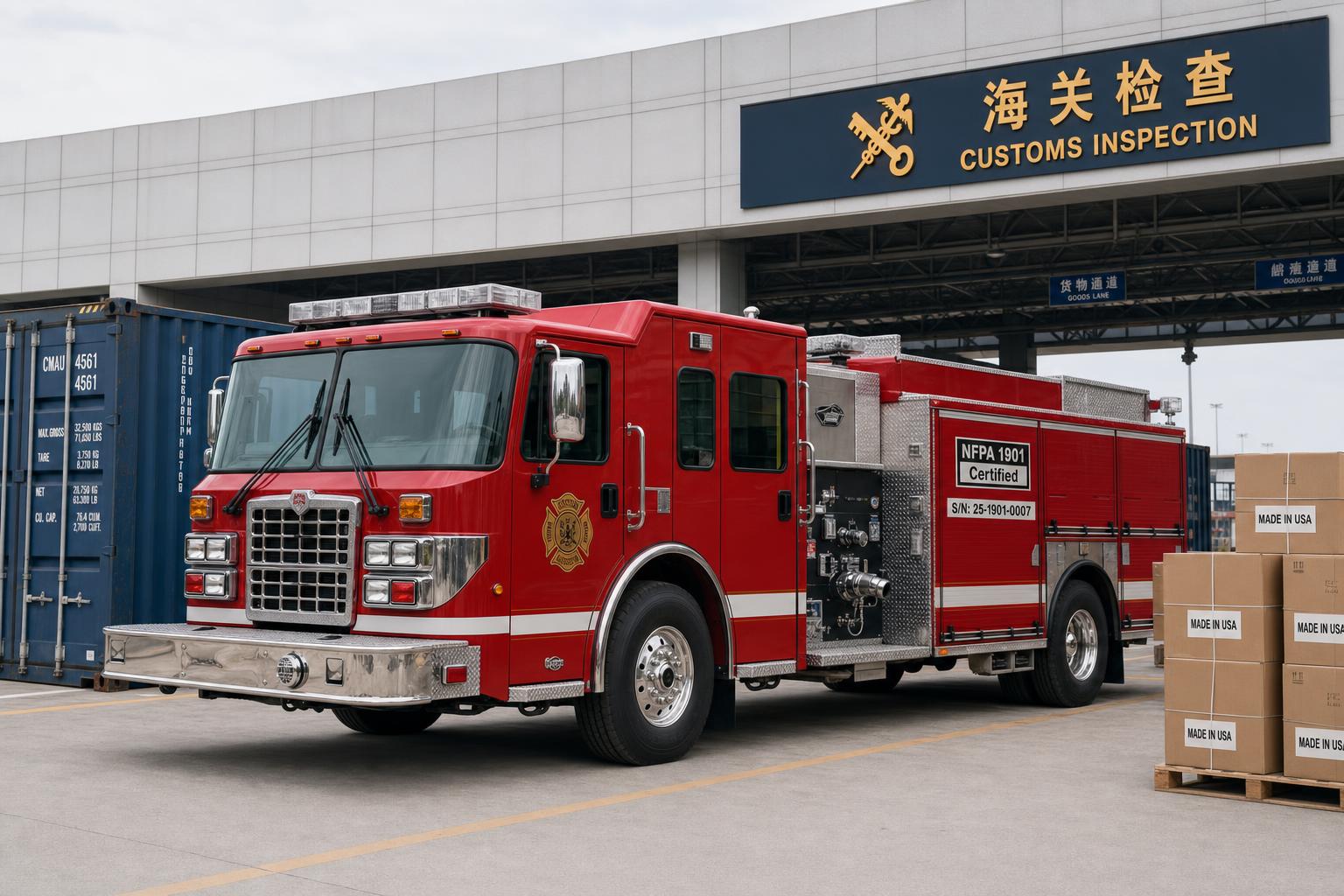
On May 11, 2026, China’s State Administration for Market Regulation (SAMR), together with the Ministry of Ecology and Environment, the Ministry of Commerce, and two other departments, launched a nationwide joint enforcement initiative titled ‘Special Rectification Campaign on Compliance in Power Battery Second-Life Utilization’. The action directly affects global supply chains for cordless power tools and security & emergency backup power systems — particularly those exporting to regulated markets requiring CCC certification or CE-equivalent conformity assessments.
Event Overview
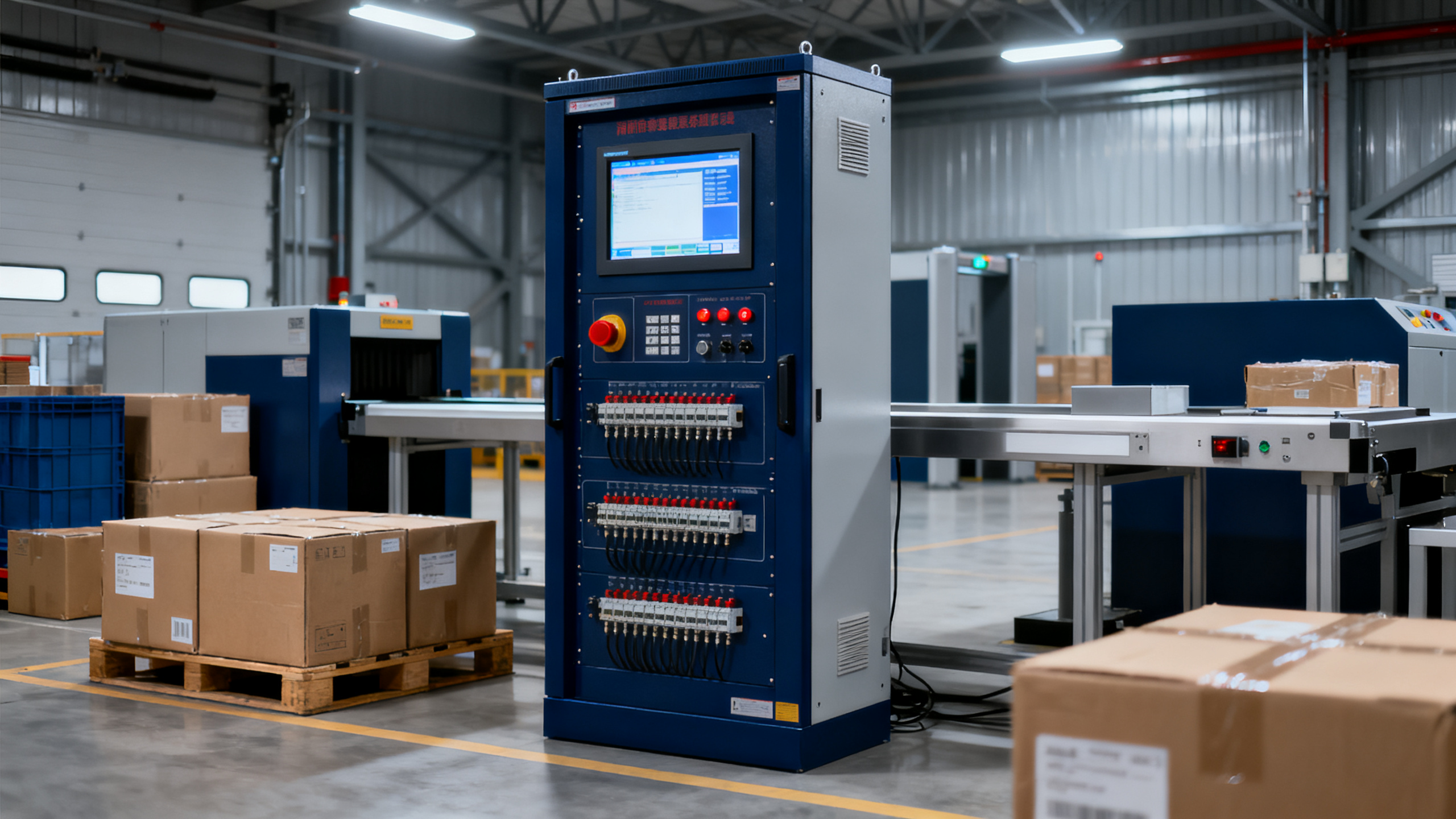
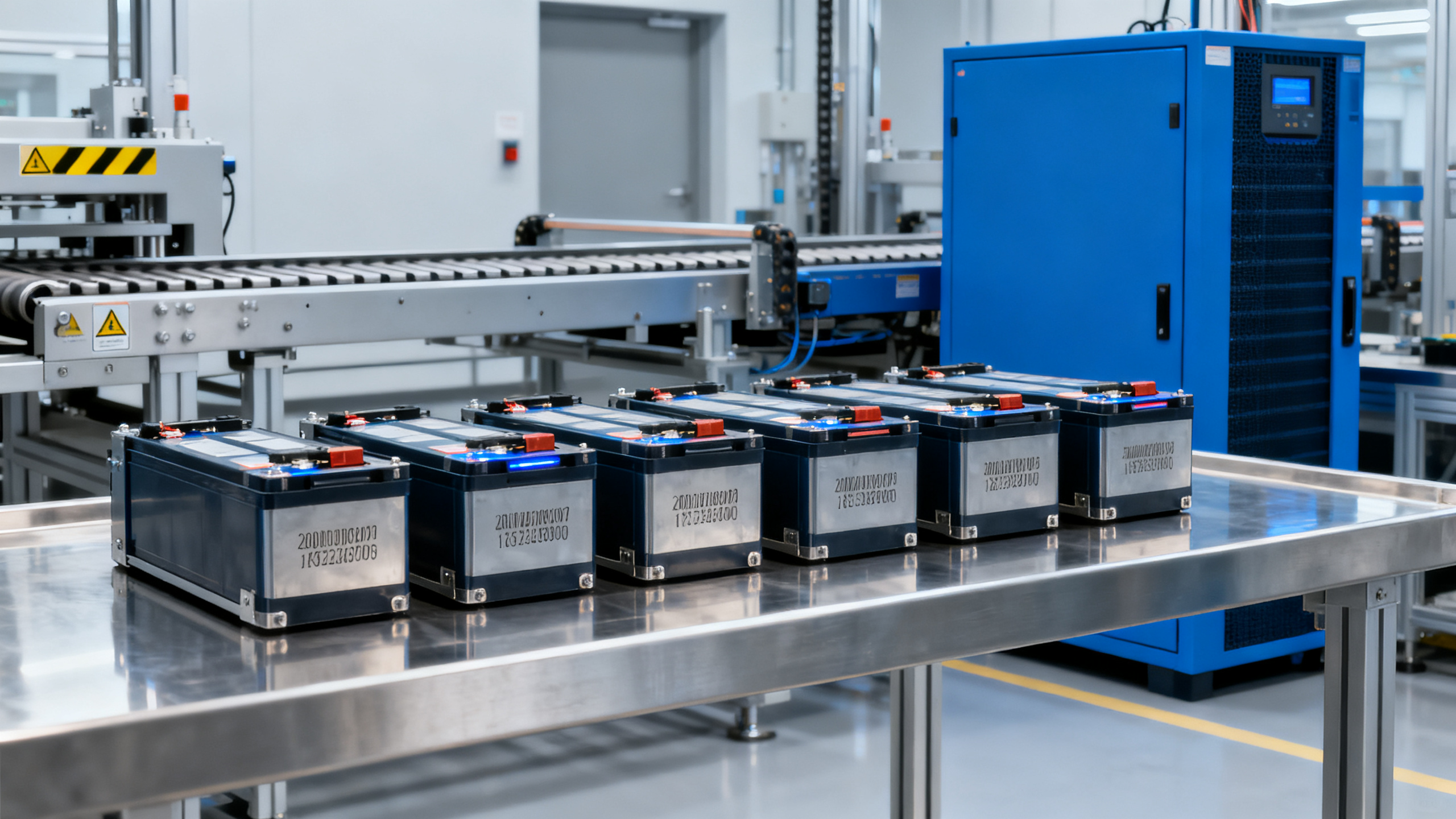
On May 11, 2026, SAMR, the Ministry of Ecology and Environment, the Ministry of Commerce, and two additional departments jointly initiated the ‘Special Rectification Campaign on Compliance in Power Battery Second-Life Utilization’. The campaign focuses on verifying the completeness of traceability codes and the validity of safety certifications for lithium-ion cells repurposed in electric tool battery packs and industrial/uninterruptible power supply (UPS) units used in security and emergency applications. As of the initial announcement, two export-oriented enterprises have been publicly named for failing to connect their second-life battery products to China’s national battery traceability platform; both have had their China Compulsory Certification (CCC) suspended.
Industries Affected
Direct Exporters
Exporters supplying lithium-powered equipment to markets recognizing or requiring CCC — including Fire & Rescue Equip (e.g., emergency lighting, portable fire pump batteries) and PPE & Workwear with integrated smart power modules (e.g., powered helmets with communication and sensor systems) — face immediate compliance risk. Their products may be detained at customs or rejected by importers if traceability documentation or certified second-life cell usage cannot be verified.
Component Manufacturers & Module Assemblers
Firms assembling battery packs containing reused lithium cells — especially those sourcing from domestic Chinese recyclers or tier-2 suppliers — are now subject to upstream verification requirements. The absence of valid traceability codes on individual cells or incomplete chain-of-custody records may invalidate final product certification, delaying shipments or triggering audit follow-ups.
Industrial UPS & Critical Power System Integrators
Suppliers of backup power solutions for security infrastructure (e.g., access control systems, surveillance network UPS units) and emergency response equipment must confirm whether any second-life cells are present in their power modules. Even if such cells meet technical performance thresholds, missing or non-verifiable traceability data now constitutes a regulatory red flag under the current enforcement scope.
Key Points for Enterprises and Practitioners to Monitor and Act Upon
Track official updates on traceability platform integration requirements
Enterprises should monitor further guidance from SAMR and the Ministry of Ecology and Environment regarding deadlines, technical specifications for traceability code formatting, and acceptable formats for third-party verification reports. Current enforcement targets confirmed non-integration; future phases may extend to data accuracy audits or real-time platform synchronization.
Review product bills of materials for second-life lithium cells in regulated categories
Specifically assess battery packs used in Fire & Rescue Equip and PPE & Workwear with embedded power systems. Confirm whether any cells originate from retired EV or energy storage batteries — and whether full traceability documentation (including original OEM batch IDs and recycling facility certifications) is available and platform-registered.
Distinguish between policy signal and operational impact
This initiative is currently enforcement-led and narrowly scoped: it applies only to products incorporating second-life cells sold in markets where CCC remains mandatory or influential (e.g., domestic China distribution, ASEAN partners referencing CCC, or EU importers adopting aligned due diligence). It does not yet constitute a blanket ban on second-life use, nor does it affect new-cell-based products unless mislabeled as second-life.
Prepare documentation and supplier alignment ahead of potential audits
Where second-life cells are used, ensure procurement contracts require traceability code provision and safety certification handover. Maintain internal logs linking each cell batch to its source, recycling certificate, and integration date. Pre-emptively validate that all relevant data fields align with the national traceability platform schema.
Editorial Perspective / Industry Observation
Observably, this action signals a formal shift from voluntary guidance to enforceable oversight in China’s second-life battery ecosystem. Analysis shows it is less about halting reuse and more about anchoring accountability — specifically, ensuring that safety-critical applications do not incorporate unverified or undocumented lithium cells. From an industry perspective, this is best understood not as an isolated inspection round but as the first visible phase of a broader traceability-driven compliance regime likely to expand into EV battery recycling reporting and cross-border export declarations. Continued attention is warranted because enforcement criteria — especially definitions of ‘safety-critical application’ and ‘traceability completeness’ — remain subject to refinement through upcoming departmental notices.
In summary, this enforcement action marks a material tightening of compliance expectations for lithium battery reuse in industrial and safety-relevant equipment. It underscores that traceability is no longer a logistical detail but a prerequisite for market access in key segments. Current developments are better interpreted as a procedural escalation than a substantive policy reversal — one that prioritizes verifiability over prohibition, and accountability over exclusion.
Source: Official joint notice issued by the State Administration for Market Regulation (SAMR), Ministry of Ecology and Environment, Ministry of Commerce, and two unnamed departments on May 11, 2026. Public通报 of two suspended CCC certifications confirmed via SAMR’s official website. Further implementation details remain under observation and are expected to be clarified in subsequent technical circulars.
Technical Specifications
- How to Select Electronic Hotel Key Card Locks for Guest Rooms and Staff AreasAuthor :Safety Compliance Lead
- How to Select Lab Instruments for Reliable Chemical Analysis WorkflowsAuthor :Precision Metrology Expert
- How to Size a UPS for Server Rooms: Load, Runtime, and Redundancy FactorsAuthor :Grid Infrastructure Analyst
Expert Insights

Chief Security Architect
Dr. Thorne specializes in the intersection of structural engineering and digital resilience. He has advised three G7 governments on industrial infrastructure security.
Related Analysis
- Sep 17, 2026How to Select Electronic Hotel Key Card Locks for Guest Rooms and Staff AreasAuthor :Safety Compliance Lead
- Sep 16, 2026How to Select Lab Instruments for Reliable Chemical Analysis WorkflowsAuthor :Precision Metrology Expert
- Sep 15, 2026How to Size a UPS for Server Rooms: Load, Runtime, and Redundancy FactorsAuthor :Grid Infrastructure Analyst
Core Sector // 01
Security & Safety
- Steel Rescue Tripods Wholesale: Key Load Ratings, Standards, and Buying MistakesAuthor :Safety Compliance Lead

- India Lifts Duty on Fire Rescue Imports to 22%Author :Safety Compliance Lead

- IEC 62061 Amendment 2 Targets Fire & Rescue ControllersAuthor :Safety Compliance Lead

- IEC 62819-2:2026 Sets New Cybersecurity CheckpointAuthor :Safety Compliance Lead

- When to Use a Quick Deployment Oil Boom for Spill Control in Ports and Inland WatersAuthor :Safety Compliance Lead

- Saudi SASO Adds Cybersecurity Annex to Fire Equipment CertificationAuthor :Safety Compliance Lead

- CBP Pre-Arrival Portal Raises Import Checks for Fire EquipmentAuthor :Safety Compliance Lead

- UAE Sets Cybersecurity Gate for Fire Control PanelsAuthor :Safety Compliance Lead